
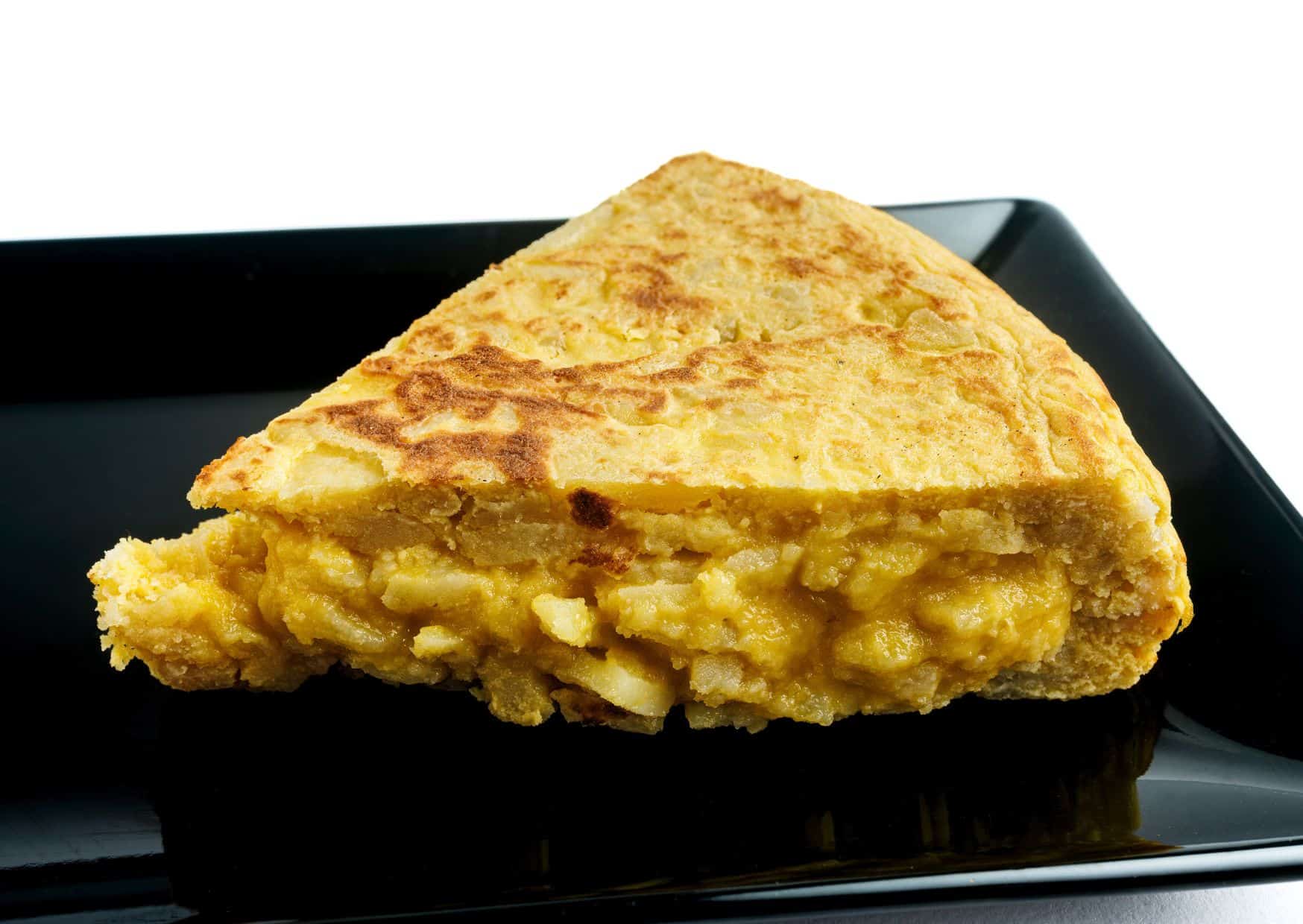
Few dishes in Spain ignite as much passion—and heated debate—as the humble Tortilla Española, also known as the Spanish omelette. Made with simple ingredients like potatoes, eggs, and olive oil, this classic dish is a staple of Spanish cuisine and can be found everywhere from home kitchens to tapas bars. But there’s one question that divides the country like no other: cebolla o sin cebolla—with onion or without?
What might sound like a small detail is, in Spain, a point of cultural pride and personal identity. Some argue that onions add the perfect touch of sweetness and depth, while purists insist the traditional tortilla should consist of nothing more than potatoes, eggs, and salt. The debate goes beyond taste—it reflects regional traditions, family customs, and even political banter in Spanish pop culture.
In this post, we’ll break down both sides of the tortilla war, show you how to make it either way, and help you decide for yourself which team you belong to. Whether you prefer your tortilla juicy and soft (jugosa) or firm and dense, one thing’s certain: no trip to Spain—or Spanish-inspired kitchen—is complete without trying this iconic dish.
The best Spanish food to try, Breakfast in Spain, and vegetarian food in Spain
BOOK YOUR TRAVEL INSURANCE
Two of our favorite travel insurance: Heymondo Vs Safetwing cheapest travel Insurance. You can get for $135 USD your Heymondo Travel Insurance with Heymondo discount code valid for 90 days. Read our full comparison of Genki vs Safetywing Travel Insurance Review and the comparison Heymondo vs Genki
Best Time to Eat & What to Serve With Spanish Omelette
Tortilla Española is incredibly versatile and can be eaten at any time of day. It’s commonly enjoyed as a midday tapa, a light dinner, or even for breakfast. It also makes a perfect addition to a picnic, packed lunch, or family brunch.
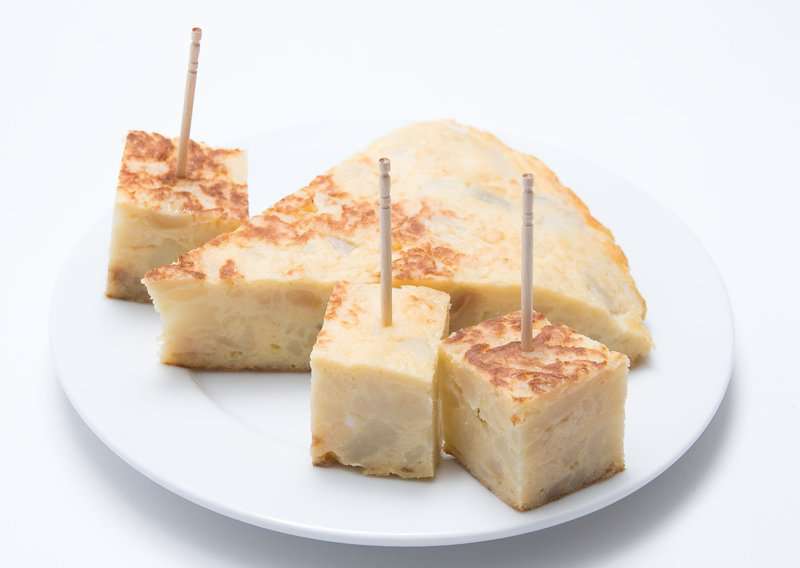
Serve it warm or at room temperature, sliced into wedges or small cubes for sharing. Pair it with crusty bread, a simple tomato salad, or pan con tomate. For drinks, a glass of red Rioja, a light vermouth, or even a cold Spanish lager complements the dish beautifully. Want to go full Spanish? Add some olives, manchego cheese, and jamón serrano on the side.
No matter how you slice it—or which side of the onion debate you land on—the Spanish omelette is more than just food: it’s a delicious gateway into the heart of Spanish culture.
Few foods stir national debate in Spain quite like the Spanish omelette—specifically whether it should include onions. Con cebolla supporters claim that the caramelized onion enhances flavor and moisture, making it a more nuanced dish. In contrast, sin cebolla advocates argue for purity—potato and egg, no distractions.
This isn’t just a kitchen squabble; it’s a full-blown cultural divide. Online polls, celebrity chefs, and even politicians have weighed in. Some households are split on the issue, treating the topic as jokingly taboo at family gatherings.
The real controversy? Many tourists and outsiders don’t realize how deeply this debate runs. Asking a Spaniard which version they prefer can instantly spark passionate arguments. It’s not just a matter of taste—it’s identity, tradition, and pride, all folded into a simple dish.
The Great Debate: With Onion (Con Cebolla) vs. Without Onion (Sin Cebolla)
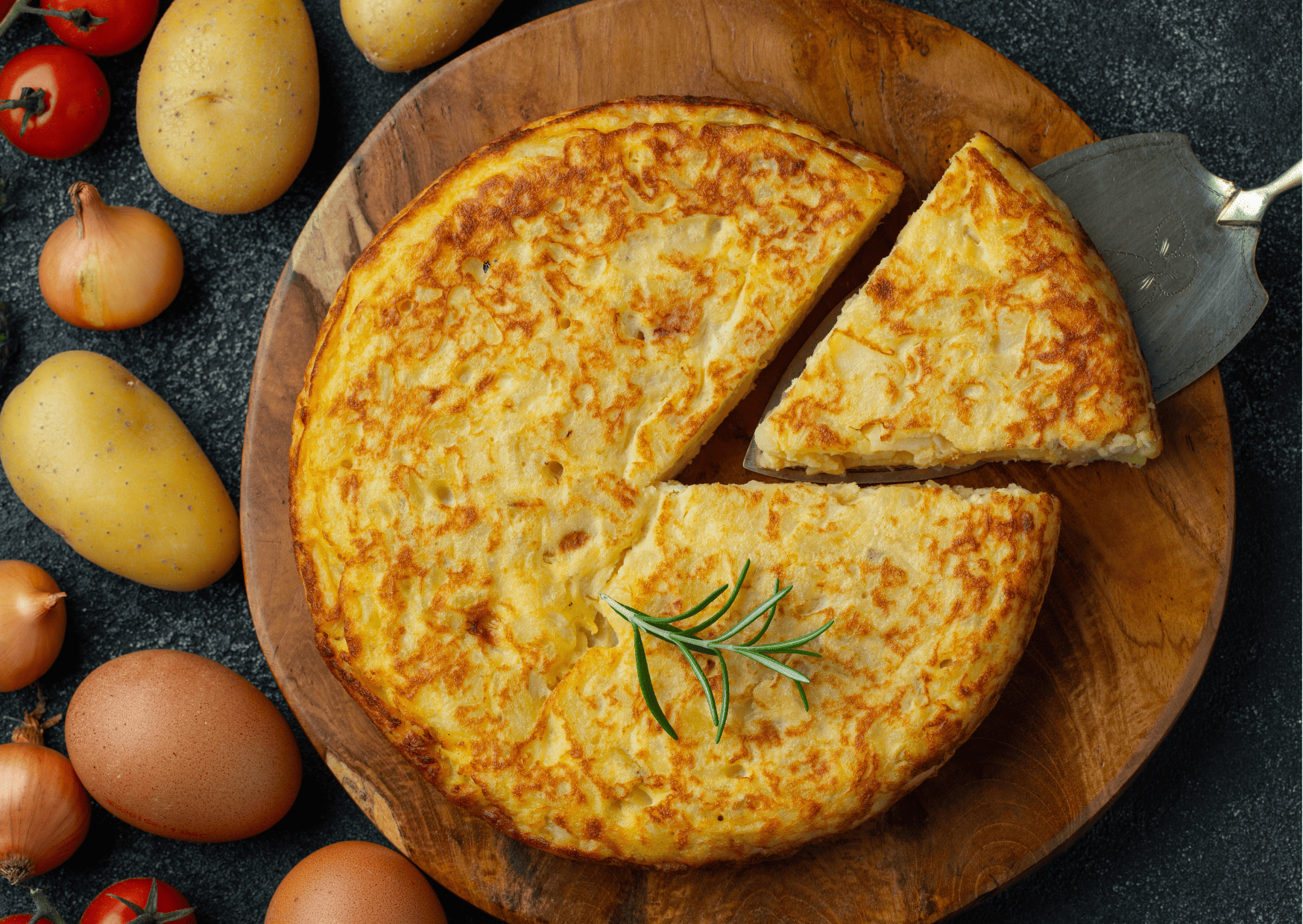
With Onion (Con Cebolla):
Flavor: Proponents of adding onion argue that it enhances the flavor of the omelette, adding sweetness and depth. The onion caramelizes slightly during cooking, giving the tortilla a richer taste.
Texture: Onions can add a slight softness to the texture of the tortilla, creating a contrast with the firmer potatoes.
Without Onion (Sin Cebolla):
Purity: Those who prefer their tortilla without onion often argue that the simpler recipe allows the flavors of the eggs and potatoes to shine through without distraction.
Traditionalism: Some believe that the most traditional and authentic version of the tortilla is made without onion, maintaining a focus on the basic ingredients.
Recipe Guide: How to Make Spanish Omelette (With or Without Onion)
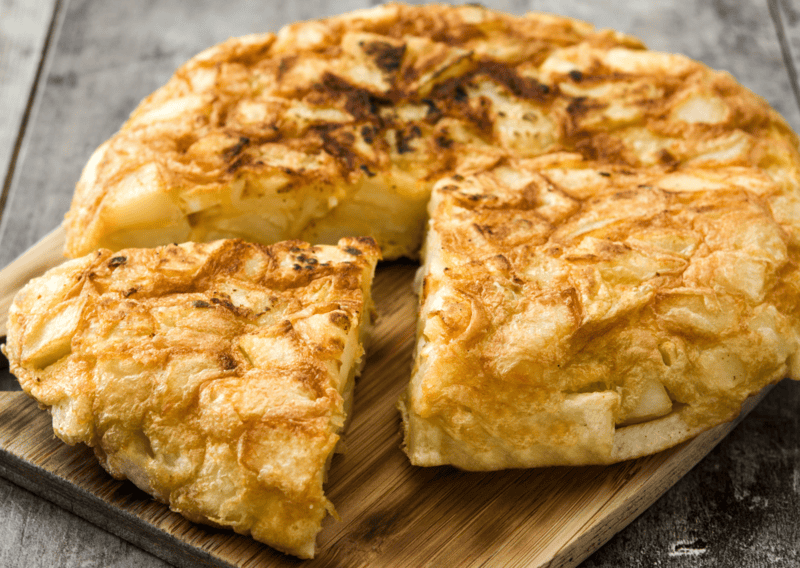
Ingredients:
4 large potatoes (Yukon Gold or similar)
1 medium onion (optional)
6 large eggs
1 cup olive oil (for frying)
Salt to taste
Instructions:
Step 1: Prepare the Potatoes (and Onion)
Peel and Slice the Potatoes:
Peel the potatoes and slice them thinly (about 1/8 inch thick). You can also cut them into small cubes if you prefer.
Slice the Onion (if using):
Peel the onion and slice it thinly.
Step 2: Cook the Potatoes (and Onion)
Heat the Olive Oil:
In a large, deep frying pan, heat the olive oil over medium heat. The oil should be hot but not smoking.
Fry the Potatoes (and Onion):
Add the sliced potatoes to the oil. If you’re using onion, add it now as well. Fry gently, stirring occasionally, until the potatoes are soft but not browned, about 15-20 minutes. The potatoes should be tender enough to break apart with a spoon.
If you want a more caramelized flavor, cook the onions first until they are soft and slightly golden, then add the potatoes.
Drain and Season:
Use a slotted spoon to remove the potatoes (and onion) from the oil, draining them well. Place them in a large mixing bowl and season with salt to taste. Let them cool slightly.
Step 3: Prepare the Egg Mixture
Beat the Eggs:
In a separate bowl, beat the eggs until well combined. Season with a pinch of salt. Add the slightly cooled potatoes (and onion) to the beaten eggs. Stir gently to combine, ensuring all the potato slices are coated with egg. Let the mixture sit for about 5 minutes.
Step 4: Cook the Tortilla
Heat the Pan:
Remove most of the oil from the pan, leaving just enough to lightly coat the bottom. Heat the pan over medium heat. Pour the egg and potato mixture into the pan, spreading it evenly.
Cook the tortilla on medium-low heat until the edges start to set and the bottom is golden brown, about 5-7 minutes. The top should still be slightly runny.
Flip the Tortilla:
Place a large plate over the pan and carefully flip the tortilla onto the plate. Slide the tortilla back into the pan, uncooked side down. Cook for another 3-5 minutes until the tortilla is fully set but still moist inside.
Step 5: Serve
Let the tortilla cool slightly before cutting into wedges. Serve warm or at room temperature, accompanied by a salad, bread, or as part of a tapas spread.
Tips
If you prefer a firmer tortilla, cook it longer on each side. For a more traditional, slightly runny center, reduce the cooking time.
Add chopped bell peppers, chorizo, or spinach for a different twist. However, keep in mind that these variations might lean away from the traditional recipe.
Some cooks let the potato-onion mixture rest in the beaten eggs for longer to allow the flavors to meld. This can enhance the overall taste of the tortilla.
Calories
With Onion (Con Cebolla): Approximately 300-350 calories per serving (based on 6 servings from one tortilla)
Without Onion (Sin Cebolla): Approximately 280-330 calories per serving (based on 6 servings from one tortilla)
Breakdown:
Potatoes: ~150 calories per serving
Eggs: ~120 calories per serving
Olive Oil (for frying, absorbed): ~50-80 calories per serving
Onion (if using): ~20 calories per serving
Conclusion Spanish Omelette With Onion Or Without
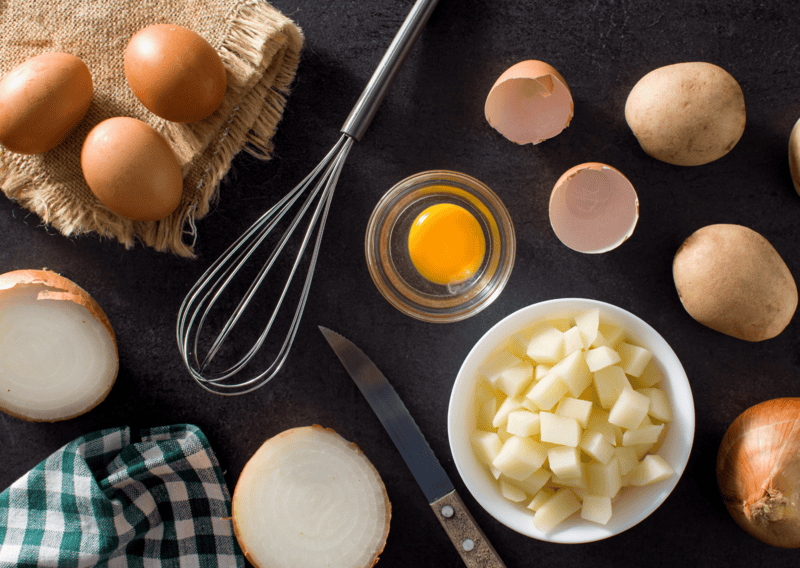
The debate over whether the Spanish omelette should be made with or without onion is unlikely to be settled anytime soon. Both versions offer their unique flavors and textures, so why not try both and decide for yourself? For us definetely with onion tastes better.
Whether you prefer the sweetness of the onion or the simplicity of the classic potato and egg combination, the Spanish omelette remains a versatile and delicious dish that’s perfect for any meal. Enjoy it hot or at room temperature, and don’t forget to pair it with a glass of Spanish wine or a crusty piece of bread for the full experience!
At the heart of this omelette war is something much deeper: the way food shapes cultural identity. Whether you like your tortilla de patatas with onion or without, what matters most is the appreciation of its humble ingredients and timeless preparation.
This dish may seem simple, but it reflects the complexity of Spanish culinary heritage—one that values debate, dialogue, and above all, flavor.
So the next time you make or order a Spanish omelette, try both versions with an open mind. You might not just pick a side—you might gain a whole new appreciation for one of Spain’s most iconic (and divisive) dishes.
Origin and History
The Spanish omelette, known as tortilla española or tortilla de patatas, has roots in humble home cooking. The earliest written recipes date to the nineteenth century, when potatoes became widespread in Spain after centuries of agricultural development and trade. The combination of eggs and potatoes created an affordable, filling meal for rural families, especially in regions where meat was scarce. The simplicity of the dish helped it spread quickly across the country, turning it into a staple of household kitchens.
Over time, the tortilla became more than an everyday meal. It entered taverns, cafés, and public gatherings as a symbol of national identity. Each region adapted the recipe according to local ingredients and preferences, creating countless versions based on thickness, cooking style, or seasonings. One variation included onions, which added sweetness and moisture to the dish while reflecting the Mediterranean tendency to combine aromatic vegetables with basic ingredients. This addition eventually sparked the debate that endures today.
By the late twentieth century, the tortilla had become a culinary emblem beyond Spain’s borders. Travelers encountered it as part of tapas bars and informal meals, and the contest between onion and no onion became a playful yet spirited argument among cooks and diners. What began as a small variation transformed into a cultural discussion about what defines authenticity in a dish so deeply woven into everyday life.
The debate over adding onion to a Spanish omelette reveals strong opinions rooted in personal history. Those who argue against onion believe the dish’s purity lies in two ingredients: potatoes and eggs. To them, onion disrupts the balance and introduces sweetness that competes with the earthy potato flavor. They often describe their version as more traditional, regardless of regional evidence that onions have been part of the dish for generations.
On the other side, supporters of onion argue that the ingredient enhances the texture and reduces dryness. They say that onions allow the tortilla to remain moist without needing additional oil. This group sees the dish as a reflection of Spanish cooking’s resourcefulness, where simple ingredients are combined to create rich results. They consider the onion debate an unnecessary constraint on a dish meant to adapt to household preferences.
The discussion extends beyond flavor to identity. Because the tortilla is served at celebrations, family tables, and casual bars, each household treats its recipe as part of personal heritage. Passion arises when these private traditions meet public opinion, especially through social media and televised cooking competitions. For many, the question is not just about cooking but about recognizing the values attached to something shared by millions.
How Long It Takes to Prepare
Preparing a classic Spanish omelette takes around forty minutes from start to finish. The cooking begins with slow-frying potatoes in olive oil, a stage that often requires twenty minutes to achieve softness without browning. If onions are included, they are typically cooked with the potatoes, allowing their flavors to merge during this early stage. This process is simple but requires patience to prevent burning and ensure tenderness.
Once the potatoes reach the right texture, they are mixed with beaten eggs and rested briefly. This resting time helps the potatoes absorb some of the liquid, creating the unified texture that defines the finished omelette. Cooking the combined mixture takes around ten minutes on low heat, with a careful flip to ensure even cooking. The result is a thick, compact omelette with a creamy interior.
For cooks preparing the dish ahead of time, the omelette holds its structure well when cooled. It can be served warm or at room temperature, making it suitable for gatherings or casual meals. Even though it takes some time to cook properly, the steps are straightforward and rely more on attentiveness than advanced technique.
Serving Suggestions
The Spanish omelette is versatile and can be served in several ways. The most traditional approach is slicing it into wedges and offering it alongside bread and roasted peppers. This style emphasizes the richness of the eggs and the softness of the potatoes, creating a dish that works well as a snack or meal. A simple salad with vinaigrette can balance the density with acidity.
For tapas settings, bite-sized cubes of tortilla are served on small plates, often skewered with toothpicks. Pairing them with olives or marinated vegetables adds dimension without overshadowing the main flavor. If the debate is part of the presentation, offering both versions side by side lets guests compare them directly, turning the dish into a conversation piece.
Another serving option is using the tortilla as a sandwich filling. Placed inside crusty bread, it becomes a hearty meal known as a bocadillo de tortilla. This form is popular in cafés and informal lunches around Spain. It highlights the omelette’s portability and the way simplicity can be transformed into satisfying food with little effort.
Final Thoughts
The question of onion in a Spanish omelette endures because it speaks to how food preserves identity. What appears to be a simple ingredient decision reflects personal memory, regional culture, and collective tradition. The debate continues because the tortilla is a dish people care about and connect to deeply, far beyond its basic recipe. Cooking either version is a way to engage with that legacy.
The controversy also shows that authenticity is rarely a fixed point. Every household has its own definition shaped by family history and local customs. Exploring both versions offers insight into how food evolves and how traditions adapt while maintaining roots. Instead of choosing sides, tasting each style can reveal why both have supporters.
Ultimately, the Spanish omelette remains beloved because it uses ordinary ingredients to create something satisfying. Whether prepared with onion or without, the dish reflects a commitment to simplicity done well. The debate adds personality and charm, turning a common recipe into a cultural topic. The next time it is served, the question becomes part of the experience, inviting conversation and appreciation for one of Spain’s most iconic dishes.

About the Author: Ruben, co-founder of Gamintraveler.com since 2014, is a seasoned traveler from Spain who has explored over 100 countries since 2009. Known for his extensive travel adventures across South America, Europe, the US, Australia, New Zealand, Asia, and Africa, Ruben combines his passion for adventurous yet sustainable living with his love for cycling, highlighted by his remarkable 5-month bicycle journey from Spain to Norway. He currently resides in Spain, where he continues sharing his travel experiences with his partner, Rachel, and their son, Han.