
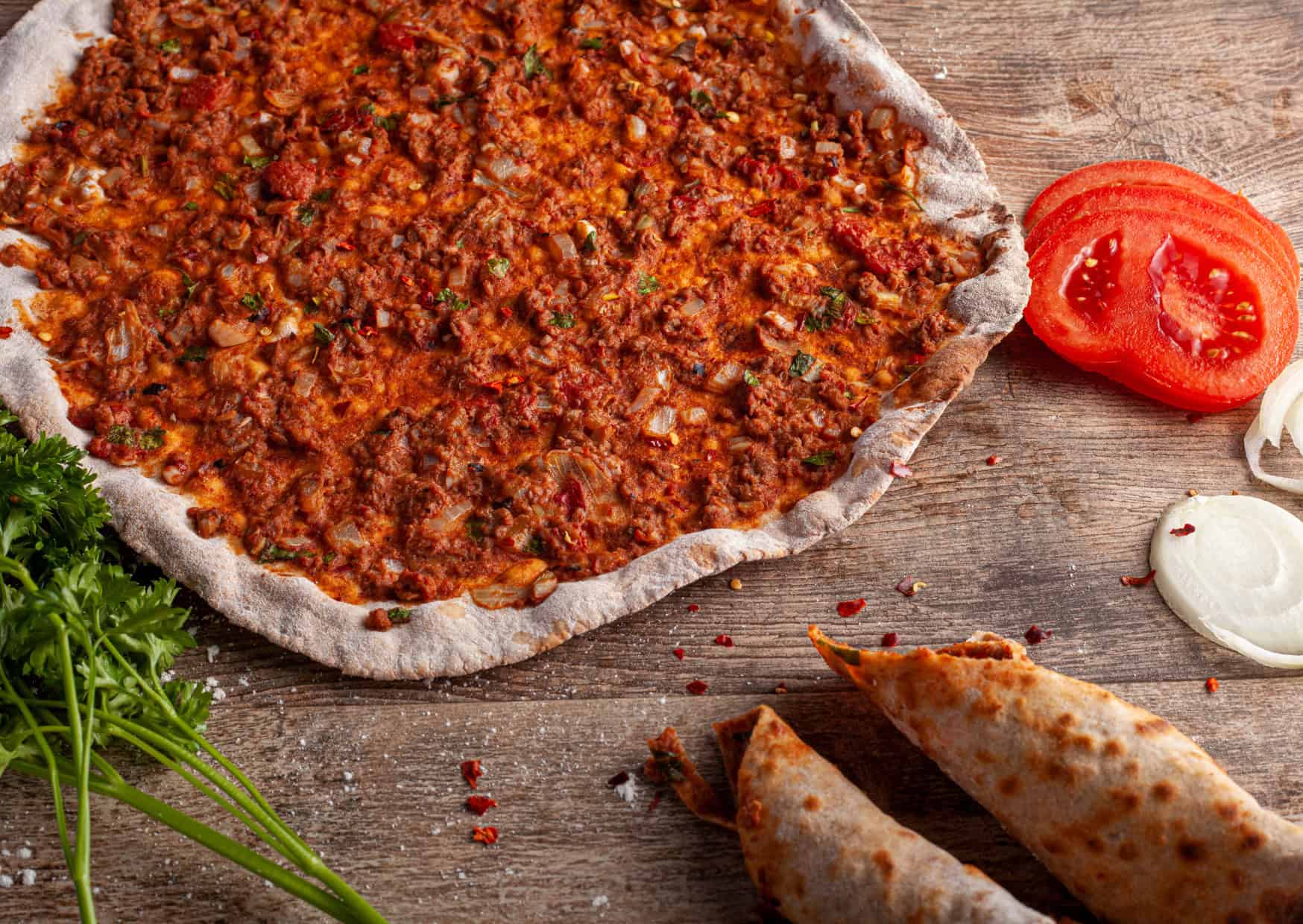
Lahmacun, often called “Turkish pizza,” is one of Turkey’s most popular and beloved street foods. This thin, crispy flatbread topped with a savoury mixture of minced meat, tomatoes, herbs, and spices is a dish that combines simplicity with rich, authentic flavour. Traditionally baked in wood-fired ovens and served rolled up with fresh parsley, onions, and a squeeze of lemon, lahmacun is a true reflection of Turkey’s vibrant culinary culture. In this recipe guide, you’ll learn how to make Turkish lahmacun at home for an easy yet impressive meal.
What makes lahmacun unique is its beautifully seasoned topping that fuses flavours like paprika, cumin, and sumac with fresh vegetables and ground meat, all spread thinly over a light dough. Unlike Western-style pizzas, lahmacun is not heavy with cheese but focuses on the freshness and harmony of spices, herbs, and meat. This makes it feel light yet deeply satisfying, perfect for enjoying any time of day.
Whether you’re hosting a Mediterranean dinner night, meal prepping for the week, or craving a delicious snack that feels both comforting and exotic, Turkish lahmacun is a recipe that delivers every time. It’s an easy way to bring the flavours of Istanbul’s bustling food stalls and local bakeries into your own kitchen.
Read here the best traditional Turkish breakfast and Is Turkey safe for travel?
BOOK YOUR TRAVEL INSURANCE
Two of our favorite travel insurance: Heymondo Vs Safetwing cheapest travel Insurance. You can get for $135 USD your Heymondo Travel Insurance with Heymondo discount code valid for 90 days. Read our full comparison of Genki vs Safetywing Travel Insurance Review and the comparison Heymondo vs Genki
Best Time To Eat
Lahmacun is best enjoyed as a light lunch, quick dinner, or savoury afternoon snack, especially when you want something flavourful, filling, and easy to eat on the go or alongside a fresh salad for a complete meal.
Best Dishes To Partner
Pair your Turkish lahmacun with a fresh shepherd’s salad (coban salatasi), ayran (Turkish yogurt drink), or a simple cucumber and yogurt dip. For a heartier meal, serve it alongside lentil soup (mercimek çorbası) or grilled vegetables to create a balanced and authentic Turkish dining experience.
Calling Lahmacun “Turkish pizza” might make it easier for outsiders to understand, but it’s also deeply irritating to many Turks. The comparison overlooks the cultural and culinary roots of the dish, which predate modern pizza. Lahmacun isn’t a variant of anything—it’s its own proud tradition, with roots in Armenian and Middle Eastern cuisine as well.
Another cultural shock? The absence of cheese. For many Western eaters, pizza without gooey cheese seems incomplete. But Lahmacun proves that flavor doesn’t need dairy to impress. The spice blend and herbs are the real stars, and many believe adding cheese or ketchup (yes, it’s been done by tourists) is borderline offensive.
How to Make Turkish Lahmacun
Lahmacun Recipe Ingredients
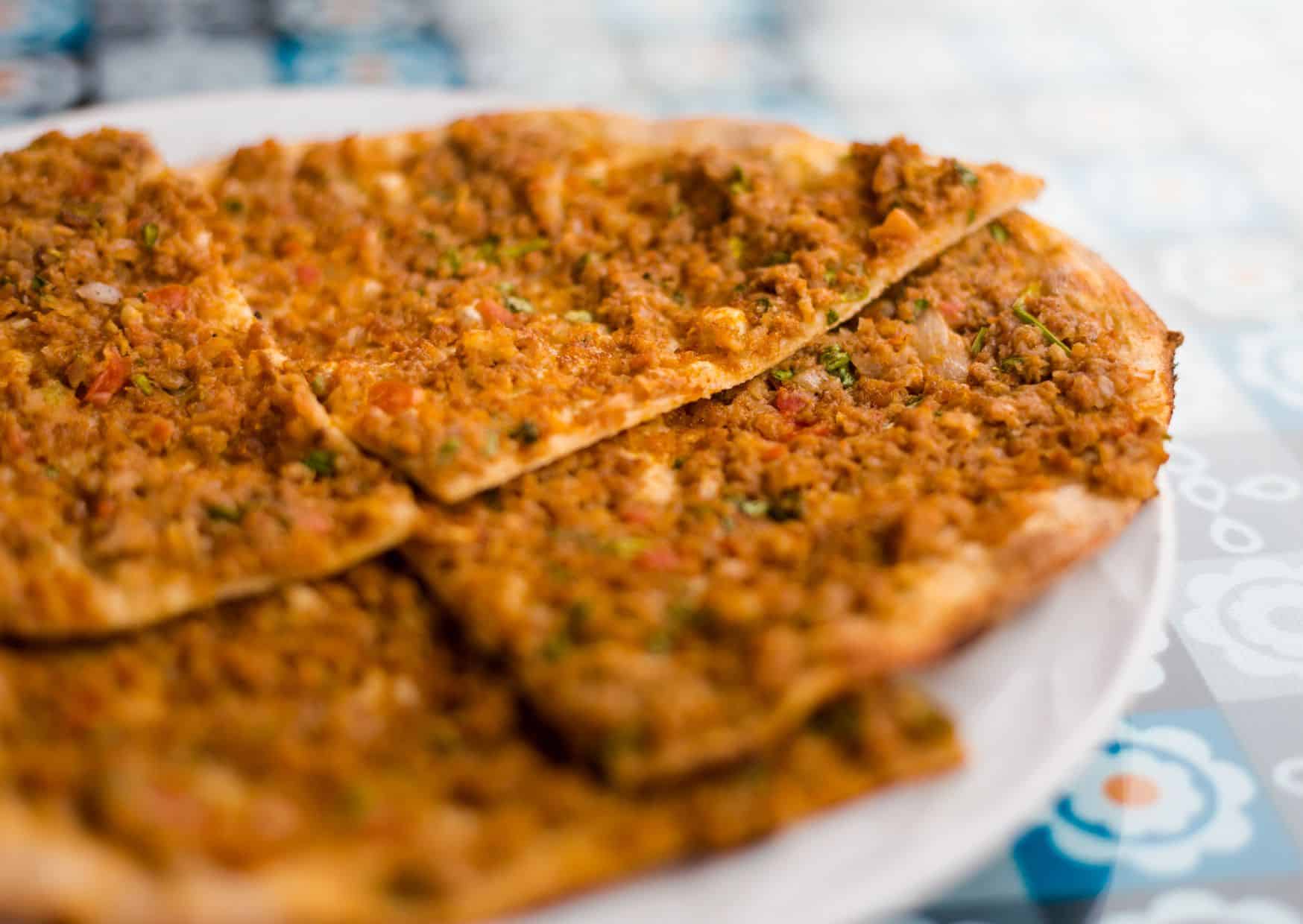
For the Dough:
3 1/2 cups all-purpose flour
1 cup warm water
1/4 cup olive oil
1 teaspoon salt
1 teaspoon sugar
1 teaspoon active dry yeast
For the Topping:
1/2 pound ground lamb or beef
1 medium onion, finely chopped
2 cloves garlic, minced
1 medium tomato, finely chopped
1/2 red bell pepper, finely chopped
1/4 cup parsley, finely chopped
2 tablespoons tomato paste
1 tablespoon red pepper paste (optional, for heat)
1 teaspoon ground cumin
1 teaspoon paprika
1 teaspoon ground black pepper
1 teaspoon salt
1/4 cup olive oil
Juice of 1 lemon
For Serving:
Lemon wedges
Fresh parsley or cilantro
Red onion slices
Sumac (optional)
Yogurt (optional)
Get the best deals for your home and kitchen needs
Step By Step How to Make Lahmacun
Prepare the Dough
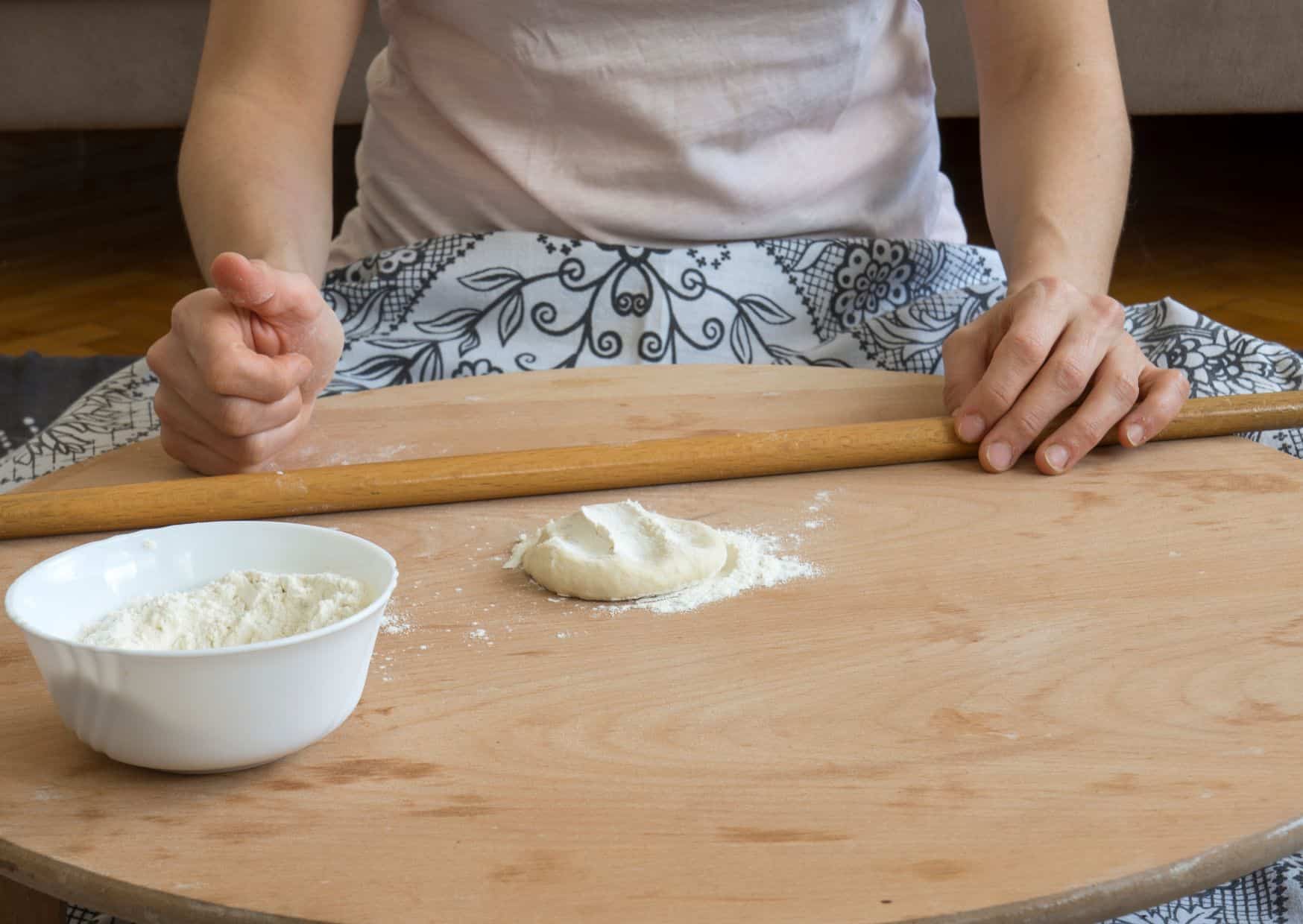
In a small bowl, mix the warm water, sugar, and yeast. Let it sit for about 5-10 minutes until frothy. In a large bowl, combine the flour and salt. Make a well in the center and add the yeast mixture and olive oil.
Mix until a dough forms, then knead on a floured surface for about 10 minutes until smooth and elastic. Place the dough in a lightly oiled bowl, cover with a damp cloth, and let it rise in a warm place for about 1 hour or until doubled in size.
Prepare the Topping
In a large bowl, combine the ground meat, chopped onion, minced garlic, chopped tomato, chopped red bell pepper, parsley, tomato paste, red pepper paste (if using), cumin, paprika, black pepper, salt, olive oil, and lemon juice. Mix thoroughly until all the ingredients are well combined.
Preheat the Oven
Preheat your oven to 475°F (250°C) and place a baking stone or an upside-down baking sheet inside to heat up.
Shape the Dough
Punch down the risen dough and divide it into 6-8 equal portions. On a lightly floured surface, roll each portion into a very thin circle or oval, about 10-12 inches in diameter.
Assemble the Lahmacun
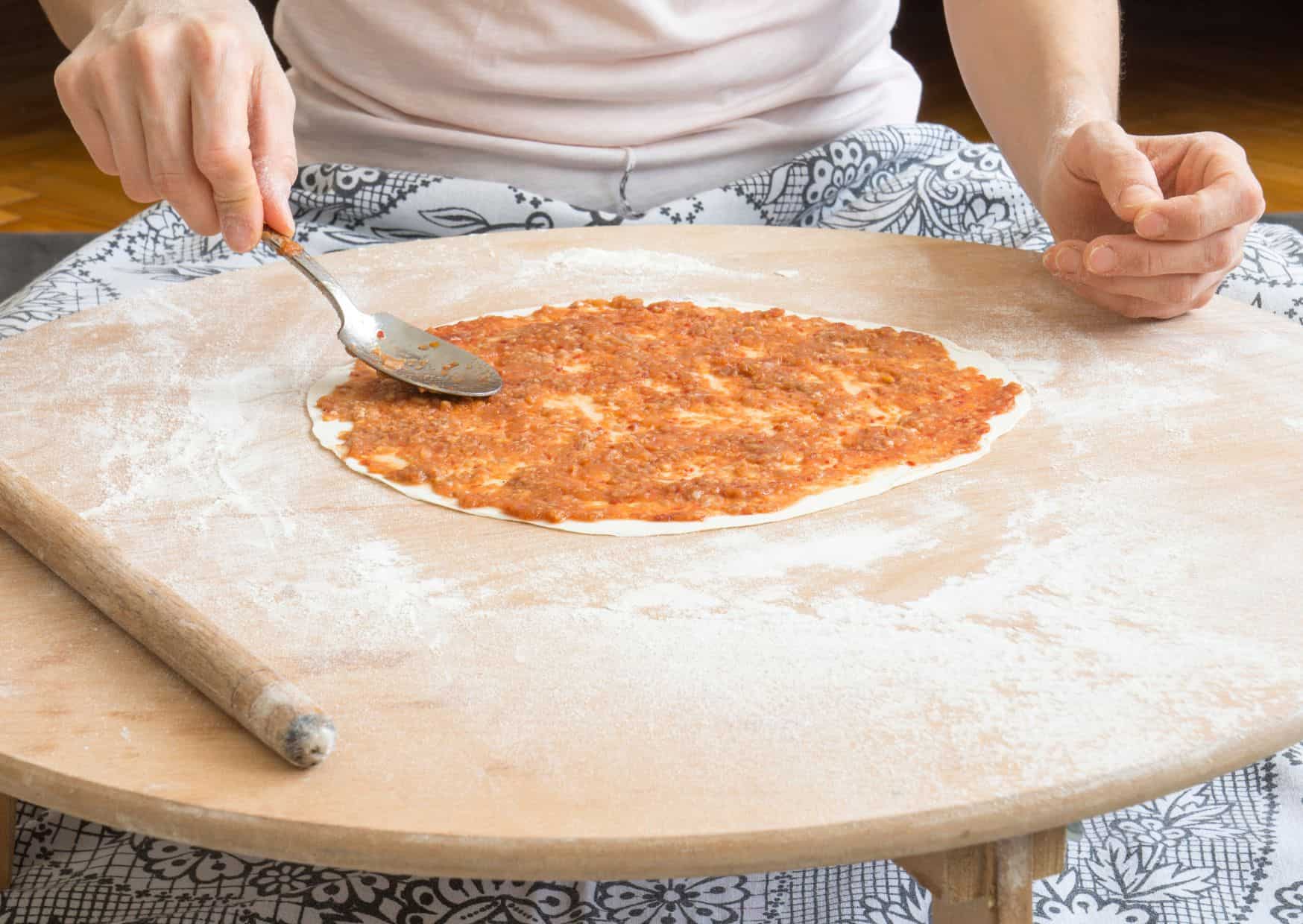
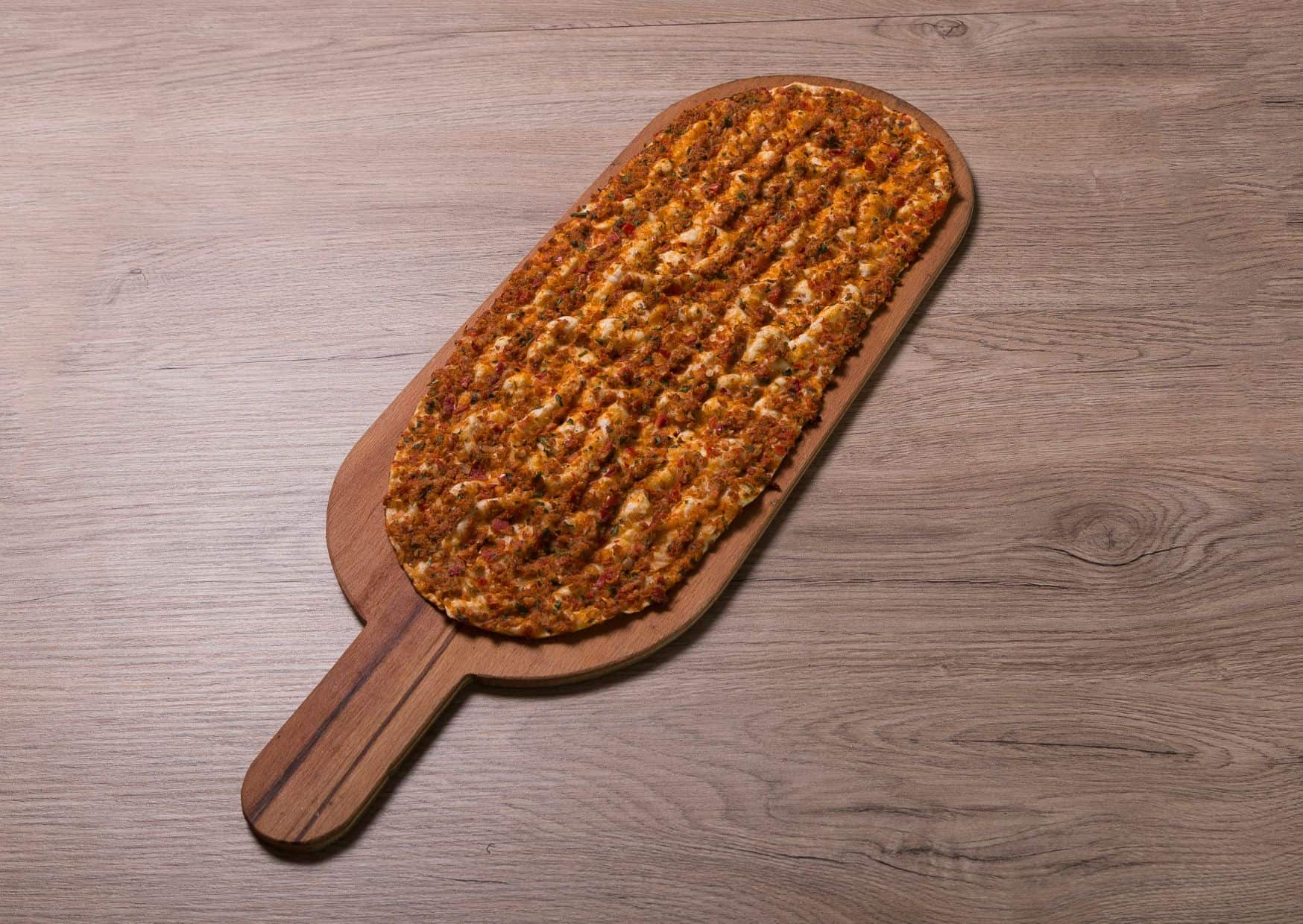
Spread a thin layer of the meat mixture evenly over each dough circle, pressing it down gently to adhere to the dough.
Bake the Lahmacun
Carefully transfer the lahmacun to the preheated baking stone or baking sheet. Bake for about 8-10 minutes, or until the edges are crispy and the topping is cooked through.
Serve
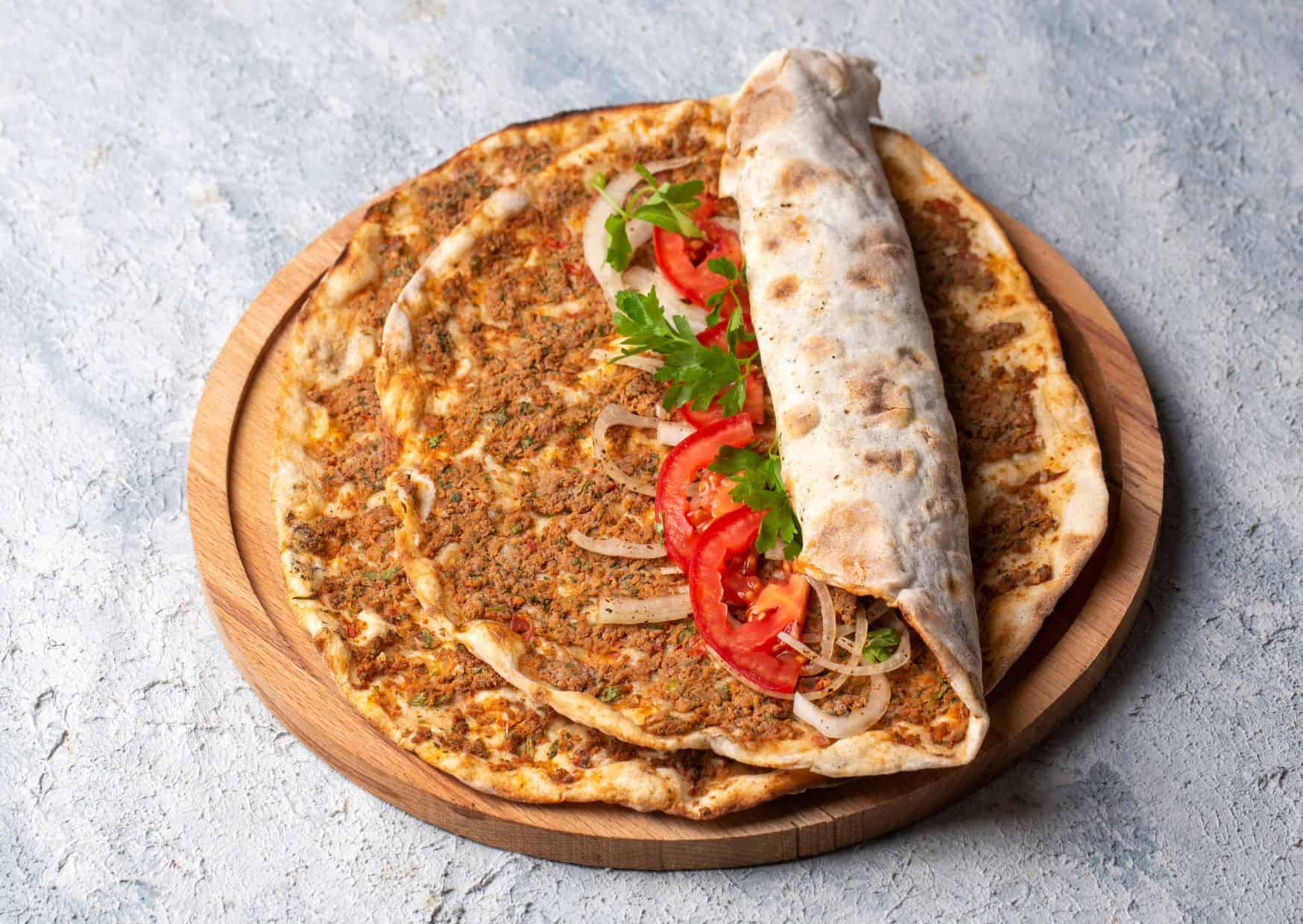
Serve the lahmacun hot, topped with fresh parsley or cilantro, red onion slices, and a sprinkle of sumac if desired.
Squeeze lemon wedges over the top before eating. You can also serve it with a side of yogurt for dipping.
Tips To Make Lahmacun
Ensure the dough is rolled out very thinly to achieve the characteristic crispiness of lahmacun. Spread the meat mixture evenly and thinly over the dough to ensure it cooks properly.
Baking at a high temperature helps to create a crispy crust. Make sure your oven is fully preheated before baking. Lahmacun is best enjoyed fresh out of the oven while it’s still crispy.
How Many Calories Have Lahmacun
Dough (1/6th of the recipe): Approximately 180 calories
Topping (1/6th of the recipe): Approximately 150-200 calories (depends on the meat used)
Total Calories per Serving: Approximately 330-380 calories
Origin and History
Lahmacun’s roots stretch back centuries through the culinary traditions of southeastern Anatolia and the Levant. While modern diners often describe it as “Turkish pizza,” its origins predate the idea of pizza entirely. In ancient settlements around the region, cooks prepared thin flatbreads topped with minced meat, herbs, and spices, then baked them in communal stone ovens. These early forms reflected the practical use of shared resources in villages where cooking fuel was scarce and ovens served entire communities. Lahmacun developed from this shared cooking culture, shaped by available ingredients and regional tastes.
As the Ottoman Empire expanded, the dish traveled across territories, absorbing new influences from Arabic and Armenian kitchens. In cities like Gaziantep and Şanlıurfa, cooks refined the topping into a finely minced mixture of lamb, onion, tomato, parsley, peppers, and spices such as isot chili and cumin. Unlike thick bread-based dishes elsewhere, lahmacun emphasized a wafer-thin dough that crisped quickly in high heat. The topping was never meant to feel heavy. It formed a balance of spice, acidity, and richness that complemented the bread without dominating it.
By the twentieth century, lahmacun had become a staple of Istanbul street food and a symbol of Turkish identity. Bakers prepared hundreds each day, rolling dough by hand and baking in wood-fired ovens. Migrants from southeastern Turkey brought their family methods to new cities, preserving regional distinctions within a national dish. Today, lahmacun remains one of the most recognizable foods associated with Turkish cuisine. Its history reflects centuries of adaptation, transmission, and regional pride long before it was compared to pizza.
One of the biggest controversies surrounding lahmacun is the comparison to pizza. Many Turkish cooks reject the label because it oversimplifies a dish deeply tied to its landscape, spices, and historical context. While the structure appears similar—flatbread topped with seasoned ingredients—lahmacun follows different rules of preparation. Pizza focuses on thick dough, cheese, and toppings, while lahmacun values thinness, uniformity, and the balance of herbs and spice. Critics argue that calling it “pizza” reduces it to a familiar Western reference rather than understanding it on its own terms.
Another debate concerns the proper method for the topping. Authentic lahmacun requires that the meat and vegetables be minced finely, almost paste-like, so they cook quickly and evenly. Home cooks abroad often use chunky mixtures or skip certain spices, producing a texture that departs from tradition. Some chefs believe any adaptation removes the identity of the dish, while others argue that flexibility helps it reach a global audience. The controversy reveals a tension between maintaining heritage and embracing cultural exchange.
Finally, there is disagreement over what makes lahmacun authentic. In many Turkish families, the recipe is not written, and proportions are based on familiarity rather than measurement. This creates multiple versions that each claim authenticity, sometimes differing significantly in spice level or cooking style. Professional chefs may promote one interpretation, while home cooks insist theirs reflects regional memory. The debate is not about ownership as much as pride in a dish that represents history, identity, and personal connection.
How Long It Takes to Prepare
Preparing traditional lahmacun at home takes between two and three hours, depending on whether the dough is made from scratch. The dough requires kneading and resting for at least one hour to develop elasticity, allowing it to stretch into thin rounds without tearing. This resting period is essential to achieve the signature crispness. Working the dough too quickly results in thick, bread-like rounds that resemble pizza rather than lahmacun.
The topping preparation takes about thirty minutes. Vegetables are finely chopped or blended until nearly smooth, and spices are layered to create depth rather than heat alone. The mixture should rest briefly to let the flavors blend. Authentic cooking requires high heat. In traditional ovens, each round cooks in a few minutes. At home, using a pizza stone or a steel sheet in a very hot oven can replicate the effect. Baking each piece takes between five and eight minutes.
Assembly is straightforward once the dough and topping are ready. Each round is stretched, topped lightly, and slid onto the hot surface. Cooking multiple at a time speeds the process, but many home cooks prefer to work one or two rounds at once to ensure even baking. This pace reflects the rhythm found in Turkish bakeries, where speed, precision, and repetition define the workflow. The overall process requires time, but most of it involves waiting for dough to rest or ingredients to marinate.
Serving Suggestions
Lahmacun is traditionally served rolled or folded with a squeeze of lemon, fresh parsley, and thinly sliced onions. The balance of sour lemon, herbal notes, and meat creates a bright and refreshing taste profile. Some regions add sumac to the onions to provide a citrus-like flavor without adding acidity. The dish is meant to feel light, not heavy, making it ideal for lunch or early dinner.
In many Turkish homes, lahmacun is accompanied by ayran, a chilled drink made from yogurt, water, and salt. This pairing cools the palate and complements the spices in the topping. Salads based on tomatoes and cucumbers often appear alongside lahmacun, providing crisp texture and further freshness. The meal reflects the Turkish preference for contrast: warm bread with cool vegetables and chilled drinks.
For gatherings, lahmacun is often part of a wider table that includes meze such as hummus, roasted eggplant, and spicy tomato pastes. It can be served in smaller rounds as part of a shared table or prepared in full size for a main dish. The simplicity of serving allows the flavors to remain the focus. Presentation is not elaborate; authenticity comes from taste, not decoration.
Final Thoughts
Lahmacun carries a long history shaped by geography, tradition, and cultural memory. Calling it “flatbread pizza” may help introduce it to new audiences, but it risks obscuring the techniques that define its identity. The dish is built on thin dough, finely minced toppings, and rapid cooking in intense heat. These details make it distinct, and respecting them allows home cooks to experience its depth and clarity of flavor. Authenticity is not about rigid precision, but understanding why the method matters.
The controversies around lahmacun show the tension between cultural preservation and adaptation. Food travels, and as it does, methods change. Yet many Turkish cooks believe that certain elements must remain consistent to protect the dish’s character. Adopting shortcuts can lead to a result that resembles pizza more than lahmacun, missing the subtle complexity that makes it unique. Learning the original process offers insight into the culinary knowledge passed through generations.
Ultimately, making lahmacun at home is an opportunity to connect with a tradition that values simplicity, resourcefulness, and balance. The process may take time, but each step reflects a practice shaped over centuries. Understanding its history and method provides a deeper appreciation of why this dish endures and why no label can fully capture its meaning. Authenticity is achieved not through imitation but through respect for the technique that defines it.

About the Author: Ruben, co-founder of Gamintraveler.com since 2014, is a seasoned traveler from Spain who has explored over 100 countries since 2009. Known for his extensive travel adventures across South America, Europe, the US, Australia, New Zealand, Asia, and Africa, Ruben combines his passion for adventurous yet sustainable living with his love for cycling, highlighted by his remarkable 5-month bicycle journey from Spain to Norway. He currently resides in Spain, where he continues sharing his travel experiences with his partner, Rachel, and their son, Han.