
So here is how it happens. Your flight lands, you grab the keys, the sun is warm, and you think Spain is easy. Four days later the invoice arrives and your jaw hits the table. Mine was €802.60 for “damage processing, fuel service, late return, and roadside assistance” after a weekend no one on earth would call dramatic. No crash, no tow, nothing that should have ruined a Monday. It was a stack of small traps that rental desks set for foreigners who just want to see Granada before dinner.
We live in Spain and rent constantly at Madrid, Barcelona, Málaga, Valencia, Palma, Tenerife, and Seville. The pattern is the same in every airport. Spain has honest rental firms and it also has fee farms disguised as counters. You do not need rage. You need a method. If you copy the moves below, you keep your money and your patience. If you don’t, the bill will educate you the expensive way.
Where were we. Right. The exact fees that make up a typical €600 to €1,200 surprise, how to kill each one, the Spanish phrases that change the conversation, what to photograph, what to refuse, and a pickup-to-return protocol you can run in nine minutes even with kids and luggage.

What made my invoice jump to €802.60
The charges looked petty on their own. Together they became a bad story.
- “Damage administration fee” €72 even though the scratch already existed
- “External scratch left rear quarter” €390 priced as if the car were new
- “Fuel service” €35 despite returning at the gauge mark
- “Missing fuel” €21 to top up half a liter
- “Late return” €45 for being seventeen minutes past the grace, never mentioned orally
- “Roadside assistance sign-up” €39 added at the desk after I declined it
- “Airport surcharge” €35 buried in the small print
- VAT and card processing to tidy the insult
Bottom line inside the bill: the money is in the fees, not the car. Once you see the game, you stop losing to it.
The five traps that target Americans most often
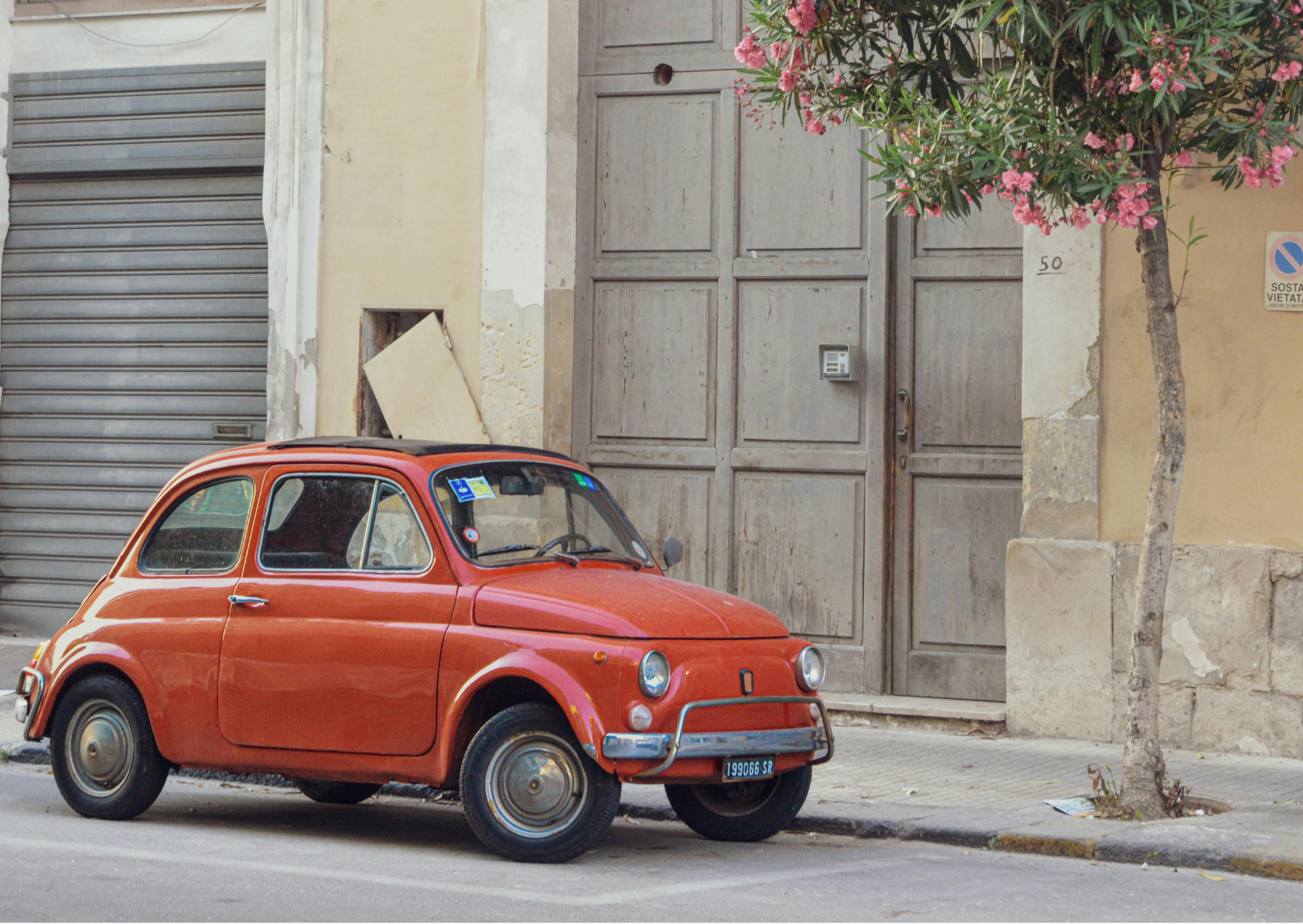
1) The “existing damage becomes yours” routine
Spanish check-out forms often show three dots of pre-existing damage when the car looks like it survived a parking lot war. If the scratch is not printed or handwritten on the sheet, it is not real to them. Americans trust verbal assurances. Spain respects paper.
How to kill it: walk the car, circle every mark with your phone’s flashlight, and make them write “arañazo existente” next to each one on the parte de daños. Then photograph the sheet. Bold truth: your photos only count when they match a marked sheet.
2) The fuel prepay and “service fee” bundle
The desk sells you prepaid fuel at a flattering per liter rate then adds a servicio de repostaje fee between €30 and €50 whether you return empty or not. On full-to-full contracts, some firms still collect a fuel service for topping up a sip.
How to kill it: full to full, no exceptions. Say it twice. Keep the receipt from the petrol station within 5 km of the return lot. Photograph the gauge at the rental garage with the engine on.
3) The 0-minute grace myth
Some contracts list 29 to 59 minutes of grace; others list none and then sell you an extra day at walk-up rate for arriving twelve minutes late.
How to kill it: ask at the counter, “¿Cuántos minutos de cortesía hay a la devolución” and make them write the answer on the rental agreement. Set two alarms for car return day. If you will be late, call from the motorway and ask them to note the delay. It is boring. It saves €45 to €120.
4) The “basic cover” with a trapdoor in the excess
You decline their “super cover” because your card includes CDW. They smile and block €1,200 to €2,000 on your card as the franquicia. If a pebble kisses a rim, they bill retail plus an administration fee. Americans panic at the counter and buy the super cover.
How to kill it: arrive with a plan. Either accept the franquicia calmly with a card that has room or buy third-party excess insurance beforehand for €5 to €10 per day and keep saying, “Mantengo la franquicia, gracias.” Do not buy cover in the heat of the moment.
5) The roadside assistance you did not mean to buy
You decline. They tick it anyway under a friendly name like “Help Plus.” It shows up later as €3 to €6 per day.
How to kill it: before signing, point to the charges line by line and say, “Quiero esto y esto, pero no esto,” then draw a line through any service you are not buying. Photo the signed version. Spanish desks respect line-throughs more than speeches.
Remember inside this section: every trap is a time problem. If you slow down for five minutes, the invoice stops being a surprise.
What to do at the counter in three minutes that changes the whole trip
Step 1: Fix the contract before they hand you keys
Say this exactly, calmly.
“Política de combustible lleno a lleno, por favor. Sin prepago. ¿Lo puede anotar”
“¿Hay minutos de cortesía para la devolución”
“No necesito asistencia extra. Si aparece en el contrato, táchalo, por favor.”
“Mantengo la franquicia de €[número]. No quiero cobertura adicional.”
Why it works: you named the four leak points and turned them into writing. Written beats chat.
Step 2: Get the damage sheet printed, not implied
“El parte de daños, por favor. Vamos a revisarlo juntos.”
Walk to the car with the pen. Circle defects. Make them initial.
Step 3: Photograph like a boring insurance adjuster
Take twelve photos minimum. Front, back, both sides, each wheel, windscreen lower corners, fuel level with engine on, roof, odometer with time. Turn on the flash. If the garage is dark, use video and slowly pan. Say the date and time out loud once.
Step 4: Confirm 24-hour phone and return location
“Si pasa algo, ¿qué número llamo”
“¿Dónde exactamente devuelvo el coche, planta y zona”
Agents change return floors without updating signs. Ask now.
Step 5: Put a sticky note on the dash
Write “LLENO A LLENO • FOTO • TICKET.” You will be tired on return day. The note saves you.
Quiet reminder: the fastest pickup is the most expensive pickup. Take the five minutes.
Pickup script you can save on your phone
English first, Spanish underneath. Use the Spanish even if you feel shy.
- Fuel policy
“Full to full, please. I do not want prepaid fuel.”
“Lleno a lleno, por favor. No quiero prepago de combustible.” - Grace period
“How many minutes of grace at return”
“¿Cuántos minutos de cortesía hay a la devolución” - Insurance
“I will keep the standard excess. I do not want extra insurance.”
“Mantengo la franquicia estándar. No quiero cobertura adicional.” - Roadside
“Please remove roadside assistance. If it is on the contract, cross it out.”
“Quite la asistencia en carretera. Si aparece en el contrato, táchalo.” - Damage sheet
“Let’s review the damage form together and add these scratches.”
“Revisamos el parte de daños y añadimos estos arañazos.”
One more sentence that fixes arguments later
“¿Me puede firmar aquí que he devuelto con el depósito lleno y sin daños nuevos” on return. Get a human signature if they are present.
The airport-by-airport quirks worth knowing
Madrid Barajas (MAD T1 and T4)
Off-airport shuttles mean return lots move. Confirm the return bay. T4 returns sit in a tight spiral. Plan five extra minutes.
Barcelona El Prat (BCN T1)
Scrutinize wheels. BCN firms love claiming rim rash. Photograph each wheel straight on and angled.
Málaga Costa del Sol (AGP)
Fuel games are common. Top up at the Repsol on Avenida Comandante García Morato after the roundabout. Keep the receipt.
Valencia (VLC)
Several firms share a dim garage. Use video with narration. Photos come out muddy.
Palma de Mallorca (PMI)
Sand cleaning fees appear after beach days. Shake mats and photograph the cabin before return. Keep a pocket brush.
Tenerife South (TFS)
Late flights meet skeleton staff. Take your own return photos with the engine on and email them to yourself immediately.
Seville (SVQ)
Grace can be strict on weekends. Arrive 20 minutes earlier than you think because the one-way garage traffic jams.
Remember: local quirks explain half the invoices.
The insurance map without the marketing
- Third-party liability is mandatory and included. It protects others from you. It does nothing for your car.
- CDW is included in most prepaid rates but with a franquicia. That excess is the amount they can charge you for damage.
- Super CDW or “premium cover” reduces the franquicia to zero and often adds glass, tire, underbody, and roadside. Price is usually €12 to €28 per day and can exceed the rental itself.
- Third-party excess insurance costs €5 to €10 per day from independent insurers and reimburses you if the rental company charges your excess. The rental desk will still block your card. You need cash flow and patience.
What actually works:
If you have a credit card that covers CDW in Spain and you can tolerate a €1,500 hold, use it and decline everything. Photograph like a lawyer. If you hate holds or cannot be billed and reimbursed, buy Super CDW only from the rental company and sleep well. Do not mix and match covers you do not understand.
One sentence at the desk when they push:
“Gracias, pero mantengo la franquicia. Si hay cargo, mi seguro lo reembolsa.”
Eight photos that void half their arguments
- Fuel gauge with engine on
- Odometer and dashboard time
- Each wheel, straight on, then at a shallow angle
- Front bumper lower lip
- Rear bumper corners
- Windscreen at lower edges and the A pillars
- Roof and antenna
- Return bay with your car in frame and the clock visible
Why this works: most “new” damages happen where no one photographs. You will.
Tolls, tickets, and fines that become surprise admin fees
- Tolls: Spain killed many highway tolls but not all. C-32 around Barcelona, AP-6 tunnels near Guadarrama, AP-9 in Galicia, Costa del Sol spurs. If you use a Via-T transponder from the rental firm, check for daily device fees.
- Parking fines: Blue and green zones in cities. Pay or contest within the window or the rental adds an administrative fee of €20 to €60 just to pass your details to the authority.
- Speed cameras: Fixed boxes are everywhere. The fine comes months later. You will see a gestión de multa fee on your card first.
What to do:
Ask, “¿El coche lleva telepeaje Via-T y tiene coste diario” If yes, decline unless you need it. Use card lanes and keep receipts. For city parking, download the municipal app when you park. It is cheaper and avoids tickets from expired paper slips.
The return routine that blocks 80 percent of post-trip charges
1) Refuel within 5 km of the garage and keep the receipt on paper. If you pay cash, ask for a factura simplificada.
2) Photograph the gauge and mileage with the engine on at the return bay.
3) Clean obvious dirt. Shake mats. Wipe sand. Two minutes stops a €50 limpieza fee.
4) Wait for a person if they are present and ask them to sign “Sin daños, lleno” on your check-in slip.
5) If no one is there, film a slow 360 walk-around. Narrate the date, time, and “sin daños”.
6) Email the photos to yourself from the garage while your phone still has a time-stamped location.
Quiet line: silence and evidence are your friends. You are not arguing. You are collecting.
If they hit your card after you flew home
- Reply once with your evidence. Keep it short.
“Adjunto fotos y el parte de daños sellado a la recogida. Combustible lleno con ticket adjunto. Solicito la devolución inmediata.” - Dispute with your card the same day and include the PDF of photos, the fuel receipt, and the marked damage sheet.
- If the charge is “damage admin fee” without damage quote the contract clause that ties admin to actual damage. Ask for the informe pericial and the repair invoice. Many firms back down when you ask for the expert report.
- If you bought their Super CDW and they still charged, write “Cobertura a todo riesgo contratada. Cargo improcedente.”
Remember: most firms fold when you look organized.
Realistic costs so you can spot nonsense before it lands
- Additional driver €6 to €12 per day
- Young driver surcharge €7 to €15 per day under 25
- Cross-border to Portugal or France €30 to €60 once, sometimes per rental
- Airport surcharge €20 to €45 per rental on many contracts
- Damage admin €40 to €90 if actual repair exists
- Cleaning fee €30 to €60 if sand or smoke
- Refueling service €30 to €50 plus fuel
- Late return one day rate or €20 to €60 fixed if grace violated
If a number looks triple the band, challenge it in writing. Ask for the tariff page.
Who to rent from and who to avoid without naming names
The safest pattern is simple. Book the big two or three global brands or the reputable nationals through their own sites, pick the full-to-full, and accept a slightly higher daily price. Avoid the too-cheap headline on comparison sites that becomes a €1,500 hold and a desk gauntlet. In Spain, several local firms are excellent and several are fee machines. If a brand has thousands of one-star reviews for charges after return, believe the chorus.
Quick filter: if the rate is under €9 per day in high season, you are buying your future inbox. Pay €18 to €28 and buy back your peace.
Special notes for the islands and resort towns
- Canary and Balearic Islands: sand everywhere and narrow hotel garages. Photograph rims and interior.
- Costa del Sol and Costa Blanca: prepaid fuel traps are common. Say full to full twice.
- Ibiza and Mallorca: nightlife hours equal skeleton staff at returns. Self-document aggressively.
- Sierra Nevada and Pyrenees in winter: chains and ski fees appear. Ask, “¿Las cadenas están incluidas o hay cargo”
Small habit: choose smaller cars. Spain forgives small cars. Your insurance does too.
A nine-minute pickup checklist you can run with a toddler on your hip
- At the desk, confirm full to full and have them write it.
- Ask grace minutes and have them write the number.
- Cross out roadside assistance and extra cover you decline.
- Get the parte de daños printed.
- At the car, turn on flash. Photograph the eight angles.
- Circle and write every scratch with the agent. Initials on the sheet.
- Record fuel gauge and odometer with time.
- Save the return address and the night number.
- Stick the “LLENO • FOTO • TICKET” note on the dash.
Bold idea: you can be friendly and boring at the same time. That is the winning combo.
If you already got burned once, do this on your next booking
- Use a different email and card to avoid soft blacklists from fee-farm brands.
- Book a brand with on-airport returns where staff actually stamp papers.
- Arrive ten minutes earlier and ask for a room-by-room damage walk. The agent will sigh then help.
- Keep your third-party excess policy printed. Hand it over when they push their cover. People back off when they see paper.
- Return with twenty minutes to spare. Spain runs on human time. Give yourself some.
Bottom line: rushing is a surcharge.
What to remember before your next Spain trip
You are not fighting a person. You are closing doors on fees. Full to full. Grace in writing. Damage sheet with ink. Photos with flash. Fuel receipt near the garage. Spanish phrases help because they slow the agent down and push them into procedure. The rest is boring adulting.
Take the five minutes at pickup and three minutes at return. Then drive to Ronda, eat grilled sardines in Málaga, or get lost in the olive groves outside Úbeda. The road is the point. The invoice is optional.

About the Author: Ruben, co-founder of Gamintraveler.com since 2014, is a seasoned traveler from Spain who has explored over 100 countries since 2009. Known for his extensive travel adventures across South America, Europe, the US, Australia, New Zealand, Asia, and Africa, Ruben combines his passion for adventurous yet sustainable living with his love for cycling, highlighted by his remarkable 5-month bicycle journey from Spain to Norway. He currently resides in Spain, where he continues sharing his travel experiences with his partner, Rachel, and their son, Han.