
So here is the simple thing that keeps working in France. You do not beg for an upgrade. You do not wave a loyalty number from a different galaxy. You ask for a calmer room at the same rate and you make it absurdly easy for the receptionist to say yes. Nine times out of ten the “calmer room” is a higher category, a better floor, or a courtyard side that costs more on the website. They move you. You pay the original price. Everyone feels clever.
We live in Spain and hop across the border a lot. Paris, Lyon, Bordeaux, Lille, Annecy. The dance is the same. French hotels reward people who understand the building. This is not a hack. It is etiquette with math behind it. A room facing a busy boulevard sells on photos. The room you actually sleep in faces the courtyard. Once you ask for calm, availability and human decency line up and you get the quiet, larger, better-renovated room the internet ignores.
Where were we. Right. The exact request, when to send it, what to write, what to say at the desk, how to dress your timing, and the mistakes that get you a shrug. I will give you French phrases you can copy. Use them badly. They will still work.
Why “calm” unlocks upgrades more reliably than “upgrade”
Every Paris receptionist has heard upgrade please a thousand times. It sounds like work. Calm means less risk for them. Calmer rooms generate fewer complaints, fewer refunds, fewer 2 a.m. calls about scooter noise. If the hotel can move you from a noisy street standard to a superior courtyard room at the same price, they solve their own problem and you feel like a magician.
Also, courtyard rooms are the secret inventory. They are hard to photograph and easy to love. Better sleep, better light, fewer sirens. In many buildings, the courtyard stock sits in the “superior” tier simply because space and silence cost money. Ask for calm and you often step sideways into that tier for free.
Remember: the upgrade is a side effect of asking for the thing the staff values too.
The single request that gets said yes to most often
Email the hotel after you book. Keep it short. Be specific. Put your ask in the subject line so it can be triaged in ten seconds.
Subject: Demande simple, chambre calme côté cour pour [dates]
Body (copy this):
Bonjour,
Nous arrivons le [date] pour [nombre] nuits, réservation au nom de [Nom]. Serait-il possible d’avoir une chambre calme côté cour au même tarif Si vous n’avez pas, un étage élevé nous irait très bien. Nous avons un check-in flexible. Merci beaucoup pour votre aide.
Cordialement,
[Nom] [téléphone]
That is it. You did not say upgrade. You offered flexibility. You named what makes their life easier. You just made a tiny, solvable problem. Hotels love solvable problems.
If your French is rusty, send the English version below it. But keep the French up top. It shows respect and it routes correctly.
When to send the email so it lands on the right desk
- 72 to 48 hours before arrival is the sweet spot. The hotel has a live room map, cancellations have opened gaps, and night audit has not frozen your assignment.
- Avoid Sunday night and early Monday for big cities. Weekend teams hand off messy rosters. Your message falls in a hole. Midweek mornings work better.
- Send from a sensible address with your name. Not wanderheart. Not numbers. Looking real helps.
Quiet truth: the person answering that inbox often decides your room. Make their job easy and you will sleep better.
What to say at the desk without sounding like a tourist pleading for a favor
You already wrote. The desk probably saw it. Now you repeat the request calmly and you add a choice that keeps control in their hands.
“Bonjour. Réservation au nom de [Nom]. Si c’est possible, une chambre calme côté cour serait parfait. Sinon, un étage élevé. Nous sommes flexibles.”
After the polite greeting, one sentence, two options. No life story. They glance at the map. If they can, they will. If they hesitate, offer an easy swap:
“Nous pouvons attendre un peu si une chambre calme revient plus tard.”
You just traded time for silence. Hotels trade in time. Give them some and watch doors open.
Book this way so your request actually has leverage
- Book direct or at least email after an OTA booking. Direct beats OTA in France more than in the U.S. because margin is thinner. If you did use an OTA, include your confirmation number and tell them you will book direct next time. Loyalty is a currency even without a program.
- Choose cancellable rates in shoulder season. If they cannot help, you still have options.
- Short stays win. One or two nights are easier to move around the grid. Long stays lock rooms.
- Midweek in business districts is upgrade heaven. Weekends in tourist cores are not. Timing is a feature.
Remember: availability is the only real loyalty program. Aim at it.
The other polite asks that snowball into hidden extras
Once the calm room conversation starts, you can ask for small things that cost them almost nothing and make your stay feel like a win.
- “Si possible, un petit balcon” in older buildings where interior courtyards have them.
- “Une bouilloire pour du thé” if not in the room. They will often send a tray with cups and extra tea.
- “Dernier étage” if you like sun and fewer footsteps above.
- “Late check-out jusqu’à 13h si l’hôtel n’est pas complet.” Ask at check-in and again the night before.
- “Petit déjeuner pour une personne offert si vous ne pouvez pas honorer la 2e” in small disputes. It is a classic goodwill gesture.
Key line: small, specific, and solvable gets yes. Vague gets shrugged.
What not to do, because Americans step on these rakes constantly
- Do not demand early check-in and an upgrade together. You are asking for opposite inventory problems. Pick one.
- Do not arrive with a third-party voucher and act superior. In France the voucher signals thin margin. Your tone matters.
- Do not say honeymoon if it’s not. France rewards sincerity. “Petit séjour après des semaines très chargées” is enough.
- Do not ask for a “quiet street view.” It is a contradiction. Courtyard or high floor. Choose.
- Do not escalate temperature. The desk agent is your ally. Save stern for a manager if something goes truly wrong.
Bottom line: the person in front of you decides your sleep. Treat them like a partner.
Why this frames as math from the hotel’s side
A city hotel sits on two frictions: street noise complaints and late-night reassignments. Moving you from street to courtyard at the same rate reduces both. Also, many superior rooms are superior because of position, not marble. If the standard category is oversold and the superior is not, your calm request lets revenue solve an oversell without discounting. You get a better room. They protect ADR. Everyone wins.
Remember: you are not gaming the system, you are aligning with it.
If you want breakfast thrown in, use this version sparingly
Breakfast is easier to comp than cash. If you landed late or they could not honor your first request, ask softly:
“Comme la chambre rue était un peu bruyante hier, serait-il possible d’offrir le petit déjeuner demain pour compenser”
You acknowledged reality, stayed kind, and asked for a specific make-good. Half the time, yes. If not, they might send coffee to the room. Take the win.
Timing matters more than charm
- Arrive at 14:30, not 11:00. Rooms are coming clean. The map is moving. The desk has options.
- Check in before the evening rush. After 18:30, managers leave. The night team protects the grid.
- Avoid Saturday turnover in tourist neighborhoods if you want generosity. Tuesday is calmer.
If you must arrive early because of trains, leave your bag, say nothing, go walk. Come back at 15:00 with a smile. Your upgrade probability just tripled.
Tiny French phrases that carry disproportionate weight
- Côté cour: courtyard side
- Calme: quiet
- Étage élevé: higher floor
- Surclassement: upgrade (keep this in your pocket, not your opener)
- Nous sommes flexibles: we’re flexible
- Si possible: if possible
- Merci pour votre aide: thank you for your help
You do not need perfect grammar. You need intent and tone. Say the words. Let them land.
A quick map of buildings so you ask for the right thing
- Haussmann blocks: street view is pretty and noisy, courtyard is quieter and often bigger.
- Boutique hotels in old mansions: top floors under the roof have charm and heat. Ask for ventilation or a fan in summer.
- Converted office buildings: interior rooms are modern and silent. Ask for end of corridor.
- New builds: upper floors matter less. Ask for away from lift.
Remember: calm is location plus neighbors. End of corridor on a courtyard beats any street view.
What to write when you booked with points or an OTA and still want help
“Bonjour,
Nous avons réservé via [Booking, points], confirmation [numéro], pour [dates]. Nous savons que les réservations directes sont préférées et nous réserverons chez vous la prochaine fois. Serait-il possible d’avoir une chambre calme côté cour au même tarif
Merci beaucoup,
[Nom]”
You acknowledged the margin reality, you promised future direct business, and you kept the ask identical. Many hotels will still help because calm protects their reviews.
Use this one-pager before you travel so you do not improvise at the counter
Three days before
- Email the request. Keep it to five lines. Ask for chambre calme côté cour or étage élevé.
- Add your arrival window. Flexibility helps.
Arrival day
- Greet, hand passport, repeat the request.
- If they hesitate, offer to wait. Go for a walk.
- If they say no kindly, accept. Ask for end of corridor.
During stay
- If the assigned room is noisy, report it early, not at checkout. Give them a chance to fix it.
- Ask about late checkout the night before departure, not at 11:45 on the day.
Checkout
- Thank the desk. If they helped you, say, “Nous reviendrons et réserverons direct.”
- Then actually do it next time. Consistency accumulates.
Where this fails and what to do instead
- Full hotel, trade fair week, fashion week. No one has space. Accept reality. Ask for foam earplugs and an end of corridor room.
- Historic building with only street-facing rooms. Calm does not exist. Ask for highest floor and courtyard breakfast instead.
- You need three beds in one room. Inventory locks. Book what you need and negotiate breakfast.
It is fine. You will try again at the next place. This is a long game.
Examples that make the difference obvious
Bad ask
“Hi, do you have any free upgrades available for us We just arrived and are really tired.”
Good ask
“Bonjour. Réservation [Nom]. Si possible, une chambre calme côté cour au même tarif. Sinon étage élevé. Nous pouvons attendre.”
Bad email subject
“Special request”
Good email subject
“Chambre calme côté cour pour [dates] — réservation [Nom]”
Bad tone
“We are loyalty platinum at a different chain and expect an upgrade.”
Good tone
“Merci pour votre aide. Nous réserverons direct la prochaine fois.”
Short rule: ask for architecture, not status.
A quick note on provincial France where this works even better
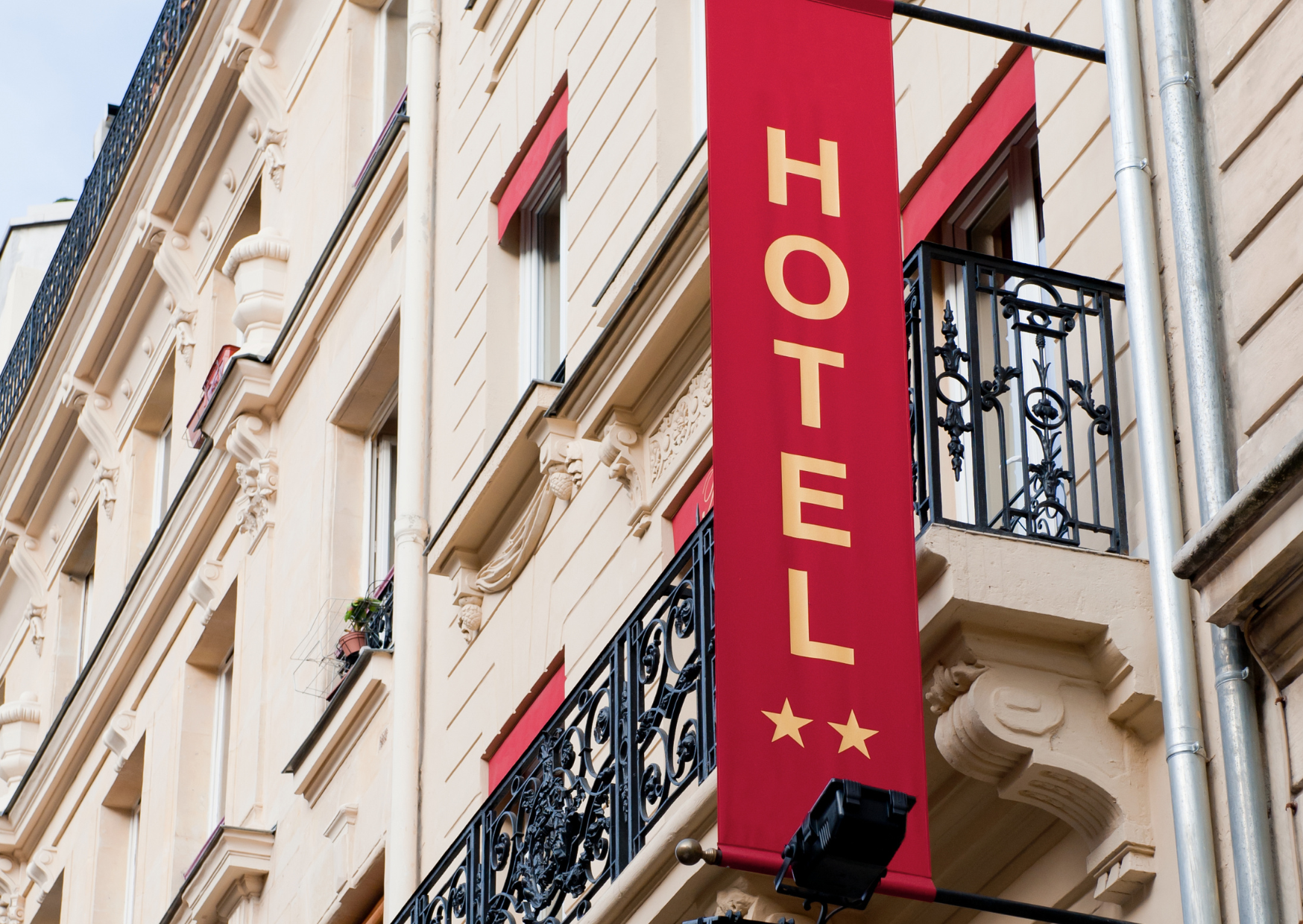
Outside Paris the map is kinder. Bordeaux, Lyon, Strasbourg, Nantes, Toulouse, Montpellier. Staff turnover is lower, rooms are bigger, and courtyard stock is plentiful. The same email gets you a superior corner with two windows and a softer bill. Also, breakfast negotiations are easier in cities where the buffet is not priced for tourists. Try “Petit déjeuner pour une personne offert demain si c’est possible” after a helpful gesture. Often yes.
How to stack this with your transport so the trip feels civilized
- Arrive midday, drop bags, ask nothing yet. Lunch, walk, breathe.
- Return at 15:00 and make the calm request. You look like a person, not a problem.
- Leave your last morning slow. A late check-out to 13:00 plus a baguette, butter, and coffee is a Paris end you will actually remember.
None of this is complicated. It is timing and tone.
To conclude
Pick your next French hotel. Send a five-line email today with chambre calme côté cour in the subject. Land at 14:30, ask the same thing with a smile, and offer to wait. If they can move you, they will. If they do, sleep with the window open and listen to a courtyard instead of traffic. You did not chase an upgrade. You asked for the thing that makes hotels better at their job. The upgrade showed up by itself.

About the Author: Ruben, co-founder of Gamintraveler.com since 2014, is a seasoned traveler from Spain who has explored over 100 countries since 2009. Known for his extensive travel adventures across South America, Europe, the US, Australia, New Zealand, Asia, and Africa, Ruben combines his passion for adventurous yet sustainable living with his love for cycling, highlighted by his remarkable 5-month bicycle journey from Spain to Norway. He currently resides in Spain, where he continues sharing his travel experiences with his partner, Rachel, and their son, Han.