
So here is the travel truth nobody prints on posters. Europe is not one season. Every country has a month when the math finally works. Fewer crowds, cleaner prices, weather that lets you see what you came to see instead of standing in a queue with a damp umbrella. This guide is the quick, mobile-first way to pick one best month per country in 2026 without losing your weekend to fifty tabs.
Where were we. Right. You will get a fast pick for each country, plus a one-sentence reason you can actually use. When it helps, I tell you what to avoid that month and what to book first. If you want a rule of thumb, here it is: shoulder beats peak ninety percent of the time. Summer is for bragging. Shoulder is for breathing.
How to use this list without overthinking it
Pick the country. Take the month I give you. Check school calendars if you are traveling with kids. Lock flights twelve to fourteen weeks out, earlier for islands. Book the thing that sells out first in that country, not everything. Then stop planning and go live.
Remember: you do not need perfect weather. You need a pleasant week and a city that is itself.
Western Europe
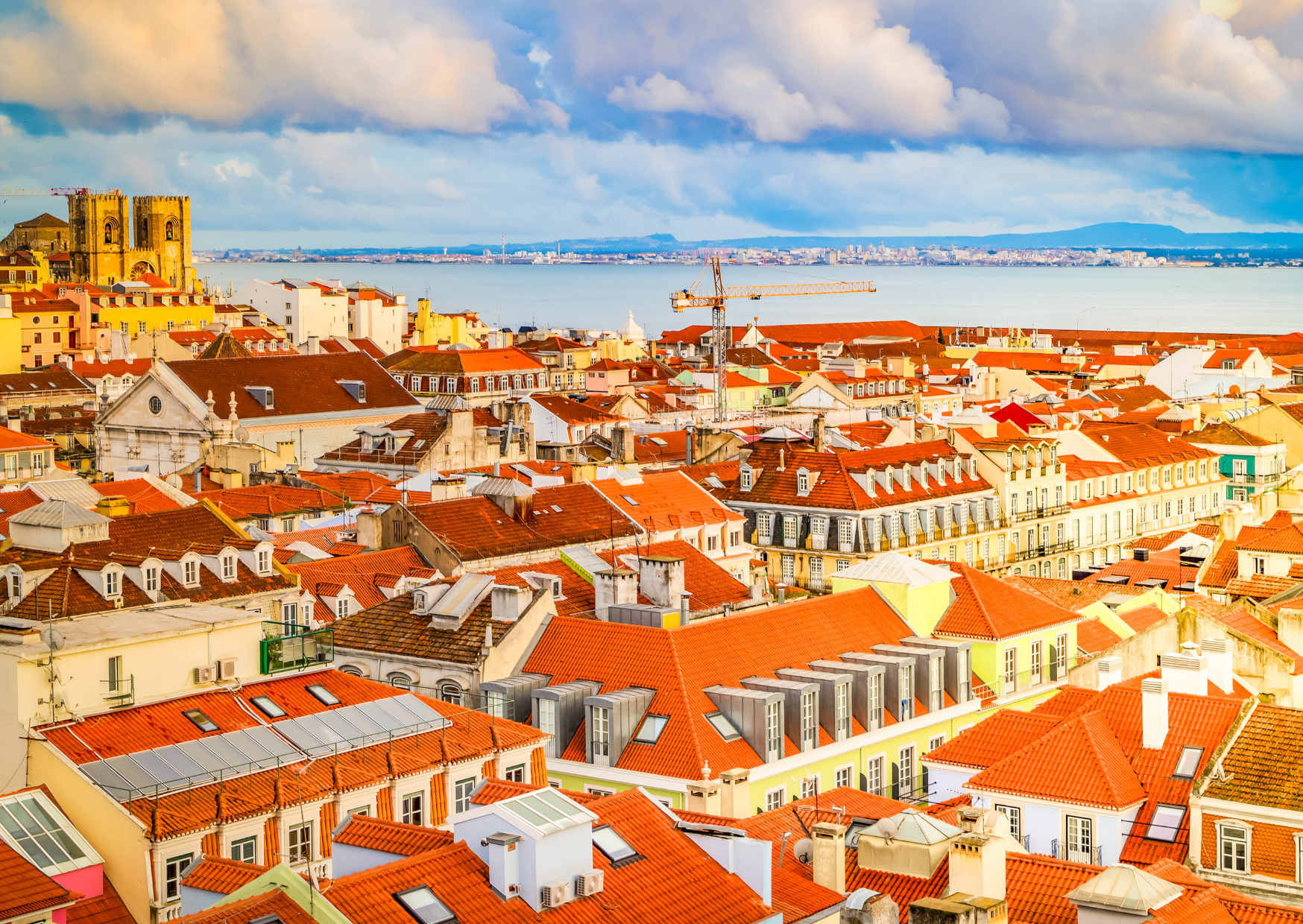
Portugal — May
Lisbon and Porto wake up, the Atlantic is tolerable with a brave heart, and prices have not climbed to June levels. The Douro is green, Alentejo is quiet, and you can still get a table at 21:00. Skip the Algarve’s biggest resorts if you want space.
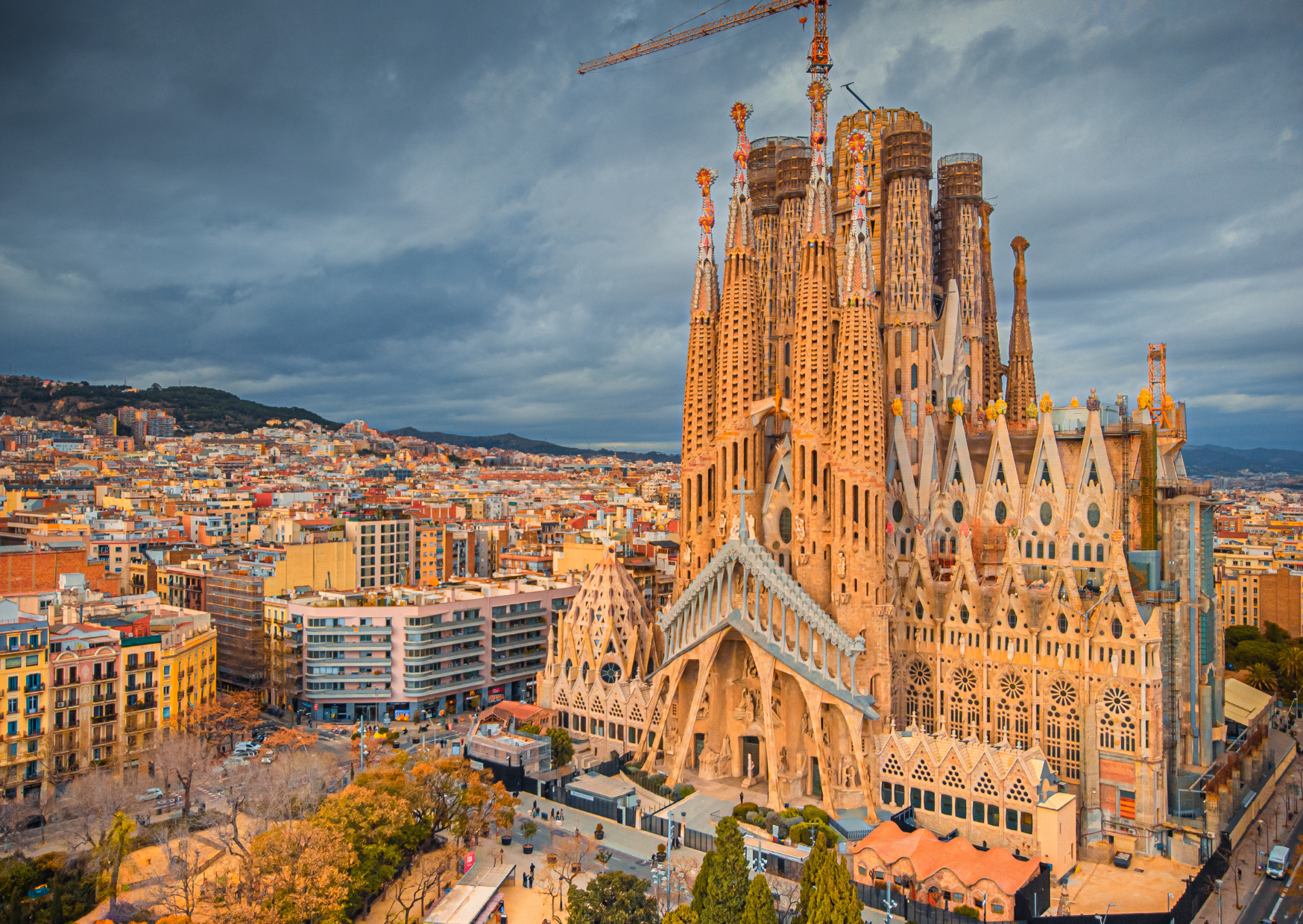
Spain — October
Heat breaks everywhere. San Sebastián is soft, Seville finally becomes walkable, and Madrid terraces hit their stride. Grapes, mushrooms, chestnuts. Book the first night and your last lunch. The light is better than in August.
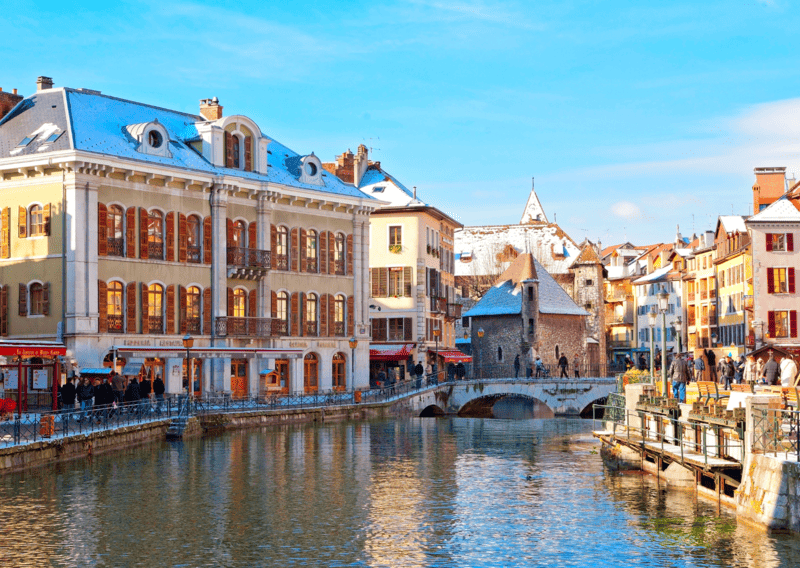
France — September
Paris exhales after August, vineyards glow, Provence markets are full but human, and the Côte d’Azur has warm water without the July price shock. Choose a neighborhood bistro and eat outside. Reserve big museums early on weekends.
Belgium — May
Bruges and Ghent before day-trip bus saturation. Lilac and beer gardens. Shoulder weather plus shoulder prices. Book canal cruises a day ahead and ignore chocolate shaped like landmarks.
Netherlands — April
Keukenhof is open, tulips are real, and Amsterdam’s canals reflect clean spring light. Expect showers and plan layers. Book the Anne Frank House and train seats to Haarlem or Leiden early.
Luxembourg — June
Valleys are green, castles open daily, and it fits neatly between Belgium and Germany. Two nights are enough. Hike a loop and try local white wine.
Ireland — September
Green without constant mist, calmer roads, and pubs still lively from summer. Dingle and Connemara shine. Reserve small B&Bs early. Ferry to the Aran Islands if the sea is kind.
United Kingdom — May
Long days, Chelsea Flower Show vibe without the peak crowd in most places, and Scotland begins to warm without midges going manic. Book trains early. London parks are the real museum.
Southern Europe and the Islands
Italy — October
Harvest, truffles, lower prices, and cities you can breathe in again. Venice is kinder, Rome is gold, Sicily is still swimmable. Book the rural stay first, then the trains. Eat lunch long and dinner late.
Greece — September
Sea like glass, ferries still frequent, locals less stressed. Athens finally pleasant at noon. Choose one island chain, not three. Book small boats and caldera-view rooms early.
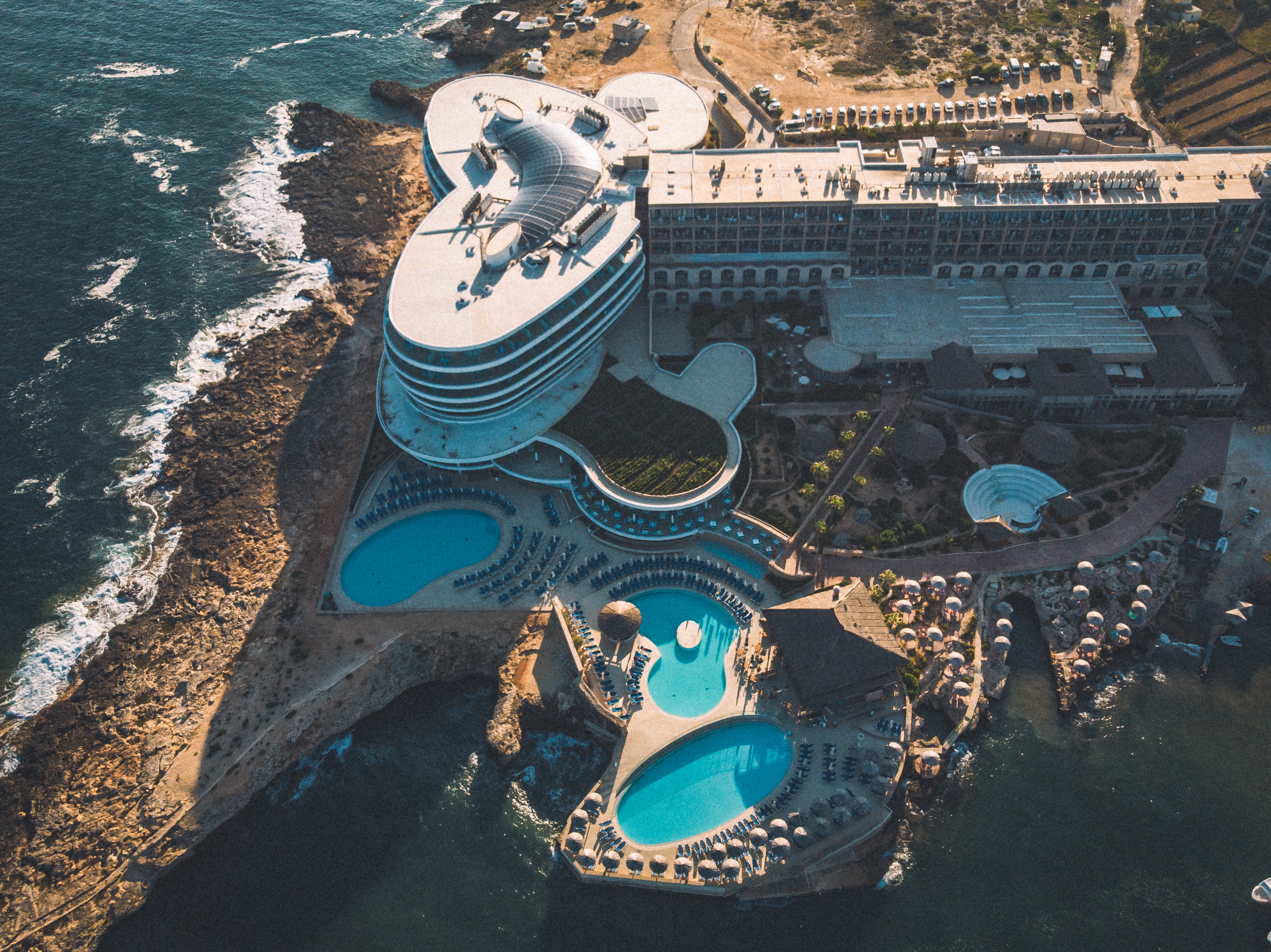
Malta — April
Pastizzi on warm mornings, clear water, and Valletta before cruise saturation. Swim if you can handle fresh. The buses work. Reserve the Hypogeum well in advance.
Cyprus — October
Sea stays warm, mountains cool, beach clubs calm down. Paphos for ruins, Troodos for walks. Rent a car and treat distances with respect.
Central Europe
Germany — September
Lakes warm enough, forests bright, cities in good humor. Munich is busy near Oktoberfest; use Nuremberg or Bamberg instead for a beer trip. Book ICE trains on sale. Bicycle a river path for one day and feel smug.
Austria — September
Vienna is soft light and parks, Salzkammergut is clean water, and alpine huts still open. Book a concert last, not first. It is the easiest ticket in town.
Switzerland — July
Yes, it is pricey. The alpine weather finally cooperates. Trains are the show. Book mountain hotels early and pick one region instead of ping-ponging in circles.
Poland — May
Gdańsk has sun, Kraków sits at the right temperature, and Tatras hiking opens. Reserve museum slots in Kraków on weekends and use trains between cities.
Czechia — May
Prague before tour buses peak, Moravia’s wine hills waking, Vltava boats without a scrum. Book a neighborhood apartment and walk everywhere.
Slovakia — September
High Tatras with clear trails, Bratislava still warm. Small country, big hikes. Reserve mountain huts and carry cash for tiny places.
Hungary — May
Budapest baths outside in cool air, Danube shine, shoulder rates. Book the smaller thermal baths midweek and leave a day for wine bars.
Slovenia — September
Ljubljana’s river nights, Lake Bled calm, Soca Valley at its best. Rent a car. You will not regret it. Book Vršič Pass stays early.
Croatia — September
Sea is perfect, Dubrovnik mellows, island ferries still frequent. Book small boats and island rooms. Avoid huge cruise days when possible.
Northern Europe and the Nordics
Norway — July
Fjords, midnight light, ferries running, and hikes passable without snow risk. Book cabins early and hurt your wallet once. The view pays you back for a decade.
Sweden — August
Stockholm islands, warm lakes, families back from holidays near the end of the month. Trains across the south are easy. Book the archipelago boat day first.
Denmark — June
Copenhagen bikes, long evenings, bakeries at their best. Roskilde is green. Reserve bikes and a good bakery near your rental.
Finland — February
Yes, winter. Lapland, aurora, saunas, snow that feels like a new planet. Book far ahead. South Finland city break also works in cool blue light.
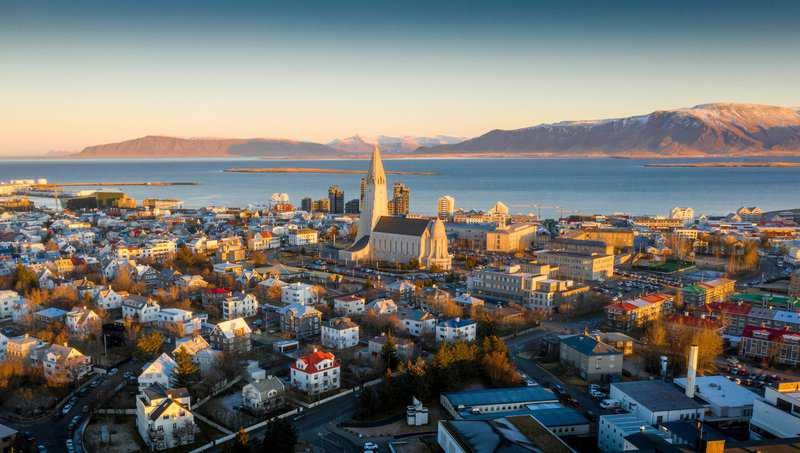
Iceland — September
Crowds thin, northern lights begin, roads still safe. Book a ring road section and do not chase the whole island in five days.
Estonia — July
Tallinn shines, islands warm, cafés spill outside. Ferries are easy. Book the sauna. You will never look at steam the same way again.
Latvia — August
Riga beach escapes, Jūrmala in prime, markets full. Trams and trains are simple. Bring a light jacket for evenings.
Lithuania — June
Vilnius old town in sun, Curonian Spit before peak, lakes alive. Book buses and simple guesthouses early.
Balkans and Southeast Europe
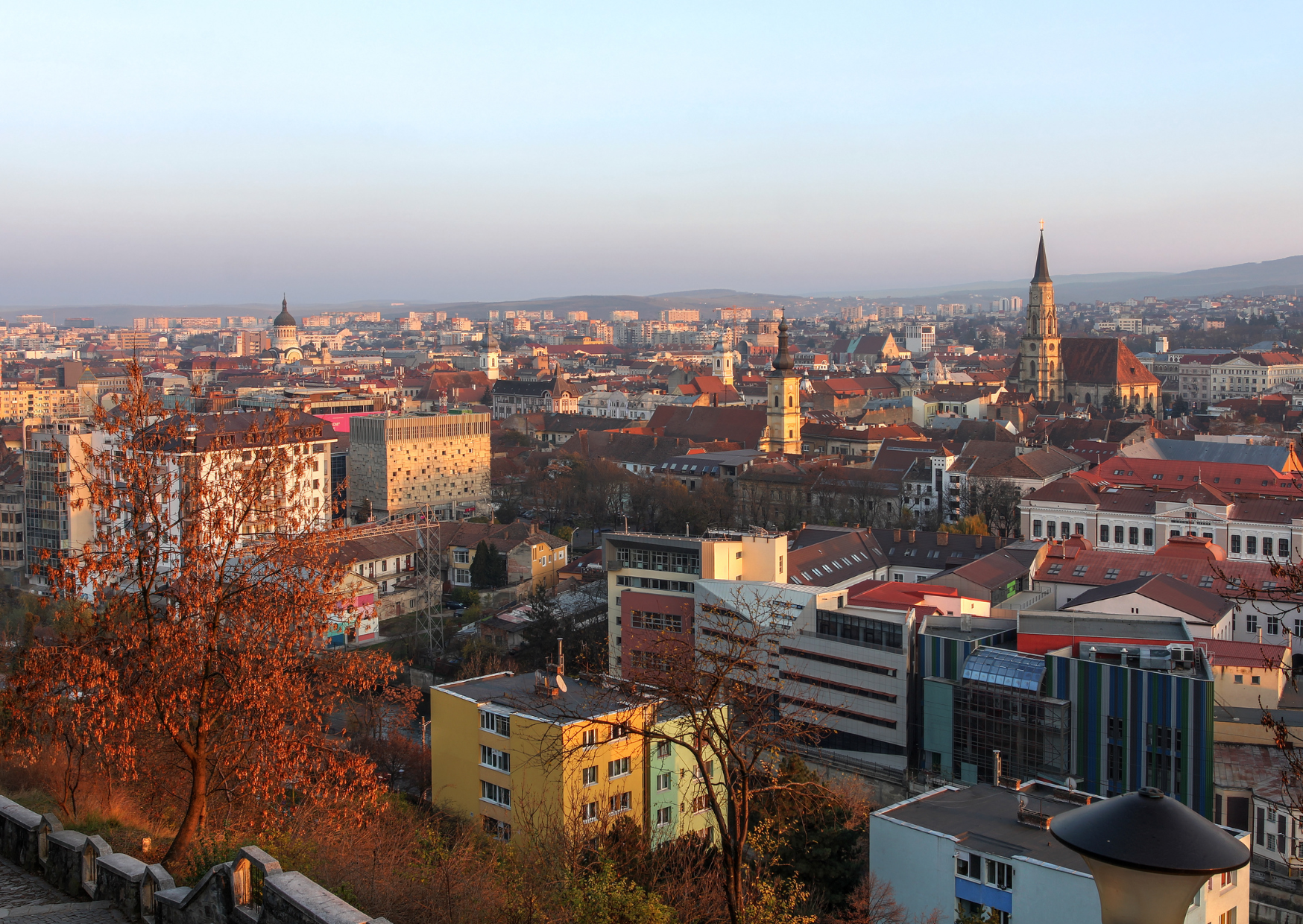
Romania — September
Transylvania cool, Carpathian hikes crisp, Bucharest relaxed. Trains are slower, rent a car for rural loops. Book mountain guesthouses with dinner included.
Bulgaria — June
Black Sea before the rush, Plovdiv’s old town glowing, hikes open. Reserve coastal rooms and bring cash for small towns.
Serbia — May
Belgrade terraces, Danube ferries, fresher markets. Trains improving, buses reliable. Book river view rooms.
Bosnia and Herzegovina — May
Mostar in tolerable warmth, rivers high and blue, fewer buses than July. Stay near old towns and walk early.
Montenegro — September
Kotor without cruise panic, Adriatic warm, mountains clear. Book Kotor old town lodging and a day up the serpentine road.
Albania — September
Riviera still blue, prices humane, interior cool. Rent a car and give yourself time between valleys. Book Sarandë or Himarë with sea view.
North Macedonia — May
Lake Ohrid gentle, Skopje parks fresh, cool evenings. Buses are fine. Book lake stays on the west side.
Greece already listed above under Southern Europe, still September is the winner.
Central and Eastern outliers
Ukraine
Travel decisions will be security first, not season. If you consider humanitarian travel or visits to western cities that reopen, check advisories and local agencies. There is no “best month” without safety.
Moldova — May
Wine routes green, Chişinău markets alive, gentle prices. Book wineries directly and arrange drivers.
Belarus
Visa and politics dominate. Check rules far in advance. Seasonality matters less than feasibility.
Microstates and easy add-ons
Andorra — March
Skiing still on, days longer, shoulder prices on weekdays. Bus from Barcelona. Book boots and lift passes early.
Monaco — May
Before Grand Prix chaos, garden paths perfect, sea already blue. Do it as a day from Nice. Reserve lunch, not dinner.
San Marino — September
Clear views, day-trip crowds thin near evening, soft light on towers. Stay one night and own the old town at dawn.
Liechtenstein — June
Trails open, Vaduz museums quiet, easy bus from Switzerland. Book a village guesthouse.
Vatican City — January
Rome is quieter, museums breathable, St. Peter’s in winter light. Reserve early entry to the Museums and walk out to Trastevere for lunch.
Gibraltar — February
Mild air, monkeys less bothered by heat, clear strait views. Combine with Cádiz or Málaga. Book the cable car on a calm day.
The Caucasus and the edges
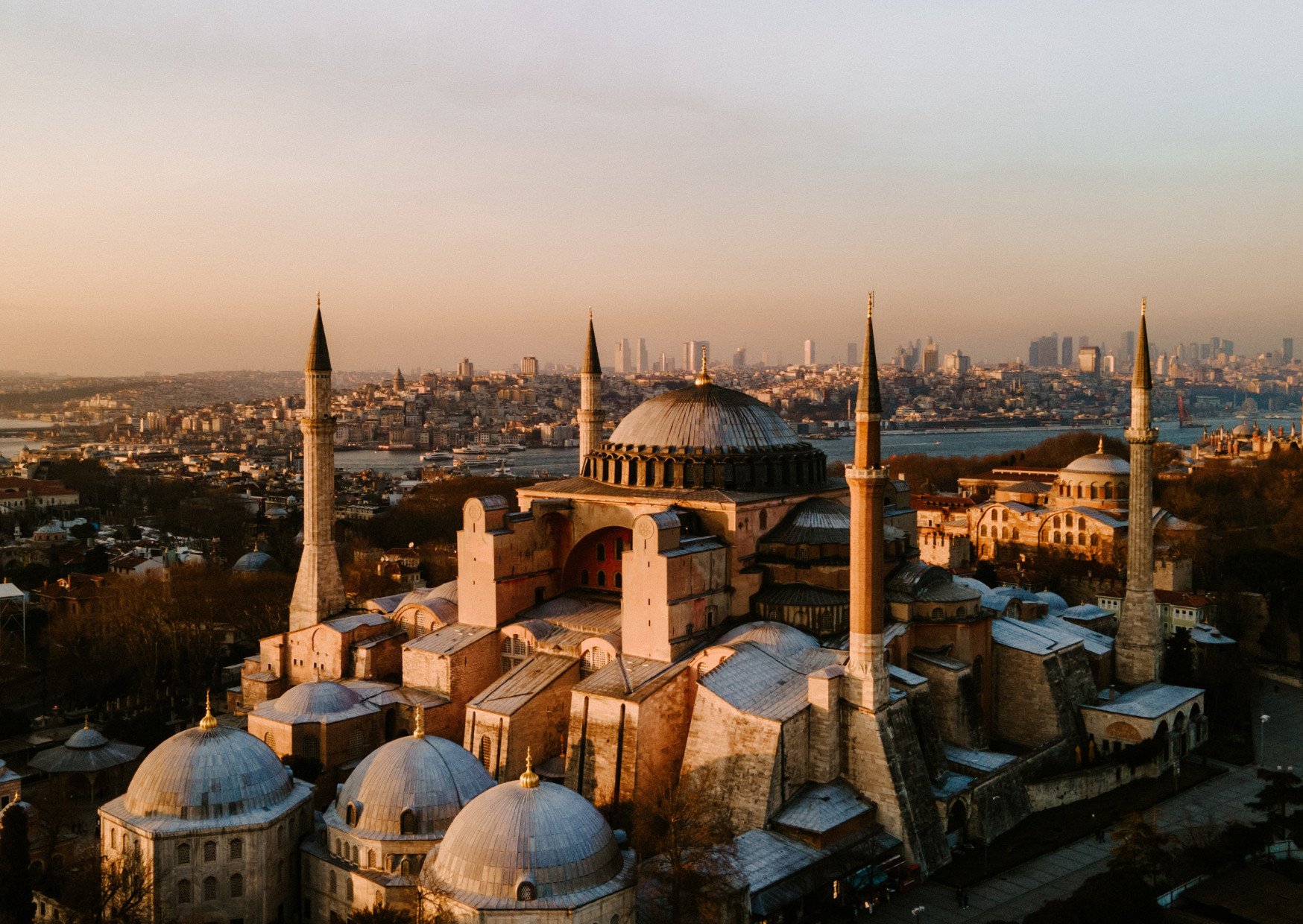
Georgia — September
Tbilisi cool nights, Kakheti harvest, mountain passes open. Book guesthouses in Svaneti early. Trains are simple, marshrutkas are not for everyone.
Armenia — May
Monasteries in green valleys, Yerevan café life, apricots arriving. Book day trips with small groups.
Azerbaijan — October
Baku heat fades, Caspian breezes, gobustan pleasant. Book mud volcano drivers and treat distances with respect.
Türkiye — May
Istanbul light, Cappadocia flyable, coasts waking up. Best blend of price and weather. Book balloons and Bosphorus boats early.
How to stack countries without breaking your calendar
If you are trying to string a few of these together in 2026, follow the weather line and the school calendars. North to south in spring, south to north in autumn. Put islands and beaches on the shoulder edges and save capitals for cooler months.
Example routes that never fight the sky:
- April to May: Netherlands, Belgium, Paris, then Portugal
- September: Slovenia, Croatia islands, Montenegro, then Rome
- October: Spain, southern France, northern Italy, then Greece’s Peloponnese
- July: Denmark, Sweden’s west coast, Norway fjords, then a week in Tallinn
Key point: one flight, three trains, one ferry is enough. The rest is greed disguised as itinerary.
What to book first in each place
- Islands: ferries and sea-view rooms
- Capitals: museum slots and a neighborhood base
- Mountains: huts and ridge hotels
- Wine regions: car and two tastings you can actually remember
- Nordics: trains and cabins
- Iberia: intercity trains and one long lunch on a terrace you want to see twice
Remember: book the bottleneck, not the entire trip.
When to avoid even a “best month”
- Mega events: skip Munich in peak Oktoberfest if you do not want Oktoberfest, avoid Paris during full fashion weeks if you do not care about fashion, check local marathons that shut cities on Sundays.
- Cruise floods: Dubrovnik, Kotor, Santorini. Read the port calendar and go early or late.
- Heat spikes: southern Europe is calmer in October than in July for a reason. Pick shoulder if you wilt easily.
- School holidays: Easter weeks push up prices in Spain, France, Italy, and the UK.
Quiet truth: you are not unlucky, you just landed on a calendar. Check the calendar.
A few places where I changed my mind
I used to tell people to skip Venice in summer entirely. Then I stayed in Cannaregio in late July with very early mornings and late dinners and it was peaceful for eleven hours a day. You can hack even the “worst” month if you accept the clock. I also used to claim Portugal was best in September. Then May gave me green Douro, empty beaches on the Alentejo, and prices that behaved. I stopped giving absolute answers where the sea is the decider.
If you want the shortest possible takeaway
- Portugal May, Spain October, France September, Italy October, Greece September.
- Nordics in July and August, Baltics in July, Balkans in September.
- Capitals love April and October.
- Mountains love July and September.
- Islands love June and September.
Everything else is flavor.
A calm ending you can use this week
Pick the country. Circle the month. Book the bottleneck. Leave two afternoons blank on purpose. Travel works when you stop fighting the calendar and let the month do its job. The rest is just you, a table, and a city that finally has room for you.

About the Author: Ruben, co-founder of Gamintraveler.com since 2014, is a seasoned traveler from Spain who has explored over 100 countries since 2009. Known for his extensive travel adventures across South America, Europe, the US, Australia, New Zealand, Asia, and Africa, Ruben combines his passion for adventurous yet sustainable living with his love for cycling, highlighted by his remarkable 5-month bicycle journey from Spain to Norway. He currently resides in Spain, where he continues sharing his travel experiences with his partner, Rachel, and their son, Han.