
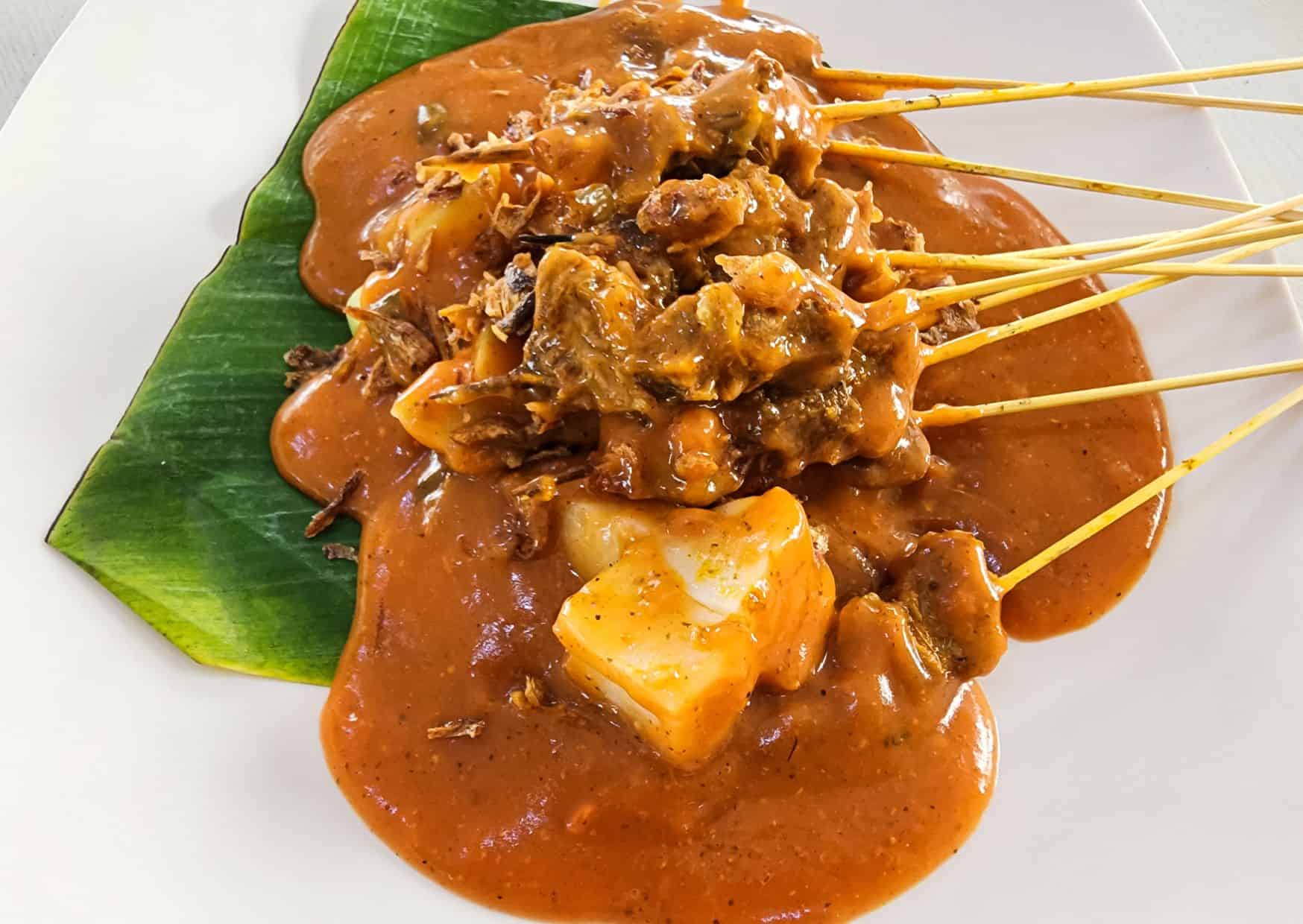
Our guide on How To Make Homemade Satay one of the most popular dishes in Southeast Asia.
Satay is a popular Southeast Asian dish consisting of marinated meat skewers, grilled to perfection, and typically served with a rich and flavorful peanut sauce. Originating from Indonesia, satay has become a beloved street food in many countries like Thailand, Malaysia, and Singapore.
Satay is a delicious and versatile dish that’s perfect for any occasion, whether it’s a casual dinner or a festive gathering. The combination of tender, marinated meat and rich peanut sauce creates a flavorful experience that’s sure to be a hit. With its simple preparation and bold flavors, this satay recipe brings the taste of Southeast Asia to your table. Serve with your favorite sides, and enjoy a meal that’s as satisfying as it is easy to make
This dish can be made with various types of meat, such as chicken, beef, pork, or even tofu for a vegetarian option. Here’s a step-by-step guide on how to make chicken satay, along with some tips and calorie information.
BOOK YOUR TRAVEL INSURANCE
Two of our favorite travel insurance: Heymondo Vs Safetwing cheapest travel Insurance. You can get for $135 USD your Heymondo Travel Insurance with Heymondo discount code valid for 90 days. Read our full comparison of Genki vs Safetywing Travel Insurance Review and the comparison Heymondo vs Genki
How to Eat
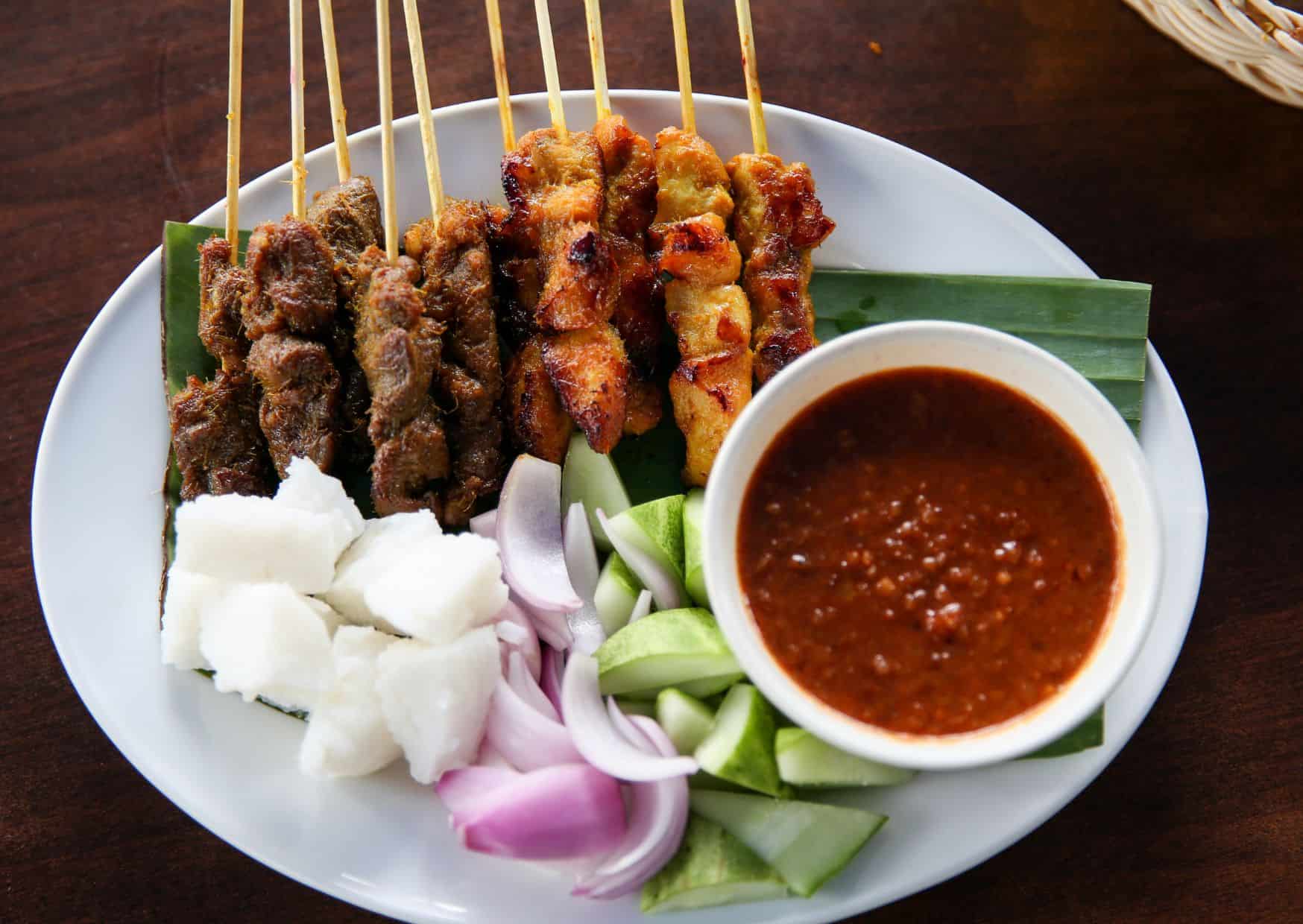
Satay is best enjoyed hot off the grill. Traditionally, it’s eaten by picking up the skewer with your hands and dipping or drizzling it generously with peanut sauce before taking a bite. It’s often served with slices of rice cakes (lontong), cucumber, and onion on the side, which balance out the rich, smoky flavors. Pairing it with a refreshing iced tea or tropical juice completes the experience.
How to Partner
Satay pairs wonderfully with simple sides that let the flavors shine. Lontong (compressed rice cakes) or steamed jasmine rice are the most common partners, as they soak up the peanut sauce beautifully. For a lighter pairing, serve with a crisp cucumber salad or stir-fried vegetables. If you’re hosting a gathering, satay also works well as a starter, followed by larger Indonesian dishes like nasi goreng (fried rice) or gado-gado (vegetable salad with peanut dressing).
Satay may be universally adored, but it’s not without its controversies. One of the biggest debates is whether satay is uniquely Indonesian or a dish claimed across Southeast Asia. Malaysia, Singapore, and Thailand all have their own versions, leading to heated arguments about who can truly call it theirs. In Indonesia, however, the belief is strong that satay’s roots are firmly planted in their food culture.
Another point of contention is authenticity. Some argue that satay should always be cooked over charcoal to achieve its smoky flavor, while modern adaptations using ovens or stovetop grills are seen as shortcuts that compromise tradition. Purists also debate the sauce—should it always be peanut-based, or do the countless regional variations, some without peanuts at all, deserve equal recognition?
Finally, there’s a cultural clash in how satay is eaten. In Indonesia, it’s perfectly normal to eat satay with your hands, dipping skewers straight into the sauce. In the West, however, diners often resort to forks and knives, which some Indonesians feel takes away from the communal and hands-on spirit of the dish. These debates highlight not only the passion surrounding satay but also the challenges of preserving culinary traditions in a globalized world.
How to Make Homemade Satay
Homemade Satay Recipe Ingredients
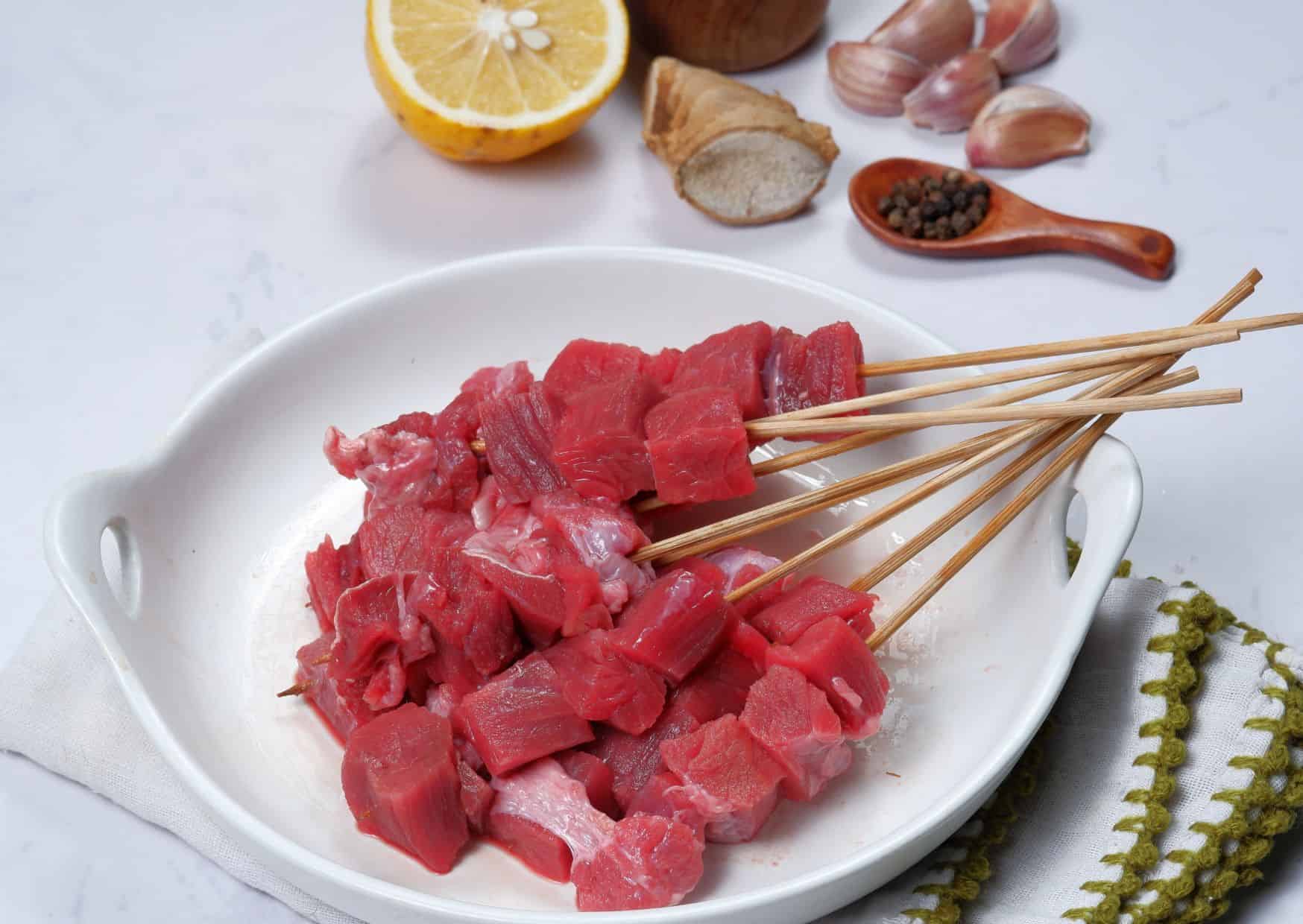
For the Satay:
1 lb (450g) chicken thighs or breasts, cut into bite-sized pieces
12-15 bamboo skewers (soaked in water for 30 minutes)
For the Marinade:
2 tablespoons soy sauce
2 tablespoons fish sauce
2 tablespoons coconut milk
1 tablespoon brown sugar or palm sugar
1 tablespoon ground coriander
1 teaspoon ground cumin
1 teaspoon turmeric powder
2 cloves garlic, minced
1 tablespoon fresh ginger, minced
1 tablespoon vegetable oil
Juice of 1 lime
For the Peanut Sauce:
1/2 cup creamy peanut butter
1/2 cup coconut milk
2 tablespoons soy sauce
1 tablespoon brown sugar or palm sugar
1 tablespoon red curry paste or chili sauce (adjust to taste)
Juice of 1 lime
1/4 cup water (to thin the sauce if needed)
Get the best deals for your home and kitchen needs
Step By Step How to Make Homemade Satay
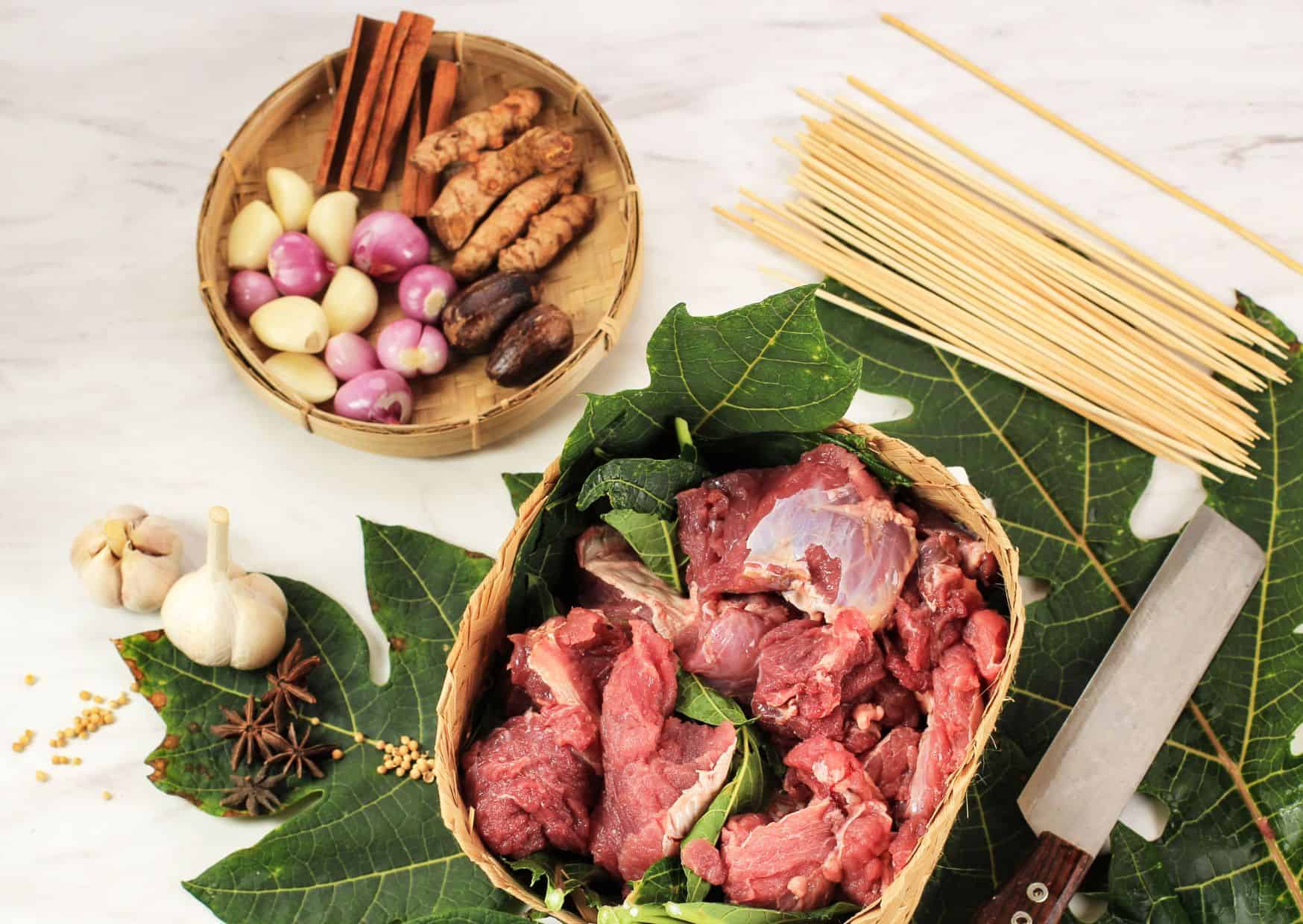
Prepare the Marinade
In a large mixing bowl, combine the soy sauce, fish sauce, coconut milk, brown sugar, ground coriander, cumin, turmeric, garlic, ginger, vegetable oil, and lime juice. Whisk until all ingredients are well blended.
Add the chicken pieces to the marinade, ensuring they are evenly coated. Cover the bowl with plastic wrap and refrigerate for at least 1 hour, or preferably overnight, to allow the flavors to penetrate the meat.
Prepare the Peanut Sauce
In a small saucepan, combine the peanut butter, coconut milk, soy sauce, brown sugar, red curry paste, and lime juice. Stir well to combine.
Place the saucepan over medium heat and cook, stirring constantly, until the sauce is smooth and slightly thickened, about 5 minutes. If the sauce is too thick, add a little water to achieve your desired consistency.
Taste the sauce and adjust the seasoning with more lime juice, soy sauce, or chili paste according to your preference. Set the sauce aside.
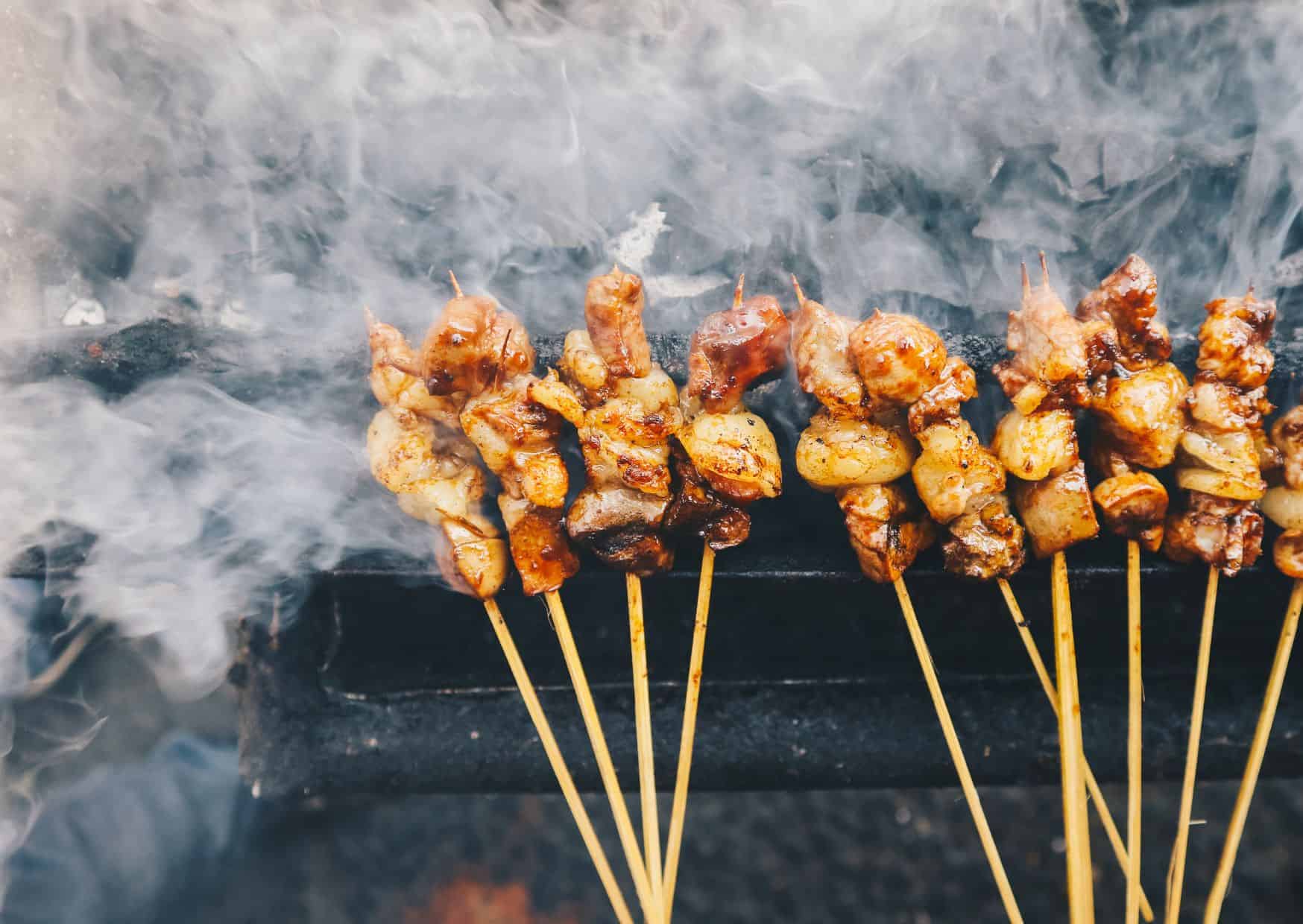
Grill the Satay
Preheat your grill or grill pan to medium-high heat. Thread the marinated chicken pieces onto the soaked bamboo skewers, leaving a small space between each piece for even cooking.
Place the skewers on the preheated grill and cook for about 4-5 minutes on each side, or until the chicken is cooked through and has a nice char. Brush the chicken with any remaining marinade during grilling for extra flavor.
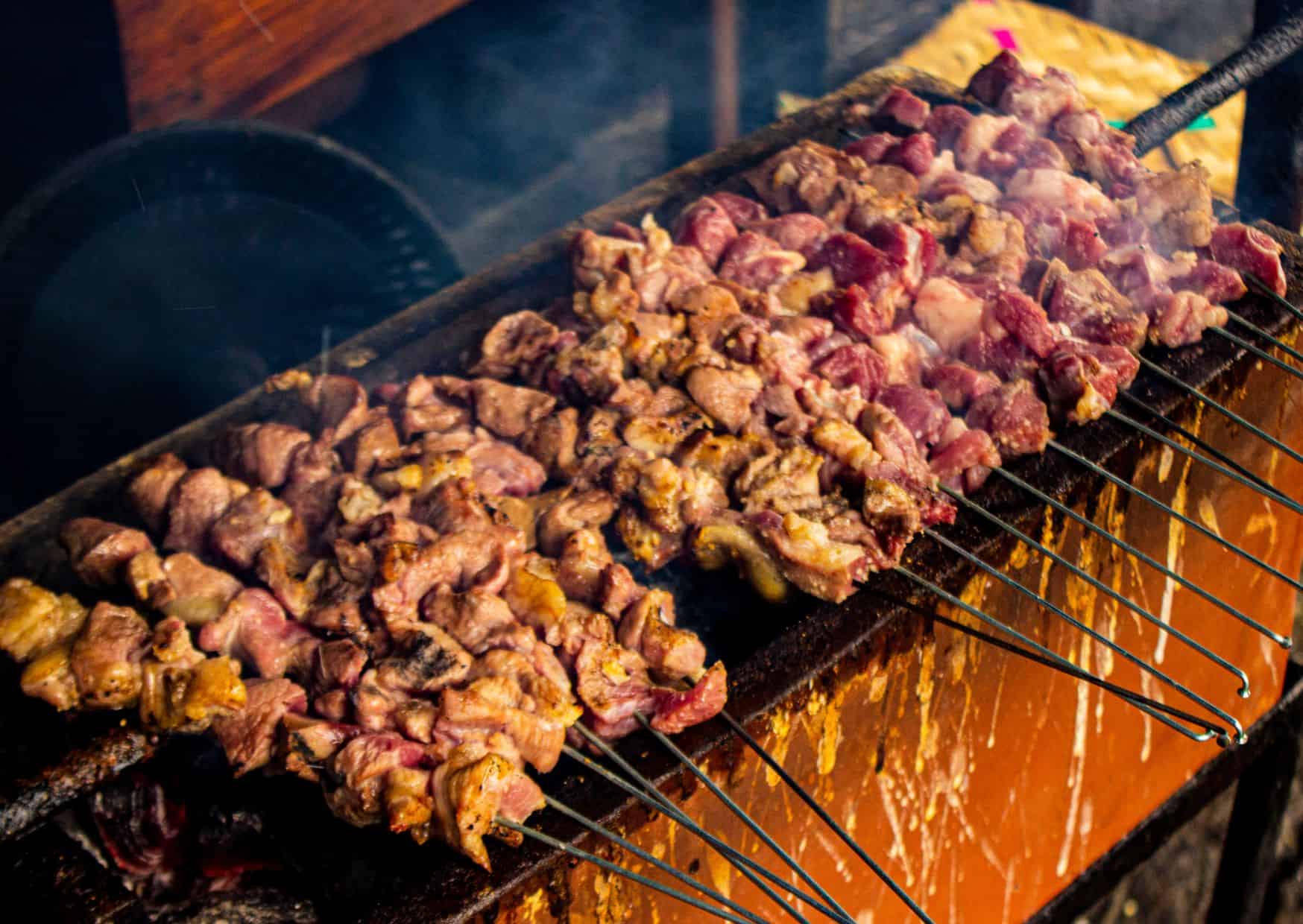
Serve
Transfer the grilled chicken satay to a serving platter. Serve with the peanut sauce on the side for dipping. Garnish the satay with chopped fresh cilantro, crushed peanuts, and lime wedges if desired.
Satay is traditionally served with a side of cucumber slices, rice cakes (ketupat), and sometimes a simple salad. It pairs well with steamed jasmine rice or a light noodle dish.
Tips To Make Homemade Satay
While chicken is the most common choice for satay, you can also use beef, pork, or tofu. Adjust the marinating and cooking times accordingly based on the type of meat.
Soak the bamboo skewers in water for at least 30 minutes before grilling to prevent them from burning. The peanut sauce can be made ahead of time and stored in the refrigerator for up to a week. Simply reheat it before serving.
Adjust the level of spiciness in the peanut sauce by adding more or less red curry paste or chili sauce. For a milder version, use less or skip it entirely.
How Many Calories Have Homemade Satay
Calories Per Serving: Approximately 350-450 calories per serving (based on 4 servings)
Breakdown:
Chicken (4 oz): ~150-200 calories
Marinade: ~50-80 calories
Peanut Sauce (2 tablespoons): ~100-150 calories
Optional sides (cucumber, rice cakes, etc.): additional calories depending on the quantity and type
Origin and History
Satay is more than a popular street food in Indonesia; it is a culinary symbol woven into the country’s cultural identity. While grilled meats can be found across Southeast Asia, it was Indonesian cooks who transformed skewered and grilled proteins into an art form. Early historical accounts suggest that satay originated on the island of Java, where traders from the Middle East and India introduced skewering and grilling techniques that blended seamlessly with local spices and cooking traditions.
Over time, each region of Indonesia began putting its own signature on the dish. Javanese satay leaned toward sweet marinades rich with palm sugar and thick soy sauce, while Balinese satay incorporated vibrant spice pastes and aromatic chilies. Madura island became known for its deeply savory and slightly smoky versions, and Sumatra contributed a stronger influence of turmeric, coriander, and coconut milk. Satay evolved not as a single recipe but as a collection of regional identities expressed through fire and flavor.
By the time Indonesia gained international attention for its cuisine, satay had already become a symbol of hospitality, celebration, and community gatherings. It crossed borders into Malaysia, Singapore, and Thailand, eventually becoming one of Southeast Asia’s most recognized dishes. But at its core, true satay remains a reflection of Indonesia’s history, resourcefulness, and diverse spice culture.
One of the biggest controversies surrounding satay is the widespread belief that all Southeast Asian versions are interchangeable. Many travelers assume Malaysian or Thai satay is identical to Indonesian satay, even though the seasonings, marinades, and grilling techniques vary significantly. Indonesian cooks often argue that the globalized versions found abroad flatten the complexity and richness that make authentic satay unique.
Another point of debate centers around the peanut sauce. Many people outside Indonesia believe that satay must always be served with a thick, sweet, creamy peanut sauce. However, several regions in Indonesia serve satay without peanuts at all, instead relying on spicy soy-based sauces, coconut milk glazes, or even simple chili paste. For many Indonesians, peanut sauce is only one expression of the dish, not a requirement.
Finally, there is the misconception that satay is always made from chicken or beef. In reality, Indonesians have perfected variations using goat, lamb, seafood, offal, and even minced meat shaped around lemongrass stalks. Some purists argue that the global preference for chicken satay has contributed to a diluted understanding of the dish. Authentic satay is defined by technique, spice, and charcoal, not by a single protein.
How Long It Takes to Prepare
Despite its reputation as a street food, preparing satay the right way takes more time than most people expect. The longest part of the process is marinating the meat, which ideally rests for several hours to absorb the spices thoroughly. Rushing this step results in a less fragrant and less tender satay, something experienced cooks would never accept.
Skewering the pieces also requires patience. Many Indonesian cooks trim the meat by hand, ensuring uniform thickness so the skewers cook evenly over high heat. This attention to detail ensures that every bite delivers a balance of char, tenderness, and seasoning. Even though it may seem tedious, the process is essential for achieving the traditional texture.
The final stage, grilling over charcoal, is surprisingly quick. With the coals at the right temperature, each skewer cooks in only a few minutes. The challenge is maintaining even heat and brushing the skewers with marinade as they cook. While total preparation might take an hour or more, the reward is a depth of flavor that shortcuts simply cannot match.
Serving Suggestions
Traditional Indonesian satay is typically paired with lontong or ketupat, two varieties of compressed rice cakes that absorb sauces and balance the smokiness of the meat. This combination is especially beloved during festivals and family gatherings, where satay is served in generous portions as part of a shared meal.
Another classic side is a simple cucumber and shallot salad, which adds freshness and acidity to counter the richness of the skewers. Some regions include sambal for added heat, allowing diners to adjust the spice level to their preference. These accompaniments reflect Indonesia’s emphasis on harmony and contrast in every dish.
For a more modern approach, satay can be served with coconut rice, herb salads, or even added to noodle bowls. Its versatility makes it easy to incorporate into weeknight meals or special occasions. Whether served traditionally or creatively, the focus remains on honoring the flavors produced by charcoal, spices, and a thoughtfully prepared marinade.
Final Thoughts
Satay is far more than a quick grilled snack; it is a culinary tradition shaped by centuries of trade, culture, and regional pride. Learning to prepare it at home offers a window into Indonesia’s vibrant food history and the techniques that define its signature dish. It is an experience that connects the cook to a long lineage of street vendors, home cooks, and festival hosts.
Making satay from scratch also invites a deeper appreciation for the importance of time, patience, and detail in Indonesian cuisine. Each step, from marinating to skewering to grilling, contributes to the final harmony of smoky, spiced, and perfectly balanced flavors. This level of craftsmanship is what sets authentic satay apart from simplified versions found elsewhere.
Ultimately, preparing satay at home is a rewarding way to explore one of Indonesia’s most beloved dishes. Whether you choose a traditional recipe or experiment with your own variations, the key is to respect the technique and embrace the flavors that have made satay an enduring icon. With the right approach, you can bring a piece of Indonesia’s culinary heritage straight to your kitchen.

About the Author: Ruben, co-founder of Gamintraveler.com since 2014, is a seasoned traveler from Spain who has explored over 100 countries since 2009. Known for his extensive travel adventures across South America, Europe, the US, Australia, New Zealand, Asia, and Africa, Ruben combines his passion for adventurous yet sustainable living with his love for cycling, highlighted by his remarkable 5-month bicycle journey from Spain to Norway. He currently resides in Spain, where he continues sharing his travel experiences with his partner, Rachel, and their son, Han.