
And what it reveals about trust, access, and the jaw-dropping difference in how two systems treat the same crisis
Tooth pain has a unique ability to disrupt everything. It’s not like a stiff neck or a sore knee. When it strikes, it hijacks your focus, your appetite, your sleep, and your sanity. In the United States, where healthcare is already fraught with price shocks and paperwork, a sudden dental emergency — a cracked molar, an infected root, a lost crown — can be financially devastating.
People delay treatment. They take painkillers and hope it passes. They visit emergency rooms that can’t fix the problem. Some even fly abroad in search of affordable care.
But if that same dental emergency happens to you in Spain, France, or Portugal? You’ll likely walk away with a same-day appointment, professional treatment, and a bill that wouldn’t cover a U.S. copay.
Here’s how dental emergencies are handled across much of Europe — and why the average American, in the middle of a tooth crisis, would be stunned by what’s available, what it costs, and how little red tape is involved.
Want More Deep Dives into Everyday European Culture?
– Why Europeans Walk Everywhere (And Americans Should Too)
– How Europeans Actually Afford Living in Cities Without Six-Figure Salaries
– 9 ‘Luxury’ Items in America That Europeans Consider Basic Necessities
Quick Easy Tips
Buy travel insurance with dental coverage. Not all policies include it, so check carefully before you purchase.
Locate emergency dental clinics before your trip. Major cities often have English-speaking dentists available.
Pack essentials. A dental kit with pain relievers, temporary filling material, and antiseptic mouthwash can buy time until you see a professional.
One major controversy is the gap between European and American perspectives on healthcare. Europeans often assume dental care is accessible, while Americans are shocked at how expensive it can be for outsiders without coverage. This leads to frustration when tourists feel they’re being “overcharged,” though locals view it as simply the nonresident price.
Another debate comes from the role of travel insurance companies. Some argue insurers overcharge for policies that rarely cover enough of the actual emergency costs. Others point out that even partial coverage can prevent financial ruin, making it a necessary expense.
Finally, there’s the cultural misconception that “Europe is cheap for healthcare.” While this may be true for residents, the reality for American travelers is much different. A small infection treated promptly at home could cost a fraction of what an uninsured tourist might pay in a European city, leaving many to feel misled by the myth of universally cheap care abroad.
1. In Spain, You Can See a Dentist in 24 Hours — No Insurance Needed
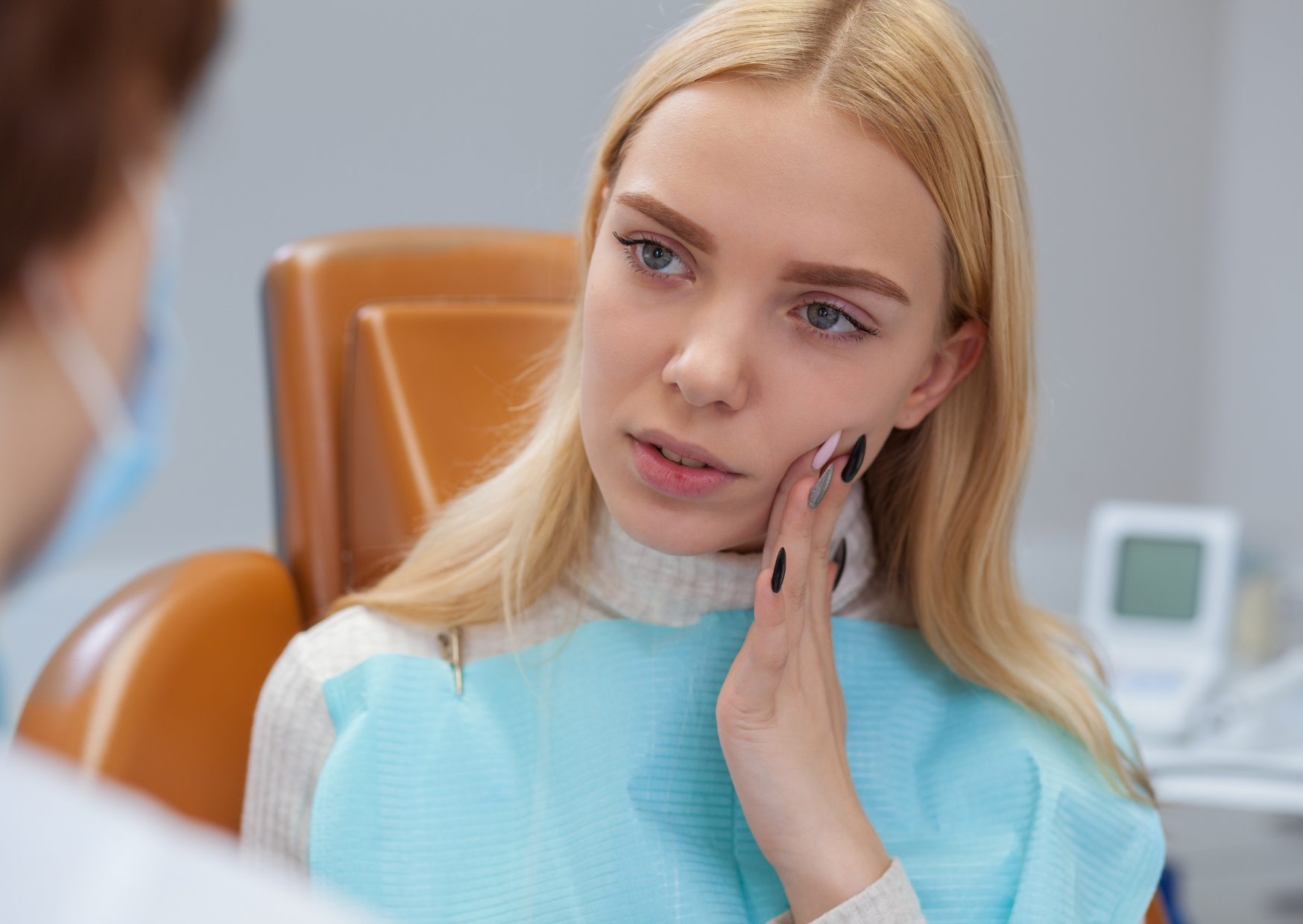
In the U.S., dental care is typically scheduled weeks in advance. Emergencies require luck, pleading, or expensive “urgent care” clinics. And unless you have specific dental insurance, your medical coverage won’t help.
In Spain, you can walk into most dental clinics and get same-day care for an emergency — even as a foreigner. No insurance card. No paperwork. Just a description of the pain and the ability to wait your turn.
Clinics often advertise walk-in hours. Many are open late. And you’ll see everyone from students to seniors using them without panic, without insurance, and without financial collapse.
2. Root Canals Cost Less Than a Gym Membership
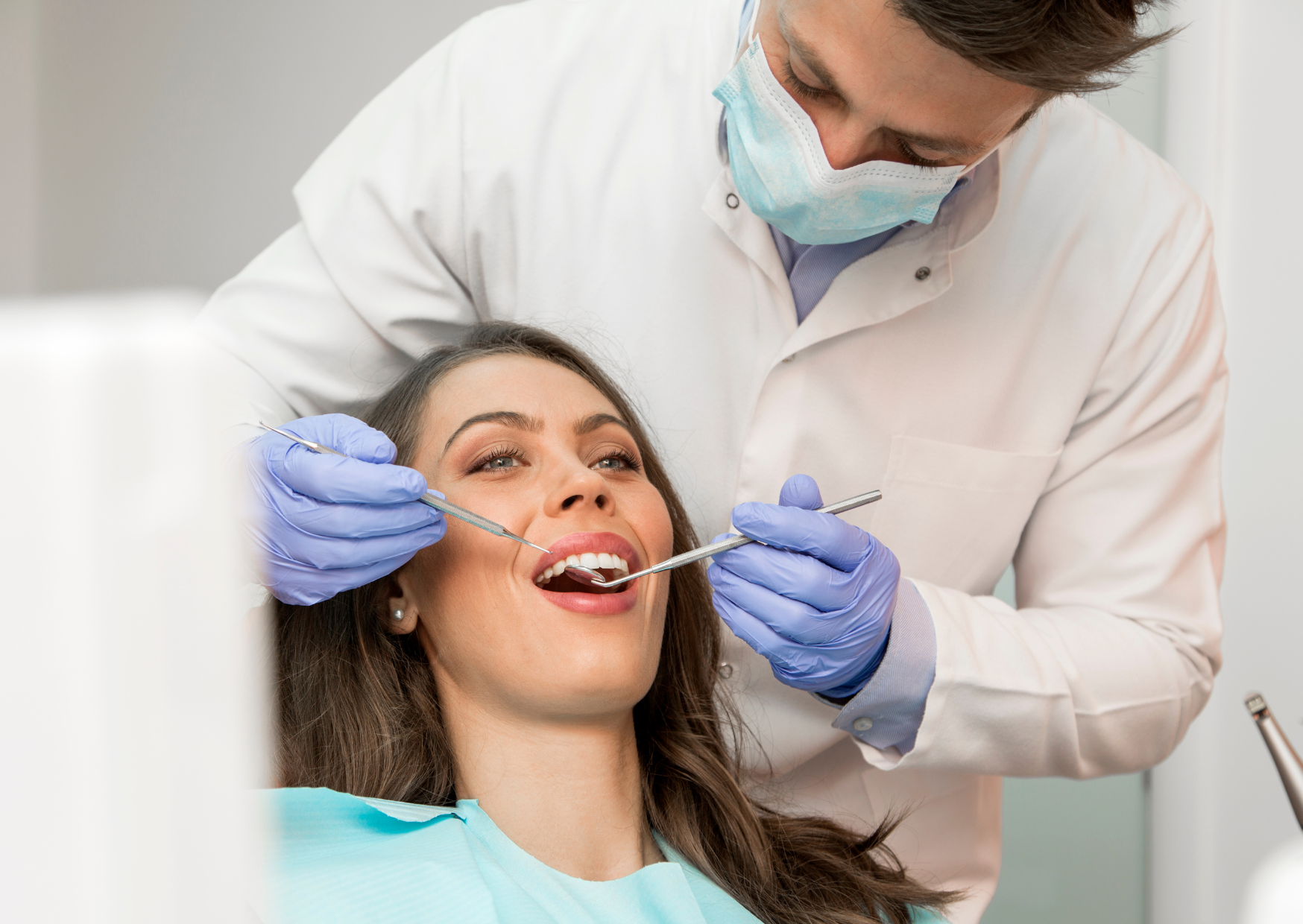
In the U.S., a root canal without insurance can cost $1,200 to $2,000 — per tooth. Add in the crown, and you’re looking at $3,000 or more. For many Americans, that’s a rent check. For some, it’s a debt sentence.
In Spain? That same root canal typically costs €150 to €300, and the crown another €300 to €500 — all out of pocket, all up front, no surprise bills.
In France, the cost may be even lower, especially if you’re part of the public system. In Portugal, clinics often advertise flat-rate root canal packages — with full transparency.
To Americans, this pricing sounds impossible. But it reflects a totally different model of access, cost, and expectation.
3. You Don’t Need Dental Insurance — And Most People Don’t Have It
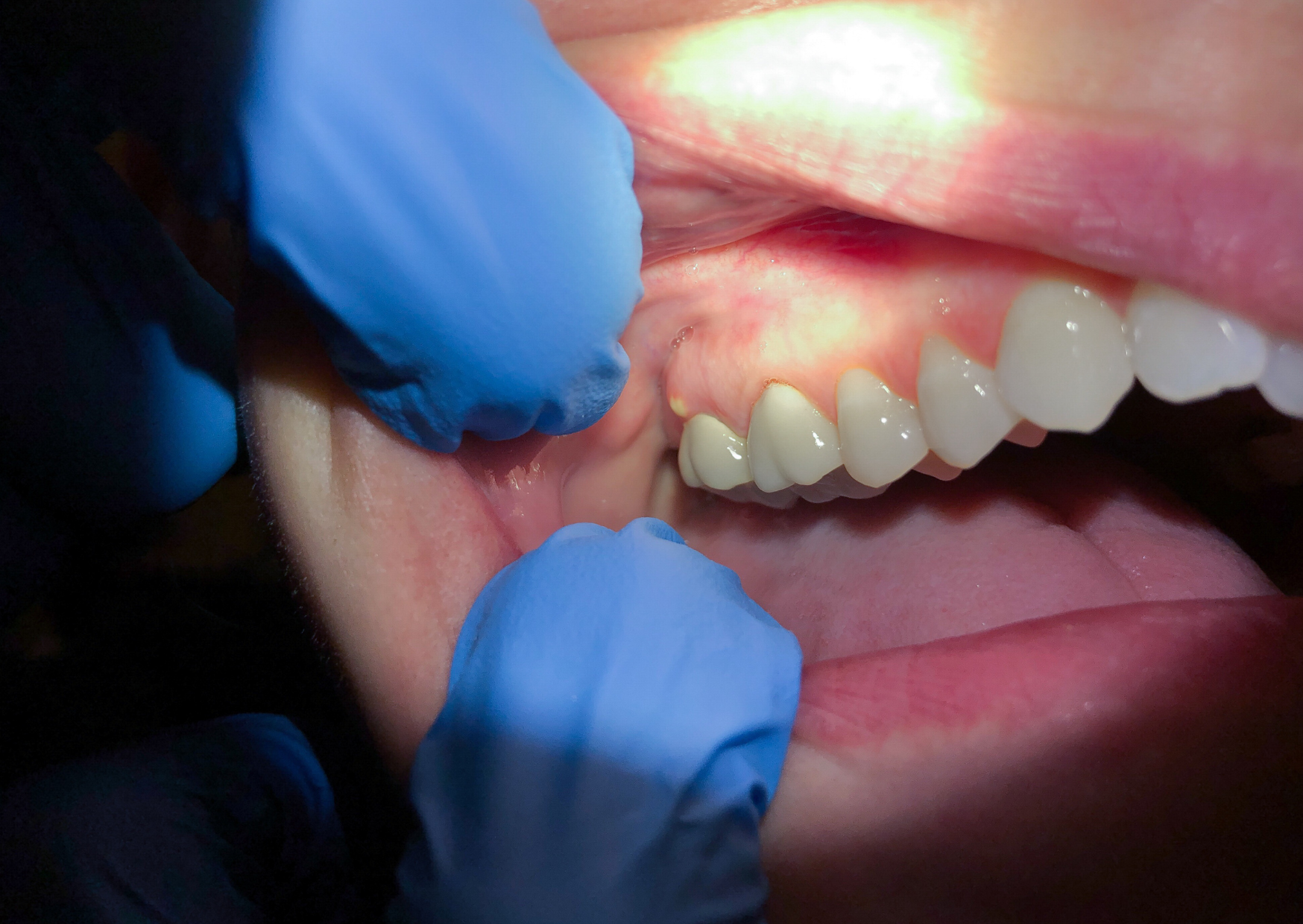
In the U.S., dental insurance is often a separate policy with limited benefits, long waiting periods, and annual maximums that are shockingly low.
In Spain, many people don’t carry dental insurance at all. Why? Because the cost of care is manageable, transparent, and offered competitively.
There are private dental plans available, but most people use them as discounts — not lifelines. You can get a cleaning for €40, an extraction for €60, and x-rays for €20 to €30.
It’s healthcare without the gamble.
4. Public Clinics Exist — But Private Care Is Affordable Enough
In some European countries, like the U.K. or Sweden, public dental care is part of the national system — though it often has long wait times or limited adult coverage.
But in Southern Europe, including Spain and Portugal, most people go to private dentists. What’s shocking to Americans is that these private clinics are affordable.
You don’t need a referral. You don’t need to fight insurance. You book online, show up, and pay a fee that won’t derail your week — or your year.
Many Spanish families have a preferred clinic where they go for years — the same way Americans go to a favorite café.
5. Americans Fly to Europe Just to Get Dental Work
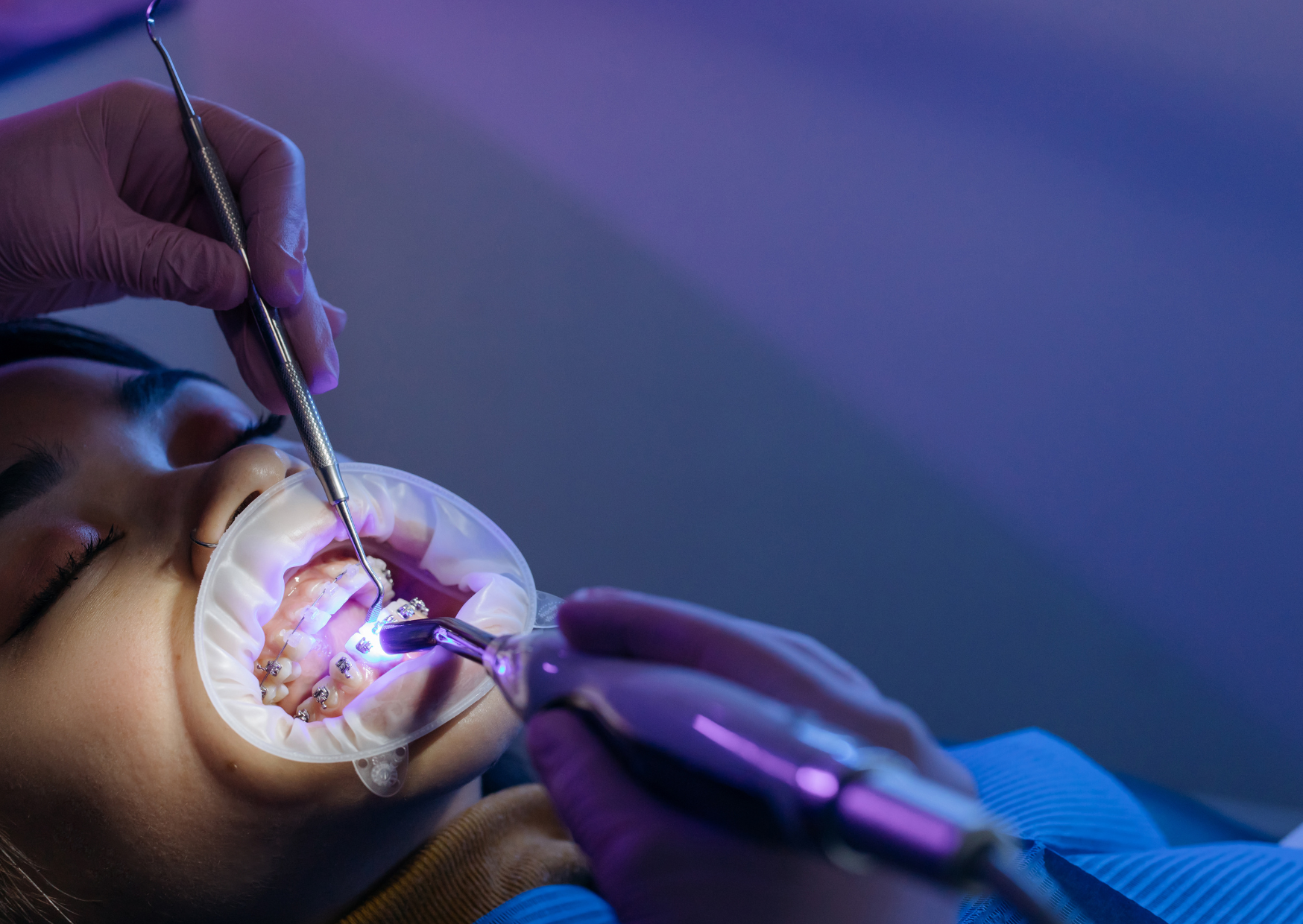
It’s now common for Americans — even insured ones — to book dental appointments abroad. From Budapest to Barcelona, people come for crowns, implants, veneers, and major restorations — and still spend less than they would at home.
Even factoring in airfare, hotel, and meals, the savings are often massive. An implant that costs $4,000 in the U.S. might cost €800 to €1,200 in Europe — with excellent quality and newer technology.
In 2025, dental tourism is no longer niche. It’s survival — especially for Americans priced out of their own system.
6. Spanish Dentists Offer Transparent Prices and Simple Packages
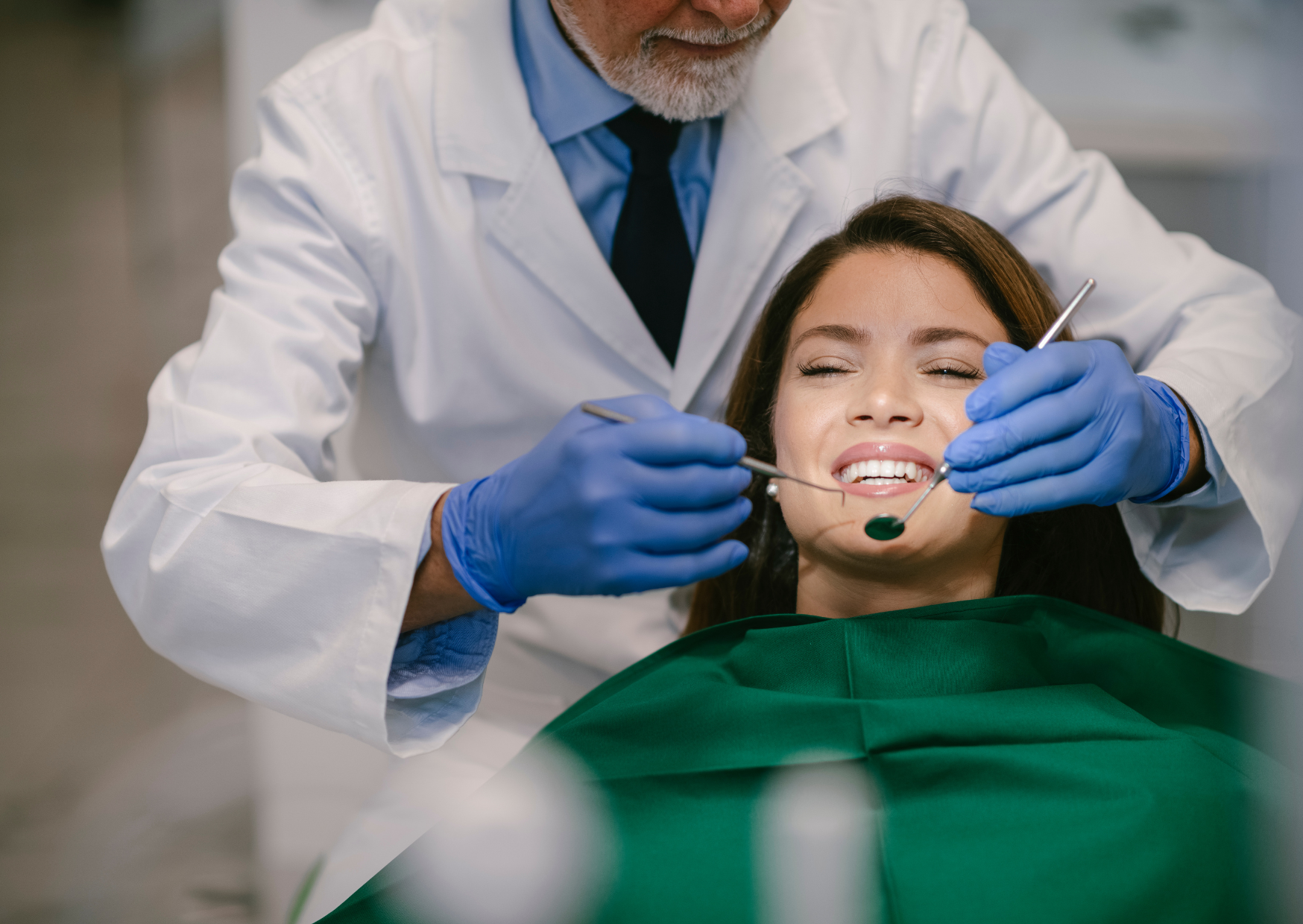
In the U.S., dental offices often won’t give prices over the phone. You need a consultation. Then a treatment plan. Then pre-approval. Then a follow-up — and even then, the bill can change.
In Spain, clinics often list menu-style pricing right on their websites. Some offer package deals. Others give full estimates in 15 minutes. No hidden fees. No “billing department” call later.
You know what it costs. You decide if you want it. You pay. Done.
To an American dealing with codes, deductibles, and tiered networks, it feels revolutionary. But here? It’s just basic respect.
7. Emergency Dental Care Doesn’t Require an ER Visit
In the U.S., people with dental pain often end up in emergency rooms, which cannot treat the underlying issue. They get painkillers, antibiotics, and a referral — but no real resolution.
It’s expensive. It’s ineffective. And it’s happening constantly.
In Spain, there’s no need to clog hospitals with dental emergencies. You go directly to a dentist — the person who can fix the problem. Even at night or on weekends, larger cities have emergency dental clinics. No ambulance. No ER. No triage nurse. Just treatment.
8. The Fear of Debt Doesn’t Delay the Visit
In America, people put off dental care — not because they don’t understand the risks, but because they fear the bill more than the infection.
In Spain, even someone working part-time or earning minimum wage can afford an urgent extraction or a cleaning.
Because there’s no risk of getting slapped with a $5,000 surprise. No 18-month payment plan. No sliding-scale game.
And that means people go when the problem is small, not when it becomes unbearable — which improves public health overall.
9. It’s Not Just Cheaper — It’s Calmer
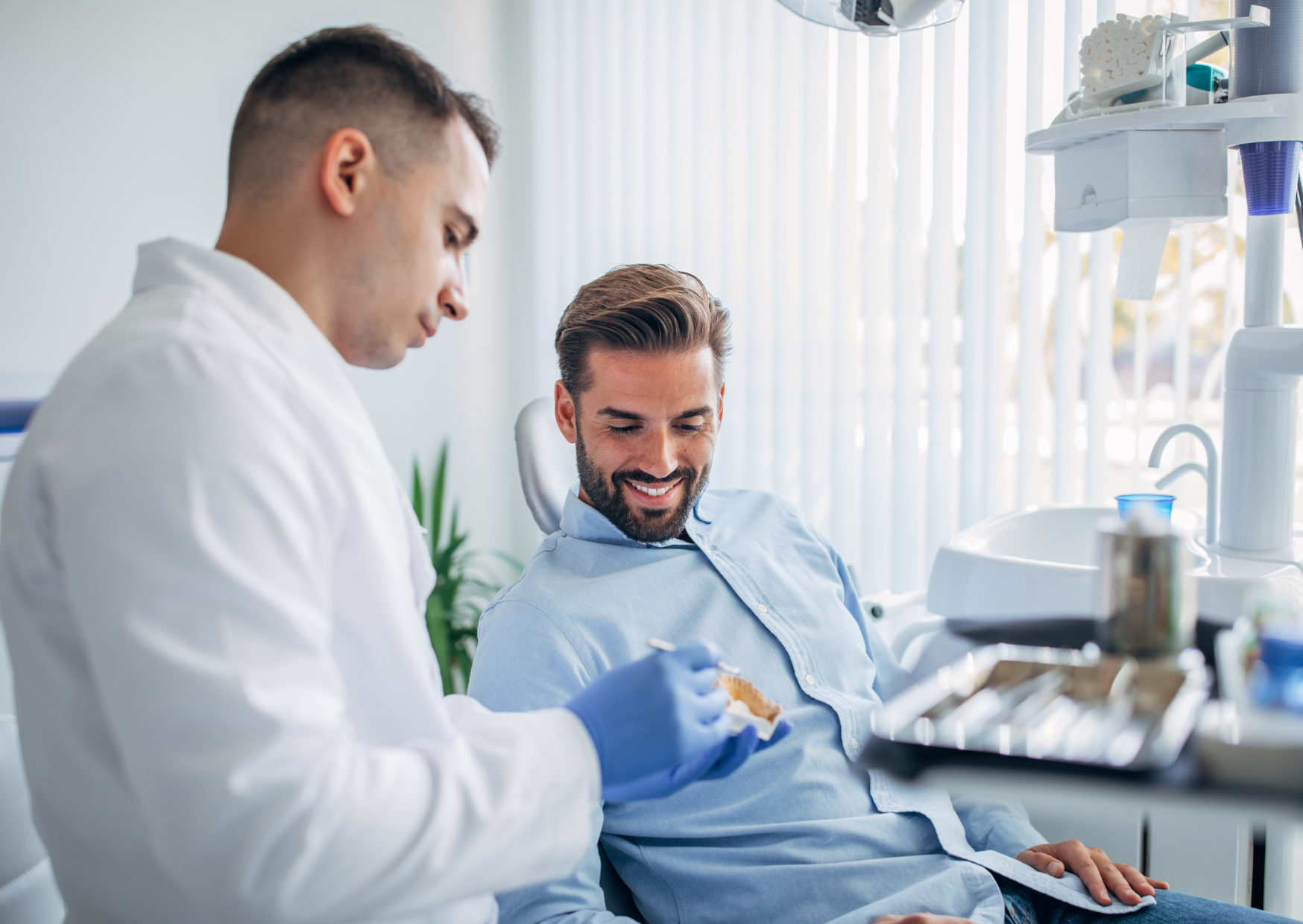
Spanish dental offices tend to be quiet, low-pressure, and less medicalized. No glossy brochures. No aggressive upselling. No dentists who act like entrepreneurs.
Instead, you’ll get a short explanation, a direct opinion, and options. You won’t be scolded. You won’t be told your mouth is falling apart unless you book the platinum package.
There’s an underlying assumption that this is a service, not a sales pitch — and that’s a kind of care Americans rarely experience anymore.
One Toothache, Two Realities
To an American, a dental emergency is a financial event. A decision tree. A nightmare.
To a Spaniard, it’s an inconvenience — nothing more.
In the U.S., a root canal can empty your savings.
In Spain, it might cost less than dinner with friends.
In the U.S., seeing a dentist feels like a risk.
In Spain, it feels like maintenance — the same as getting your tires rotated or your hair trimmed.
That difference isn’t just about money. It’s about how people expect to be treated when they’re in pain — and whether the system sees that pain as a profit opportunity or a problem to solve.
Traveling through Europe is exciting, but very few American tourists think about what happens if they face a sudden dental emergency. While locals often know how to navigate affordable care or have coverage through national health systems, Americans are left scrambling. The price gap between insured residents and uninsured foreigners can be staggering, turning a cracked tooth or severe infection into a financial nightmare.
This isn’t just about cost it’s about preparation. Many dental emergencies abroad can be avoided or at least minimized with foresight. Packing preventive care items, understanding travel insurance options, and knowing where to seek help can make the difference between a manageable expense and a life savings–draining bill.
Ultimately, dental health should be treated as an essential part of trip planning. Just as you wouldn’t leave without your passport, you shouldn’t overlook coverage for something as basic and unpredictable as your teeth.

About the Author: Ruben, co-founder of Gamintraveler.com since 2014, is a seasoned traveler from Spain who has explored over 100 countries since 2009. Known for his extensive travel adventures across South America, Europe, the US, Australia, New Zealand, Asia, and Africa, Ruben combines his passion for adventurous yet sustainable living with his love for cycling, highlighted by his remarkable 5-month bicycle journey from Spain to Norway. He currently resides in Spain, where he continues sharing his travel experiences with his partner, Rachel, and their son, Han.