
What’s the Fuss?
When Americans (or other non-Europeans) land in Paris, Rome, or Berlin, they often assume day-to-day spending or tipping habits are the same as back home—big tips, paying for expensive tours, ignoring local freebies, etc.
Then they realize they’re hemorrhaging euros where locals wouldn’t spend a dime. Below are 6 costly mistakes tourists make across Europe—financial pitfalls or cultural oversights that can drain your wallet (and maybe earn a few local eyerolls). Avoid them and you’ll not only save money—you’ll blend more smoothly with local norms.
Want More Cultural Insights?
– 7 Ways You’re Insulting Europeans Without Even Realizing It
– 9 Euro Customs That Are Total Tourist Traps
– Stop Tipping in Europe: 8 Places You’ll Offend Locals by Leaving Extra Money
Quick Easy Tips
Always carry a small amount of local currency, even in major cities.
Research tipping customs before dining out—it varies widely by country.
Slow down and prioritize quality over quantity in your itinerary.
One of the most controversial aspects of tourism in Europe is money management. Many visitors rely heavily on credit cards, assuming they’ll work everywhere, only to discover that cash is still king in smaller towns or markets. Some argue that tourists should adapt, while others believe Europe should modernize faster to meet global standards.
Another debate surrounds tipping. In the U.S., tipping is expected, but in many European countries, it’s either minimal or already included in the bill. Americans often overtip, sparking local conversations about whether this changes cultural norms or even leads to inflated expectations.
Finally, there’s controversy over “overpacking” itineraries. Some tourists cram five countries into ten days, seeing only airports and train stations. Locals often criticize this as disrespectful to culture and place, while tourists defend it as making the most of their money and time. This clash raises deeper questions about what meaningful travel really means.
1. Tipping Taxi Drivers (or Over-Tipping Everywhere)

Why Tourists Do It
In the U.S., tipping is standard for taxi drivers—15–20% is normal. Americans visit Europe, jump in a cab, and hand the driver a big tip at the end. Locals see that as bizarre. Yes, tipping in some countries (like the UK) might be a small “keep the change,” but 20% is usually overkill.
Why It’s a Mistake
Europe has varied tipping customs—some places include service fees in fares, or it’s customary to round up a euro or two. Dropping a huge tip signals you have no clue, and locals might either be shocked or quietly smirk. You’re also wasting money.
The Local Norm
- Taxi: In France or Germany, you might just round up to the nearest euro or add a euro or two for polite thanks.
- Restaurants: Often service is included, so 5–10% extra at most is enough. Over-tipping can offend or confuse staff who assume you misunderstood the bill.
- Tours/Guides: Tipping might be smaller than in the U.S. (like giving a 5–10 euro token for a big group tour).
How to Avoid It
- Research each country’s basic tip customs or ask locals before you arrive.
- If in doubt, do a small tip or rounding up. That’s typically safe, not lavish.
Bottom Line
Yes, you might cringe if you’re used to 20% or more, but in Europe, tipping that high is often seen as naive. Keep it minimal and you’ll fit right in.
2. Currency Exchange at Airports or Tourist Traps
Why Tourists Do It
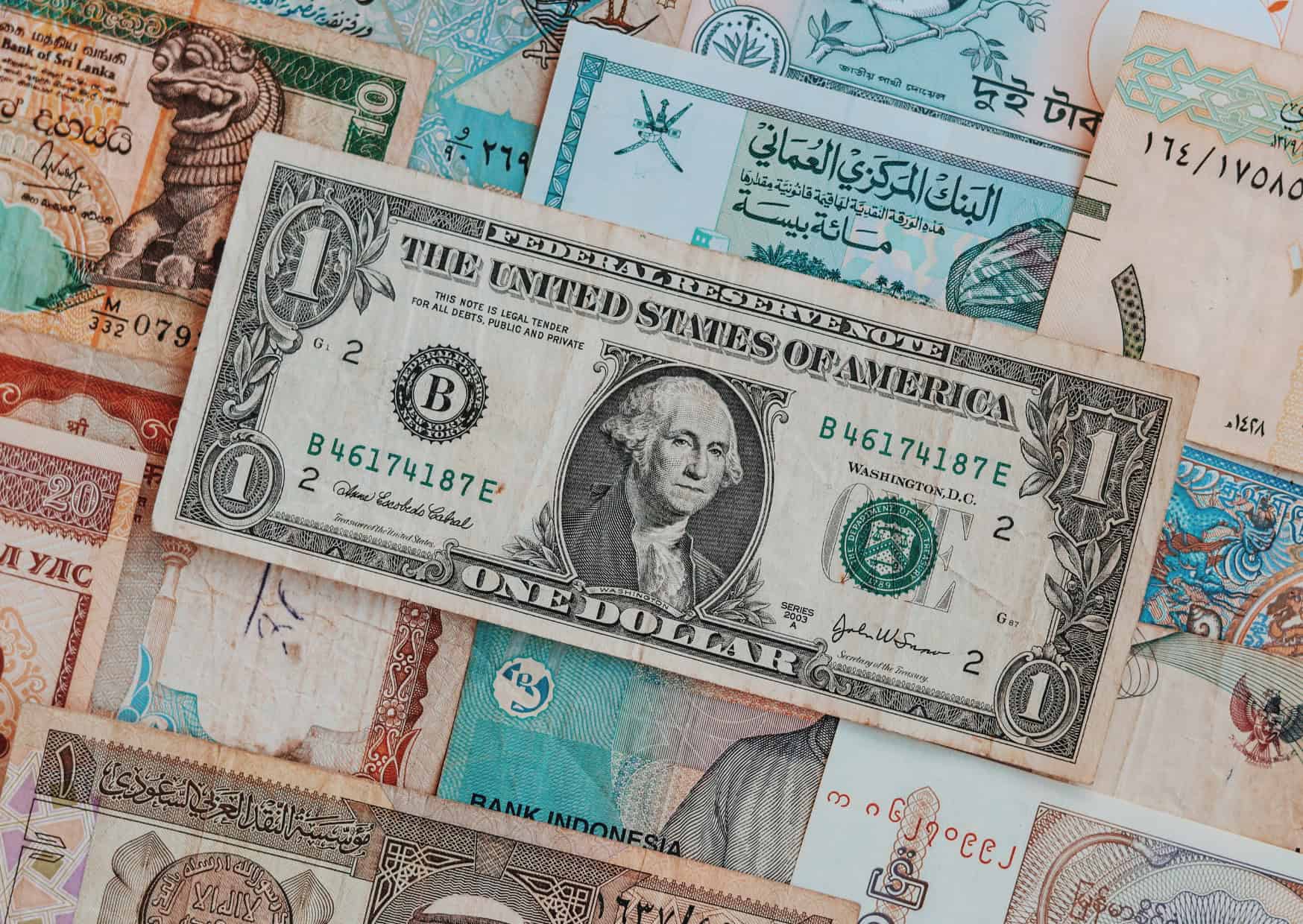
In a hurry, travelers often land in Heathrow or Charles de Gaulle and swap all their dollars for euros/pounds at the first kiosk they see, ignoring the poor exchange rates and hidden fees. They see a big sign—“No Commission!”—but the rate is abysmal, meaning you lose a chunk of money.
Why It’s a Mistake
Airport or tourist-zone exchange counters usually have some markup that yields a bad rate. You might lose 5–10% compared to a standard bank or ATM. Over a big sum, that’s a serious dent.
The Local Norm
- Locals rarely exchange cash on the street. They use ATMs or bank transfers.
- Many travelers simply withdraw local currency from an ATM with a debit card that has decent foreign transaction fees (or none). That’s often better than old-school currency exchange shops.
How to Avoid It
- Withdraw from an ATM upon arrival (check your bank’s foreign fees first).
- If you must exchange cash, do so at a reputable bank or specialized currency office in the city center—not the tourist kiosk.
- If you can, get a travel credit card with no foreign transaction fees. Use minimal cash only for small purchases.
Bottom Line
Don’t let flashy signs at the airport lure you—plan your money strategy and you’ll save a chunk for nicer meals or souvenirs instead of giving it to currency sharks.
3. Paying Full Price for Public Transport (And Not Validating Tickets)

Why Tourists Do It
In cities like Rome or Vienna, travelers rush onto a bus or tram, wave some money or just hop on. They ignore the ticket machines or the small print about “validation.” They might also buy a single ticket daily rather than a multi-day pass, overspending big time.
Why It’s a Mistake
- Validation: In many countries (Italy, Germany, Austria), once you buy or have a ticket, you must validate it by stamping it in a small machine on board or at the station. If you skip that step and inspectors check, you can face hefty fines—even if you have a valid but unvalidated ticket.
- Overpaying: If you use public transport a lot, single tickets can add up. A day pass or multi-day pass might be cheaper, but Americans sometimes don’t realize these passes exist.
The Local Norm
- Locals know the system: buy a ticket, quickly stamp it, keep it on hand. Monthly passes or day passes are the norm for frequent travel.
- Fines for unvalidated tickets can be 60+ euros in places like Austria or 100+ euros in Italy.
How to Avoid It
- Always confirm if the network requires validation. Look for small yellow or orange boxes at bus/tram entrances or station platforms.
- If you plan 3+ rides in a day, check for a day pass or city pass.
- If you see locals stamping tickets, do the same—monkey see, monkey do can save you from a big fine.
Bottom Line
Yes, it’s extra steps to stamp a ticket. But ignoring it or paying single fares each time can cost more than you realize. Embrace local passes and machines for stress-free commutes.
4. Saying Yes to ‘Tourist Price’ or Scams

Why Tourists Do It
Americans arrive excited to see famous sites—then a friendly local approaches offering a “special discount,” or a hawker sells tours at inflated costs. Some might just assume “that’s the rate,” or they’re too polite to haggle. They might pay double or triple what locals pay.
Why It’s a Mistake
Tourist prices exploit foreign naivety. In places like Barcelona or Rome, touts offer skip-the-line deals that are actually legit but overpriced. Or unscrupulous taxi drivers might skip the meter and demand a flat tourist rate. Locals would never pay that, so you’re throwing money away.
The Local Norm
- People typically buy official tickets from known channels—like official city websites, museum counters, or reputable travel agencies.
- Locals are cautious about random street deals. They prefer set prices or government-regulated services.
How to Avoid It
- If a “discount” feels too high, politely decline. Check official prices online.
- For taxis, ensure the meter is on or ask locals about typical fares.
- If you want skip-the-line tours, buy from official websites or known operators with transparent reviews.
- Learn basic haggling for markets if it’s customary (like in parts of Turkey or Morocco).
Bottom Line
Yes, Americans might want convenience, but paying inflated tourist fees drains your budget. A bit of research or local advice keeps you from being overcharged.
5. Over-Relying on Big Bank Cards—Ignoring Local Cash or Debit
Why Tourists Do It
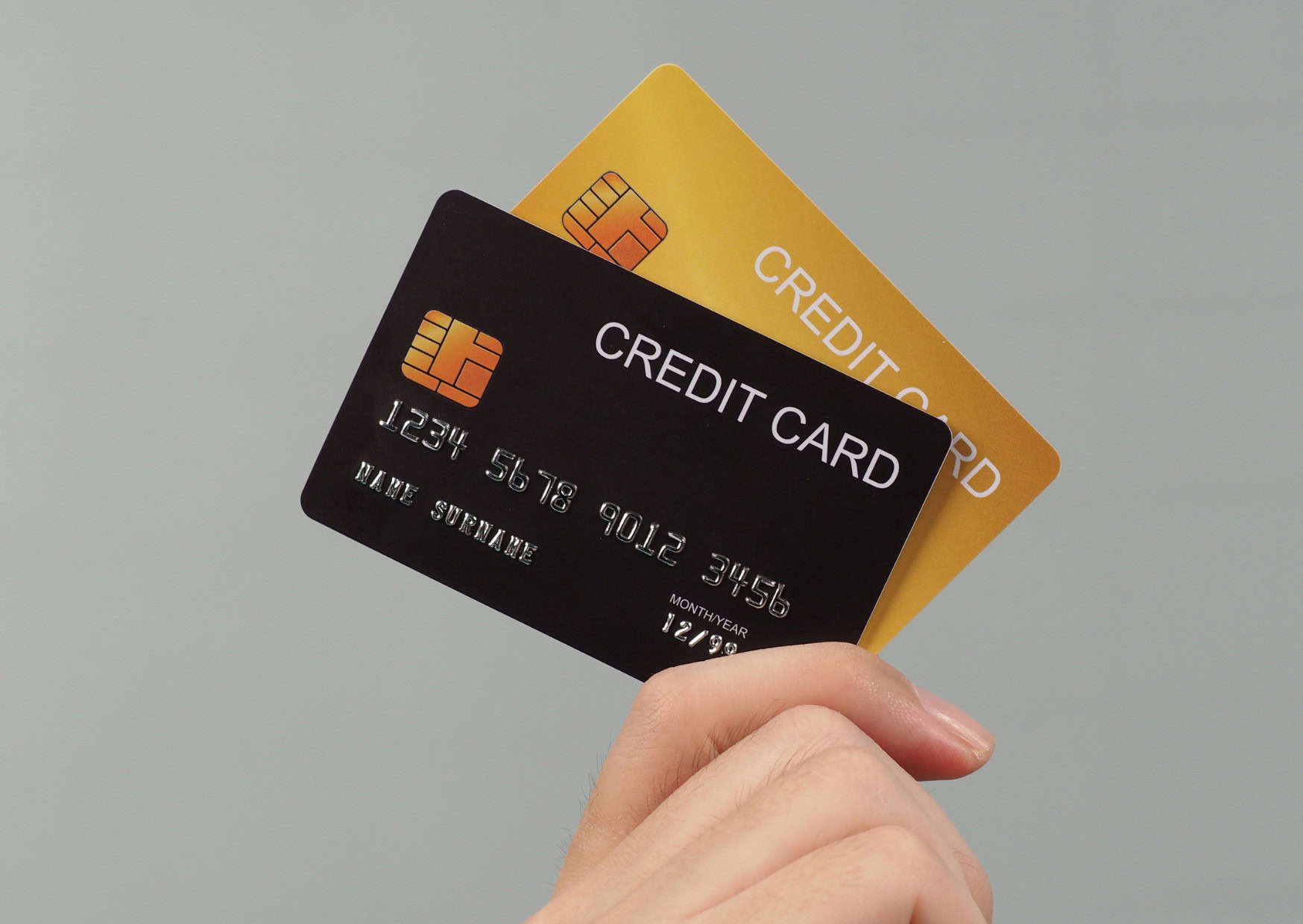
Some Americans assume credit cards are accepted everywhere, especially big networks like Visa or Mastercard. They do tap-and-go in the U.S. with ease. Then in smaller European shops, they might face a “cash only” sign or a minimum spend for card usage. Also, dynamic currency conversion can slip in hidden fees.
Why It’s a Mistake
- Certain cafés, bakeries, or mom-and-pop stores in Europe prefer cash or have a minimum card amount (like 10 euros).
- Using your U.S. credit card might trigger foreign transaction fees unless you have a fee-free card.
- “Dynamic currency conversion” prompts the merchant to charge you in dollars at a poor exchange rate, costing you more.
The Local Norm
- Many Europeans carry a debit card tied to local networks but also keep some cash for smaller purchases.
- Contactless payment is common in big cities, but watch for minimum amounts or older rural spots that remain cash-based.
How to Avoid It
- Bring a fee-free travel credit card or confirm your bank’s terms. Check if your card offers no foreign transaction fees.
- Always pay in local currency if asked “USD or euros/pounds?”—choose local to avoid bad conversion rates.
- Keep moderate cash for small transactions. That’s normal in many countries, especially at markets or smaller towns.
Bottom Line
Yes, it’s easy to swipe away in the U.S. But Europe’s smaller shops or old towns might push you to use cash. Plan so you’re not stuck with a card that’s unwelcome or loaded with fees.
Conclusion: Study the Local Norms, Save Money
They don’t ‘tip’ the taxi driver? That’s just one of many costly or awkward mistakes Americans make in Europe—over-tipping cabs, paying tourist exchange rates at shady kiosks, ignoring day-pass deals for transport, or falling into unscrupulous tourist traps. If you do a bit of pre-trip research and pay attention to local habits, you’ll dodge surprise expenses and experience a smoother trip. After all, travel is about embracing differences, not throwing money away or causing cultural confusion.
Traveling through Europe can be a dream come true, but it’s easy to make costly mistakes if you arrive unprepared. From mishandling money to rushing your schedule, these slip-ups can quickly turn an adventure into a stressful experience.
By learning the unspoken rules of European travel, you not only save money but also gain respect from locals. Being mindful of traditions around payments, service, and pacing makes you a smarter and more considerate traveler.
In the end, avoiding these common pitfalls isn’t about perfection—it’s about awareness. The more prepared you are, the smoother your trip will be, leaving you free to focus on what really matters: enjoying Europe’s beauty, history, and unforgettable culture.
Pro Tip
Whenever you’re uncertain—like whether to tip the cab or pay for that “skip-the-line” deal—ask a local if possible. A hotel clerk or shop owner might set you straight with honest advice. Embracing local etiquette isn’t just about saving a few bucks—it’s also about respecting the rhythm of the country you’re exploring. Safe travels—and keep that tip modest unless you’re in a place that truly expects American-style generosity!

About the Author: Ruben, co-founder of Gamintraveler.com since 2014, is a seasoned traveler from Spain who has explored over 100 countries since 2009. Known for his extensive travel adventures across South America, Europe, the US, Australia, New Zealand, Asia, and Africa, Ruben combines his passion for adventurous yet sustainable living with his love for cycling, highlighted by his remarkable 5-month bicycle journey from Spain to Norway. He currently resides in Spain, where he continues sharing his travel experiences with his partner, Rachel, and their son, Han.