
Ever hosted a European friend or relative? You might think your kitchen is perfectly normal—until you catch their curious glances and polite questions. From enormous appliances to unexpected food storage habits, here are the little (and not-so-little) details Europeans can’t help but notice when they wander into your culinary domain.
Want More Culture Clashes?
– 10 ‘Italian’ Dishes Italians Never Actually Eat—And What to Do Instead
– 15 Unspoken Rules of Mediterranean Life Tourists Never Understand
– Why Europeans Never Order These 13 Menu Items (And What to Do Instead)
– Heymondo – Why it’s the World Travel Insurance We Trust
Quick Tips
Ditch the paper towels – Europeans often use cloths or rags instead of disposable rolls.
Embrace smaller appliances – giant fridges and ovens look excessive to most Europeans.
Stop over-stocking – Europeans shop fresh, often daily or weekly, instead of hoarding Costco bulk items.
Downsize your mugs – large travel mugs scream “American coffee culture.”
Consider open shelves – cabinets stuffed with gadgets are rare in minimalist European kitchens.
America’s kitchens often reflect abundance, convenience, and sheer size. But to Europeans, walking into a typical American kitchen can feel like entering a culinary warehouse. Giant fridges, industrial stand mixers, and endless storage of packaged snacks are not signs of sophistication abroad—they’re often seen as excessive and wasteful. In much of Europe, kitchens are smaller and built for intentional cooking, not Costco-level storage.
There’s also a cultural clash around what kitchens represent. In many European homes, the kitchen is purely functional and minimalist, with just enough space for fresh ingredients, daily dishes, and efficient prep tools. For Americans, kitchens often double as gathering rooms, stocked with gadgets and decor that prioritize appearance over practicality. Europeans may wonder: why is there a decorative tiered cupcake stand permanently taking up counter space?
Perhaps the most controversial takeaway is this: Europeans tend to see American kitchens as spaces of consumerism more than cooking. The bread machine gathering dust, the third Keurig in the garage, or the refrigerator filled with bottled water instead of tap all point to a cultural disconnect. It’s not judgment—it’s curiosity at how a place dedicated to nourishing life has become a monument to abundance and aesthetic trends.
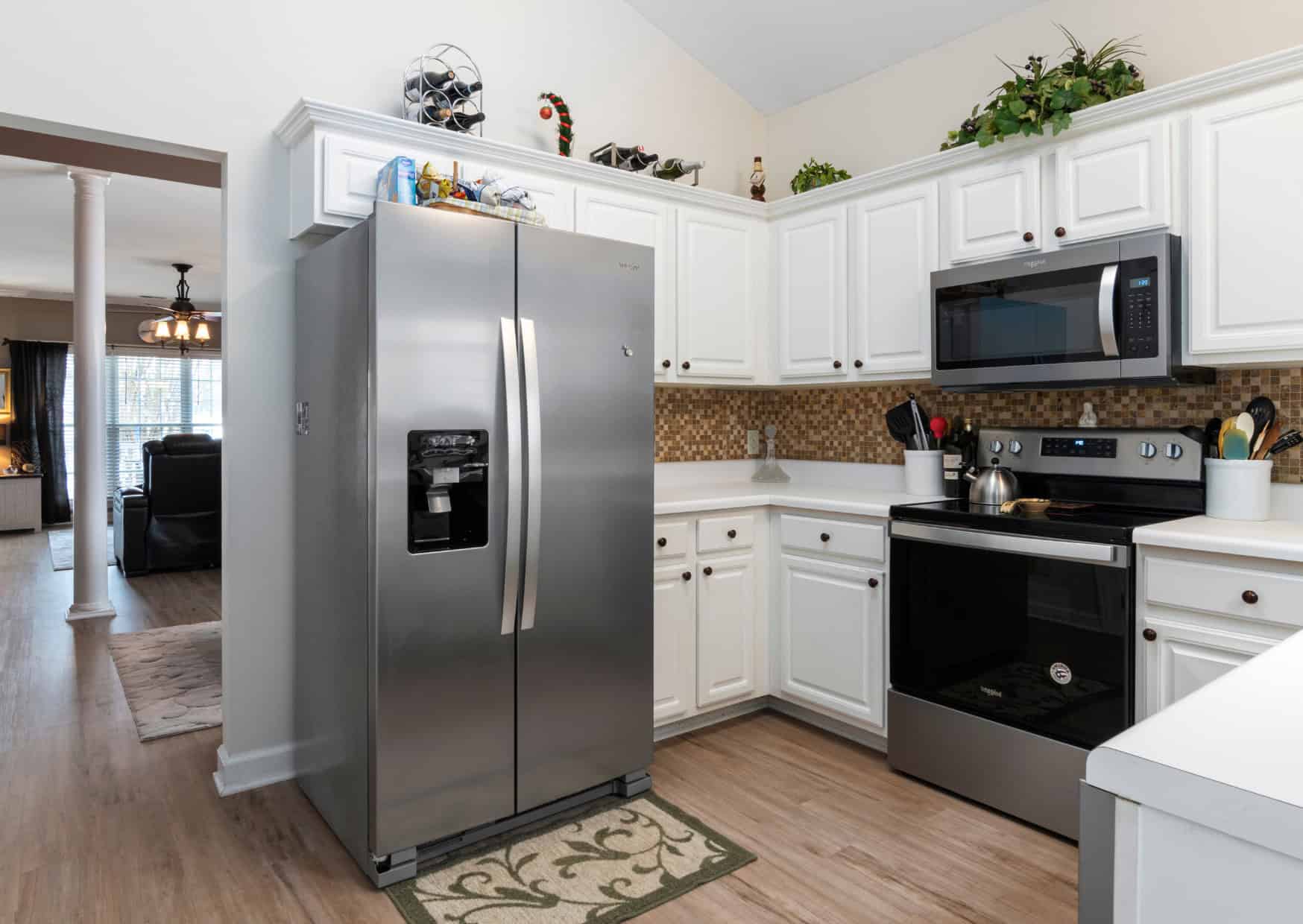
1. Your Fridge Is the Size of a European Closet
What Europeans Notice
- A towering, double-door fridge (often complete with ice and water dispensers) that could store groceries for weeks on end.
- Sometimes the freezer alone seems bigger than an entire European fridge.
Why It Stands Out
- Many European homes use smaller fridges, partly because they have less kitchen space (especially in older buildings) and typically go grocery shopping more frequently.
- Without a dedicated garage or basement space, a big two-door fridge can be impractical in many European apartments.
Extra Insight
- Frequent shopping trips reflect a preference for fresh, daily ingredients. Your European visitor might be amazed at your ability to stock up for a month—or perplexed by the sheer scale of your fridge, especially if it includes a fancy ice dispenser and digital screens.
Pro Tip
- If your guest is remarking on the fridge’s size, just explain how larger households (or big weekly shops) make it necessary. It’s not about hoarding; it’s about convenience and fewer supermarket runs.
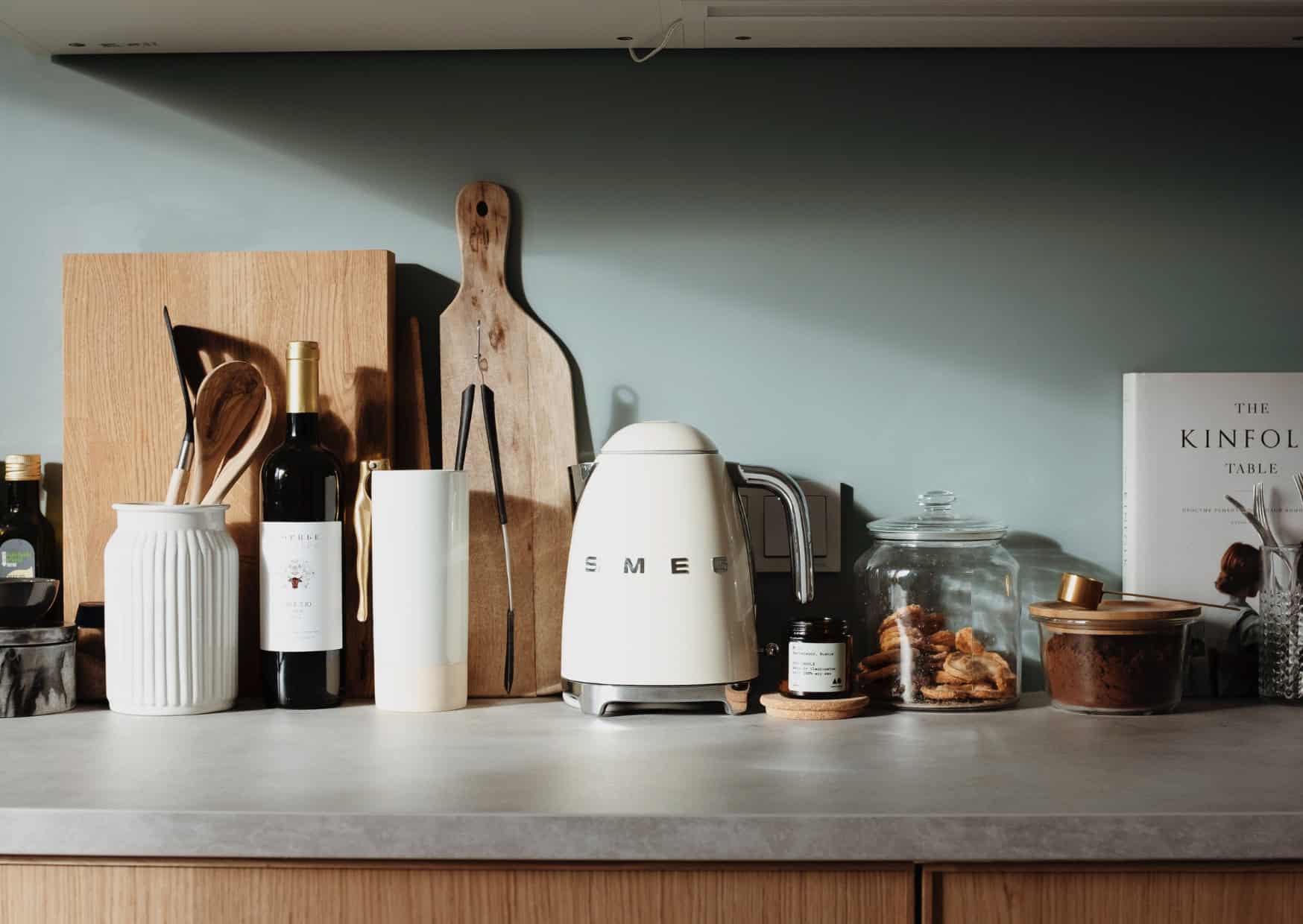
2. No Electric Kettle on the Counter (or an Uncommon One)
What Europeans Notice
- You might be heating water on the stove or in the microwave for tea—if you even drink tea regularly.
- If you have a kettle, it’s often stashed away in a cupboard, rarely used, and possibly not the electric “rapid-boil” type that’s standard in Europe.
Why It Stands Out
- In the UK, Ireland, and large parts of northern Europe, an electric kettle is a permanent fixture. People boil water multiple times a day for tea or instant coffee.
- The higher voltage in many European countries (230V) makes electric kettles boil water especially fast, cementing them as a daily necessity.
Extra Insight
- Your European visitor may struggle to understand how you function without that near-instant hot water—especially if they’re used to frequent tea breaks.
Pro Tip
- If you want to make your European guests feel at home, a small electric kettle is an inexpensive addition. They’ll appreciate the familiar convenience and might even show you the art of a proper tea-making ritual.
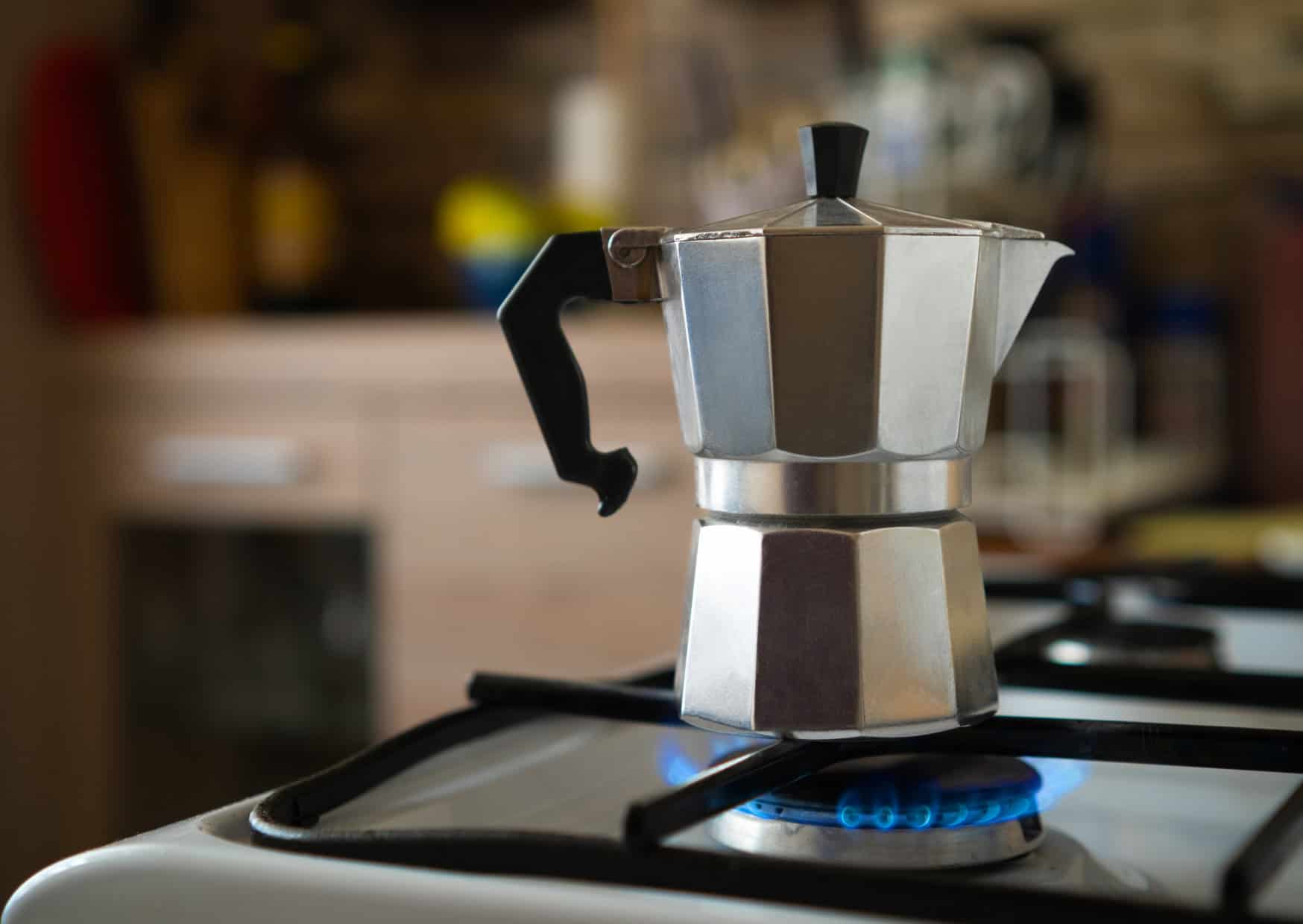
3. Multiple Coffee Gadgets (But No Moka Pot or Traditional Espresso Maker)
What Europeans Notice
- You have a drip coffee maker, single-serve pod machine, or even a large countertop contraption that brews big batches.
- What you don’t have is a little stovetop moka pot (common in Italy) or a compact espresso maker.
Why It Stands Out
- Italians, Spaniards, and other Europeans often brew small, strong espressos at home with a moka pot or a basic espresso machine. Drip coffee, especially in large quantities, can seem watery and foreign.
Extra Insight
- Europeans might also find your coffee mugs huge—one cup of American coffee can be the equivalent of two or three European espressos.
Pro Tip
- If your friend keeps asking for something “strong,” direct them to your single-serve pod machine if it offers an espresso option. Or go the extra mile and invest in a moka pot—simple, inexpensive, and a real taste of Italy in your kitchen.
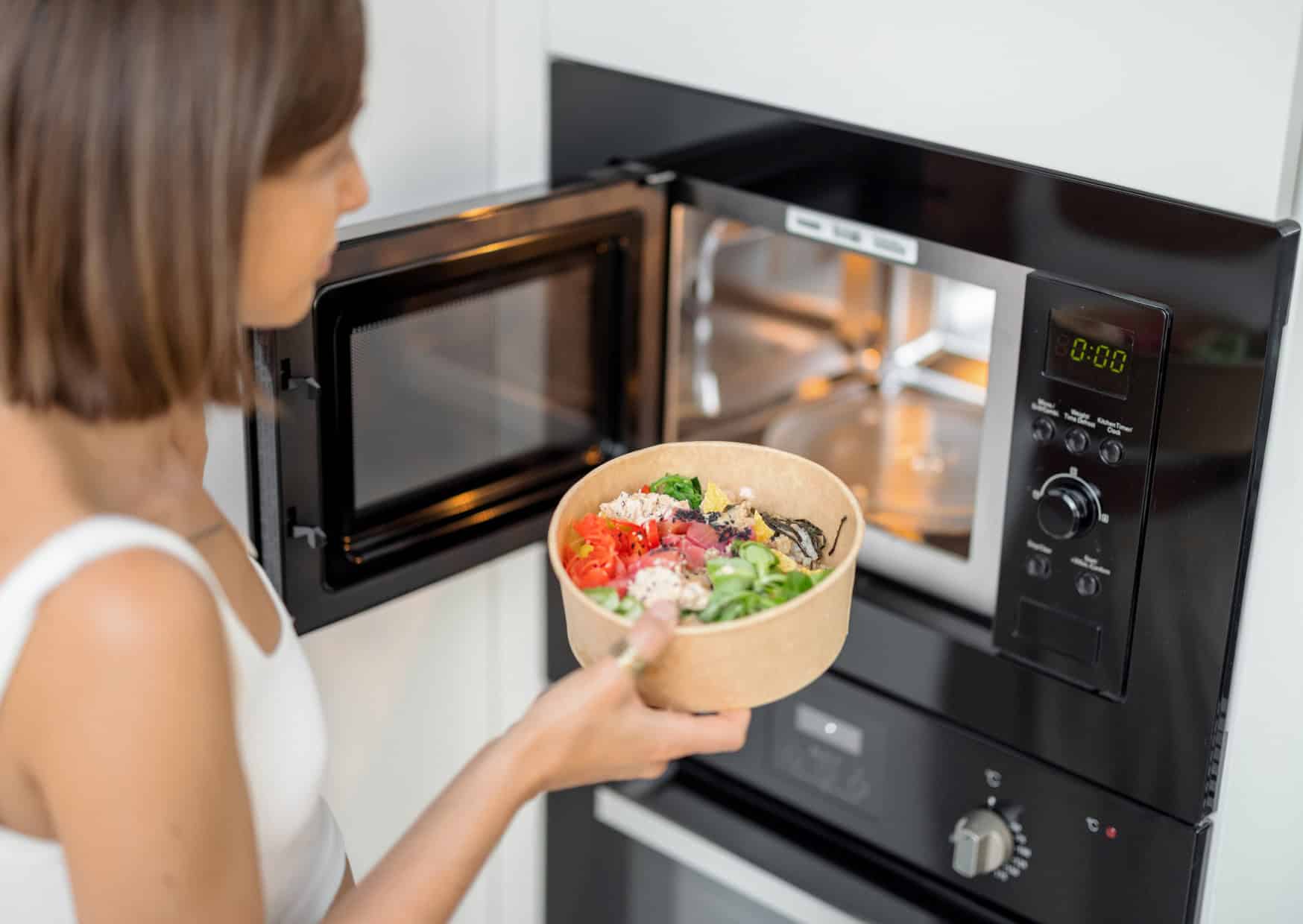
4. A Microwave That Does Half Your Cooking
What Europeans Notice
- The microwave takes center stage, maybe mounted above the stove as a range hood, used for everything from defrosting meat to popping popcorn or reheating entire dinners.
Why It Stands Out
- Although microwaves exist in Europe, they’re often used sparingly—many prefer stovetop or oven cooking for better texture and flavor.
- Seeing frequent microwave use can reinforce the “fast food at home” vibe, as Europeans might expect more slow-cooked or freshly prepared meals.
Extra Insight
- In some European countries, smaller kitchens lack the space for a microwave, or it’s considered a luxury if budget and space are limited.
Pro Tip
- Want to impress your European friend? Reheat pizza or casseroles in the oven for a crisp finish. They’ll appreciate the extra effort for taste’s sake (and might tease you less about “microwaved everything”).
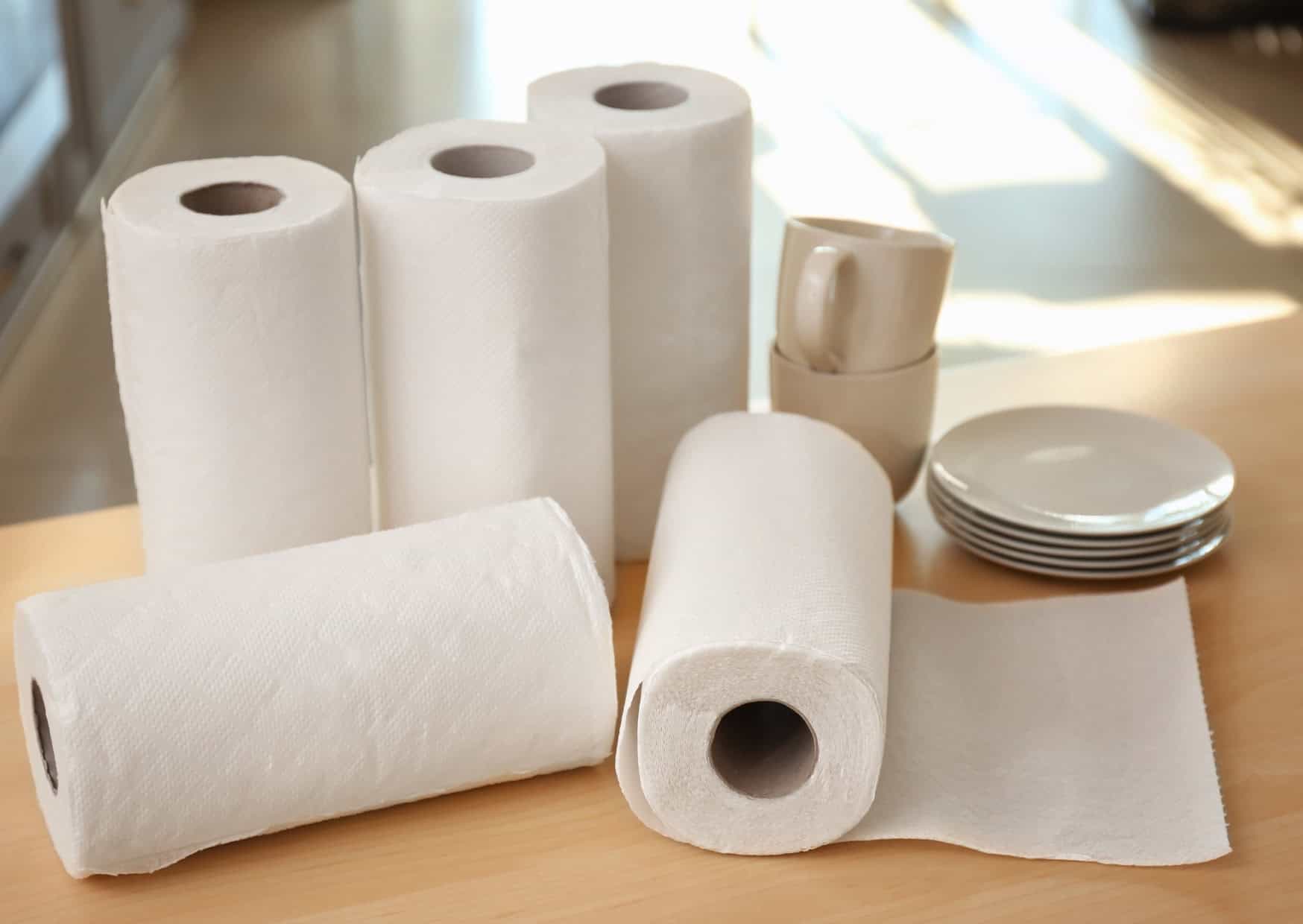
5. Paper Towel Rolls Everywhere
What Europeans Notice
- A big paper towel holder on the counter, plus spare rolls in cupboards or on top of the fridge. You might even use paper towels as napkins.
Why It Stands Out
- In much of Europe, dishcloths, sponges, or tea towels are the norm for cleaning. Paper towels are used more sparingly—often just for the most stubborn messes.
Extra Insight
- Europeans from countries with strict recycling and waste-management laws may see constant paper towel use as excessive or even wasteful. They’re used to reusing cloth towels that get laundered frequently.
Pro Tip
- Keep a stack of cloth towels or rags on hand if you want to show you’re eco-minded. Europeans might see your paper towel mountain and wonder if you’re preparing for an apocalypse.
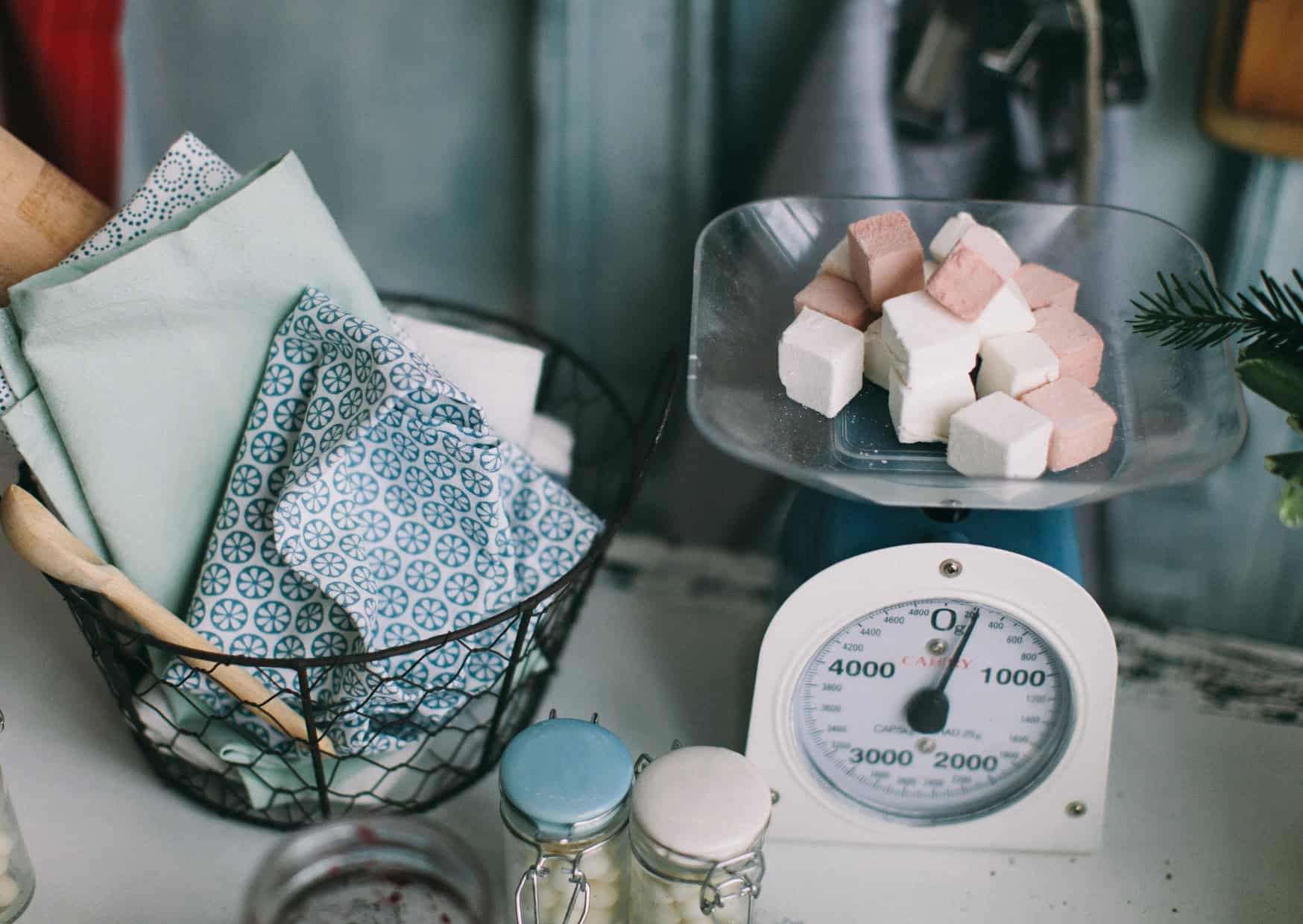
6. Measuring Cups Instead of a Kitchen Scale
What Europeans Notice
- Recipes referencing “cups,” “tablespoons,” and “teaspoons,” plus a collection of measuring cups in various sizes.
- Possibly no sign of a kitchen scale at all.
Why It Stands Out
- Most European cooking and baking revolve around the metric system: grams, liters, milliliters. This method is considered more precise, especially for baking where exact measurements matter.
Extra Insight
- Europeans might find “1 cup of flour” ambiguous, since the amount can vary by how densely you pack it. They believe weighting ensures consistency.
Pro Tip
- If you’re sharing a recipe with a European friend, provide both volume (cups) and weight (grams) to avoid confusion and ensure accurate results.
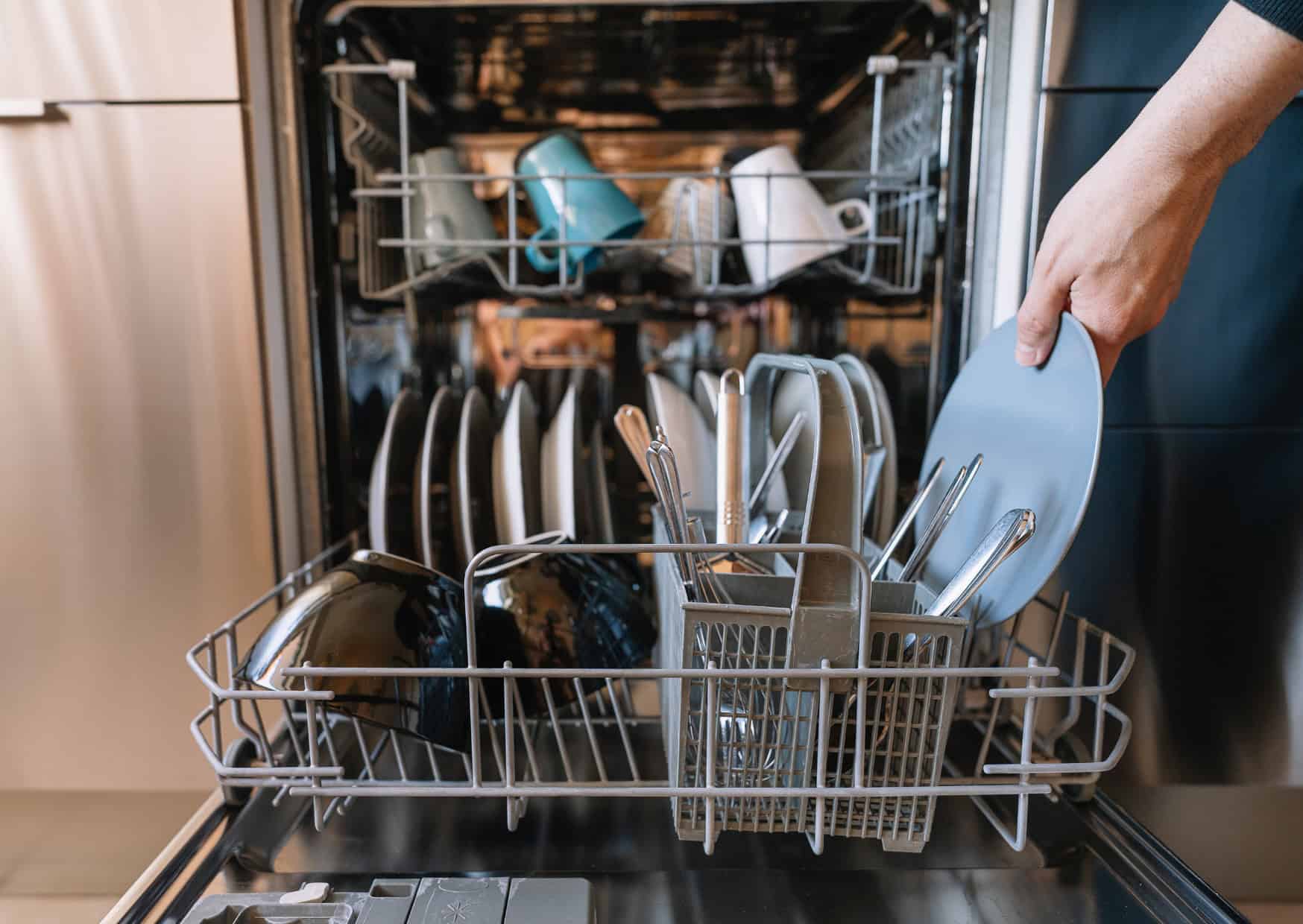
7. A Dishwasher That Could Wash Your Car
What Europeans Notice
- A full-size dishwasher that can handle an entire day’s worth of dishes for a big family—complete with cutlery racks, multiple jets, and fancy wash cycles.
Why It Stands Out
- European kitchens can be tight. Some families might have a half-size dishwasher or none at all, handwashing daily instead.
- Your giant model might appear luxurious or even “overkill” in the eyes of someone used to minimal space.
Extra Insight
- In many European cities, water usage is more regulated (or expensive), so big dishwashers are less common. People also tend to do smaller loads more often.
Pro Tip
- If you only run it once it’s totally full, your European pal might admire the efficiency. But if you run a nearly empty cycle, they’ll silently wonder if you’re squandering water and electricity.
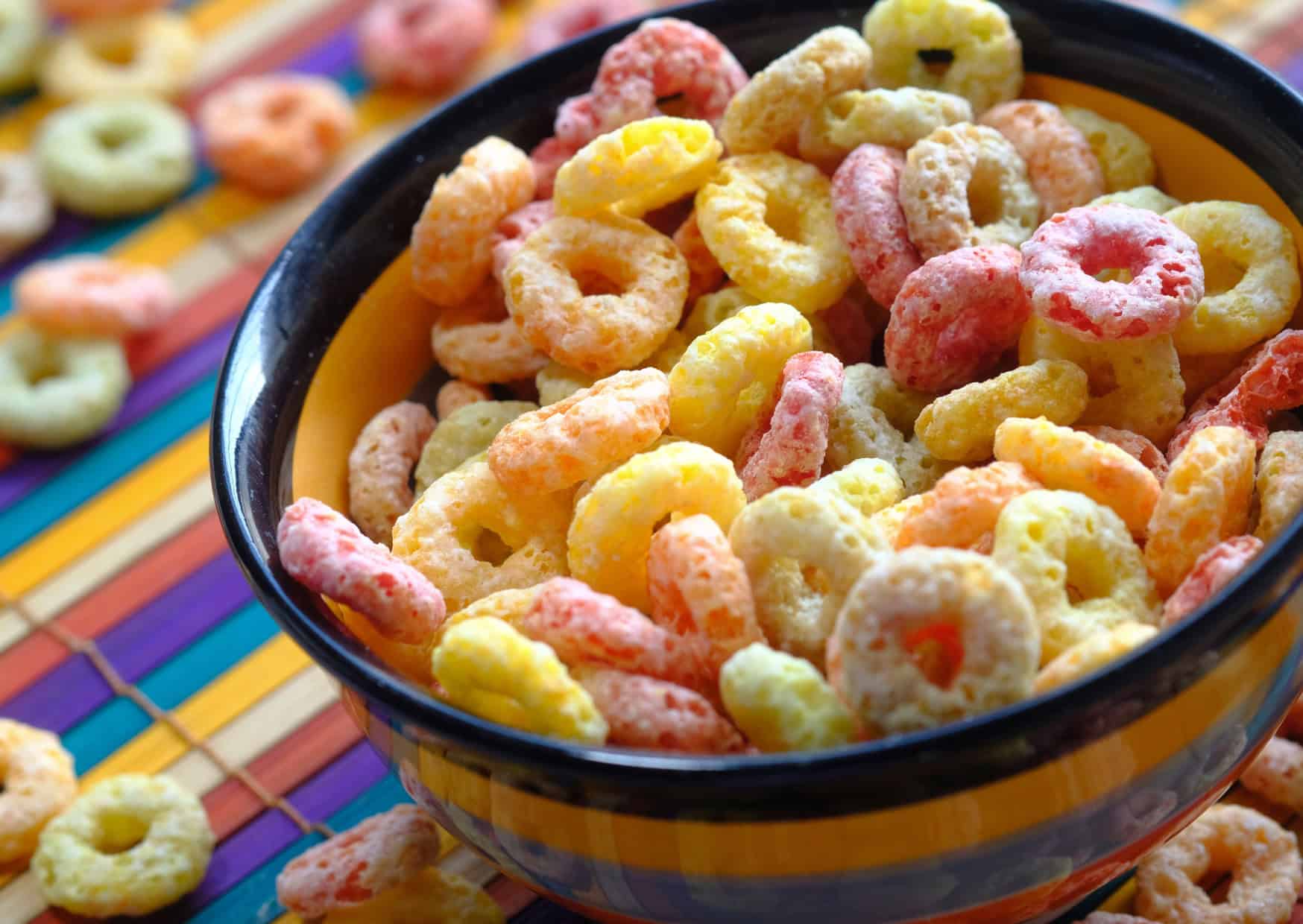
8. Endless Snack & Cereal Options
What Europeans Notice
- An entire pantry shelf dedicated to cereals—fruity loops, marshmallow-filled, or chocolate-laced. Snack packs galore: big bags of chips, assorted cookies, candy bars in bulk.
Why It Stands Out
- While Europeans enjoy snacks, they’re often smaller in portion size or purchased more frequently—fresh pastries, a handful of biscuits, or small chocolate bars.
- Super-sweet or colorful cereal can look like “breakfast candy” to someone not accustomed to the American cereal aisle.
Extra Insight
- Europeans might be astonished by the sugar content and artificial colors. They may politely try it, only to marvel at how sweet it tastes.
Pro Tip
- Introduce them to a favorite childhood cereal—just don’t be surprised if they find it too sweet. Offer fresh fruit alongside as a gentler breakfast alternative.
9. Keeping Eggs in the Fridge
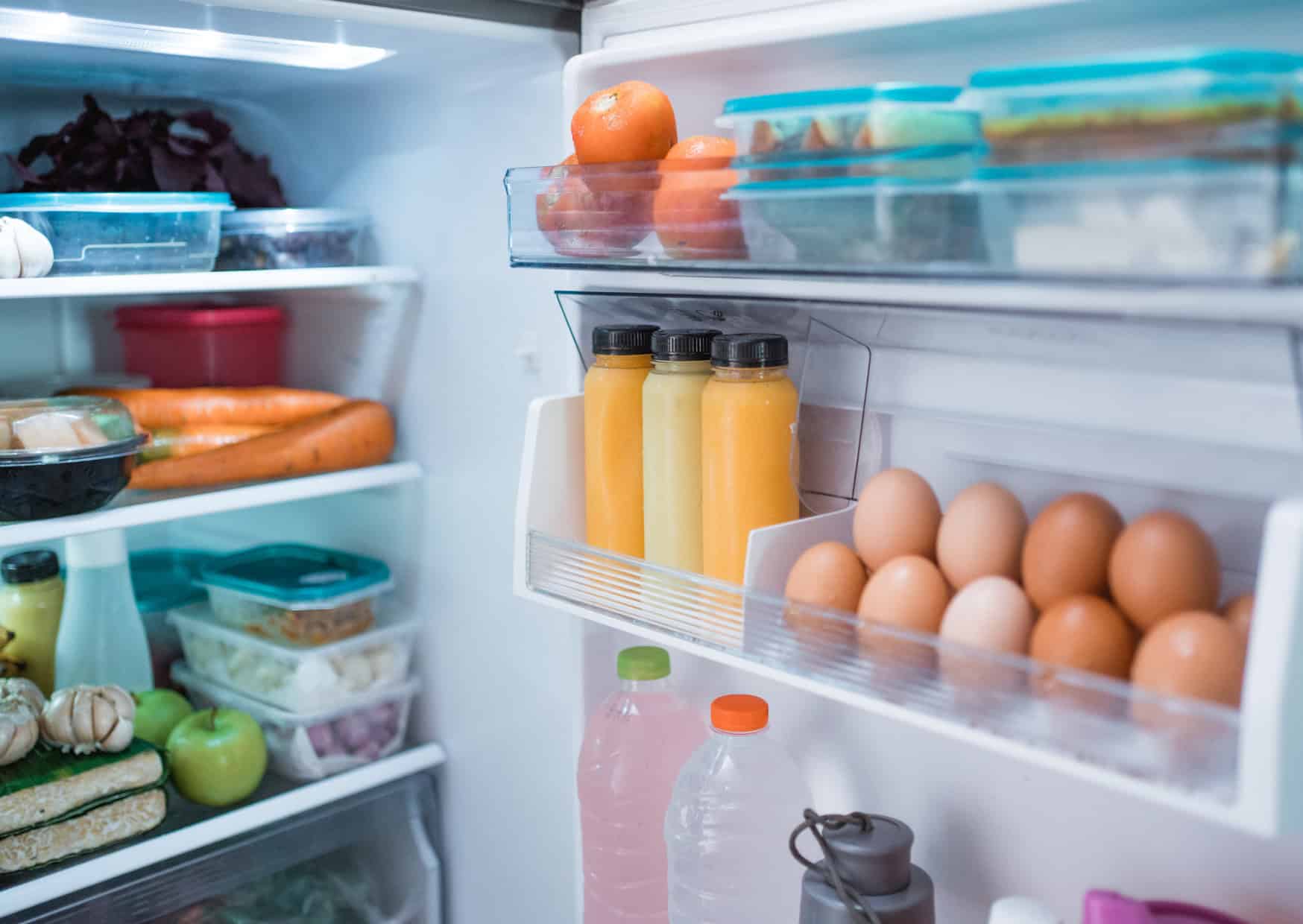
What Europeans Notice
- Cartons of eggs chilling on a fridge shelf or in the door tray.
- They might glance for egg expiration dates or be used to seeing them out on a counter.
Why It Stands Out
- In Europe, eggs are sold unwashed, retaining a protective bloom that allows for safe room-temperature storage (for a short period). In North America, eggs are often washed, removing that coating and necessitating refrigeration.
Extra Insight
- Your friend might initially think it’s “overkill,” but once you explain the difference in how eggs are processed, they’ll understand.
Pro Tip
- If your guest asks about the fridge thing, a quick explanation of the washing process should clear it up. If you prefer room-temp eggs for baking, let them know that’s also an option if you use them quickly.
10. A Garbage Disposal in the Sink
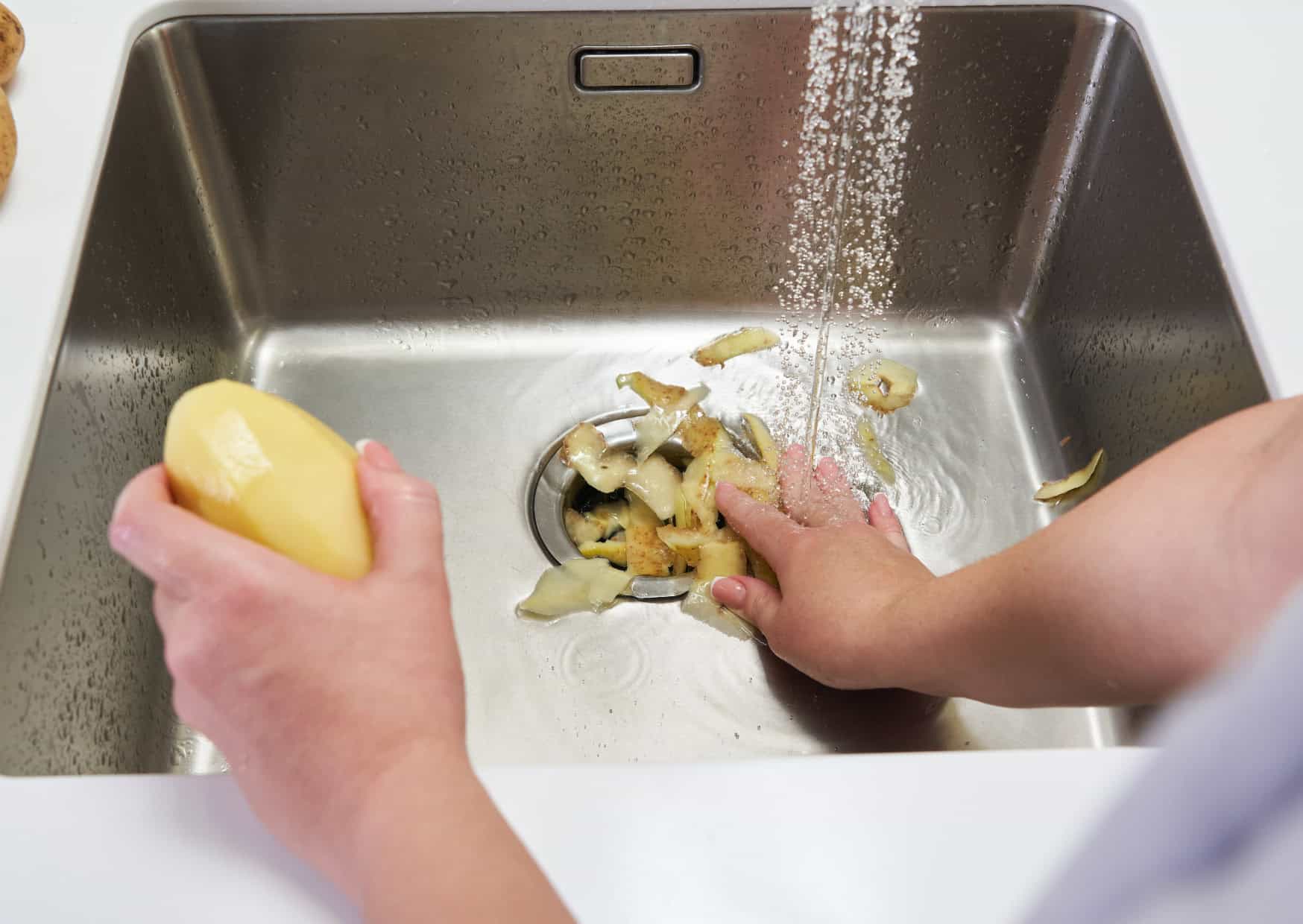
What Europeans Notice
- A switch near the sink that grinds food scraps with a loud hum.
- They may look startled the first time they hear it activate.
Why It Stands Out
- Garbage disposals are quite rare in Europe; composting or scraping leftovers into a bin is more common. The notion of “macerating” food in-sink can seem futuristic—or wasteful—depending on local norms.
Extra Insight
- Some places in Europe discourage disposals due to older plumbing, water usage concerns, or robust composting systems that discourage sending food scraps down the drain.
Pro Tip
- Demonstrate it if they’re curious, but warn them never to put utensils or coffee grounds in there. They’ll likely find it both nifty and a bit unnerving.
11. Multiple Trash Bins or the Absence of Recycling
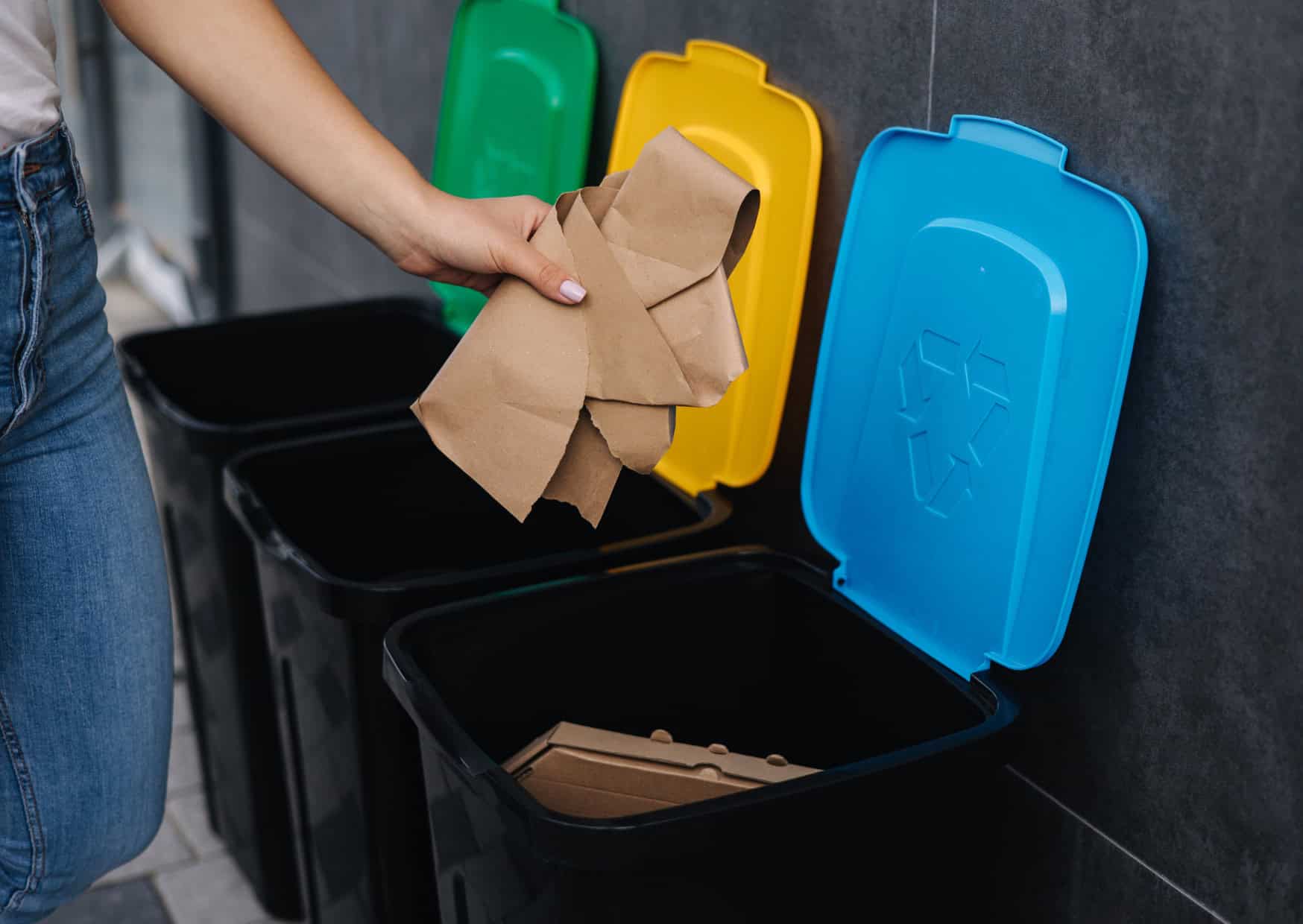
What Europeans Notice
- You might have one large trash can for everything—or you might have separate bins for plastic, paper, compost, etc. It varies widely by household.
Why It Stands Out
- Europeans from places like Germany or Sweden are used to rigorous recycling (sometimes four or five separate bins). If you have no sorting at all, they might quietly cringe. Conversely, if you do separate your recyclables, they’ll nod approvingly.
Extra Insight
- Some European municipalities enforce fines for improper sorting. Seeing a single trash bin might seem like environmental chaos to them.
Pro Tip
- If you’d like to adopt a more European approach, label bins for paper, plastic, glass, and compost. Your eco-minded visitor (and the planet) will be delighted.
12. Knife Blocks Full of Specialty Knives
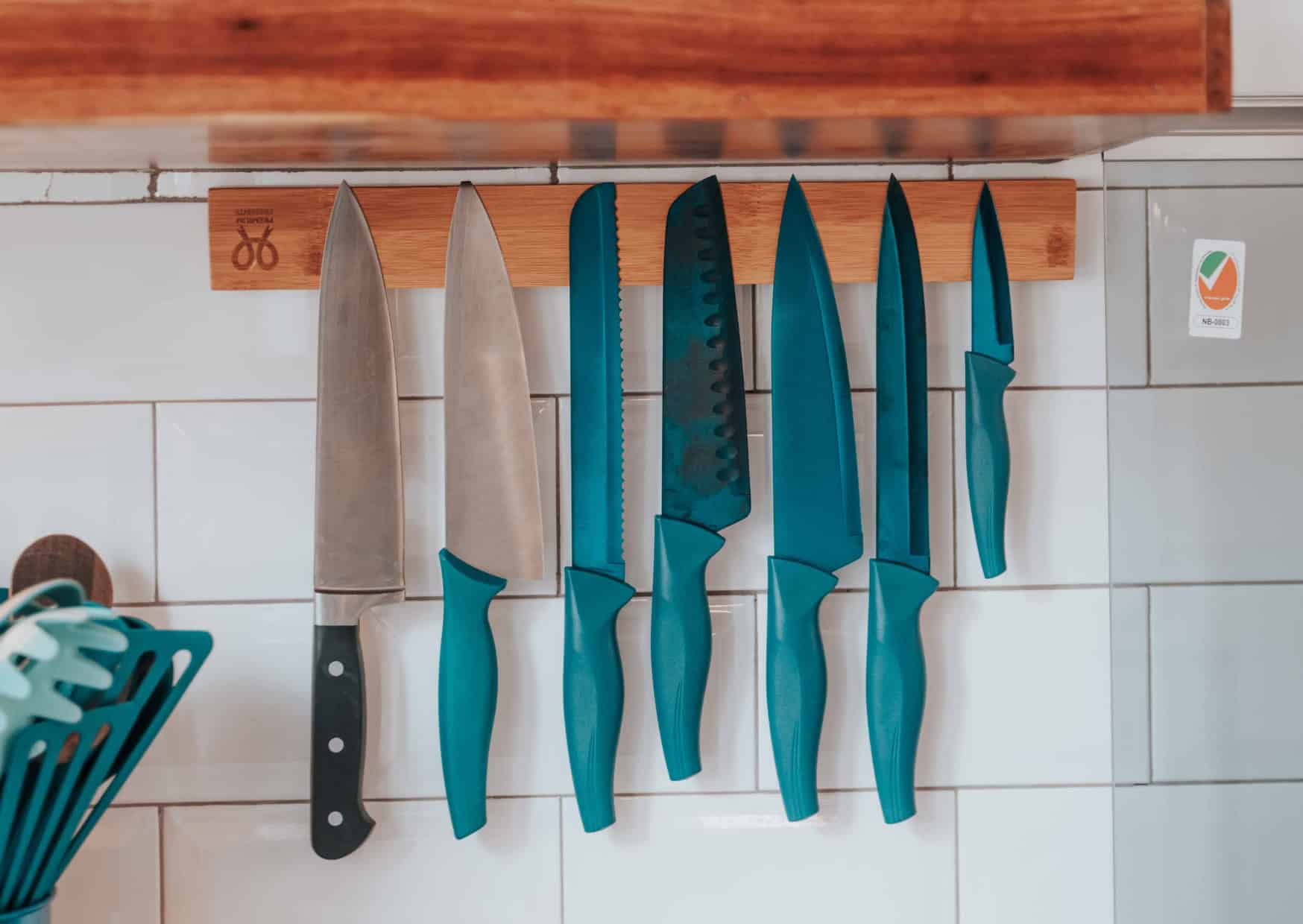
What Europeans Notice
- A hefty knife block with bread knives, paring knives, steak knives, fillet knives—maybe even a cleaver you never use.
- Or you’re the opposite: a hodgepodge of dull knives lacking a single top-quality blade.
Why It Stands Out
- In some European kitchens, space and budget lead to just a few multi-purpose, high-quality knives. The idea of an entire block can seem either luxurious or excessive.
Extra Insight
- A refined European cook might prefer two or three well-honed knives rather than 10 half-sharp ones. They might ask if you really use them all.
Pro Tip
- If you have a prized chef’s knife, show it off. Your friend might be impressed by a well-balanced blade even more than a huge collection.
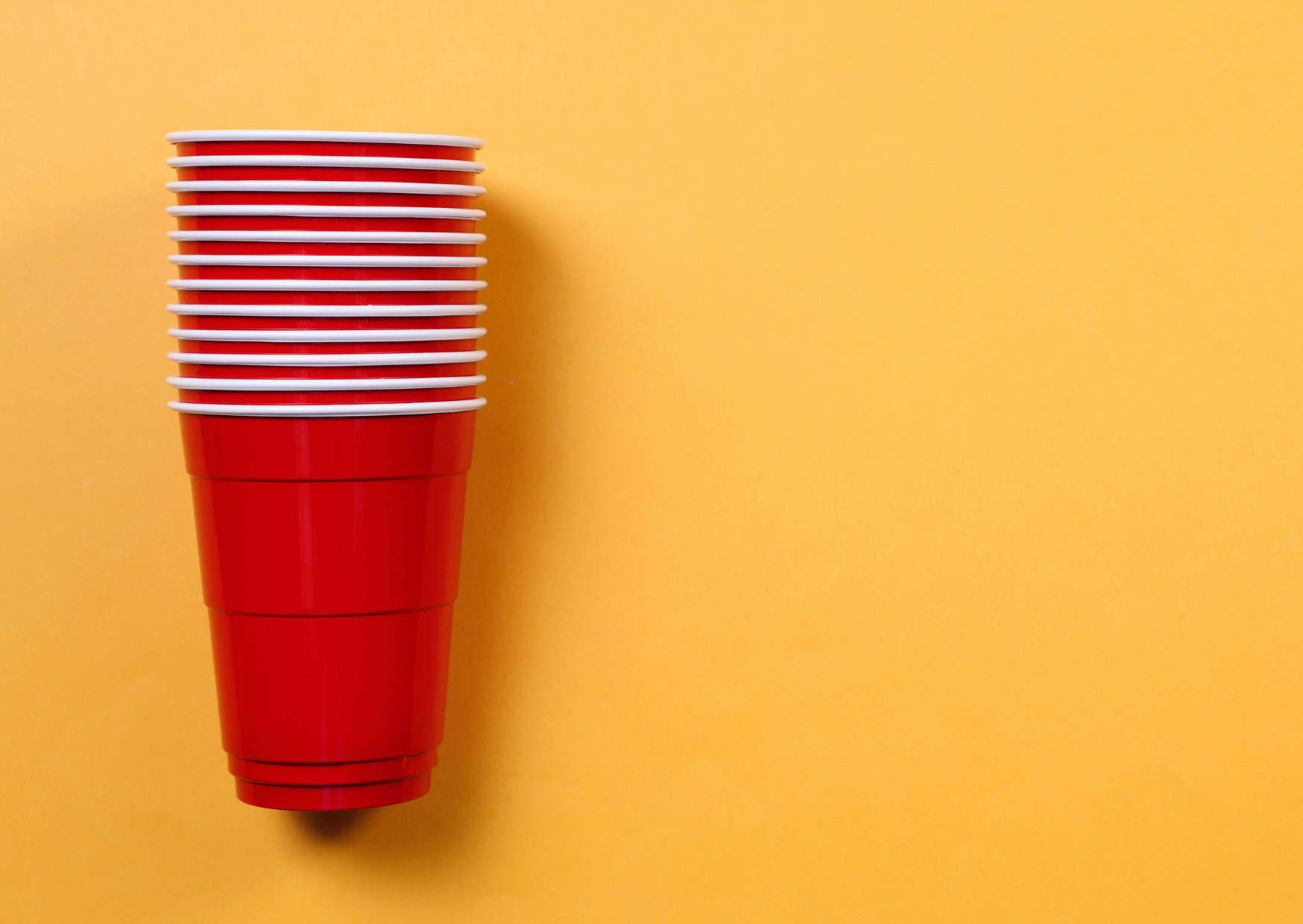
13. A Stock of Plastic or Solo Cups
What Europeans Notice
- Cabinets bursting with disposable plastic cups, or iconic red Solo cups—commonly used for parties, barbecues, or everyday quick drinks.
Why It Stands Out
- Disposable cups exist in Europe, but they’re usually for large events or picnics. Using them for everyday convenience can look wasteful to those used to reusables.
Extra Insight
- The “red cup party” is almost a pop-culture reference to American college life. Europeans might find it novel or think it’s something from the movies.
Pro Tip
- If you’re hosting them, consider pulling out real glasses—especially if you want to appear more eco-conscious. Or have them experience an “authentic” red-cup barbecue if you’re going for cultural exchange.
The Bottom Line
From giant fridges to microwaves galore, your typical kitchen might seem normal—until someone from across the pond raises an eyebrow. Europeans come from cultures where smaller spaces, frequent grocery runs, and different culinary habits shape their kitchens (and expectations). Whether it’s the absence of an electric kettle or the presence of ranch dressing for pizza crusts, these details can be both amusing and enlightening.
Pro Tip
If you’re hosting European friends, don’t stress—these kitchen quirks are part of the fun! Sometimes just acknowledging “Yeah, it’s different here” is enough for a good laugh. And who knows? You might swap tips—like adopting an electric kettle or downsizing your fridge—in the name of cultural exchange. Enjoy the differences, and happy cooking!

About the Author: Ruben, co-founder of Gamintraveler.com since 2014, is a seasoned traveler from Spain who has explored over 100 countries since 2009. Known for his extensive travel adventures across South America, Europe, the US, Australia, New Zealand, Asia, and Africa, Ruben combines his passion for adventurous yet sustainable living with his love for cycling, highlighted by his remarkable 5-month bicycle journey from Spain to Norway. He currently resides in Spain, where he continues sharing his travel experiences with his partner, Rachel, and their son, Han.