
Jet lag is one of the most frustrating realities of international travel. You land excited to explore a new country, but instead of hitting the ground running, your body feels like it’s stuck in another time zone. Fatigue, brain fog, and restless sleep can quickly turn a dream trip into a struggle.
What makes jet lag so tricky is that it doesn’t affect everyone the same way. Some travelers bounce back within a day, while others spend half their trip fighting exhaustion. The good news? Science-backed strategies can help reset your body clock faster and make transitions smoother.
From light exposure to meal timing, researchers have studied the most effective ways to minimize jet lag’s grip. These hacks aren’t gimmicks they’re practical, proven adjustments you can start before your flight and continue once you land.
Read Here European Things that terrify Americans and American Habits that make Europeans Cringe
Read here how to pack for Europe and Best eSIM for Europe
BOOK YOUR TRAVEL INSURANCE
Two of our favorite travel insurance: Heymondo Vs Safetwing cheapest travel Insurance. You can get for $135 USD your Heymondo Travel Insurance with Heymondo discount code valid for 90 days. Read our full comparison of Genki vs Safetywing Travel Insurance Review and the comparison Heymondo vs Genki
Quick Easy Tips
Adjust your sleep schedule a few days before your trip. Going to bed earlier or later depending on your destination can ease the transition once you arrive.
Stay hydrated. Dehydration makes jet lag symptoms worse, so drink plenty of water before, during, and after your flight. Limit caffeine and alcohol, which can disrupt sleep further.
Use sunlight strategically. Spending time outdoors in natural light upon arrival is one of the most effective ways to reset your internal clock. Aim for morning light when traveling east and afternoon light when heading west.
One controversial aspect of jet lag prevention is the use of melatonin supplements. Some scientists swear by it as a safe way to help the body adjust, while others argue its effectiveness is inconsistent and potentially overrated. The debate continues as travelers experiment with dosage and timing, often with mixed results.
Another hotly debated tactic is fasting before flights. Advocates claim it helps reset the body’s circadian rhythm, while critics caution that skipping meals may do more harm than good by lowering energy and increasing irritability. The lack of consensus makes it hard for travelers to know if it’s worth the discomfort.
Technology also adds controversy. Blue-light blocking glasses and special apps designed to guide sleep schedules are marketed as solutions, yet some experts argue these tools create false confidence without significant scientific proof. While many travelers embrace them, skeptics remain unconvinced.
Why Beating Jet Lag Is So Important for Your Health and Your Vacation
Beating jet lag is more than a travel convenience. It directly supports your physical health by helping your body adapt to new time zones without major disruption to your internal clock. When the circadian rhythm is thrown off, your body struggles to regulate hormones tied to sleep, digestion, and immune function. By reducing jet lag, you lower the stress placed on these systems and allow your body to recover more quickly from long flights. That not only improves sleep quality, but also stabilizes mood, appetite, and energy levels during your trip.
Jet lag has a hidden impact on your immune system. Research shows that sleep disruption weakens the body’s defense mechanisms, making travelers more vulnerable to infection, especially in crowded airports and airplanes where exposure to new microbes is constant. Reducing jet lag helps maintain a stronger immune response and lowers the likelihood of getting sick within the first days of your vacation. A well-rested body processes new foods better, handles temperature changes more easily, and manages the physical demands of travel without unnecessary strain.
Managing jet lag also plays an important role in mental well-being. Fatigue slows cognitive performance, reduces reaction times, and amplifies irritability. When the brain is deprived of restorative sleep, decision-making becomes harder and emotional resilience drops. This can affect everything from navigating unfamiliar places to enjoying meaningful moments. Beating jet lag lets you stay engaged with new experiences, absorb your surroundings, and enjoy travel with a clear mind. The result is a trip shaped by curiosity rather than exhaustion.
From a vacation perspective, beating jet lag means reclaiming valuable time. Instead of wasting the first two or three days trying to adjust, you start exploring, tasting, walking, and connecting right away. This makes your trip feel longer and more immersive, especially if you are traveling for a short time. Arriving rested allows you to experience the destination at its rhythm, not at the pace set by your disrupted sleep cycle. Ultimately, beating jet lag gives you access to the full value of your trip, turning every day into time well spent rather than time spent recovering.
1. Adjust Your Sleep Schedule Before You Travel

Why It Works:
Gradually shifting your sleep and wake times to match your destination helps your body start adjusting before you even leave.
How to Do It:
For eastbound travel: Go to bed 1 hour earlier each night for a few days.
For westbound travel: Go to bed 1 hour later each night.
2. Use the Power of Light Exposure
Why It Works:
Light exposure helps regulate your internal clock by signaling to your brain when to wake up or wind down.
How to Do It:
For eastbound travel: Get morning sunlight to reset your body clock earlier.
For westbound travel: Expose yourself to evening light to delay your sleep cycle.
Avoid blue light from screens at night, as it can disrupt melatonin production.
3. Stay Hydrated During Your Flight
Why It Works:
Dehydration worsens fatigue and makes it harder for your body to recover from jet lag.
How to Do It:
Drink plenty of water before, during, and after your flight.
Avoid alcohol and caffeine during the flight, as they can dehydrate you further.
4. Plan Your Meals to Match Your Destination’s Time Zone

Why It Works:
Eating at the right times can help reset your body’s internal clock.
How to Do It:
Start eating meals on your destination’s schedule as soon as you board the plane.
If your flight overlaps with meal times at your destination, eat light, protein-rich meals to maintain energy.
5. Take Short Naps Strategically
Why It Works:
Short naps can help combat drowsiness without interfering with your nighttime sleep.
How to Do It:
Limit naps to 20–30 minutes during the day to avoid grogginess.
Avoid napping too close to your bedtime at the destination.
6. Avoid Oversleeping Upon Arrival
Why It Works:
Sleeping too long on your first day can delay your adjustment to the local time zone.
How to Do It:
Force yourself to wake up at a reasonable local time, even if you feel tired.
Aim for 7–8 hours of sleep at night to recover faster.
7. Use Melatonin Supplements

Why It Works:
Melatonin is a natural hormone that helps regulate sleep, making it easier to fall asleep in a new time zone.
How to Do It:
Take 0.5–3 mg of melatonin 30–60 minutes before bedtime at your destination.
Use melatonin for the first 2–3 nights to help your body adjust, but don’t rely on it long-term.
8. Avoid Heavy Meals Before Bed

Why It Works:
Eating a large or heavy meal before bedtime can disrupt your digestion and make it harder to fall asleep.
How to Do It:
Eat a light dinner with sleep-promoting foods like bananas, almonds, or turkey.
Avoid caffeine, alcohol, and spicy foods in the evening.
9. Move Your Body

Why It Works:
Exercise helps energize you and improve your sleep quality, making it easier to adjust to a new schedule.
How to Do It:
Do light stretching or yoga during the flight to improve circulation.
Take a walk or do light exercise in the morning or early afternoon at your destination.
Avoid strenuous workouts right before bed.
10. Block Out Noise and Light While Sleeping
Why It Works:
A dark, quiet environment helps you fall asleep faster and stay asleep longer, even in an unfamiliar time zone.
How to Do It:
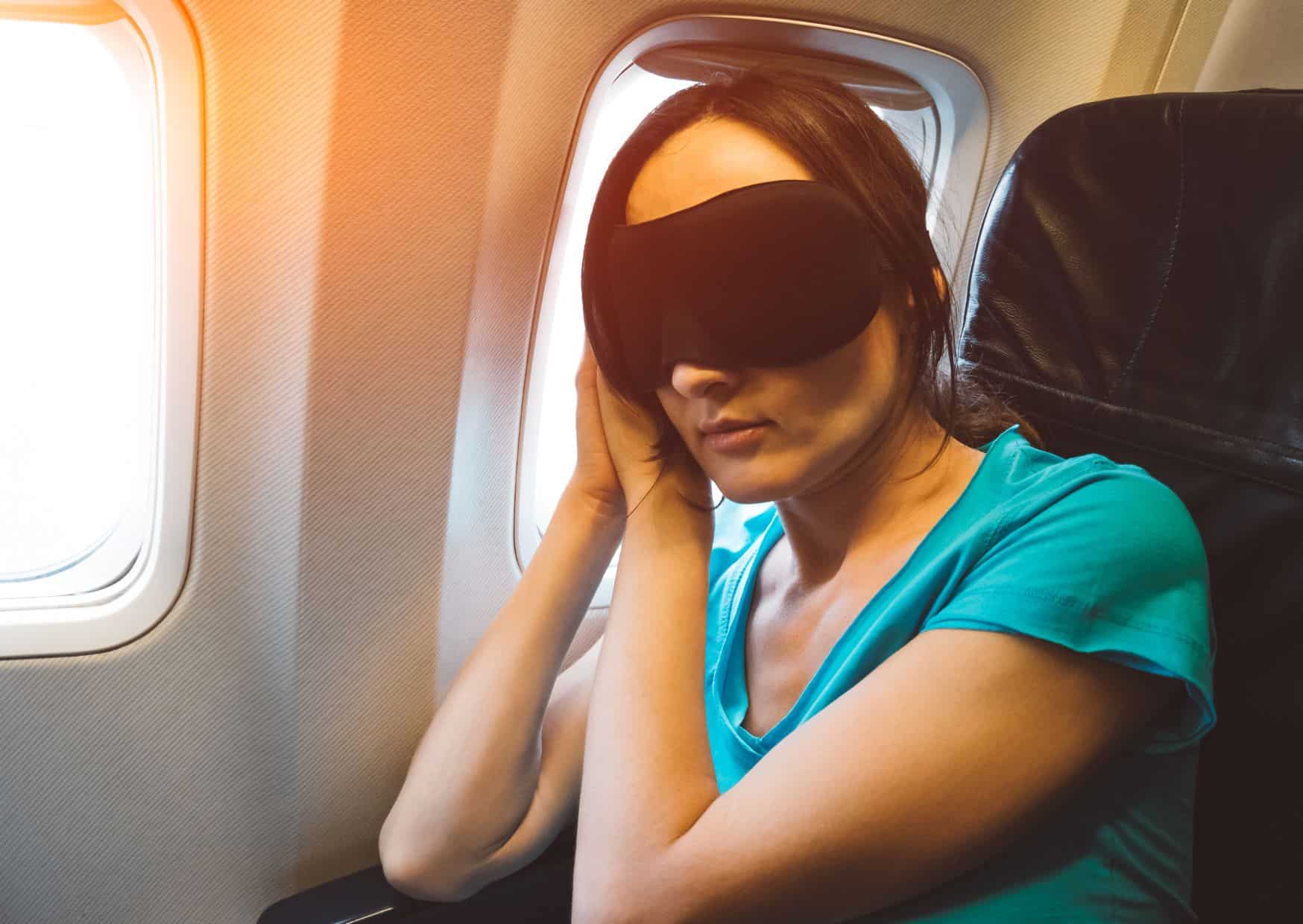
Use a sleep mask and earplugs or a white noise machine to block out disturbances.
Blackout curtains or travel blinds can help if your hotel room is too bright.
11. Skip the Red-Eye Flight (When Possible)
Why It Works:
Red-eye flights disrupt your natural sleep cycle, leaving you exhausted upon arrival.
How to Do It:
Opt for flights that land in the evening or early morning at your destination so you can sleep immediately or start your day.
If you must take a red-eye, try to sleep on the plane (bring a neck pillow and blanket).
12. Use Sleep-Friendly Gadgets
Why It Works:
Gadgets like light therapy devices and apps can help you adapt faster to a new time zone.
How to Do It:
Use light therapy devices like the Re-Timer or Sunlight Lamp to adjust your circadian rhythm.
Try apps like Timeshifter to create a personalized jet lag plan.
Noise-canceling headphones can help block out cabin noise on flights.
Final Thoughts
Beating jet lag isn’t about eliminating it entirely—it’s about reducing its impact so you can enjoy your trip. The key is preparation, awareness, and a willingness to test different approaches until you find what works best for your body.
Science shows that small adjustments can make a big difference. Whether it’s shifting your bedtime, managing your meals, or seeking sunlight, these strategies help align your body with your destination faster. The earlier you start preparing, the smoother your recovery will be.
Ultimately, jet lag doesn’t have to control your travel experience. By blending research-backed techniques with a bit of personal experimentation, you can spend less time fighting fatigue and more time soaking up the moments that make travel unforgettable.

About the Author: Ruben, co-founder of Gamintraveler.com since 2014, is a seasoned traveler from Spain who has explored over 100 countries since 2009. Known for his extensive travel adventures across South America, Europe, the US, Australia, New Zealand, Asia, and Africa, Ruben combines his passion for adventurous yet sustainable living with his love for cycling, highlighted by his remarkable 5-month bicycle journey from Spain to Norway. He currently resides in Spain, where he continues sharing his travel experiences with his partner, Rachel, and their son, Han.