
Last updated on December 16th, 2025 at 01:01 pm
From misreading a French table setting to putting cheese on the wrong pasta in Italy, Europe’s top culinary hubs have peculiar traditions that leave unsuspecting diners blushing. Sure, some rules feel ancient, but locals still hold them dear. Here are 7 surprisingly strict (and sometimes odd) dining customs in Europe’s food capitals that many visitors—time and again—unknowingly violate.
Dining out is one of the greatest joys of travelling through Europe. From the trattorias of Italy to the quaint bistros of France and vibrant tapas bars of Spain, food is an integral part of European culture. However, many tourists unknowingly break basic restaurant etiquette rules, leaving locals frustrated and potentially creating an awkward dining experience. These unspoken customs reflect centuries of tradition and social nuance that go far beyond just ordering and paying.
Understanding local dining etiquette is about more than avoiding embarrassment; it shows respect for the country’s culture and people. Each European food capital has its own set of expectations, whether it’s about how you order, how long you stay, or how you interact with servers. Small missteps can unintentionally signal rudeness, impatience, or ignorance of cultural norms.
In this post, you’ll discover seven restaurant etiquette rules that tourists keep breaking in Europe’s food capitals, along with quick easy tips to avoid these common mistakes, a controversial understanding of cultural dining etiquette, and final thoughts to help you become a more thoughtful and confident diner during your travels.
Hungry for More Tips on Dining Abroad?
– 10 Secrets to Understanding European Politeness (And Why You’re Doing It Wrong)
– Are Europeans Healthier? 8 Everyday Habits They Have (That Tourists Completely Overlook)
– Why Europeans Never Order These 13 Menu Items (And What to Do Instead)
Quick Easy Tips
Wait to be seated, even if tables appear empty, as many European restaurants have assigned seating.
Don’t rush your meal. Dining is seen as an experience, not just refuelling.
Always greet your server with “hello” or a local greeting before ordering to show respect.
Avoid asking for substitutions unless necessary; dishes are designed intentionally.
Keep your hands visible on the table, resting wrists, not elbows, as a general European custom.
Ask for the bill (“la cuenta”, “l’addition”) when ready to leave, as servers won’t rush you out.
Tip according to local customs, which vary by country, and check if service is included in your bill.
One controversial reality is that some tourists feel offended by European restaurant etiquette, interpreting a slower pace of service as rudeness or inefficiency. In reality, dining out in Europe is about enjoying the experience without feeling rushed, unlike in countries where turnover is prioritised over leisurely meals.
Another issue is the assumption that “the customer is always right” applies everywhere. In many European food cultures, chefs take pride in their recipes and presentation, and requesting heavy modifications or special orders can be viewed as disrespectful to their culinary craft rather than accommodating individual preferences.
Finally, there is an unspoken cultural tension when tourists unknowingly treat European restaurants like fast-food establishments – arriving loudly, expecting quick service, and leaving abruptly. This behaviour disrupts the calm, intentional dining atmosphere that locals value and can reinforce negative stereotypes about foreign travellers.
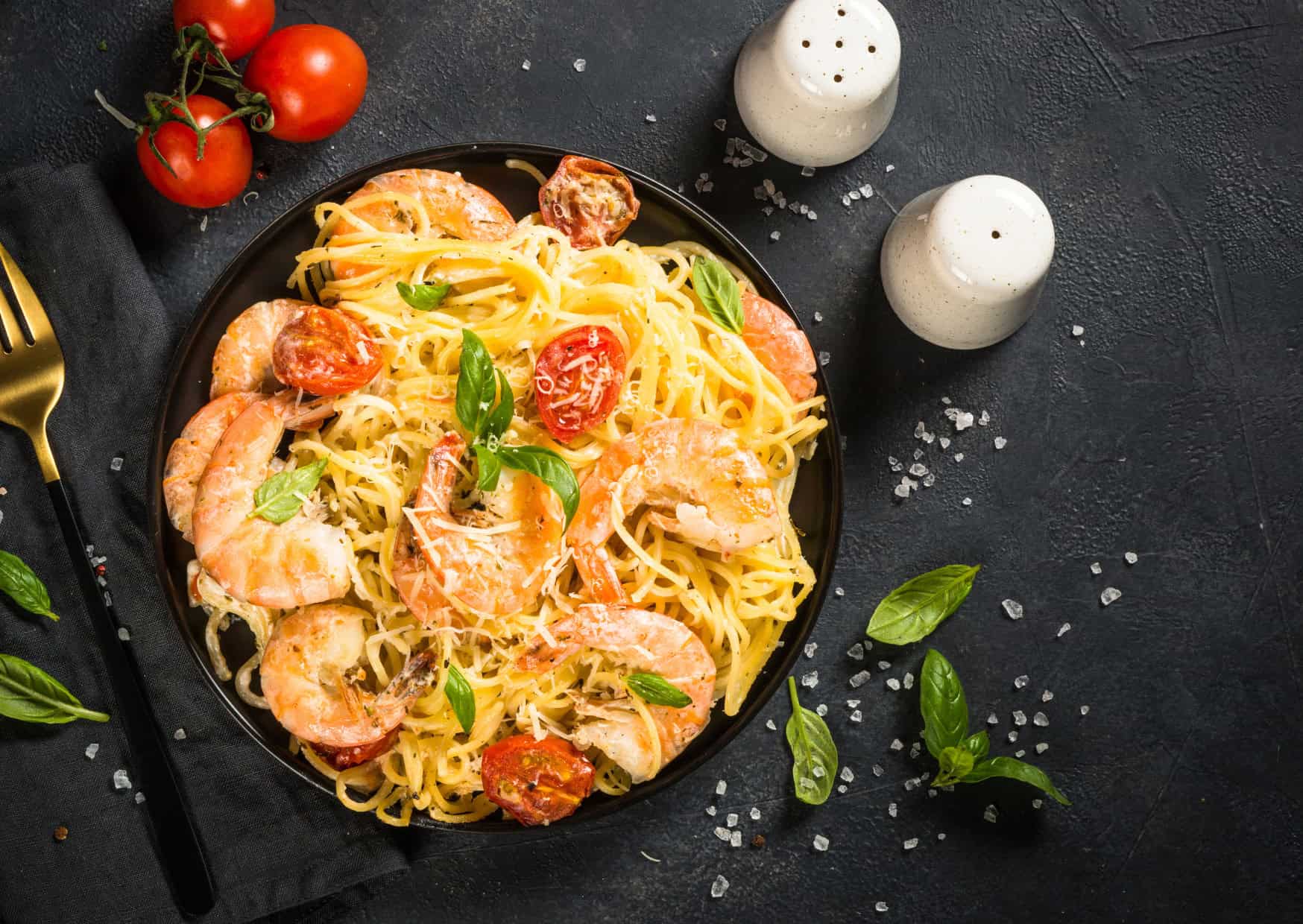
1. No Cheese on Seafood Pasta (Italy)
What Tourists Do
- Tourists sprinkle Parmigiano or pecorino on every pasta dish, including spaghetti alle vongole or frutti di mare, thinking it’s just another “Italian topping.”
Why It’s Bizarre to Locals
- Italians see cheese on seafood as overpowering delicate fish flavors. It’s an unspoken rule: seafood + cheese rarely mixes.
How to Avoid Mistake
- If you’re dying for grated cheese, confirm if the dish is cheese-friendly. Generally, if it’s fish-based, skip it. Trust the chef’s flavor balance—less is more in Italian cuisine.
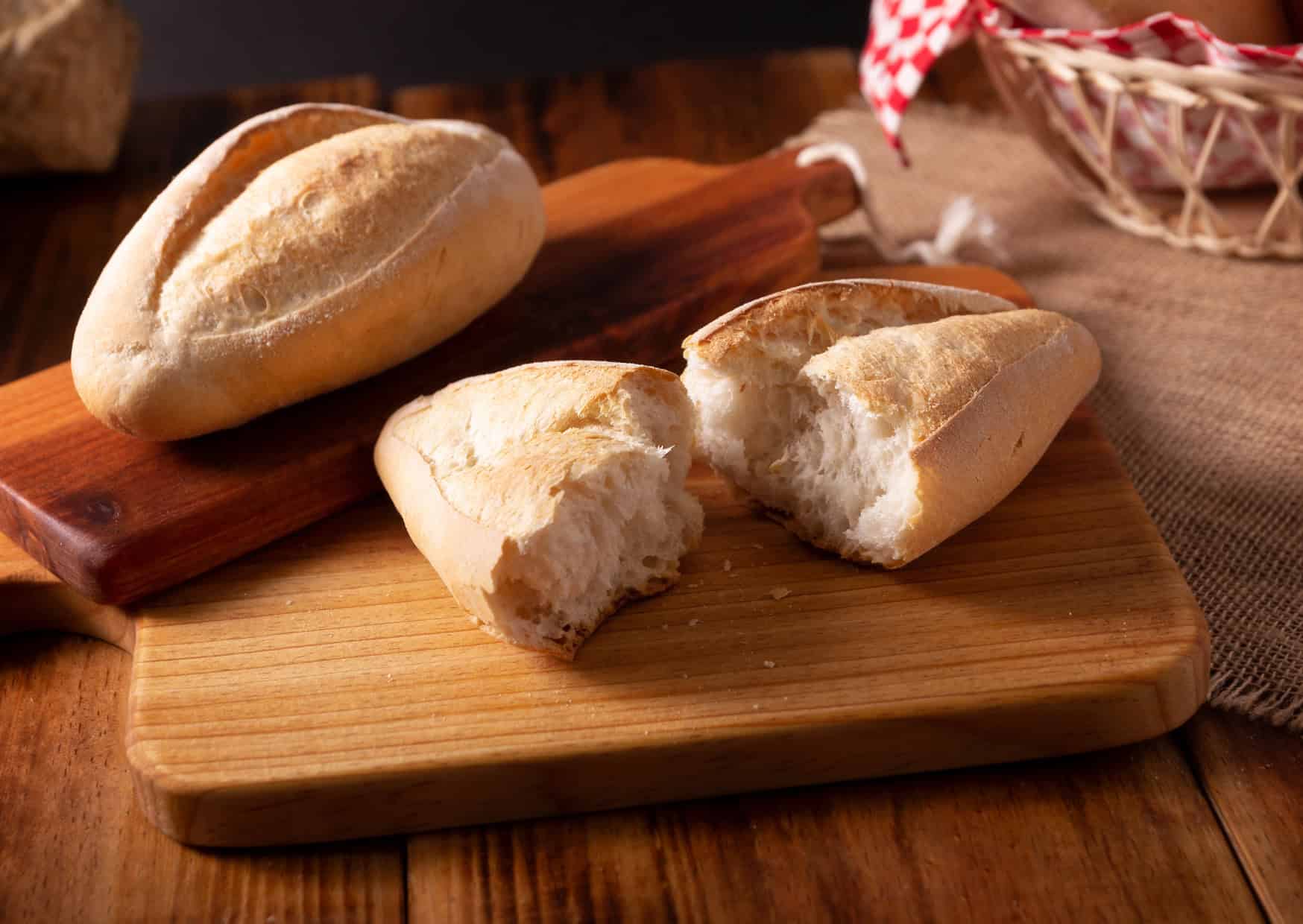
2. The Bread Is Not an Appetizer (France)
What Tourists Do
- They attack the bread basket the moment it arrives—eating slice after slice before the meal has even started.
Why It’s Bizarre to Locals
- In France, bread is more of a mealtime companion—used to push food onto the fork or wipe sauce at the end (faire la sauce). Wolfing it down as a starter can raise eyebrows.
How to Avoid Mistake
- Wait for your main dish to arrive. Use bread sparingly throughout the meal rather than making it your pre-meal filler. Let each bite complement the dish’s sauce or flavors.
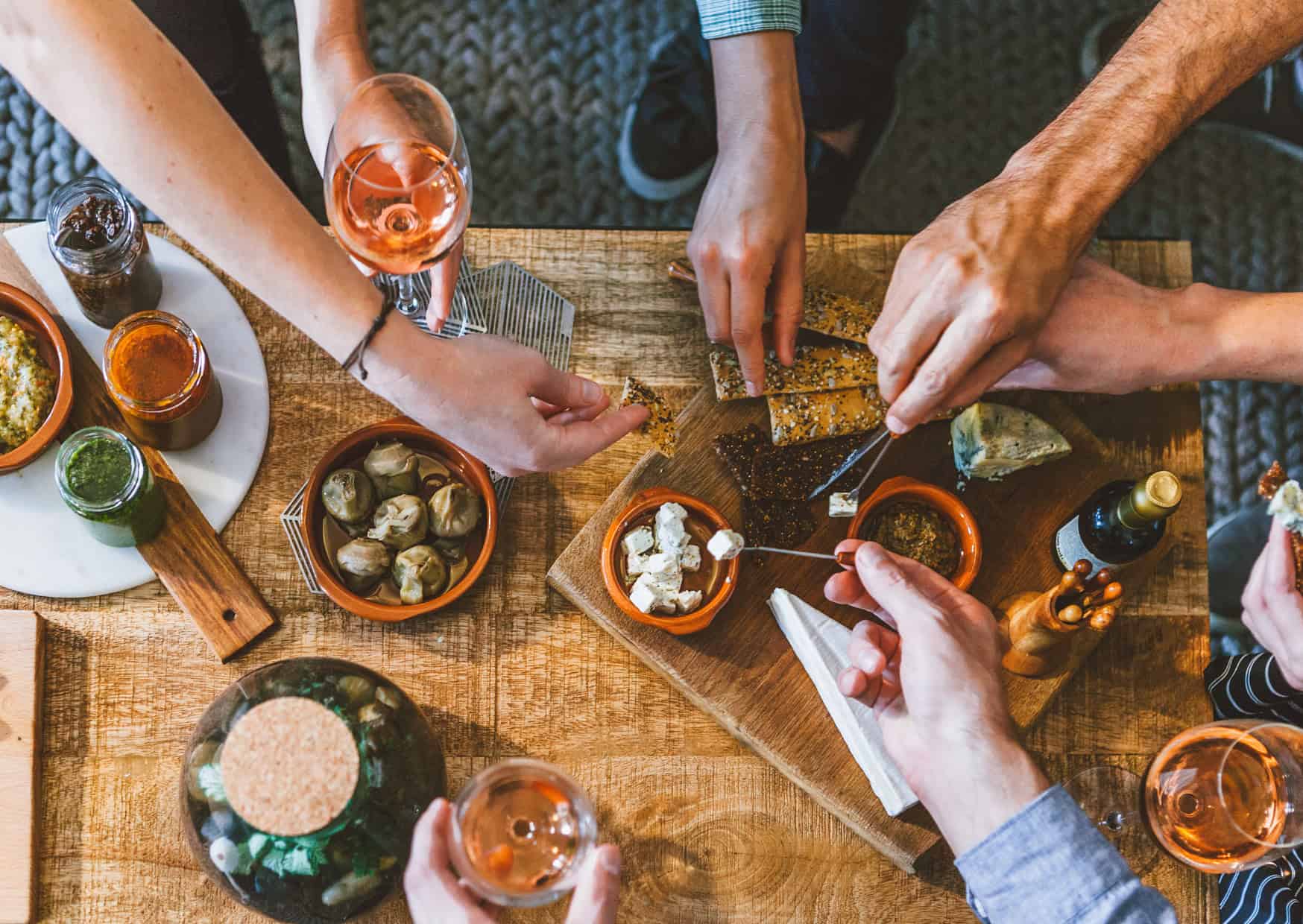
3. The Cutlery Code at Tapas Bars (Spain)
What Tourists Do
- They expect utensils or a formal plating for each tapa—waving down staff for forks/knives or separate plates for everything.
Why It’s Bizarre to Locals
- Tapas culture often involves shared plates and minimal fuss. People stand, pick items with toothpicks or fingers, and place them on a small personal dish if needed.
How to Avoid Mistake
- Embrace the casual style: many tapas are finger-food level. If you truly need cutlery, politely request it—but know you might look over-prepared for a laid-back vibe.
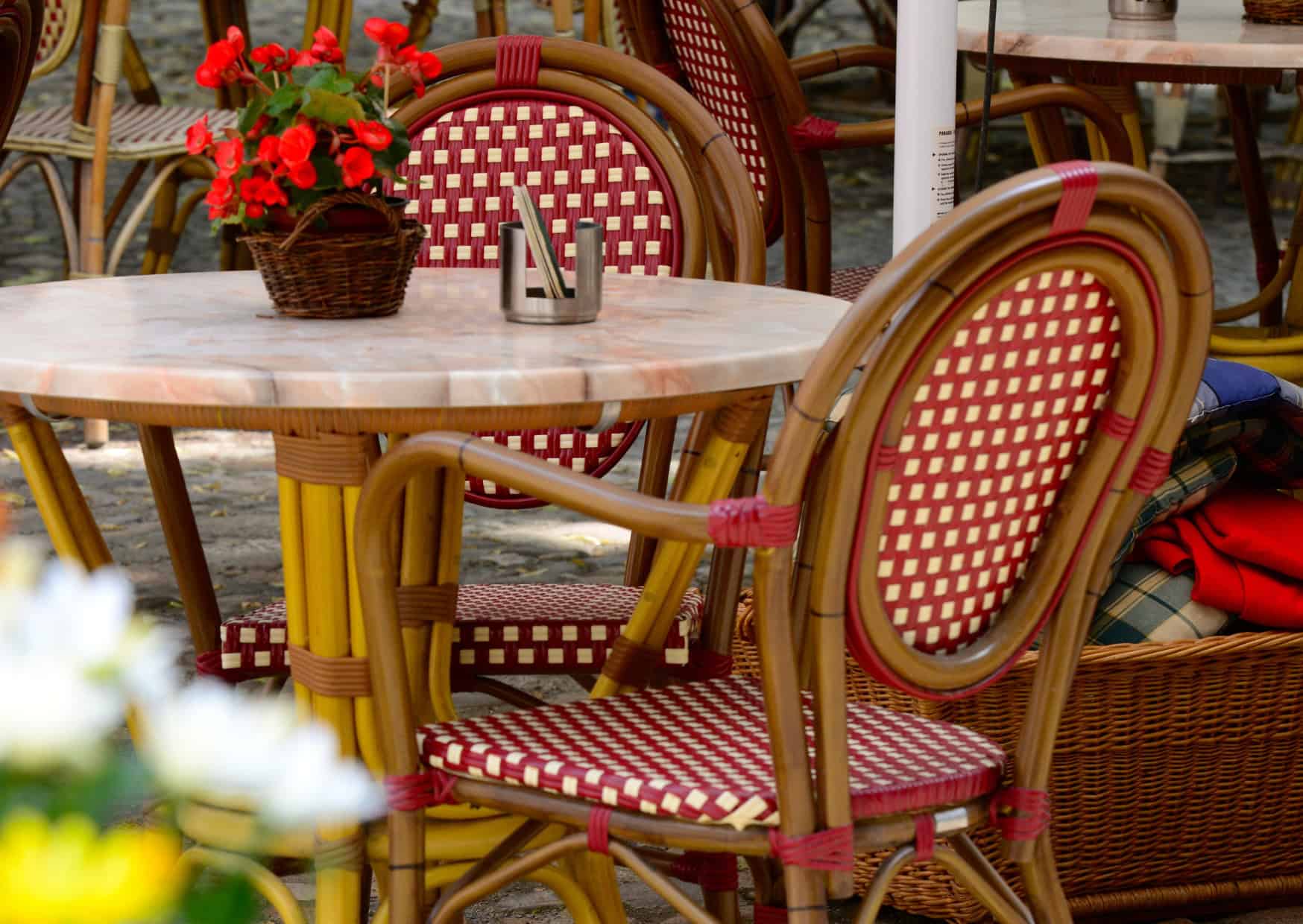
4. Rushing the Bill in a Parisian Bistro
What Tourists Do
- They signal for the check right after finishing, sometimes mid-last bite, aiming to leave quickly or free the table for the next diner.
Why It’s Bizarre to Locals
- In France, lingering is normal. They see mealtime as an experience, not a fast turnover. Speedy check requests feel pushy and unrefined, especially if the server hasn’t offered dessert/coffee.
How to Avoid Mistake
- Wait until the server naturally checks in or politely request the bill if you’ve truly finished your post-meal coffee. Plan extra time—no typical bistro expects you out the door in 30 minutes.
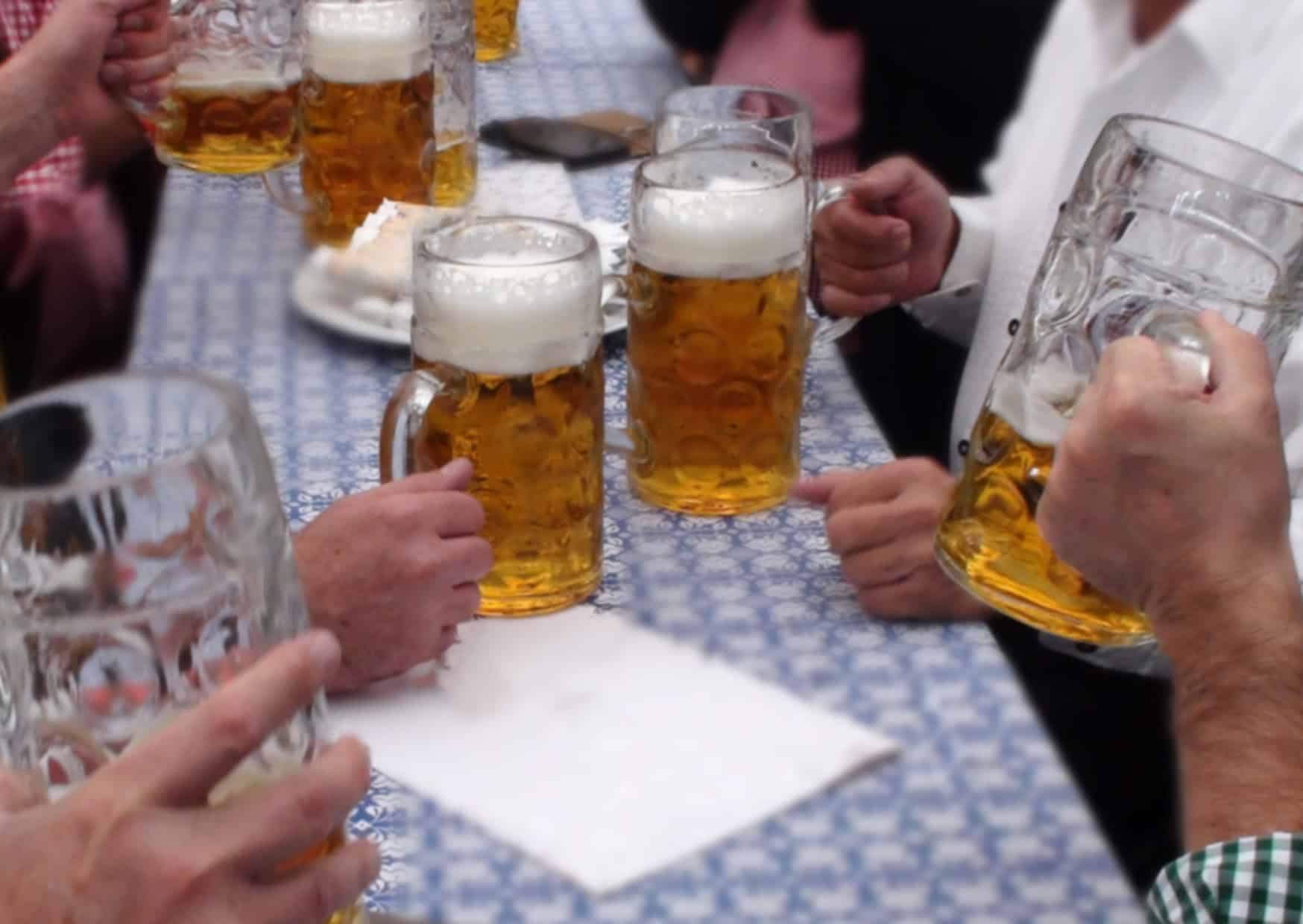
5. Beer in a Pils Glass at a Munich Beer Hall (Germany)
What Tourists Do
- Tourists request a dainty glass or half-pint while in a traditional Bavarian beer hall, thinking smaller is standard. Or they clink glasses incorrectly.
Why It’s Bizarre to Locals
- In a Munich beer hall, a full liter Maß (big mug) is customary for an authentic experience. Also, eye contact while toasting is important; ignoring it can be considered rude.
How to Avoid Mistake
- Order the Maß if you can handle it. If you prefer less beer, fine, but know you might stand out. And when toasting, make eye contact, say “Prost!” and gently clink mugs.
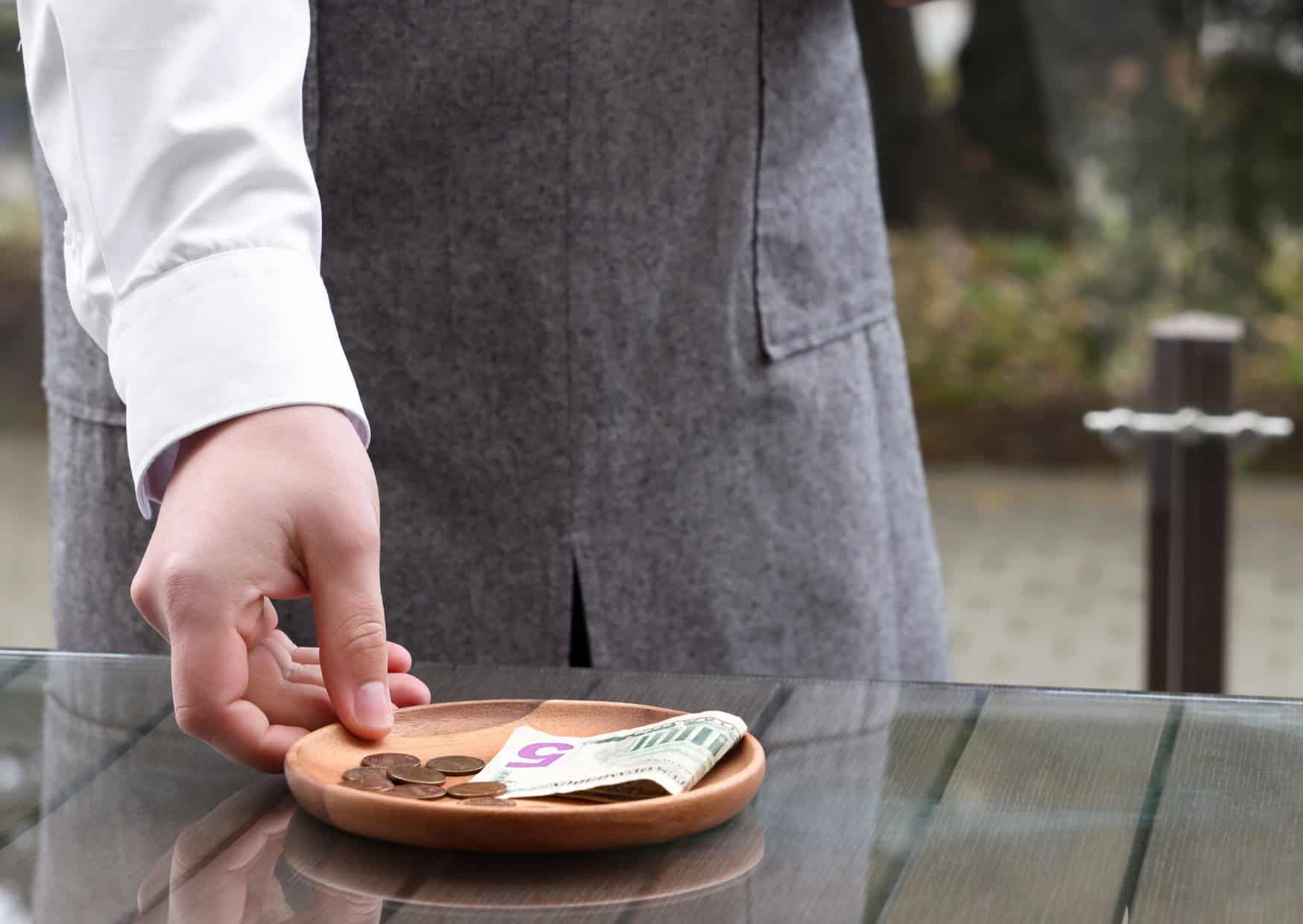
6. Insisting on Tipping Big in Amsterdam (Netherlands)
What Tourists Do
- Americans especially might leave a 20% tip, assuming it’s standard. Locals, however, might round up or leave a small percentage.
Why It’s Bizarre to Locals
- Service charges or fair wages typically mean tipping is modest. Exorbitant tips can feel awkward or appear as overkill—some suspect you’re trying to show off.
How to Avoid Mistake
- If service is included, a small rounding up (like leaving a euro or two) is enough to show gratitude. If you truly adore the service, 10% is considered generous.
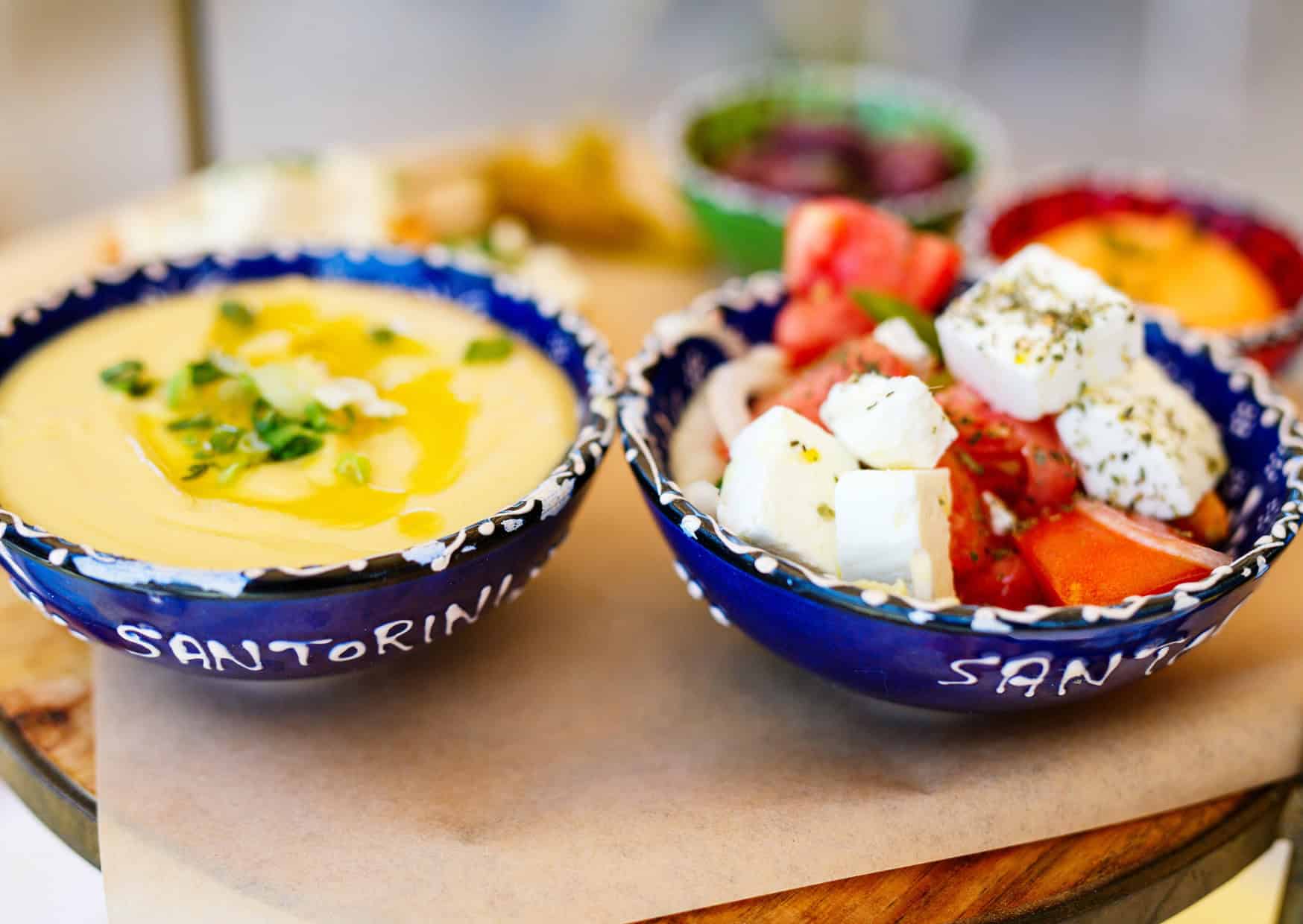
7. The “Service Not Speed” Confusion (Greece)
What Tourists Do
- They arrive hungry at a Greek taverna, expecting immediate service. After ordering, they fret about “slow” food, not realizing that relaxed pacing is the norm.
Why It’s Bizarre to Locals
- Greeks consider lingering over mezes, chatting, and multiple courses as part of the social mealtime. Hurrying a taverna dinner feels odd and impatient.
How to Avoid Mistake
- Embrace a slower pace—order a few small plates to share, order more if needed, and enjoy the conversation. If you’re on a tight schedule, politely mention it to the server upfront so they can accommodate.
The Bottom Line
Europe’s top food capitals—Rome, Paris, Munich, Barcelona, Amsterdam, Athens—brim with gastronomic wonders. Yet each city’s dining scene follows its own quirky etiquette rules that can baffle uninitiated travelers. By understanding these 7 “weirdly specific” do’s and don’ts, you’ll avoid embarrassing stares and even win local respect. Good meals are about more than just taste—they’re also about cultural harmony.
Pro Tip
If you’re unsure about local customs—like whether to seat yourself in a Spanish tapas bar or the right glass for that German pils—observe the locals. Let their pace guide you. Ask discreetly if needed. And remember: mealtime in Europe is often about lingering, bonding, and respecting centuries-old traditions—join the flow, and you’ll savor both the food and the cultural richness. Bon appétit!

About the Author: Ruben, co-founder of Gamintraveler.com since 2014, is a seasoned traveler from Spain who has explored over 100 countries since 2009. Known for his extensive travel adventures across South America, Europe, the US, Australia, New Zealand, Asia, and Africa, Ruben combines his passion for adventurous yet sustainable living with his love for cycling, highlighted by his remarkable 5-month bicycle journey from Spain to Norway. He currently resides in Spain, where he continues sharing his travel experiences with his partner, Rachel, and their son, Han.