
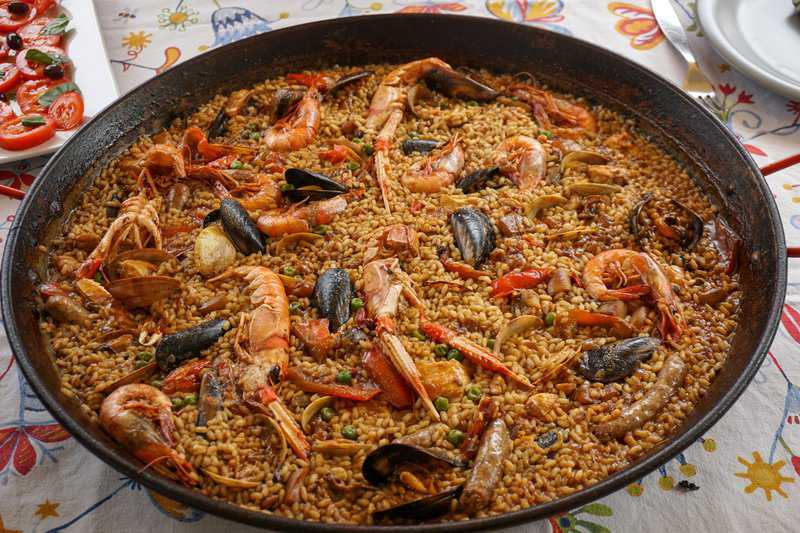
When people think of Spanish food, tapas often steal the spotlight. But if you step into a local kitchen around dinnertime, you’ll discover that Spain’s real culinary soul lives in its home-cooked dinners. From the vibrant seafood-packed paella of Valencia to the deceptively simple tortilla española and the cool, refreshing gazpacho of Andalusia, these dishes are more than meals—they’re cultural icons.
Each of these three dishes has deep regional roots and fiercely loyal local followers. They’re served at family tables, not just restaurants—and they’re often misunderstood (or butchered) abroad. Making them authentically at home isn’t just a fun cooking experiment; it’s a way to connect with Spain’s diverse regions and age-old culinary traditions.
This guide walks you through how to make each one with real flavor, serve it like the locals do, and even avoid the common mistakes that often turn these classics into touristy caricatures.
The best Spanish food to try, Breakfast in Spain, and vegetarian food in Spain
BOOK YOUR TRAVEL INSURANCE
Two of our favorite travel insurance: Heymondo Vs Safetwing cheapest travel Insurance. You can get for $135 USD your Heymondo Travel Insurance with Heymondo discount code valid for 90 days. Read our full comparison of Genki vs Safetywing Travel Insurance Review and the comparison Heymondo vs Genki
How to Eat
Paella should never be scooped like a stew. Traditionally, it’s eaten directly from the pan, especially in Valencia, where everyone gets their own section. A crispy bottom layer—called socarrat—is the crown jewel. Tortilla Española is often served at room temperature and sliced like pie, perfect for eating with a fork or as a pincho (small snack). Gazpacho is served chilled, poured into a glass or shallow bowl, and sipped or spooned. It’s not just a soup—it’s a refreshing reset for the palate.
How to Partner
Pair paella with a light Spanish white wine like Albariño or a dry rosé to cut through the richness. A simple green salad with olives and sherry vinaigrette balances the flavors. Tortilla Española pairs beautifully with crusty bread, a side of aioli, and a glass of Rioja. And gazpacho makes a brilliant starter before grilled fish or as a light dinner on its own, paired with pan con tomate and a cold cerveza.
Many tourists think of paella as a mixed dish of seafood, chicken, and chorizo—but that combination would make a Valencian cook cringe. Traditional paella uses rabbit, chicken, and green beans, while seafood versions stick strictly to shellfish. Adding chorizo is seen as a foreign invention—and in some regions, borderline offensive.
Tortilla Española may look simple, but debates rage over whether it should be runny or firm. Some Spaniards won’t even touch a tortilla that isn’t slightly gooey in the center, while others demand it be fully cooked through. As for gazpacho, it’s not a chunky salsa-style dip—it’s a silky, blended soup, and using stale bread as a thickener is not a shortcut—it’s tradition.
The biggest misunderstanding? These aren’t fancy “special occasion” dishes in Spain. They’re everyday comfort food, made with love, not perfection—and that’s exactly what makes them special.
Most Popular Dinners in Spain
1. Paella
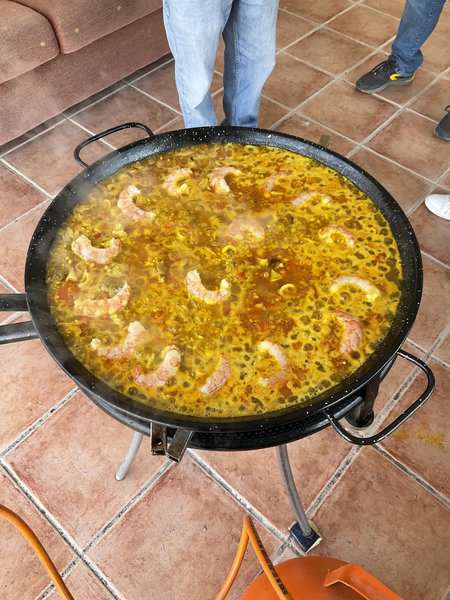
Paella is a traditional Spanish dish originating from Valencia. It’s a flavorful rice dish cooked with various ingredients like seafood, chicken, rabbit, vegetables, and saffron.
Ingredients:
2 cups Bomba or Arborio rice
1/4 cup olive oil
1 onion, finely chopped
1 red bell pepper, chopped
4 cloves garlic, minced
1 large tomato, grated or 1 cup canned crushed tomatoes
1 teaspoon smoked paprika
1/2 teaspoon saffron threads (soaked in 2 tablespoons of warm water)
4 cups chicken broth
1 cup white wine (optional)
1/2 pound chicken thighs, cut into bite-sized pieces
1/2 pound rabbit meat, cut into bite-sized pieces (optional)
1/2 pound large shrimp, peeled and deveined
1/2 pound mussels, cleaned
1/2 pound clams, cleaned
1/2 cup frozen peas
1/2 cup green beans, cut into 1-inch pieces
1 lemon, cut into wedges
Fresh parsley, chopped (for garnish)
Salt and pepper to taste
Instructions:
Prepare the Ingredients
Soak saffron threads in warm water. Clean the seafood.
Cook the Meat
Heat olive oil in a large paella pan over medium heat. Add chicken (and rabbit if using) pieces and cook until browned. Remove and set aside.
Sauté the Vegetables
Add onion, bell pepper, and garlic to the pan and sauté until the onion is translucent. Add grated tomato or crushed tomatoes and cook until the mixture thickens.
Add the Rice and Spices
Stir in rice, smoked paprika, and soaked saffron (including the water). Cook for 2 minutes. Add white wine, if using, and cook until mostly evaporated.
Add Broth and Meat
Pour in chicken broth and return the meat to the pan. Arrange green beans on top. Bring to a boil, then reduce heat and simmer for 15 minutes.
Add Seafood and Vegetables
Nestle shrimp, mussels, and clams into the rice. Add peas. Cook until the rice is tender and the seafood is cooked (about 10-15 minutes).
Final Touches
If too much liquid remains, increase heat briefly to evaporate. Let the paella rest for 5-10 minutes off the heat.
Serve
Garnish with parsley and lemon wedges. Serve hot.
Use high-quality saffron for authentic flavor. Aim for a crispy socarrat (bottom layer of rice) by increasing the heat towards the end of cooking.
Calories: Approximately 470-550 calories per serving (assuming 6 servings).
Read here how to make Paella
2. Tortilla Española (Spanish Omelette)
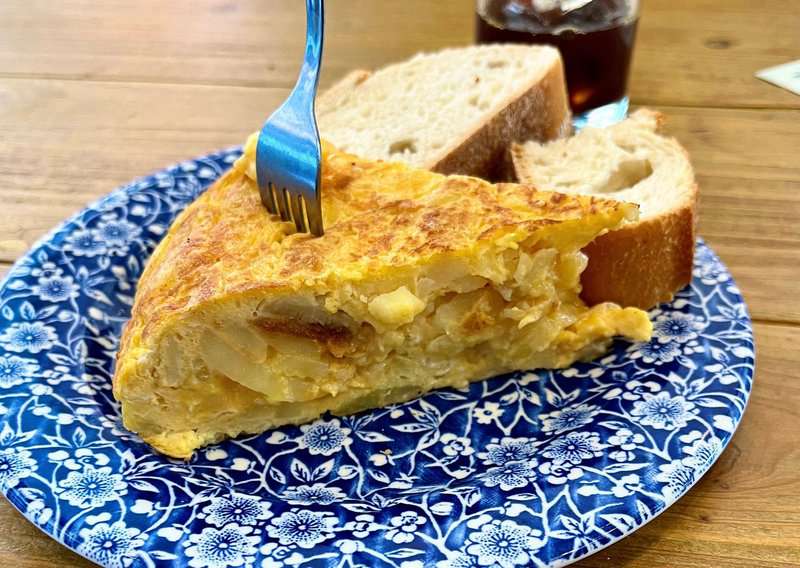
Tortilla Española is a traditional Spanish dish made with eggs, potatoes, and onions.
Ingredients:
6 large eggs
4 medium potatoes, peeled and thinly sliced
1 large onion, thinly sliced
1/2 cup olive oil
Salt and pepper to taste
Instructions:
Prepare the Ingredients
Peel and thinly slice the potatoes. Thinly slice the onion.
Cook the Potatoes and Onions
Heat olive oil in a large skillet over medium heat. Add potatoes and onions. Cook, stirring occasionally, until the potatoes are tender but not browned (about 15-20 minutes). Drain excess oil.
Mix with Eggs
Beat the eggs in a large bowl. Add cooked potatoes and onions to the eggs, and mix gently. Season with salt and pepper.
Cook the Tortilla
Heat a small amount of olive oil in the skillet over medium heat. Pour in the egg mixture. Cook until the edges start to set, then reduce heat to low and cook until almost set (about 10 minutes).
Flip and Finish Cooking
Place a large plate over the skillet and carefully flip the tortilla onto the plate. Slide the tortilla back into the skillet to cook the other side until fully set (about 5 minutes).
Serve
Let the tortilla cool slightly before slicing. Serve warm or at room temperature.
Ensure potatoes are cooked through but not browned. Let the tortilla rest before slicing for easier serving.
Calories: Approximately 200-250 calories per serving (assuming 4 servings).
Read here how to make Spanish omelette
3. Gazpacho
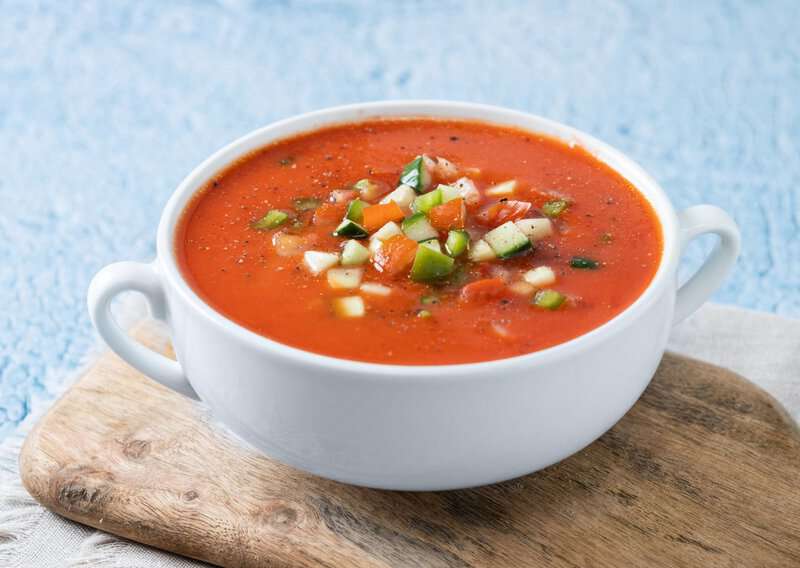
Gazpacho is a cold Spanish soup made from blended vegetables. It’s refreshing and perfect for hot weather.
Ingredients:
6 ripe tomatoes, peeled and chopped
1 cucumber, peeled and chopped
1 green bell pepper, chopped
1 small red onion, chopped
2 cloves garlic, minced
2 cups tomato juice
1/4 cup olive oil
2 tablespoons red wine vinegar
Salt and pepper to taste
Fresh basil or parsley for garnish
Instructions:
Prepare the Vegetables
Peel and chop the tomatoes, cucumber, bell pepper, and onion. Mince the garlic.
Blend the Ingredients
In a blender or food processor, combine tomatoes, cucumber, bell pepper, onion, garlic, tomato juice, olive oil, and vinegar. Blend until smooth.
Season and Chill
Season with salt and pepper to taste. Chill in the refrigerator for at least 2 hours to allow the flavors to meld.
Serve
Pour the chilled gazpacho into bowls. Garnish with fresh basil or parsley.
Use ripe, high-quality tomatoes for the best flavor. Adjust seasoning after chilling as flavors develop over time.
Calories: Approximately 150-200 calories per serving (assuming 4 servings).
Read here how to make Gazpacho
Serving Suggestions
Paella: Serve family-style in the pan with lemon wedges. No need for starters—just paella and good company.
Tortilla Española: Slice into wedges or cubes, serve with toothpicks for tapas, or with salad for a light dinner.
Gazpacho: Chill well and serve in small bowls or even glasses. Garnish with diced cucumber, peppers, and a drizzle of olive oil.
Origin and History
Spanish dinner culture reflects centuries of regional tradition shaped by climate, agriculture, and social rhythms. Unlike the early dining habits found in many countries, Spain developed an evening food culture centered around late gatherings and shared plates. Coastal communities combined seafood with olive oil and vegetables, while inland regions relied on cured meats, legumes, and rustic recipes created to nourish people working the land. As trade widened, ingredients like paprika and peppers entered local kitchens, giving classic dishes their distinct depth.
The three dinners most closely tied to Spanish identity each represent a part of this evolution. Tortilla española emerged as a humble combination of potatoes and eggs that provided affordable protein and sustained working families. Gambas al ajillo reflects Spain’s maritime roots, where shrimp cooked in garlic and olive oil offered a fast and flavorful supper in port towns. Pan con tomate carries Catalonia’s agricultural history, built on ripe tomatoes and bread from local crops. Together, they show how simple ingredients have shaped national tastes.
Over time, these dishes moved from home kitchens to tapas bars, becoming iconic elements of Spanish dining. Travelers often encounter them in restaurants, yet their origins are rooted in everyday life rather than gourmet kitchens. Because Spanish meals evolved around conversation and gathering rather than plated formality, these dinners carry a cultural story. They reflect a way of eating built on sharing, improvisation, and respect for local flavors rather than rigid recipes.
Many tourists misunderstand Spanish dinners because they apply expectations from home to a culinary culture shaped by different values. Visitors often try to “upgrade” traditional dishes by adding extra ingredients, turning tortilla into a heavy omelet loaded with meat or cheese. Locals argue that this transformation removes the elegant simplicity of the original, where potatoes, eggs, and olive oil create balance without complication. Critics of the minimalist approach believe tourists simply seek stronger flavors without realizing that the dish was designed to be subtle.
Another point of debate involves timing. Tourists expect dinner early, only to find that kitchens often open late or serve smaller plates instead of large entrées. Some visitors feel frustrated by the shift, but Spaniards defend the rhythm as a core part of their lifestyle where evenings are social, long, and unhurried. The disagreement reveals deeper cultural differences: one sees dinner as a refueling moment before rest, while the other sees it as the start of personal time.
There is also controversy over the presentation of classic dishes in tourist areas. Some restaurants create versions tailored to international tastes, adding sauces, heavy seasoning, or extra proteins. Locals argue that these adaptations misrepresent the food, giving travelers a skewed understanding of Spanish cuisine. Others believe that adaptation is natural in a global food scene. The debate centers around identity: should a national dish evolve for visitors, or should visitors adapt to experience the original?
How Long They Take to Prepare
Part of the appeal of these three dinners is their efficiency. Tortilla española requires about forty minutes, including cooking potatoes slowly in olive oil and combining them with eggs before forming the signature thick omelet. The technique is simple but benefits from patience, allowing the eggs to set gently rather than overcooking. While the dish rests, flavors deepen, and the texture becomes creamy inside.
Gambas al ajillo takes far less time, often under fifteen minutes from start to finish. Shrimp are cooked in a clay dish or pan with olive oil, sliced garlic, and a hint of chili. The key lies in not overcooking the seafood while allowing the oil to absorb the garlic’s aroma. The entire dish comes together in moments, making it an ideal late dinner served alongside crusty bread.
Pan con tomate is the quickest of all, typically taking only ten minutes. Bread is lightly toasted, rubbed with ripe tomato, drizzled with olive oil, and sprinkled with salt. The simplicity requires quality ingredients, meaning the preparation is fast but the selection matters. Each dish shows how Spanish dinners developed around fresh ingredients ready to be served without extensive preparation.
Final Thoughts
The three dinners locals swear by demonstrate that Spanish cuisine does not depend on elaborate preparation. Instead, it emphasizes ingredients that speak for themselves. Visitors sometimes miss the beauty of the simplicity, assuming that more complexity means better food. Yet the charm of these dishes lies in their restraint, where taste is built from tradition rather than embellishment. They represent a culture that sees dinner as a shared moment rather than a performance.
Understanding these dishes helps travelers appreciate the philosophy behind Spanish dining. Food is a way to gather, not an isolated task at the end of the day. The recipes evolved from practical needs and local resources, reminding people that comfort food can be both straightforward and memorable. Even brief exposure to these dinners offers insight into how Spain’s cultural rhythm shapes its meals.
Ultimately, tourists who embrace the original versions of these dishes often gain a deeper respect for Spanish cooking. The experience encourages people to slow down, choose quality ingredients, and see cooking as a communal act. Whether enjoyed in a home kitchen or a quiet neighborhood bar, these dinners show that authenticity can be simple. Trying them at home offers an opportunity to bring a piece of Spain’s evening culture into daily life.

About the Author: Ruben, co-founder of Gamintraveler.com since 2014, is a seasoned traveler from Spain who has explored over 100 countries since 2009. Known for his extensive travel adventures across South America, Europe, the US, Australia, New Zealand, Asia, and Africa, Ruben combines his passion for adventurous yet sustainable living with his love for cycling, highlighted by his remarkable 5-month bicycle journey from Spain to Norway. He currently resides in Spain, where he continues sharing his travel experiences with his partner, Rachel, and their son, Han.