
If you’ve scrolled through TikTok or Instagram lately, chances are you’ve come across the Buldak noodle omelette—a fiery fusion of Korea’s iconic spicy noodles and the humble egg. This viral sensation turns a packet of Samyang Buldak (fire noodles) into a crispy, golden omelette stuffed with molten heat, stretchy cheese, and chewy noodles.
What started as a social media trend has quickly become a cult favorite among spice lovers and college students alike. It’s fast, filling, and surprisingly balanced. The creamy eggs and cheese mellow the heat just enough to keep you hooked without totally torching your taste buds.
And while it might look like a quick snack, this dish taps into something deeper—it reflects how Korean food culture embraces experimentation, comfort, and bold flavors all at once. Making it at home takes less than 15 minutes, but the flavor? It lingers long after.
Read here Things to know before visiting South Korea and best breakfast in South Korea
BOOK YOUR TRAVEL INSURANCE
Two of our favorite travel insurance: Heymondo Vs Safetwing cheapest travel Insurance. You can get for $135 USD your Heymondo Travel Insurance with Heymondo discount code valid for 90 days. Read our full comparison of Genki vs Safetywing Travel Insurance Review and the comparison Heymondo vs Genki
Best Time to Eat Buldak Noodle Omelette
Perfect for late-night cravings, lazy weekend brunches, or a quick comfort dinner. It’s a lifesaver after long days, and especially popular among students and spice-lovers who want maximum flavor with minimal effort.
How to Partner Buldak Noodle Omelette
Pair it with cold milk, iced green tea, or a refreshing cucumber salad to balance the spice. For extra richness, add mozzarella, or top with a drizzle of Japanese mayo and a sprinkle of furikake. It also goes surprisingly well with pickled radish or kimchi on the side.
Some food purists scoff at the Buldak noodle omelette, calling it a “TikTok gimmick” rather than a real dish. But the rise of viral street food hybrids speaks volumes about modern Korean food culture, which thrives on reinvention, affordability, and bold experimentation—especially among younger generations.
There’s also debate over health concerns. Critics argue that instant noodles, especially ultra-spicy versions, are overly processed and high in sodium. While that’s true in excess, treating dishes like this as an occasional indulgence—rather than a daily habit—keeps the fun without the guilt.
Finally, there’s the issue of authenticity. Is this Korean food? Is it fusion? Is it junk food? The answer might be: yes to all. Dismissing it ignores the fact that food evolves, and this dish represents a very real corner of contemporary Korean youth culture—where convenience, creativity, and comfort collide deliciously.
How to Make Buldak Noodle Omelette
Buldak Noodle Omelette Recipe Ingredients
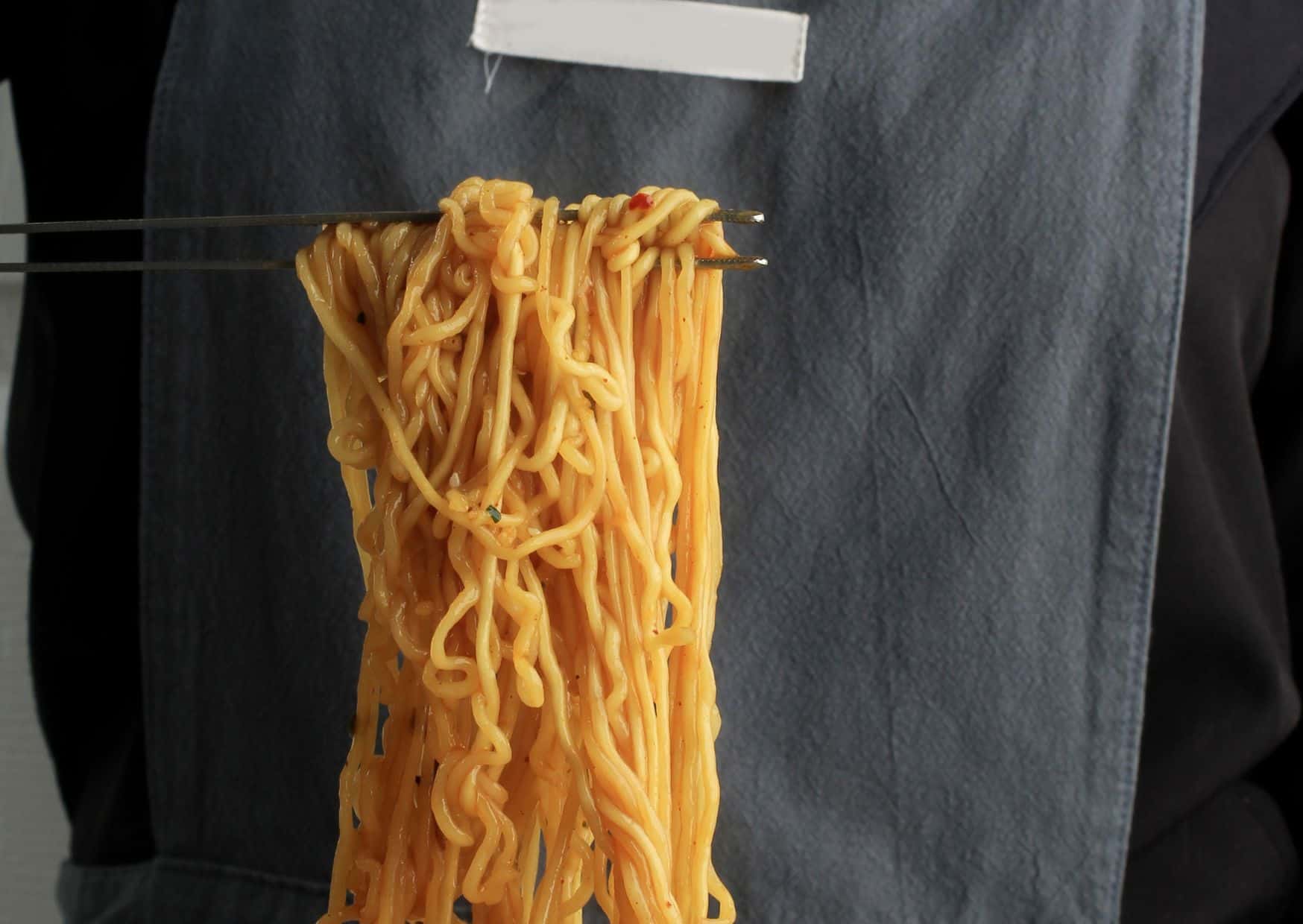
1 package of Buldak-bokkeum-myeon (Korean spicy chicken flavored noodles)
3 large eggs
1 green onion, chopped
1 tablespoon milk
1 tablespoon vegetable oil
Optional toppings: shredded cheese, sliced chili peppers, chopped herbs
Step By Step How to Make Buldak Noodle Omelette
Cook the Noodles
Bring a pot of water to a boil and cook the Buldak noodles according to the package instructions, usually about 4-5 minutes. Drain the noodles and return them to the pot. Add the spicy seasoning packet (to your taste; you may not need the whole packet depending on your spice tolerance) and a bit of the reserved noodle water to help mix the seasoning evenly. Set aside.
Prepare the Egg Mixture
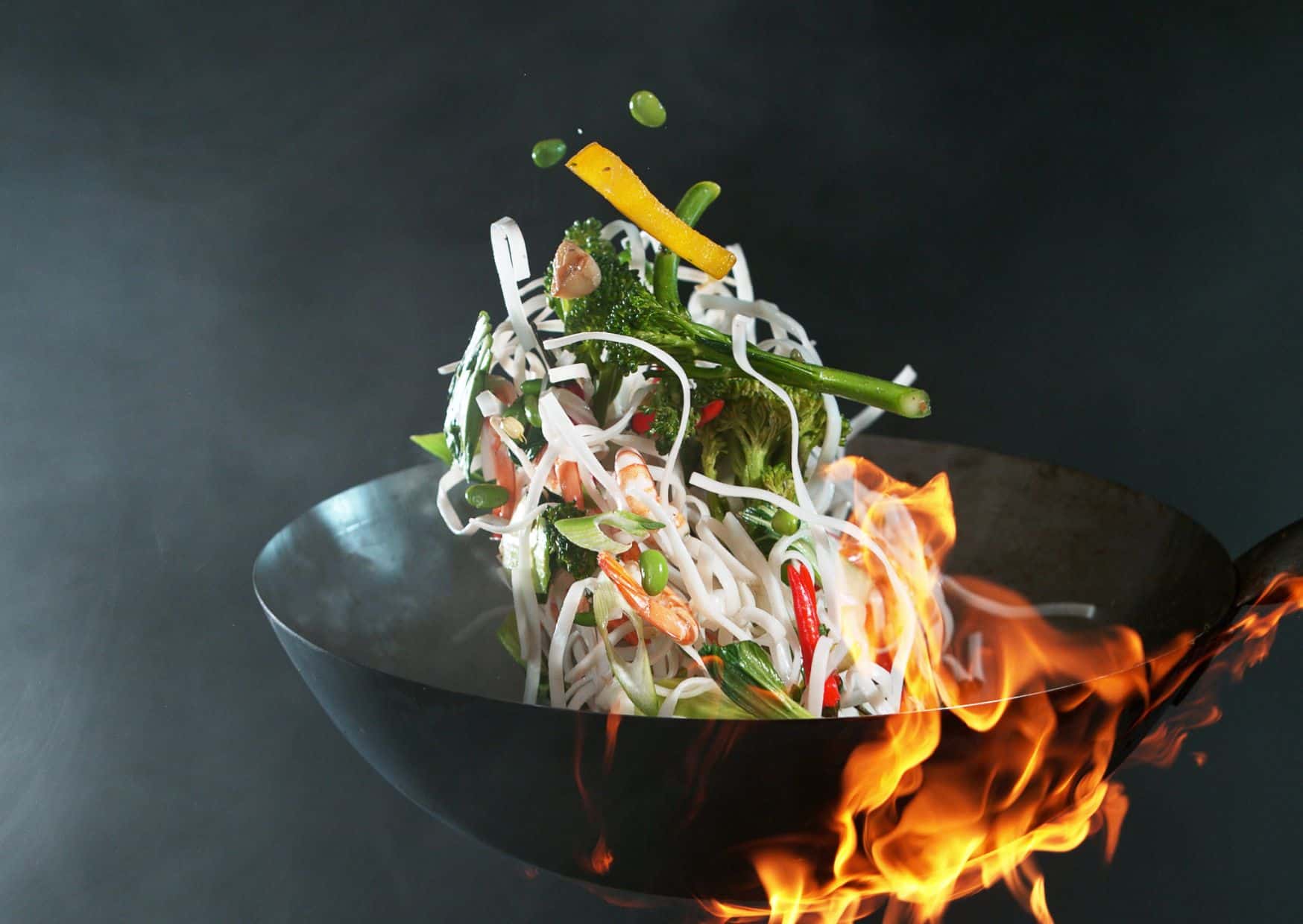
In a bowl, beat the eggs with the milk and a pinch of salt. This will make the omelette fluffier. Stir in the chopped green onions (save a little for garnish).
Cook the Omelette
Heat the oil in a non-stick skillet over medium heat. Pour half of the egg mixture into the skillet, letting it spread into a thin layer. Before the egg sets completely, spread half of the seasoned noodles over the omelette.
Let the egg cook until it’s nearly set, then carefully fold it over the noodles, pressing slightly to encase the noodles within the egg. Flip the omelette if necessary to ensure even cooking on both sides.

Serve
Slide the omelette onto a plate and if desired, top with additional toppings like shredded cheese, sliced chili peppers, or a sprinkle of chopped herbs and reserved green onions. Serve hot.
Tips To Make Buldak Noodle Omelette
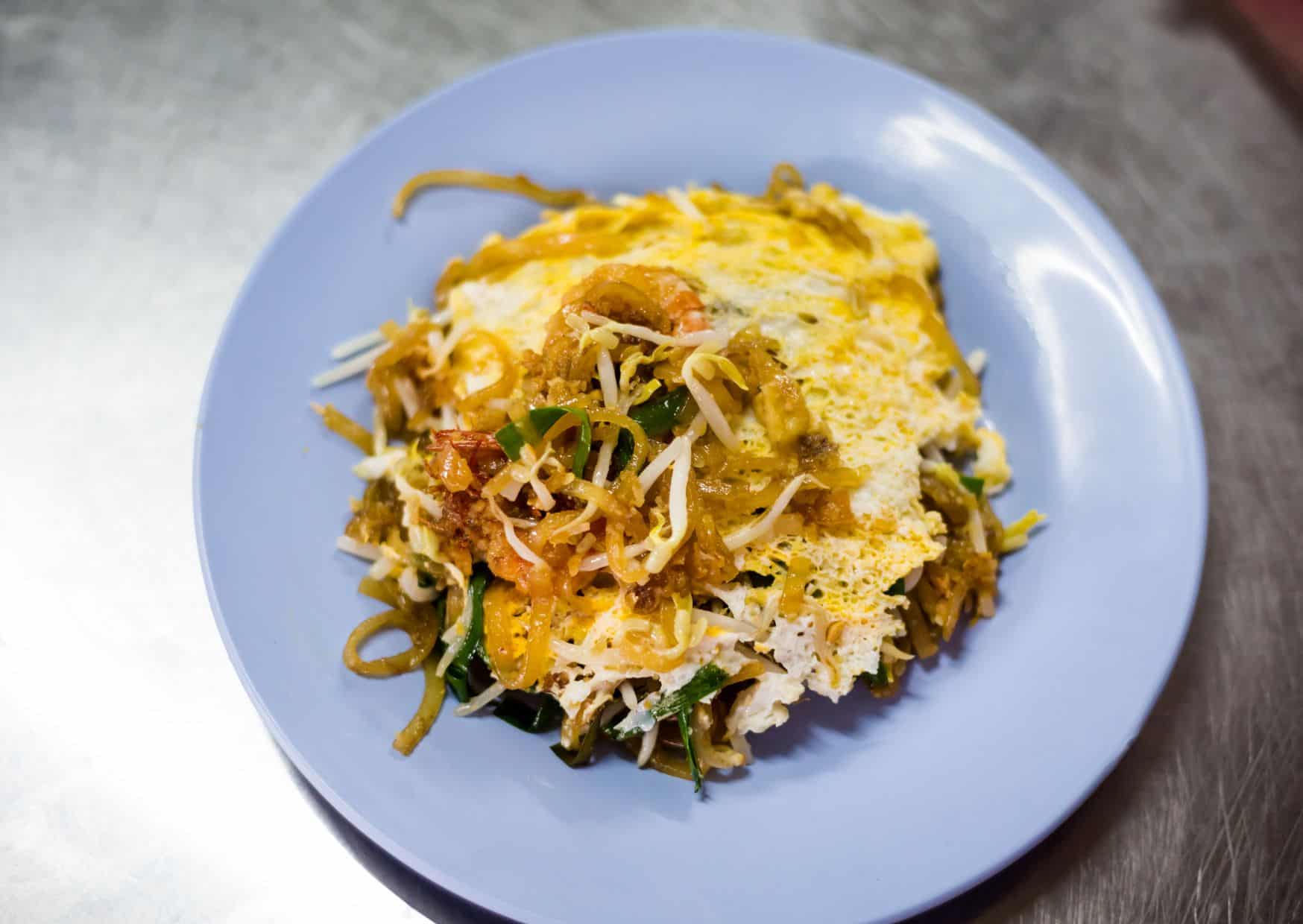
Adjust the amount of spicy seasoning to suit your taste. Starting with half of the seasoning packet is usually sufficient for most palates. Ensure the noodles are not too dry or too wet when adding them to the omelette; if too dry, they won’t fold easily, and if too wet, they will make the eggs soggy.
Cook the eggs on a low to medium heat to prevent them from burning while ensuring the omelette is cooked through without becoming too brown or crispy.
How Many Calories Have Buldak Noodle Omelette
Per Serving: One serving of Buldak noodle omelette (half of the total recipe) can contain approximately 400-500 calories, largely depending on the size of the eggs and the amount of noodle seasoning used.
Origin and History
The Buldak noodle omelette may feel like a new invention, but its roots sit firmly in a much longer tradition of Korean comfort food creativity. Korea has a long history of turning pantry staples into quick, filling meals, especially during busy school and work days. Instant noodles, eggs, and simple seasonings have always played a major role in budget-friendly home cooking, so it was only a matter of time before a dish like this came along.
The rise of the Buldak brand of instant noodles helped spark a global fascination with spicy Korean food. Their fiery heat and bold flavors inspired countless home cooks to experiment, blending the noodles with eggs, rice cakes, cheese, and vegetables. Social media accelerated the trend, turning everyday kitchen improvisations into viral recipes people rush to try at home.
While the omelette version is modern, the idea reflects Korean culinary values that stretch back generations: take something simple, make it satisfying, and don’t shy away from intense flavor. In many ways, this viral dish is just the latest chapter in a history of adaptable Korean street and home cooking.
Despite its popularity, the Buldak noodle omelette sparks debate over whether it represents authenticity or a departure from Korean cuisine. Traditionalists argue that transforming instant noodles into an omelette edges too close to fusion novelty rather than cultural food heritage. For them, the original Buldak dish stands on its own and doesn’t need reinterpretation.
Others push back, noting that Korean cuisine has always been flexible and experimental. Korean food culture thrives on reinvention, and dishes frequently evolve in response to lifestyle, convenience, and personal taste. From tteokbokki variations to modern street snacks, change is part of the culinary landscape, not an intrusion.
Another controversy lies in its heat level. Some believe reducing the spiciness with cheese or extra eggs undermines the spirit of the dish, which was created to be intensely hot. But many cooks see this adaptation as a practical way to make the recipe approachable without sacrificing its iconic flavor.
How Long It Takes to Prepare
Preparation time is one of the main reasons this dish went viral. You can have it ready in less than fifteen minutes, making it a favorite for late-night cravings, rushed lunches, or a quick weekend breakfast. The ingredients are minimal, and most steps involve only boiling noodles and whisking eggs.
With a little practice, the workflow becomes almost effortless. You can cook the noodles while beating the eggs, drain them quickly, and fold everything into a hot pan. If you prefer a thicker omelette, add an extra minute or two to let it set. If you like it soft, cook it briefly and fold gently.
Even if you customize your omelette with cheese, scallions, vegetables, or leftover proteins, the entire dish rarely exceeds twenty minutes. It’s fast comfort food, designed for real-life schedules.
Serving Suggestions
The Buldak noodle omelette is satisfying on its own, but there are countless ways to elevate it. A drizzle of toasted sesame oil adds a layer of richness that complements the spicy noodles. Fresh scallions or cilantro can introduce brightness to counter the intense flavors.
For those who enjoy contrast in texture, serve the omelette alongside pickled radish or kimchi. The acidity cuts through the heat and helps balance the richness of the eggs. A simple cucumber salad also works well, offering cooling relief between bites.
If you want to turn the dish into a more substantial meal, pair it with steamed rice, roasted vegetables, or a light broth. These additions not only stretch the serving size but also give you a more complete and balanced plate.
Final Thoughts
The Buldak noodle omelette shows how modern cooking trends can spark curiosity and creativity in the kitchen. It proves that recipes don’t need to be complicated to feel exciting or satisfying. With just a few ingredients, you can create something bold, comforting, and full of personality.
This dish also highlights the evolving nature of food culture. What starts as a quick hack shared online can become a beloved household staple. The Buldak omelette bridges tradition and innovation, offering a taste of Korea that is both familiar and fresh.
More than anything, it invites you to experiment. Use it as a base, adjust the heat, add your favorite toppings, and make it your own. Its simplicity is what makes it endlessly adaptable and worth revisiting again and again.

About the Author: Ruben, co-founder of Gamintraveler.com since 2014, is a seasoned traveler from Spain who has explored over 100 countries since 2009. Known for his extensive travel adventures across South America, Europe, the US, Australia, New Zealand, Asia, and Africa, Ruben combines his passion for adventurous yet sustainable living with his love for cycling, highlighted by his remarkable 5-month bicycle journey from Spain to Norway. He currently resides in Spain, where he continues sharing his travel experiences with his partner, Rachel, and their son, Han.