
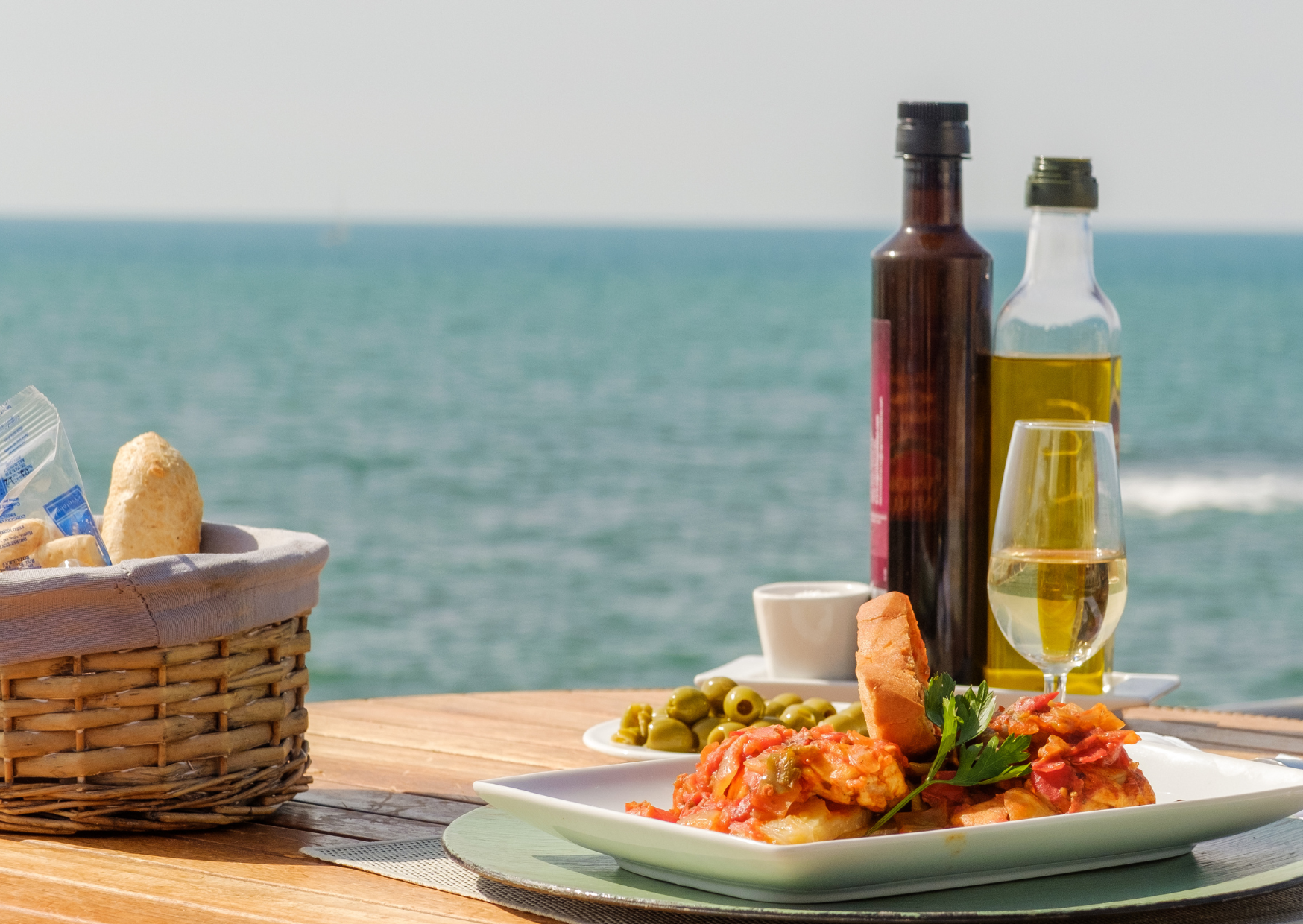
So here is the awkward thing I keep running into. A cardiologist in Phoenix tells a patient to avoid bread, to avoid wine, to never nap, to eat chicken breasts every day, and to treat olive oil like a condiment you whisper about. Then you spend a month in Valencia and watch retirees walk to lunch at two, eat bread with real butter or olive oil, drink a small glass of wine, nap, walk again, and somehow their cardiology wards are not overflowing. The habit that looks reckless in the American clinic turns out to be part of the protection in Mediterranean life. Not because the habit is magic. Because of what it replaces and when it happens.
We live in Spain. The pattern is everywhere on this side of the map. Long midday meal, smaller evening meal, olive oil as the main fat, bread that went to school, daily walking that is not called exercise, and yes, wine with food for some adults. The danger shows up when you isolate one item and ignore the routine around it. If you copy the rhythm, the scary habit becomes the helpful one.
Where were we. Right. The habit itself, why American advice calls it dangerous, the month-by-month numbers behind Mediterranean cardiac outcomes, the exact daily schedule that makes the math move, the foods that actually carry the risk here, the American substitutions that break it, and a seven day plan that forces your body to notice the difference.
The habit in one sentence
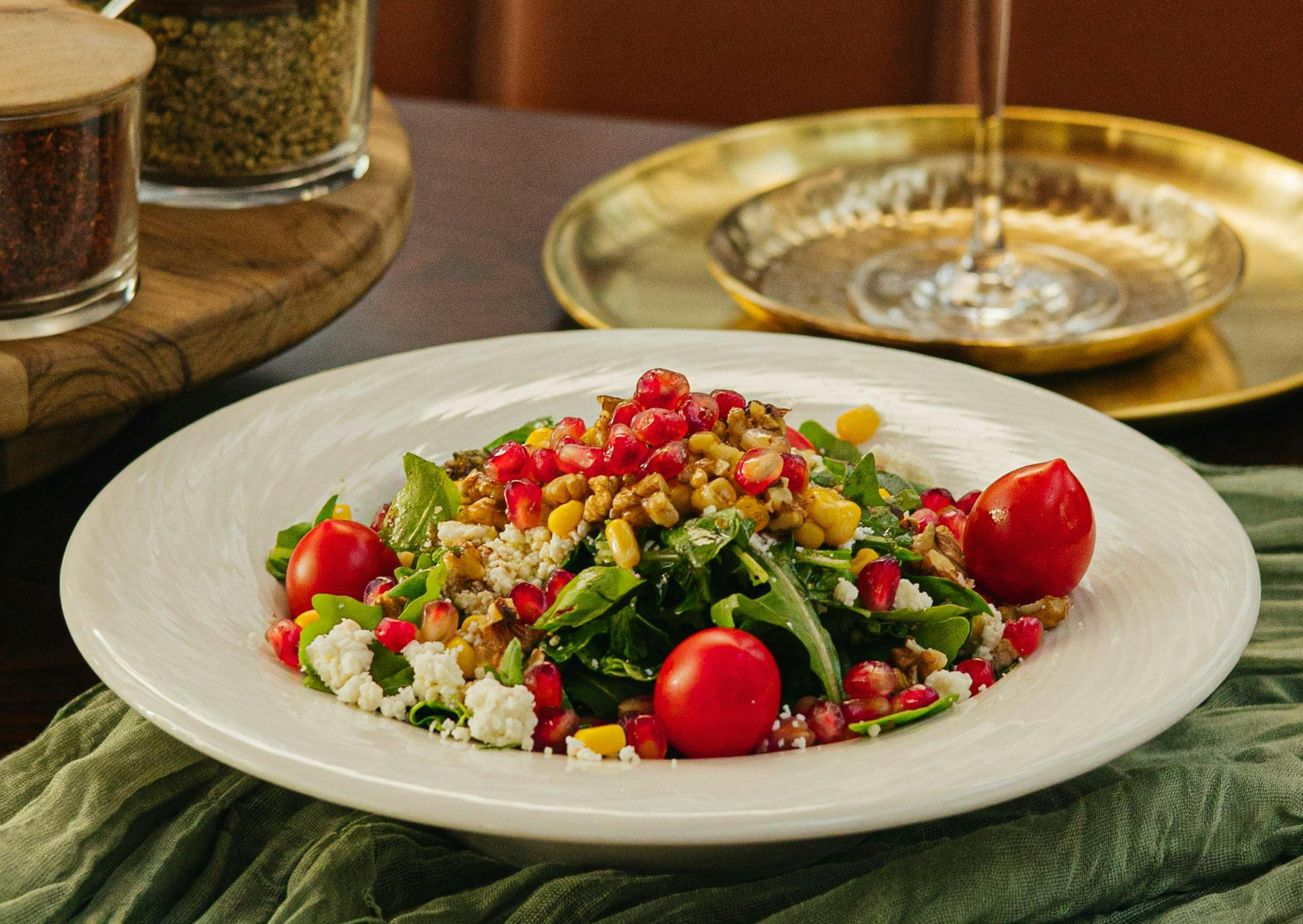
Mediterranean adults eat the main meal at midday with olive oil, bread, vegetables, legumes or fish, and a small glass of wine, then they rest for a short window, then they walk. Dinner is light and early. That is the habit.
If you isolate the wine, or the bread, or the nap, an American guideline will throw a red flag. Look at the entire day and the flag turns into a signal. The danger is not the element. The danger is the context you removed it from.
Key point inside this section: timing plus composition beats ingredient obsession.
Why American doctors call it dangerous
Because the evidence they see every day is American life. Bread is a sweet pillow that spikes blood sugar. Wine is a coping mechanism for stress stacked on stress, usually poured without food and escalated at night. Naps are not naps. They are couch collapses after large dinners and late screens. Olive oil is a tablespoon on top of ultra processed meals that had seed oils, sugar, and stabilizers baked in. The routine is missing, so each element becomes a risk multiplier.
So when a U.S. doctor says avoid wine, avoid bread, avoid naps, they are not wrong for their environment. They are describing what those items do inside a high stress, high snack, late dinner culture. The Mediterranean day moves the same items into a different slot where they do different work.
Remember here: culture is a lab condition. Change the condition, change the outcome.
The results no one argues with once the year ends
Set the debate aside and look at the outcomes. Southern Europe still runs lower ischemic heart disease mortality than the United States despite rising weight and modern food creep. Countries like Spain, Italy, France, Portugal, and Greece show stubborn advantages in heart outcomes even when incomes are lower and people live in older buildings. The advantage tracks with daily rhythm, not gadget count.
I am not going to drown you in paper titles. You know the broad picture. The short version is boring and stubborn. Olive oil and plant-heavy meals reduce risk. Daily walking reduces risk. Eating the main meal at midday improves glucose handling for the rest of the day. Wine with food at small doses behaves differently than drinks without food at night. Sleep after a big midday meal does not crash health when dinner is light and movement returns.
Wait, that sounds like we are cherry picking. Let me start over. The pattern is not a trick. It is a schedule with food attached to it. If you follow the schedule, you see the outcomes people keep arguing over online.
Bold line: structure beats hacks.
The schedule that actually runs the show
No secret apps. No heroic willpower. It is a clock and a plate.
- Breakfast late and light. Coffee, milk if you like it, a slice of bread that fights back with olive oil or butter, maybe a yogurt. No dessert disguised as breakfast. The late start shifts hunger into the hours where you can use it.
- Main meal midday. Somewhere between 13:00 and 15:00, depending on the country. Two or three courses that live in the vegetable and legume world with fish or meat as the supportive element. Olive oil is the fat. Bread is on the table. Wine is small and only with food. Water sits next to the wine. Dessert is often fruit. Coffee comes last.
- Short rest. Twenty to thirty minutes of off switch. Not sleep for two hours. Not television. Eyes closed, body horizontal, mind quiet. The heart likes the drop in catecholamines after digestion starts.
- Walk. Errands on foot, a loop around the block, or a social passeggiata. Movement clears the meal.
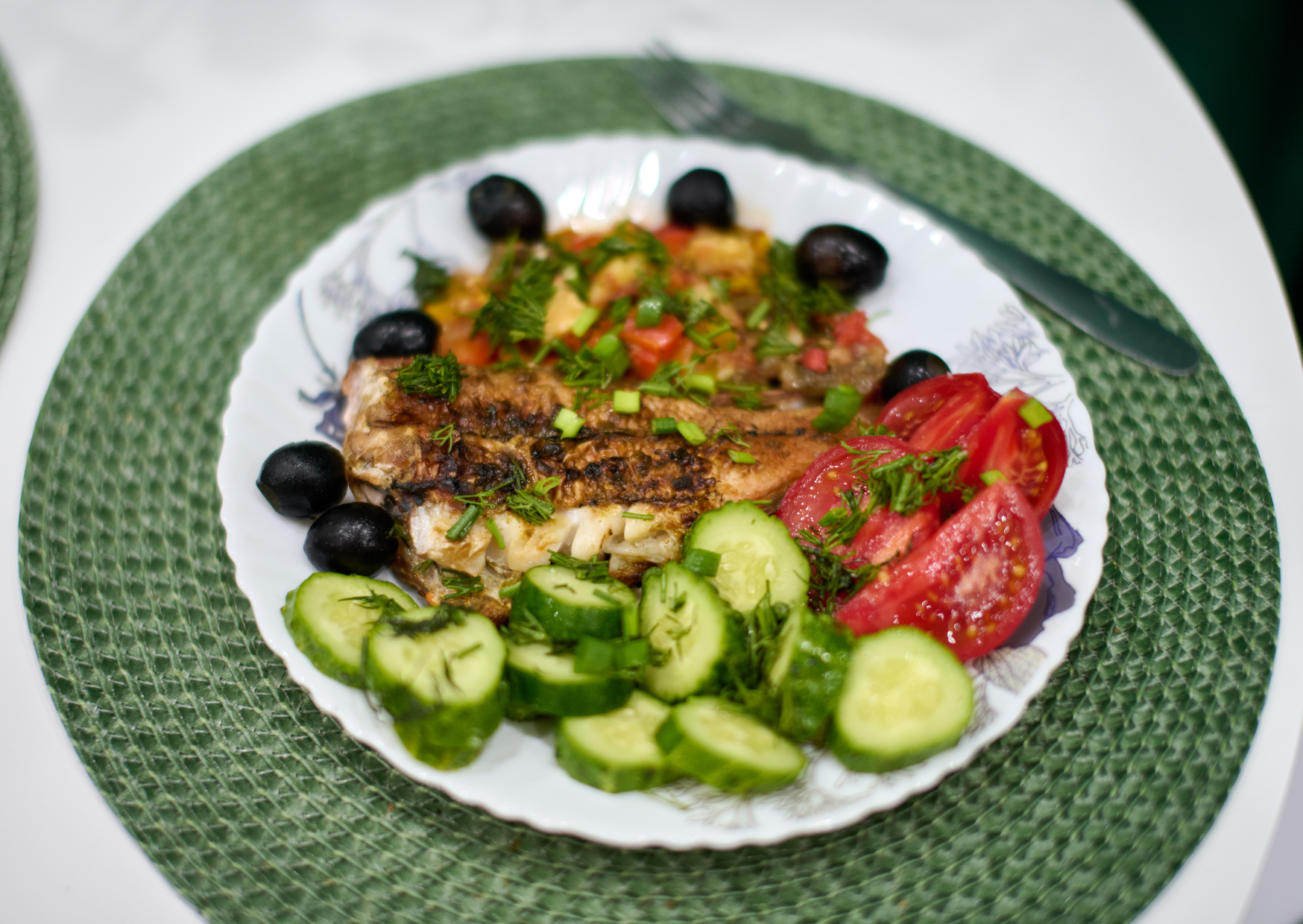
- Light evening meal. Soup and salad. Tortilla and tomatoes. Grilled vegetables and a bit of cheese. Early enough to respect sleep.
This rhythm takes the scary items and gives them a job. Bread becomes a vehicle for olive oil and satiety. Wine becomes an accessory to slow food and disappears when the table clears. The nap becomes a reset in the middle of the day rather than a punishment for late dinner. The walk closes the loop.
Remember: the day is the intervention.
What olive oil and bread do together at midday that they do not do at night
Bread without work is a sugar event. Olive oil without a plate is a calorie event. Together at lunch, inside a full meal, they reduce speed and increase satiety. The oil lowers the glycemic rush of the starch and carries flavor so you need less of everything else. The bread keeps you from chasing hunger between lunch and dinner because you actually felt full when you should have.
At night, the pair performs worse. You are tired, you do not walk after, and you go straight to screens or bed. Timing turns the same food into a different hormone story. Midday starch with fat seats you. Night starch with fat sits on you.
Key reminder: use bread and oil to end hunger, not to fill boredom.
The wine part, explained like an adult
Some Mediterranean adults drink wine with lunch. Many drink none. When they do, it is one glass with food and then the day continues. The alcohol peaks while digestion is already busy and movement follows. The liver is not asked to deal with drinks on an empty stomach after a day of stress hormones. The blood pressure response is different. The sleep response is different. The habit looks casual but it is bounded by the meal.
American wine rhythm is often the opposite. No food. Late. More than one. The cardiovascular effects are not the same. The week’s stress pours into the glass, then pours into sleep quality, then sneaks into hunger cues the next day. That is where the danger lives. Not in the molecule, in the ritual.
If you do not drink, no one here cares. If you do, put the glass back inside the meal and keep it small. The heart prefers boredom to drama.
Bottom line: dose and context decide whether wine is a pleasure or a problem.
The siesta that is not a couch crash
A short rest after lunch is not a lazy person’s reward. It is a nervous system trick. Digestive work pulls blood flow toward the gut and lowers alertness. A 20 to 30 minute off switch drops heart rate and blood pressure, then releases you back into the afternoon with less edge. The evening is calmer. Late hunger is lower. Screens do less damage.
If you sleep two hours, you will ruin your night. If you rest for half an hour and then walk the pharmacy errand, your heart does not get angry. The body never asked you to fight digestion. It asked you to design around it.
Remember inside the nap: short and followed by movement.
The foods that actually get people in trouble here
It is not bread and olive oil. It is not the tiny glass of wine for many adults. The problems show up when the Mediterranean table imports American snacking and late dinners. People start eating boxed sweets at 10 at night, picking up ultra processed chips between meals, and swapping olive oil for cheap blended fats. The rhythm breaks. Late dinner and late screens push sleep and push blood pressure up. You can see it in the pharmacies. You can see it in the waistlines. The outcomes follow.
So when you come here and declare the diet a vacation pass for dessert and cocktails, you are not doing the experiment you think you are doing. You are doing the American weekend in a prettier location.
Key line: the danger is not Mediterranean habits. The danger is importing American timing into Mediterranean ingredients.
The five mistakes Americans make when they try this at home
- Keeping dinner heavy and late while moving lunch later. You will feel groggy and swear the nap ruined your night. Fixable. Make dinner light and early, then judge.
- Treating olive oil like a drizzle on top of ultra processed meals. That is paint, not architecture. Cook in olive oil. Build meals that start with vegetables and legumes.
- Eating American bread. Soft, sweet, fast. It behaves like a dessert. Buy bread that bites back or make simple sourdough and cut the portion.
- Pouring wine without food because you are “going Mediterranean”. That is the opposite. Put the glass next to your lunch and keep it there. Skip it at night.
- Napping for an hour because you are tired from late nights. You will fragment sleep. Set a timer for 25 minutes. Walk after. Retire earlier.
Remember: copy the schedule, not the photo.
A seven day plan that forces the result without a TED talk
You can do this from any American city without changing jobs. You need a clock, a pan, and shoes.
Day 1, Monday: move the meal
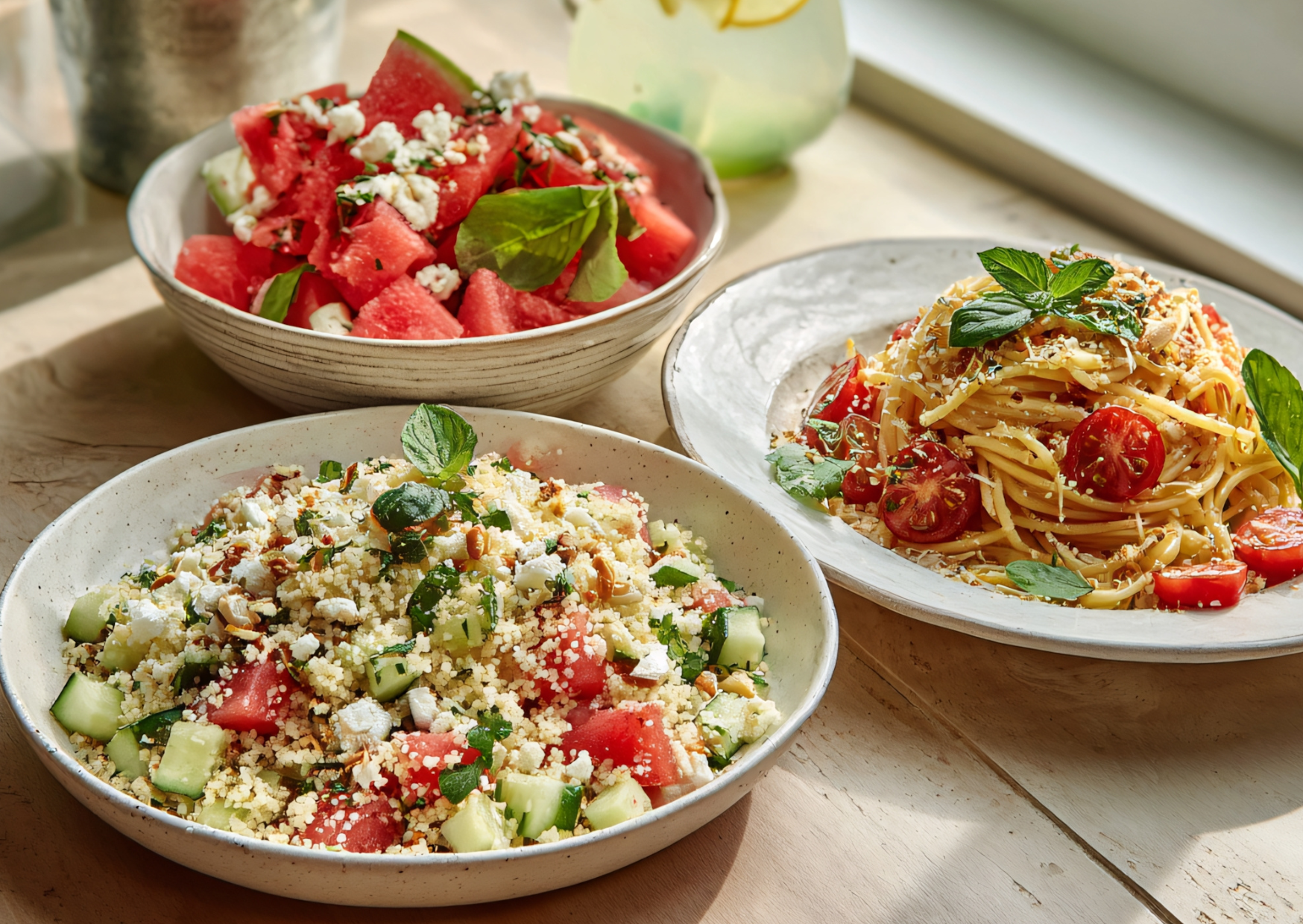
Make lunch the main meal. A big salad bowl with chickpeas or lentils, tomatoes, cucumbers, herbs, olive oil, lemon, a slice of dense bread, and a small piece of fish or chicken if you want it. Sit down. Chew. Five minutes of eyes closed after. Ten minutes of walking. Dinner is soup and a small plate.
Day 2, Tuesday: oil over fear
Cook your vegetables in extra virgin olive oil like a normal person. Zucchini and onions with garlic. White beans warmed with a spoon of oil and a squeeze of lemon. Bread on the side. If you drink, a small glass of wine with lunch only. Walk after.
Day 3, Wednesday: walk the errands
Do not call it exercise. Turn one daily errand into a fifteen minute round trip on foot. The walk is the glucose mop for lunch. It also removes the need for a 4 p.m. snack.
Day 4, Thursday: shrink dinner on purpose
Make dinner a bowl of vegetable soup and a salad. Olive oil, vinegar, salt. If you need more, a small omelette. Sleep will feel different. Set screens aside earlier than you think.
Day 5, Friday: invite someone
Mediterranean meals are not eaten in silence. Invite a friend to lunch. Share the bowl. Share the bread. Talk. Walk together. You will need less food than you think when you are not eating alone.
Day 6, Saturday: practice the short rest
Eat midday, then lie down for twenty minutes with eyes closed and phone out of reach. Set a timer. Get up and take a short loop around the block. Feel what happens to the afternoon.
Day 7, Sunday: cook one pot for the week
Beans or lentils with tomatoes and onions in olive oil, finished with herbs. Box up three lunches. You just removed the emergency door that throws you into takeout at noon.
Bold takeaway: by the end of seven days you will either feel calmer and lighter or you cheated the timing. Fix the clock before you blame the plate.
What a day of food actually looks like when you stop performing
Breakfast 10:30
Coffee, water, a slice of sourdough with olive oil and salt, a plain yogurt. Light enough to make you hungry at the right hour.
Lunch 13:45
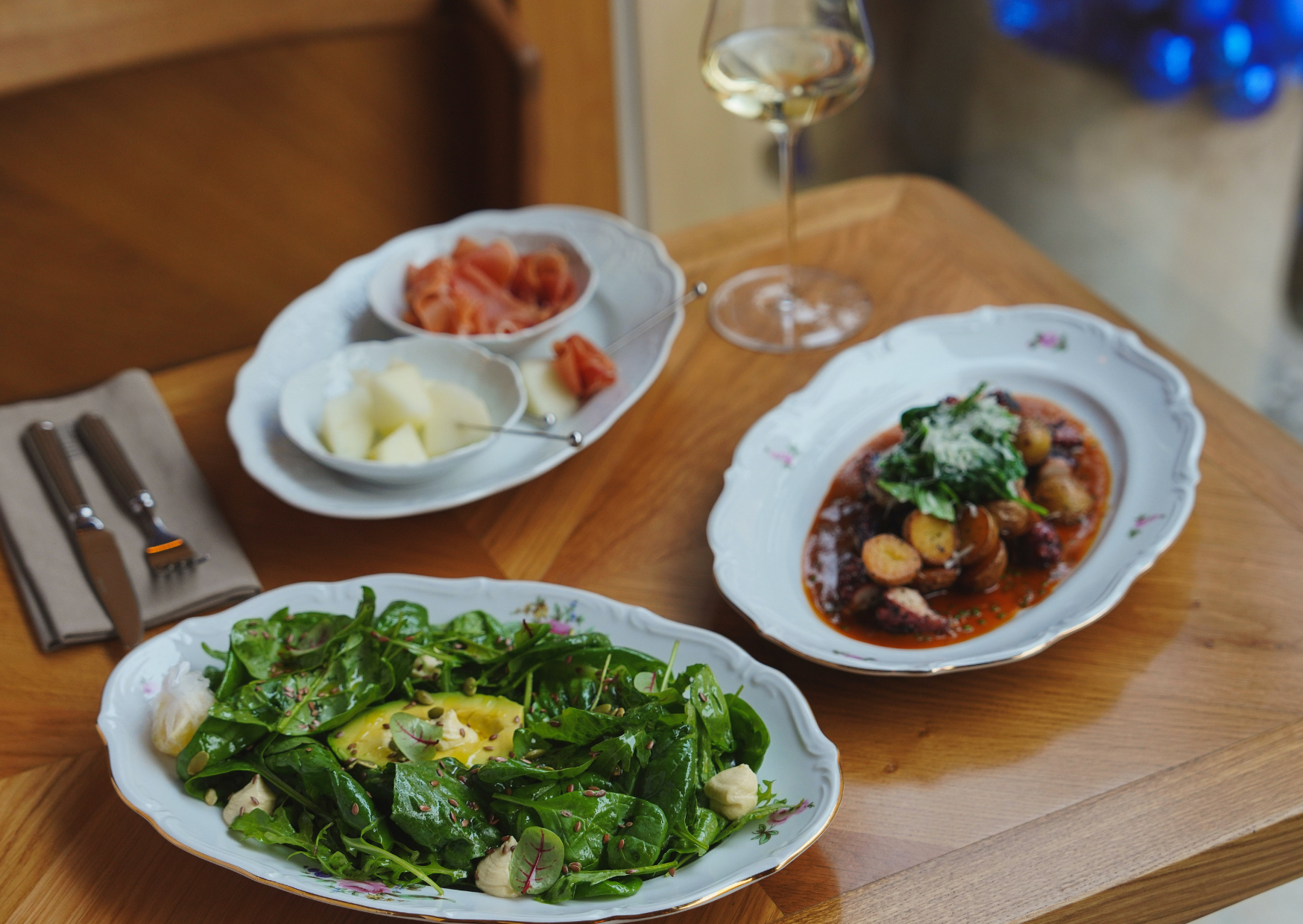
Big plate of white beans with sautéed zucchini, onion, and tomatoes in olive oil. Side salad with lemon and olive oil. A small glass of wine if you drink. A slice of bread. Fruit. Coffee.
Rest 14:30
Twenty five minutes with eyes closed. No screens.
Walk 15:00
Errands on foot. Groceries or a loop.
Dinner 19:30
Vegetable soup. A small piece of cheese and a tomato salad if you want something to chew. A pear.
That is it. No protein shakes. No bars. No evening drinks. You are full at the right time and tired at the right time.
The heart mechanisms you can feel without a microscope
- Blood pressure drops when you remove late caffeine, late alcohol, and giant evening meals. You can measure it with a cheap cuff.
- Triglycerides fall when you stop snacking and move after lunch. You can see this in labs after a month or two.
- Inflammation often cools when you replace seed oil heavy processed foods with cooked vegetables in olive oil and daily walking. You will feel it first as easier mornings.
- Glucose control improves when the big starch goes to midday with oil and fiber and is followed by movement. You will feel fewer 4 p.m. crashes.
You do not need to know every pathway. You need to notice that your afternoon feels like a different person lives there.
The parts Europeans quietly avoid that Americans romanticize
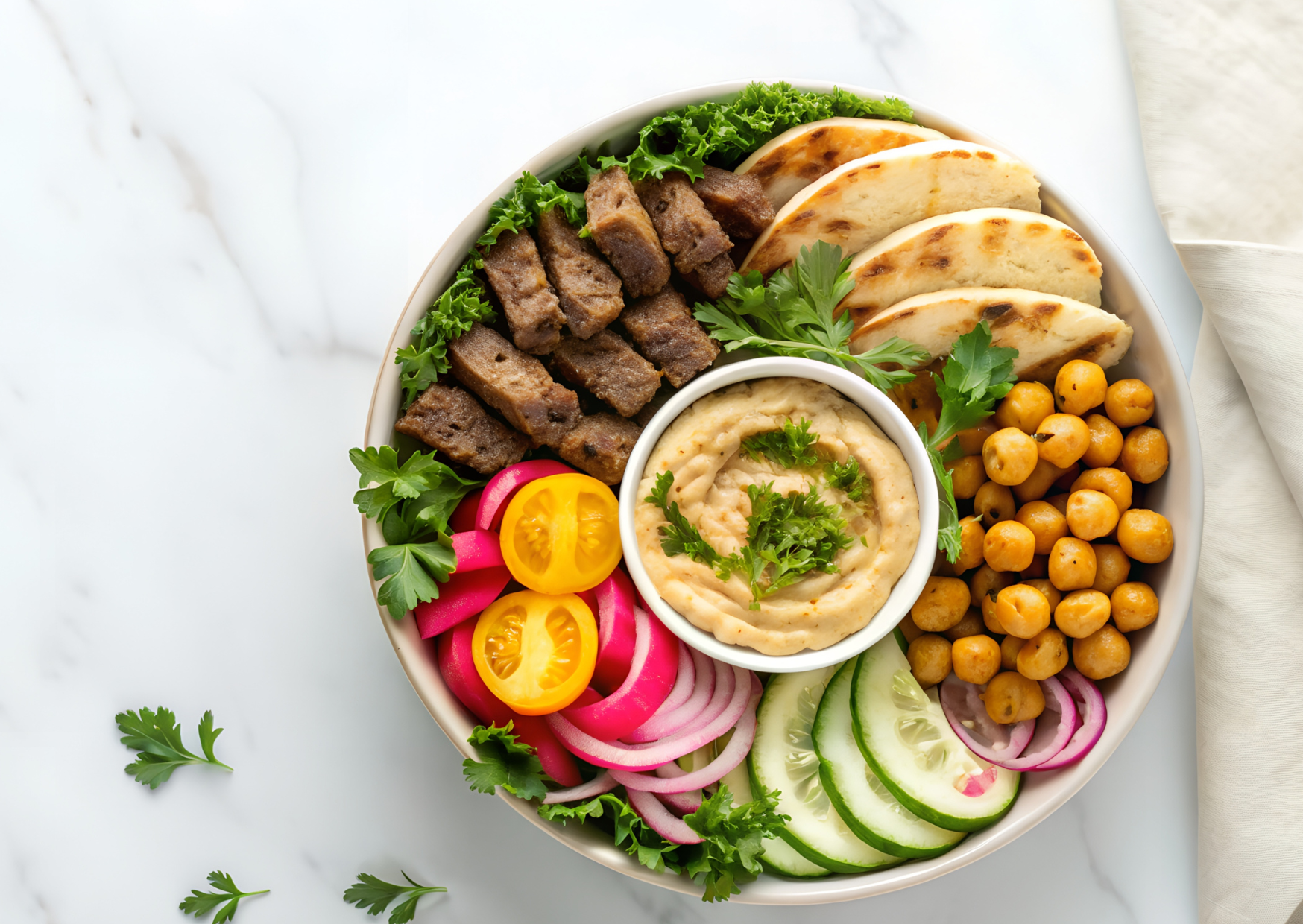
- Oversized steaks at lunch. This is not how most people eat in Spain or Italy on weekdays. Meat shows up but it rarely owns the plate.
- Dessert every day. Fruit is dessert. Cake is for a reason. When Americans copy the diet with daily sweets, the numbers get loud.
- Cocktails as a pre meal sport. Aperitifs exist, yes, but the tradition builds appetite for food, not an extra hour of drinks.
- Heavy sauces at night. Evening plates are clean. The day already made the party.
Key reminder: if you want the Mediterranean outcome, skip the tourist version.
How to order at a restaurant without destroying the rhythm
- Lunch out: pick the menu of the day. It will be vegetables plus a protein plus a side. Ask for olive oil on the table. Bread stays. Wine is small or none. Walk after.
- Dinner out: share starters, order a salad or a fish, finish early. Skip the extra drink. Plan your walk before dessert arrives so you have a reason to leave.
- Travel days: move the big meal to the earliest sitting you can find. Cafeterias in Southern Europe serve beans and greens at noon. It is not hard if you stop hunting for a burger.
Short rule: make the restaurant fit your clock.
If you want numbers, use these and ignore the noise
- Olive oil: 2 to 4 tablespoons per day across cooking and salads. This is not extravagant. It is normal.
- Wine: zero is fine. If you drink, one small glass with lunch. None at night.
- Bread: one or two small slices per day, almost always with a meal and never as a snack.
- Walking: 7,000 to 10,000 daily through errands, not forced marches.
- Rest: 20 to 30 minutes after lunch when your life allows it. If it does not, close your eyes in a chair for ten minutes. Even that helps.
Remember: numbers support rhythm, they do not replace it.
Objections you will hear and the clean replies
“Isn’t napping linked to mortality”
Long daytime sleep is a marker of sick people and broken nights. Short rests after real lunch are a different animal.
“Olive oil is high in calories”
Yes. So is the ultra processed snack you eat at 4 p.m. that olive oil made unnecessary. Satiety beats math when math ignores hunger.
“Bread is bad for blood sugar”
Bread as a snack is. Bread with oil inside a vegetable heavy lunch followed by a walk behaves differently. Test it with a meter if you like numbers.
“Wine is a carcinogen”
It is. So are many things used without context. If you do not drink, do not start. If you do, put the glass back inside the meal and end it there.
“I work American hours”
Then copy the principle, not the geography. Move your biggest real meal earlier than dinner. A full 12:30 or 1 p.m. lunch at your desk is better than a 9 p.m. blowout. Walk after. Shrink dinner. You can do this in Omaha.
A quick grocery list that makes the week unavoidable
- Extra virgin olive oil, one liter you will actually use
- Lentils and chickpeas, dried or canned
- Canned tomatoes and tomato paste
- Onion, garlic, celery, carrots, cucumbers, peppers
- Greens you will sauté, spinach or kale or chard
- Fish you like, tinned and fresh
- Eggs and a small cheese you enjoy
- Sourdough or a dense whole wheat loaf
- Lemons, oranges, apples
- Coffee and plain yogurt
If this sits in your kitchen, the Mediterranean day writes itself.
How to Follow up On This, This Week
Move your main meal to the middle of the day. Cook it in olive oil. Put vegetables on half the plate. Add beans or fish. Eat bread with it and stop there. Close your eyes for twenty minutes. Walk. Make dinner light and early. If you drink, do it once, at lunch, with food, and keep it small. Do this for seven days and then decide. If your afternoons are calmer, your sleep is cleaner, and your blood pressure cuff looks less angry, the habit you were told to fear is the one you needed to fit into the clock you actually live by.
You do not have to move to the Mediterranean to get the outcome. You have to move your day.

About the Author: Ruben, co-founder of Gamintraveler.com since 2014, is a seasoned traveler from Spain who has explored over 100 countries since 2009. Known for his extensive travel adventures across South America, Europe, the US, Australia, New Zealand, Asia, and Africa, Ruben combines his passion for adventurous yet sustainable living with his love for cycling, highlighted by his remarkable 5-month bicycle journey from Spain to Norway. He currently resides in Spain, where he continues sharing his travel experiences with his partner, Rachel, and their son, Han.