
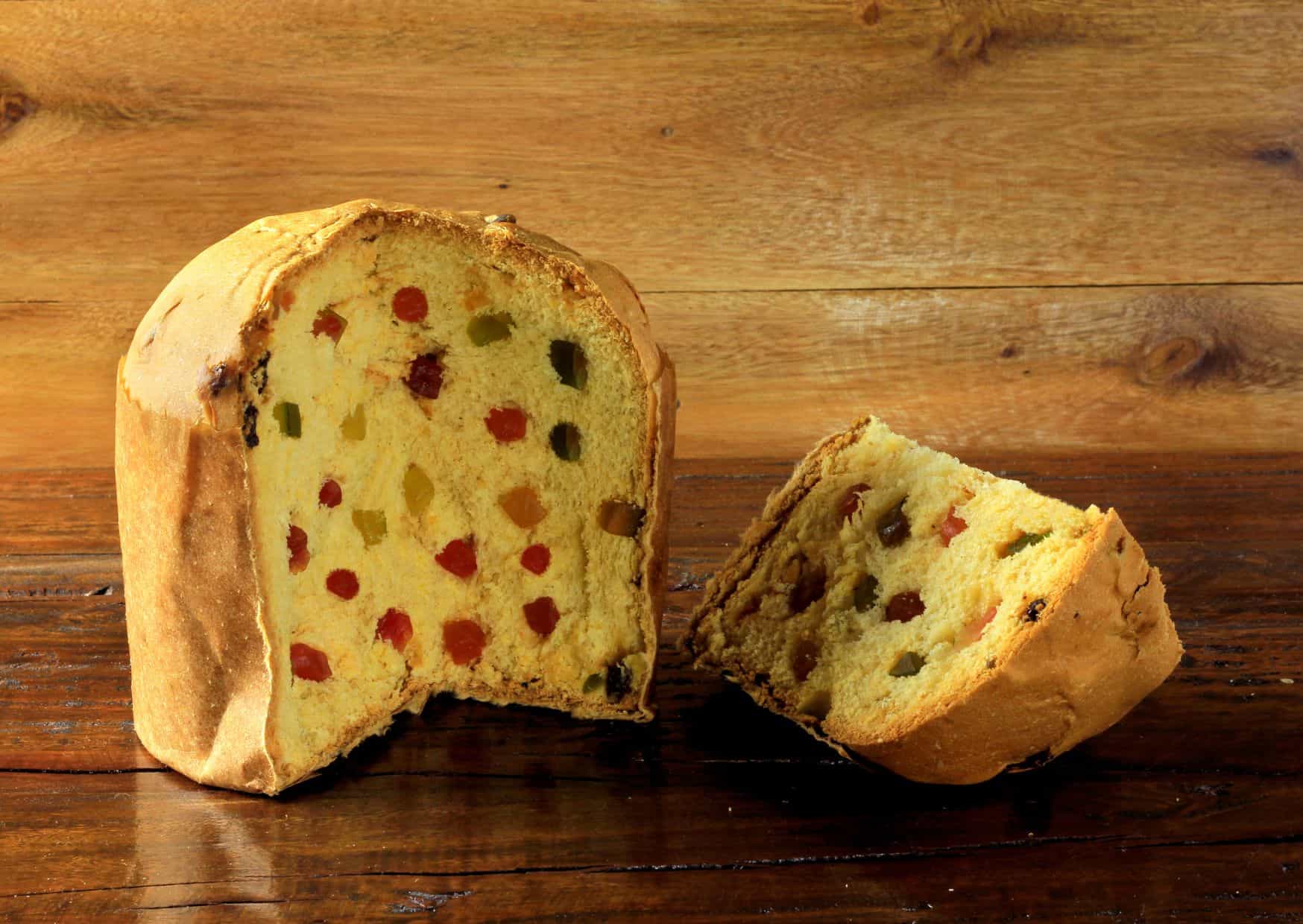
Panettone isn’t just a dessert — it’s a centerpiece of Italian holiday tradition. This tall, dome-shaped sweet bread, studded with dried fruits and citrus zest, is a staple on Christmas tables across Italy and around the world. With its airy texture, delicate sweetness, and rich cultural roots, Panettone has earned its place as one of Italy’s most iconic festive foods.
Despite its popularity, Panettone has a reputation for being one of the most challenging bakes, thanks to its long rising times, unique dough consistency, and intricate process. But with the right approach and a bit of patience, baking Panettone at home is not only possible — it’s incredibly rewarding. Few things feel as special as pulling a homemade, golden-domed Panettone out of your oven.
In this guide, you’ll learn how to make traditional Italian Panettone from scratch, complete with tips for achieving the perfect rise, texture, and flavor. Whether you’re preparing it for a festive gathering or looking for a new baking challenge, this classic recipe brings a taste of Italian holiday cheer right into your kitchen.
Read here best Italian food, vegetarian food in Italy, best drinks in Italy and best breakfast in Italy
BOOK YOUR TRAVEL INSURANCE
Two of our favorite travel insurance: Heymondo Vs Safetwing cheapest travel Insurance. You can get for $135 USD your Heymondo Travel Insurance with Heymondo discount code valid for 90 days. Read our full comparison of Genki vs Safetywing Travel Insurance Review and the comparison Heymondo vs Genki
Best Time to Eat & How to Partner This Dessert
Panettone is traditionally enjoyed during the Christmas and New Year holidays, often served as a festive dessert or alongside a celebratory breakfast. Its light, airy crumb and subtle sweetness make it perfect for sharing with family and friends during holiday gatherings, brunches, or cozy winter evenings.
Pair slices of Panettone with a glass of sweet dessert wine like Moscato d’Asti or a rich Italian coffee such as espresso or cappuccino. For a festive touch, serve it slightly warmed with a drizzle of chocolate sauce or a scoop of gelato. Some Italians even enjoy it with a dollop of mascarpone cream for extra indulgence.
While Panettone shines during the holiday season, it also makes a wonderful gift — wrapped in parchment and tied with ribbon, it’s a thoughtful, homemade token of holiday spirit. It stores well and is even better lightly toasted the next day, making it a versatile treat beyond the festive table.
One widespread misconception is that Panettone is simply a sweet bread or fruitcake. In reality, its intricate dough, made with a long fermentation process and specific flour blends, makes it closer to a hybrid of brioche and cake — a unique creation in the world of baking. Calling it “just sweet bread” overlooks the craftsmanship behind each loaf.
Another misunderstanding is that Panettone is impossible to make at home without professional tools or experience. While it’s true that traditional Panettone requires patience and careful attention to detail, home bakers around the world successfully craft it in their kitchens using basic tools and tried-and-true techniques. It’s a challenge, but not an impossible one.
And perhaps most surprising: many believe Panettone is an ancient Italian tradition, but its modern version dates back to the early 20th century, popularized by Milanese bakeries. What started as a local specialty has grown into a symbol of Italian festivity — proving that even relatively new traditions can hold deep cultural meaning.
How to Make Italian Panetonne
Italian Panetonne Recipe Ingredients
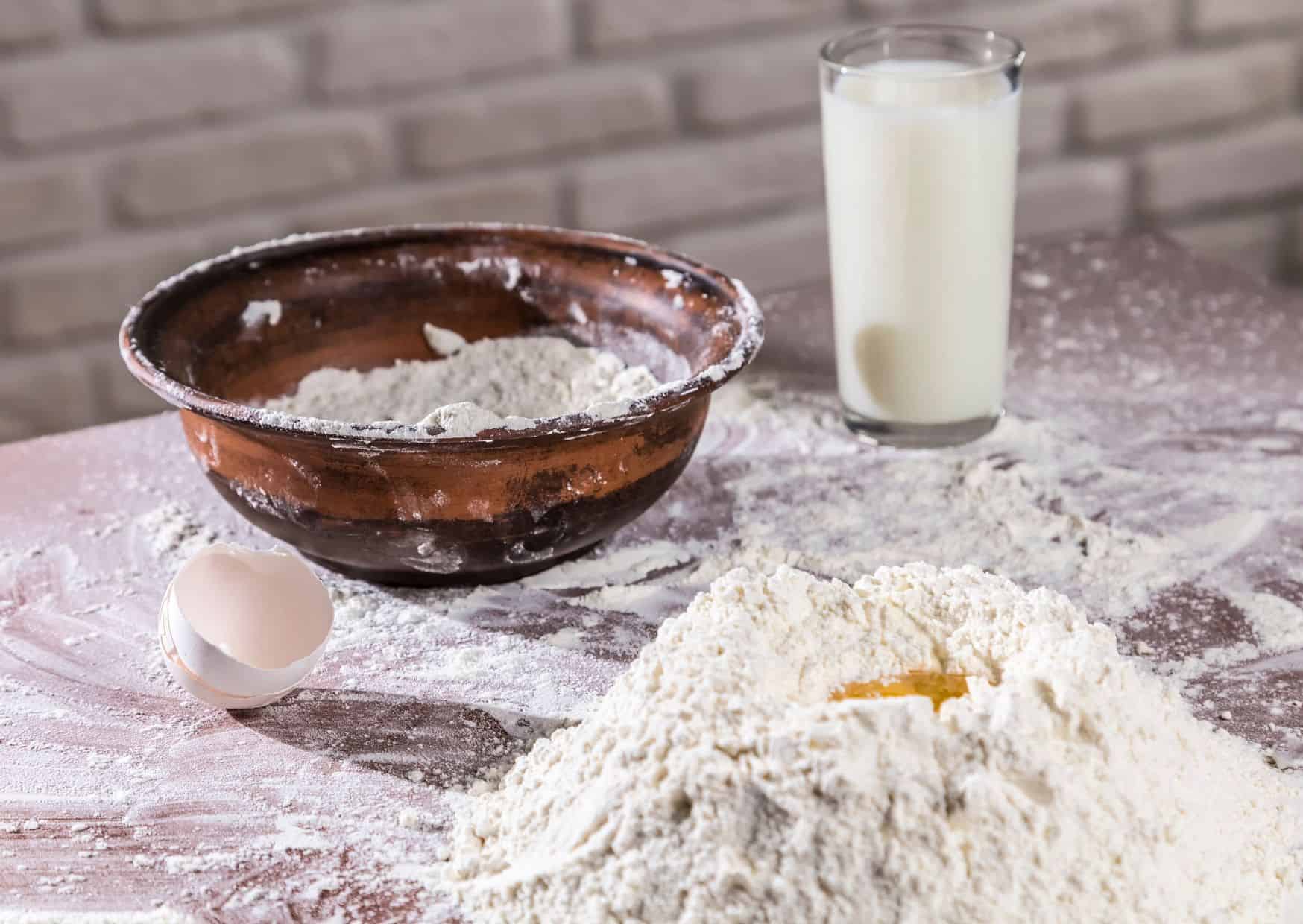
For the Starter (Biga)
1/2 cup all-purpose flour
1/4 cup warm water
1/4 teaspoon active dry yeast
For the Dough
2 1/2 cups all-purpose flour
1/4 cup granulated sugar
1/2 teaspoon salt
1/4 cup warm milk
2 large eggs + 1 egg yolk, at room temperature
1 teaspoon vanilla extract
Zest of 1 orange and 1 lemon
1/2 cup unsalted butter, softened and cut into pieces
1/2 cup raisins
1/2 cup candied orange peel (or other dried fruit, like cranberries or apricots)
For Brushing
1 egg, beaten (for egg wash)
1 tablespoon sugar (optional, for a bit of sparkle on top)
Get the best deals for your home and kitchen needs
Step By Step How to Make Italian Panetonne
Make the Starter (Biga)
In a small bowl, combine the flour, warm water, and yeast. Stir to combine. Cover the bowl with plastic wrap and let it rise at room temperature for about 4 hours, or until doubled in size and bubbly.
Prepare the Dough
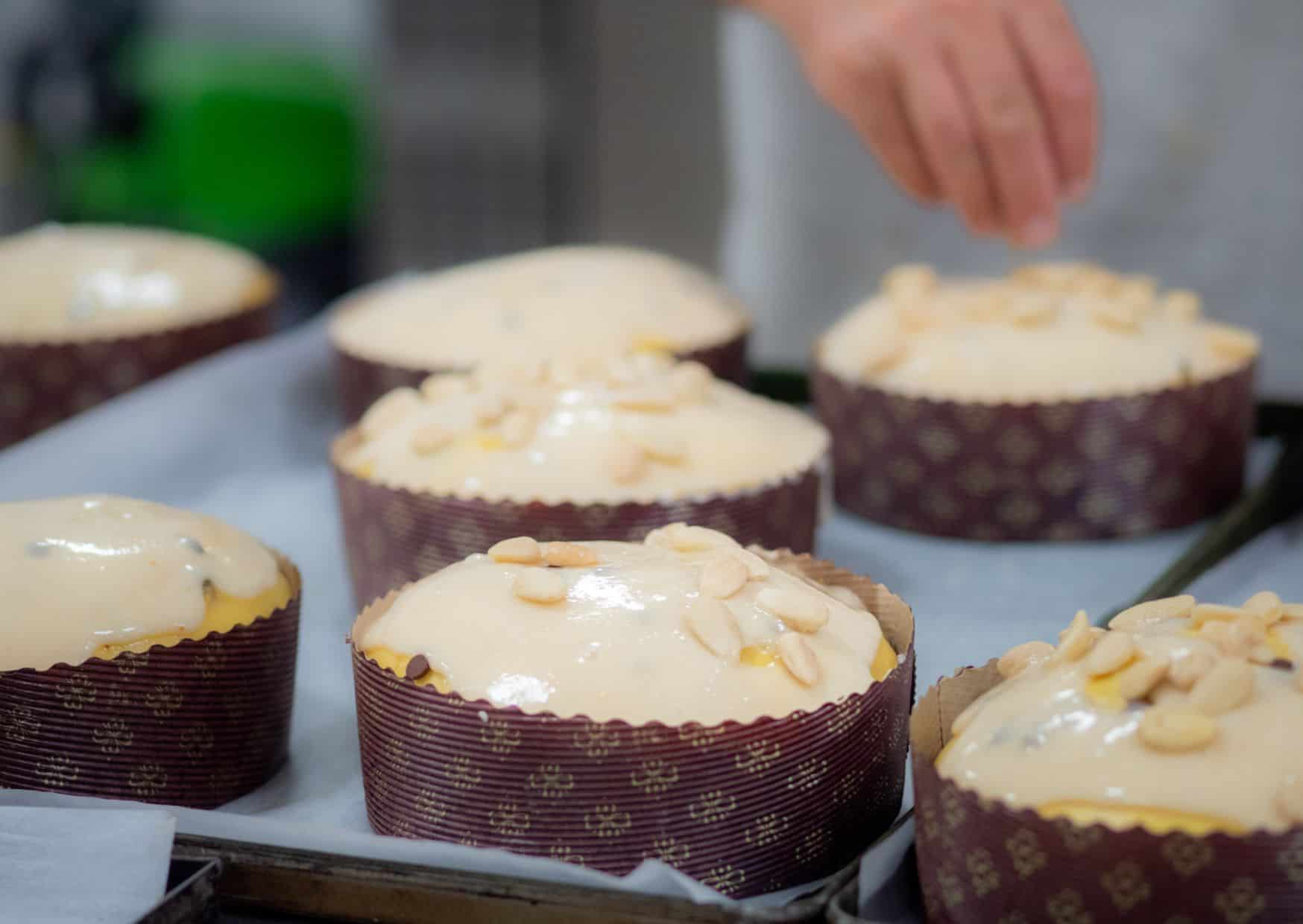
In a large mixing bowl or the bowl of a stand mixer, combine flour, sugar, and salt. Add the biga (starter), warm milk, eggs, egg yolk, vanilla extract, and citrus zest.
Using the dough hook attachment on a stand mixer or by hand, knead the dough until it starts to come together, about 5-7 minutes. The dough should be smooth but slightly sticky.
Gradually add the softened butter, a few pieces at a time, continuing to knead until the butter is fully incorporated and the dough is smooth and elastic, about 10 more minutes.
Gently knead in the raisins and candied orange peel until evenly distributed.
First Rise
Place the dough in a lightly greased bowl, cover with plastic wrap, and let it rise at room temperature for about 2 hours, or until doubled in size.
Shape and Second Rise
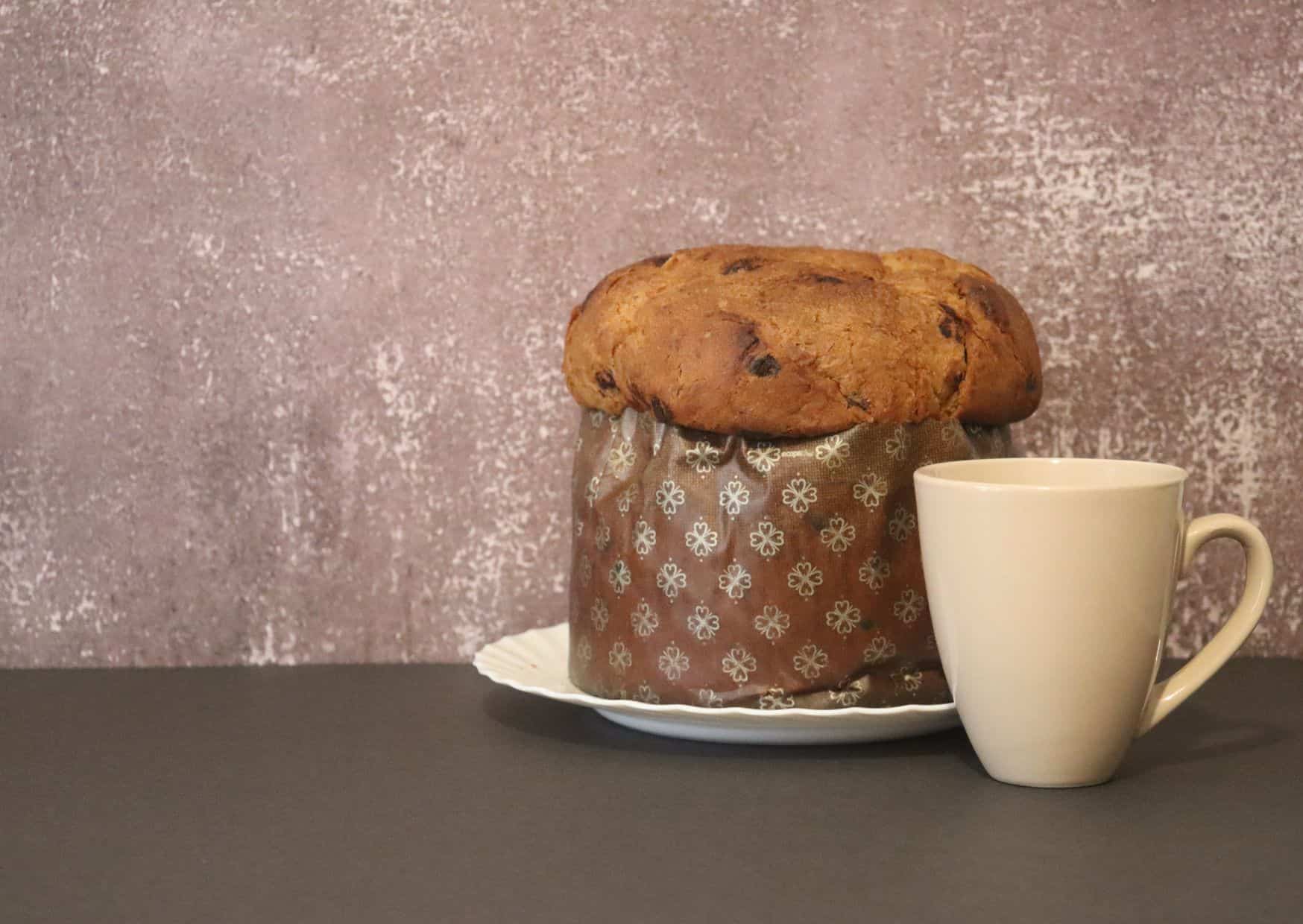
Grease your panettone paper mold or baking mold, or line it with parchment paper if not using a traditional mold.
Gently deflate the dough and shape it into a smooth ball. Place it in the prepared mold. Cover loosely with plastic wrap and let it rise again in a warm place for 2-3 hours, or until the dough has risen to the top of the mold.
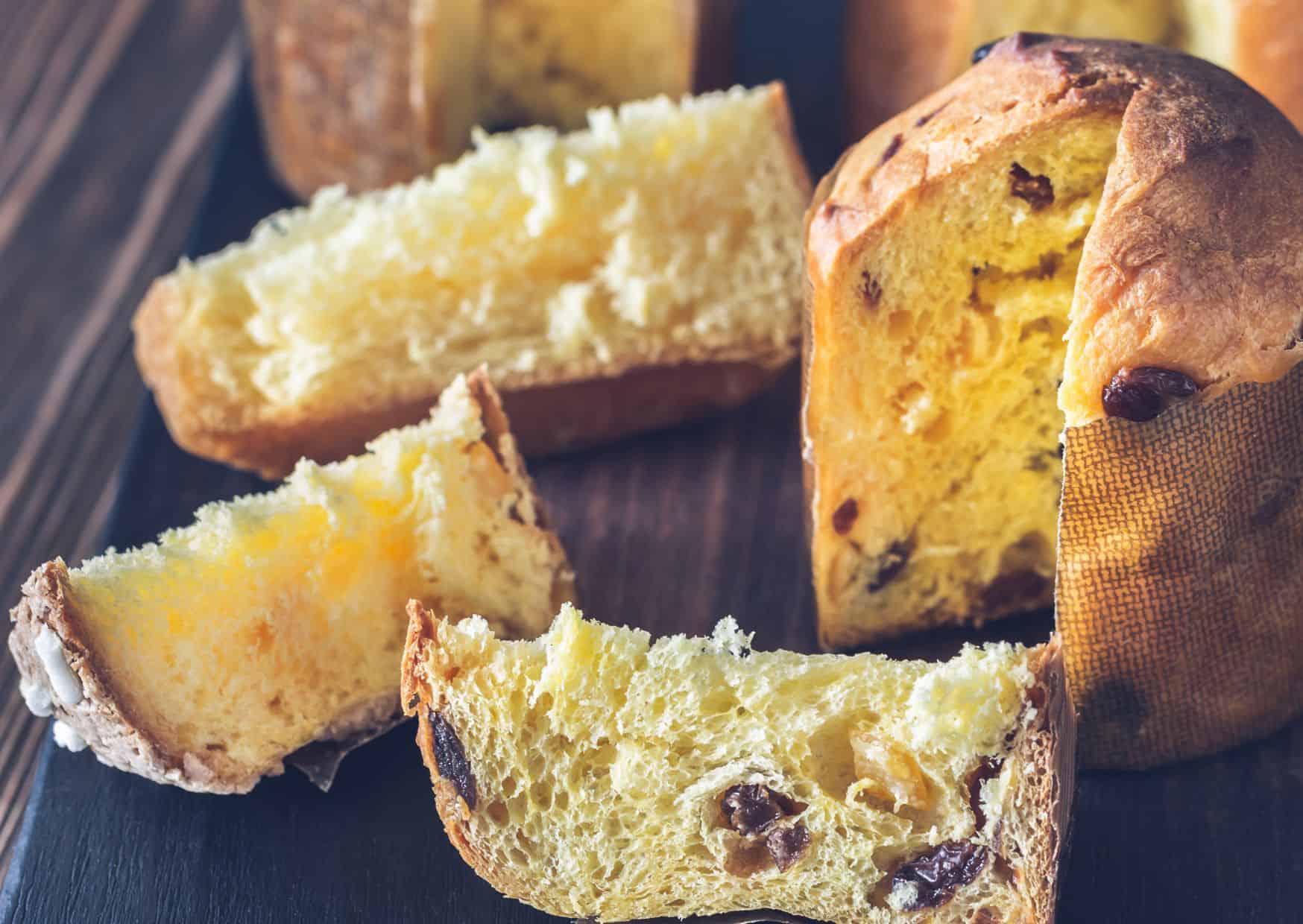
Bake the Panettone
Preheat the Oven: Preheat your oven to 350°F (175°C). Gently brush the top of the panettone with beaten egg and sprinkle with sugar, if desired.
Bake for 40-45 minutes, or until the top is golden brown and a skewer inserted into the center comes out clean. If the top browns too quickly, cover it loosely with foil. Let the panettone cool in the mold on a wire rack before serving.
Tips To Make Italian Panetonne
The biga (starter) helps give the panettone its airy texture and traditional flavor. Allowing it to rise slowly also enhances flavor.
Add the butter in small pieces to avoid greasy dough and ensure it’s fully incorporated. Panettone dough is enriched and takes longer to rise. Allow it plenty of time to double in size for the best texture.
The traditional panettone mold helps create the iconic tall shape. If unavailable, you can use a high-sided round cake pan or oven-safe bowl lined with parchment paper.
For an authentic panettone, cool it upside down to prevent collapse. You can insert skewers into the base and hang it upside down if desired.
How Many Calories Have Italian Panetonne
Calories: ~330-370 kcal
Carbohydrates: ~55g
Protein: ~6g
Fat: ~10g
Origin and History
The Italian holiday bread most people know today as panettone began as a regional specialty from Milan. Its earliest form can be traced to medieval feast days, when enriched doughs were served to celebrate religious holidays. These early loaves contained ingredients that were rare at the time, such as butter, sugar, and candied fruits, making them a symbol of prosperity in winter when food supplies were limited. The bread slowly evolved from a simple celebratory loaf into the tall, airy shape now associated with the season.
By the Renaissance, Milanese bakers refined panettone into a signature holiday treat. The introduction of long fermentation techniques allowed the dough to rise dramatically, creating the feather-light texture that distinguishes it from other sweet breads. The recipe spread across northern Italy, eventually becoming a symbol of Christmas. Wealthy families gifted the bread to guests, and bakeries began producing larger quantities each December. Over time, the tradition reached other regions, each adding subtle variations.
In the twentieth century, commercial bakeries transformed panettone from a regional specialty into an international holiday icon. Industrial production made the bread widely available, allowing families around the world to enjoy a slice of Italian tradition. Despite this expansion, artisan bakeries in Milan still protect traditional practices, using natural starters and long fermentation. Today, panettone represents both mass celebration and craftsmanship, linking modern tables to centuries of Italian culinary history.
The popularity of store-bought panettone has sparked debate among bakers. Traditionalists argue that the bread’s true character comes from slow fermentation and natural yeast that develop complex flavors over several days. They believe industrial versions rely on shortcuts, reducing the depth of flavor and texture. Supporters of commercial production argue that accessibility matters more than purism, and that mass-market loaves allow the tradition to survive beyond the bakeries of Milan.
Another controversial topic concerns the fillings. Classic panettone uses candied citrus and raisins, but modern variations include chocolate, pistachios, nuts, and even creams. Purists claim that changing the filling moves the bread too far from its historical roots and risks turning it into a generic sweet loaf. Others welcome innovation, seeing it as a natural part of culinary evolution. The tension reflects differing views on whether tradition should be preserved exactly or adapted for contemporary tastes.
The question of baking panettone at home also creates strong opinions. Some home bakers celebrate the challenge, seeing it as the pinnacle of holiday bread making and an opportunity to understand fermentation deeply. Others argue that the difficulty of the process discourages people from trying and can overshadow the joy of the holiday season. The debate highlights how culinary traditions balance complexity with accessibility, and how a single recipe can embody both professional craftsmanship and everyday celebration.
How Long It Takes to Prepare
Baking authentic panettone requires several stages spread over at least two days. The process begins with creating or refreshing a natural starter, which must be fed multiple times to achieve the strength needed for long fermentation. Mixing the dough involves incorporating butter, eggs, sugar, and flour in several steps, allowing each addition to be fully absorbed before continuing. This slow approach ensures the dough develops elasticity and structure.
After mixing, the dough undergoes a long rise, often overnight, followed by a second rise after shaping. The distinctive tall form of panettone requires careful proofing, usually in a paper mold that supports the dough as it expands. During this stage, the dough must be monitored closely to prevent over-proofing, which would collapse the structure. Baking takes around forty minutes, but the cooling process is just as important.
Once baked, panettone is traditionally cooled upside-down to maintain its height and prevent collapse. This stage can take several hours. The total time investment can feel demanding, but much of the work is inactive, with long stretches where the dough rests. For experienced bakers, the timeline allows room for other activities, while beginners can spread tasks over a weekend. Although time-intensive, the process rewards patience with a bread unlike any other.
Serving Suggestions
Panettone is most often served simply, sliced into wedges and enjoyed with coffee or dessert wine. Its airy texture and subtle sweetness make it easy to pair with bitter espresso or a light sparkling drink. Serving it plain highlights the delicate balance of flavors achieved through fermentation. In Italy, many families also toast slices the next morning, spreading them with butter for a rich holiday breakfast.
For a more decadent presentation, panettone can be transformed into desserts. Cut into cubes and layered with mascarpone cream, it creates a festive trifle. Toasted slices can be used in bread pudding, creating a fragrant dish that captures the aroma of citrus and vanilla. Even small pieces dipped into melted chocolate bring out its richness while keeping the preparation simple. These variations extend the life of the bread beyond a single meal.
Panettone also pairs well with savory ingredients. A soft slice combined with aged cheese or cured meats offers a surprising contrast between sweet and salty flavors. This approach nods to the bread’s origins as a celebration food, where rich ingredients were enjoyed together during feast days. Serving it alongside complementary elements allows the loaf to stand at the center of a holiday table, no matter the occasion.
Final Thoughts
Panettone’s reputation as the bread everyone buys but few bake reflects a mixture of admiration and hesitation. The loaf carries centuries of tradition and technical skill, making it both inspiring and intimidating. While many choose the convenience of store-bought versions, attempting to bake it at least once offers insight into the craftspeople who shaped its history. The process teaches patience and precision, showing how time can become an essential flavor.
The debates around authenticity and innovation show that panettone is more than a holiday dessert. It represents cultural memory, regional identity, and the evolution of culinary techniques. Whether one prefers the classic recipe or modern variations, the shared experience of enjoying it during the holidays connects people across generations and borders. The bread combines luxury with simplicity, blending familiar ingredients into something extraordinary.
Ultimately, the choice to bake panettone at home depends on personal curiosity. Those who make the effort discover that the reward lies not only in the final product but in the journey. Watching dough rise, smelling citrus and vanilla fill the kitchen, and sharing the finished loaf all add layers of meaning. Whether bought or baked, panettone remains a celebration of tradition, a reminder that some dishes hold their magic through the stories they carry as much as their taste.

About the Author: Ruben, co-founder of Gamintraveler.com since 2014, is a seasoned traveler from Spain who has explored over 100 countries since 2009. Known for his extensive travel adventures across South America, Europe, the US, Australia, New Zealand, Asia, and Africa, Ruben combines his passion for adventurous yet sustainable living with his love for cycling, highlighted by his remarkable 5-month bicycle journey from Spain to Norway. He currently resides in Spain, where he continues sharing his travel experiences with his partner, Rachel, and their son, Han.