
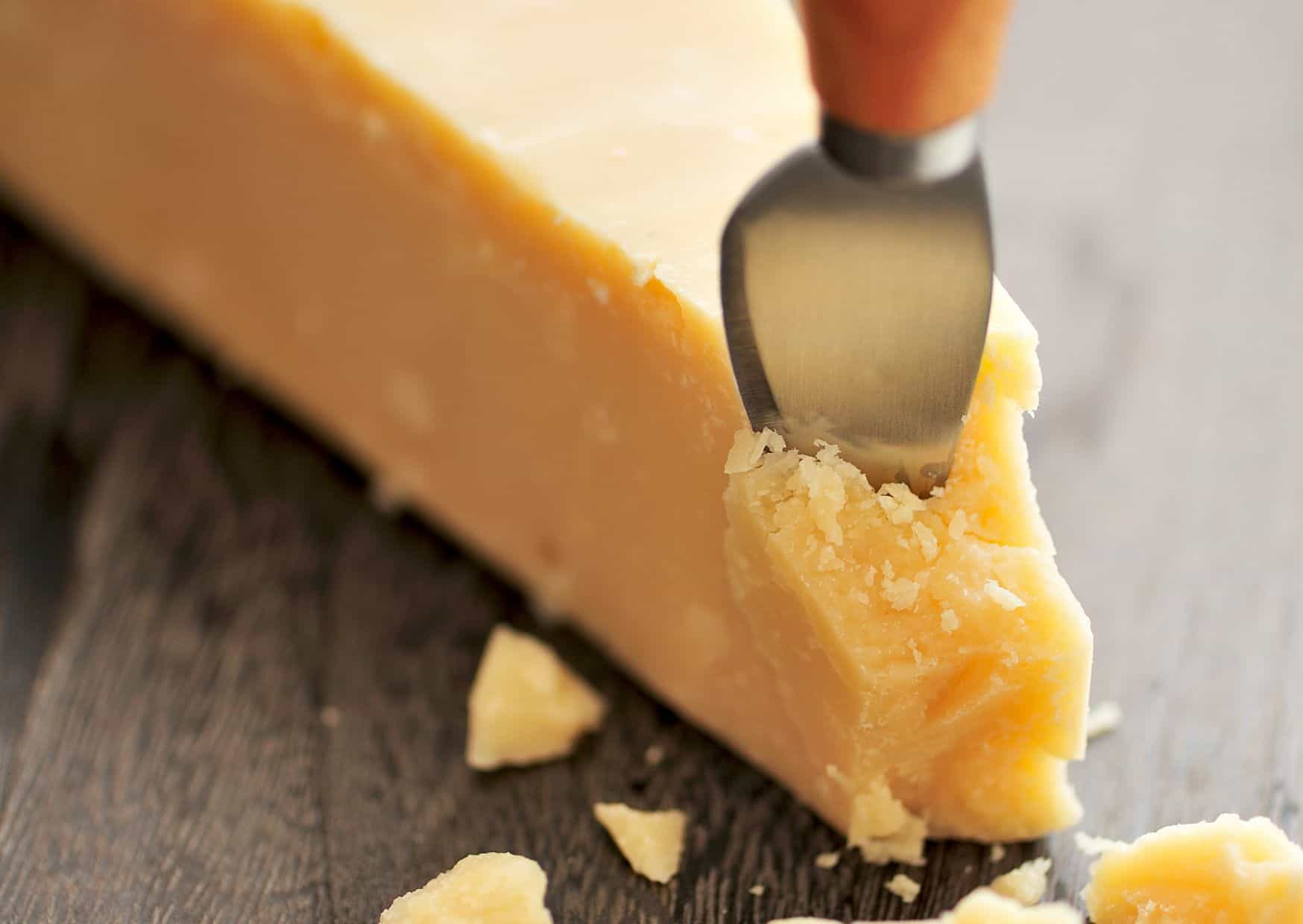
Parmigiano Reggiano isn’t just cheese it’s a centuries-old symbol of Italian heritage. Known around the world as the “King of Cheeses,” this hard, aged masterpiece is crafted under strict regulations and holds a special place on every Italian table. Its nutty, salty, deeply savory flavor elevates everything from pasta to risotto, but few realize what actually goes into making it or that you can replicate a version of it at home.
With its origins in the Emilia-Romagna region of Italy, Parmigiano Reggiano is a Protected Designation of Origin (PDO) product, meaning it must be made under specific conditions to carry the name. Authentic wheels can age for up to 36 months, developing a rich umami character that no grated supermarket cheese could ever match. While making the real deal at home may not meet PDO standards, a simplified version is possible with the right technique, patience, and respect for the process.
This guide dives into how to recreate a homemade variation of Parmigiano Reggiano in your own kitchen along with tips on how to eat it, how to pair it, and what most people misunderstand about this iconic cheese.
Read here best Italian food, vegetarian food in Italy, best drinks in Italy and best breakfast in Italy
Read Here Things to know before visiting Italy and how to buy a sim card in Italy.
BOOK YOUR TRAVEL INSURANCE
Two of our favorite travel insurance: Heymondo Vs Safetwing cheapest travel Insurance. You can get for $135 USD your Heymondo Travel Insurance with Heymondo discount code valid for 90 days. Read our full comparison of Genki vs Safetywing Travel Insurance Review and the comparison Heymondo vs Genki
How to Eat
Parmigiano Reggiano is far more than a pasta topping. The best way to eat it is in chunks, broken off by hand or a special Parmesan knife, and savored alone or with a drizzle of aged balsamic vinegar. It’s commonly enjoyed with fresh pears, walnuts, or honey as part of a traditional Italian antipasto. For cooking, it can be grated into pasta, shaved over salads, or stirred into risottos just before serving for a rich finish.
One of the best parts of Parmigiano is its versatility—even the rind can be simmered in soups for added depth. But don’t mistake it for something to drown in red sauce; this cheese deserves respect and restraint.
How to Partner
In Italy, Parmigiano Reggiano is often paired with equally bold and structured wines. Lambrusco, Barolo, or a dry white like Verdicchio works well to balance the saltiness and umami of the cheese. When it comes to food pairing, cured meats like prosciutto di Parma, crusty bread, olives, and fresh figs make an unbeatable spread.
For non-traditional but equally delicious pairings, try it with dark chocolate, aged rum, or a robust porter beer. The goal is contrast and balance—richness that meets acidity, sweetness, or spice.
What many people don’t know—or don’t want to hear—is that most “Parmesan” cheeses sold outside Europe are nowhere near the real thing. In the U.S., “Parmesan” is a generic term that often includes fillers, anti-caking agents, and imitation flavors. In fact, much of what’s labeled as Parmesan wouldn’t legally be allowed to carry the Parmigiano Reggiano name in Europe.
This has sparked decades-long debates and even legal battles between European cheese consortia and global food companies. While some see it as just a name, Italians see it as a cultural product being cheapened and misrepresented for profit. To Italians, Parmigiano Reggiano isn’t just cheese—it’s identity, craftsmanship, and regional pride in edible form.
Another controversial take: even Italians are divided over what age Parmigiano is best. Some swear by the mild creaminess of a 12-month wheel, while purists argue that only a 36-month aged block gives the full experience. Either way, it’s clear this isn’t just a cheese—it’s a conversation starter.
How to Make Homemade Parmigiano Reggiano
Homemade Parmigiano Reggiano Recipe Ingredients
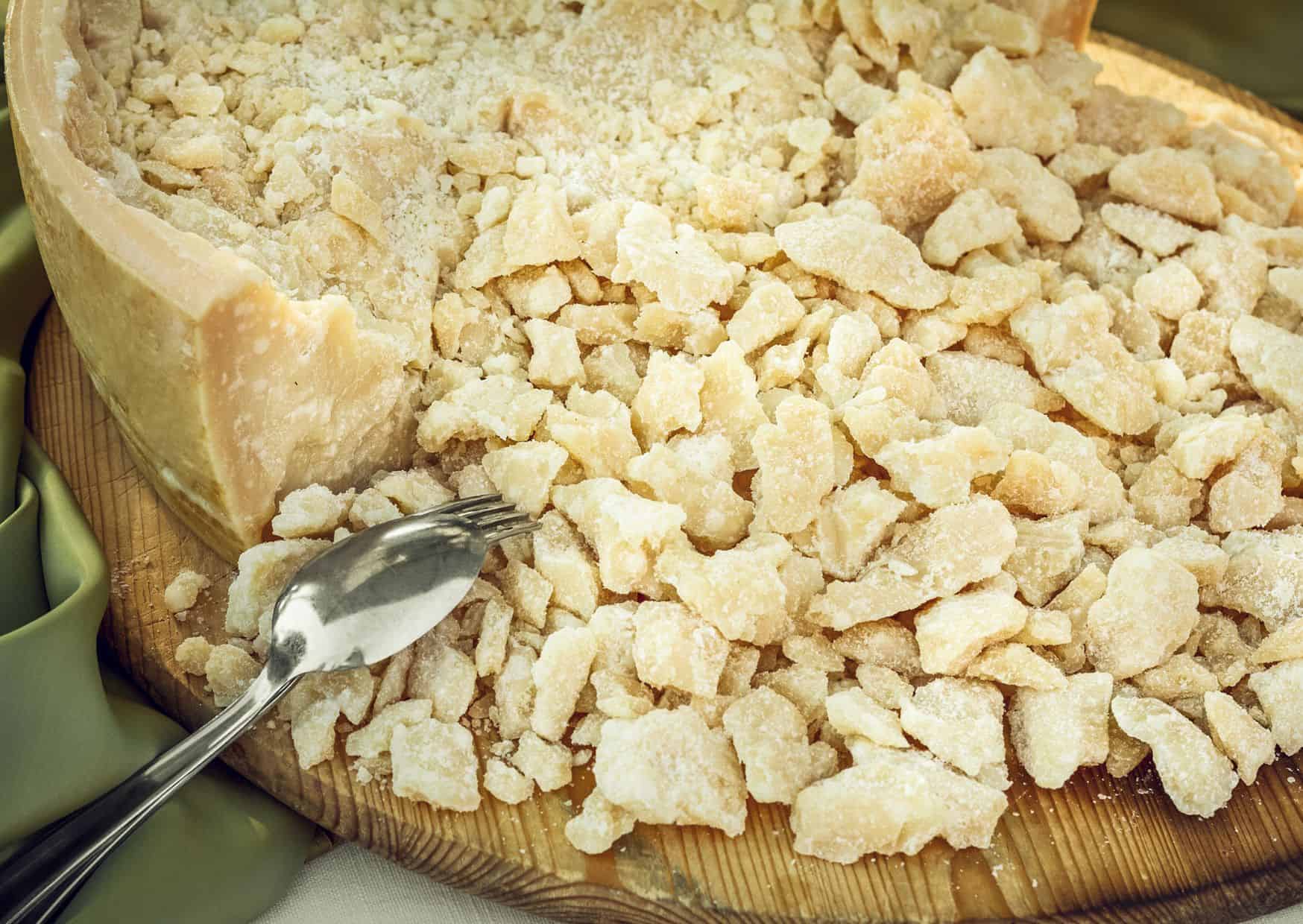
Raw cow’s milk (must be fresh, unpasteurized milk from cows fed primarily on grass and hay)
Calf rennet (an enzyme that curdles the milk)
Salt
Equipment:
Large copper cauldron (for heating the milk)
Cheesecloth
Cheese molds (with perforations)
Cheese press
Aging shelves
Get the best deals for your home and kitchen needs
Step By Step How to Make Homemade Parmigiano Reggiano
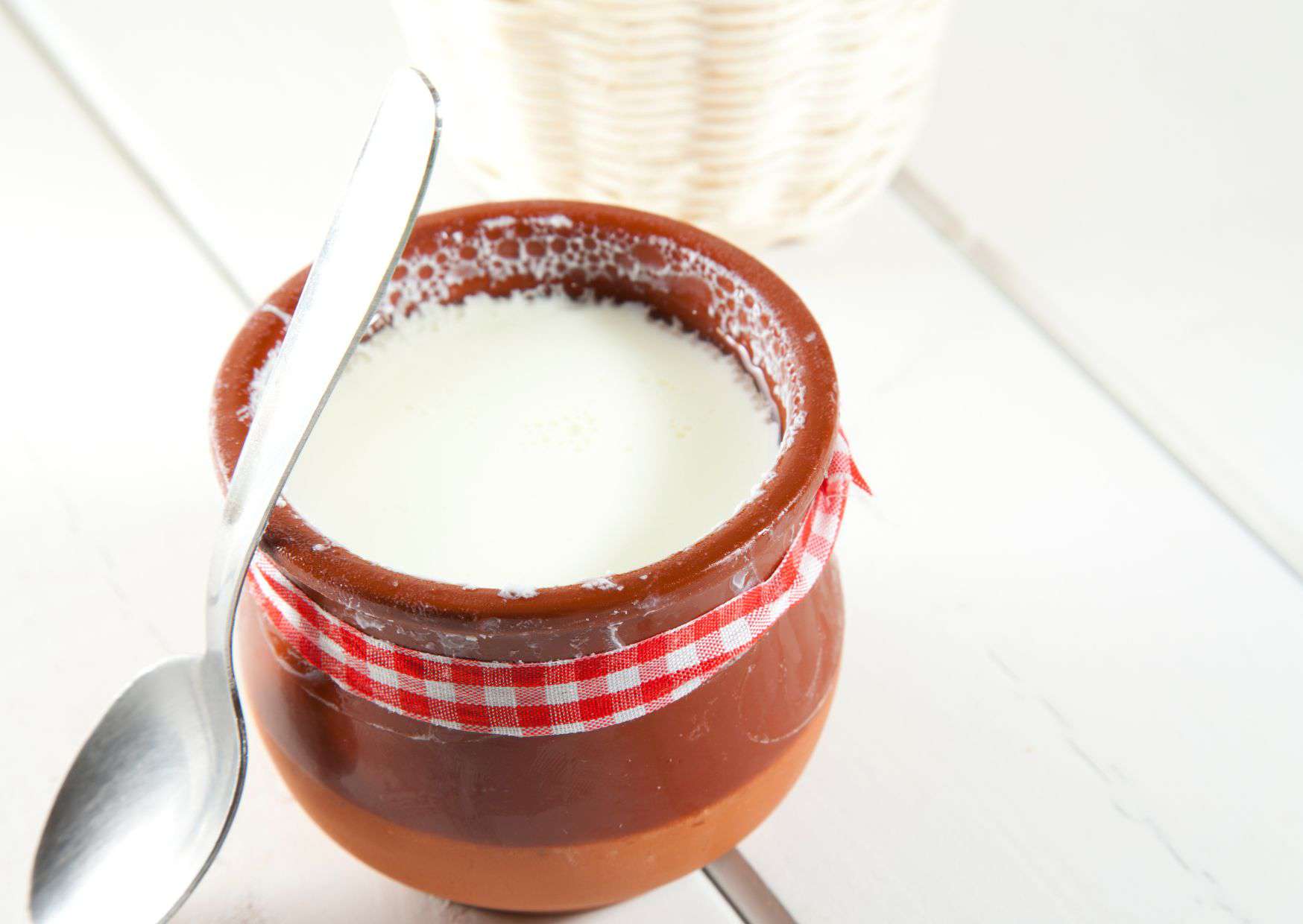
Milk Collection and Preparation
Fresh, raw cow’s milk is collected from the evening milking and left to rest overnight in large shallow vats. This allows the cream to rise to the surface, which is then skimmed off. The partially skimmed milk is combined with the morning’s whole milk to create a mixture that is ideal for cheese-making.
Coagulation
The milk is poured into a large copper cauldron and warmed to about 33-35°C (91-95°F). Calf rennet and a starter culture (natural whey from the previous day’s cheese-making) are added to the milk, causing it to curdle and form a solid mass known as curds.
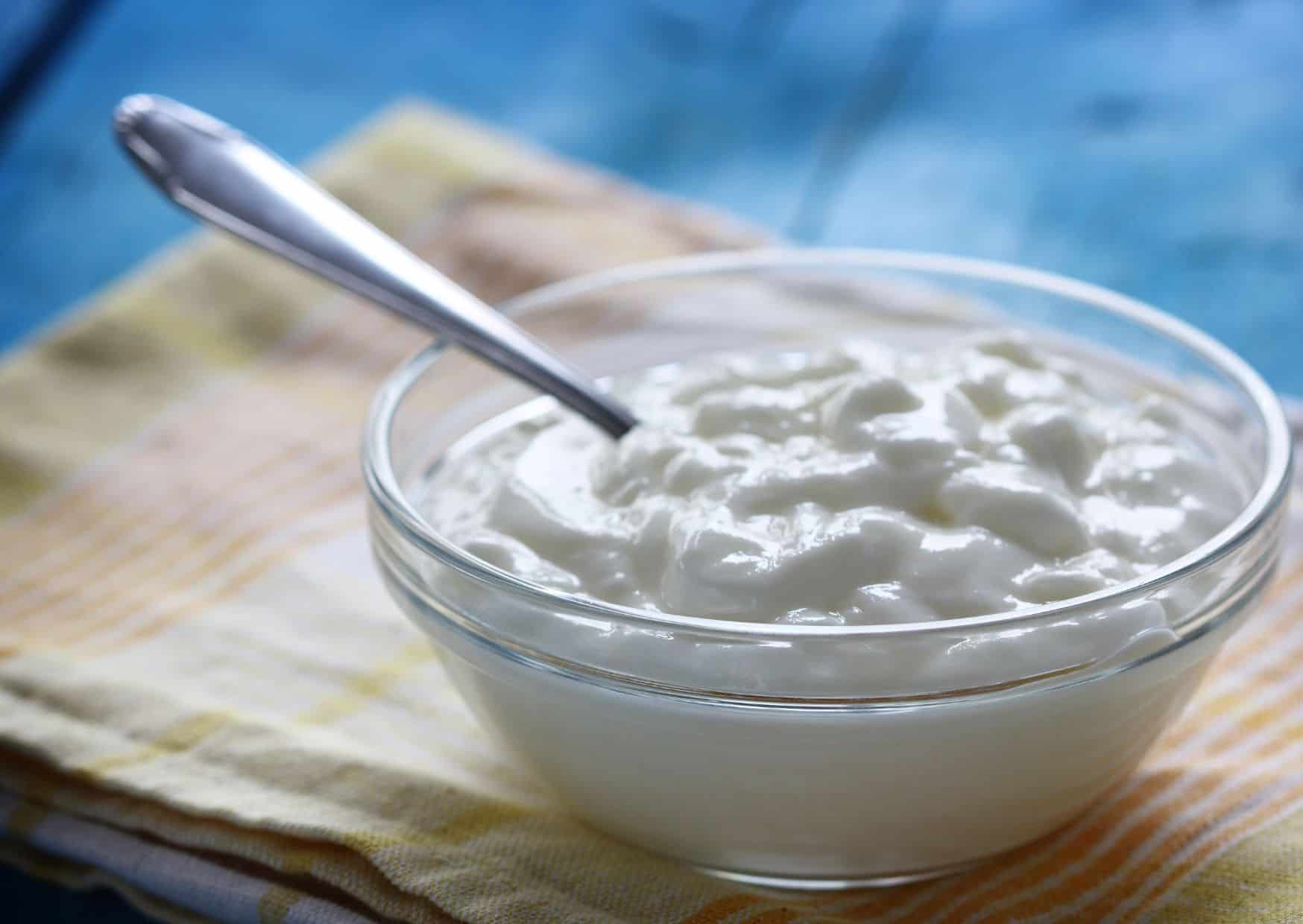
Cutting the Curds
Once the curds have formed, they are cut into tiny pieces using a tool called a “spino.” This allows the whey to separate from the curds.
Heating and Stirring
The curds are then heated to about 55°C (131°F) while being constantly stirred. This helps the curds to contract and expel more whey.
Forming the Cheese
After heating, the curds settle at the bottom of the cauldron, forming a solid mass. The mass is collected using cheesecloth and lifted out of the whey. It is then divided into two portions and placed into circular molds.
Pressing and Salting
The cheese is pressed to remove excess whey and to form its characteristic shape. The wheels are then soaked in a brine solution for about 20-25 days. This process infuses the cheese with salt, which is essential for flavor and preservation.
Aging
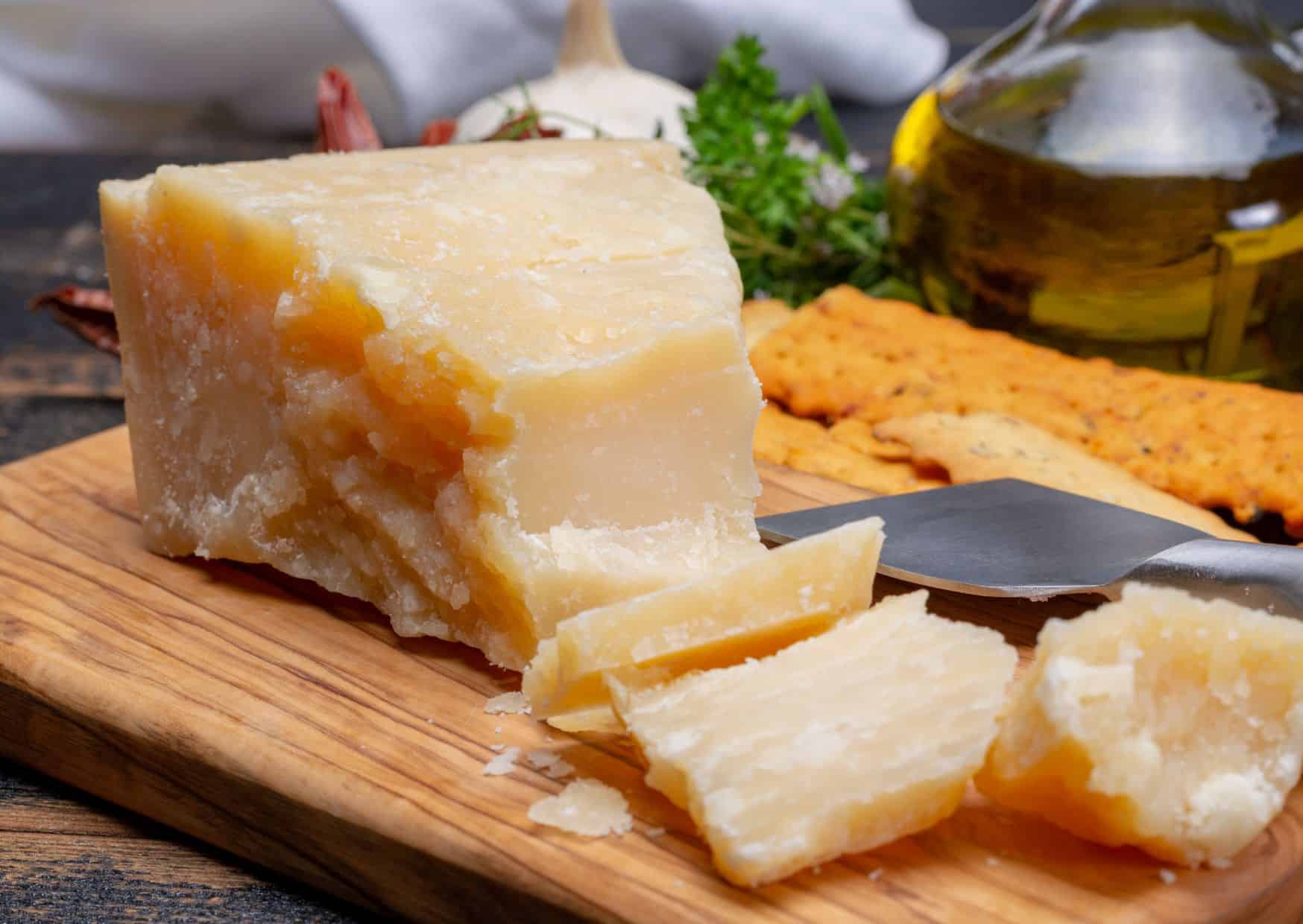
The cheese wheels are placed on wooden shelves in aging rooms where they are turned and brushed regularly. Parmigiano Reggiano must be aged for a minimum of 12 months, though it is often aged for 24, 36, or even 48 months. The aging process allows the cheese to develop its distinctive crumbly texture and rich, nutty flavor.
Quality Inspection
After aging, each wheel is inspected by experts who check for quality. Wheels that pass the inspection are branded with the Parmigiano Reggiano mark.
Tips To Make Homemade Parmigiano Reggiano
The longer the cheese is aged, the more complex and intense the flavor will be. Parmigiano Reggiano aged for 24 months is considered ideal for grating, while longer-aged varieties are excellent for eating on their own.
Once cut, Parmigiano Reggiano should be wrapped tightly in wax paper and then plastic wrap or stored in an airtight container in the refrigerator to maintain its flavor and texture.
This cheese is incredibly versatile. It can be grated over pasta, risotto, or soups, shaved into salads, or enjoyed on its own with a drizzle of balsamic vinegar or honey.
How Many Calories Have Homemade Parmigiano Reggiano
Calories Per Serving: Approximately 110-120 calories per ounce (28 grams)
Breakdown:
Protein: 10 grams
Fat: 7 grams
Carbohydrates: 1 gram
Calcium: 25-30% of the daily value
Origin and History
Parmigiano Reggiano traces its origins to medieval monastic kitchens in Emilia-Romagna, where monks developed a method to preserve excess milk from local farms. The climate of the region, paired with access to abundant grasslands, created ideal conditions for raising cattle whose milk offered a rich base for cheese production. Over centuries, small refinements in technique shaped a cheese that could age for long periods without losing flavor, transforming it from a regional staple into a treasure across Italy.
By the Renaissance period, Parmigiano was already considered a luxury food enjoyed in noble courts. Its long aging period and firm texture allowed it to travel well, contributing to its reputation outside Italy. As trade expanded, the cheese gained recognition not only for its taste but for the skill required to produce it. Regional guilds began regulating production, ensuring that certain traditions remained intact and that the cheese reflected its place of origin.
In the twentieth century, Parmigiano Reggiano received protected designation of origin status, linking its identity to specific provinces and production rules. This protection preserved the connection between the cheese and its environment, recognizing that factors like local milk, aging facilities, and traditional knowledge cannot be easily duplicated elsewhere. Today, Parmigiano represents centuries of continuity, where ancient practices coexist with modern quality standards.
Debate often emerges around the word “Parmesan,” which is used globally to describe a wide range of hard cheeses that may resemble Parmigiano Reggiano but do not follow its strict standards. Producers in Italy argue that the name carries historical meaning and should not be used for imitations made without controlled milk sources or aging requirements. Others claim that the word has become generic and reflects a style rather than a specific heritage, creating tension between tradition and market reality.
Another point of controversy concerns industrial production compared to small-scale dairies. Supporters of artisanal production argue that large facilities cannot replicate the depth of flavor created in wheels aged by hand, where subtle variations in humidity and temperature impact the result. Industrial advocates believe that wider distribution helps preserve the cheese’s cultural significance while ensuring consistency and affordability. The disagreement highlights how success can bring both opportunity and challenges to traditional foods.
The idea of making Parmigiano at home also sparks discussion. Purists insist that the cheese is inseparable from its geographical identity, arguing that the core elements come from the land itself, making replication impossible outside the designated region. Home cheese makers counter that studying the method offers insight into the craft, even if the final product cannot be labeled as Parmigiano Reggiano. The debate reflects a broader question about authenticity and how culinary knowledge should be shared.
How Long It Takes to Prepare
Making authentic Parmigiano Reggiano follows a timeline measured in months rather than hours, with aging periods ranging from one to three years. The initial steps, however, can be completed within a single day. Raw milk is heated and mixed with rennet to form curds, which are then cooked, broken, and pressed into molds. After a brine bath, the wheels begin their long maturation. Most of the time invested in the cheese is passive, relying on controlled environments rather than constant attention.
For home cooks attempting a simplified version, the process can be adapted to smaller batches without industrial equipment. Preparing curds, draining whey, and shaping a wheel may take four to five hours, followed by days of regular turning and salting. Once the initial phase is complete, the homemade cheese rests in a cool environment for several months. While the result will not achieve the complexity of the original, it offers valuable experience in traditional cheese making.
During aging, the cheese develops its signature texture as proteins break down and flavors concentrate. Regular monitoring ensures that the rind remains intact and moisture levels remain stable. Even with a simplified approach, patience becomes the main ingredient. The time involved explains why authentic Parmigiano carries both cultural and economic value. Every wheel represents months of slow transformation, guided by tradition rather than speed.
Serving Suggestions
Parmigiano Reggiano is most often grated over pasta, where its nutty flavor enhances the sauce without overpowering it. Aged wheels offer small crystals that break apart easily, melting into warm dishes and adding complexity. Beyond pasta, thin shavings can elevate risotto, grilled vegetables, or soups, bringing a savory depth that complements simple ingredients. Its versatility is one reason the cheese has become essential in countless recipes.
The cheese also stands beautifully on its own. Served in chunks with balsamic vinegar or fresh pears, it reveals layers of sweetness and salt that develop during long aging. When paired with cured meats or crusty bread, it becomes a centerpiece that invites slow eating and conversation. The firm texture allows it to be cut into bite-sized pieces, making it ideal for shared tables where diners explore its flavor without distraction.
For wine pairings, Parmigiano works well with both sparkling and rich reds. The freshness of sparkling wines cuts through its richness, while bold reds draw out deeper aromas from the cheese. Even simple pairings, such as mineral water or warm bread, highlight the cheese’s complexity. Its character is strong enough to stand alone, yet gentle enough to elevate other foods without dominating them.
Final Thoughts
Parmigiano Reggiano has earned its reputation as the king of cheese through centuries of care, consistency, and connection to its region. The craftsmanship behind each wheel reflects knowledge passed between generations rather than modern shortcuts. Its distinct qualities are the result of time, local environments, and a clear understanding that certain foods cannot be rushed. For many, this cheese represents a deeper idea about cooking itself: patience creates flavor that cannot be imitated.
Exploring the history of Parmigiano shows how food can carry cultural significance beyond taste. It underscores the importance of preserving regional traditions even as cuisine becomes global. At the same time, attempting a simplified version at home can cultivate respect for the craft and deepen appreciation for the authentic product. The experience reveals how much effort hides behind a small pile of grated cheese on a plate.
Ultimately, whether enjoyed as part of an elaborate dish or tasted alone, Parmigiano Reggiano offers more than richness. It delivers a connection to place, to history, and to people whose work spans long periods of time. Its story invites reflection on how heritage survives through everyday meals. Making the cheese at home will not replicate the original, but it will reveal why the authentic version stands apart, reminding anyone who tastes it that some foods earn their title through patience and legacy.

About the Author: Ruben, co-founder of Gamintraveler.com since 2014, is a seasoned traveler from Spain who has explored over 100 countries since 2009. Known for his extensive travel adventures across South America, Europe, the US, Australia, New Zealand, Asia, and Africa, Ruben combines his passion for adventurous yet sustainable living with his love for cycling, highlighted by his remarkable 5-month bicycle journey from Spain to Norway. He currently resides in Spain, where he continues sharing his travel experiences with his partner, Rachel, and their son, Han.