
Why Bother Knowing This?
Italy captures the imagination of travelers with its ancient ruins, world-class art, and (of course) mouthwatering cuisine. But beneath those iconic tourist draws lie everyday customs and habits that can be downright surprising—sometimes even “scandalous”—to Americans. While these habits may not literally cause mass uproar in the U.S., they can certainly spark some raised eyebrows or amused confusion. By understanding them, you’ll not only avoid awkward situations but also unlock a deeper appreciation for the culture that Italians hold dear.
Here are seven daily habits that Italians take in stride but which might leave your American friends (or you, if you’re American) asking, “Wait, what just happened?”
Looking for More Travel & Culture Reads?
– They Don’t Work 24/7: 5 Vacation Customs in Europe That Drive Americans Crazy
– 7 Dress Code Shocks Americans Face in Italy
– 9 European Beach Habits That Shock First-Time Tourists
Quick Easy Tips
Don’t overcomplicate coffee—order an espresso and enjoy it like a local.
Leave extra time for social plans; punctuality is looser than in the U.S.
Respect food customs, even if they feel strict—it’s part of honoring Italian culture.
One controversial habit is Italy’s relationship with time. Italians often approach punctuality with more flexibility than Americans, especially in social situations. What Americans might view as “running late” is often seen in Italy as a natural rhythm of life. Critics call it disorganized, but locals embrace it as a way of prioritizing relationships over schedules.
Another debated difference is coffee culture. In Italy, coffee is fast, strong, and consumed standing at a bar, while Americans linger over large cups. Italians may find the American love for flavored lattes excessive, while Americans might see Italian minimalism as limiting. Both sides argue their ritual is superior, reflecting deeper cultural values about pace and comfort.
Finally, there’s controversy around food rules. Italians are known for strict culinary traditions, like never pairing cappuccino with meals or limiting pasta portions. Americans often see these rules as overly rigid, while Italians believe they preserve balance and authenticity. The disagreement shows how food is not just nourishment but identity.
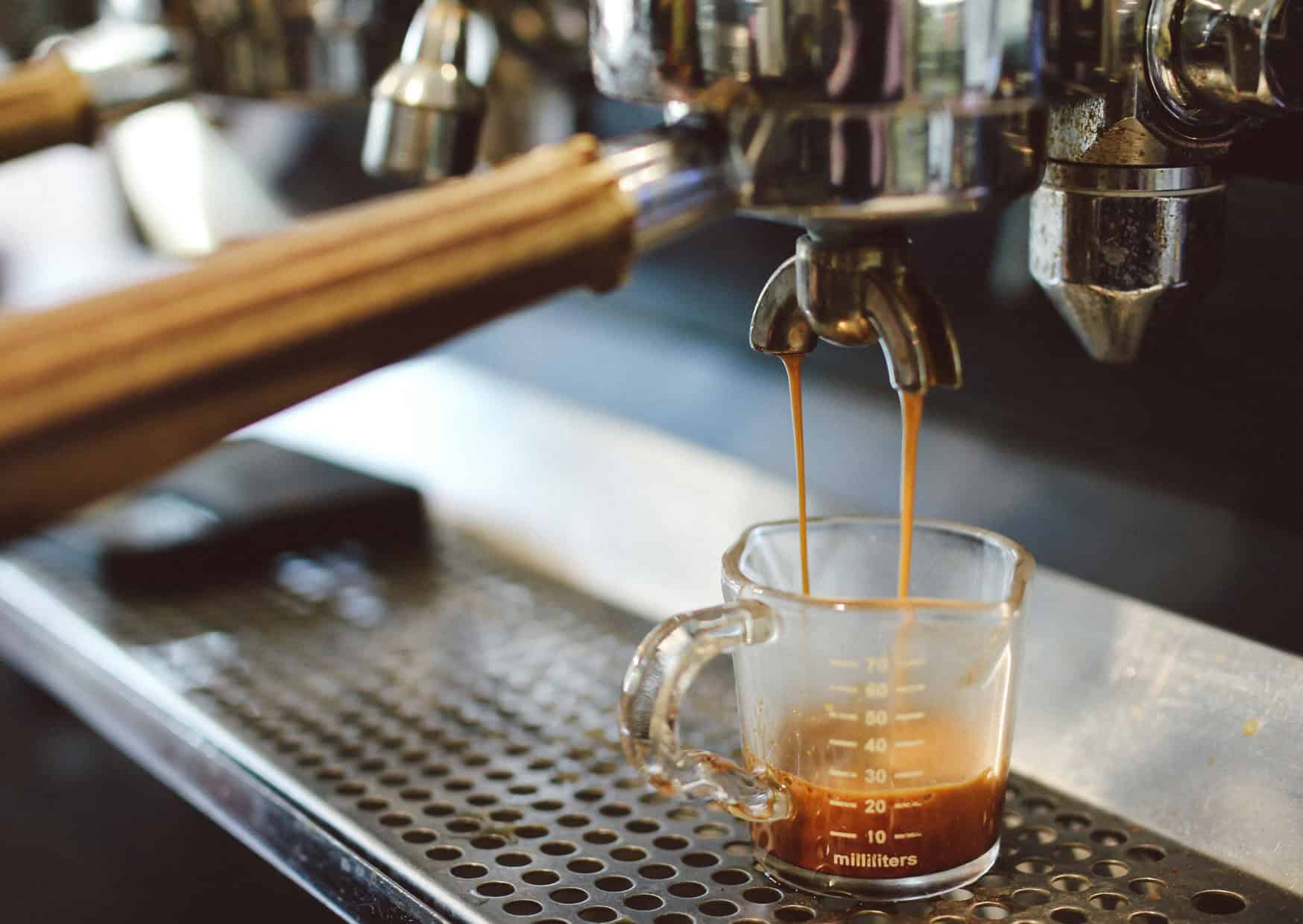
1. The Strict Rules Around Coffee
Why It’s Shocking for Americans
In the U.S., coffee comes in many forms—giant drip brews, flavored lattes, whipped-cream-topped frappés, and more. You might sip a large to-go cup over the course of an hour while running errands or working at your desk. In Italy, coffee culture is a precise ritual with unspoken rules:
- Cappuccino Only in the Morning: If you order a cappuccino after 11:00 a.m., you’ll get polite smiles or occasional side-eyes. Italians believe milk-heavy coffees are meant for breakfast, so having one in the afternoon is like asking for cereal at dinner.
- Quick Espresso Shots: Italians often drink espresso at a bar counter in just a few sips—no lingering with a giant cup.
- No To-Go Cups: Most Italians find the idea of walking around with a huge paper cup of coffee odd. Coffee is meant to be savored on the spot, not lugged around all day.
What Americans Find Strange
Americans used to bottomless drip refills or large lattes might struggle with the petite espresso portions. You finish one in seconds, so it can feel anticlimactic. Yet Italians see coffee as an elegant, concentrated experience, not a beverage to gulp absentmindedly.
Pro Tip
- If you want milk in the afternoon, consider ordering a caffè macchiato (an espresso “stained” with a dash of milk). It’s more acceptable than a full-blown cappuccino after lunch.
- Embrace the stand-up bar experience—it’s quick, social, and you’ll blend in better than if you’re hovering at a table for an hour.
2. Extended Lunches and the “Riposo”
Why It’s Alien to Americans
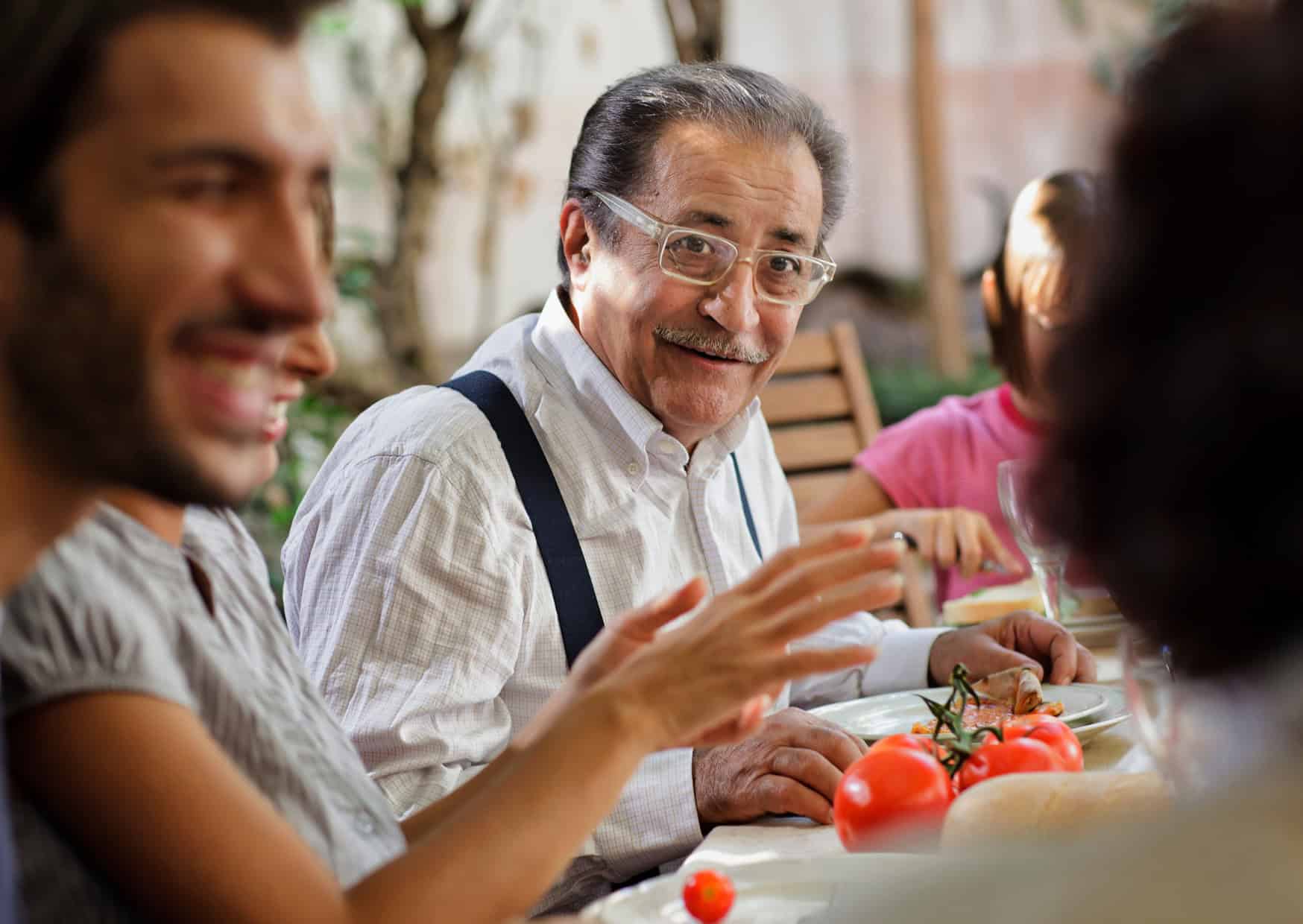
In much of the U.S., lunch is a quick 30-minute dash—maybe a sandwich at your desk or grabbing fast food on the go. In Italy, lunch (pranzo) can be the largest meal of the day, often followed by a riposo (rest period). Small businesses might close for a couple of hours in the early afternoon, especially in smaller towns.
What Happens During Riposo
- Long Family Meals: Traditionally, Italians come home to a multi-course lunch with family if geography allows. This was more common when workplaces were nearby, but the tradition remains.
- Shops Closed: Don’t be surprised if you find local stores or even some restaurants shut from around 1 p.m. to 3 or 4 p.m. They’ll reopen for the late-afternoon and evening crowd.
- Not Necessarily a Nap: While some might squeeze in a quick rest, others might run errands, enjoy a walk, or simply take a break from work. It’s about slowing down during the hottest part of the day (especially in summer).
What Americans Find Strange
Shutting down commerce in the middle of the day can feel wildly inconvenient if you’re used to 24/7 availability. But Italians prioritize balance and well-being, which includes savoring meals without rushing.
Pro Tip
- Plan Ahead: If you need groceries or a pharmacy run, do it before 1 p.m. or wait until late afternoon.
- Embrace the Pause: Instead of fighting it, grab a leisurely meal and stroll around. You might discover the joys of not racing against the clock.
3. Dressing Up—Even for Small Errands

Why It’s Surprising for Americans
Many Americans are perfectly comfortable running to the grocery store in sweatpants or pajamas. In Italy, there’s a cultural emphasis on la bella figura—looking one’s best or at least well-presented in public. Even casual attire is carefully chosen and put-together.
Examples of Everyday Style
- Proper Shoes: You’ll see fewer sneakers (though they’re becoming more common) and almost no flip-flops outside of the beach setting.
- Pressed Shirts and Tidy Outfits: Even if it’s jeans and a T-shirt, they’re often nicely fitted and stylish.
- Accessorizing: Scarves, belts, and tasteful jewelry can elevate a look, even if it’s relatively casual.
What Americans Find Strange
The notion that you shouldn’t wear sweats or leggings beyond the gym might seem restrictive. Yet Italians often see personal presentation as a form of respect for themselves and those around them.
Pro Tip
You don’t need designer brands to fit in—just avoid extremely baggy or worn-out clothing in most public spaces. A simple, neat outfit goes a long way toward blending in and respecting local norms.
4. The Double Greeting Kiss (Even with Near-Strangers)

Why It’s Awkward for Americans
In many parts of the U.S., personal space is sacrosanct, and hugging or kissing tends to be reserved for close friends or family. In Italy, it’s quite common to greet people—even acquaintances—with a kiss on each cheek (the “bacio”), though it’s more of a light brush than a full-on smooch.
When It Happens
- Social Gatherings: Meeting friends of friends, you might get introduced with a quick “Ciao!” and a double kiss.
- Departures: You’ll likely repeat the gesture when saying goodbye, especially if you’ve chatted a while.
- Regional Variations: Some areas do two kisses, others might do one or even three, but two is most typical.
What Americans Find Strange
If you’ve just met someone, invading personal space can feel jarring. Americans might instinctively stick out a hand for a handshake, only to be leaned into for a cheek kiss. Cue a moment of comedic confusion.
Pro Tip
- Go with the Flow: Watch the local’s body language—if they lean in, lean in too. You’ll lightly touch cheeks and make a small kissing sound.
- Don’t Overthink: It’s normal, friendly, and not considered flirtatious. Just smile and say, “Piacere!” (Nice to meet you).
5. Dinner at 9 p.m. (or Later) Is Totally Normal
Why It Contradicts American Routine
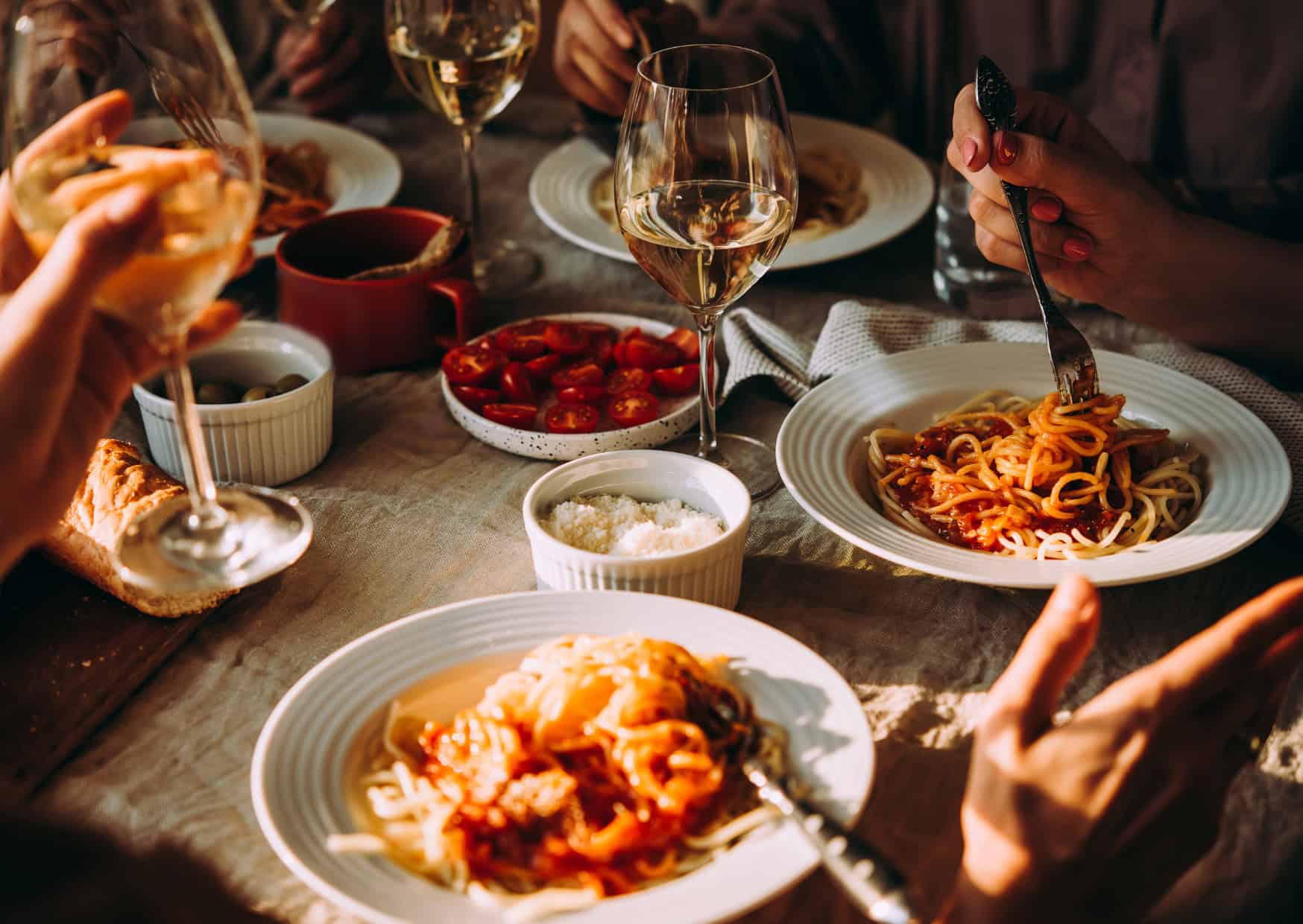
In the U.S., dinner can start as early as 5 p.m., especially among families with young kids or older folks. While some Americans dine later (6 or 7 p.m.), in Italy it’s not unusual to sit down to dinner at 9 p.m. or even 10 p.m.
Why So Late?
- Work and Commute Patterns: People might finish work around 6 or 7, run errands, then head home.
- Aperitivo: A pre-dinner drink or snack around 7 or 8 p.m. can hold you over until the main meal.
- Leisurely Atmosphere: Dinner is a social event, not just refueling. Restaurants typically don’t fill up until after 8 p.m.
What Americans Find Strange
Eating dinner so late can upend bedtime routines. If you’re traveling, you might find that you don’t finish your meal until 11 p.m., leaving little time before lights-out. But Italians see evening hours as prime social time—restaurants, cafés, and piazzas are alive with chatter well past what Americans might consider “bedtime.”
Pro Tip
- If you’re starving at 6 p.m., have a light snack (or join locals for an aperitivo of small bites and drinks) to tide you over.
- Don’t be surprised if you’re the first customer in a restaurant when you arrive at 7 p.m.
6. The Ubiquitous Bidet in the Bathroom
Why It Bewilders Americans
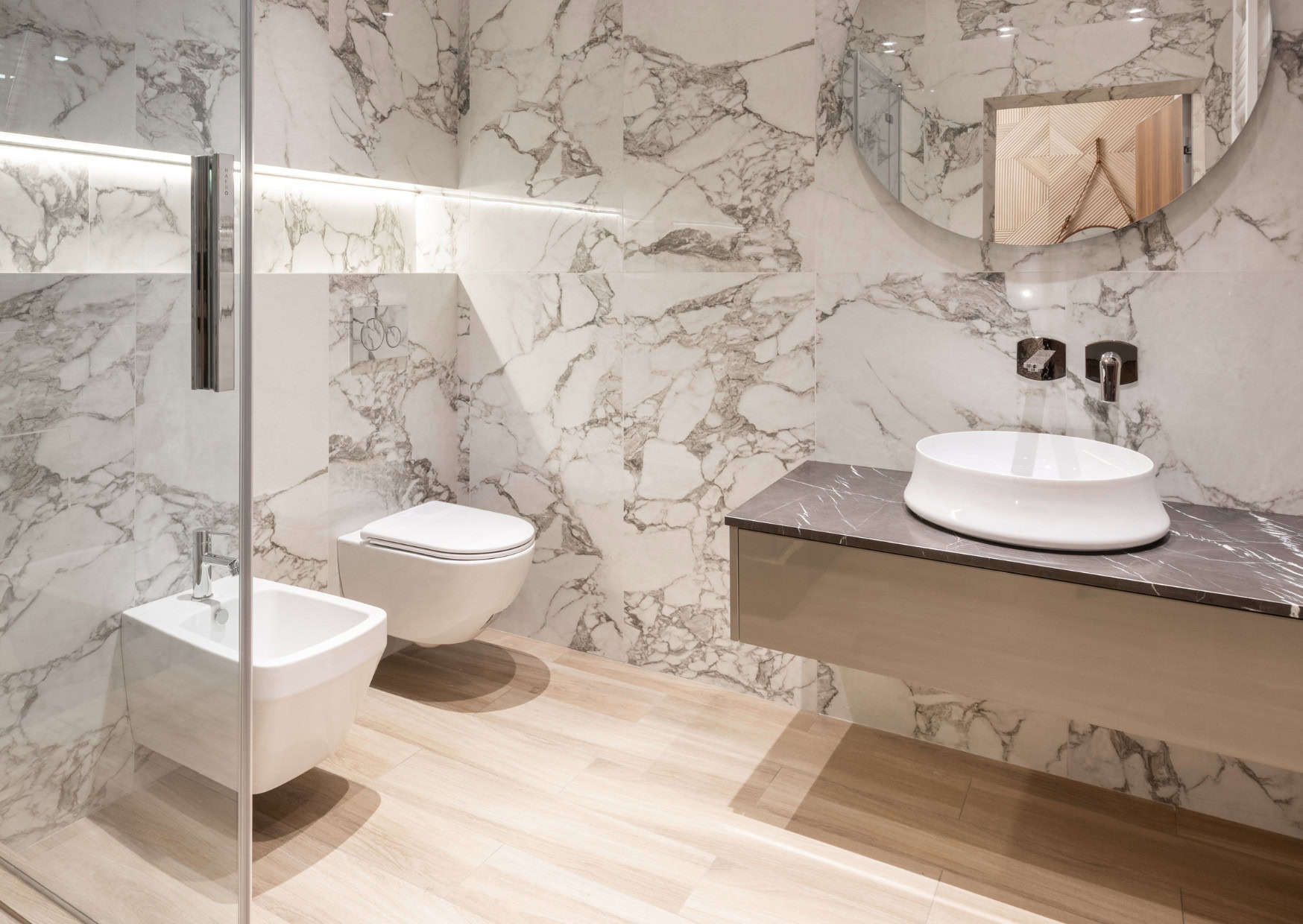
Many Americans have never encountered a bidet—a low basin or fixture near the toilet used for personal hygiene. In Italy, it’s standard bathroom equipment, to the point that some Italians can’t fathom how people manage without one.
How It’s Used
- Post-Toilet Hygiene: The bidet helps you cleanse with water, which Italians generally see as more sanitary than relying solely on toilet paper.
- Washing Feet or Other Quick Freshen-Ups: Some also use it to rinse feet after a day in sandals, especially in the hot summer.
- Unspoken Etiquette: It’s usually not talked about openly, but everyone uses it.
What Americans Find Strange
The concept of a second plumbing fixture for cleaning oneself can be daunting. Americans might wonder if they should straddle it forward, face away, or fill it like a mini tub. The answer? There’s no single “right” method—people do what’s comfortable.
Pro Tip
- Don’t be bashful; the bidet is a normal part of Italian life. If you’re unsure, a quick online search or discreetly asking a friend can clarify usage.
- When traveling, if you stay in an Italian home, expect the host to have a bidet in nearly every bathroom.
7. Embracing Chaos: Traffic, Lines, and “Flexible” Queuing
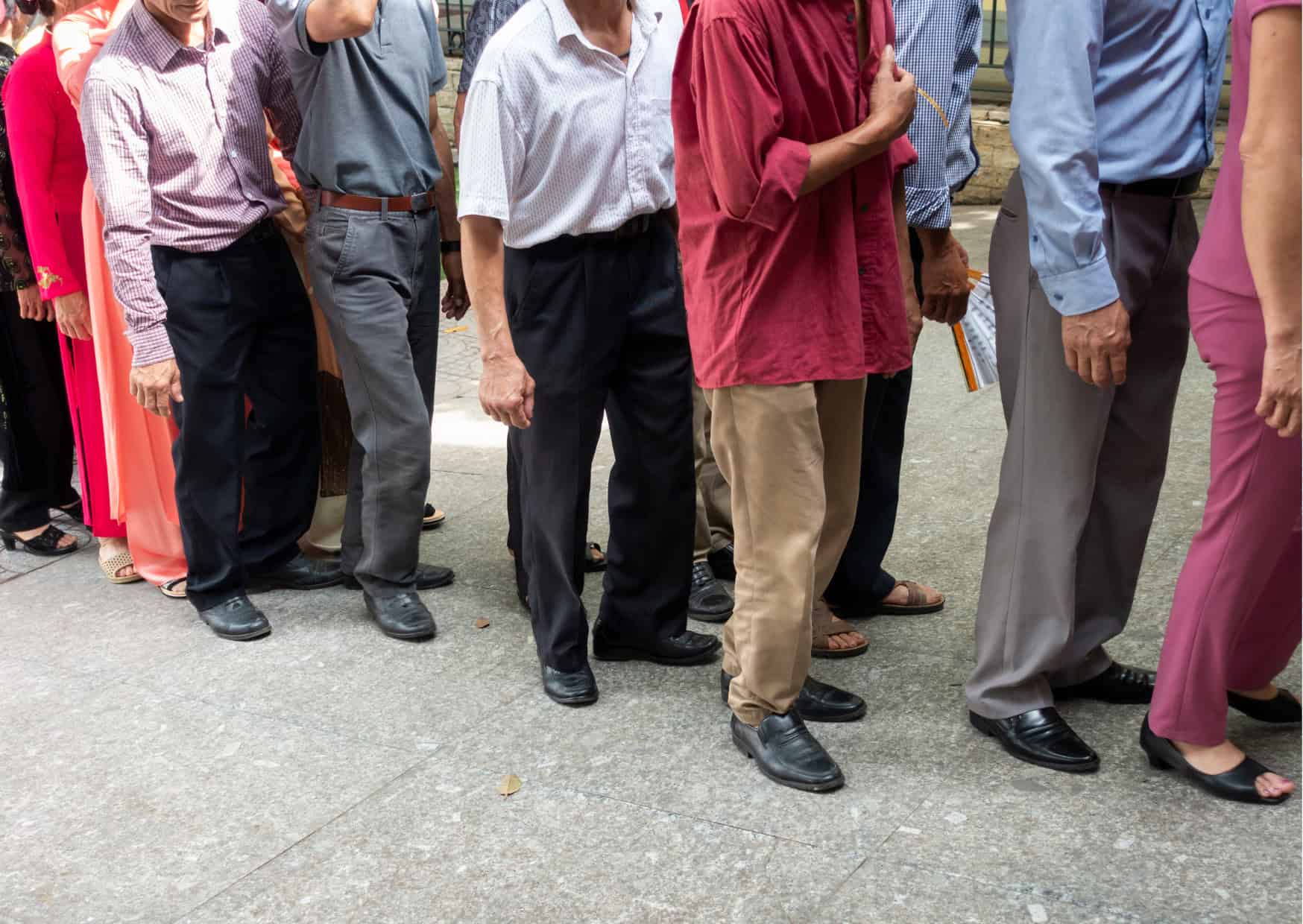
Why It’s Nerve-Wracking for Americans
The U.S. tends to have a strong culture of orderly lines, well-defined traffic rules, and personal space in crowds. In Italy, life can feel more spontaneous or “chaotic” to outsiders:
- Traffic “Suggestions”: Red lights are obeyed, but sometimes lane dividers are seen as guidelines. Scooters may zip by in ways that make visitors gasp.
- Queuing: Lines exist, but especially in busy cafés or food stalls, people might cluster around. Those who speak up first may get served first.
- Crosswalks: Drivers do stop for pedestrians more often than it looks—but you sometimes have to step out confidently to show you intend to cross.
What Americans Find Strange
Americans used to waiting patiently in line might be caught off-guard by a free-for-all environment, where you have to make your presence known or politely speak up to get served.
Pro Tip
- Stay Calm: Don’t expect arguments or aggression; it’s simply a different approach.
- Speak Up Politely: If you feel overlooked at a busy counter, say “Scusi, chi è l’ultimo?” (“Excuse me, who’s last in line?”). People will point you in the right direction.
- Confidence Crossing Streets: Maintain eye contact with drivers; it signals you’re crossing. They’ll usually slow down, but you must show you mean business!
Conclusion: An Invitation to Embrace “La Vita Italiana”
From late dinners to the ubiquitous bidet and the ritualistic coffee scene, daily life in Italy revolves around traditions and rhythms that might shock or confuse an American newcomer. But these habits aren’t mere quirks—they reflect deep cultural values:
- Italians prioritize quality in food and social interactions, hence the slower meals and emphasis on fresh coffee.
- Family and community ties run strong, influencing midday breaks and how people greet each other.
- Personal presentation is a form of self-respect—hence dressing well and using the bidet to stay fresh.
- The approach to time and order is fluid, focusing more on living well than on adhering to strict schedules or boundaries.
If these habits “scandalize” your American friends, it’s usually a playful reaction—a sign that the cultural gap is real but also exciting to bridge. Embracing Italy’s daily customs can lead to a richer travel experience or a smoother expat life. You’ll learn to slow down, taste every bite, converse face-to-face rather than texting, and appreciate the artistry in even the smallest details—like a perfectly poured espresso or a stylish scarf draped just so.
Ultimately, Italians aren’t trying to confuse foreigners; they’re simply living life with a focus on beauty, connection, and enjoyment. By dipping your toe (or entire foot) into these daily habits, you may discover a new lens on how to approach your own routines back home. Perhaps next time you have a meal, you’ll linger a little longer, chat a bit more openly, or, who knows—maybe even install a bidet in your bathroom. In that sense, what might seem scandalous at first can become an inspiring glimpse into a culture that savors life at every turn.
Pro Tip: Whether you’re visiting for a week or staying indefinitely, remember that Italy is diverse. Each region has its own nuances—Neapolitans handle time differently than Milanese, and Sicilians have unique greeting customs compared to Tuscans. Keep an open mind, watch what locals do, and be ready to adapt. You might just fall in love with Italy’s “scandalous” daily habits—enough to bring a few of them back to your American life! Buon viaggio!

About the Author: Ruben, co-founder of Gamintraveler.com since 2014, is a seasoned traveler from Spain who has explored over 100 countries since 2009. Known for his extensive travel adventures across South America, Europe, the US, Australia, New Zealand, Asia, and Africa, Ruben combines his passion for adventurous yet sustainable living with his love for cycling, highlighted by his remarkable 5-month bicycle journey from Spain to Norway. He currently resides in Spain, where he continues sharing his travel experiences with his partner, Rachel, and their son, Han.