
You twirl spaghetti, bite into a tender meatball, and wait for the burn that usually follows store-bought sauce. It does not come. Nonna did something different, and it was not luck.
At the family table, meatballs are soft enough to cut with a spoon. The sauce is bright but not sharp. You lean back and realize you could eat a second plate without reaching for antacids. This is not nostalgia. It is technique, ingredients, and restraint working together.
The biggest difference lives inside the meatball itself. Nonna mixes three meats to balance flavor and fat, folds in a milk-soaked bread panade so the mixture stays tender, seasons without scorched garlic or harsh spice, and cooks in a sauce that has been tamed to sit gently on the stomach. Compare that to many American frozen meatballs, which are built to survive a factory line, a freezer, and a microwave. The result tastes louder, sits heavier, and often arrives with a side of heartburn.
Below is a practical map you can cook from tonight. What the three meats do, why processing shortcuts in frozen meatballs push reflux, the small sauce moves that lower perceived acidity, and a step-by-step recipe with U.S. and EU pantry swaps. It is not about pretending you have a nonna. It is about borrowing the rules she already solved.
What The Three Meats Actually Do
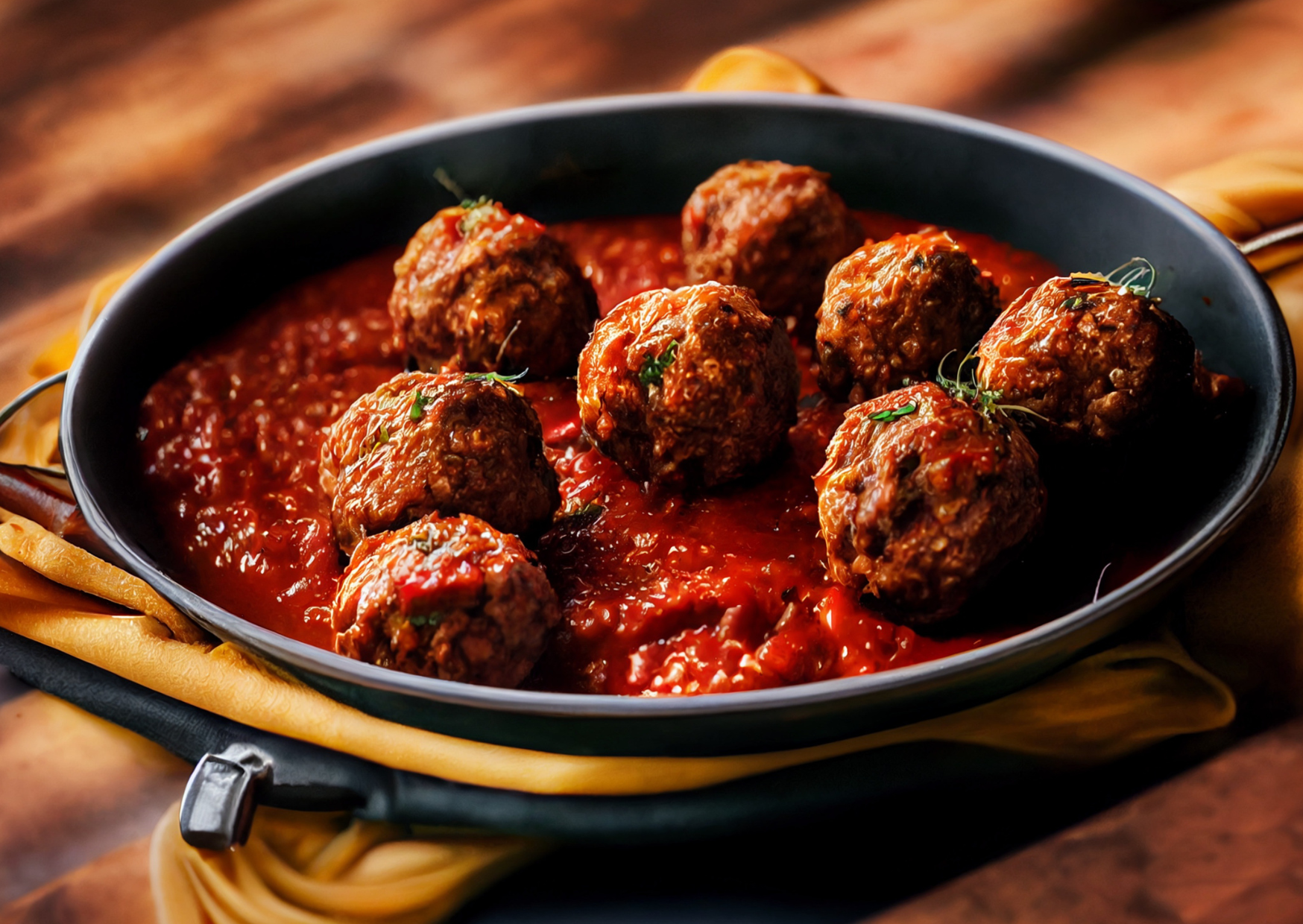
The old trio is simple: beef for savor, pork for moisture, veal for tenderness. Each brings a different mix of fat, collagen, and flavor compounds. Beef carries the deep, iron-rich notes that make a meatball taste like dinner. Pork adds softer fat that melts at lower temperatures, keeping the mixture juicy. Veal has a finer muscle structure and milder flavor, which keeps the texture delicate when the meatball is simmered instead of fried.
Could you make good meatballs with only beef and pork. Of course. Italian cooks do that all the time, and plenty of Italian-American recipes rely on a 1:1 or 2:1 beef-to-pork ratio for a juicy, flavorful result. The three-meat blend is not ceremony, it is insurance. By spreading the workload across three textures, you get tenderness without sponginess and richness without greasiness. You also win a wider margin of error on the stove. A beef-only meatball wants precision. A beef-pork-veal meatball forgives you.
Two small choices sharpen the point. First, choose ground meats that are not too lean. An 80-20 beef grind with standard pork shoulder and veal gives the right balance. Second, mix lightly. Overworking the proteins extracts myosin and makes the meatball bouncy. Nonna uses her hands, not a stand mixer, because she wants loosely bound, aerated meat that will absorb sauce and stay soft. Modern testing kitchens reach the same conclusion and lean hard on the milk-soaked bread panade to lock in moisture without turning the texture gummy. Beef brings flavor, pork brings fat, veal brings silk, and panade makes it all hold.
Why Frozen American Meatballs Hit Harder
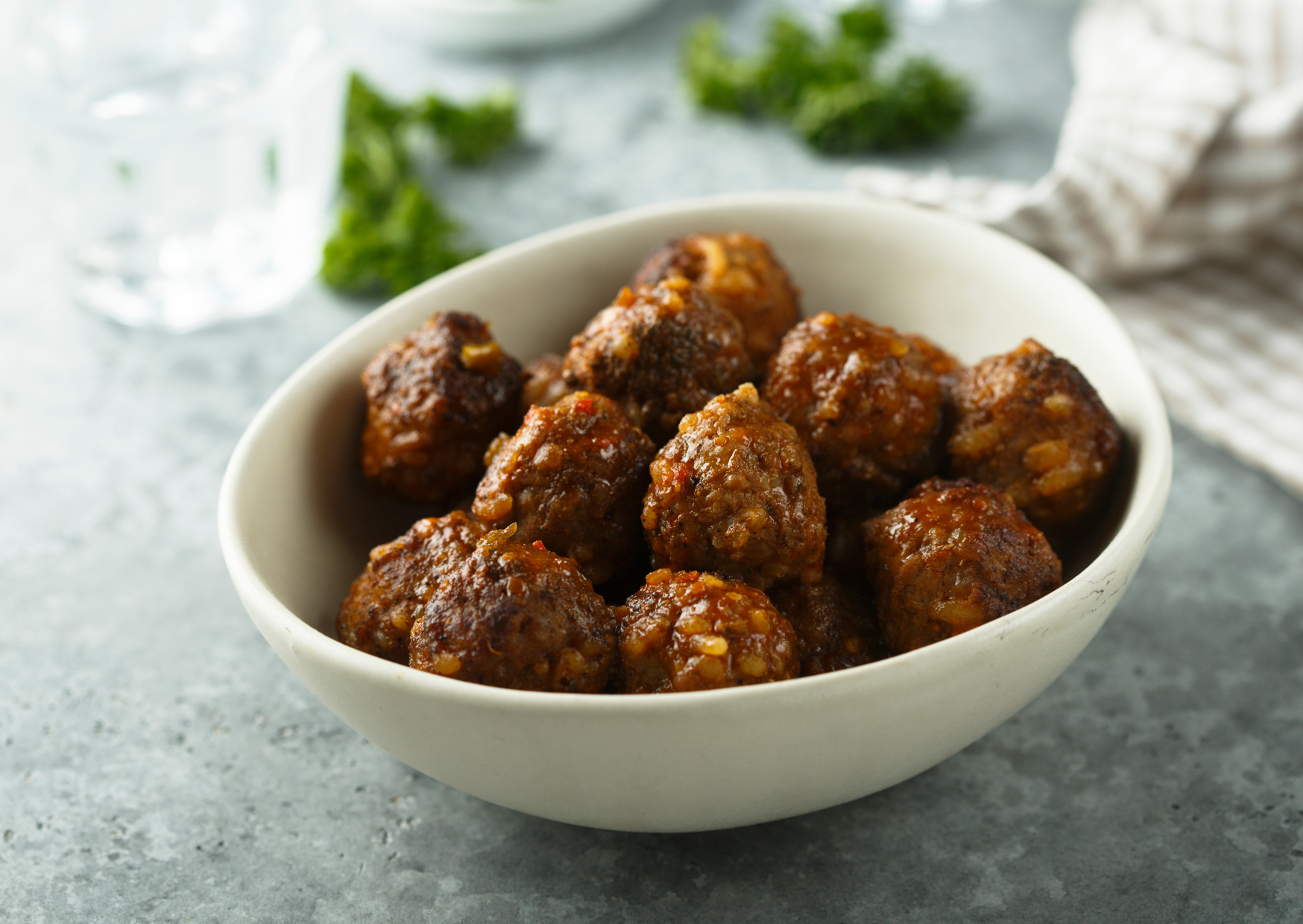
The difference you taste is not only salt. It is how industrial meatballs are built. To withstand freezing, reheating, and shipping, many mass-market meatballs lean on protein extenders, phosphates, and acidity regulators, along with dehydrated onion and garlic powders and a spice profile that reads louder to survive the freezer. None of those ingredients is evil on its own. Together, they change how a meatball feels and how a sauce hits your throat.
Look at labels and you will see patterns. Common ingredient decks include textured soy flour, soy protein concentrate, sodium phosphates, citric or lactic acid, onion powder, garlic powder, and caramel color. In frozen meals that include meatballs, the sauce often adds vinegar-based seasonings, yeast extracts, and extra sugars. These lines are legal and normal for processed foods, and regulators list them as safe and suitable. They also tilt the plate toward more sodium, more acidifiers, and more concentrated flavor than a pot of Sunday meatballs simmered quietly in your kitchen. If tomato acidity, onions, or strong spice trigger your heartburn, the industrial approach stacks those triggers in one bowl. Additives protect shelf life, acids keep pH tight, powders and spices shout to be heard.
What you do at home is the opposite. You skip the acidifiers because you do not need to ship across the country. You use fresh onion and garlic and cook them gently so they sweeten instead of burn. You season with Parmigiano or pecorino for savory depth, which raises flavor without adding sharpness, and you build heat from black pepper instead of a heavy hand with crushed red pepper. The result reads as rich instead of rowdy.
There is also the fat plus acid problem. Fried foods and high-fat meals can delay gastric emptying. Tomatoes and raw alliums can aggravate reflux in sensitive people. A factory meatball often gets par-fried, then cooled, sauced, and frozen. At home, you can bake to set or poach directly in sauce, then let that sauce go mellow. Fewer fried edges, fewer irritants, and a gentler finish. None of this is a diagnosis. It is cause and effect in a pan. Factories need stability, your kitchen needs comfort, your stomach can feel the difference.
Why Nonna’s Method Feels Kinder After Dinner
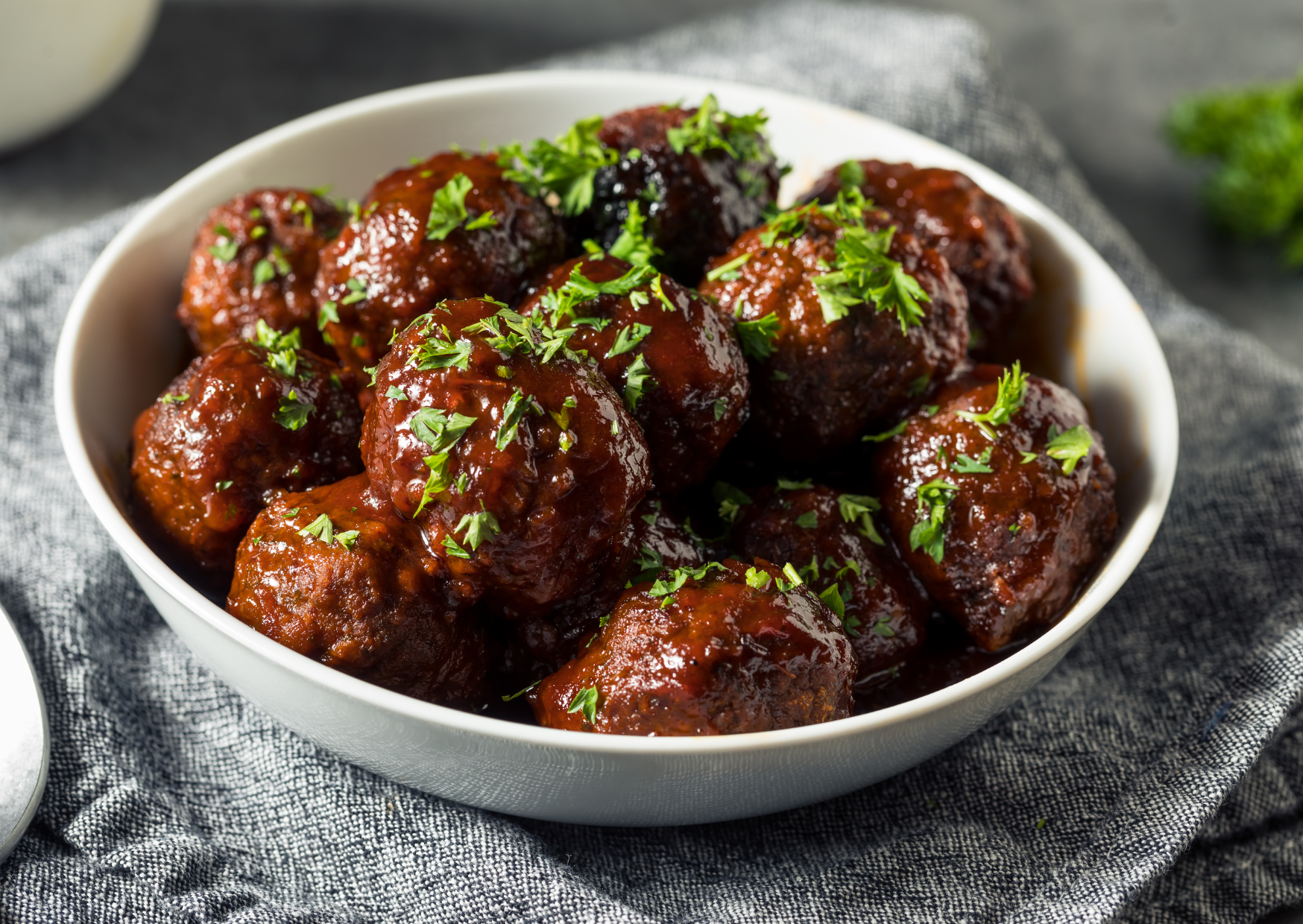
Heartburn is complex, and triggers vary. There are still a few constants cooks can use. Large, high-fat meals, spicy components, raw or scorched alliums, and acidic sauces are common complaints for people with reflux. Nonna’s method trims those edges without neutering flavor.
She starts at the cutting board. The onion and garlic are sweated low until sweet, never blackened. If a meatball mix includes raw onion, it is often grated fine and used sparingly. That keeps the aroma without loading the system with raw allium compounds that can provoke symptoms in some people. The panade of bread soaked in milk does more than soften texture. It tempers heat and salt, so you are not chasing taste with aggressive sauce. Gentle onions, no burnt garlic, milk-soaked bread all push in the same direction.
She also sizes the meatballs smaller than the baseballs you see on subs. That choice is not only about aesthetics. Smaller meatballs cook evenly, absorb sauce, and encourage smaller portions. Big, dense meatballs ask for late-night regrets. Small, tender ones ask for another spoon of sauce.
Finally, she simmers in a balanced sugo rather than drowning a plate in sharp marinara. The sauce itself is adjusted to avoid harsh edges. That is where soffritto, fat choice, and a couple of old tricks enter.
The Sauce Moves That Lower Perceived Acidity
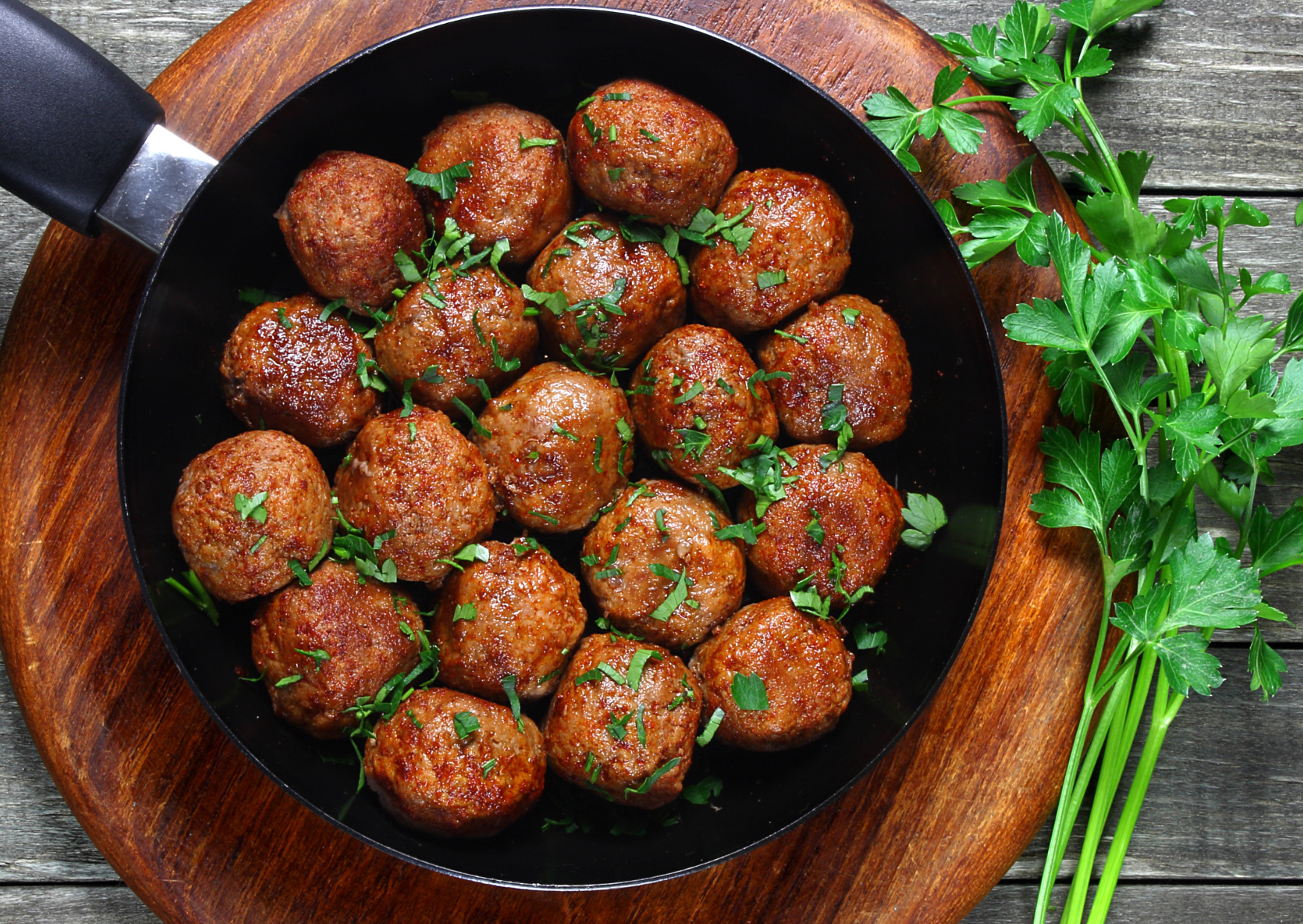
Tomatoes are naturally acidic. You do not have to fight them, only round them. Nonna’s playbook is short.
Start with a soffritto of onion, carrot, and celery, cooked slowly in olive oil until sweet. The carrot contributes natural sugars that soften sharpness without dumping in spoonfuls of white sugar. Celery adds a faint bitterness that balances the pot. The classic ratio is roughly two parts onion to one part carrot and one part celery, but cooks adjust by feel. Soffritto sweetens, celery balances, no rushing.
Pick a fat that smooths edges. Olive oil is standard, but a small knob of butter folded into a tomato sauce is an old Italian move made famous in English by Marcella Hazan. Butter softens acidic edges and gives the sauce a round, luxurious finish. If butter is not your thing, extra virgin olive oil at the end does similar work. Fat rounds acidity, long simmer integrates flavor.
Taste the tomatoes you buy. Some brands are sharper than others, and some packed sauces include added citric acid for stability. If a pot tastes a little aggressive, you have two dials. You can simmer longer with the onion and fat until the flavors melt together, or you can use the tiny pinch of baking soda trick. A quarter teaspoon stirred into a cup of sauce raises pH slightly and calms bite. Go slow. You want balance, not flatness. A last teaspoon of butter can finish the job if the sauce still feels loud. Simmer and taste, small soda pinch if needed, finish with fat for polish.
Notice what is missing. There is no scorched garlic, no raw onion stirred in at the end, and no emergency spoon of sugar unless the tomatoes are truly weak. This is not about making a sweet sauce. It is about removing the kind of acidity that bites back later.
The Recipe: Nonna’s Three-Meat Polpette With Gentle Sunday Sugo
This is a faithful, weekday-doable version. It makes a big pot that freezes well. Measurements are given in metric and U.S. cups so you can shop anywhere.
Ingredients, Meatballs
- 450 g ground beef, 80-20 fat, about 1 lb
- 300 g ground pork, about 10 oz
- 300 g ground veal, about 10 oz (or use more beef and pork if veal is not available)
- 150 g day-old bread without crusts, about 3 cups torn loosely
- 240 ml whole milk, 1 cup, plus a splash if needed
- 2 large eggs
- 60 g grated Parmigiano Reggiano or Pecorino Romano, about 2 packed cups finely grated
- 2 tbsp finely minced parsley
- 1 small onion, grated, about 60 g, optional and light
- 2 garlic cloves, minced or grated very fine
- 1 tsp fine salt to start, more to taste
- ½ tsp freshly ground black pepper
- Olive oil for your hands and for the pan if you choose to brown
Ingredients, Sunday Sugo
- 2 tbsp extra virgin olive oil
- 1 small onion, finely chopped
- 1 small carrot, finely chopped
- 1 small celery stalk, finely chopped
- 2 garlic cloves, sliced thin
- 2 cans whole peeled tomatoes, 800 g each, about 56 oz total, crushed by hand
- 1 small knob of butter, 1 to 2 tbsp, optional
- 1 bay leaf
- Salt to taste
- Pinch of sugar only if tomatoes are weak
- Tiny pinch of baking soda only if the sauce tastes sharp even after simmering
Method
- Make the panade. Put the torn bread in a bowl and pour the milk over it. Press gently so every piece drinks. Let it soak 10 minutes, then squeeze lightly. The bread should be humid and silky, not dripping. Milk-soaked bread keeps meat tender and buffers salt and spice.
- Mix gently. In a large bowl, combine beef, pork, veal, squeezed panade, eggs, cheese, parsley, onion if using, garlic, salt, and black pepper. Use your fingers to fold everything together just until you do not see streaks. If the mix feels dry, add a splash of milk. If it feels sticky, rest it 10 minutes in the fridge. Light hands, no kneading, rest for cohesion.
- Shape. Oil your hands and form meatballs just smaller than a golf ball, about 35 to 40 g each. Set on a lightly oiled tray. You should have 28 to 32 meatballs. Smaller sizes cook evenly and absorb sauce.
- Start the sauce. Warm the olive oil in a wide, heavy pot over medium-low heat. Add onion, carrot, and celery with a pinch of salt. Cook slowly until sweet and translucent, 8 to 10 minutes. Add the sliced garlic and cook 30 seconds until fragrant. Pour in the crushed tomatoes, add the bay leaf, bring to a gentle simmer, then lower to a quiet blip. Soffritto sweetens and steadies, no dark edges.
- Brown or poach. Your call.
- For a little Maillard flavor without heavy crust, bake meatballs on a sheet at 220 C or 425 F for 8 to 10 minutes until just set and lightly browned.
- For the softest result, poach directly. Nestle the raw meatballs into the simmering sauce. Do not stir for 10 minutes. Once they firm, spoon sauce over the tops.
- Simmer gently. Whether you pre-browned or poached, cook meatballs in sauce at a gentle simmer 25 to 35 minutes. Stir carefully a few times once set. Taste the sauce at 20 minutes. If it reads sharp, add the butter and continue. If it still pecks at you after 30 minutes, whisk in a tiny pinch of baking soda and cook 2 minutes. Adjust salt. Long simmer integrates, butter rounds, soda calms.
- Serve. Toss a few ladles of sauce with hot pasta, top with meatballs, and finish with grated cheese and a thread of olive oil. Reserve extra meatballs in sauce for tomorrow.
Why It Works
- Three meats, one texture. Beef brings depth, pork provides melt, veal keeps the crumb fine. If you cannot source veal, add more pork and keep the panade generous. Balance beats brute force.
- Panade protects. Bread hydrated with milk limits protein tightening and water loss, so the meatball stays tender even after simmering. It also absorbs flavorful juices that would otherwise seep into the pot. Milk-soaked bread equals tenderness.
- Gentle aromatics. Sweet onions from a slow pan are not the same as raw onion shards or scorched garlic, which can bother sensitive diners. Brown is flavor, black is trouble.
- Rounded sauce. Soffritto, time, and a touch of fat make tomatoes feel luxurious instead of sharp. If a batch is still prickly, the pinch-of-soda trick moves pH a hair and calms bite without turning the sauce sweet. Round the corners, do not bury the tomato.
Substitutions For U.S. And EU Pantries
- No veal. Use 60 percent beef, 40 percent pork and keep the panade on the wetter side.
- Gluten-free. Use fresh gluten-free bread for the panade. Avoid dry crumbs, which do not hold moisture as well.
- Milk-free. Soak bread in water, then squeeze and add 1 to 2 tbsp olive oil to the mix. You lose a little richness, but the texture stays soft.
- Tomatoes. If your brand tastes sharp, pick one labeled low-acid or reach for whole peeled tomatoes from sweeter cultivars. Your palate will notice the difference more than any trick later.
- Cheese choice. Parmigiano is rounder, pecorino is saltier and brighter. Use what you have, taste, and adjust salt last.
Troubleshooting The Burn And The Burn After
If dinner ends with a sting, one of four things likely happened. The fixes are easy and do not require new groceries.
The garlic tasted bitter. You let thin slices sit in a hot pan too long. Next time, sweat the soffritto first, add garlic for 30 seconds, then drown in tomatoes. If you already tasted bitterness, melt in a spoon of butter and cook two minutes. Brown, do not burn, fat can mask small sins.
The meatballs were dense and spicy. Too little panade, too much mixing, and aggressive red pepper. Fold in a splash more milk next time, mix just to combine, and let black pepper and cheese do more of the work. If tonight’s pot is already hot, serve with rice or bread on the side and put yogurt or ricotta on the table. Casein in dairy helps tame capsaicin, and starch buffers heat. Light hands, milder spice, buffers on the table.
The sauce was sharp. Cook longer at a gentle simmer. If the tomatoes fight you, pinch in baking soda, let it settle, and finish with a knob of butter or a thread of olive oil. A tiny pinch of sugar is a last resort for weak tomatoes, not a standard move. Time first, soda second, fat third.
Late-night heartburn anyway. Look at portion size and timing. Big meals close to bedtime are a classic problem. A smaller plate, eaten earlier, makes as much difference as any ingredient swap. Smaller plates, earlier dinner, quiet evening.
Batch, Freeze, Reheat, And Still Feel Fine
The point of a big pot is leftovers that behave. A couple of habits turn tomorrow’s lunch into the same gentle bowl.
Cool meatballs in their sauce, never naked on a tray. Freeze in flat containers with just enough sauce to cover. That layer protects texture and lets you reheat low and slow on the stovetop without drying or scorching. Avoid microwaving on high, which can produce hot spots and rubbery protein. If you must use a microwave, reheat in a covered dish with extra sauce, in short bursts, stirring between. Freeze in sauce, reheat gently, add fresh olive oil at the end.
When you serve again, consider the frame. A big salad and a light pour of wine feel different from a hero roll and a soda. The meatball did not change. The after-dinner feeling did.
What This Means For You
Heartburn is not the price of a good meatball. It is often the price of industrial shortcuts, sharp sauces, overworked meat, and fried edges. Nonna’s rules are calmer. Use three meats so each can do less work. Build tenderness with a milk-soaked panade. Sweat aromatics until they are sweet. Simmer in a rounded sauce that tastes like tomatoes instead of acid. Make smaller meatballs. Serve a little less, a little earlier, and put buffers on the table so everyone can tune their plate.
Cook this way and your meatballs taste like Sunday even on a Thursday. More important, they feel like Sunday at midnight, which is when most frozen meatballs remind you what they were built to survive.

About the Author: Ruben, co-founder of Gamintraveler.com since 2014, is a seasoned traveler from Spain who has explored over 100 countries since 2009. Known for his extensive travel adventures across South America, Europe, the US, Australia, New Zealand, Asia, and Africa, Ruben combines his passion for adventurous yet sustainable living with his love for cycling, highlighted by his remarkable 5-month bicycle journey from Spain to Norway. He currently resides in Spain, where he continues sharing his travel experiences with his partner, Rachel, and their son, Han.