
And What It Reveals About Body Language, Confidence, and the Art of Reading the Room
Sit down at a café in Madrid, a trattoria in Rome, or a wine terrace in Provence, and you’ll notice something before the menu even arrives.
There are two kinds of diners.
Some are waving, calling out, repeating “excuse me” in louder and louder tones.
Others barely lift a finger—yet somehow, they’re poured wine first, offered an extra amuse-bouche, and have their check delivered right on time.
These aren’t celebrities or VIPs. They’re often locals, or just Europeans who understand something American travelers often don’t:
In much of Europe, getting good restaurant service has less to do with words—and more to do with signals.
Not tips. Not volume. Not dramatic displays.
But quiet, intentional body language and cultural fluency that show the staff:
I know how this works. I respect the rhythm here. I belong.
Here are the subtle restaurant signals Europeans use that consistently get them better service—and what they reveal about a culture where presence, not performance, gets you noticed.
Want More Deep Dives into Other Cultures?
– Why Europeans Walk Everywhere (And Americans Should Too)
– How Europeans Actually Afford Living in Cities Without Six-Figure Salaries
– 9 ‘Luxury’ Items in America That Europeans Consider Basic Necessities
Quick Easy Tips
Make eye contact with your server—In many European countries, this is the polite way to signal you’re ready to order or need attention.
Place your cutlery parallel on the plate—This quietly tells staff you’re finished, making table turnover smoother and service quicker.
Close your menu when ready—An open menu signals indecision; closing it communicates you’re ready to order without waving anyone down.
Some argue that these subtle signals are part of an unspoken “insider code” that can feel exclusionary to tourists. Without knowing them, travelers may unintentionally get slower service—not because staff are rude, but because they’re waiting for the correct cue.
There’s also debate over whether these etiquette nuances still matter in modern hospitality. While traditional restaurants value them, younger or more casual dining spots may prioritize efficiency over old-school rituals, making the signals less relevant.
Lastly, critics point out that this system favors locals and frequent travelers while putting first-time visitors at a disadvantage. Others counter that learning these customs is part of the fun of travel—an easy way to show respect and earn friendlier, more attentive service.
1. They Make Eye Contact at the Right Moment—And Then Wait
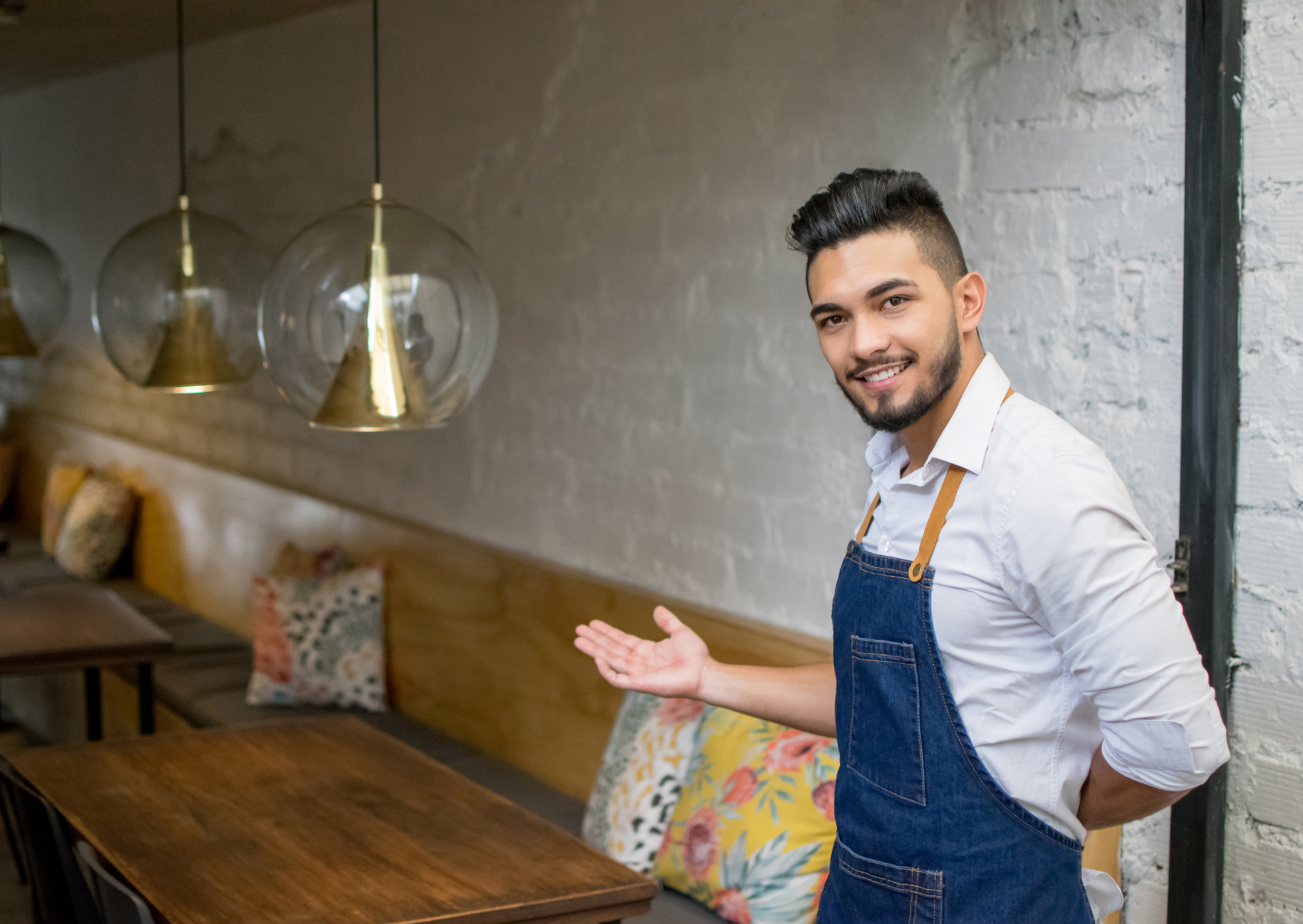
In many American restaurants, you’re encouraged to speak up. Flag down the waiter. Interrupt politely. Service is proactive, sometimes hovering.
In Europe, that approach can feel pushy.
European diners know to:
- Catch the server’s eye briefly
- Offer a small nod or smile
- Then wait calmly for the server to approach
This short moment of mutual acknowledgment is often enough to signal your need—without disrupting their flow.
To Americans, this can feel passive.
But to locals, it’s simply courteous and effective.
You’re saying: I see you’re busy. I trust you’ll come when ready.
2. They Sit With Purpose—Not Uncertainty

European diners rarely look lost or indecisive when they sit. Whether solo or in a group, they:
- Settle in calmly
- Unfold a napkin
- Glance at the menu briefly
- Arrange a phone, book, or bag without fuss
There’s no flurry of removing jackets, swapping seats, or checking online reviews at the table.
This poised presence signals to staff:
You know how to dine.
You’re not about to ask if the pizza is gluten-free, dairy-free, and low-carb.
It’s not about snobbery. It’s about knowing the social contract.
When you sit like you belong, you’re treated like you do.
3. They Don’t Wave or Raise Their Hand Unless It’s Urgent
In American dining culture, it’s normal to raise your hand, call out “excuse me,” or even snap a little when service is slow.
In Europe, these moves are seen as a breach of the invisible rhythm of the room.
Unless something is truly wrong (like a spill or a missing allergy note), European diners typically avoid:
- Raising hands
- Calling across the room
- Interrupting the flow
Instead, they signal with:
- A small head tilt
- Quiet eye contact
- A subtle glance toward the server when they pass
This quiet confidence reads as self-assured, not invisible—and it often earns faster, smoother service than vocal demands.
4. They Place Their Menu Down as a Signal of Readiness
In many parts of Europe, there’s a quiet code at play:
If your menu is still in your hands or on your lap, the server assumes you’re still deciding.
The moment you’re ready to order, you:
- Place the menu flat on the table
- Stack it neatly if with others
- Make yourself available for approach
This small gesture signals readiness without a word.
And most local servers will notice within seconds.
American travelers often keep menus open, glance around impatiently, or forget to stack them—then wonder why service hasn’t arrived.
Locals let their table do the talking.
5. They Order Clearly and Confidently—With No Apologies
European diners tend to order with confidence and brevity.
They don’t explain dietary preferences unless necessary. They don’t ask for extensive substitutions. They don’t apologize for not speaking the local language—if they make an effort at all.
They say:
- “I’ll have the tagliatelle, please.”
- “For me, the grilled dorada. Thank you.”
- “A carafe of house red, and water.”
Clear. Courteous. Complete.
In contrast, Americans often:
- Ask for recommendations without context
- Overexplain decisions
- Worry about bothering the staff
This excess effort, though well-meaning, can make the interaction feel longer and more uncertain.
European diners don’t try to charm the staff. They just order like they belong.
6. They Align With the Pace of the Meal—Not Their Watch
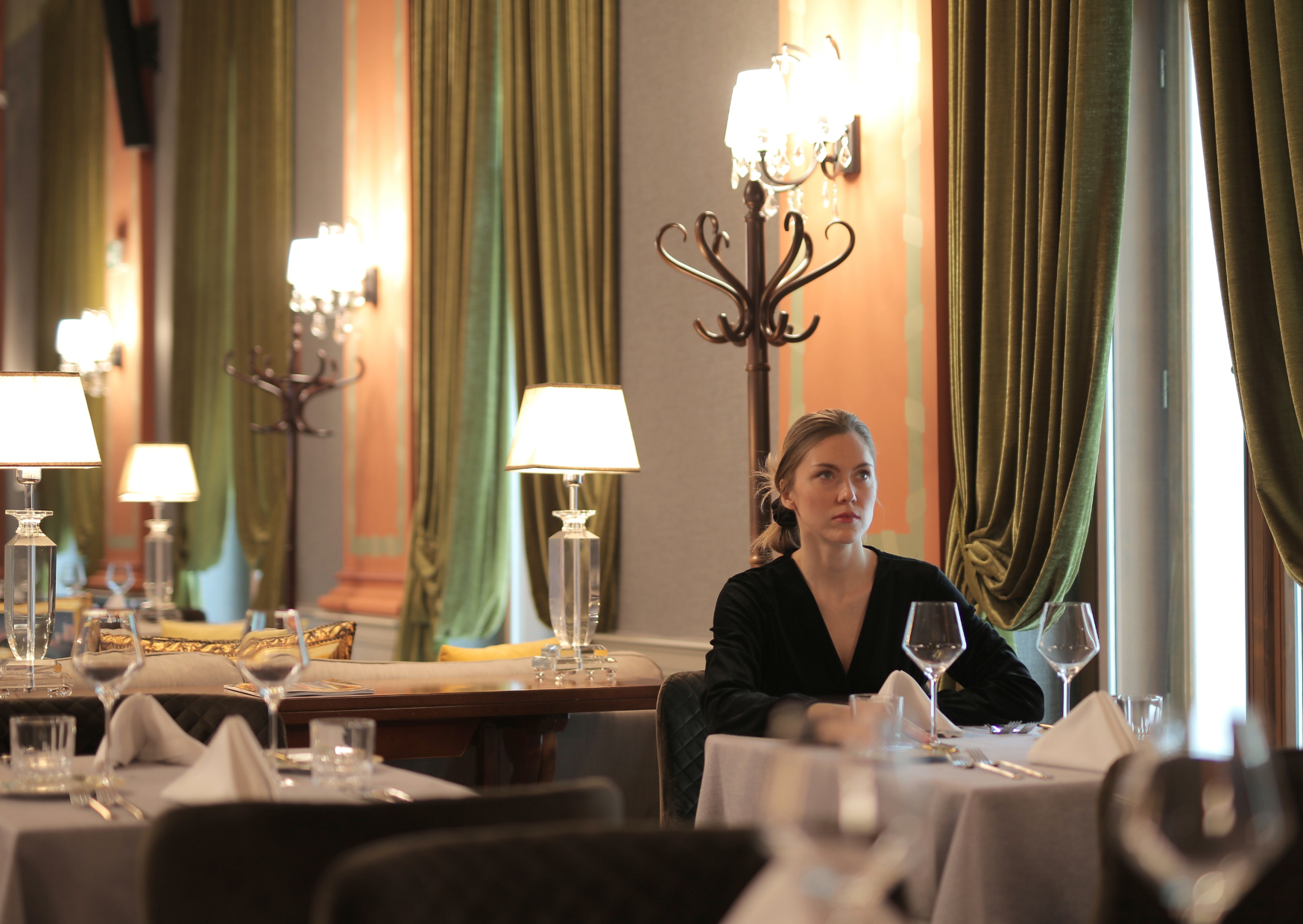
In the U.S., many diners expect speed.
Fast greetings. Fast water. Fast check.
In Europe, the dining experience moves at the pace of the kitchen and the space.
No one is turning tables quickly. You are expected to:
- Wait patiently between courses
- Take time to linger after dessert
- Ask for the check when ready—it won’t be brought automatically
European diners understand this. They relax into it. They signal their pace with posture and presence, not words.
American travelers often appear antsy—checking watches, asking “how long for the food,” or waving for the check too early.
Locals understand that dining is a performance of patience—and rushing it makes the whole thing fall apart.
7. They Use Small Gestures for Big Needs
Need more bread? A refill? The check?
European diners use subtle, universal signs:
- Holding an empty glass slightly up, briefly
- Making a pen-in-air motion for the bill
- Pointing softly to a bread basket with raised brows
- Gently placing knife and fork together at an angle on the plate when finished
These tiny cues speak louder than words in restaurants where the staff has been trained to read a table without hovering.
Americans often speak these needs aloud—or worse, assume the server is inattentive if they don’t appear quickly.
But locals know: a good server sees everything. You just have to speak the right language.
8. They Tip Subtly—And Often in Cash
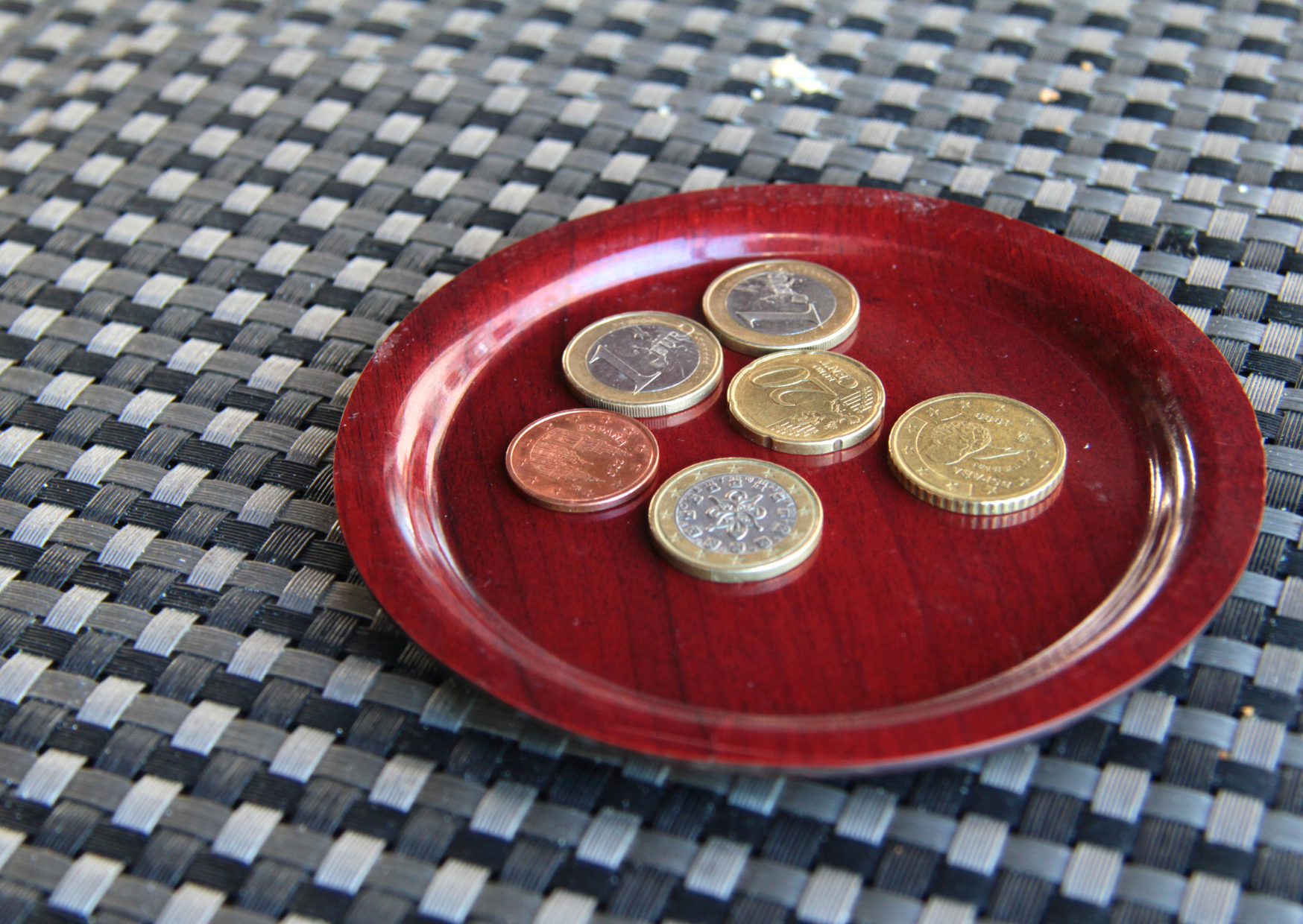
Tipping isn’t dramatic in most of Europe.
It’s small, subtle, and often left in cash, quietly on the table.
Local diners might:
- Round up the bill
- Leave €1–2 for coffee and dessert
- Hand the tip discreetly with the check folder
- Smile and say a sincere “thank you” in the local language
They don’t calculate percentages loudly.
They don’t make a production of being generous.
They know the staff will remember grace more than gratuity.
This approach leaves a stronger impression than any flashy 20%.
9. They Exit Without Fuss—Leaving the Table as They Found It
European diners often leave the table:
- With the napkin folded neatly
- Chairs pushed in
- Glasses arranged
- A quiet thank-you to the staff
It’s not about being formal.
It’s about showing that you understand the space isn’t yours—it’s shared.
There’s no selfie in the corner. No loud recap of the meal. No dramatic gathering of bags and jackets.
This clean exit is a final, silent signal:
I respected your time and your work. I’d be welcome back.
And the staff remembers.
One Table, Two Languages
To Americans, restaurant service is built on:
- Attention
- Friendliness
- Fast response
- Verbal clarity
To Europeans, it’s built on:
- Observation
- Rhythm
- Mutual respect
- Silent cues
One culture signals by speaking.
The other signals by waiting, watching, and responding at the right moment.
Neither is wrong. But one is louder. And one—quiet as it is—often gets better service.
Not because they’re demanding. But because they show they know how the room works.

About the Author: Ruben, co-founder of Gamintraveler.com since 2014, is a seasoned traveler from Spain who has explored over 100 countries since 2009. Known for his extensive travel adventures across South America, Europe, the US, Australia, New Zealand, Asia, and Africa, Ruben combines his passion for adventurous yet sustainable living with his love for cycling, highlighted by his remarkable 5-month bicycle journey from Spain to Norway. He currently resides in Spain, where he continues sharing his travel experiences with his partner, Rachel, and their son, Han.