
Quick honesty up front: there is no new “September 1st EU rule” that suddenly invalidates 40% of American passports. That headline isn’t real. What is real—and enforced every single day—is a pair of long-standing Schengen requirements that sink trips at the check-in desk: your passport must be issued within the last 10 years and be valid for at least 3 months beyond your planned departure from the Schengen Area. Add airlines’ habit of enforcing a stricter 6-month buffer and a 2025 border-tech rollout that will count your days precisely, and you have the actual story travelers need.
Want More Deep Dives into Other Cultures?
– Why Europeans Walk Everywhere (And Americans Should Too)
– How Europeans Actually Afford Living in Cities Without Six-Figure Salaries
– 9 ‘Luxury’ Items in America That Europeans Consider Basic Necessities
Quick Easy Tips
Renew your passport at least 9 months before it expires.
Make sure your passport has at least 6 months’ validity beyond your return date.
Check the number of blank pages required by EU border officials.
Review ETIAS (European Travel Information and Authorization System) updates before booking.
Keep digital and physical copies of your passport in separate bags.
One of the most controversial aspects of the 2025 passport rules is how unprepared many Americans are. U.S. systems often don’t warn travelers about EU-specific requirements, leading to frustration when they’re stopped at the airport. Critics argue that airlines and booking sites should take more responsibility for informing passengers.
Another heated issue is whether these rules are simply about security—or also about controlling tourism flows. Some experts claim that stricter entry requirements serve to limit short-term travelers and encourage higher-value tourism, sparking debate about fairness.
Finally, there’s the divide between seasoned travelers and casual vacationers. Frequent travelers often adapt quickly, while once-a-year tourists feel the rules are unnecessarily harsh. This creates tension around whether these measures are genuinely protective or just another layer of bureaucracy designed to catch the uninformed.
What the EU actually requires in 2025
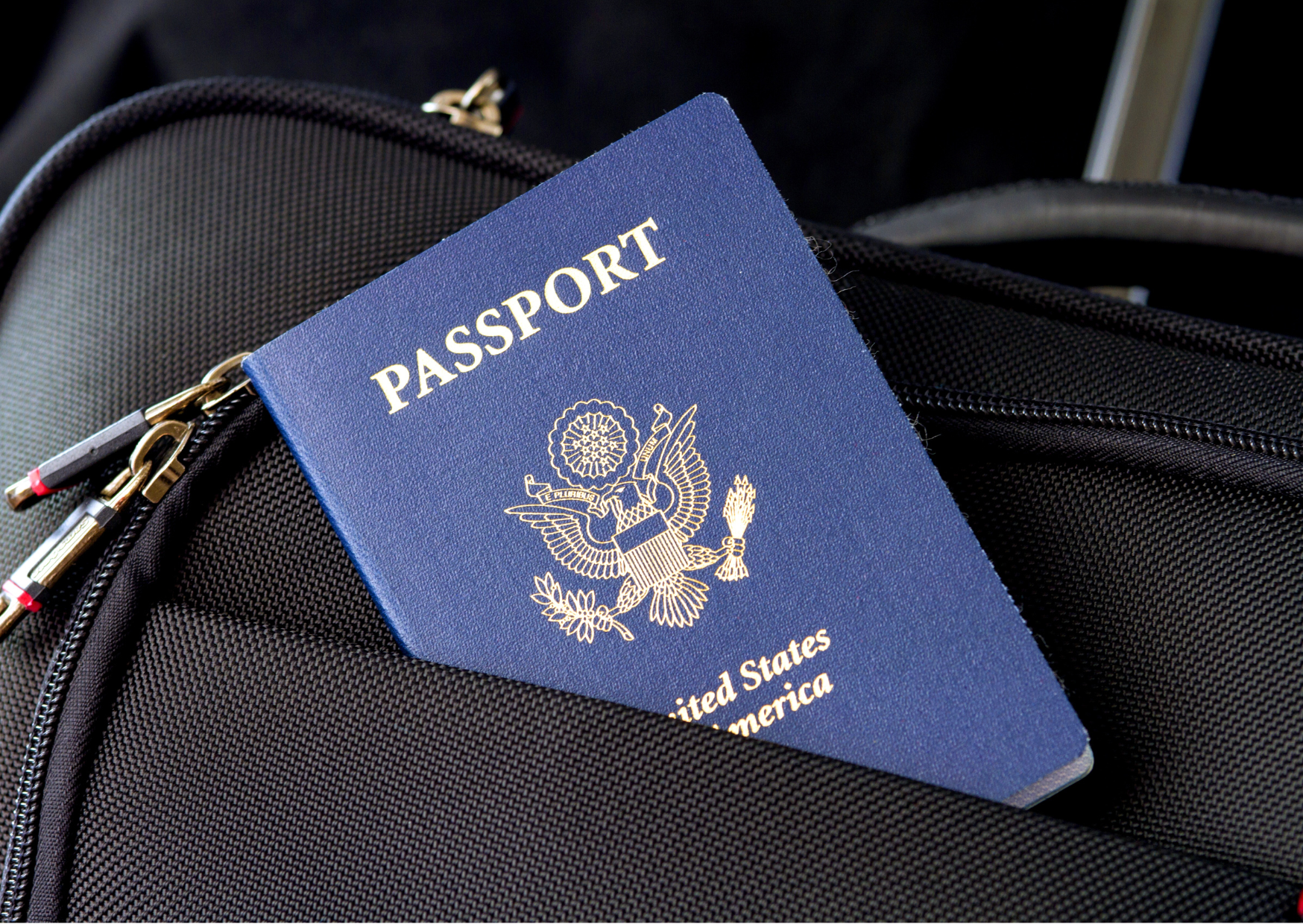
For short stays in the Schengen Area, the passport rules are twofold: your document must have been issued within the last 10 years, and it must be valid for at least 3 months after the date you intend to leave. That’s it—no secret new cutover date, no sudden mass invalidation. Where Americans stumble is treating “expiration date” as the only number that matters; Schengen officers also care about the issue date printed on the photo page.
The practical translation: check two dates—the Date of issue must be < 10 years on your entry day, and the Date of expiry must be ≥ planned departure + 3 months. If either fails, Schengen can refuse you, and airlines may deny boarding long before you see a border. Issued < 10 years, valid +3 months, both boxes ticked—that’s the rule you travel on.
Where the “six-month validity” rumor comes from
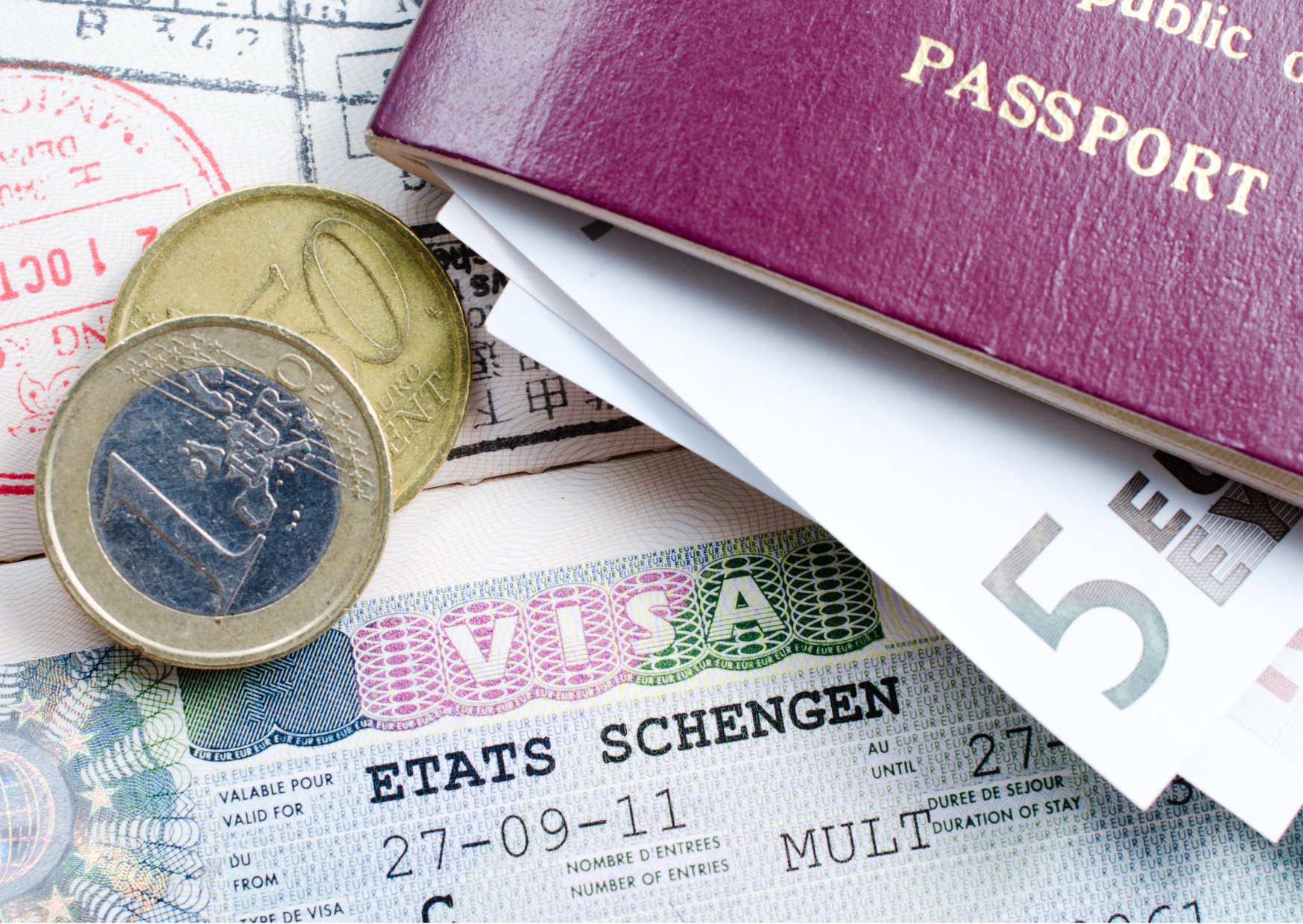
You’ll see U.S. government guidance telling travelers to carry 6 months of validity for Europe. That’s conservative, not the law. Why the extra padding? Airlines are punished if they fly you in with an ineligible passport, so many carriers adopt a simple 6-month rule at check-in to avoid arguments. If your passport has < 6 months left, some agents will refuse boarding even though Schengen law says 3 months after exit.
Your takeaway is simple: if you want zero airport debate, aim for 6 months; if you’re already at the airport with 4–5 months left, know that EU rules say 3 months, but the airline’s policy may decide your fate. Law = 3 months, airline risk posture = often 6 months, you win by beating both.
The one 2025 change that does matter: EES will track you precisely

Starting October 12, 2025, the EU’s Entry/Exit System (EES) will replace passport stamping with a biometric log—face/fingerprints plus your travel dates—at your first Schengen entry after go-live. From then on, your 90/180-day allowance is calculated by the system, not by smudged ink. The rule (90 days in any rolling 180) hasn’t changed, but the enforcement gets sharper.
For you, that means no “stamp was hard to read” leniency and fewer human counting errors. Bring a healthy day buffer when you re-enter Schengen, and expect a couple extra minutes at the kiosk on your first post-launch trip. Same math, stricter memory, starts Oct 12, 2025.
The traps that get Americans turned away (and how to dodge them)

Four patterns cause most refusals, and all are avoidable with a 20-second check.
Expired +3 months but issued ≥ 10 years ago. Your passport can still be “in date” yet too old under Schengen rules. If it was issued 10 years and 1 day before you arrive, you’re out. Fix: renew earlier; don’t cut it close to the 10-year line.
Three-month math without an itinerary. Border officers can ask for your planned exit date. If you can’t show it, they may read your stay as open-ended and find < 3 months buffer. Fix: carry proof of onward travel and lodging that lines up with your passport dates.
Airline policy beats EU law at check-in. You’ve got 4 months left—legal in Schengen—but the airline’s 6-month rule blocks you. Fix: beat the most conservative rule: renew at 7–9 months left; if you’re within 6, bring printed policy for your specific carrier or rebook with one whose policy matches EU law.
Damaged or altered book. Torn photo page, water damage, or broken chip can stop you even if dates are fine. Fix: renew; do not tape or laminate. Date math passes, condition fails, you still get refused.
How to self-check your passport in 20 seconds
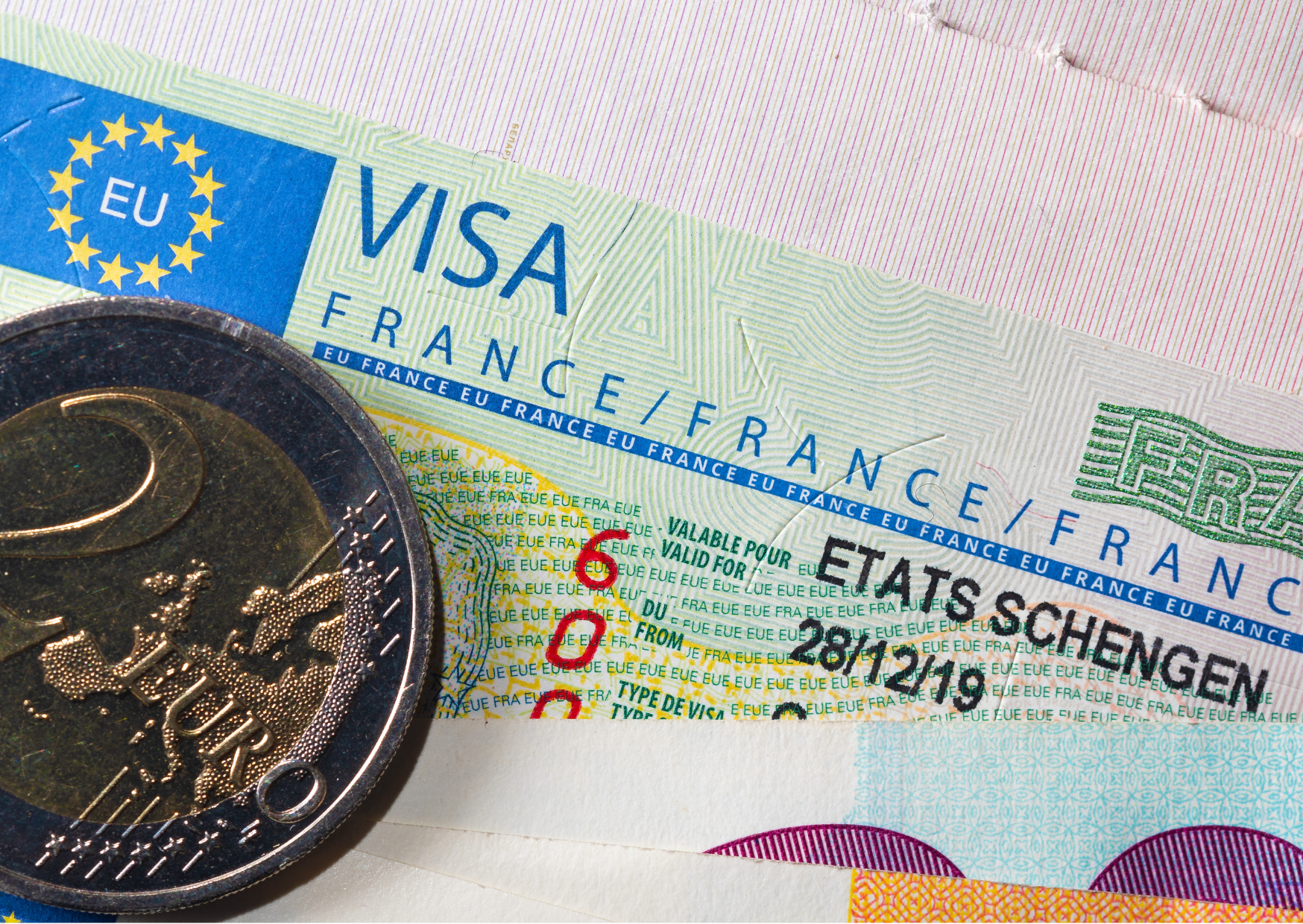
Open your passport to the bio page and do the two-date test:
Look at Date of issue—count to the day you plan to enter Schengen. If that entry date is ≥ 10 years later, renew. Even exactly 10 years on entry day can strand you if a delay pushes you to +1 day; don’t flirt with the edge.
Look at Date of expiry—count back 3 months from your planned Schengen exit. If your expiry is earlier than that, renew. If you can’t prove your exit date, assume you need more buffer.
Add a sanity cushion: if you’ll be asked to transit the UK en route, remember the UK has its own checks, and airlines may run with the 6-month heuristic. Issued < 10 years, expiry ≥ exit + 3 months, and ideally 6 months left—that trio gets you through.
Kids’ passports are different—this catches families every summer
U.S. child passports are valid for 5 years, not 10. Families often find that a kid’s passport has 2–4 months left when the adult ones are fine. Schengen doesn’t care; the same 10-year/3-month framework applies, and airlines often enforce 6 months for minors too. Also remember name alignment—if your child’s last name changed or differs from the booking, bring proof (birth certificate, custody letters).
The fix is calendar-based: renew children’s passports the winter before peak-season travel, and book with full-name consistency across passport and tickets. Five-year validity, 6-month airline habit, name proof—solve those before you lock flights.
“But State says 6 months—EU says 3 months.” Who wins at the desk?
Schengen law wins at the border; airline policy wins at the gate. Airlines are fined if they transport ineligible passengers, so they tend to over-comply. You, the traveler, avoid the clash by meeting the stricter of the two. If you must fly with < 6 months left, check your carrier’s Conditions of Carriage ahead of time and screenshot the policy. Be ready to show EU’s 3-month rule (some agents accept it; some won’t). The consistent way to win is boring: renew early and remove the debate entirely. Schengen 3 months, airlines often 6 months, you plan to the stricter.
EES + 90/180: why “two extra days” can become a refusal this fall
With EES digitizing entries after October 12, 2025, the rolling 180-day calculation becomes automated. If your last stay used 88 days, and you try to return for another 10, the kiosk will show you’re over—even if a human once might’ve miscounted and waved you through. Pair that with tight passport-validity math, and your safest play is a 10–15 day cushion: leave Schengen enough time for used days to age out and for flight delays not to push your passport over a line.
Practical plan: keep a simple note on your phone with entry/exit dates and live days used. If the count looks tight, push your flight three days later; that tiny move can be the difference between admitted and refused. EES remembers, 90/180 is strict, buffer beats bravado.
The airline gatekeeper effect—why carriers are harsher than borders
Airlines pay if they deliver someone Schengen won’t admit. So they build bright-line checks: 6-month validity, return/onward ticket, sufficient funds, and sometimes proof of accommodation. That’s why an agent may insist on seeing your exit even if you plan to move around by train. You can lower the friction with printouts: first-night hotel, return flight confirmation, and your Schengen day count. If you hit a wall, ask—politely—whether the gate supervisor can review the EU requirement (3 months after exit, issued < 10 years) for your case. Sometimes it helps; sometimes policy is policy. Carrier liability, bright-line rules, documents ready—that’s the game.
Renewal timing in the U.S.—how early is “smart early”?
As of 2025, routine U.S. passport processing has improved from the pandemic backlog, but surges still happen before summer and winter holidays. Working backward: if your trip is in June, you want your new book in hand by April; if you’re within 9 months of expiry now, just renew. The upside is big: a fresh 10-year runway removes both the 3-month legal risk and the 6-month airline debate.
Two tactical notes: expedited service buys time but can still slip during surges; and some countries (not Schengen) truly require 6 months on entry. Renewing early standardizes your life across borders. Renew at 7–9 months, avoid school-holiday surges, expedite only if necessary.
What documents smooth your way (and what phrases help)

Put four items in your travel folder and your odds improve immediately. Carry passport + 6-month cushion, return or onward flight, first-night address, and a quick Schengen day tally if you’re a frequent visitor. If an agent wobbles on the rule, phrases like “Schengen requires 3 months beyond exit and issue within the last 10 years; I meet both” can help—backed by your printed itinerary showing exit date.
If you must travel close to the line, bring proof you’re leaving Schengen (UK/Ireland tickets are great) and be prepared to answer basic support questions (funds, travel insurance). Clear proof, calm tone, specific dates—that’s how you tip borderline decisions your way.
Quick myths to delete from your group chat
“If it doesn’t expire this year, it’s fine.” False in Schengen if the issue date hits 10 years before your entry.
“You can reset with a day trip to Andorra/Monaco.” Those microstates don’t reset Schengen math; they’re treated as within the area for counting.
“No stamp = no problem.” After EES, stamps disappear—but the system will know your dates.
“Americans need ETIAS this fall.” No—ETIAS starts in late 2026, not 2025. This year’s change is EES, not ETIAS. Issue < 10 years, +3 months, 90/180—those are the live rules.
Bottom line — no September “gotcha,” just two dates and a clock
There isn’t a September 1st rule that erases half of U.S. passports. There are two simple dates (issue and expiry) and one rolling clock (90/180) that Europe has enforced for years—and in 2025, there’s a new digital log (EES) that will enforce them more cleanly. If you renew at 7–9 months, keep your issue date under 10 years at entry, and hold 3 months after exit (ideally 6 to appease airlines), you’ll clear every desk you meet. Miss those, and the only thing “invalidated” is your trip.
Save yourself the drama: check two dates today, build a small cushion, and let Europe be about where you’re going—not whether your passport makes it through the scanner.
Traveling to Europe has always required preparation, but 2025 brings new passport rules that make attention to detail more important than ever. A passport that seems valid in the U.S. may not meet EU requirements, leaving many travelers blindsided at the airport gate.
The key lesson here is that a passport is more than just an entry pass—it’s tied to security regulations, visa policies, and border control agreements. Ignoring the fine print can turn a dream vacation into a costly nightmare.
By staying proactive—renewing your passport early, checking the EU’s updated entry rules, and keeping your documents organized—you can travel with peace of mind. Preparation isn’t glamorous, but it’s the difference between stepping onto your flight and being turned away.

About the Author: Ruben, co-founder of Gamintraveler.com since 2014, is a seasoned traveler from Spain who has explored over 100 countries since 2009. Known for his extensive travel adventures across South America, Europe, the US, Australia, New Zealand, Asia, and Africa, Ruben combines his passion for adventurous yet sustainable living with his love for cycling, highlighted by his remarkable 5-month bicycle journey from Spain to Norway. He currently resides in Spain, where he continues sharing his travel experiences with his partner, Rachel, and their son, Han.