
And what it reveals about trust, fairness, and a fundamentally different approach to social generosity
Imagine you’re out with a group of Europeans — maybe friends in Paris, coworkers in Barcelona, or cousins at a family lunch in Rome. The bill arrives. There’s no math. No calculators. No Venmo. No itemizing who had the wine or who skipped dessert. Someone glances at the total, does a quick rough estimate, and says:
“Let’s split it equally.”
And that’s it.
No one argues. No one pulls out receipts. No one panics because they only ordered the salad.
For Americans, especially those raised to see fairness as precise, individual, and math-based, this can feel uncomfortable — even offensive. Why should I pay for someone else’s glass of wine? What if I didn’t eat much? What if I’m budgeting?
But in most of Europe, splitting the bill evenly isn’t laziness or carelessness. It’s a cultural expression of social trust, mutual care, and the idea that meals are shared — not transactions.
Here’s why the European way of handling the bill makes so many Americans look cheap, calculating, and slightly desperate — and what it tells us about two entirely different views of friendship, fairness, and what a shared meal really means.
Want More Deep Dives into Everyday European Culture?
– Why Europeans Walk Everywhere (And Americans Should Too)
– How Europeans Actually Afford Living in Cities Without Six-Figure Salaries
– 9 ‘Luxury’ Items in America That Europeans Consider Basic Necessities
Quick Easy Tips
Let the Mood Dictate the Split
Europeans typically go Dutch—that is, everyone pays for what they ordered, and sometimes the entire check is split evenly without awkward calculations. Prematurely pulling out your wallet as soon as the bill arrives can feel transactional and tone-deaf.
Offer, Don’t Demand
It’s polite to offer to pay—especially if you initiated or arranged the outing—but don’t insist. Europeans value grace over showy generosity. If someone graciously insists on covering it, accept with a smile—not a showdown over fairness.
Understand the Culture—Not the Tokens
Asking for receipts, tracking taxes, or demanding itemized bills might make Americans feel organized—but in many European countries, it’s treated as suspicious or obsessive, implying mistrust.
Follow the Rhythm, Not the Tab
Expect relaxed transitions at the table—drinks may linger, and the check may come when the waiter’s ready. Pressing for the bill disrupts a carefully maintained social tempo.
In North America, equating savings with prudence is almost drilled into us. But across many European cultures, modesty in spending and ease in social settings outweigh the need to micromanage the check. It’s not about thriftiness—it’s about preserving dignity, both your own and the group’s.
Europeans often see the ritual of the bill as communal rather than transactional. Even in casual group outings, getting hyper-literal about “who owes what” can imply mistrust or economic tension—turning what should be a warm moment into a frigid exchange.
And here’s the culturally awkward truth: while we Americans may believe in fairness through math, Europeans lean toward fairness through shared experience. Pushing too hard on splitting precisely can substitute suspicion for camaraderie—and make you look more transactional than generous.
1. Fairness in Europe Means Shared, Not Itemized
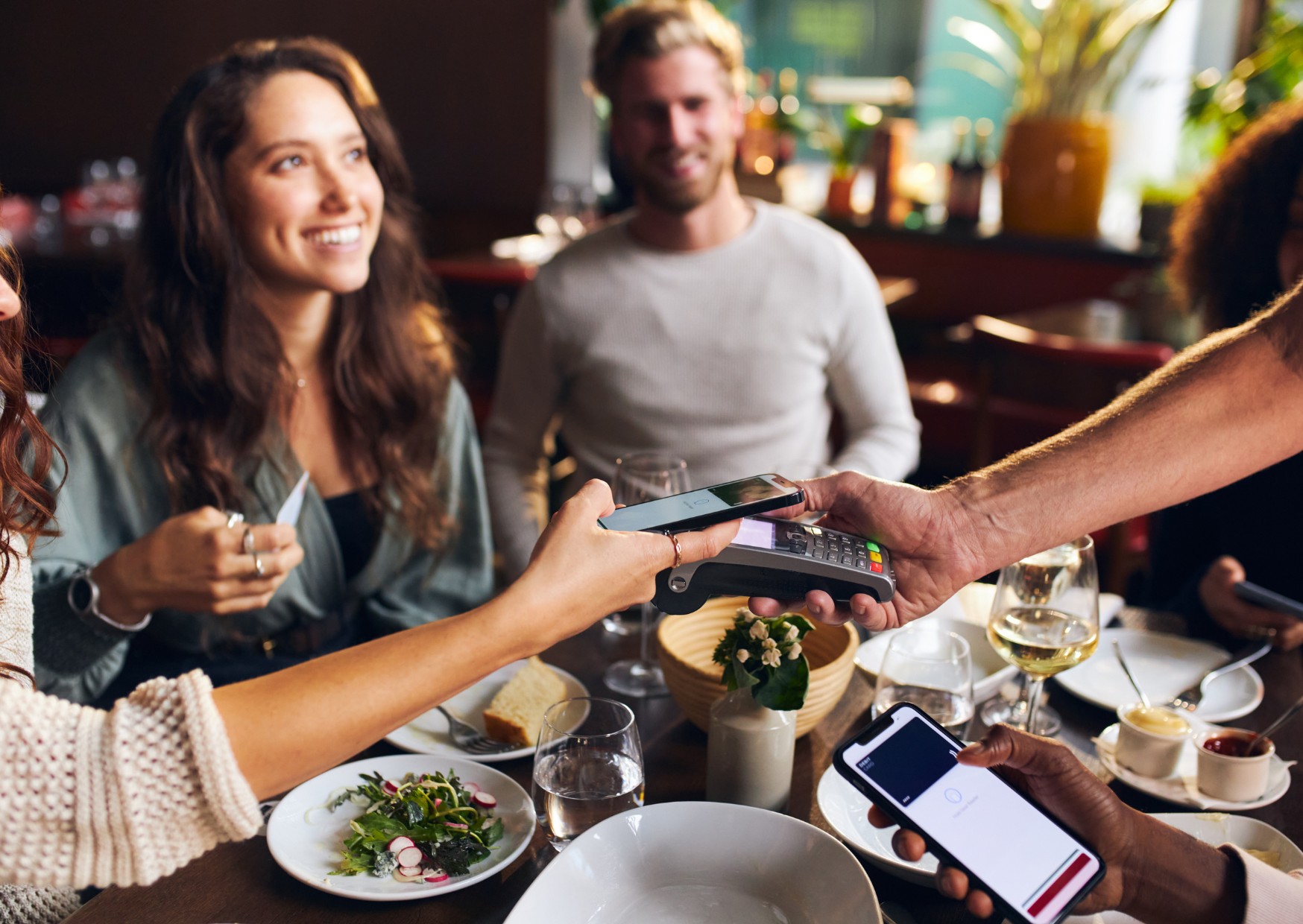
In the U.S., fairness is often equated with precision. If you ordered a $13 meal and someone else ordered a $22 steak, the “fair” thing is to pay your exact amount. Anything else feels unjust.
In Europe, fairness is defined more by balance over time than by exact totals.
Maybe you ordered less today. Maybe your friend will order less next time. Maybe you had dessert, but they picked up the coffee earlier. It evens out — eventually.
The underlying assumption isn’t that everything must be fair to the cent — but that the relationship matters more than the receipt.
2. Splitting Evenly Shows That You’re Not Counting
To Europeans, insisting on breaking the bill down by item — especially in a group — can come across as small-minded. Even rude.
Why?
Because it implies you’re keeping track. That you don’t trust the group. That your participation is conditional.
Paying your exact amount might make sense in theory, but in practice, it signals that you’re calculating your generosity — and that makes people uneasy.
In most European countries, the goal isn’t just to pay — it’s to show you’re relaxed, socially confident, and generous in spirit.
3. Americans Are Trained to “Get What They Paid For”
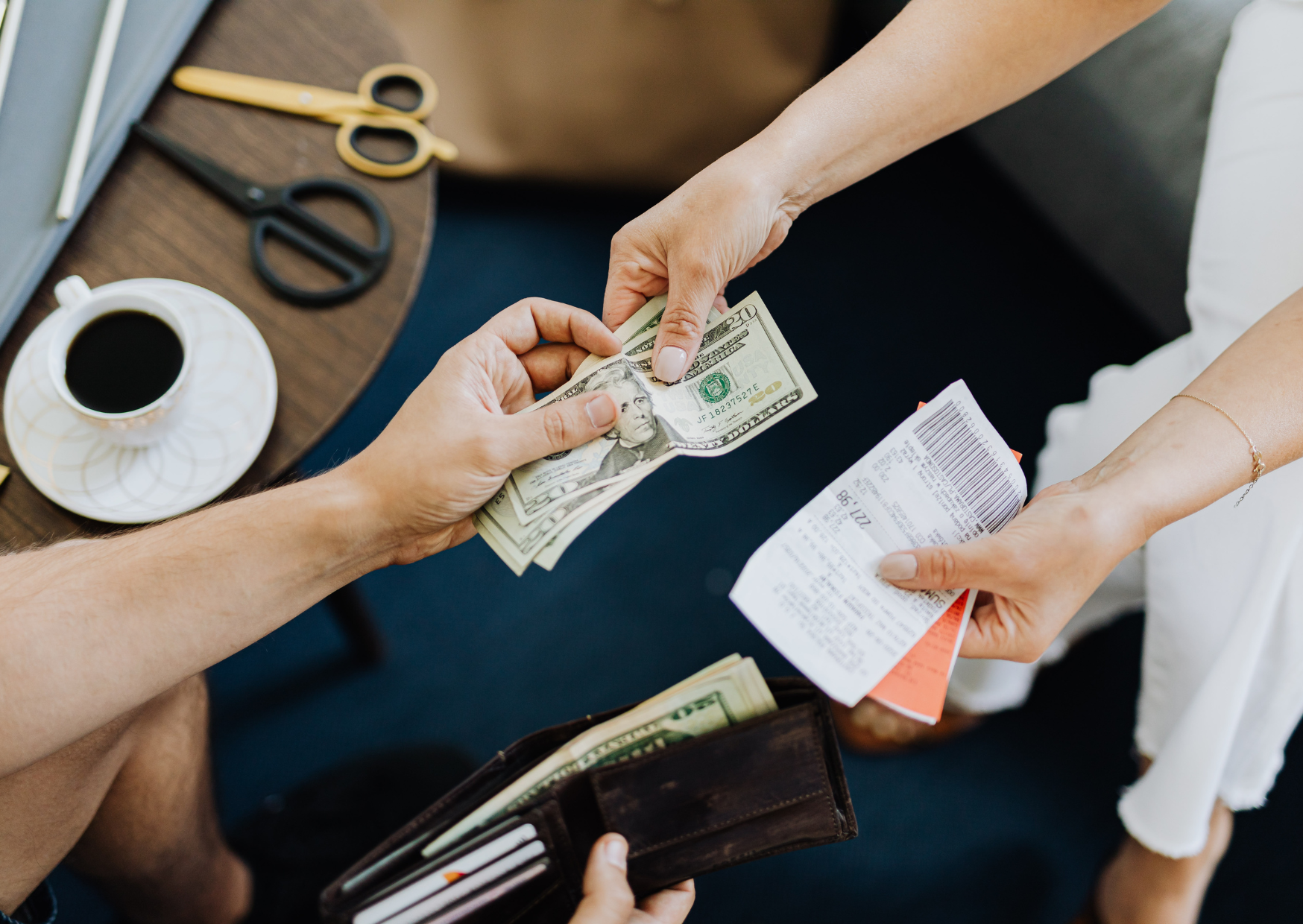
American consumer culture teaches people to protect value. You pay for what you get. You get what you pay for. You don’t subsidize someone else’s extras.
That mindset spills into social settings. People start scanning receipts, calculating tips, asking to split by dish.
Europeans, by contrast, see the meal as one collective experience. If one person ordered wine and another had only water, it’s part of the ebb and flow. No one’s tracking every deviation.
Generosity is built into the interaction. You don’t keep score — you keep company.
4. The Bill Isn’t a Financial Moment — It’s a Social Moment
In the U.S., the arrival of the bill often shifts the tone of a meal. Everyone gets tense. People start reaching for their cards. Someone tries to guess the tax and tip.
In Europe, the arrival of the bill is not dramatic. It doesn’t signal the end of the good mood.
In Spain or Italy, people may sit with the bill on the table for twenty minutes before addressing it. In France, it’s common to pause for coffee before paying. There’s no urgency.
When someone says “We’ll split,” it’s said casually — like someone offering you a piece of bread. Not like an accountant making calculations.
5. “Going Dutch” Feels Cold — and Very American
In some parts of Europe, particularly Mediterranean countries, the American-style “everyone pays for themselves” approach — especially when insisted upon — is seen as cold.
It introduces formality into what was meant to be informal, human, and shared.
In Spain, if you demand to pay your exact share, someone might say, “No te preocupes” — don’t worry. In Italy, they’ll wave it off. In Greece, they may refuse your money entirely and insist on covering it all themselves.
Generosity flows in turns, not in lines.
6. Group Math Is Simplified — On Purpose

In American circles, the bill might be split 7 ways, but only after dividing up who had what, calculating the tax and tip proportionally, and passing the check around.
In Europe, someone often rounds the total — “We’re five, it’s €100, let’s do €20 each.”
The math isn’t precise — but the spirit is generous.
If someone didn’t eat much, they’ll often say, “Let me pay less.” But just as often, someone will say, “I’ve got this,” or, “I’ll cover you — you get me next time.”
This lightness makes the bill part of the social flow, not a financial stress test.
7. Digital Payment Culture Is Slower, and Less Clinical
Americans have Venmo, split-the-bill apps, QR codes. You can itemize a check in seconds and have everyone pay their share before the waiter even returns.
In Europe, while digital payments are increasing, the culture of instantaneous reimbursement hasn’t fully taken over — and many people still prefer to settle things casually, or wait until the next outing.
It’s not about technology. It’s about tone.
Requesting €2.40 from a friend the next day might seem efficient to an American. In Europe, it may come off as overly precise — even petty.
8. Generosity Builds Social Credit — Not Financial Debt
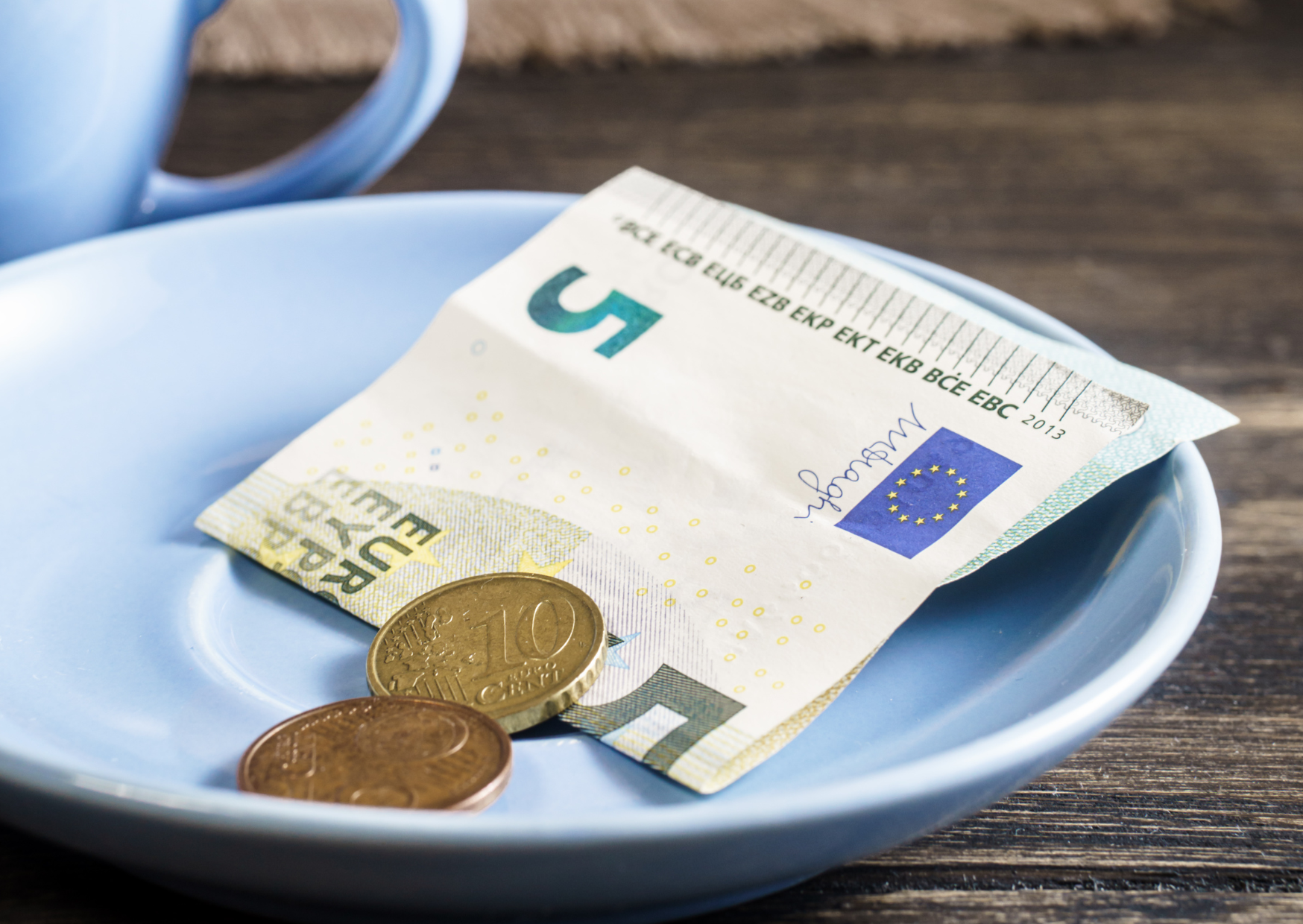
American culture often treats paying more than your share as something to correct.
In Europe, it’s something that builds goodwill.
Covering a little extra isn’t seen as foolish. It’s seen as kind. If you consistently underpay, that’s noticed. If you occasionally overpay, it’s respected.
Friendship is not a ledger. It’s a system of trust — and your behavior at the table says more about your character than your calculator ever will.
9. The Idea That You “Deserve to Pay Less” Is a Red Flag
Perhaps the biggest cultural disconnect is this: Americans often believe that if you eat less, drink less, or arrive late, you deserve to pay less.
In many European circles, that line of thinking is seen as transactional — and even childish.
The dinner wasn’t a product. It was an experience. You shared it. You enjoyed the setting, the company, the time. You were part of it.
Trying to reduce your share because you didn’t have a starter misses the point entirely.
One Bill, Two Worldviews
To Americans, splitting a bill evenly can feel unfair, uncomfortable, even morally wrong.
To Europeans, splitting it precisely can feel awkward, cold, and missing the point.
In the U.S., fairness is measured in numbers.
In Europe, fairness is measured in relationships.
So if you’re out with European friends and the check arrives, don’t reach for your phone. Don’t start dividing the bill line by line. Don’t ask for a separate tab unless absolutely necessary.
Instead, look around, offer to split, or even cover someone else. It’s not about being generous with money — it’s about being generous with social trust.
And nothing makes you look more desperate than trying to prove you don’t owe €4.70 for a meal you shared with people who were willing to share far more than the food.
Mastering the European method of splitting a check isn’t about abandoning fairness—it’s about embracing social harmony. Let go of the spreadsheet mind and lean into the experience. Share the moment first. Talk, laugh, linger.
If you’re a traveler—or even just dining with international friends—cultivating cultural awareness at the table builds more connection than any exact euro or dollar. Relax into the meal, let basic courtesy guide you, and your company—not your wallet—will leave the strongest impression.

About the Author: Ruben, co-founder of Gamintraveler.com since 2014, is a seasoned traveler from Spain who has explored over 100 countries since 2009. Known for his extensive travel adventures across South America, Europe, the US, Australia, New Zealand, Asia, and Africa, Ruben combines his passion for adventurous yet sustainable living with his love for cycling, highlighted by his remarkable 5-month bicycle journey from Spain to Norway. He currently resides in Spain, where he continues sharing his travel experiences with his partner, Rachel, and their son, Han.