
You can’t “vacation-budget” your way into living in Europe. If you try, retirement gets crushed by private health insurance, tourist-stay limits, and U.S. phone, bank, and tax habits that don’t translate. The fix isn’t a hack—it’s switching systems.
The moment you stop paying like a visitor and enter a country’s resident track—with a visa that accepts Social Security/pensions as income and grants access to national healthcare—the math flips. What felt impossible at $3,000–$5,000 a month starts looking like a normal European budget, because the two cost bombs for Americans abroad—healthcare and housing tied to short-stays—deflate.
Want More Deep Dives into Everyday European Culture?
– Why Europeans Walk Everywhere (And Americans Should Too)
– How Europeans Actually Afford Living in Cities Without Six-Figure Salaries
– 9 ‘Luxury’ Items in America That Europeans Consider Basic Necessities
Quick Easy Tips
Research lesser-known regions with a lower cost of living rather than focusing only on capital cities.
Take advantage of favorable visa and residency options designed for retirees.
Understand local tax implications before making a move.
Factor in healthcare access and insurance costs early in the planning stage.
Visit potential destinations before committing to ensure the lifestyle truly fits.
Many Americans assume European retirement is only for the wealthy, but that belief overlooks the diversity of living costs across the continent. While places like Paris or Zurich can be expensive, other areas in Portugal, Spain, or parts of Eastern Europe offer an excellent quality of life at a fraction of the cost.
Another misconception is that moving abroad automatically means giving up financial stability. In reality, careful planning can stretch retirement savings much further overseas than in many parts of the United States. Lower healthcare costs, public transportation, and affordable daily living can make a significant difference.
Finally, there’s a cultural mindset that retirement must follow a traditional path staying close to home, sticking to familiar routines, and accepting high costs of living. But many Americans who retire in Europe discover a lifestyle that’s not only more affordable but also more fulfilling. The real barrier isn’t just money it’s the willingness to step outside of that comfort zone.
The one thing that changes everything

Residency over tourism — public healthcare over expat insurance — steady address over nightly rates
If you remember nothing else, remember this: affordability arrives the day you stop being a tourist. Legal residency unlocks long leases (not weekly premiums), lets you enroll in a national health system (or buy the country’s resident-grade private plan that’s a fraction of U.S. costs), and frees you from 90/180-day churn. Without residency, you’re paying hotel math and expat-insurance math forever. With it, you pay local math—rent and care priced for locals, not visitors.
The visa door most Americans don’t realize is already open

Income accepted: Social Security/pensions — no local job required — year-plus stays, renewable
Several European countries publish visas that explicitly accept passive income—including U.S. Social Security—and do not require a local job. The big four for straightforward retirements:
- Spain Non-Lucrative Visa (NLV). The rule is simple: show sufficient means—Spain sets it at 400% of the IPREM per year for the main applicant, plus 100% per dependent. Consulates publish the exact numbers; for 2025 many applicants are told to show about $32,000 for one adult (more for family). You don’t work in Spain; you live there.
- Portugal D7 (Passive Income). Tie your income to the Portuguese minimum wage. In 2025, that’s €870/month for the main applicant, with standard add-ons for spouse and dependents. Social Security, pensions, rentals, dividends all count.
- France “Visitor” long-stay. You pledge not to work in France and prove stable resources. After three months of legal residence, PUMa (universal health coverage) becomes available if you meet the residence conditions.
- Italy “Elective Residence.” You show stable passive income and domicile yourself in Italy. Once resident, many retirees enroll in the public system by paying the annual voluntary SSN contribution (see below).
If you’re accustomed to the U.S. system—jobs first, insurance through employment—this feels like a fantasy. It isn’t. It’s law, with public numbers you can prepare for.
Healthcare is the budget killer—until you enroll like a resident

Medicare ≠ Europe — resident pathways exist — published fees/thresholds
- Medicare does not travel. Traditional Medicare generally doesn’t cover care outside the U.S. beyond narrow exceptions. If you rely on it abroad, you’ll pay out of pocket or buy pricey expat policies built for tourists. That’s why many Americans conclude “Europe is unaffordable.” They’re using the wrong health system.
- Spain: after residency, retirees commonly join Convenio Especial—a published, flat monthly contribution to Spain’s public system: €60/month if under 65, €157/month if 65+ (regional administration but national rates). That’s not a typo; it’s the fee schedule.
- France: with PUMa, legal residents gain access after three months of stable residence. You’ll contribute via social charges if applicable; the point is universal access for residents, not private insurance forever.
- Italy: voluntary SSN enrollment for non-EU residents without other entitlement currently sits at €2,000/year (reduced brackets for students/au pairs). One fee, national coverage, normal copays.
- Portugal: residents register with SNS (national health service) via local health centers once they have a residence certificate/number. While you often carry private insurance during your first year, SNS becomes your long-term base—at public tariffs instead of expat rates.
Translation: the “unaffordable” line item is solvable the moment you switch to resident status and join the local system.
Your income is more welcome than you think
Social Security is valid proof — pensions/rents/dividends count — double-tax fears are fixable
European consulates don’t need you to be wealthy; they need you to be stable. They literally list acceptable sources—Social Security, pensions, rentals, dividends—and set numbers in writing. If you can live comfortably on your current retirement income in an average U.S. city, there’s a decent chance you can meet a southern-European threshold today.
Taxes? The U.S. taxes citizens on worldwide income. But tax treaties and the foreign tax credit generally prevent you from paying the same tax twice, and Totalization Agreements coordinate Social Security coverage between the U.S. and many European states (helpful for people with mixed work histories). You’ll still file U.S. returns; you’ll avoid most double hits by planning, not guessing.
The three retiree tracks that actually pencil out
“Big city, small neighborhood” — “mid-size coast” — “heritage town interior”
- Big city, small neighborhood. Think Valencia, Bordeaux, Bologna. You’ll pay for walkability and services, but long leases plus resident healthcare keep totals sane.
- Mid-size coast. Alicante, Cagliari, Porto. Cheaper than capital cities; airports and hospitals still close.
- Heritage interior. Úbeda, Evora, Lecce. Deep value on rent; slower pace; regional trains, not high-speed.
All three work as long as you don’t pay nightly/weekly pricing and you join the local health system.
What to stop paying for on Day 1
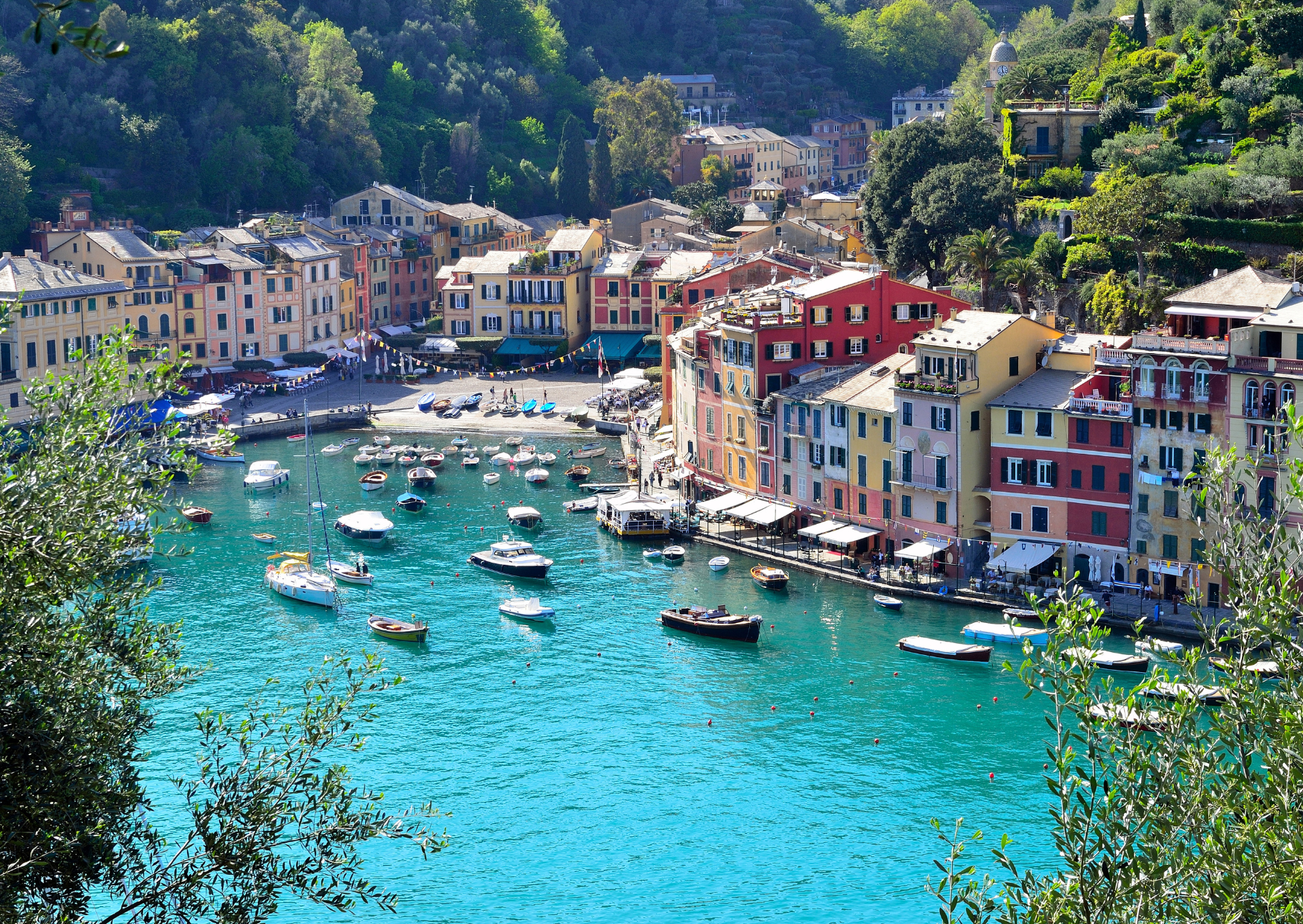
Nightly stays and short-let premiums — U.S. roaming and phone bundles — expat-only insurance
- Nightly rates: month-to-month or annual leases slash costs; many cities now tightly regulate short-lets anyway.
- Phone: a local €10–€20 SIM with EU-wide roaming is the norm. Park your U.S. number cheaply for banking codes and stop paying $100+.
- Expat policies: bridge with private insurance only until public eligibility (or buy the country’s domestic private plan priced for residents). Remove the $300–$600/month expat-insurance anchor.
Country specifics—how retirees actually do it
Spain: Non-Lucrative + Convenio Especial

NLV income = 400% IPREM — no work in Spain — public health at posted fees
Apply at a Spanish consulate with proof you can support yourself without working in Spain. The 400% IPREM rule is the core; consulates publish the annual amount (2025 examples show about $32,000 for one adult, add dependents). After you’re resident and registered, many retirees buy the first year of private insurance (required for the visa), then switch to Convenio Especial once eligible: €60/month (<65) or €157/month (65+). That’s your long-term affordability lever.
Portugal: D7 + SNS registration
D7 ties to minimum wage — €870/month (2025) baseline — SNS after residence set-up
Portugal’s D7 is built for people with passive income, not salaries in Portugal. As of 2025, plan around €870/month for the main applicant (the national minimum wage), then standard percentages for spouse/children. First year, you’ll typically carry private coverage; once your residence number and address are registered, you enroll at your local SNS clinic and start using the system at public rates. That is where costs start looking like a Portuguese household.
France: Long-Stay “Visitor” + PUMa
Resources proof — no work pledge — universal coverage after 3 months
France’s visitor track wants proof of means and a no-work pledge. After you’ve legally resided for three months and are stably settled, PUMa provides universal access to the public system (with the usual paperwork and contributions where applicable). Rents outside central Paris—and in provincial cities—bring the monthly total down fast.
Italy: Elective Residence + SSN (voluntary)
Passive income proof — no local employment — €2,000/year to join SSN
Italy’s Elective Residence expects stable, non-salary income (pensions, investments) and proof of lodging. After you obtain residency, you can buy into the national health service (SSN) via voluntary registration—€2,000/year under the 2024 rule, still referenced in 2025 guidance. That single payment is often less than two months of U.S. retiree insurance.
What makes Americans think it’s “impossible” (and how to avoid it)
Tourist math — wrong insurance — paperwork fatigue
- Tourist math: pricing apartments by the week, flying back and forth on 90-day clocks, dining out like you’re on holiday—it will break any budget. Sign a lease. Shop where your neighbors shop.
- Wrong insurance: expat “global” policies are built for portability, not price. As a resident, you don’t need portability—you need local predictability.
- Paperwork fatigue: visas, registrations, and health enrollment are admin, not mystery quests. Plan a month of “life admin” and move through the list in order.
The Social Security & taxes reality check
SSA pays abroad — Totalization Agreements — no double-tax when you plan
- Payments: U.S. Social Security benefits are payable to eligible retirees living in Europe (with limited exceptions).
- Coordination: Totalization Agreements between the U.S. and many European states prevent dual Social Security taxation and help workers with mixed careers qualify for benefits.
- Taxes: you still file with the U.S., but tax treaties and the foreign tax credit usually neutralize double tax on the same income when structured correctly. This is planning, not guessing—work with a cross-border CPA in year one.
A realistic timeline (screenshot this)
90 days to decide — 90 days to apply — 90 days to settle
- Decide your country (Spain/Portugal/France/Italy). Pull the published income and insurance requirements today and compare them to your net monthly income.
- Paperwork month. Order FBI background check, apostilles, marriage/birth certificates, bank letters, pension/SSA award letters, lease or long stay reservation.
- Apply at the consulate with the visa that fits your income. Expect weeks to a few months depending on consulate.
- Arrival month. Get tax number, residence certificate/ID, bank account, local SIM, and register with health system (or buy the required private plan for year one, then switch).
- Reset your budget: long lease, domestic utilities, and resident healthcare now anchor your monthly cost.
The math—why this becomes affordable fast
Healthcare drops by hundreds — housing normalizes — the rest follows
- Healthcare: A Spain Convenio Especial couple where one spouse is 65+ pays €60 + €157 = €217/month total to access the public system; Italy’s SSN voluntary is €2,000/year for a retiree—about €167/month. In both cases, you’ve cut U.S.-style retiree premiums by hundreds monthly.
- Housing: A 12-month lease in a non-capital city replaces nightly/weekly premiums; even when rent isn’t “cheap,” the variance is—no surprise $400 spikes because a conference came to town.
- Everything else: Groceries, utilities, transit, and eating out fall where locals live—not where visitors crowd.
Result: the budget that looked impossible on tourist math becomes plausible, then comfortable, on resident math.
Common objections—answered plainly

“I’ll lose my doctors.” You’ll gain a system, not a single gatekeeper, and you can still schedule private specialists when you want.
“I’m worried about language.” Pick cities with large international clinics; in Spain/Portugal/France/Italy, major hospitals have translators and English-speaking staff.
“What if my income is borderline?” Consider couples’ two-country math (year one in Portugal, year two in Spain), smaller cities, or adding modest rental/dividend income to cross thresholds.
“What if I change my mind?” Most visas are renewable; you can pause by not renewing. Your U.S. ties remain: bank accounts, SSA direct deposit, number “parked.”
A 15-minute starter list for Americans who are serious
Write down your monthly net income (SSA + pensions + rentals + dividends).
Circle the visa that matches your number (Spain NLV; Portugal D7; France Visitor; Italy Elective).
Open a folder for: passport, SSA award, pension letters, 12 months bank statements, background check, apostilles, proof of lodging, proof of insurance.
Set three appointments: consulate visa slot; cross-border CPA; tele-consult with a relocation lawyer (one hour of sanity).
Plan the health handoff: private coverage just long enough to qualify—then public (Convenio/PUMa/SSN/SNS).
Cut U.S. leftovers: port your phone number to a cheap plan; stop paying $100+ for a line you barely use; migrate bills and 2FA to apps.
Don’t try to “cheap your way” into retirement—switch systems
Retiring in Europe isn’t about squeezing prices at tourist counters. It’s about entering the system that locals use—visas that accept your Social Security and pensions, resident healthcare you can actually afford, leases instead of nightly rates, and a tax setup that avoids double hits because you planned ahead. Once you make that switch, the numbers many Americans fear—private insurance for life, $100 phone bills, hotel math—stop applying. What’s left is the budget Europeans live on every day.
If you can support yourself without working locally and you’re willing to trade a month of paperwork for decades of calmer bills, European retirement isn’t a splurge. It’s a different operating system—and it starts the day you stop being a tourist.

About the Author: Ruben, co-founder of Gamintraveler.com since 2014, is a seasoned traveler from Spain who has explored over 100 countries since 2009. Known for his extensive travel adventures across South America, Europe, the US, Australia, New Zealand, Asia, and Africa, Ruben combines his passion for adventurous yet sustainable living with his love for cycling, highlighted by his remarkable 5-month bicycle journey from Spain to Norway. He currently resides in Spain, where he continues sharing his travel experiences with his partner, Rachel, and their son, Han.