
(And Why Locals Think We’re the Weird Ones)
You’ve finally checked into your charming Airbnb in Paris, Rome, or Lisbon. The windows open to cobblestone streets, the light is perfect, the croissants are calling… and then you go to take a shower.
Wait, where’s the curtain?
Why is the entire floor wet now?
Why is this showerhead… detachable?
Why is the water pressure questionable at best?
And why—seriously, why—is there no full enclosure?
Welcome to one of the great everyday culture shocks for Americans in Europe: the shower situation. It’s not just about design—it’s about habits, philosophy, and how people across the Atlantic approach daily life.
Let’s unpack the European shower habit that Americans find completely backwards—and why, from a European perspective, it makes perfect sense.
Want More Deep Dives into Everyday European Culture?
– Why Europeans Walk Everywhere (And Americans Should Too)
– How Europeans Actually Afford Living in Cities Without Six-Figure Salaries
– 9 ‘Luxury’ Items in America That Europeans Consider Basic Necessities
Quick & Easy Tips for Navigating European Shower Habits
Expect No Shower Curtains or Full Enclosures — Many European bathrooms feature partial glass panels or open showers, so be prepared for water to splash.
Bring Your Own Flip-Flops for Shared Bathrooms — In hostels or budget accommodations, communal bathrooms are common, and flip-flops can make your experience more comfortable.
Check Hot Water Limits — Some older European hotels or apartments have small water heaters, so quick showers are often the norm.
Learn the Faucet System Before You Start — Water controls can vary greatly, and figuring them out in advance can save you a lot of hassle.
Don’t Expect a Washcloth — Europeans often use loofahs or nothing at all; bringing your own preferred shower items is always smart.
One common misconception is that European bathrooms are poorly designed because they lack full shower enclosures. In reality, the minimalist design is often intentional, reflecting space-saving architecture, water conservation habits, and different cultural attitudes toward daily routines.
Another debated belief is that the absence of shower curtains means Europeans are less concerned with cleanliness or hygiene. On the contrary, many Europeans simply prefer efficient, quick showers and practical bathroom designs over the American tendency for larger, more enclosed spaces.
Perhaps most surprising is the idea that all bathrooms should conform to American standards of convenience. Traveling often means adapting to different norms, and the European approach to showers — while it may feel backward to some — reflects a distinct cultural perspective on efficiency, simplicity, and practicality in daily life.
1. The Handheld Showerhead Reigns Supreme
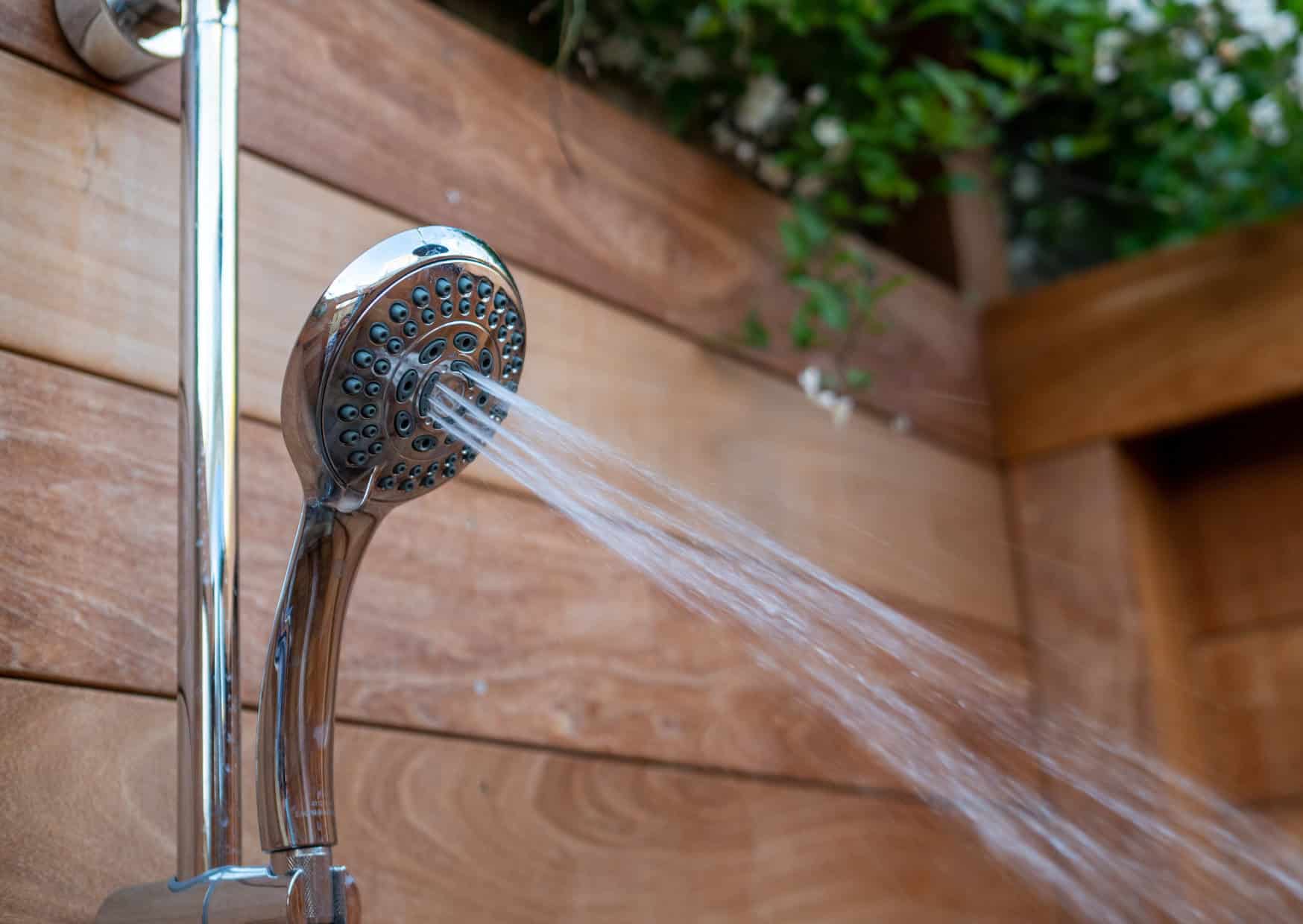
One of the first things Americans notice: the showerhead isn’t fixed to the wall—it’s handheld. Often perched on a bracket or just lying there waiting for you to figure it out, this detachable sprayer is standard across much of Europe.
To Americans used to overhead rainfall showers or fixed high-pressure nozzles, this feels outdated. But Europeans see it differently. The handheld showerhead is:
- Practical for rinsing specific parts of the body
- Efficient for shorter showers
- Easier for cleaning the tub or shower enclosure
- Commonplace in households for decades
Many Europeans simply turn on the water, get wet, turn it off to soap up, then rinse off—all with the handheld nozzle. To them, it’s normal. To Americans, it feels like a rinse cycle with no instructions.
2. Full Shower Curtains or Doors Are Optional (At Best)
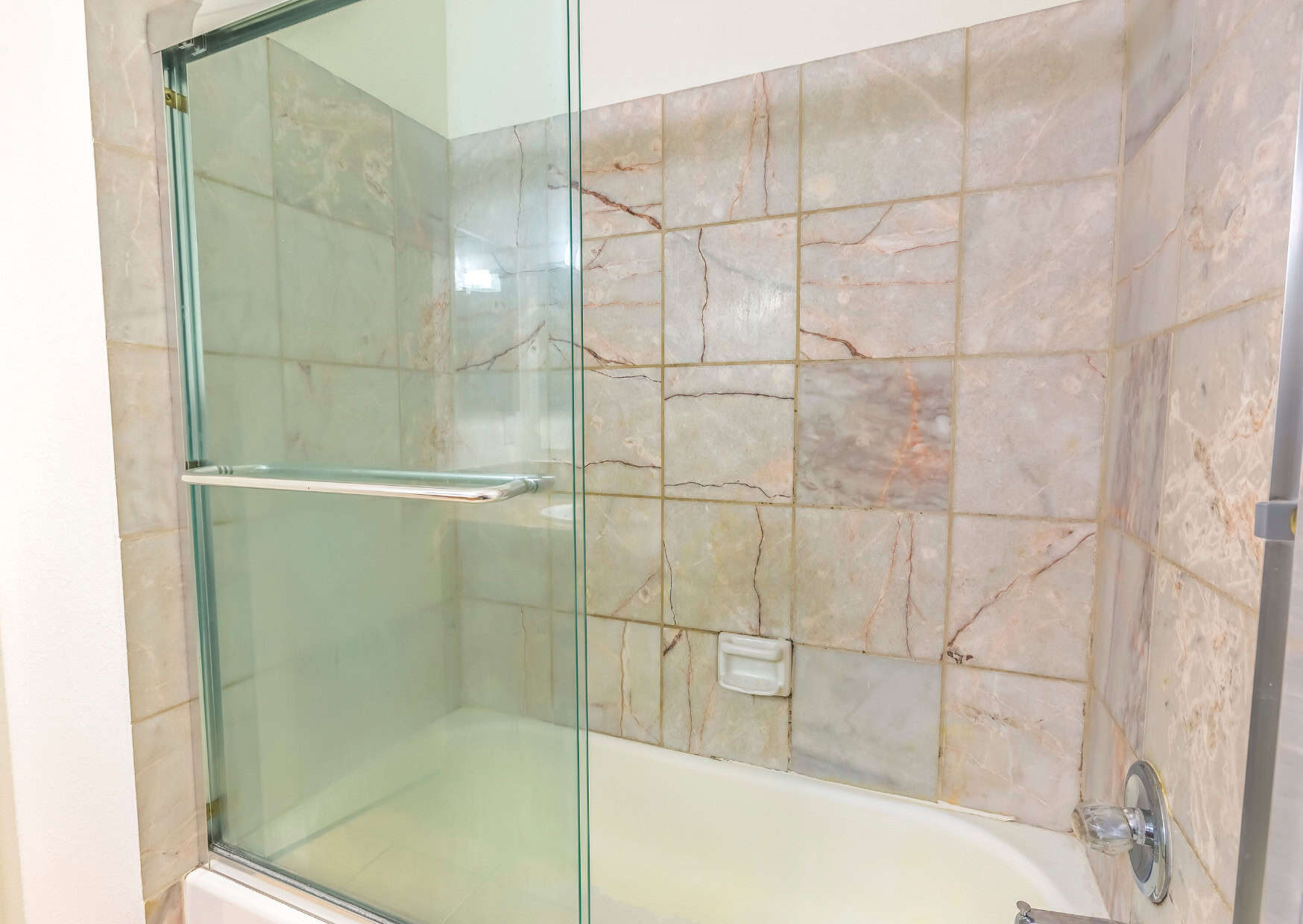
Possibly the most confusing part of European showers? Many don’t have full enclosures.
Instead, you might find:
- A half-glass panel that covers only part of the tub
- No curtain at all, just a freestanding tub with a handheld nozzle
- A wall-mounted nozzle in a fully tiled wet room with no divider
- Or even a bath-shower combo with no curtain and no place to hang one
The result? Water gets everywhere, especially if you’re trying to use it like a traditional American shower. You’ll leave the bathroom floor drenched and feel like you’ve done something wrong.
But in Europe, it’s just how it is.
These setups are based on:
- Historical plumbing layouts
- Space constraints in older buildings
- A cultural attitude of “you’ll figure it out”
- And the belief that soaking the floor isn’t a big deal if you mop it up later
3. Water Pressure Is a Gamble
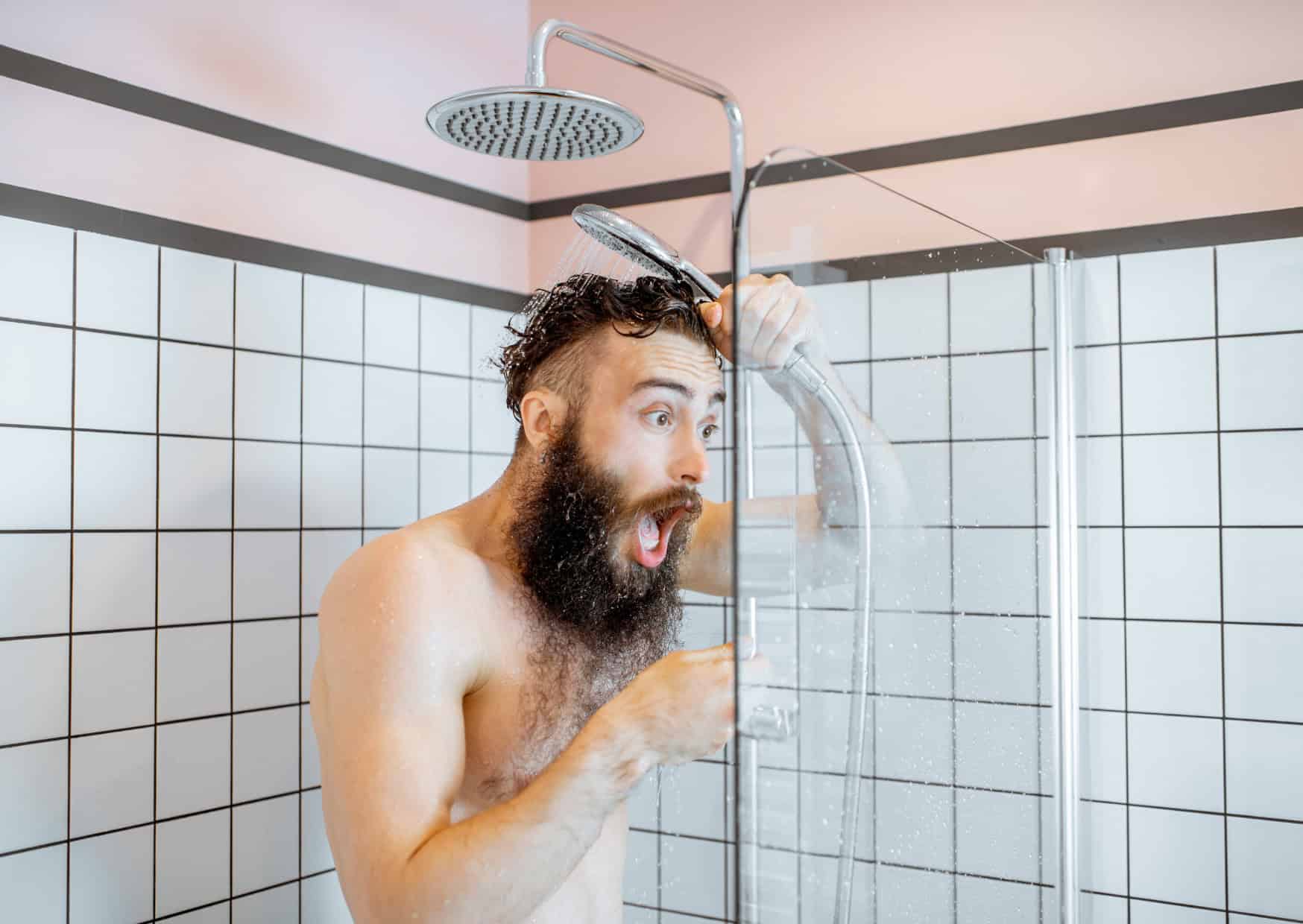
Ask any American expat in Europe, and you’ll hear tales of surprise low-pressure showers—the gentle drizzle that leaves you wondering if you’ll ever get all the shampoo out.
European water pressure varies wildly:
- In some countries (like Germany or the Netherlands), it’s solid
- In others (like Italy, Greece, or Spain), it can be unpredictable
- In older buildings, it’s often tied to tank systems or gravity-fed plumbing
To Americans accustomed to fire-hose strength showers and unlimited hot water, this feels like a downgrade.
But Europeans tend to see water pressure as “good enough,” especially when paired with shorter, more functional showers.
4. Long, Steamy Showers Are Less Common
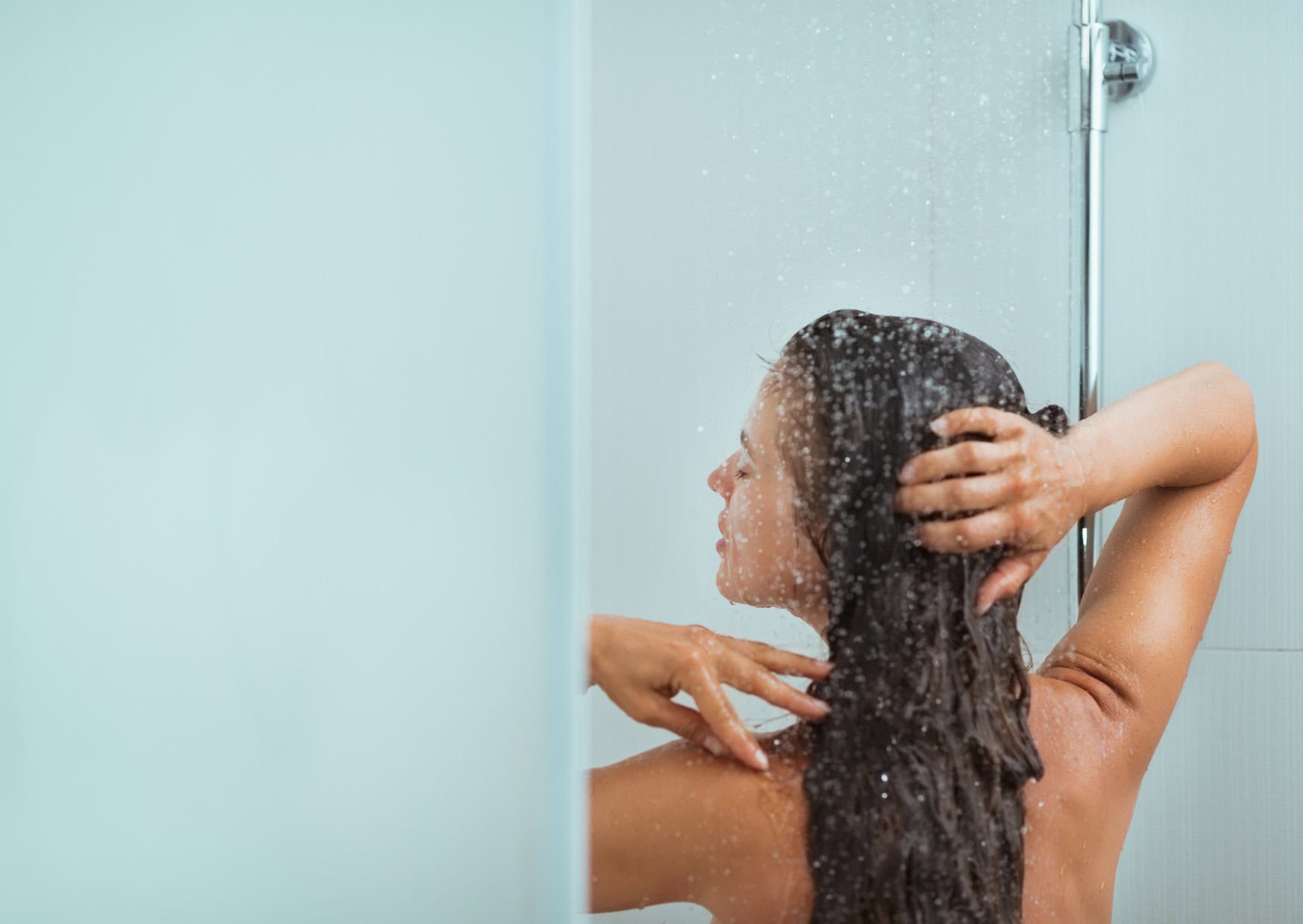
In the U.S., a long, hot shower is part of self-care. It’s where we decompress, brainstorm, or just escape life for 20 minutes.
In Europe? Showers are quick, efficient, and purpose-driven. There’s less of a “shower as therapy” mentality.
Why?
- Energy costs are higher in Europe, so long showers = expensive
- Water is more consciously conserved, especially in drought-prone areas
- Cultural habits lean toward moderation over indulgence
A typical European might shower in 3–5 minutes flat. In some households, water is even turned off between lathering and rinsing—something that shocks American guests who think the hot water ran out. (Spoiler: it didn’t. They’re just conserving.)
5. Not Everyone Showers Daily (And That’s Normal)
Here’s the real shocker for many Americans: not all Europeans shower every day. And in most places, it’s not considered unclean—it’s just cultural.
This habit varies by country, of course:
- In Italy, Spain, and Greece, people tend to shower more frequently, especially in summer
- In France or Germany, every other day (or even less) is perfectly acceptable
- In Scandinavia, saunas often replace daily showers
To Europeans, the obsession with daily (or twice-daily) showers feels excessive, even wasteful. If you’re not sweaty, dirty, or smelly, why shower?
This isn’t laziness—it’s a different philosophy about the body, hygiene, and sustainability.
6. Shower Time Is Private Time—Really Private

In many American households, especially with families, someone might shower while someone else brushes their teeth or gets ready nearby. Bathrooms are often shared, multitasked, and open-door friendly.
In Europe? The bathroom is your personal zone, and entering while someone else is in there—showering, toileting, or otherwise—is a major privacy violation.
Shower time is solo time, and many households have rules (spoken or not) about:
- Locking the door
- Not talking through the bathroom door
- Giving people space before and after
There’s a quiet respect for personal routine that may seem overly formal to Americans, but it’s part of a broader European value of individual boundaries.
7. Towels Go on Radiators, Not Racks
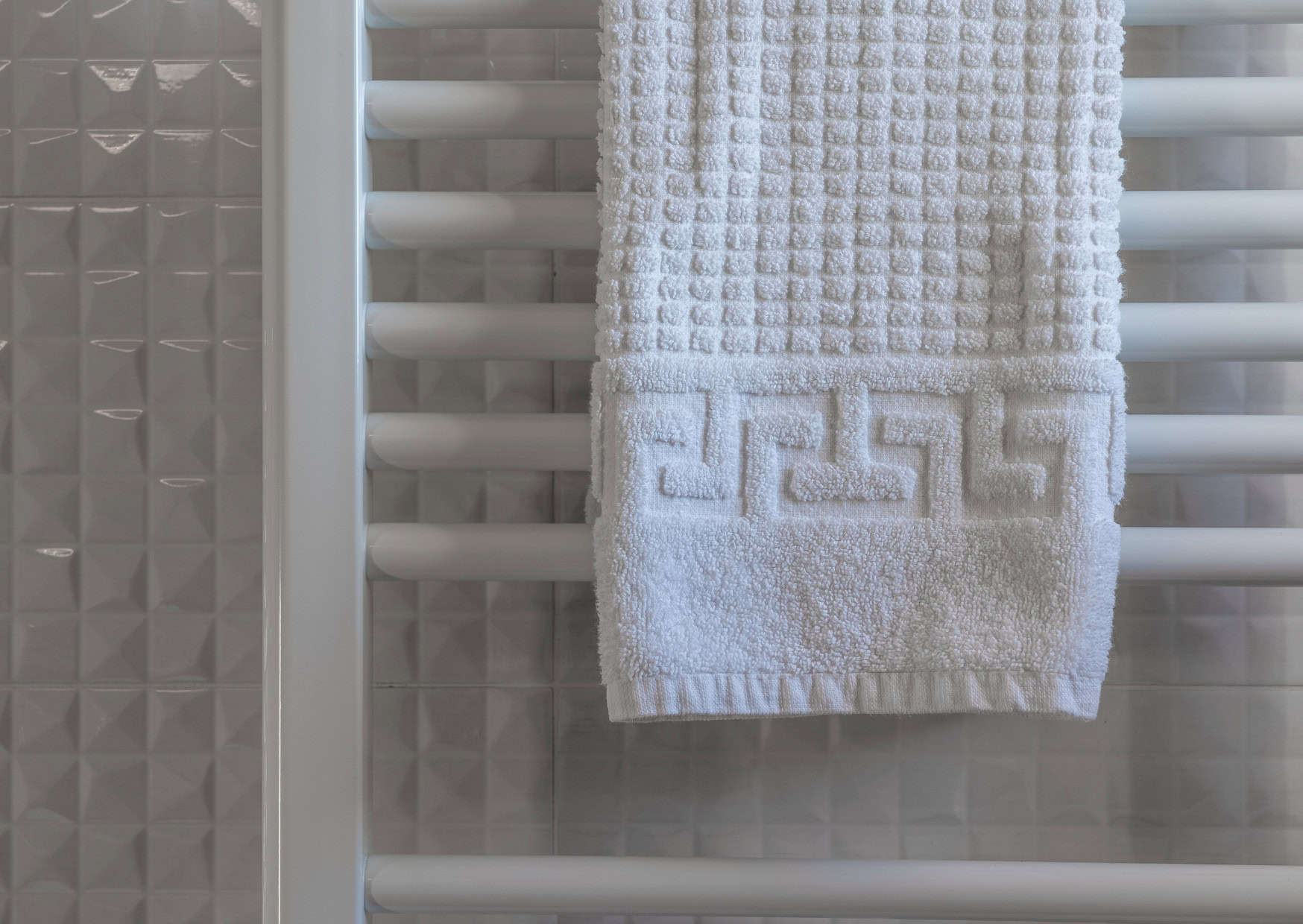
Another detail that catches Americans off guard? The heated towel rack.
In much of Europe—especially the UK, Scandinavia, and central Europe—bathrooms are equipped with a radiator that doubles as a towel warmer. This isn’t a luxury—it’s standard.
Why?
- It keeps towels dry in damp climates
- It helps prevent mold in small bathrooms
- It makes winter showers much less painful
In contrast, American bathrooms rely on simple bars or hooks, and towels often stay damp in humid rooms. Once you experience a toasty towel post-shower in Prague or Oslo, you’ll never look back.
8. Bidets (or Their Absence) Are Part of the Routine
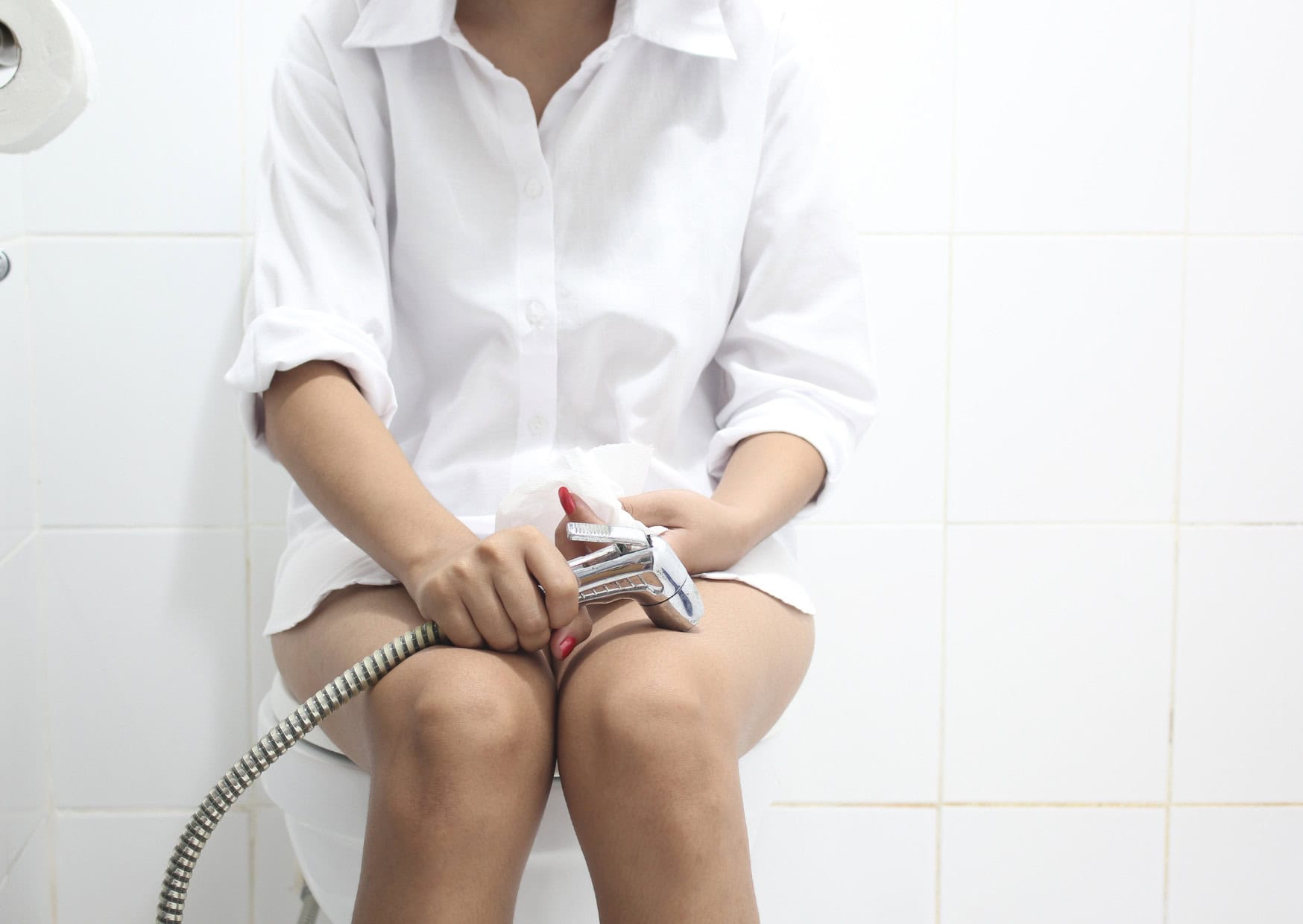
While not exactly part of the shower, many Americans are surprised to see bidets in European bathrooms—and confused about when and how to use them.
In countries like Italy, Portugal, and parts of Spain and France, bidets are common and often used before or instead of a shower, especially for freshening up.
Elsewhere, you may find high-tech bidet toilet seats or integrated sprayers.
And if there’s no bidet? That’s where the handheld showerhead comes in handy again—multipurpose hygiene, European style.
9. It’s Not About Luxury—It’s About Function
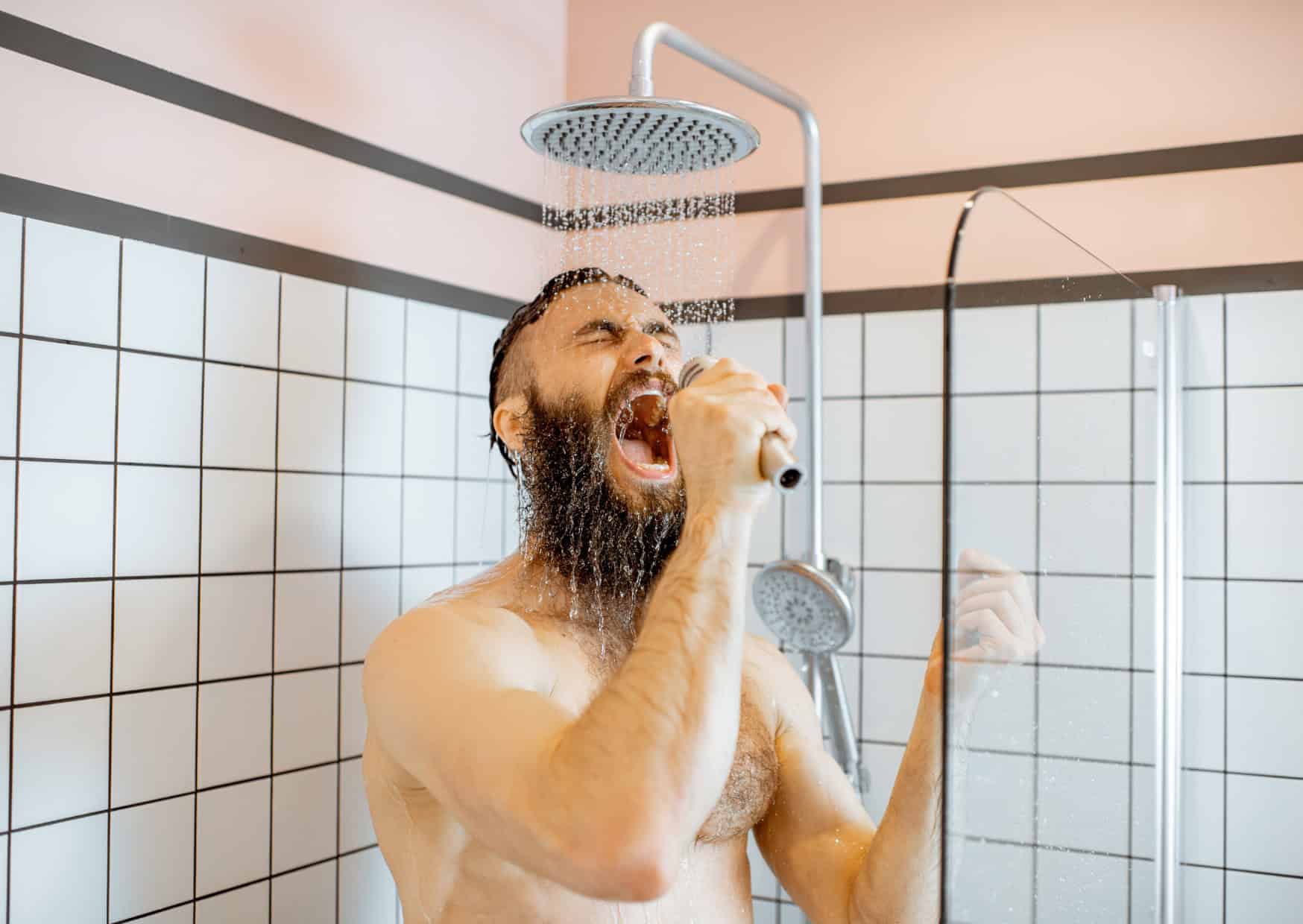
In the U.S., showers are often designed as luxurious escapes: rainfall heads, built-in benches, glass doors, LED lights.
In Europe, showers are about practicality. They’re compact, functional, often located in tiny bathrooms squeezed into pre-20th century buildings. Many don’t have storage shelves or even space for full-sized shampoo bottles.
But here’s the twist: Europeans don’t seem to mind.
To them, a shower:
- Is for getting clean
- Shouldn’t waste resources
- Doesn’t need to feel like a spa
It’s a reflection of a wider cultural mindset: daily habits should be efficient, intentional, and low-fuss.
Final Thoughts: You’re Not Doing It Wrong—You’re Just Not in Kansas Anymore
To Americans abroad, the European shower setup can feel like a frustrating downgrade. But to Europeans, it’s just one more example of a different relationship with time, space, and consumption.
Is it less convenient? Sometimes.
Less luxurious? Probably.
Less logical? Only if you assume your version is the default.
But once you get used to it—tiled wet rooms, minimal fuss, heated towel racks and all—you might start to understand the appeal: simplicity, sustainability, and a little humility in the daily ritual.
Want More Day-to-Day Culture Shocks?
Pro Tip: If you’re traveling to Europe, bring shower sandals if you’re unsure, a microfiber towel if you’re particular—and an open mind, because the water might not be hot, the floor might get wet, and somehow… you’ll survive.

About the Author: Ruben, co-founder of Gamintraveler.com since 2014, is a seasoned traveler from Spain who has explored over 100 countries since 2009. Known for his extensive travel adventures across South America, Europe, the US, Australia, New Zealand, Asia, and Africa, Ruben combines his passion for adventurous yet sustainable living with his love for cycling, highlighted by his remarkable 5-month bicycle journey from Spain to Norway. He currently resides in Spain, where he continues sharing his travel experiences with his partner, Rachel, and their son, Han.