
I stopped performing breakfast. For thirty days I copied the Spanish morning rhythm: light first thing, real lunch at 3, small dinner, a lot of walking between. The weight loss surprised me. The reflux relief felt like cheating. It was not a diet. It was a clock.
What “Spanish breakfast” actually is when you live with it
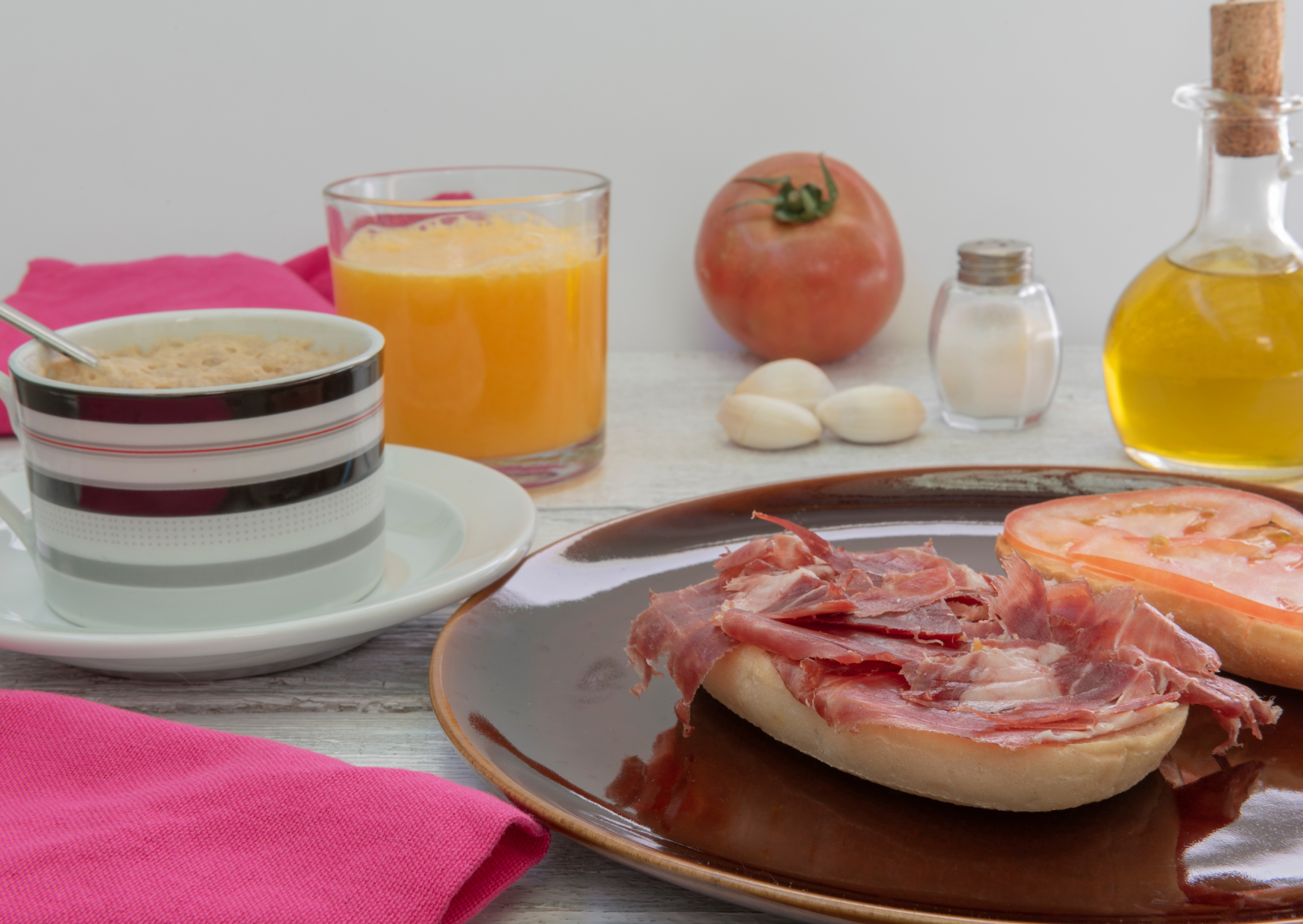
Breakfast here is small, salty, and fast. People drink coffee with milk and eat tostada con tomate or plain yogurt with a sliced fruit. Sometimes it is just coffee. The point is enough to start, not a celebration that steals the rest of the day. If you want protein, you add a thin slice of jamón or an egg later. Nobody builds a tower of pancakes at 7 and then wonders why lunch feels wrong.
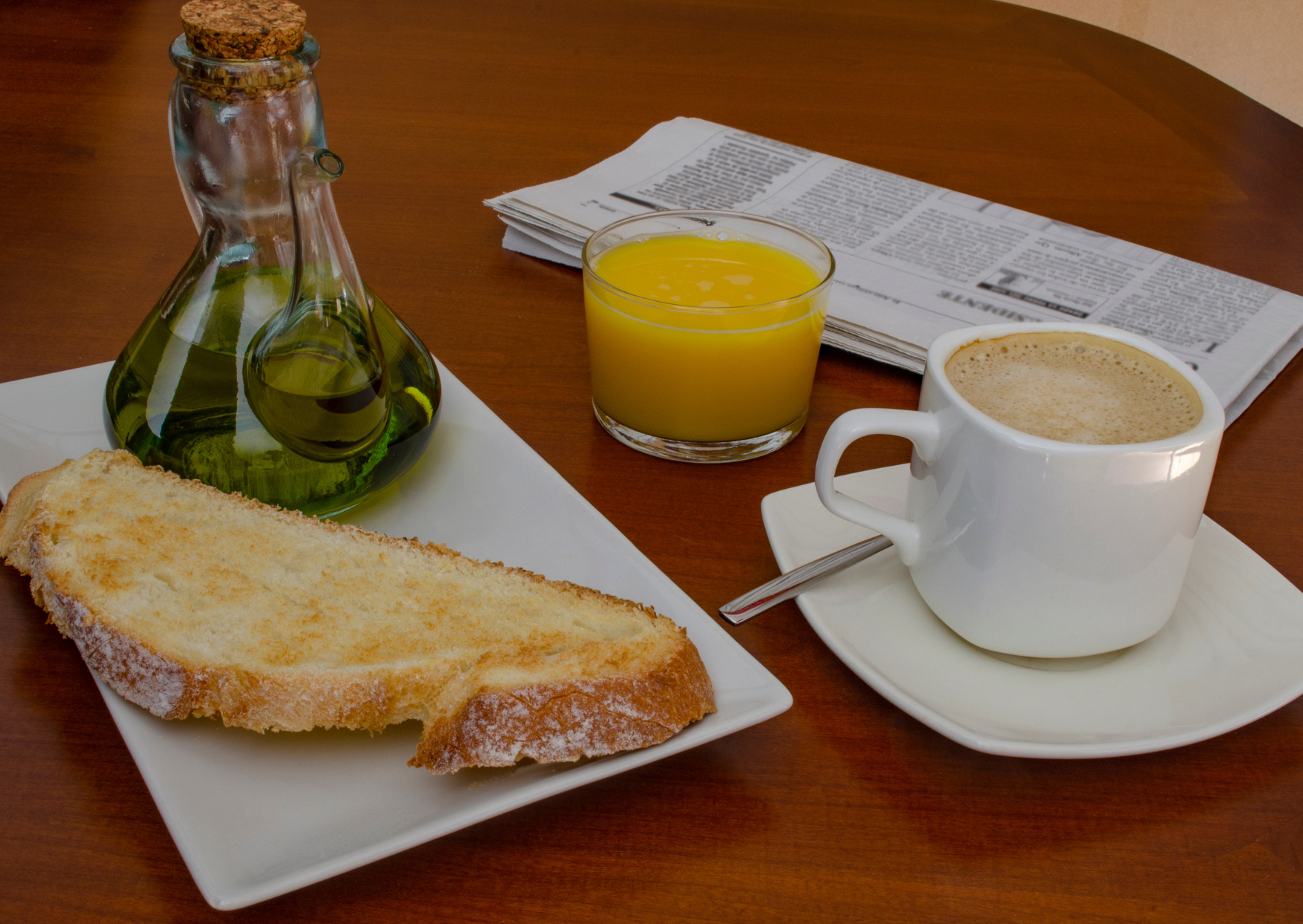
I replaced the plate that used to look like a brunch flyer with one slice of toast, tomato pulp, olive oil, and a little salt. On work days that toast was €0.90 worth of food at home, €2.20 to €3.00 at a café. The body got the message quickly. Light in the morning, real at midday, quiet at night.
Start with a lighter portion such as toast with olive oil or fruit, and plan a small mid-morning snack instead of a heavy early meal.
Prioritize warm drinks like coffee or tea without heavy creamers and avoid sugary breakfast items that spike blood sugar.
Pay attention to late-night eating, since the Spanish breakfast rhythm works best when dinner is lighter and earlier.
Switching from a typical American breakfast to a Spanish morning routine challenges deeply rooted beliefs about what the first meal of the day should look like. In the United States, breakfast is often framed as the most important meal of the day, loaded with protein, sugar, or heavy portions designed to fuel morning productivity. Critics of the Spanish approach argue that a lighter breakfast has too few calories and can cause energy crashes or overeating later. Supporters counter that a minimalist start allows digestion to rest and reduces the spikes caused by heavy morning meals, which can trigger inflammation or reflux.
Another controversial point is the timing. In Spain, breakfast is often split into two moments: a small early snack and a mid-morning bite. Some Americans see this as impractical, believing it disrupts productivity and feels more like grazing than structured eating. Spaniards view it differently. They see food as something that should align with natural hunger cycles rather than eating out of habit. For many, this approach stabilizes appetite and reduces late-day cravings caused by large early meals.
There is also disagreement about the nutritional value of traditional Spanish breakfast choices. American nutrition trends often emphasize protein shakes, eggs, and large portions designed for high energy output. Meanwhile, Spanish breakfasts might include toast with olive oil, tomato puree, or a small pastry paired with coffee. Critics argue it lacks protein and fiber. Defenders believe the key benefit is not the individual ingredients but the reduced pressure on the digestive system in the morning. The simplicity encourages mindful eating and less late-night snacking, which can transform digestion and overall well-being.
The rules I followed for thirty days
I kept five rules because five fit in my head when I am tired at 7.
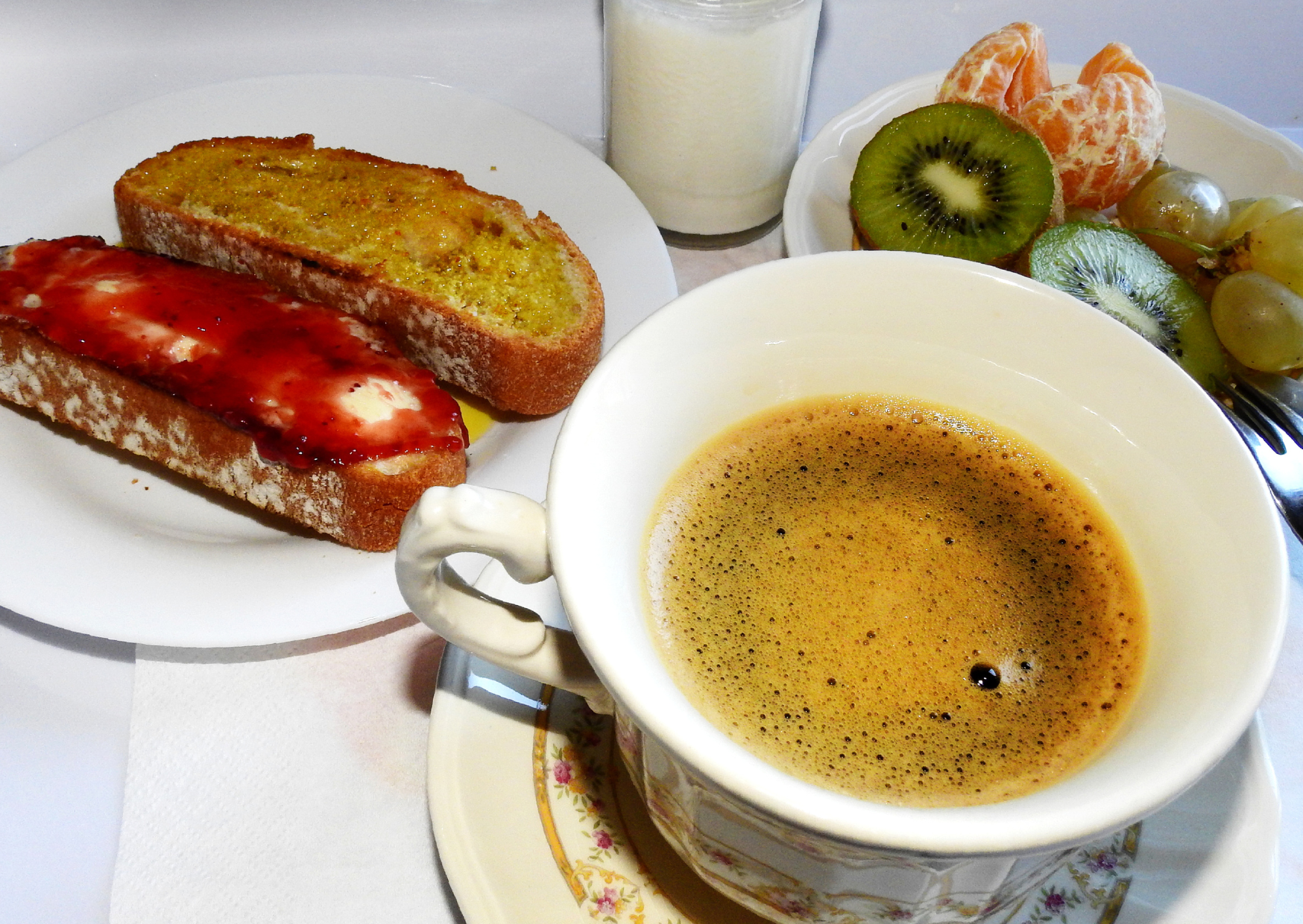
- Light breakfast by 08:00. Coffee with milk, water, and one of three: tostada with tomato, plain yogurt with a spoon of honey, or fruit and a small slice of cheese. No piles of protein bars.
- Real lunch at 15:00. Protein, starch, vegetables, bread on the table, water always poured, wine rarely. Lunch is the day’s anchor.
- Short walk before lunch. Ten to fifteen minutes of easy steps. Movement smooths appetite and made reflux behave.
- Small dinner by 21:00. Soup, eggs, salad, leftover fish. Dinner is warm and simple, not a second show.
- No snacking after 22:00. If I was hungry, mint tea. Night is for sleep, not for grazing.
There were slips. I wrote them down and moved on. The system held because the clock did the lifting, not heroic willpower.
Why the reflux vanished in week two
Acid reflux hates the giant early breakfast plus late heavy dinner pattern. Switching to light morning and complete lunch changed the timing of stomach acid when I actually needed energy. The small dinner gave me three to four quiet hours before bed, so gravity and time could do their work. When I did eat something richer, I added a short walk and water. That tiny ritual mattered more than any pill I used to keep in a jacket pocket.
I am not making a medical claim. I am describing a sequence. Light first thing, heavier when the sun is high, light when the sun is low. The clock is boring and effective.
What I ate at 08:00 without making it complicated
I rotated four small sets. Each took less than six minutes.
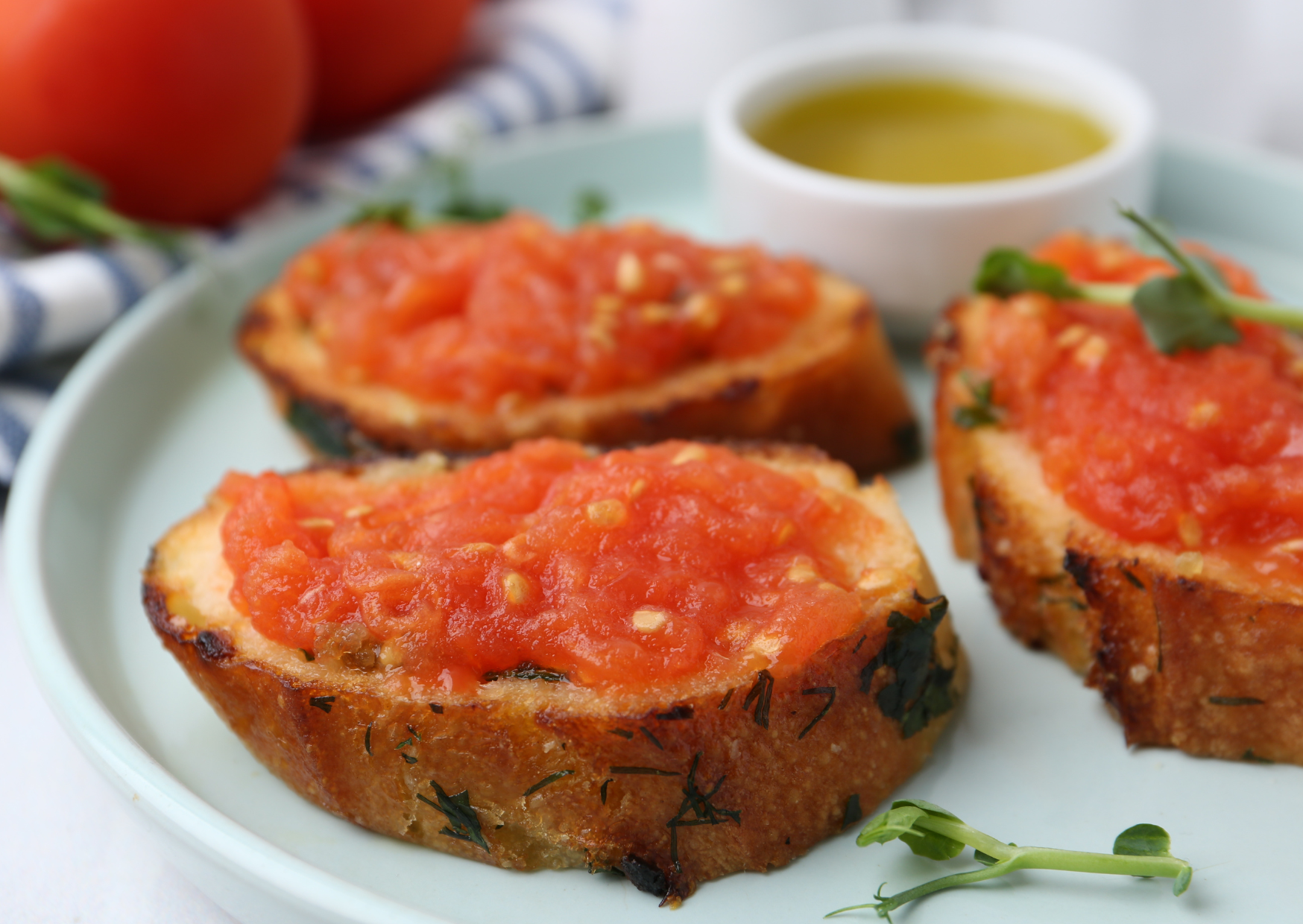
- Tostada con tomate. One slice country bread, toasted. Ripe tomato grated with a box grater, spooned on top. Olive oil and a pinch of salt. Sometimes a scrape of garlic. Fast, salty, enough.
- Yogurt and fruit. Plain yogurt, a sliced pear or orange, teaspoon of honey, six almonds. Protein without a lecture.
- Pan con aceite. Toast with olive oil and salt only. Add two olives if you need a bite. Simplicity works when lunch is real.
- Café con leche and nothing. Yes, some mornings were just coffee. If I got hungry at 11:30, I ate half a banana and kept moving. Breakfast does not have to be a performance.
Prices if you eat out: café con leche €1.50 to €2.20, tostada €2.20 to €3.00, yogurt bowl €3.50 to €4.50. At home the same breakfast is roughly €0.70 to €1.30 depending on bread and oil.
The 3 pm lunch that made the rest easy
Lunch was not diet food. It was a full plate that looked like a day’s work. Think lentejas estofadas with carrots and onion, a slice of bread, and a salad. Or merluza a la plancha with potatoes and green beans. Or arroz con pollo with peppers and peas. I sat down, ate like a person, and did not scroll.
Prices in normal places, not tourist zones: menú del día €12 to €16 in Valencia, Madrid, Seville. At home, a pot of lentils that fed four cost €4 to €6. I kept dessert for Sundays. I learned to say no to a second basket of bread and yes to a clean plate of vegetables. One complete lunch kills four snacks.
The energy curve that changed how my afternoons felt
Week one had a 12:30 wobble. Water and a short walk fixed it. By day five the hunger snap moved to 2:50, right when I wanted to eat anyway. After lunch I took ten minutes outside, not to burn calories but to keep reflux quiet. At 16:30 I did not want sugar because the body had already solved its problem. The scatterbrain that I used to blame on caffeine withdrawal turned out to be bad meal timing.
The weirdest change was focus. Big quiet lunch equals clean afternoon. It looked too simple on paper. It worked anyway.
The exact breakfast recipe readers always ask for
You do not need a recipe, but I know the comfort of a card you can tape inside a cupboard.
Tostada con tomate the way cafés do it
Serves 1. Four minutes. Costs about €0.80 at home.
- 1 thick slice country bread, toasted
- 1 small ripe tomato
- 1 teaspoon good olive oil
- Pinch of salt
- Optional very small scrape of raw garlic on the toast
Cut the tomato in half. Grate the cut face on the coarse side of a box grater until you reach the skin. Discard skin. Spoon the pulpy juice on hot toast, drizzle oil, add salt. If you want protein, add a thin slice of jamón or half a boiled egg on the side, not a tower. Eat it while standing at the counter like the locals do and get on with your morning.
I tried a version with avocado. It was fine, expensive, and unnecessary. Tomato and oil already taste like morning.
Weight loss without obsessing over calories
I tracked enough to learn something, not enough to turn meals into math drills. Before this month I averaged 2,400 to 2,600 calories on weekdays and a bump on weekends. During the test I sat around 1,900 to 2,100, with no deliberate restriction other than small breakfast and small dinner. The missing calories lived in snacks that never happened and drinks that made sleep worse.
Twelve pounds in thirty days included water early and fat later. I am not guaranteeing your number. I am guaranteeing that moving lunch to the center removes a lot of decisions you thought were character flaws.
What I cooked at night so reflux stayed quiet
Dinner stopped pretending to be a festival. It became warm and tidy.
- Sopa de calabacín. Zucchini soup with onion, stock, a small potato, and olive oil blended smooth. Bowl plus a salad.
- Tortilla francesa. Two egg omelet with chives and a tomato salad. Bread if I had walked far.
- Garbanzos con espinacas. Chickpeas with spinach and garlic, a spoon of yogurt, lemon.
- White fish with lemon and boiled potatoes, handful of parsley.
I kept dinner around 350 to 500 calories. It tasted complete because lunch had already done the heavy lifting. Reflux hates showy dinners but leaves soup and eggs alone.
The shopping list that made breakfast automatic
- Country bread that lasts three days before drying out
- Good tomatoes or a jar of tomate rallado in winter
- Olive oil you actually love
- Plain yogurt
- Oranges, pears, bananas
- Eggs
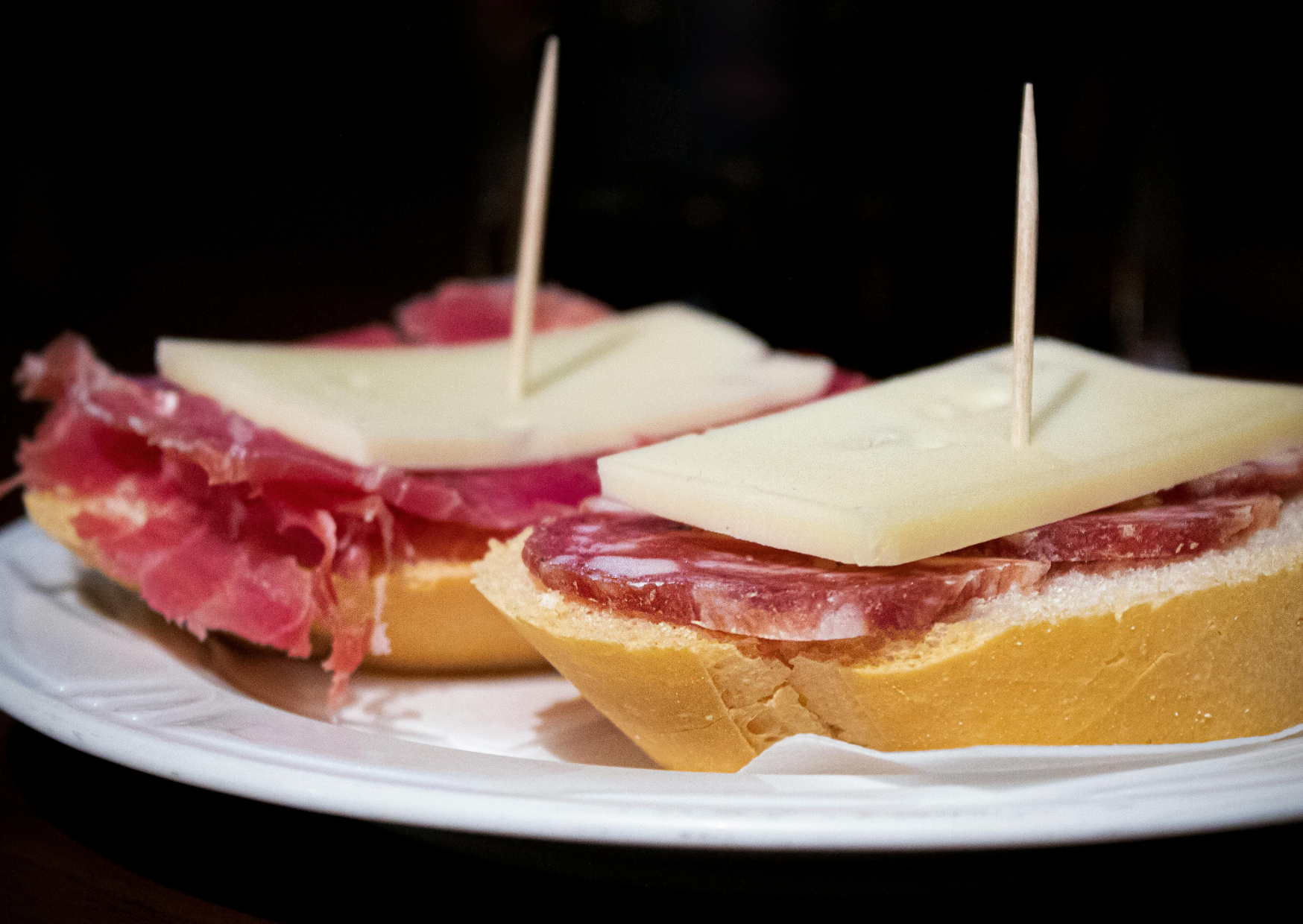
- Jamón or a small cheese for a thin slice on rushed days
- Mint tea for late nights
If the bread went stale I made pan con aceite with the toaster set low. If tomatoes were bad I used a little passata with salt and oil. Perfection is not required when the goal is rhythm.
What happened to coffee and why it mattered
I kept one cup at 08:00 and sometimes one at 16:00. The second cup got me in trouble in week one, so I dropped it most days. Sleep improved by twenty minutes on the tracker. That small change amplified the reflux relief because tired bodies chase snacks and late dinners. If you want to keep a second coffee, put it with your 3 pm lunch and move on.
I tried decaf at night once. It behaved like theater and tasted like regret. Night is water and herbal tea.
The Spanish rhythm outside the kitchen
Food is not the only thing carrying this. People walk more. They run errands on foot, take the stairs without drama, and meet for a short café at 12:00 instead of a candy bar. Siesta is not a nap requirement. It is a slower early afternoon for many shops and homes. I added two small walks on work days, one before lunch, one after. Frequent low intensity movement did more for my stomach than any gym schedule I tried to force at 7 am.
Am I saying you need a village clock to be healthy. No. I am saying three loops of ten minutes beat one heroic session that you cancel twice a week.
The science in one paragraph you will remember
Meal timing links to insulin sensitivity, stomach emptying, and the circadian rhythm of digestion. A larger midday meal lands when your body is better at handling glucose and when you are awake long enough to use it. Smaller late meals reduce reflux risk because there is less gastric volume before lying down. Add a little walking and you get mechanical help. Nothing exotic. Body clocks plus routine.
The social friction and how I handled it without becoming boring
Friends invited me to breakfast twice on weekends. I went, ordered coffee and toast, and ate their conversation. Nobody cared. One work morning a colleague pushed for an early heavy breakfast meeting. I suggested café at 9 and lunch at 3. We did both and actually got more done. People adjust when you offer a clear alternative instead of a lecture.
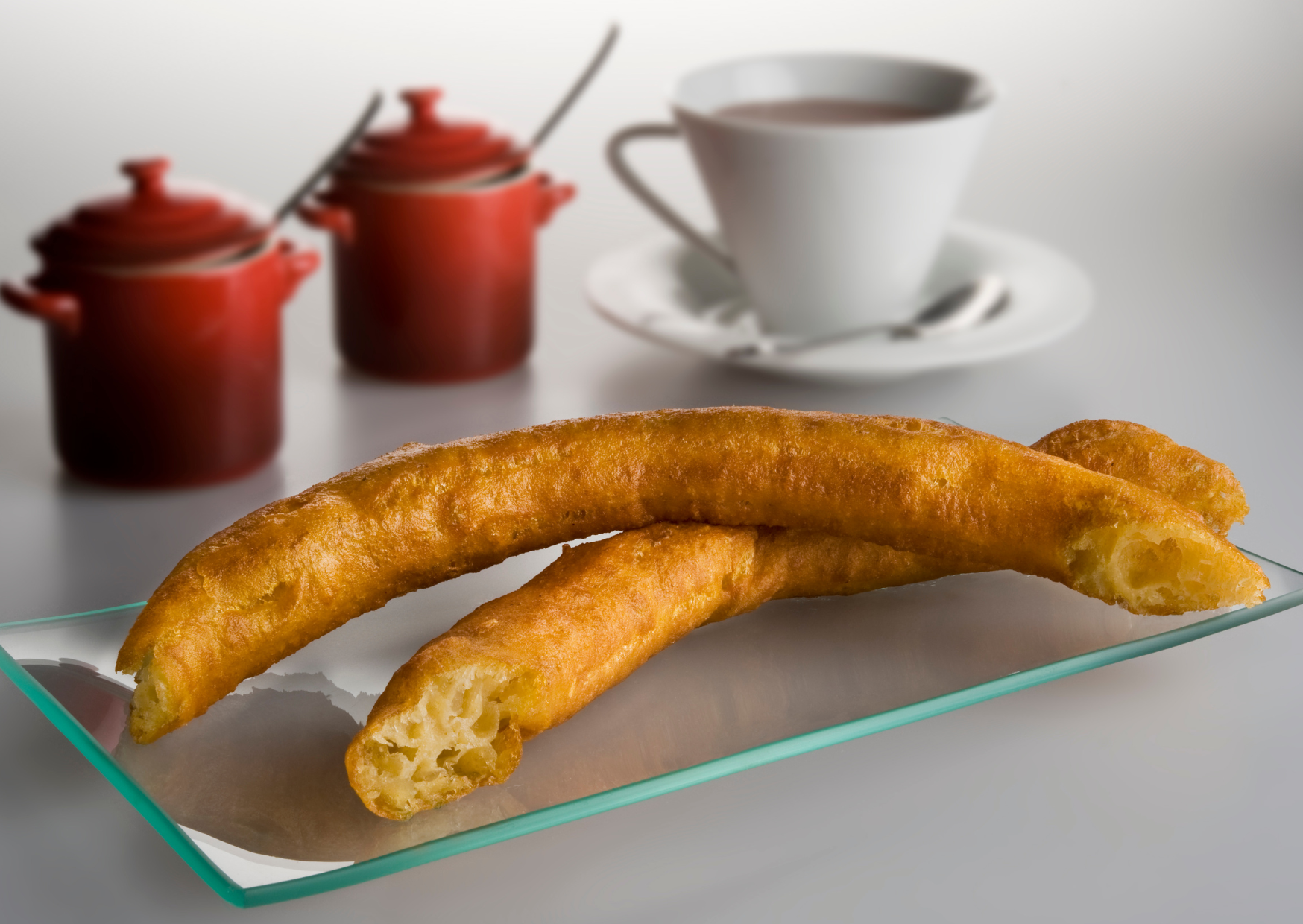
There was a day I ate churros at 8 because I was tired and it was cold. Fine. Lunch still landed at 3. The month survived.
Mistakes I made and the fast fixes
- Making breakfast too clever. I tried smoked salmon twice. It stole hunger from lunch and felt like showing off. I went back to tomato. Simple survives Tuesday.
- Skipping lunch. I did it once and paid for it with a messy dinner. Lesson learned. Lunch is not negotiable.
- Late second coffee. It ruined sleep and brought reflux back for a night. I kept the rule and the problem faded.
- Eating bread like it was free. It is not. I kept to one slice at breakfast and a small piece at lunch. Bread is a tool, not a plan.
Two weeks of specific menus so you can copy without thinking
Week 1
- Mon breakfast tostada con tomate. Lunch lentil stew with carrots, salad. Dinner zucchini soup.
- Tue breakfast yogurt and pear. Lunch grilled fish with potatoes and green beans. Dinner omelet and salad.
- Wed breakfast toast with oil. Lunch arroz con pollo. Dinner chickpeas with spinach.
- Thu breakfast coffee only. Lunch menú del día with mixed salad and baked hake. Dinner tortilla slices and tomatoes.
- Fri breakfast tostada with tomato. Lunch leftover lentils plus a fried egg. Dinner soup and a peach.
- Sat breakfast café con leche and half a banana at the market. Lunch arroz a banda or your home rice. Dinner salad and a wedge of cheese.
- Sun breakfast yogurt and nuts. Lunch slow cocido or bean stew with friends. Dinner mint tea and a small bowl of soup.
Week 2
- Mon breakfast toast with oil. Lunch pasta with tuna and capers, salad. Dinner white fish and potatoes.
- Tue breakfast yogurt and orange. Lunch pulpo salad or tinned mackerel with potatoes. Dinner omelet and cucumber.
- Wed breakfast coffee only. Lunch lentil salad with roasted peppers. Dinner soup and fruit.
- Thu breakfast tostada con tomate. Lunch grilled chicken with rice and peppers. Dinner chickpeas with spinach.
- Fri breakfast yogurt and nuts. Lunch menú del día. Dinner tortilla and salad.
- Sat breakfast toast with tomato. Lunch beans and rice with a squeeze of lemon. Dinner soup and mint tea.
- Sun breakfast coffee only. Lunch paella with friends if offered. Dinner small salad and early bed.
None of this requires chasing superfoods. It requires deciding when to eat and accepting boring greatness.
How much it cost when I stopped pretending breakfast saves money
Baseline a month ago: mixed grocery breakfast foods, energy bars, and two café breakfasts a week. Roughly €140 to €180. The Spanish morning month landed around €60 to €85 depending on coffee out. Lunch spending either moved to €12 to €16 menus or €2 to €4 per plate at home. The large gain came from not buying midmorning snacks and shrinking dinner. Reflux pills also stayed in the drawer.
Money was not the goal and still flexed the right way.
What I told my skeptical friend who loves pancakes
You can keep pancakes. Just move them to Sunday brunch once, not five days. On weekdays do toast, tomato, oil, and coffee. Eat a complete lunch at 3. Dinner small and warm. Try it for two weeks. If your afternoon feels worse, stop. If it feels better, you will not need my sermon. The body will vote for the clock.
He tried it. He texted on day ten: “I am not angry at 4 pm anymore.” That is the sentence that matters.
Travel days and the plan that kept the rhythm
Airports and trains are where old habits come back. I carried a banana and a yogurt for breakfast, then ate a real lunch wherever I landed. If lunch was impossible, I moved the big meal to the earliest window and made dinner very small. The win came from refusing to add a heavy breakfast and a heavy dinner on the same day.
One day I ate airport tortilla at 10. It felt like a compromise and worked fine. Perfection is not required to keep reflux quiet.
If you lift weights or run after work
You will need more evening food. Add rice and an egg or a second slice of bread. Keep spicy and fatty sauces small at night to protect reflux. The structure still holds. Large lunch, functional dinner. Athletes built their own versions of this long before supplements were a category.
I tried a late run once. I ate potatoes and eggs afterward and slept fine. When I ate cheese and four slices of bread, reflux reminded me why the rules exist.
The one thing I changed my mind about while writing this
I used to argue that breakfast should be protein heavy to prevent cravings. Thirty days later I prefer light breakfast and a real lunch. I still like protein. I just moved most of it to a time the body wants to use it. If I backslide, I will read this line again and remember that quiet afternoons beat impressive morning plates.
If you start Monday, do this, not everything
- Buy bread, tomatoes, olive oil, plain yogurt, fruit, eggs, mint tea.
- Monday to Friday eat light breakfast at 8.
- Book a real lunch at 3 and protect it on your calendar.
- Walk ten minutes before or after lunch.
- Keep dinner warm, modest, and early.
- Ignore the scale until day fourteen.
- If reflux nags, move dinner thirty minutes earlier and skip second coffee.
You do not need courage. You need a clock.
Where I end this
I lost 12 pounds and the acid reflux disappeared because I stopped arguing with the day. Light at 8, real at 3, small at 9, walks around the edges. The food tasted familiar and the rules survived Wednesday. If you copy anything, copy the timing first. The menu will follow. The appetite will calm. The pills will gather dust.
After 30 days of eating breakfast like a Spaniard, the results went beyond numbers on a scale. The lighter morning routine eased pressure on digestion and allowed the body to wake up without immediately processing heavy foods. Losing 12 pounds and eliminating acid reflux was not the result of a restrictive diet, but rather a shift toward gentler digestion patterns. This experiment highlighted how small cultural habits can create meaningful change without feeling like a drastic lifestyle overhaul.
The experience also revealed how much eating patterns are shaped by culture rather than biology. Americans often eat large breakfasts because they have been taught it is required for energy and health. In Spain, food culture prioritizes timing, pleasure, and moderation. Neither approach is inherently right or wrong. The difference lies in what the body responds to best, and sometimes a lighter start offers surprising benefits, especially for those dealing with digestive issues.
Ultimately, this experiment shows the value of questioning long-held routines. The Spanish breakfast style may not be ideal for everyone, but it demonstrates that alternative rhythms can improve energy, appetite control, and digestive comfort. Trying a new breakfast pattern is a simple way to learn how your body responds to different approaches. For anyone struggling with weight or reflux, experimenting with a gentler morning might open the door to subtle but powerful improvements.

About the Author: Ruben, co-founder of Gamintraveler.com since 2014, is a seasoned traveler from Spain who has explored over 100 countries since 2009. Known for his extensive travel adventures across South America, Europe, the US, Australia, New Zealand, Asia, and Africa, Ruben combines his passion for adventurous yet sustainable living with his love for cycling, highlighted by his remarkable 5-month bicycle journey from Spain to Norway. He currently resides in Spain, where he continues sharing his travel experiences with his partner, Rachel, and their son, Han.