
So here is the part no booking site tells you when it flashes a “Legal connection, 1h 05m.” It might be legal. It is not kind. Seven European hubs are perfectly designed to eat tight layovers, not because they hate you, but because their rules, layouts, and rhythms were built for a different logic than U.S. domestic hops. If you learn the traps and build your tickets the way locals do, you stop sprinting through glass tunnels and start arriving like a human.
I live in Spain with a Filipino Spanish family. We watch the same scene every week. Smart travelers with good intentions get handed a 58-minute “connection” through an airport that requires two security checks, one passport control, a shuttle, and a bus gate that leaves you on the tarmac staring at your plane. This is not your fault. It is the choreography. Fix the choreography and your bag and body arrive together.
Where were we. Right. The airports that cause the most misses, what actually goes wrong in each one, the real minimums you should use, and the phrases that get agents to help when the computer acts stubborn.
The rules Europe uses that the U.S. does not
Before the list, three differences decide your day.
- Schengen vs non-Schengen. You do border control the first time you enter the Schengen zone, even if your final city is somewhere else. Immigration can eat 20 to 60 minutes depending on the wave you land in.
- Security again on connection. Many hubs rescreen all transfer passengers, even if you were screened at origin. Liquids and laptops come out again. If your bag is a museum of cables, the belt will keep it.
- Remote stands. A surprising number of flights park away from a jet bridge. Buses add 15 to 25 minutes to your timeline, with no warning on your booking screen.
Your first European airport is immigration plus security plus walking, not just “next gate.”
Paris Charles de Gaulle (CDG): the Terminal Switch that Eats Layovers
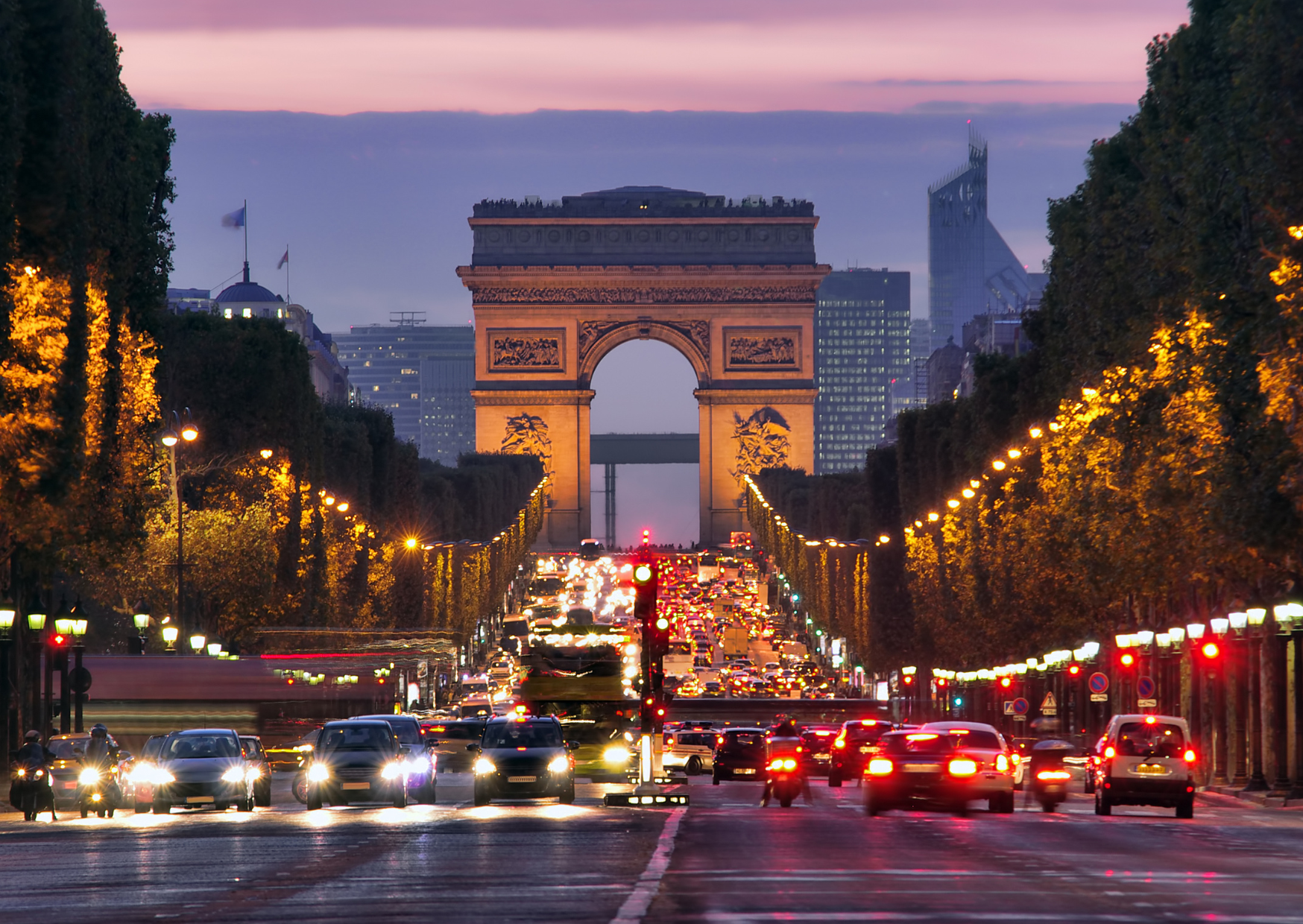
CDG is a small city with prestige architecture and a layout that punishes optimism. Most missed connections happen on non-Schengen to Schengen switches where you arrive in 2E or 2F and must clear passport control, pass a full security belt, and then ride escalators and skybridges to a satellite pier. Morning long-haul banks arrive together. Lines form like weather systems. Add the bus gates that serve regional flights, and your 75-minute “legal” connection becomes a jog with a backpack.
- Realistic minimums:
- Non-Schengen to Schengen: 2h 15m if you check a bag, 1h 45m hand-luggage only.
- Schengen to Schengen: 1h 15m if same pier, 1h 45m if a bus gate is likely.
- Big trap: passport control upstairs in 2F can stall for 40 minutes at 08:30.
- Fix: sit forward of the wing on your inbound to exit early, follow “Correspondances” signs even if your app suggests a detour, and do not stop for a bathroom until you clear the belt.
Key idea: CDG punishes terminal changes more than distance. Short walks, long procedures.
Frankfurt (FRA): Passport Pinball and The Belt That Finds Your Water

Frankfurt is efficient and enormous. Everything works, but everything takes time. Non-Schengen arrivals pour into Z where you jog to passport control, then snake to security where the staff will absolutely catch the tiny water you forgot from the plane. Many regional departures leave from A or B with surprise bus gates. The distances are deceptive. Those tunnels are long, and the moving walkways do not make up for a backup at immigration.
- Realistic minimums:
- Non-Schengen to Schengen: 2h with checked bag, 1h 30m hand-luggage only if you land before 09:00.
- Schengen to Schengen: 1h 10m if you know the pier, 1h 30m if you do not.
- Big trap: bus to remote stand on departure to Italy or smaller German cities. Add 15 minutes after boarding starts.
- Fix: follow the Transfers A/B/Z arrows, ignore people who peel off to landside, and keep your belt tray neat so you do not get a secondary search.
FRA will get you there if you give it time. If you do not, it will keep your suitcase to teach you a lesson.
Amsterdam Schiphol (AMS): One Big Hall, Two Bottlenecks
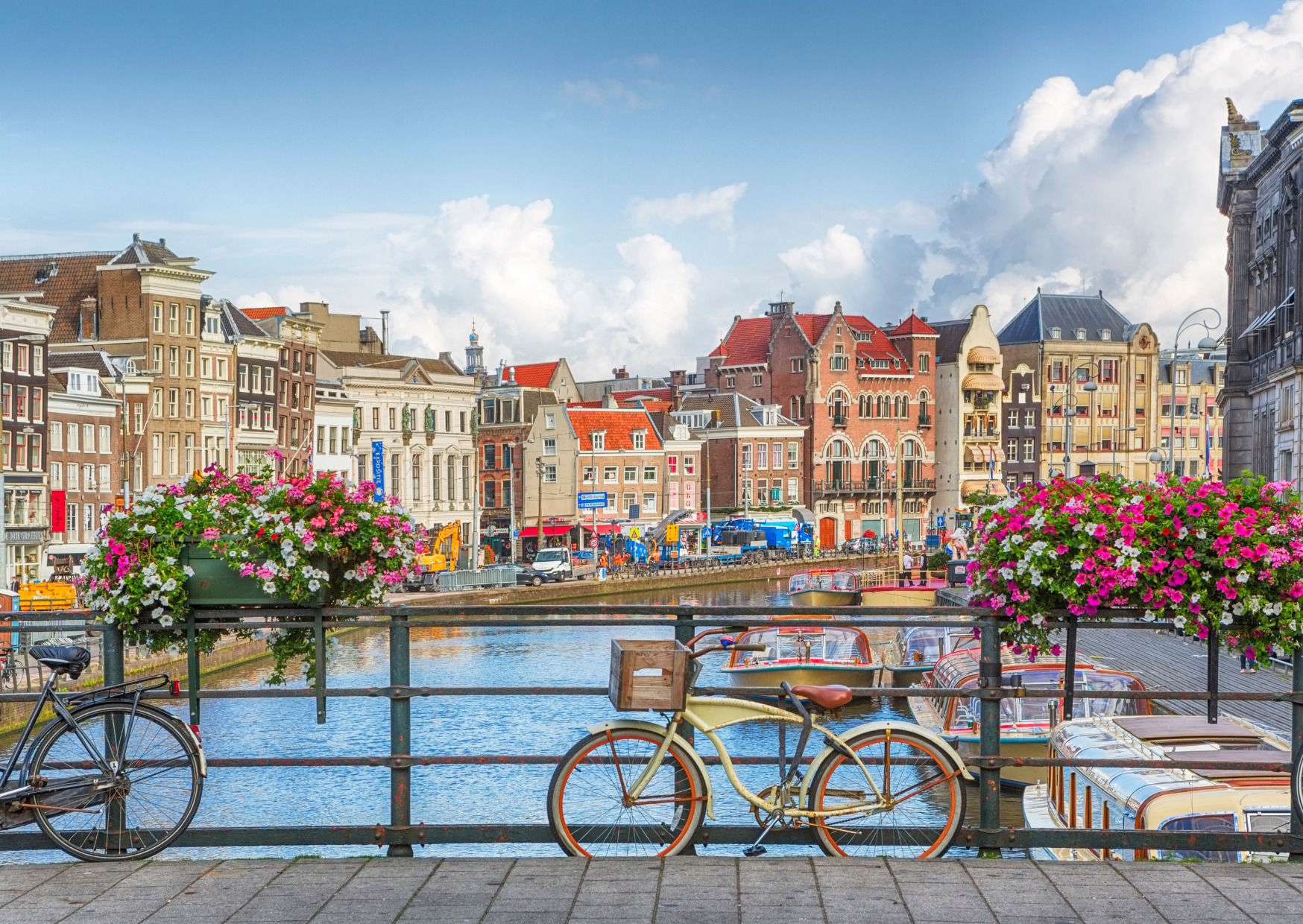
On a map AMS looks simple. In real life, immigration queues plus a security wave can swallow a quarter hour without blinking. Morning U.S. arrivals all hit together. If your connection is to the U.K. or Ireland, you may face extra checks. Schengen flights often use bus stands when piers are jammed. The terminal is a ring that punishes people who guess wrong on direction.
- Realistic minimums:
- Non-Schengen to Schengen: 1h 45m.
- Schengen to Schengen: 1h 10m if no bus gate, 1h 30m if weather is messy.
- Big trap: automated passport gates that pause when a crew change happens. Ten minutes evaporate.
- Fix: check the overhead boards for your pier letter the second you exit your inbound. Walk directly. Food later. If a line splits into EU and “All Passports,” pick the line with more agents, not your flag.
Schiphol is easy until it isn’t. Build the cushion.
London Heathrow (LHR): The Security Ballet and Inter-Terminal Time Sink
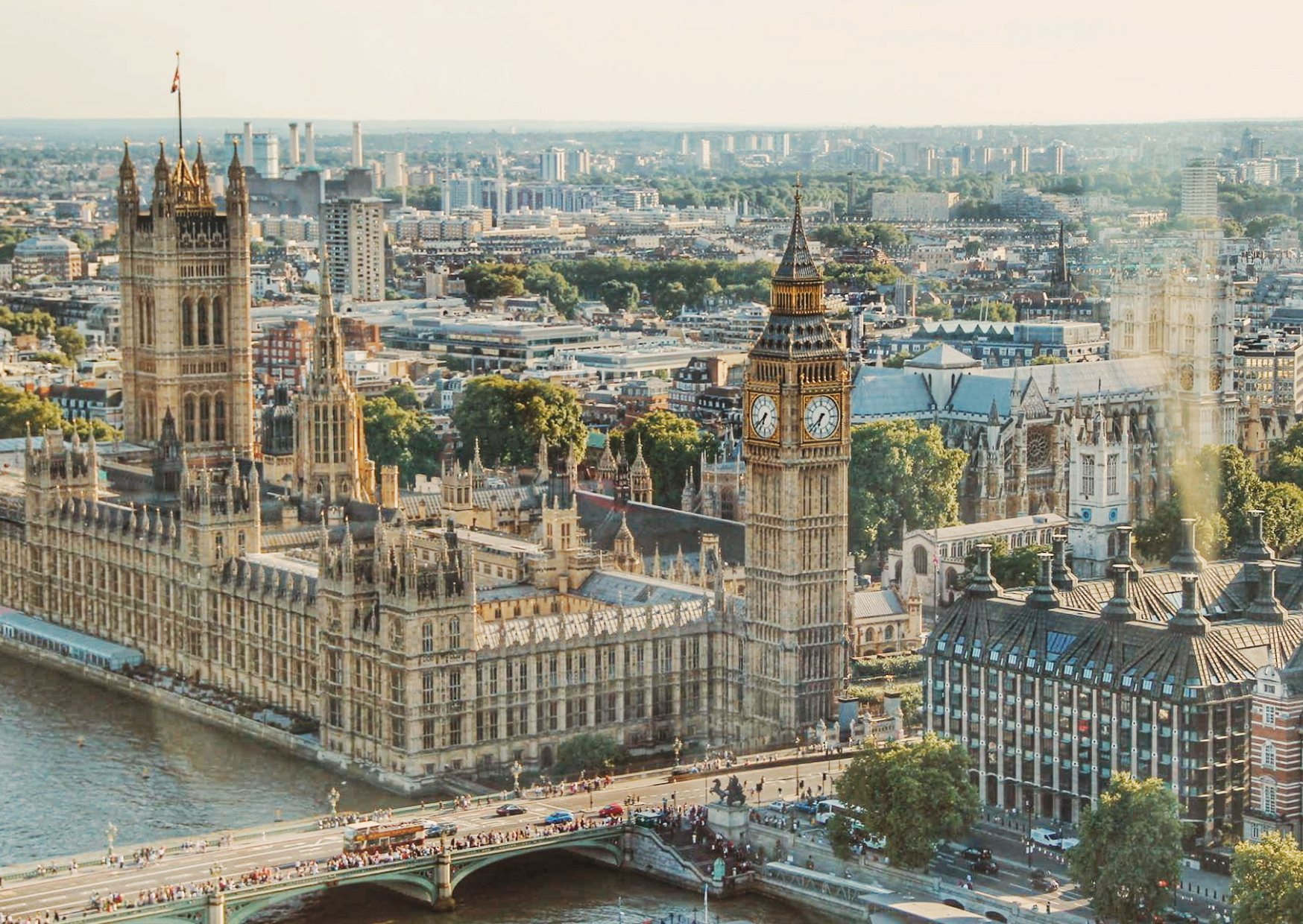
Heathrow is not Schengen. Even transfers that stay international usually go through full security again, and inter-terminal moves via train take longer than they look on your app. Long-haul banks collide around 06:00 to 10:00 and 12:00 to 15:00. If you must switch terminals, you are on Heathrow time, not yours. Liquids and electronics are policed hard. A bag check can be 15 minutes of your life you do not have.
- Realistic minimums:
- International to international, same terminal: 1h 40m minimum.
- Inter-terminal: 2h 10m if all goes well, 2h 40m if you are human.
- Big trap: security tray overflow. The smallest repack delay puts you behind five families doing the same dance.
- Fix: pack a transfer kit at the top of your bag. Liquids in a single bag, laptop and tablet ready, nothing loose. Ask staff for the “fast transfer” line if your inbound was late and your boarding has begun. They will help if you are polite and specific.
LHR eats tight connections with a smile. Give it two hours and the smile becomes your own.
Rome Fiumicino (FCO): Beauty, Buses, and The Sudden Staircase

Rome is better than its reputation and still manages to create drama. Arrivals to T3, passport control that surges, and then a scenic walk to a gate that looks close until you hit a staircase to a bus. The airport runs a reliable people mover between piers, but transfers into Schengen still mean a dance you cannot speed up. Afternoon thunderstorms in winter or summer cause rolling delays that push everything.
- Realistic minimums:
- Non-Schengen to Schengen: 1h 45m hand-luggage only, 2h 10m with a checked bag.
- Schengen to Schengen: 1h 15m if your flights are both from the same pier.
- Big trap: gate changes within Schengen satellites. The change comes late and now your “nearby” bus gate is not nearby.
- Fix: check the screen every ten minutes in the last hour. Do not camp at a gate until the number shows “boarding”. And accept that Rome boards in real life, not by spreadsheet.
FCO does not hate you. It loves buses. Build time for them.
Madrid Barajas (MAD): Smooth Until The One Extra Check
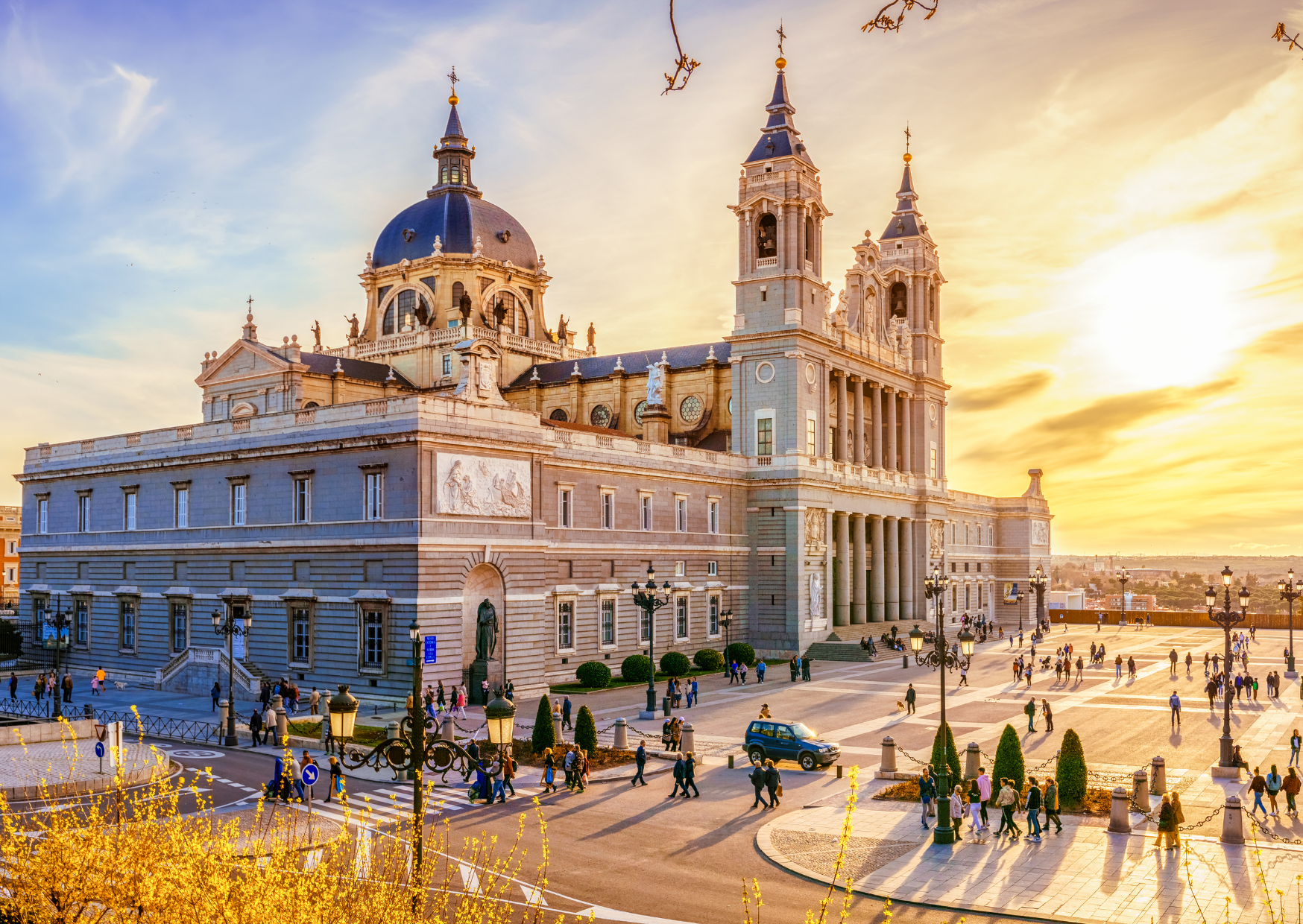
MAD is often a joy, which is why misses here feel personal. The trap is the Schengen boundary, especially in the modern T4 and T4S complex. U.S. arrivals hit passport control, you take the train between buildings, and then security wakes up and wants your liquids on a second pass. Flights to smaller Spanish cities or Portugal may leave from bus gates in T4, and boarding closes early.
- Realistic minimums:
- Non-Schengen to Schengen within T4/T4S: 1h 45m hand-luggage only, 2h with checked bag.
- Schengen to Schengen in T4: 1h 10m.
- Big trap: short-gate closures. Some Iberian departures shut the door 20 minutes before the printed time.
- Fix: go straight to your gate area after security, then relax. If your inbound is late, ask at the transit desk in T4S for assistance. Staff will pull you into a shorter line if your boarding time is inside an hour.
Madrid is fast if you treat it like a sequence. Immigration, train, belt, gate, in that order, no detours.
Lisbon (LIS): The Compact Maze With Sneaky Bus Gates
Lisbon looks small. That is the trick. Non-Schengen arrivals pour into a space that was not built for waves, then everyone tries to get to the same funnel. Security for transfers can back up, and a large share of departures use remote stands. LIS also loves last-minute gate postings. If you watch the board, you make it. If you shop, you sprint.
- Realistic minimums:
- Non-Schengen to Schengen: 1h 45m minimum, 2h if arriving in a morning bank.
- Schengen to Schengen: 1h 10m, add 20 minutes if rain makes bus operations messy.
- Big trap: passport control with four lines and two agents open, then everyone panic-walks.
- Fix: move with intent, choose the longest visible line that actually has staff working, and keep your liquids and electronics ready for a second belt even if you just did one.
Lisbon is a friendly airport until it rains. Cuts are rare, patience wins.
Two airports that almost made the list, and how to treat them
- Zurich (ZRH) is brilliantly organized, but transfer trains plus passport control can still bite. Treat it like Frankfurt on a smaller scale. Non-Schengen to Schengen: 1h 30m.
- Dublin (DUB) is not Schengen and sometimes includes U.S. preclearance on the way home, which is another story. On inbound Europe connections, allow 1h 30m minimum. The building can feel tight when it fills.
A perfect system at the wrong minute still fails if you built a 50-minute hope.
How to build a connection that survives Europe
- Book 2h 15m minimum if your first European stop is where you clear Schengen. Bags or not.
- Add 30 minutes if your departure is likely to be a bus gate. Italy, Portugal, and regional flights from big hubs love buses.
- Sit toward the front on your long-haul segment to exit fast and get in the immigration line before it peaks.
- Bring a transfer kit at the very top of your carry-on. Liquids bag, laptop, passport, boarding pass. The tray is your bottleneck.
- Choose earlier flights on the long-haul inbound. Morning arrivals give you slack, afternoon arrivals cut your margin to zero.
- Avoid last flight of the day to your final city in winter. If storms or fog stack delays, that last flight evaporates.
What to say when your inbound is late and the clock is cruel
Agents will help if you speak their language, which is the language of specifics.
- At the jet bridge or transfer desk:
“My connection is to [city] at [time]. Boarding started at [time]. Can I use the transfer lane for passport control or security” - At passport control when staff are directing flows:
“Excuse me, connection at [time], gate [letter number]. May I use the transfer queue” - At the gate when doors are closing:
“I have no checked bag and I am through security. If there is any chance to board, I am here.”
Be polite, show the boarding pass with the clock visible, and keep your request short. Specific and calm gets you waved forward more than any speech.
If you miss, how to recover without losing a day
- Through-ticketed passengers are usually protected. Go straight to your airline’s transfer desk. Do not wait in a general service line if you can help it. Ask for the next flight and a confirmed seat. If you landed in Schengen and the next flight is unavailable, ask about alternatives to nearby cities within train reach.
- Separate tickets are pain. You are a new passenger. Build a budget for this scenario. If the next seat is in the afternoon, buy a lounge day pass or find the quiet pier and sit near power. You conserve energy and make better decisions.
- Checked bag. If you misconnect, decide whether you want your bag pulled or retagged. Retagging is cleaner if your new flight is same-day and same airline group. If you pull it, you will clear arrivals and then recheck, which can burn an hour.
Pack to pass every belt on the first try
- One liter liquids bag on top, prebuilt, nothing extra loose in the case.
- Laptop, tablet, camera stacked together in their own sleeve you can lift out with one hand.
- Metal minimalism. Belts, coins, keys, watches inside the bag before you queue.
- Shoes that slip. You rarely need to remove them, but if you do, you want it to be one motion.
- Snack and water plan. Eat on the walk if you must. Do not unpack a picnic at the tray.
A sample planner that actually works
New York to Naples via Paris
- Book JFK to CDG landing 07:45, CDG to NAP no earlier than 10:15.
- Sit in rows ahead of the wing.
- Walk straight to passport control, then security, then gate area.
- Expect a bus gate to Naples. Add 20 minutes to whatever the screen says.
Chicago to Valencia via Madrid
- Book ORD to MAD arriving 09:20, MAD to VLC 11:30 or later.
- Train T4S to T4, rescreen, head to K gates.
- If inbound is late, ask for transfer assistance in T4S. The staff exist for this.
Boston to Florence via Frankfurt
- BOS to FRA arrival 08:30, FRA to FLR after 10:30.
- Expect a bus stand in Florence if weather is off.
- If the FLR leg cancels, ask for Pisa and take the train. Saves a day.
A two-week install that cures missed connections forever
Week 1
- Audit your upcoming trips. Any “legal” layover under 1h 30m in Europe gets rebooked.
- Learn the Schengen map for your routing. Where will you do your first passport control
Week 2
- Build a transfer kit and practice packing it on top of your bag.
- Teach yourself one sentence for help at each choke point.
- Choose seats forward of the wing on long-haul inbounds.
- Put a small note in your phone with train alternatives for your destination.
By the next trip you will feel it in your shoulders. The sprint tension leaves. Flights still delay. Weather still laughs. You stop missing the second leg because you traded clever for robust.
Quick answers to the objections you will have
“My app says 55 minutes is legal.”
Legal is not livable. Legal assumes empty halls and perfect buses. Do you believe in empty halls
“I hate long layovers.”
Hate sprinting more. Use two hours to eat, shower, or nap in a chair like a cat. Arriving is the goal.
“I never check a bag.”
Great. Keep the 1h 45m rule when crossing into Schengen anyway. Immigration still exists.
“I refuse to pay more for a longer connection.”
Then pay with your heart rate. Your choice. Money or cortisol. Pick one.
Something you can use on your next booking
Open your itinerary and find the first European airport you touch. That airport controls your day. Give it time to do its job. If a site offers you 1h 05m in Paris or Rome, scroll past it and choose the flight that lands earlier or leaves later. Pack your transfer kit on top. Sit toward the front. Walk with purpose, talk politely, and accept that bus gates are part of the continent’s charm when you are not late.
You did not fly across an ocean to audition for a treadmill commercial. Build the cushion, keep your voice low, and arrive like you meant it.

About the Author: Ruben, co-founder of Gamintraveler.com since 2014, is a seasoned traveler from Spain who has explored over 100 countries since 2009. Known for his extensive travel adventures across South America, Europe, the US, Australia, New Zealand, Asia, and Africa, Ruben combines his passion for adventurous yet sustainable living with his love for cycling, highlighted by his remarkable 5-month bicycle journey from Spain to Norway. He currently resides in Spain, where he continues sharing his travel experiences with his partner, Rachel, and their son, Han.