
Spain eats late, lives long, and confounds U.S. wellness rules. The secret is not breaking biology, it is how Spaniards stack calories, daylight, movement, and community around that late plate.
You land in Madrid, look at the clock, and see families starting dinner at 9:30.
Your feed says late eating wrecks metabolism, yet Spain sits near the top of European life expectancy in 2024 and 2025. The contradiction is only apparent.
As of September 2025, Spain’s life expectancy clusters around 84 years, among the highest in the EU, while dinner still happens between 9 and 11 p.m. in many cities. The difference is context, not magic.
U.S. warnings focus on late heavy meals, skipped breakfasts, and sedentary evenings. Spain’s pattern is the opposite: a big, unhurried lunch, a light late dinner, long evening light that keeps people walking, and social meals that protect health in ways a calorie chart cannot capture. Numbers and studies below show why this works, and how to copy the benefits without copying the timezone.
Want More Deep Dives into Other Cultures?
– 9 Italian Style Rules That Instantly Outshine American Fashion
– Why Europeans Walk Everywhere (And Americans Should Too)
– How Europeans Actually Afford Living in Cities Without Six-Figure Salaries
– 9 ‘Luxury’ Items in America That Europeans Consider Basic Necessities
Quick and Easy Tips
If you prefer later dinners, keep the meal lighter and focus on nutrient-dense ingredients to support digestion.
Try incorporating a short walk after eating, a common Spanish habit that aids metabolism and relaxation.
Align your meal timing with your daily routine rather than rigid rules, focusing on consistency and balance.
The idea that Spain’s famously late dinner schedule could contribute to longevity challenges long-held American health assumptions. Many U.S. experts warn that eating too close to bedtime disrupts digestion, increases the risk of weight gain, and interferes with sleep quality. Yet Spanish communities with some of the world’s longest-living populations continue this routine without the negative outcomes often predicted in American guidelines. This contrast sparks debate over whether the timing itself is harmful or if context matters more than clock time.
Another point of contention involves lifestyle differences that surround meals. Critics argue that Americans and Spaniards cannot be compared directly because the Spanish lifestyle includes walking culture, longer social meals, and lighter late-night menus. Supporters of the Spanish pattern counter that these additional habits prove timing is only one piece of the puzzle and that meal timing must be evaluated within the broader rhythm of daily life. The clash underscores how easily health advice can become oversimplified.
There is also disagreement about the scientific evidence often cited. Some researchers argue that studies warning against late-night eating typically analyze high-stress, sedentary populations—not societies with daily siestas, evening socializing, and natural circadian rhythms shaped by sunlight. Others believe that even if Spain defies the expected outcomes, late dining still poses risks when applied to people with different metabolisms or routines. These divided viewpoints reveal how cultural habits influence health in ways that cannot be reduced to universal rules.
1) Spain’s Longevity Is Real, And Dinner Is Still Late
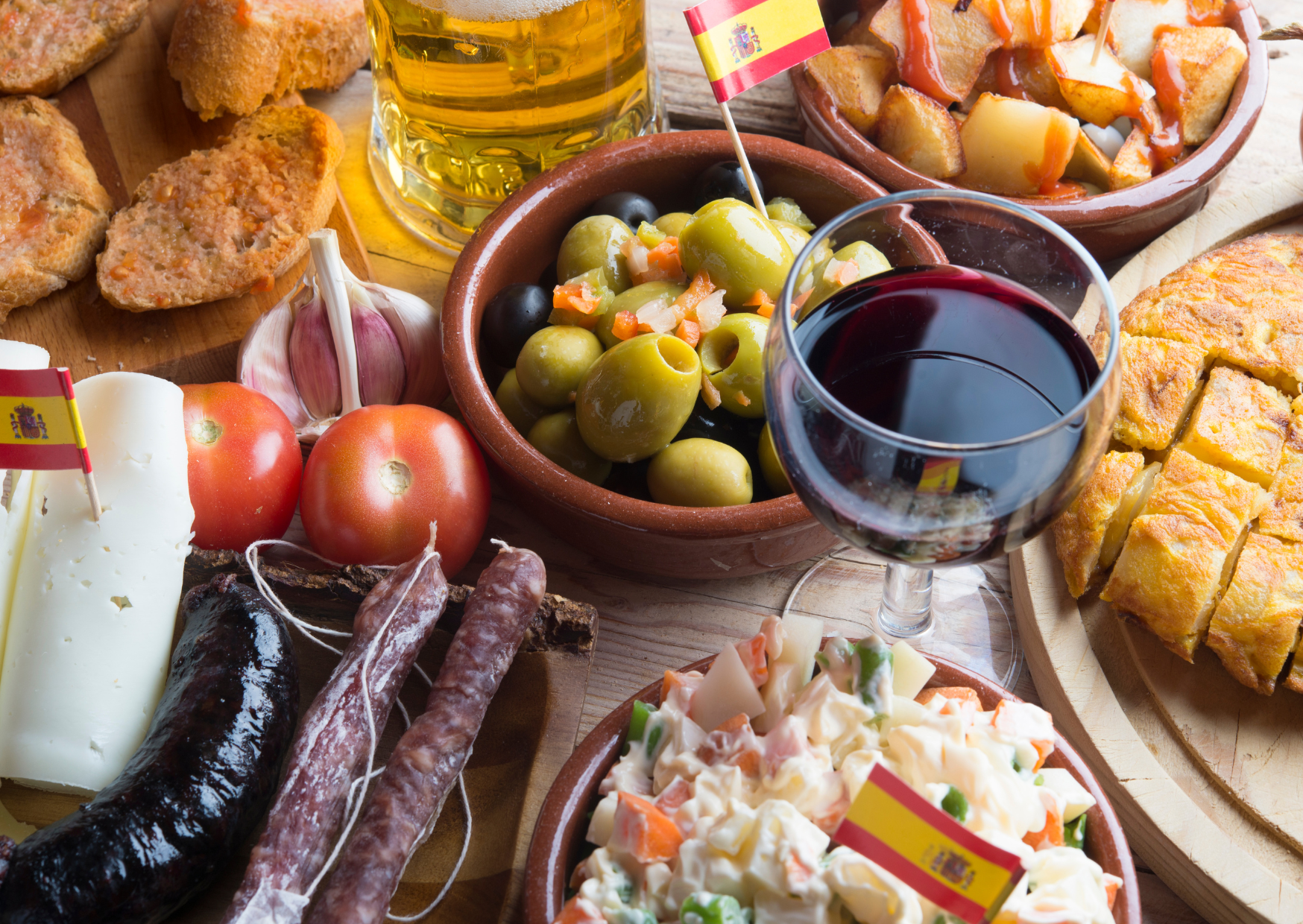
Spain is not coasting on reputation. EU provisional data published in September 2025 places Spain near the top with 84.0 years life expectancy at birth for 2024, well above the EU’s 81.7 average. OECD profiles echo the pattern, with Spanish women also leading life expectancy at age 65 in recent comparisons. Top life expectancy, late dinner is normal, context matters.
At the same time, meal timing in Mediterranean countries is later than in Central and Northern Europe. Cross-country nutrition work shows a typical Spanish cadence around 09:00, 14:00, and 21:00, and critically, lunch contributes 38 to 45 percent of daily energy in Mediterranean settings. That means dinner is often smaller by design. Big lunch, small dinner is the quiet lever behind the late clock time.
Lifestyle wraps around those meals. Madrid and Barcelona still dine late, and people stay outside after sunset in safe, walkable neighborhoods. Business etiquette guides and national coverage describe dinner at 9–10 p.m., plus sobremesa, the habit of lingering and talking at the table, which builds social health. Social eating, long evenings, light dinner.
Put simply, Spain’s longevity does not come from ignoring biology, it comes from arranging the day so a late meal is smaller, more social, and followed by movement and light, while the heavy calories arrive earlier. Americans see the clock, Spaniards live the pattern.
2) The Clock Looks Late, The Sun Says It Is Not That Late

Spain runs one hour ahead of its solar time on the clock, a historical alignment that shifts daylight later. In summer, solar noon in Madrid can arrive after 2 p.m., and sunset sits far into the evening. Solar time offset, long evening light, later social hours.
When you eat dinner at 9:30 p.m. in Madrid in July, you are eating roughly 6 to 7 hours after solar noon, which is closer to an American dinner at 6 p.m. by the sun. The “late” is partly a clock illusion, produced by the time zone choice and daylight saving. The body cares about light and activity as much as digits on a microwave.
Scientists who analyze European time use find that meal times track the sun as well as culture. One study shows dinners cluster a few hours after winter sunset, not at a fixed wall clock across latitudes. The practical reading is simple, Spaniards eat when the evening truly starts for them, not when a North American schedule says it should. Anchored to sunset, not just the clock, latitude matters.
None of this erases biology. It explains why Spain’s dinner looks late but feels normal inside the local light cycle. Combine that with a light plate and a big lunch and the metabolic picture changes.
3) The Mediterranean Trick: Big Lunch, Small Late Plate

A crucial detail gets missed in U.S. headlines. In Spain, lunch is the main meal, not dinner. Comparative data shows Mediterranean countries load 38 to 45 percent of daily energy at lunch, while Northern Europe pushes more to dinner. That leaves fewer calories to process late at night. Calories earlier, smaller night load, Met pattern.
Chrononutrition research consistently finds that earlier caloric distribution improves weight and glycemic outcomes in randomized trials and meta-analyses. People who front-load calories, keep dinner modest, and avoid pushing their first meal too late do better on weight and metabolic markers. Spain’s pattern quietly aligns with that science, even if the last bite is at 10 p.m. Earlier distribution works, late heavy meals do not, small dinners win.
Layer the Mediterranean diet on top, with olive oil, legumes, vegetables, nuts, whole grains, and frequent fish, and you get a dietary pattern repeatedly tied to longer life expectancy and fewer major chronic diseases. The plate matters as much as the clock. Diet quality, olive-oil pattern, lifespan signal.
Finally, dinner in Spain often stays simple, grilled fish, tortilla, salad, vegetable soup, or bread with tomatoes and cured cheese, followed by a stroll. That is a very different risk profile than a heavy, ultra-processed late supper in front of a screen. Meal timing science does not condemn all late eating, it warns against late heavy eating.
4) Social Dinner Is Protective: Sobremesa And Survival
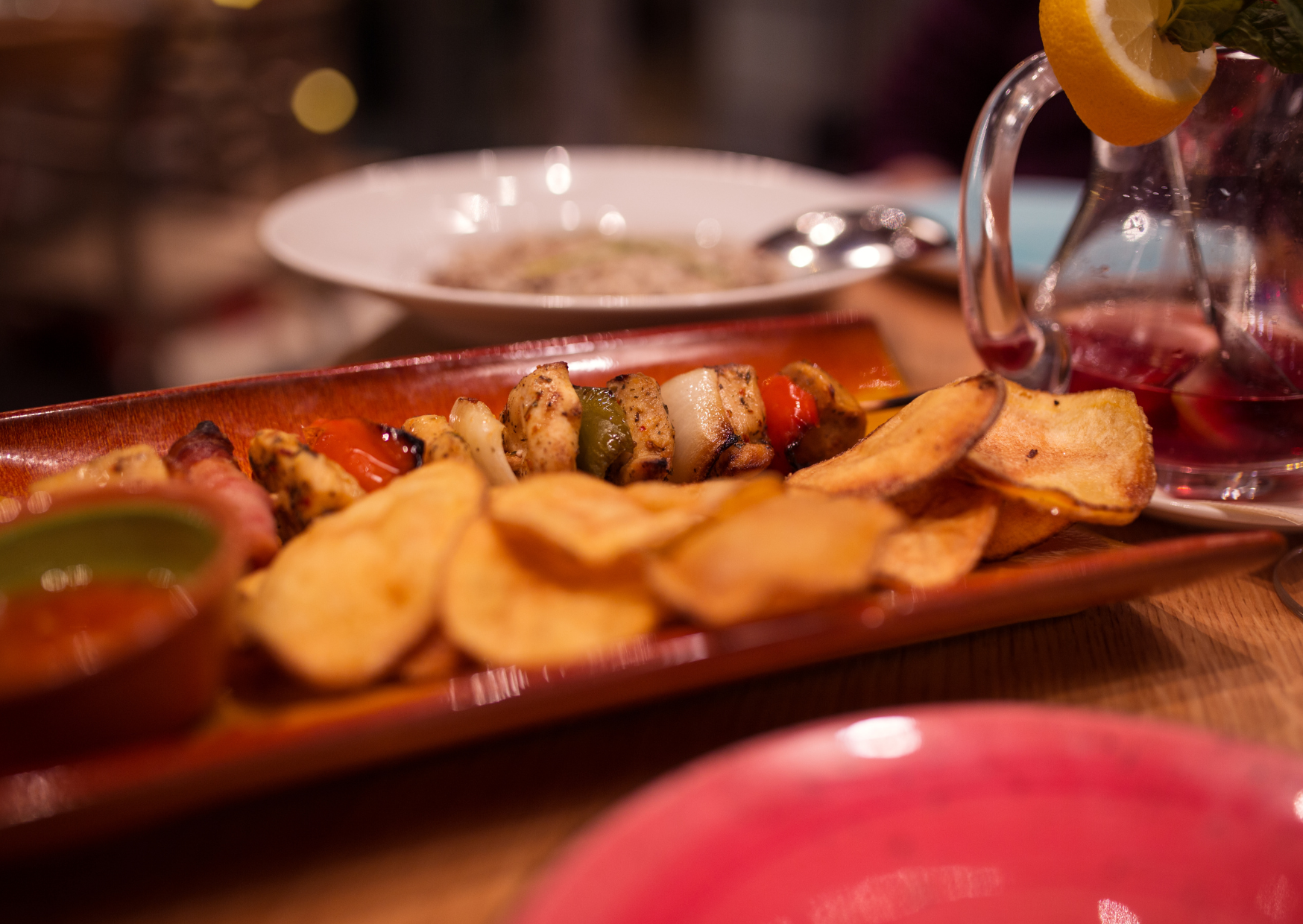
You cannot calculate Spain’s longevity without social connection. Large meta-analyses and 2024 reviews show strong social ties reduce mortality risk on par with many classic health factors. Social connection, lower mortality, protective effect.
Spanish meals are social by default. The sobremesa extends dinner into conversation, which lowers stress and reinforces support networks. Studies from Oxford and global well-being reports link communal eating with greater happiness and life evaluation, the psychological scaffolding that correlates with better health. Eat together, happier and healthier, stress buffer.
This is not soft science. Loneliness and isolation are now treated as public health issues because their effect sizes on premature mortality are robust. Spain’s habit of eating late together turns a potential metabolic risk into a social asset, a nightly practice that improves mood and resilience.
In short, timing is only one variable. With whom and how you eat is another, and in Spain that variable consistently pushes in the right direction. Meal rules that ignore community miss part of the longevity equation.
5) What The Science Really Says About Late Eating
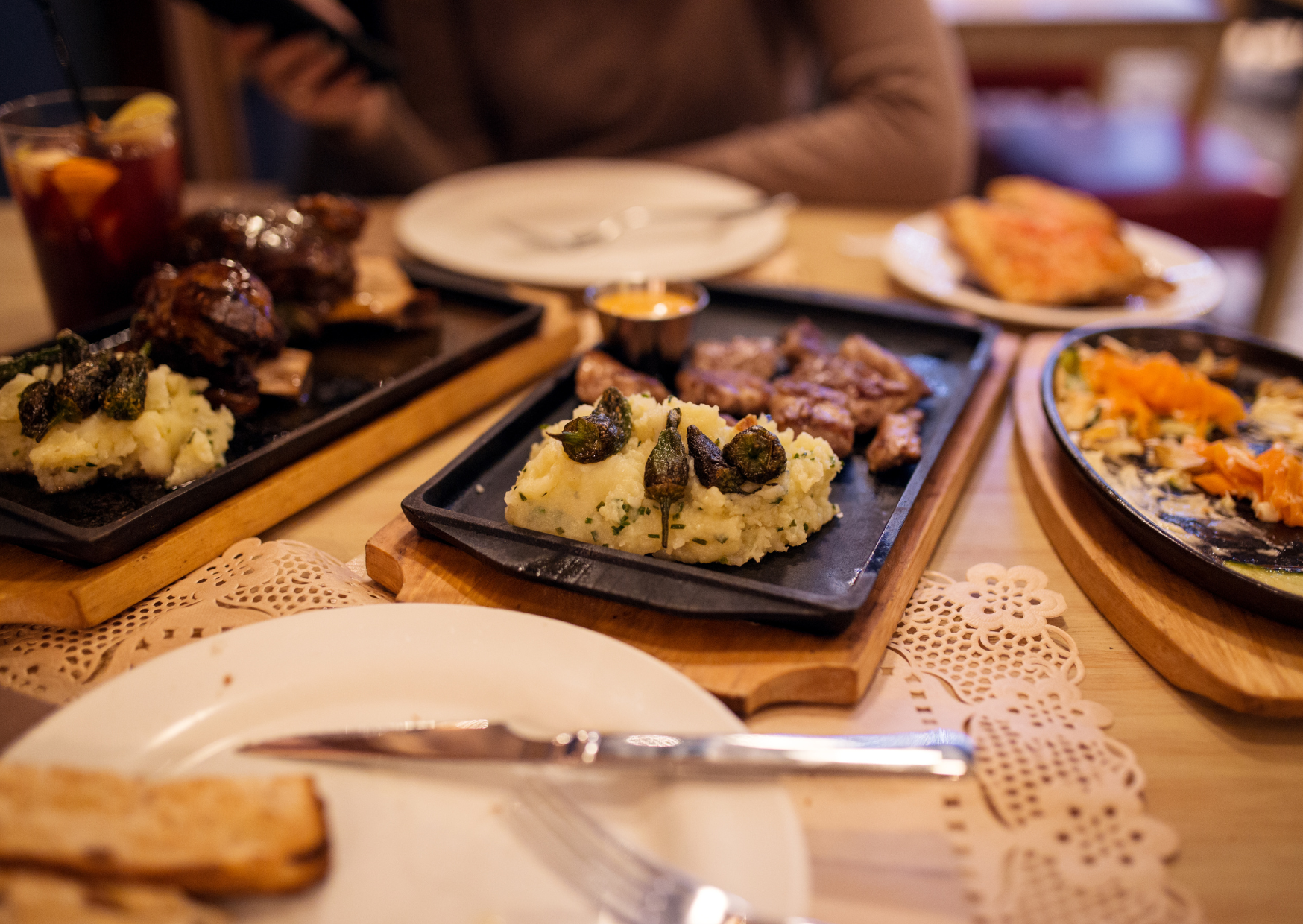
U.S. studies are right that late heavy meals can impair glucose control, raise appetite, and reduce energy expenditure. A controlled crossover trial in 2022 showed that late isocaloric eating increased hunger, decreased energy expenditure, and altered adipose gene expression, all pointing in the wrong direction. Late heavy eating, worse metabolic signals, controlled evidence.
Large cohort work in Europe adds nuance. A 2023 analysis tied late first meals and very late dinners to higher risks of diabetes or cardiovascular disease, while earlier breakfasts and finishing earlier showed lower risk. Notice the distinction, the strongest signal often comes from delayed first meals and very late, large last meals, not from any bite taken after sunset. First meal timing, very late dinners, risk gradient.
Spain’s pattern reduces those risks in three ways. First, the first meal is usually not skipped entirely, even if small. Second, the main calories land at lunch, leaving dinner lighter. Third, late evenings often include walking and socializing, which blunts postprandial spikes. Put together, a late light dinner inside an active, social evening does not equal a late heavy dinner plus a couch. Light late meal, movement after eating, social buffer.
None of this says every Spaniard eats perfectly or that policy debates are settled. Spain’s labor minister has publicly pushed for earlier hours on mental health grounds, and Madrid’s leaders have floated earlier restaurant openings for tourists. Even inside Spain, the culture is evolving. Debate exists, habits shift, principles remain.
6) How To Copy The Benefits Without The Pitfalls
Keep dinner small and simple. Shift your calories to lunch where possible, and let the late plate be vegetables, legumes, fish, or soup, not a second feast. The goal is earlier distribution, not deprivation. Big lunch small dinner, quality over quantity, earlier energy.
Do not delay your first meal too far. Cohort data links breakfast after 9 a.m. with higher diabetes risk, while earlier starts look safer. If you like time-restricted eating, keep the first and last meal earlier in your light cycle rather than pushing into the night. Early breakfast, finish earlier, protective timing.
Match your plate to daylight. You do not need Spain’s timezone to use Spain’s logic. Align your main meal with your real midday and make dinner lighter relative to your sunset. If evenings are bright and active, a later light dinner is less problematic than a late heavy one. Align with light, move after meals, context over clock.
Make it social. Build two or three shared dinners a week, even if simple. The survival literature is clear, social connection lowers mortality and improves mental health. Treat conversation as part of the recipe. Eat together, stress down, health up.
7) What Spain Would Tell You
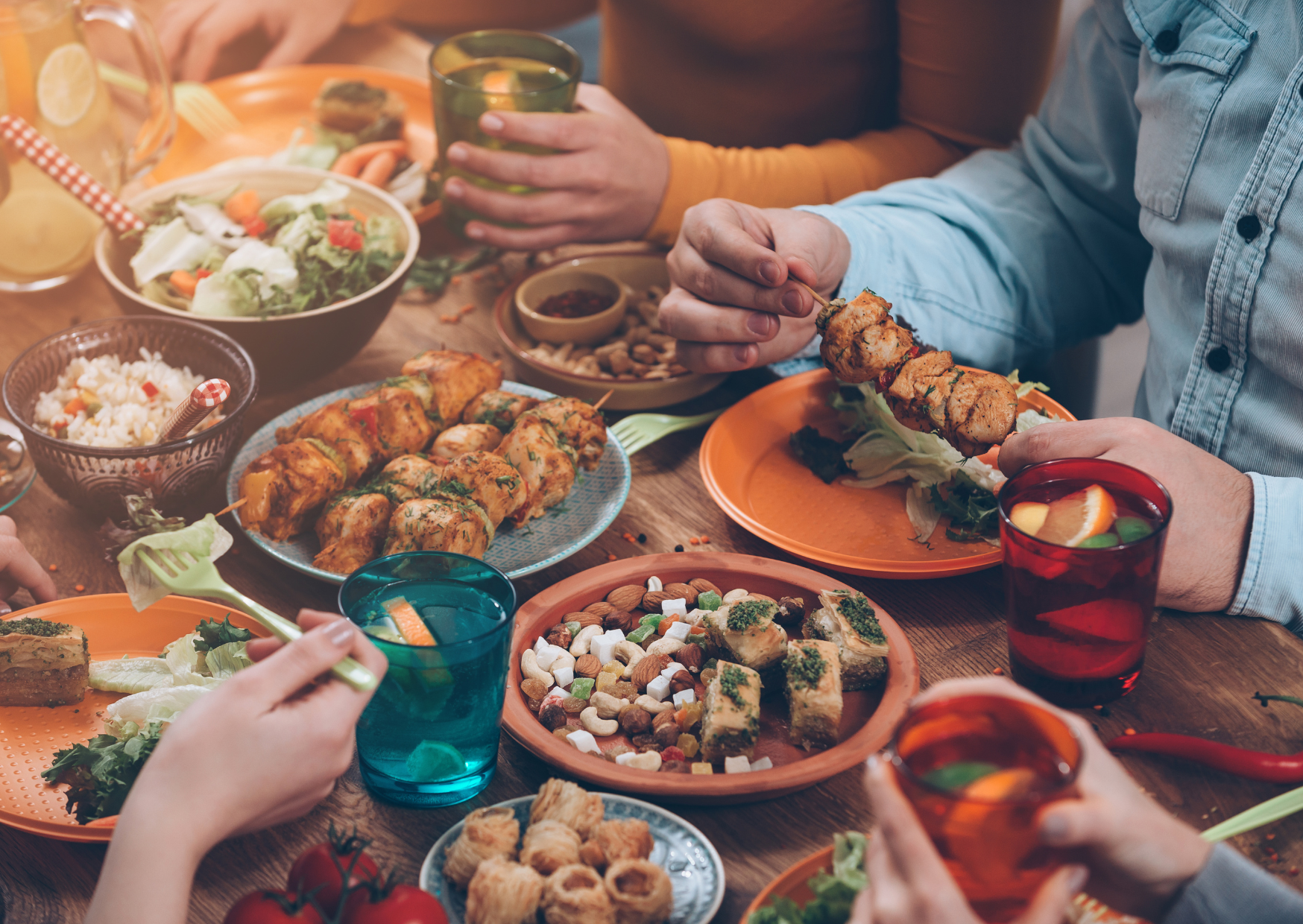
If you live with diabetes, GERD, or sleep disorders, late eating can backfire. Keep dinner light and earlier, and talk to your clinician about meal timing in your specific case. Spain’s pattern works at population scale, individual care still matters. Medical context, light late plates, personalize.
Shift workers are different. The literature treats night work as a health risk, independent of food, so copying a late Spanish dinner during a 24-hour schedule will not fix the underlying circadian strain. Anchor meals to your light exposure where possible and seek expert guidance. Night shifts, circadian strain, special rules.
Do not confuse late with junk. The U.S. problem is often ultra-processed late eating. Spain’s advantage rides on Mediterranean quality and a small, shared plate. If your late dinner is a heavy, ultra-processed pile, you are not importing the Spanish method, you are importing the risk. Quality matters, ultra-processed risk, small plates.
Finally, remember the solar trick. In July in Seattle or Stockholm, a 9 p.m. dinner after a long walk may be physiologically earlier than a 7 p.m. winter dinner in Boston after a sedentary day. Use daylight and distribution as your compass, not the number alone. Use the sun, earlier calories, move more.
What This Means For You
Spain does not prove that late-night feasting is healthy. It shows that a late, light, social dinner, inside a day where calories land earlier, people move in the evening, and meals are shared, can coexist with, and likely support, high longevity. The pattern matters more than the hour.
If you want the benefits at home, push energy to lunch, keep dinner modest, eat with people you love, align to your daylight, and keep your first meal from drifting into midmorning. That is the Spanish logic without the Spanish clock, and it works in any zip code.
Spain’s late dinner culture offers a valuable reminder that health is not determined by one isolated habit but by the overall lifestyle surrounding it. While American health recommendations often emphasize strict schedules, Spanish communities demonstrate that routines shaped by social connection, daily movement, and balanced eating can lead to strong health outcomes—even when meal timing falls outside American norms. This difference challenges us to think more holistically about well-being.
Rather than adopting or rejecting late-night dining outright, the real lesson lies in understanding the patterns that support it. Spaniards often enjoy long, unhurried meals, active evenings, and a lifestyle that accommodates later eating without adding stress. These elements help explain why the habit works for them and why it may not translate directly into American routines without thoughtful adjustment.
Ultimately, the debate around Spain’s late dinners highlights the importance of culturally informed health advice. What matters most is not the exact time dinner is served but the balance between food, movement, rest, and community. By looking beyond rigid rules and considering the entire rhythm of daily life, individuals can create habits that support both longevity and enjoyment—no matter what time the meal begins.

About the Author: Ruben, co-founder of Gamintraveler.com since 2014, is a seasoned traveler from Spain who has explored over 100 countries since 2009. Known for his extensive travel adventures across South America, Europe, the US, Australia, New Zealand, Asia, and Africa, Ruben combines his passion for adventurous yet sustainable living with his love for cycling, highlighted by his remarkable 5-month bicycle journey from Spain to Norway. He currently resides in Spain, where he continues sharing his travel experiences with his partner, Rachel, and their son, Han.