
So here is the little drama in your hand. One square from a French bar slumps silkily on your tongue in three seconds. A “chocolatey” U.S. candy button survives a whole car ride, then tastes a bit like candle. It is not your imagination and it is not romance. It is fat chemistry, labeling law, and the quiet fact that Europe and the U.S. allow very different things to be sold as everyday “chocolate.” Melt is not a vibe. Melt is the fat.
Let’s make this simple without dumbing it down. Cocoa butter melts right around body temperature, which is why real chocolate disappears in your mouth and leaves that clean snap and gloss when it’s tempered properly. Many U.S. mass-market “chocolatey” coatings use vegetable oils like fractionated palm kernel that melt hotter, survive warm shelves, and feel waxier. Europe keeps more cocoa butter in the recipe and puts tight limits on the non-cocoa fats you can sneak in, so the bar you grab in Madrid behaves like chocolate, not like a frosting shell. If you remember just one line, make it this: the more cocoa butter, the faster and cleaner the melt.
Where was I. Right. The law, the fat, the crystals, the label tricks, and what to buy if you want the good melt without moving continents.
The two laws that decide how your square behaves

Europe and the U.S. start the game with different rulebooks.
- European Union rule. Bars sold as chocolate are allowed a maximum of 5 percent vegetable fat other than cocoa butter, and only from a short approved list of cocoa-butter equivalents such as shea, palm mid-fraction, illipe, sal, kokum gurgi, or mango kernel. Everything else must be proper cocoa butter. That cap keeps the texture anchored to chocolate behavior. Five percent is a nudge, not a swap.
- United States rule. The standards of identity for “sweet chocolate,” “milk chocolate,” and “bittersweet chocolate” do not allow vegetable fats in place of cocoa butter. Add lauric oils like palm kernel and you must stop calling it chocolate and use another name such as “sweet chocolate and vegetable fat coating” or simply a “coating.” In practice, stores and consumers still call these items “chocolate,” which is why you keep meeting waxy melt in candy aisles. Legally not chocolate. Culturally treated like chocolate.
Keep this in mind: Europe limits how much non-cocoa fat can be in a product sold as chocolate; the U.S. forbids it for “chocolate” but allows entire aisles of “chocolatey” coatings that the public treats as chocolate anyway. The first system anchors melt. The second system lets the market blur terms.
Cocoa butter vs compound coating, the mouth explains it before the lab does
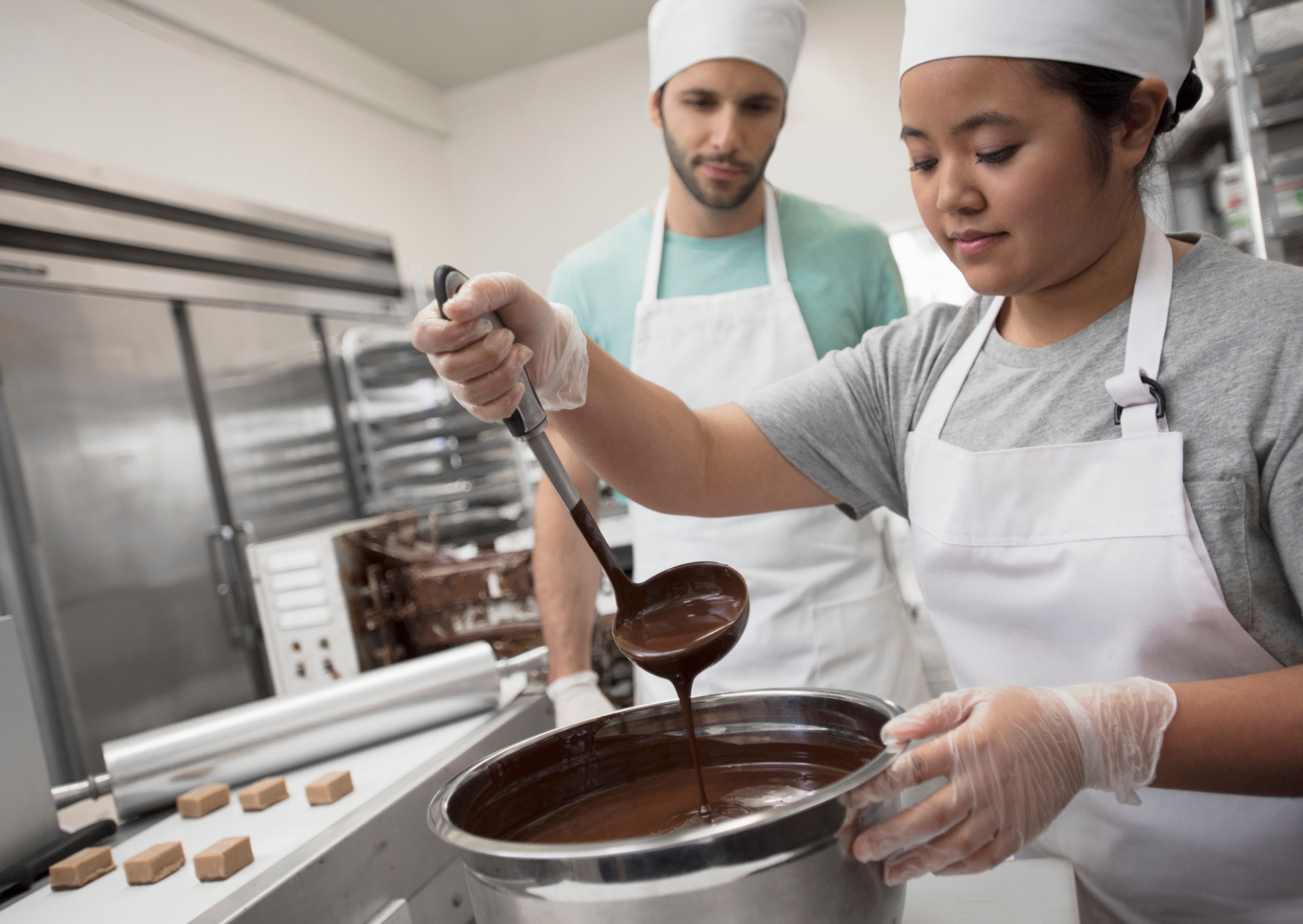
Cocoa butter is a quirky fat. It forms different crystals when it cools, and the one you want for bars is polymorph V, which snaps, shines, and melts around 34 to 35°C. That is the temperature of a human mouth on a calm day, which is why good bars vanish without grease. Tempering is the dance chocolatiers use to coax cocoa butter into that crystal form. When you taste a European bar that melts perfectly, you are feeling crystal V doing its job.
Compound coatings, common in U.S. mass candy, rely on lauric fats like fractionated palm kernel. Those fats are simpler to use, cheaper, and melt hotter. They give machinists fewer tantrums but give your mouth that slow, waxy dissolve. They also resist summer trucks and overheated shops, which is exactly why factories love them. Your tongue is not broken. The fat is different.
Bottom line: cocoa butter melts at you; palm kernel waits you out.
“But my American bar melts fine.” Here is why that can still be true
Plenty of premium U.S. chocolate uses nothing but cocoa butter and does the tempering dance beautifully. The difference you are noticing isn’t Europe vs the U.S. as a nation contest. It is cocoa-butter bars vs “chocolatey” coatings masquerading as chocolate. If you mostly buy candy-aisle singles, you keep meeting coatings. If you buy bars from chocolate makers who list only cocoa butter as the fat, you meet the same melt Europeans expect.
Quick filter: if the label lists palm kernel oil, palm oil, vegetable oil blend, or the phrase “chocolate flavored” or “chocolatey,” expect slow melt and a waxy finish. If the fat is cocoa butter and the sugar and cocoa percentages look sane, expect the right snap and fast melt.
The quiet ingredient America still allows that Europe removed
There is a separate, easy-to-miss difference that sometimes appears in candy coatings and white drizzles. Titanium dioxide is a white colorant that brightens coatings and candy shells. Europe banned TiO₂ in foods in 2022 over genotoxicity concerns. The U.S. still permits it as a food color, and you will still find it in some U.S. sweets and coatings, especially white or brightly colored pieces. It does not change melt the way fat does, but it is a clear example of “allowed there, banned here.” If you see titanium dioxide, TiO₂, or E171, that is what you are looking at. Europe will not approve that label; the U.S. still will.
Short note: this whiteness issue is about safety policy and appearance, not about snap. Melt is the fat story. Whiteness is the color story.
Why European bars often feel “richer” at room temperature
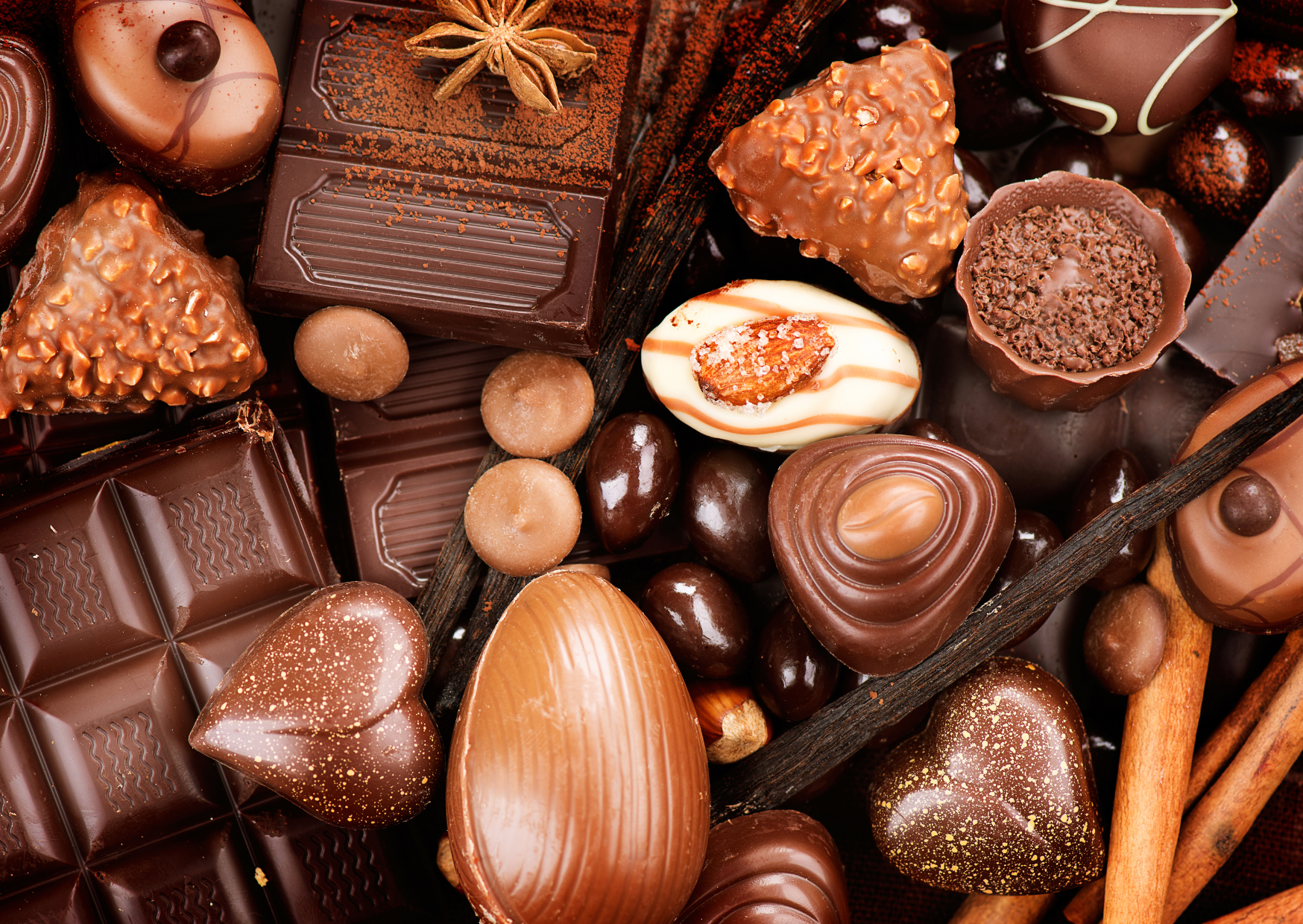
Two reasons that have nothing to do with poetry.
- Cocoa butter share. Many European bars keep cocoa butter high and use the 5 percent CBE allowance sparingly or not at all. More cocoa butter equals lower melt point and cleaner mouthfeel.
- Couverture culture. European makers work a lot with couverture, a style with higher cocoa-butter content that flows beautifully when melted and sets with that snap you can hear. Even when you are not buying professional couverture, you are inheriting the culture of bars designed to temper and melt correctly.
Remember: fat type and fat percentage decide how a square behaves on your tongue and on your fingers.
The emulsifier you keep hearing about, and why it is not the main character
PGPR (polyglycerol polyricinoleate) shows up on both sides of the Atlantic. It makes chocolate flow better at lower cocoa-butter content. It is approved in the EU and in the U.S. and, used within limits, it is not the villain here. If melt feels wrong, blame the fat, not the tiny amount of PGPR.
Tempering, the reason a perfect European bar shines and snaps
Even with ideal fat, you can wreck texture if you do not align crystals. Tempering is a controlled warm-cool-warm cycle that drives cocoa butter into the stable form that snaps, shines, and melts clean. Well-tempered bars resist “fat bloom” longer. Coatings made with palm-kernel based fats belly flop a different way, often blooming faster if mishandled, but they remain firm on warm days because their melting profile is higher. Technique amplifies fat choice.
How to read the label so your melt is what you wanted
The good news is you do not need a microscope. You need two minutes and the fat line.
- Buy bars where the fat is cocoa butter. If you see palm kernel oil, palm oil, hydrogenated vegetable oil, or “vegetable oil blend,” you are buying slow melt.
- Watch out for compound coating language. “Chocolate flavored,” “chocolatey,” “sweet chocolate and vegetable fat coating,” “candy coating.” These are your clues.
- Ignore front-of-pack marketing. Look for cocoa solids percentage and cocoa-butter presence. If the bar is shy about those numbers, it is shy for a reason.
- If it is white or ultra bright, check for titanium dioxide on U.S. labels. Europe will not allow it in foods.
Key reminder : fat line tells the melt story faster than any slogan.
Why American candy aisles feel different even when the law looks strict
You might wonder, if the U.S. standard of identity for “chocolate” is so strict, why do you still meet coatings everywhere. The answer is culture and merchandising. Retailers and advertisers use “chocolate” loosely, and shoppers rarely stop to parse the standard of identity. Whole subcategories, from seasonal shapes to snack-size panned pieces, sit in a gray zone of “chocolatey” that works on trucks, thank you very much, at the cost of mouthfeel. Europe certainly sells compound coatings too, but labeling and that 5 percent cap keep the mainline bars closer to cocoa-butter physics.
Short line: the shelf trains your expectations. Different shelves, different melt.
A pocket tour of fats that change your experience
- Cocoa butter. Polymorphic, temperable, melts near 34–35°C, clean snap, clean finish. This is the goal.
- Palm kernel oil, fractionated. Lauric, melts hotter, waxier mouthfeel, cheaper, great for summer trucks and candy shells, common in U.S. coatings.
- Palm mid-fraction and shea stearin (CBEs). Engineered to mimic cocoa butter within that EU 5 percent allowance. Used carefully, they tweak viscosity without wrecking melt. Used heavily, you feel it.
Remember: the closer a formula stays to cocoa butter, the more “European” it will feel.
The three most common myths and the short answers
“European chocolate is just better because Europe.”
It is better when it is more cocoa butter, well tempered, and honestly labeled. You can buy that in the U.S. too. You just have to look.
“Cocoa butter melts in your hand, so anything that doesn’t is superior.”
Superior for logistics, not for pleasure. Fast mouth melt is the point. Your fingers are not the judge; your palate is.
“White color in candy shells has nothing to do with regulation.”
In Europe it does. Titanium dioxide is banned in EU foods and still permitted in U.S. foods, which is why bright whites sometimes differ across markets. Melt is still about fat; whiteness is about color regulation.
What to buy this week if you want the European melt
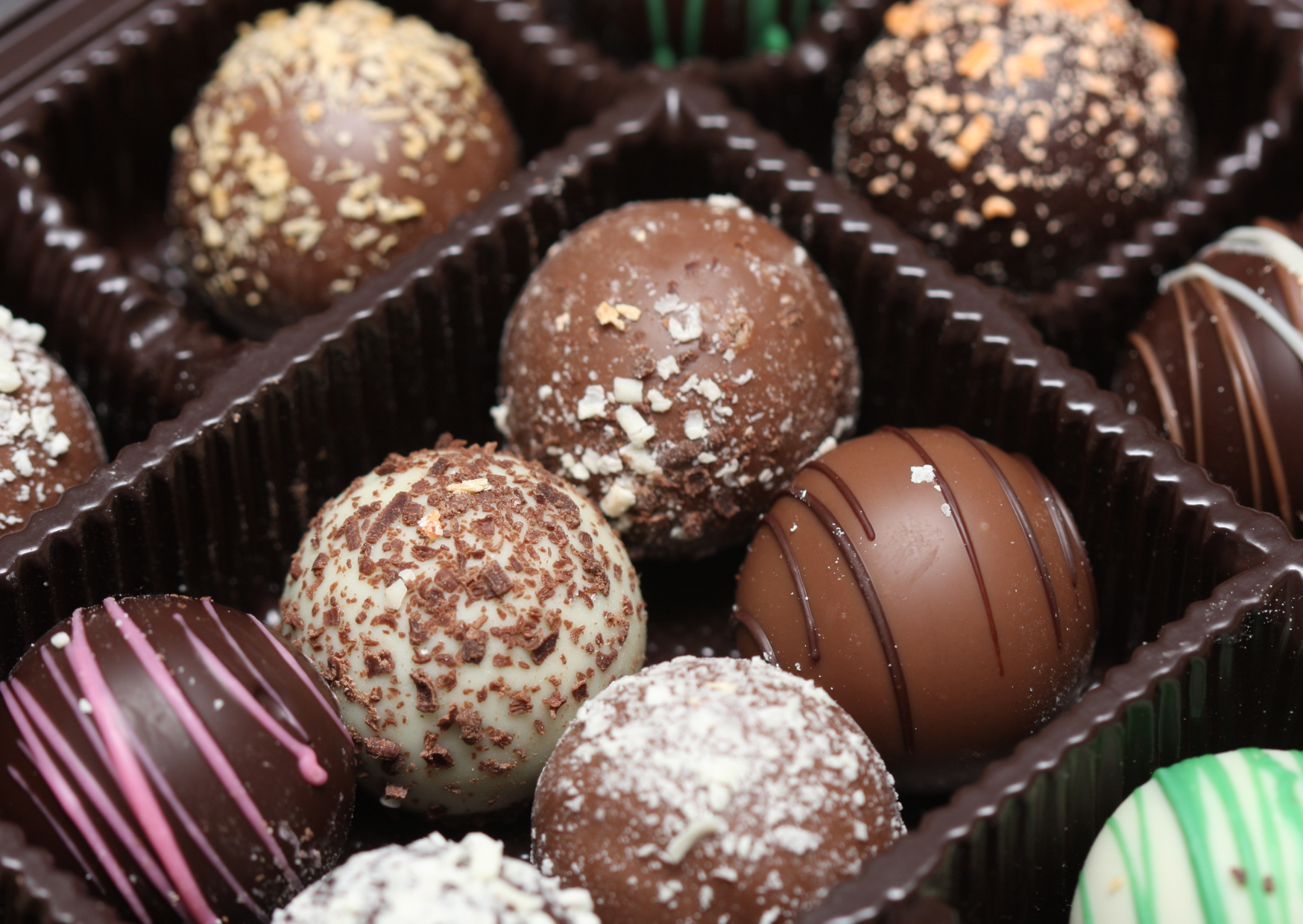
- Grab a bar that lists cocoa mass, sugar, cocoa butter, lecithin, vanilla in that neighborhood, with cocoa butter as the fat.
- For milk chocolate, the same rule holds. Fat should be cocoa butter and milk fat, not palm kernel.
- If you like chocolate chips that keep shape in cookies, you may prefer U.S. style chips formulated to resist melt. That is a different job. For eating, choose bars built to melt.
- Skip bargain bags labeled “chocolatey” if you want that fast dissolve. Those are for snack bowls, not for melt joy.
Short takeaway: buy bars, not coatings.
If you temper at home, a few practical notes
- Heat gently to 45–50°C, cool to around 27°C, then rewarm to 31–32°C for dark chocolate when working, a degree or two less for milk and white.
- Keep water out of your bowl. One drop seizes a whole batch.
- Use a thermometer. Guessing ruins crystal V.
- If you see fat bloom later, it is usually storage heat swings or bad temper, not bad chocolate.
Key phrase: good fat plus good temper equals the snap you’re chasing.
A quick detour on safety vs pleasure
People ask whether cocoa-butter bars are “healthier.” That is not the frame. Cocoa butter is saturated and monounsaturated with a friendly profile in moderate amounts, and it is the authentic medium for chocolate flavor and melt. Lauric coatings are not poison, they are engineering choices for shelf and price. If your goal is the melt Europeans expect, you are chasing cocoa-butter physics, not a moral badge.
On colorants, yes, Europe and the U.S. split on titanium dioxide. If you prefer to avoid it, read U.S. labels on white shells and drizzles. Your pleasure will not suffer by skipping it, since it is about whiteness, not flavor or melt.
Put one square from a cocoa-butter bar on your tongue and do nothing. Count to three. That velvet slide is polymorph V meeting body heat and it is the entire reason chocolate became chocolate. If you miss that feeling in U.S. snacks, it is not nostalgia. It is the fat. Choose bars that let cocoa butter run the show and you will taste Europe without a flight.

About the Author: Ruben, co-founder of Gamintraveler.com since 2014, is a seasoned traveler from Spain who has explored over 100 countries since 2009. Known for his extensive travel adventures across South America, Europe, the US, Australia, New Zealand, Asia, and Africa, Ruben combines his passion for adventurous yet sustainable living with his love for cycling, highlighted by his remarkable 5-month bicycle journey from Spain to Norway. He currently resides in Spain, where he continues sharing his travel experiences with his partner, Rachel, and their son, Han.