
And what it reveals about algorithmic pricing, urban mobility blind spots, and why some visitors pay more without knowing it
It’s late afternoon in Paris, and the line for taxis at Gare du Nord snakes along the sidewalk. An American traveler opens their phone and checks Uber. The quoted fare for a 15-minute ride to their hotel? €72. Without hesitation, they tap “Confirm.”
They just paid three times what a local would. Not because they’re American. But because they didn’t know what they were agreeing to.
There is no special switch inside Uber’s app that singles out foreign passports. But surge pricing, location-based fare boosts, and demand-based algorithms combine to create a perfect storm for tourists—especially in cities like Paris. And while Parisians grumble and wait for prices to drop, visitors from abroad often pay top-tier prices without realizing how dynamic the platform has become.
Here’s how it works—and how to avoid paying more for the same ride.
Want More Deep Dives into Other Cultures?
– Why Europeans Walk Everywhere (And Americans Should Too)
– How Europeans Actually Afford Living in Cities Without Six-Figure Salaries
– 9 ‘Luxury’ Items in America That Europeans Consider Basic Necessities
Quick Easy Tips
Check your payment settings and ensure your currency conversion is set to local currency (euros) to avoid inflated exchange rates.
Avoid using premium ride options unless necessary—stick with standard or pooled rides when available.
Use fare estimates in the app before confirming to spot unusually high charges.
Consider setting your pickup point slightly away from tourist-heavy spots to lower surge pricing.
If possible, compare Uber fares with public transportation or licensed taxis.
Many American travelers assume Uber’s pricing is standardized globally, but that’s far from true. The app can apply different pricing structures depending on the region, time, demand, and currency settings. This often leads to tourists unknowingly overpaying for rides while locals pay standard rates.
Another common misconception is that surge pricing is unavoidable. In reality, surge is often location-based. High-traffic tourist areas like airports, train stations, and famous landmarks can trigger inflated fares. By walking a short distance away or adjusting pickup times, riders can bypass these higher rates.
Finally, there’s an underlying debate about fairness. Some argue that tourists should expect to pay more because they’re less familiar with local systems, while others see it as a form of exploitation. Regardless of where you stand, understanding how Uber pricing works in Paris can help level the playing field for travelers.
1. Uber pricing in Paris is dynamic by design

Uber’s fare structure is based on supply and demand. When demand spikes—due to traffic, rain, protests, or rush hour—the app raises prices automatically. This is known as surge pricing, and it’s not specific to Paris. But Paris’s density, tourism volume, and transport disruptions make it a hotspot.
Many travelers assume a short distance means a cheap fare. But on Uber, distance is only one variable. The time of day, neighborhood, rider demand, and number of available drivers all affect the quote. A two-mile ride from the Eiffel Tower can cost €10 at noon—or €40 at 5:30 p.m.
Parisians who use Uber regularly know this. They wait. Tourists don’t.
2. Americans are more likely to confirm without comparing
Travelers from the U.S. often open the app, see a fare, and click. They’re used to Uber being a trusted tool. They aren’t comparing prices on local taxi apps or checking if surge is active.
Locals, on the other hand, often run the quote through other services—Bolt, G7 Taxi, Kapten. They refresh the Uber app a few times, or wait five minutes to see if the price drops.
The result? Foreign riders, especially Americans unfamiliar with European price expectations, often accept inflated fares—not because they’re targeted, but because they don’t hesitate.
3. Surge pricing zones affect tourists more than locals
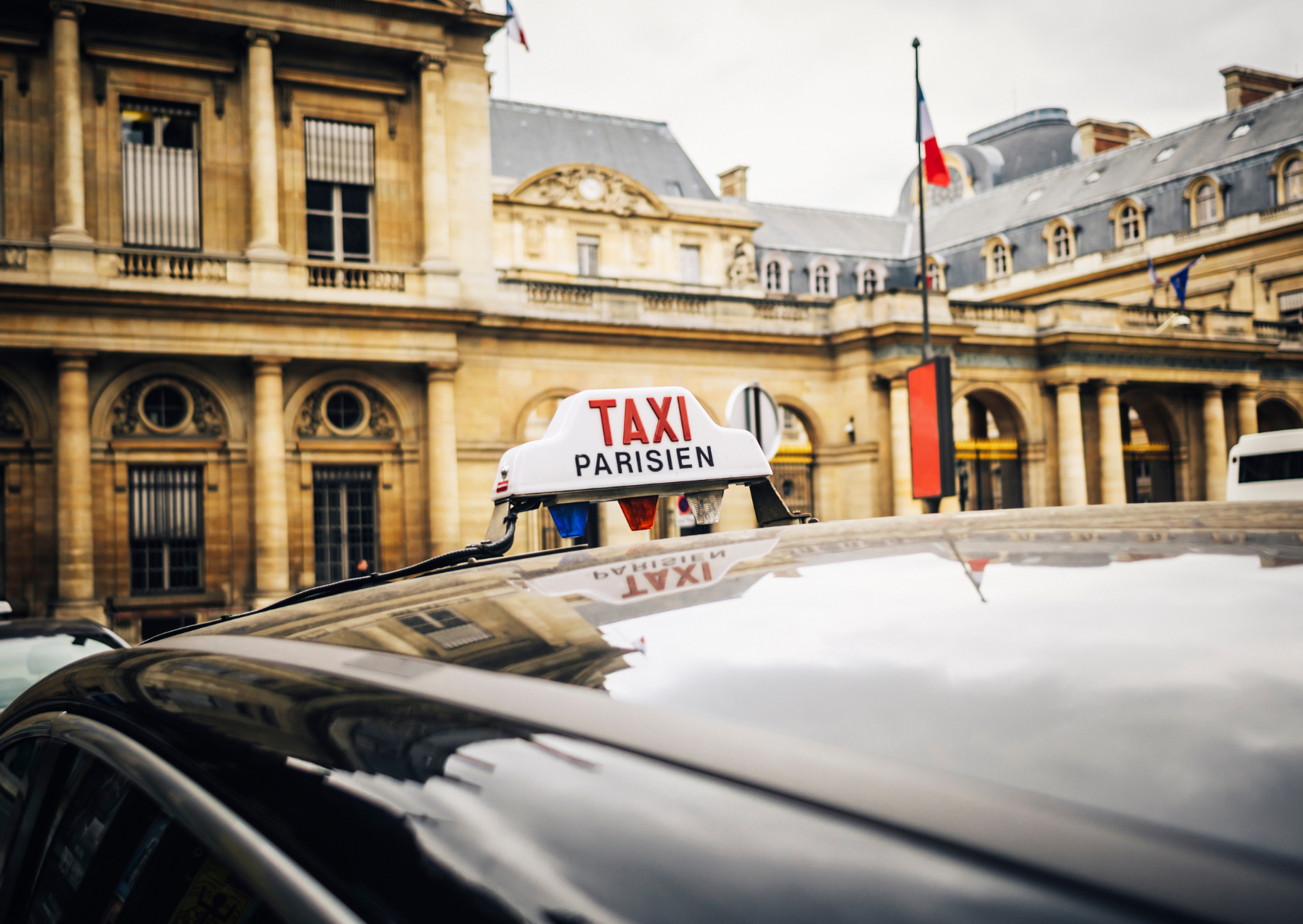
Certain areas in Paris trigger higher prices more often: Gare du Nord, Charles de Gaulle Airport, Eiffel Tower, Champs-Élysées, Sacré-Cœur. These are also the areas most frequented by tourists.
When hundreds of travelers try to leave the same location at once—after a train arrival, an event, or closing time at a museum—Uber’s algorithm responds by raising fares. Locals often avoid these spots. Tourists do not.
This explains why a local may pay €18 for a ride from Bastille to Montmartre, while a tourist leaving the Eiffel Tower pays €60 for a similar route.
4. Uber’s algorithm doesn’t explain why the price changed
Unlike traditional taxis, Uber doesn’t display a rate card. There’s no breakdown of time vs. distance vs. surge multiplier in the quote screen. Riders see one number—and unless they look closely, they don’t realize it’s surged.
The app used to show a lightning bolt or “surge active” warning. In many cities, that language has softened. Now, users are told “prices are higher due to increased demand.” For those unfamiliar with local pricing, this warning often goes unnoticed.
The app doesn’t compare the current fare to what you’d pay under normal conditions. It simply offers what the market allows.
5. Tapping “Confirm” sets the fare but not the context
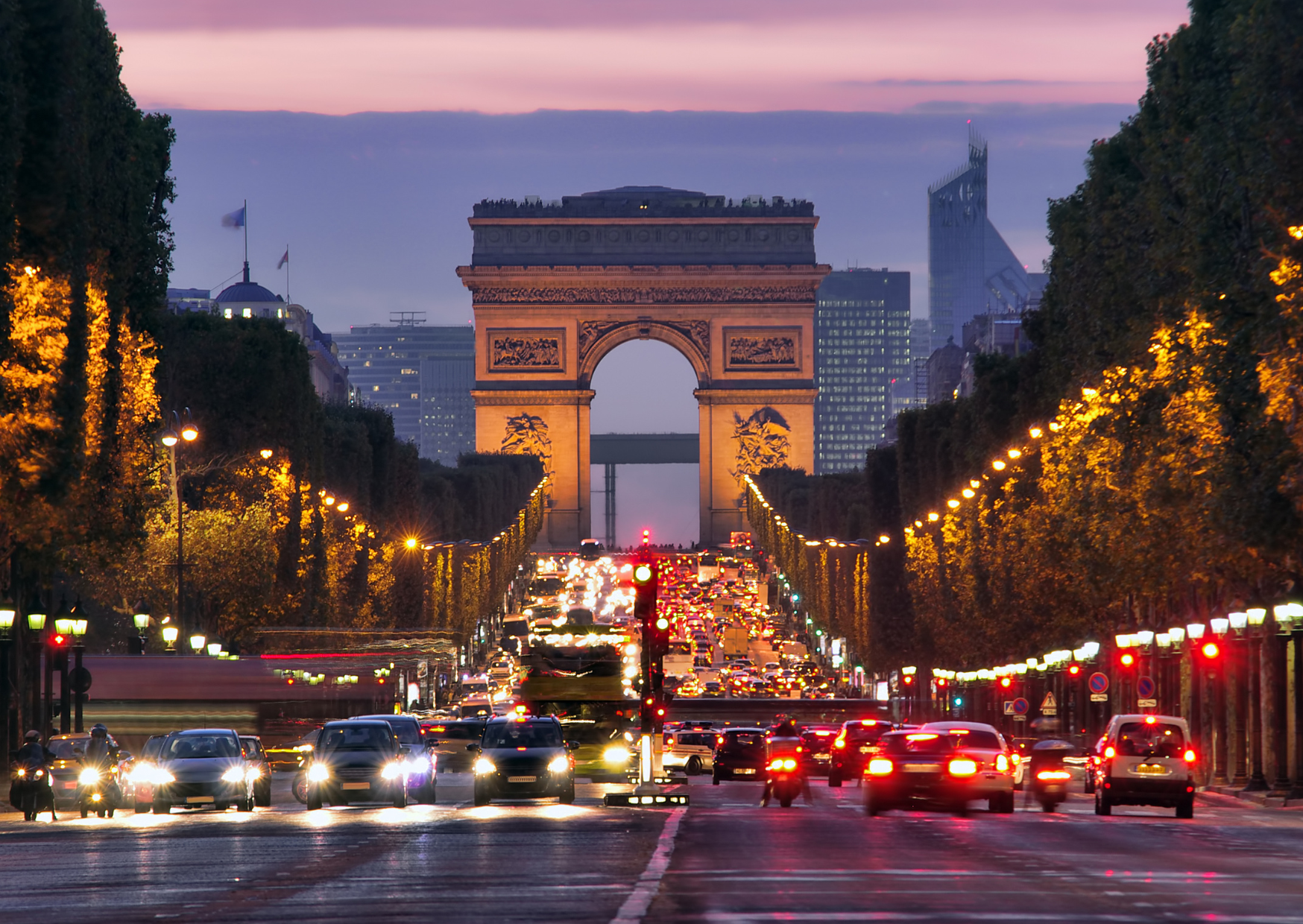
Once you accept the price, there’s little room to dispute it. Uber quotes are locked at confirmation. Even if the ride takes five minutes less or the traffic clears, you pay the agreed fare.
For Americans used to dynamic pricing in airfare or hotels, this feels familiar. But for local transport, it’s easy to overlook. Especially when the rider assumes Uber will always be cheaper than a cab.
In Paris, that’s not always true.
6. Alternatives often cost less but require forethought
Parisians use apps like Bolt, Kapten (now part of Free Now), and G7 to compare prices. Public transit is also efficient—especially for routes with heavy congestion.
Many travelers don’t know that taxis from Charles de Gaulle to central Paris have a fixed rate: €56 to the Right Bank, €65 to the Left Bank. That same trip on Uber during surge can cost over €100.
Local taxis are regulated. Uber is not. That’s not a warning—it’s a choice. But it helps to know which tools belong to which systems.
7. Uber’s in-app settings may default to premium options
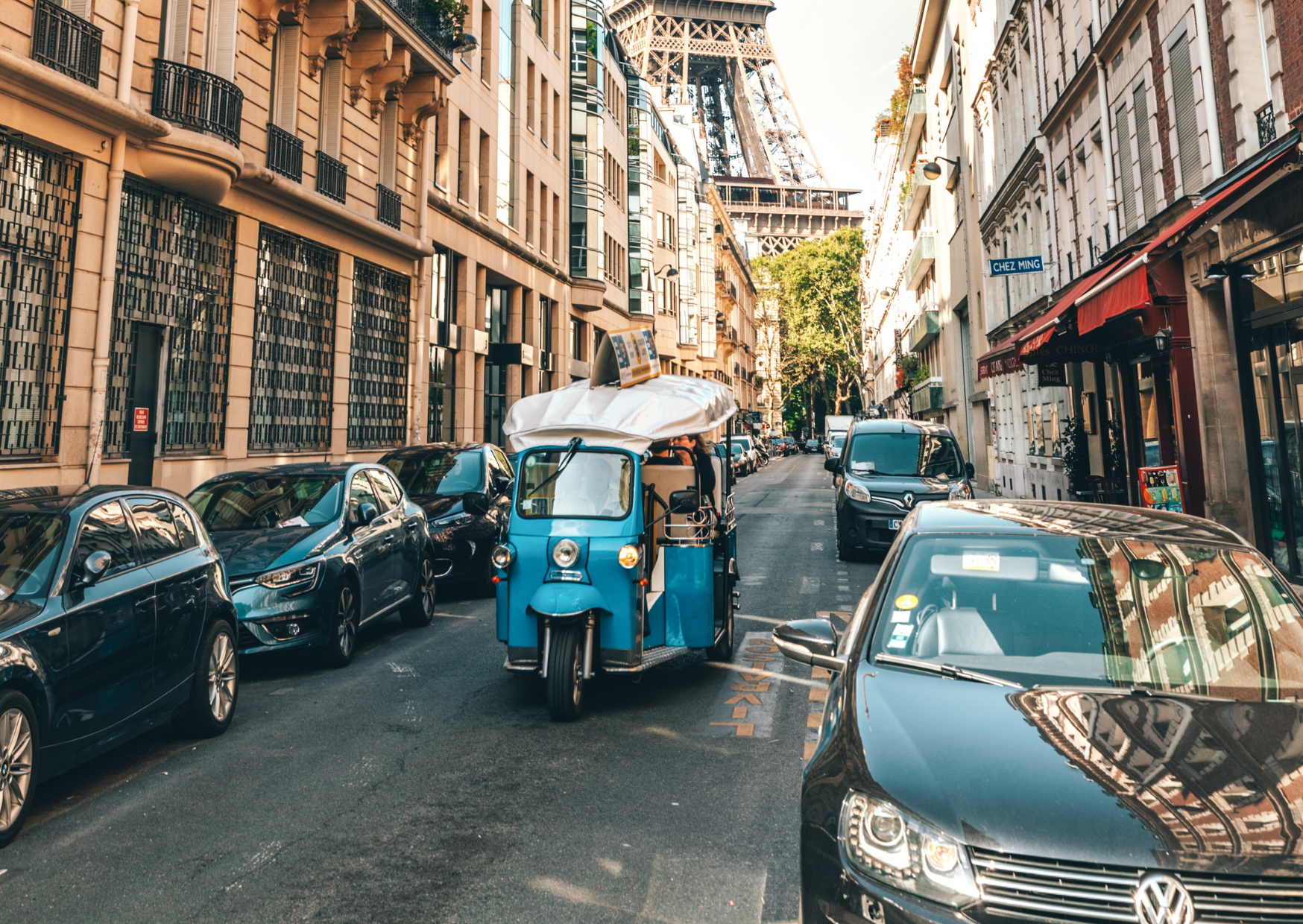
Some travelers report being defaulted to “Comfort” or “Uber Green” rides in Paris instead of the cheaper “UberX.” This might be due to app history, prior ride preferences, or simple app glitches.
Unless you manually toggle to the cheapest ride type, you may be paying more for a vehicle you didn’t ask for. Always check which option is selected before tapping “Request.”
8. Paris’s transit strikes and traffic increase surge frequency
Unlike cities with consistent transit coverage, Paris faces frequent strikes, roadworks, and protests that disrupt Metro and bus service. During these times, Uber demand skyrockets. Prices follow.
Tourists arriving during strike weeks or major events often don’t realize how these disruptions affect ride-share pricing. Locals plan alternate routes. Visitors get stuck—and pay the difference.
When the App Doesn’t Explain the Context
The Uber fare you see isn’t personal—it’s predictive. But for travelers unfamiliar with how Paris pricing fluctuates, the result can feel like a penalty for being foreign.
That’s not the system’s intent. But it is its effect. Especially when riders don’t know what a local would do: check another app, wait 10 minutes, or walk two blocks to a quieter pickup point.
Surge pricing is legal. Predictable. And, when you know what to look for, avoidable.
Final Thoughts
Traveling to Paris can be an unforgettable experience, but small details can make a big difference when it comes to costs. Many tourists unknowingly pay inflated ride fares simply because they’re not aware of how certain app settings work. What seems like a harmless default option can end up costing Americans two or three times more than locals.
This doesn’t mean Uber is intentionally scamming travelers, but it does highlight the importance of understanding how location-based pricing, currency conversion, and app settings can impact what you pay. A few simple tweaks can save you a significant amount of money throughout your trip.
In the end, being an informed traveler is just as important as booking the right flight or hotel. Taking a few minutes to review your settings before hopping in that Paris Uber can help ensure your vacation budget goes toward memories—not unnecessary charges.

About the Author: Ruben, co-founder of Gamintraveler.com since 2014, is a seasoned traveler from Spain who has explored over 100 countries since 2009. Known for his extensive travel adventures across South America, Europe, the US, Australia, New Zealand, Asia, and Africa, Ruben combines his passion for adventurous yet sustainable living with his love for cycling, highlighted by his remarkable 5-month bicycle journey from Spain to Norway. He currently resides in Spain, where he continues sharing his travel experiences with his partner, Rachel, and their son, Han.