
Last updated on January 9th, 2026 at 05:38 pm
So here is the mismatch. A French grandmother eats cheese every day and stays lean enough to climb four flights. An American on a diet app logs one bite of cheddar and the screen screams in red. Europe treats cheese like a daily food with rules. The United States treats cheese like a guilty event. The result is predictable. Europeans enjoy it, digest it, and buy it in portions that make sense. Americans avoid it for six days, binge on day seven, and blame the dairy aisle.
This is not a love letter to brie. It is a practical map of the cheeses that show up on real European tables on a Tuesday, how much lands on the plate, what they pair it with, and why the daily ritual behaves. If you want the benefits without moving, copy the structure, the portion, and the timing. Cheese is easier on your body when you treat it like food, not like dessert.
Quick Easy Tips
Choose minimally processed, traditionally made cheeses.
Eat cheese with meals, not mindlessly between them.
Focus on portion size rather than elimination.
Pay attention to how your body responds instead of headlines.
One uncomfortable truth is that Americans were taught to fear fat through decades of oversimplified nutrition messaging. Cheese became a symbol of excess rather than a balanced food.
Another controversial reality is that many low-fat or “safe” cheese alternatives are more heavily processed than the versions they replace. Fear often pushes people toward worse options.
There is also a misunderstanding of cholesterol and saturated fat. Europeans tend to evaluate overall dietary patterns, while Americans isolate single foods and assign blame.
Perhaps the hardest realization is this: food anxiety is profitable. Demonizing everyday foods creates cycles of restriction and replacement that benefit industries, not health.
What “cheese daily” actually means in Europe
In Paris, Lyon, Madrid, Porto, Bologna, the daily pattern looks boring on purpose. A small piece after lunch or as part of a light dinner, never alone, never as a meal. Portions are honest. Think 30 to 40 grams for a tasting wedge, maybe 60 grams if it is the main protein with salad. Bread is present, but it is a small slice. Fruit or bitter greens usually appear. Water is on the table.
The quiet rules everyone follows without speeches:
- Cheese belongs to a plate, not to fingers and a bag.
- Salty partners balance salty cheese. Bitter leaves, tomatoes, pickled things.
- Night portions are smaller. Heavy cheese shows up at lunch, lighter fresh cheese shows up at night.
- You stop when the piece is gone. Pre-cut portions make this automatic.
Remember: daily does not mean lots. It means routine amounts that repeat.
The everyday cheeses that behave on a weekday
You do not need a cellar and a degree in rinds. You need cheeses that Europeans actually buy for regular meals. Here are the workhorses and why they show up so often.
1) Comté and Gruyère, the alpine slicers
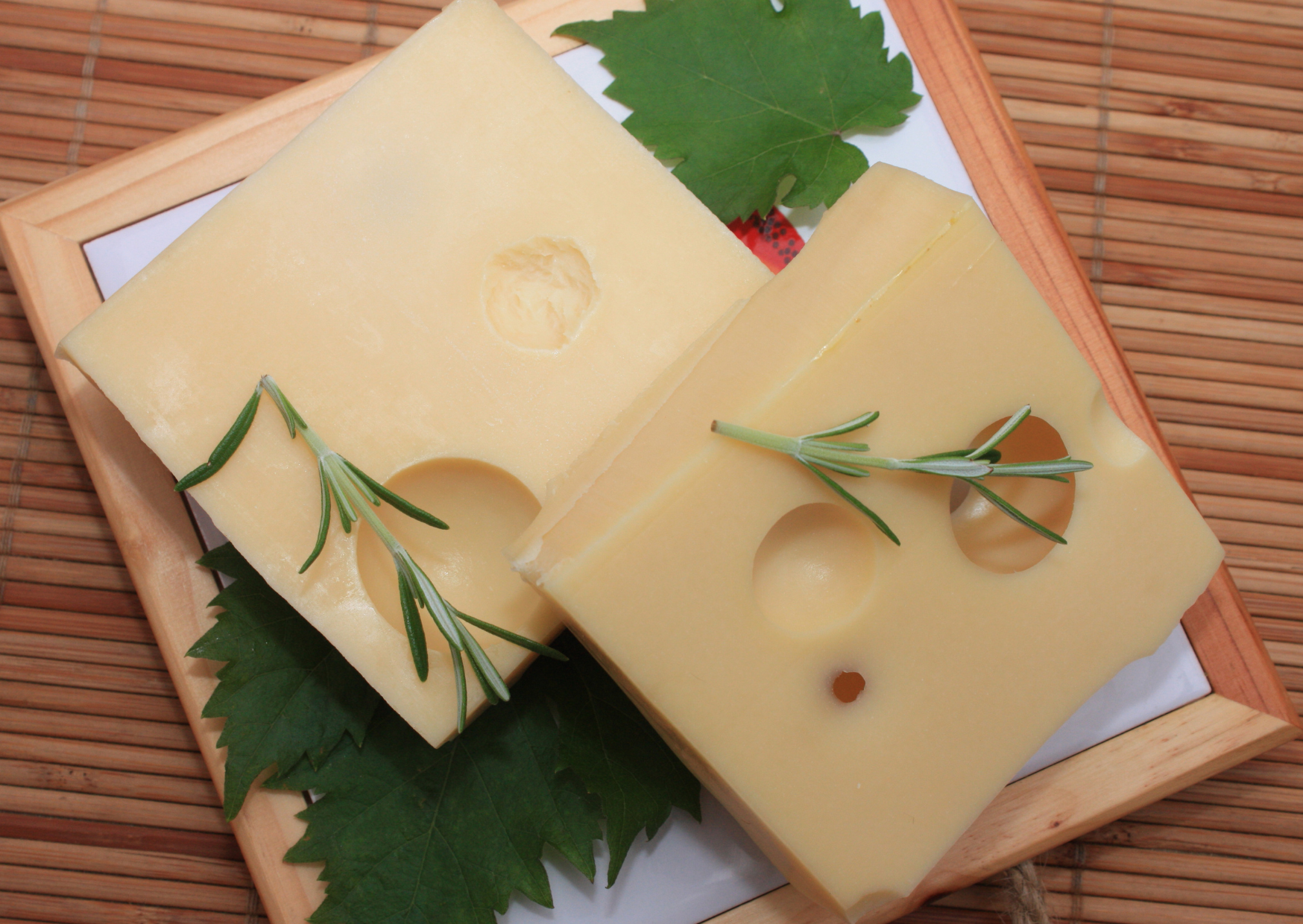
Nutty, firm, high protein, easy to shave thin. A 30 gram slice with bread and salad turns lunch into a meal. Aged alpine cheeses are naturally low in lactose because the microbes and time take care of it. They also bring a clean savory note that makes vegetables taste richer.
Typical price in France or Spain: 18 to 28 € per kilo for decent quality. You buy a 200 gram piece for 4 to 6 € and it lasts all week.
Key line: thin slices satisfy faster than cubes.
2) Manchego curado, the Spanish table anchor
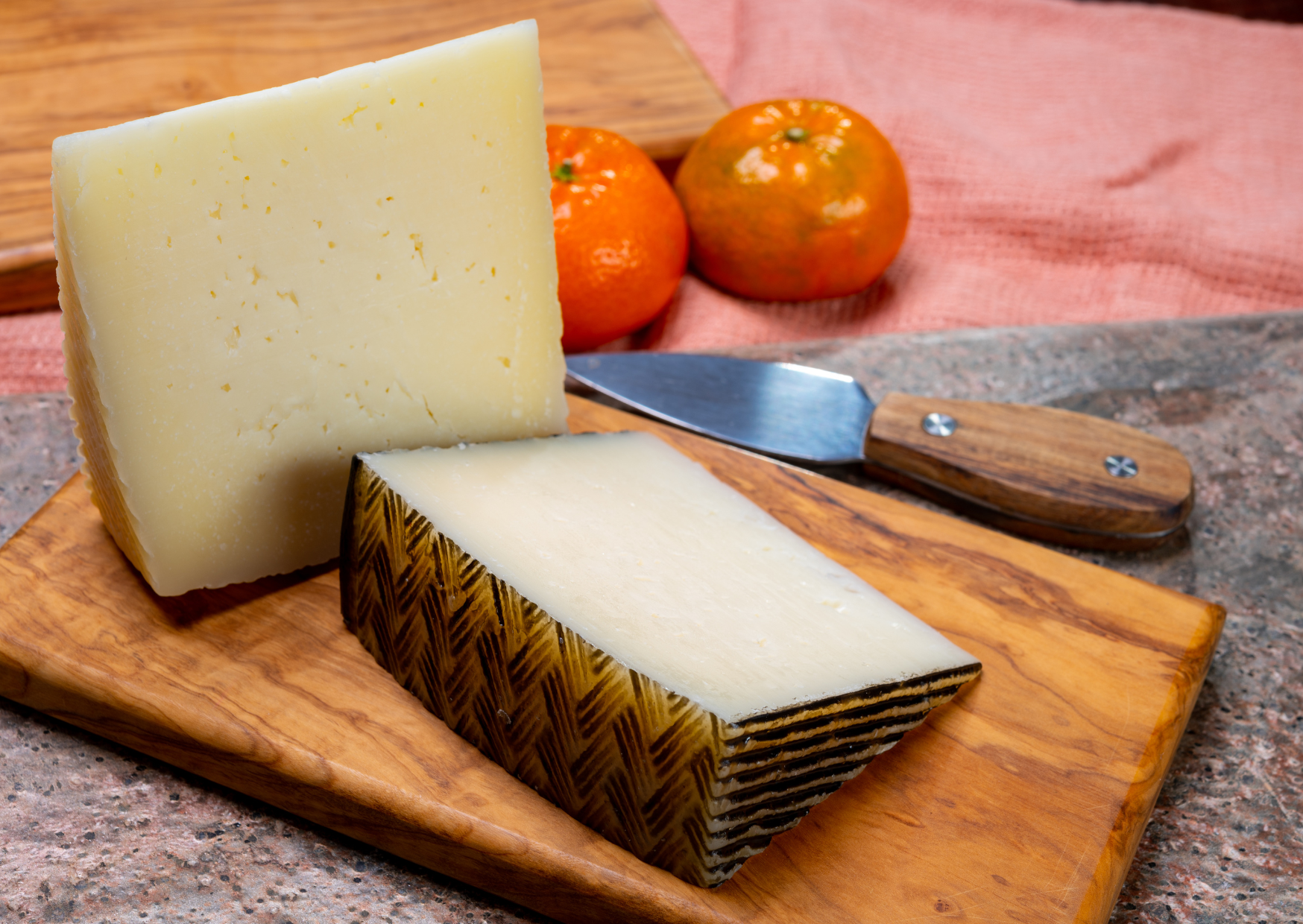
Sheep’s milk brings a round, fatty feel with intense flavor. Curado or viejo slices sit beside tomatoes, olive oil, and bread. The fat is not a problem when the piece is small and the plate contains actual plants. Sheep’s milk is naturally richer, so you need less to feel done.
Price reality: 16 to 22 € per kilo outside tourist traps. A 150 gram wedge for 3 to 4 € covers three lunches.
Short reminder: strong flavor equals small portion.
3) Parmigiano Reggiano or Grana Padano, the finisher
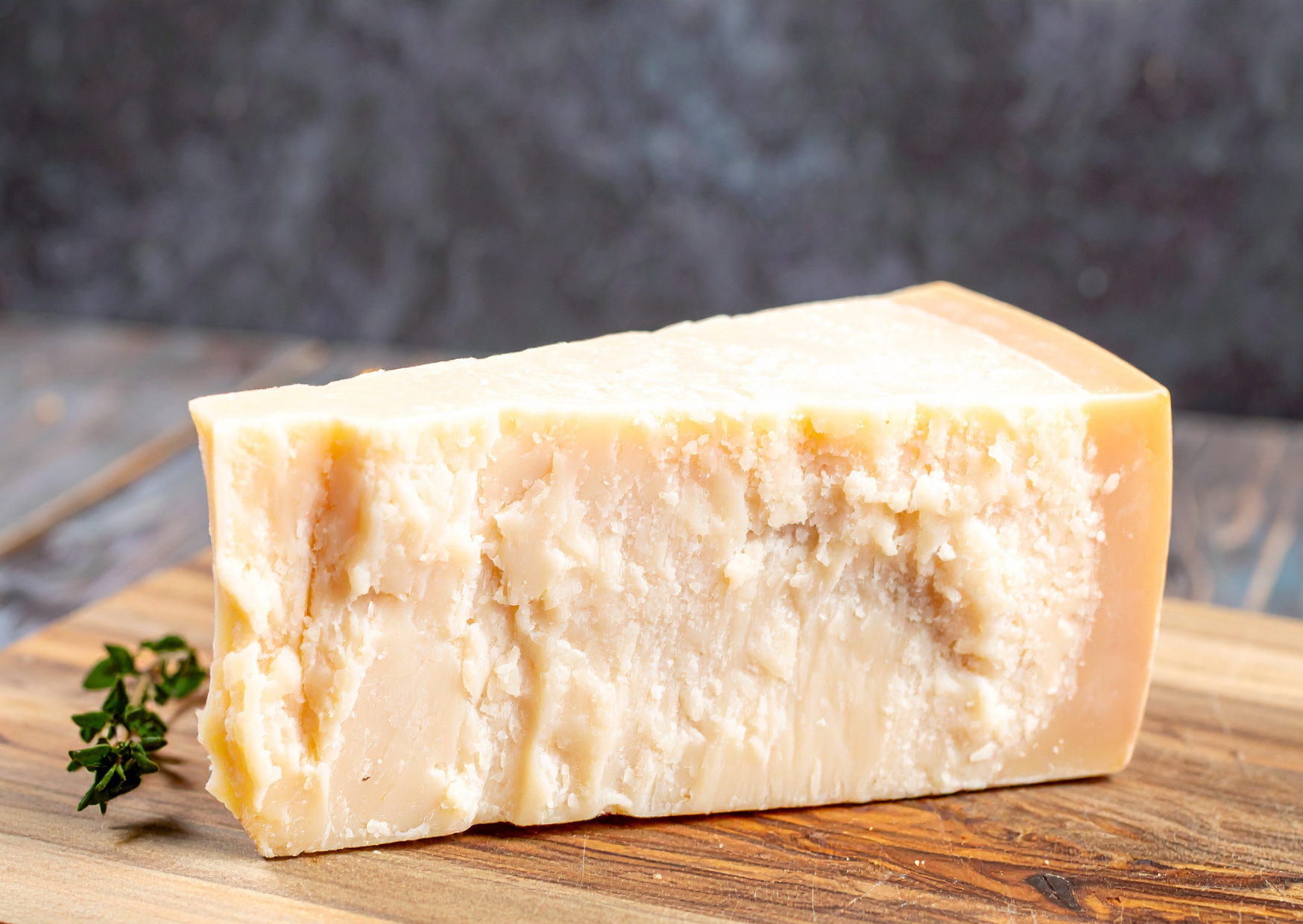
Shaved over vegetables, stirred into soups, eaten in slivers with pears. A little goes far because umami ends hunger quickly. Italians grate, do not dump. The micro portion still tastes loud.
Price: 18 to 30 € per kilo depending on age. One 250 gram block will season ten meals.
Hold this: use as seasoning, not as stuffing.
4) Fresh cheeses that are not dessert

Fromage blanc, quark, ricotta, requeijão. These are weeknight players. High protein, mild, and built for herbs, olive oil, and pepper. A bowl at dinner with cucumbers and tomatoes is a European diet hack nobody markets because it is not cute.
Price: 1.20 to 2.50 € per 250 grams in most supermarkets.
Key idea: fresh cheeses belong to vegetables, not sugar.
5) Feta and feta style brined cheeses
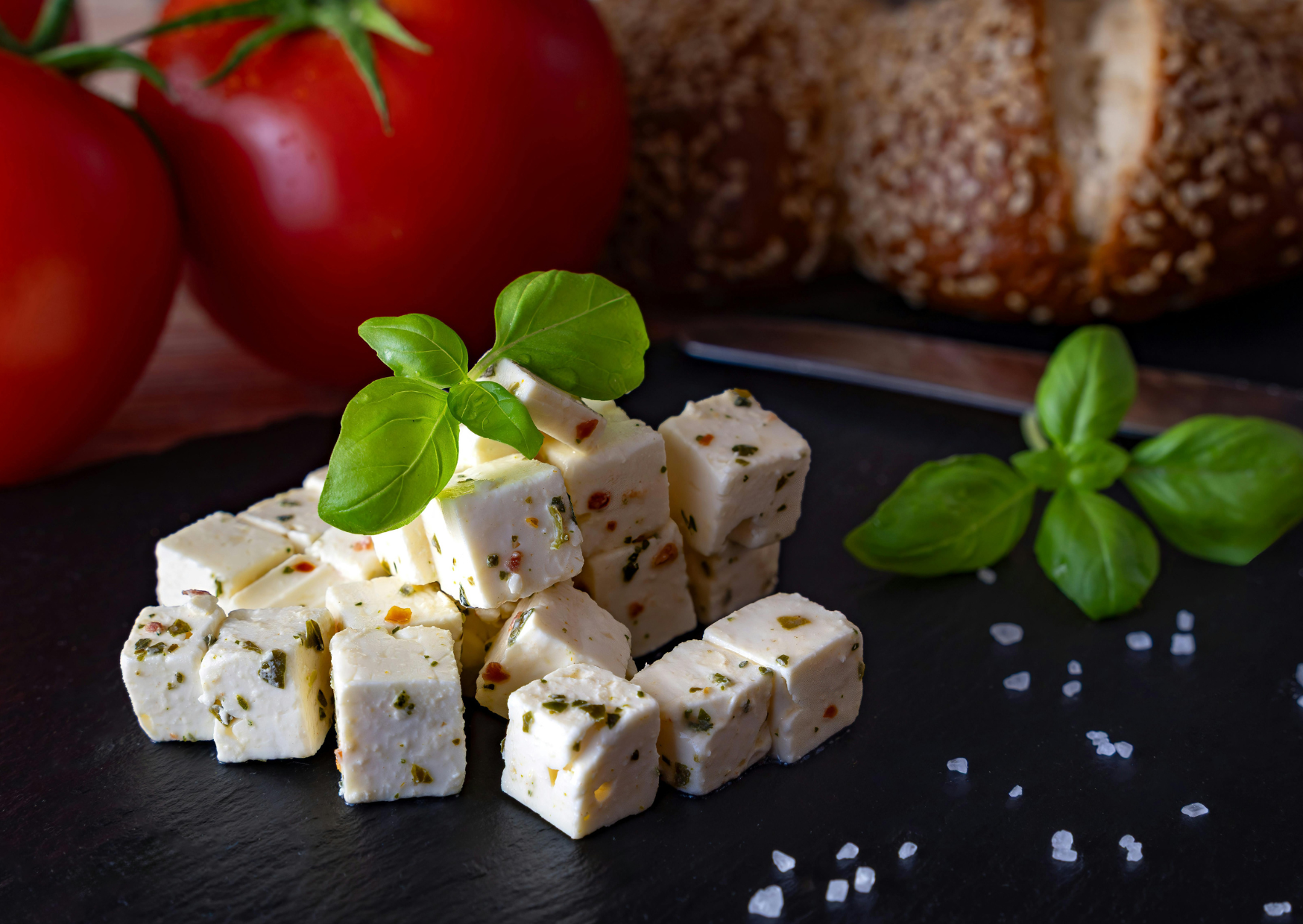
Salty, crumbly, and dangerous if you treat them like a topping mountain. The trick is small crumbs across a large salad. Olive oil and lemon tame the salt. You stop faster because the plate is balanced and loud.
Price: 8 to 14 € per kilo. One 200 gram block seasons four dinners.
Short line: salt plus acid equals control.
6) Soft rinds like camembert and brie
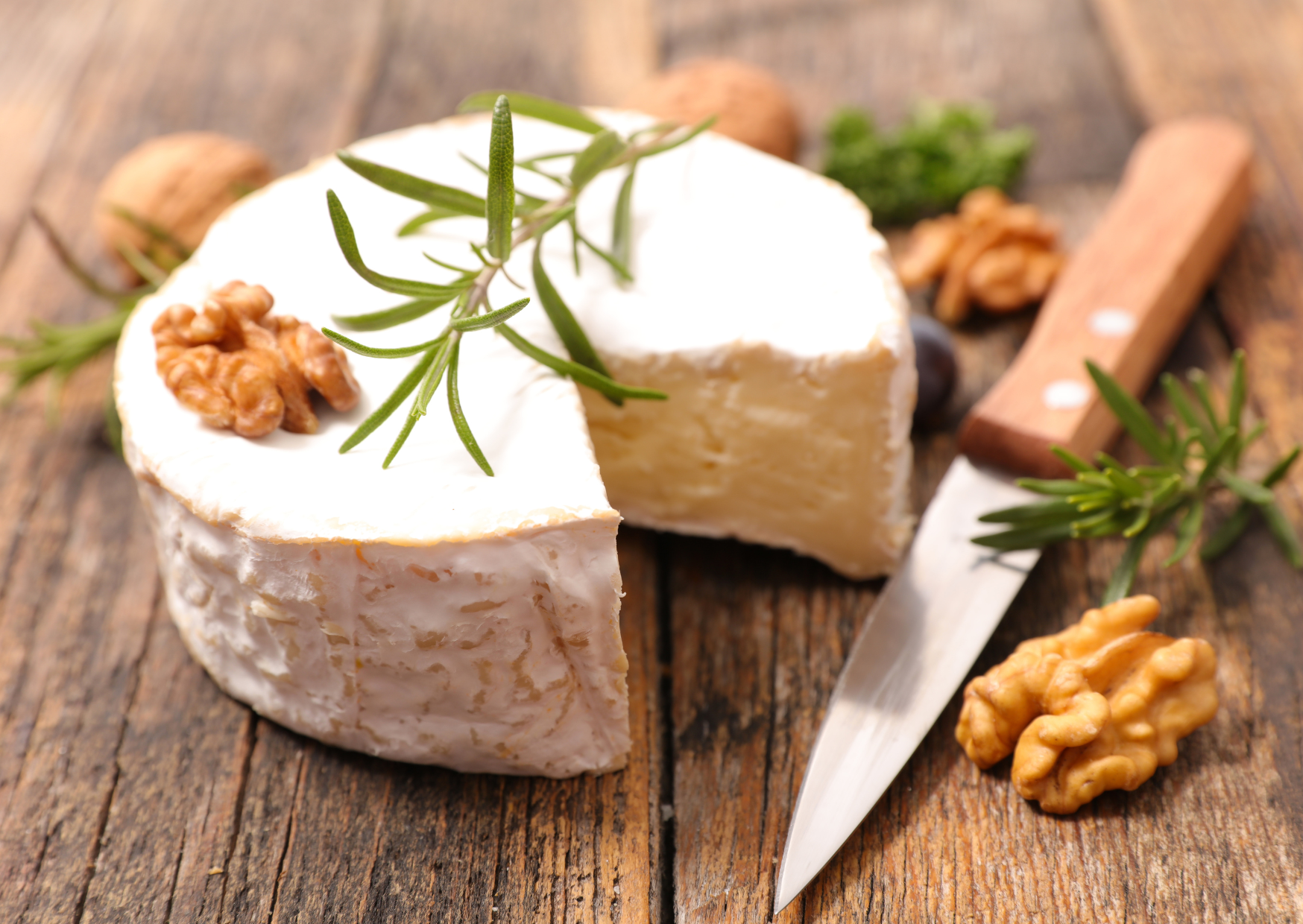
Yes, they are richer. Europeans still eat them on weekdays by cutting small isosceles wedges and pairing with bitter leaves. You do not need half a wheel. You need the smell and a thin slice.
Price: 2.50 to 6 € for a 250 gram wheel at standard quality.
Remember: soft rind at lunch, fresh cheese at dinner.
Why Europeans digest cheese better without talking about digestion
It is not magic. It is mechanics.
- Fermentation and age reduce lactose. Most aged cheeses land near zero lactose. People who think they cannot digest dairy often digest a thin slice of aged cheese just fine.
- Pairing controls appetite. Bitter leaves, acid, and bread with a crust slow down bites and clean the palate. You eat less without suffering.
- Timing protects sleep. Heavy cheese at 13:30 is a nap. Heavy cheese at 22:30 is heartburn. Europeans move the rich bite earlier.
- Portion is pre-decided. A 150 gram wedge cut for the week beats a family bag of shredded blend that invites chaos.
Bold phrase: structure, not supplements, makes cheese easy.
The American cheese mistakes Europe does not make
- Cheese as an ingredient mountain. Pizza with a centimeter of melt is not a daily pattern here.
- Cheese without vegetables. A plate of cubes and crackers is a party trap, not Tuesday.
- Late night cheese boards. They exist, but people sleep worse and they know it.
- Ultra-processed slices. Europeans buy them too, just less. Real wedges hit harder with less volume.
Key reminder: cheese meal, not cheese event.
Exact portions you can use without apps
Use your hand. A weekday portion is two fingers wide, two fingers long, and as thick as a pencil for firm cheeses. For soft cheeses, a wedge about the size of a folded matchbook. For crumbled feta, two full tablespoons scattered wide. For grated Parmigiano, two tablespoons over a bowl of vegetables or pasta.
If you want the gram numbers: 30 to 40 grams for tasting wedges, 50 to 60 grams if cheese is the protein. Portion honesty beats portion fear.
Plates that make daily cheese automatic
Lunch plate 1: Alpine and greens
- 40 g Comté shaved
- Bitter salad leaves, olive oil, lemon
- One slice of bread
- Pear or apple slices
Why it works: bitter and acid keep bites small. Strong cheese ends appetite quickly.
Lunch plate 2: Tomatoes and manchego
- 30 g Manchego in thin slices
- Tomatoes with olive oil and salt
- A few olives
- A small heel of bread
Why it works: salt and fat meet acid and water. The plate tastes complete.
Dinner plate 1: Fresh cheese bowl
- 150 g fromage blanc or quark
- Cucumbers, tomatoes, dill, lemon, pepper, olive oil
- Two crackers or none
Why it works: high protein, light fat, low drama. Sleep stays calm.
Dinner plate 2: Soup and Parmigiano
- Vegetable soup
- Two tablespoons grated Parmigiano to finish
- Salad of any green thing and oil
Why it works: cheese as seasoning, not as main event. Flavor without heaviness.
Prices and a weekly basket so this feels real
A normal Spanish or French supermarket basket:
- Comté or Gruyère, 200 g piece: 4 to 6 €
- Manchego curado, 150 g: 3 to 4 €
- Parmigiano Reggiano, 250 g: 5 to 7 €
- Fresh cheese tub, 500 g: 2 to 3.50 €
- Feta block, 200 g: 2 to 3.50 €
Total: 16 to 24 € for a week of cheese for two people used in small portions. Cheese is not expensive when you stop pretending it is pizza.
Health fears in one honest paragraph
You hear “saturated fat” and your brain shuts down. Europeans hear “portion and timing.” Aged cheeses bring protein, calcium, and fat that satiates fast. Fresh cheeses bring protein without the same fat load. The difference is not what the food is. The difference is where it sits in the day and how much lands on the plate. If you move rich cheese earlier and pair it with plants, your next labs will probably like you more than your old snack plate ever did.
Remember: your body cares about the whole plate and the clock.
Labels to read so you do not buy trouble
- Country and region. Not to be snobby, but to understand salt levels and style.
- Age terms. Curado and viejo in Spain, 18 or 24 months on Parmigiano, Premier or Vieux on French rinds. More age equals more flavor equals less needed.
- Milk type. Sheep and goat bring big flavor in small doses. Cow is calmer.
- Ingredients. Milk, salt, cultures, rennet. Short lists are your friend.
- Moisture and fat. If fat in dry matter looks wild, adjust portion, not panic.
Key line: buy wedges with names and ages, not anonymous shredded blends.
How Europeans keep cheese from becoming a late-night habit
They put cheese in the lunch lane. That is the whole trick. If you love camembert, have it at 13:30 with salad and a small slice of bread. If you crave something at night, reach for fresh cheese with herbs or skip dairy and make a mint tea. Even good cheese is worse at 22:30.
Short reminder: timing protects the habit.
What to do at restaurants so the ritual survives
- Share the cheese course at lunch. Two forks, one plate, bread rationed.
- Skip cheese at dinner unless you had a light soup. Sleep is the point.
- If pizza is the plan, order the smaller size and add a bitter salad. Balance beats denial.
Key phrase: you do not need willpower when the plate already makes sense.
Objections and sensible answers
“I am lactose intolerant.”
Try aged cheeses in thin slices. Many contain minimal lactose. If that still fails, stick to fresh cheeses made from fermented milk and watch portions.
“I only like cheese melted.”
Keep melted for weekends. Melt invites volume. Shaved or crumbled hits flavor without turning into a blanket.
“I will overeat if it is in the house.”
Cut portions in advance. Wrap them. Put the rest out of sight. Future you thanks present you.
“My doctor told me to avoid saturated fat.”
Build plates where cheese is the accent, not the base, and place richer cheeses at lunch. Fresh cheeses at dinner solve the rest.
The small European habits that make cheese sane
- Bread is sliced, not bottomless.
- Bitter leaves are not decoration. They are the brake pedal.
- Water is on the table.
- Fruit follows, not sugar. Pears with aged cheese is not a cliché. It is smart.
- No grazing. Cheese shows up on a plate and leaves the room when the plate leaves.
Bold takeaway: rules live in the kitchen, not in your head.
Three sample shopping lists you can copy
Budget week
- 150 g Manchego curado
- 500 g fromage blanc
- 200 g Grana Padano
Total: 10 to 13 €
Balanced week
- 200 g Comté
- 200 g feta
- 250 g Parmigiano
- 250 g ricotta
Total: 18 to 24 €
Treat week
- 200 g aged Gruyère
- 250 g camembert
- 250 g Parmigiano 24 months
Total: 22 to 30 €
Remember: the expensive part is buying too much, not buying quality.
To Conclude
Cut a two-finger slice of a real cheese, put it on a plate with bitter leaves and olive oil, add a slice of bread, and eat at the table. Stop when the slice is gone. Cheese becomes easy when it stops being drama. Europeans did not win a genetics lottery. They built a small ritual that makes strong foods behave. Copy that ritual and the daily wedge stops looking like danger and starts looking like a grown up meal.
What stands out most is not the cheese itself, but the fear surrounding it. Europeans eat full-fat, minimally processed cheese regularly without treating it as a health rebellion. It’s food, not a moral test.
The difference lies in how cheese is consumed. In Europe, it’s eaten in smaller portions, alongside whole foods, and as part of meals rather than snacks. Context matters more than the ingredient alone.
This daily habit also reflects trust in traditional food systems. Cheese is valued for nourishment and satisfaction, not reduced to a single nutrient to be feared or praised.
Ultimately, the contrast reveals more about cultural anxiety than dietary danger. The cheese didn’t change the narrative around it did.

About the Author: Ruben, co-founder of Gamintraveler.com since 2014, is a seasoned traveler from Spain who has explored over 100 countries since 2009. Known for his extensive travel adventures across South America, Europe, the US, Australia, New Zealand, Asia, and Africa, Ruben combines his passion for adventurous yet sustainable living with his love for cycling, highlighted by his remarkable 5-month bicycle journey from Spain to Norway. He currently resides in Spain, where he continues sharing his travel experiences with his partner, Rachel, and their son, Han.