
So here is the mismatch. Visitors dream about one bend of road with a lemon stand and a bus that makes you sweat, then spend a mortgage payment to sit in traffic. Italians love Amalfi, but they do not default to it. They go where the water is clean, the food is honest, the beds are affordable, and the parking does not turn your holiday into a courtroom drama. If you trade postcard fame for real-life logic, your bill drops, your meals calm down, and you start seeing Italy again instead of everyone’s phone.
We live in Spain and slide over every winter and spring. Friends in Italy laugh when people say “the coast” and mean one cliff near Positano. Seven coastlines locals actually use are cheaper, quieter, and often more beautiful in that unphotographable way. Some are islands. Some are long, sandy runs that beg for morning walks. All of them beat waiting in a queue for a shuttle to a viewpoint with twenty people pretending not to elbow you.
Where were we. Right. The seven, how to reach each, what you pay, what to eat, and the small rules that keep your trip feeling Italian instead of theatrical.
Liguria di Ponente, the quiet western Riviera
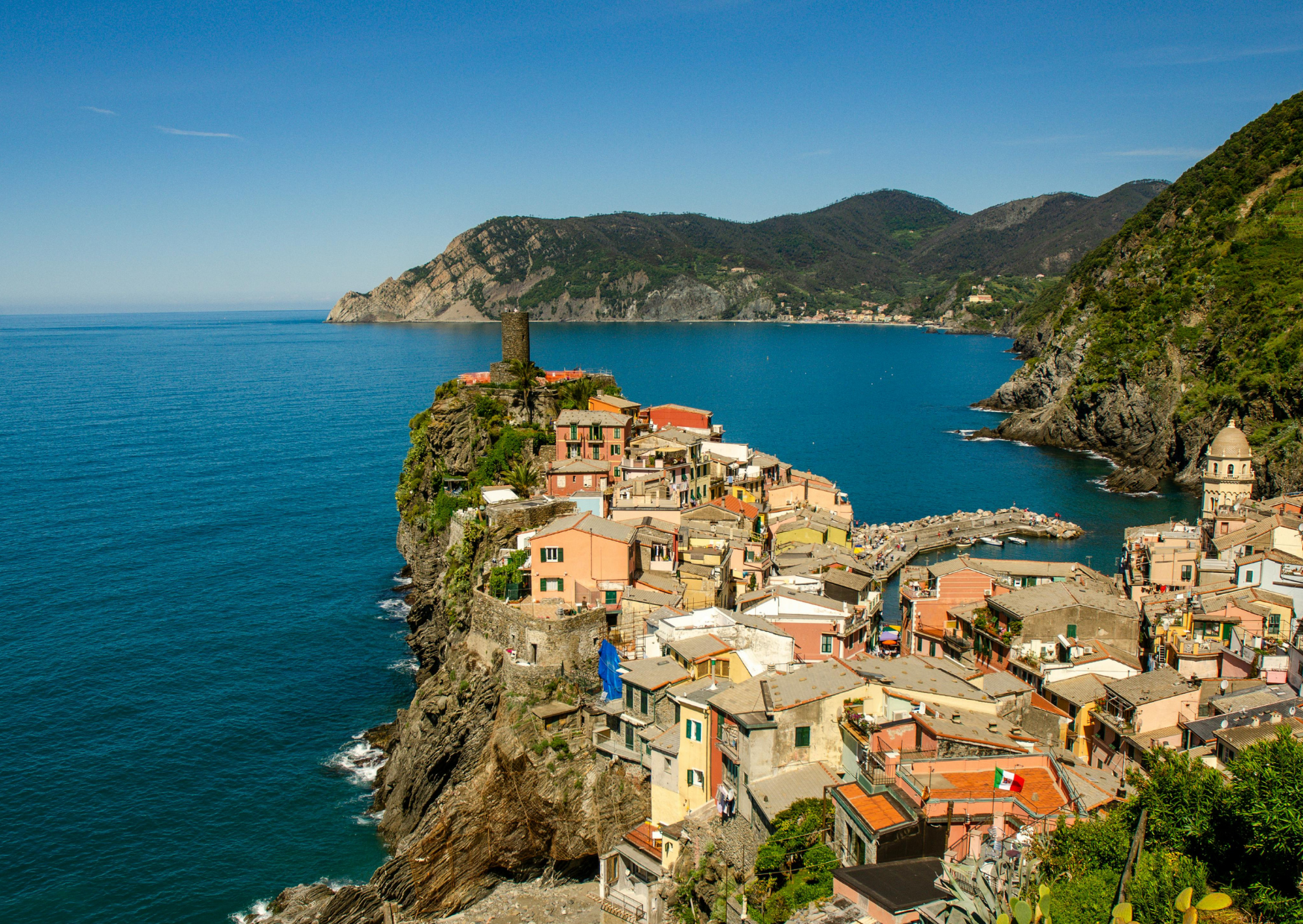
Everyone piles into the Cinque Terre line. Locals head west. From Varigotti to Finalborgo to Noli, you get cliffs, pastel houses, and coves that belong on a stamp. Trains stop close to real beaches and prices stay human once you walk one street off the water.
What to expect: long promenades for evening strolls, a sea that folds from green to blue, and towns with fishermen who still win the morning. A short hike connects coves where the water looks like glass. Hotels in shoulder season run 80 to 140 euros for tidy doubles. A focaccia slice with anchovies is lunch for 3 to 5 euros, and a plate of trofie al pesto at dinner hits 10 to 14 in family places. You can eat well for less by treating lunch as the main event and saving dinner for a plate of vegetables and a glass of Pigato.
How to get there: train from Genoa line toward Ventimiglia, hop off at Noli or Finale Ligure and ignore the impulse to overplan. If you rent a car, park in marked lots and walk. Parking rules are strict and worth obeying.
Small rule: order fritto misto for two at lunch, not dinner. Fried tastes better under sun.
Remember: west of the postcard is where Liguria remembers how to breathe.
Maremma, southern Tuscany that smells like pine and sea
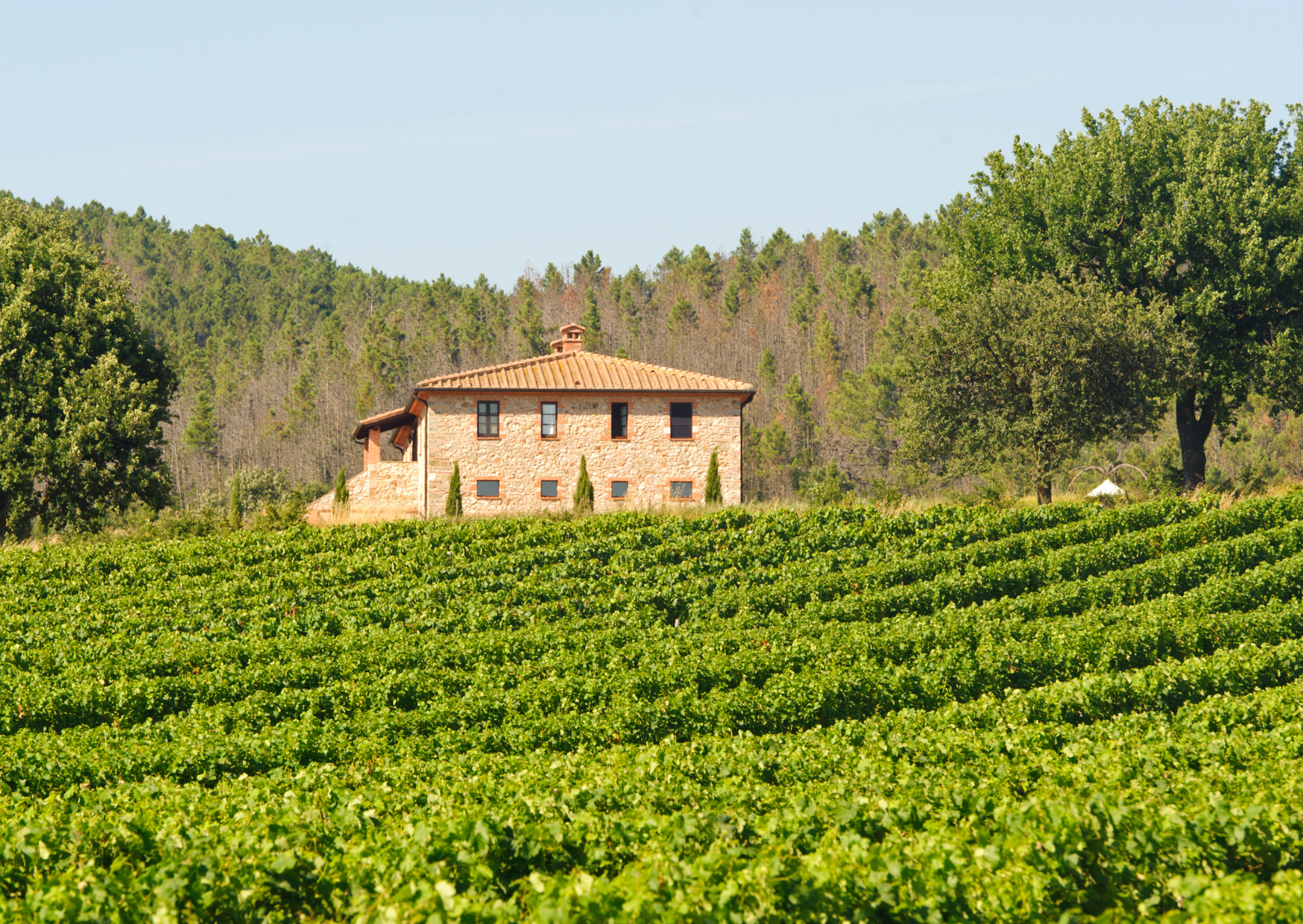
South of Grosseto the coast opens into dunes, pines, and long beaches where families nap and nobody performs. This is Tuscany without truffle theater. Think Castiglione della Pescaia, Marina di Alberese inside Parco della Maremma, Talamone for wind and rock pools.
What you pay: beach clubs rent two chairs and an umbrella for 18 to 28 euros in shoulder season, more in August. Public stretches are real and clean. A plate of pici alle briciole or grilled fish sits around 12 to 18 euros, coffee at the bar is still 1.20 to 1.50. Apartments a short walk from the sea run 70 to 120 euros a night outside August. You are buying space and shade, not bragging rights.
How to do it: arrive early for park entries at Marina di Alberese. If you want utter simplicity, choose a small hotel in Castiglione and walk everywhere. The evenings are for aperitivo with olives and people watching, not for lists.
What to eat: cacciucco in nearby ports, grilled orata or spigola, and those pistachio gelati that taste like nuts instead of syrup. Tuscany at the sea is still Tuscany. Bread, oil, and wine do the quiet work.
Key line: pine, dunes, and long beaches beat cliff drama when you want a real day.
Cilento, the calmer south of Campania
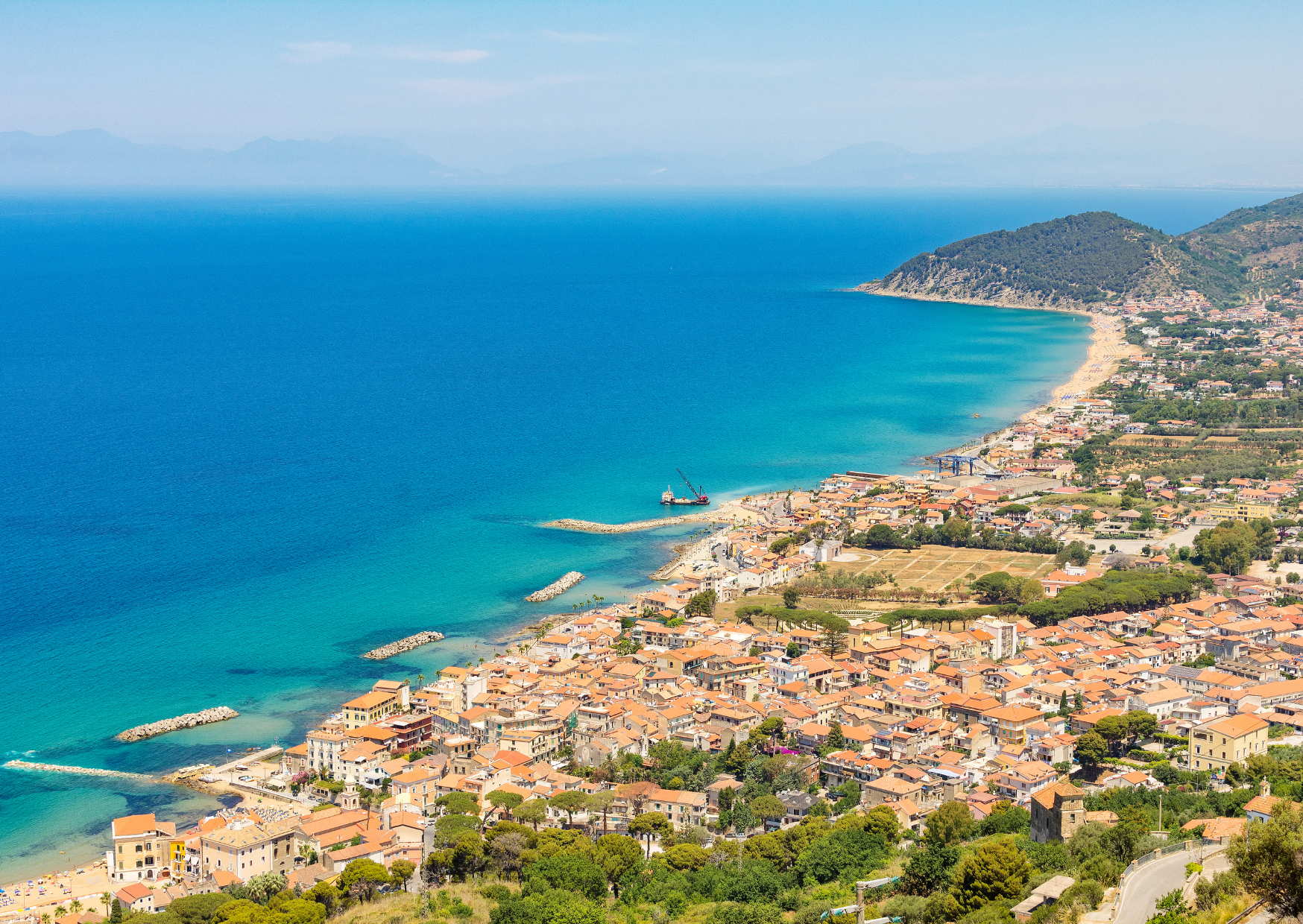
Drive an hour or two south of the Amalfi jams and the coast relaxes into a national park with Greek ruins and beaches where children learn to swim. Towns like Acciaroli, Santa Maria di Castellabate, Palinuro, Marina di Camerota. Same sea, fewer drones, better conversations.
Costs: coffee 1.20, gelato 2.50 to 3, lunch plates 9 to 14, nice double rooms 70 to 120 most of the year. A lido package is 15 to 25 with decent space, and public beaches are generous. You will spend half of what you thought and like it twice as much.
Pieces to plan: Paestum for temples in morning light, a boat to the blue cave at Palinuro when seas are calm, a day with nothing planned except swims and naps. If you drive, accept that August is for other people. May, June, September, early October are your months.
What to eat: mozzarella di bufala as close to the source as you can manage, fried anchovies, pasta with colatura nearby on the Amalfi side if you detour. Order local white wines and stop pretending you only drink reds. They are built for fish and heat.
Remember: Cilento is Amalfi after exhaling.
Salento, the heel that feels like a holiday for locals
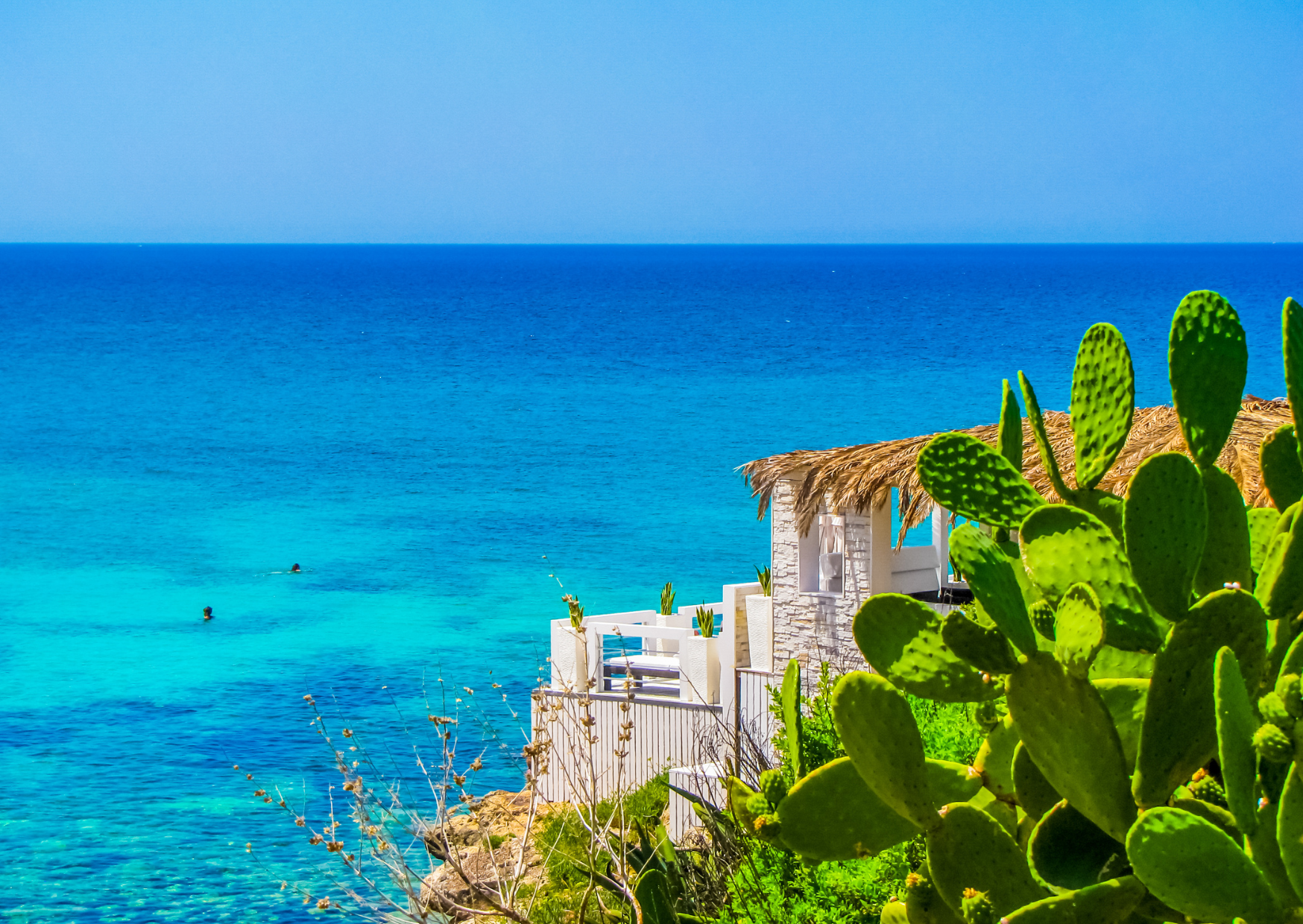
Puglia’s heel runs from Otranto to Santa Maria di Leuca to Gallipoli, with turquoise water and faraglioni arches, grottoes for swimming, and beach clubs that feel celebratory without becoming a parody. Yes, the sand is crowded in August. Outside of that, this is where Italians go to be happy near water.
Costs: beds in family-run places at 60 to 110 euros a night in shoulder seasons, more in August but still humane away from hotspots. Panini at beach kiosks 5 to 7 euros, a half liter of chilled local rosato 6 to 10, plate of orecchiette cime di rapa 8 to 12. You can eat every meal outside and never feel taken.
How to do it: pick a base on each side. Otranto for rocky coves and walks, then swing to the Ionian side near Gallipoli for calmer water and sunsets. Do not schedule more than one move in a week. Salento works when days repeat.
What to eat: friselle softened with water and topped with tomatoes, oil, and oregano, rustico leccese for a fat pastry, raw seafood if you are brave and at a place that looks serious. Locals crush primitivo and crisp whites. Follow them.
Key phrase: Puglia is a lifestyle, not a checklist.
Argentario and the islands of Giglio and Giannutri, where Tuscany meets rock
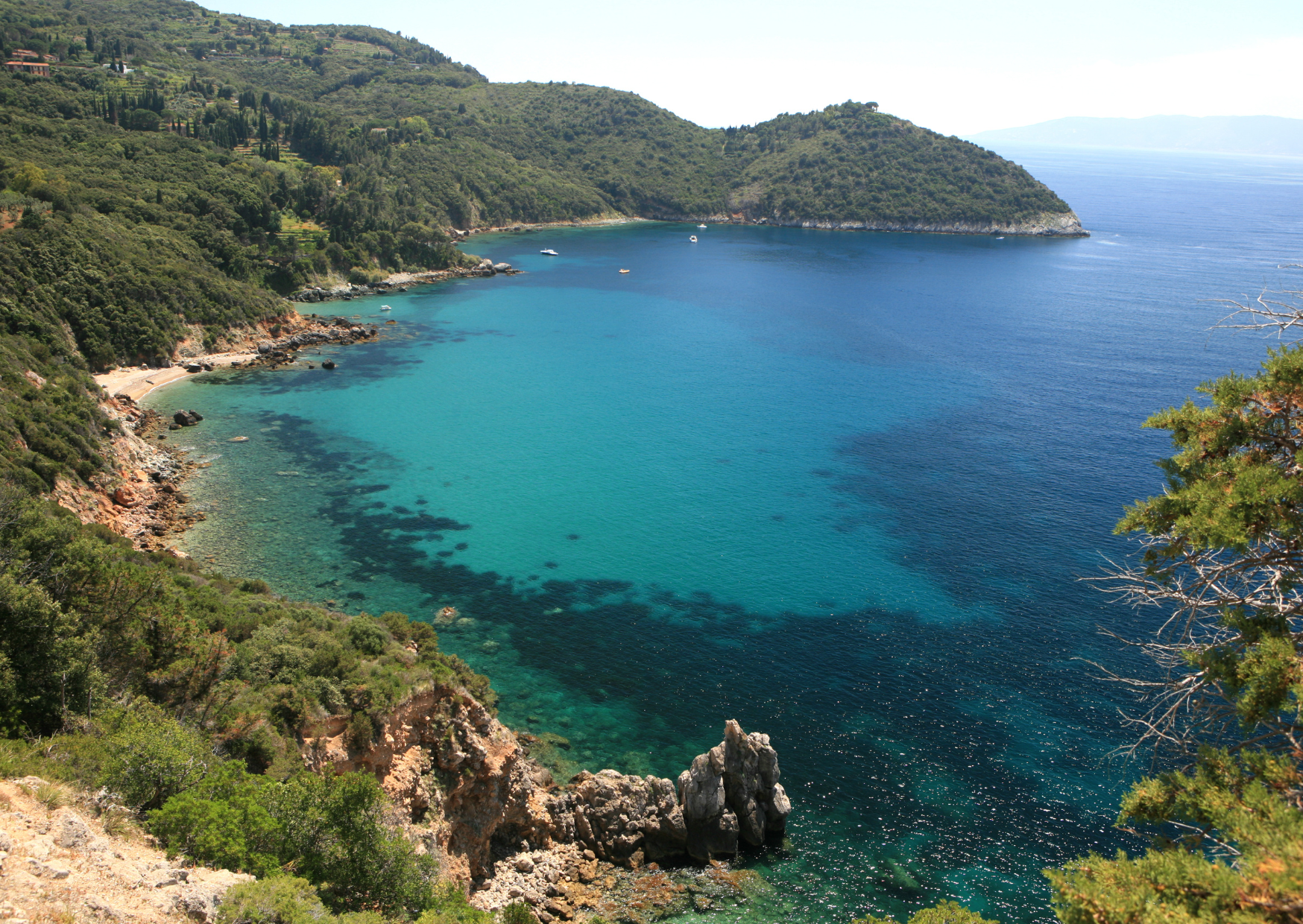
Take a look at the map south of Siena. The Monte Argentario promontory has two causeways, coves that demand short walks, and a daily rhythm that sticks. Porto Santo Stefano and Porto Ercole anchor the scene. The day boats out to Giglio and Giannutri give you water so clear it looks edited.
Budget reality: Argentario can be pricey in August near yacht zones, but June and September are normal. Two chairs and an umbrella 20 to 30 euros, plate of spaghetti alle vongole 12 to 16, house white 3.50 to 5 a glass. Room in a small hotel 90 to 150 outside peak. You get cliffs, forests, and bays without Instagram crowds if you go early and keep walking.
How to do it: rent a car for this one. Park above coves like Cala del Gesso and Cala Mar Morto and carry a bag. If the ferry to Giglio is running smooth, take the first boat and swim before noon wind. If you want silence, walk ten minutes past the first towel. That rule never fails.
What to eat: bottarga shaved on pasta, grilled pesce azzurro, and peaches cold from a market bag after a swim. Tuscan sea is salt plus oil plus restraint.
Remember: Argentario rewards people who like stairs and clear water.
Costa degli Dei, Calabria’s “Coast of the Gods” that lives up to the name
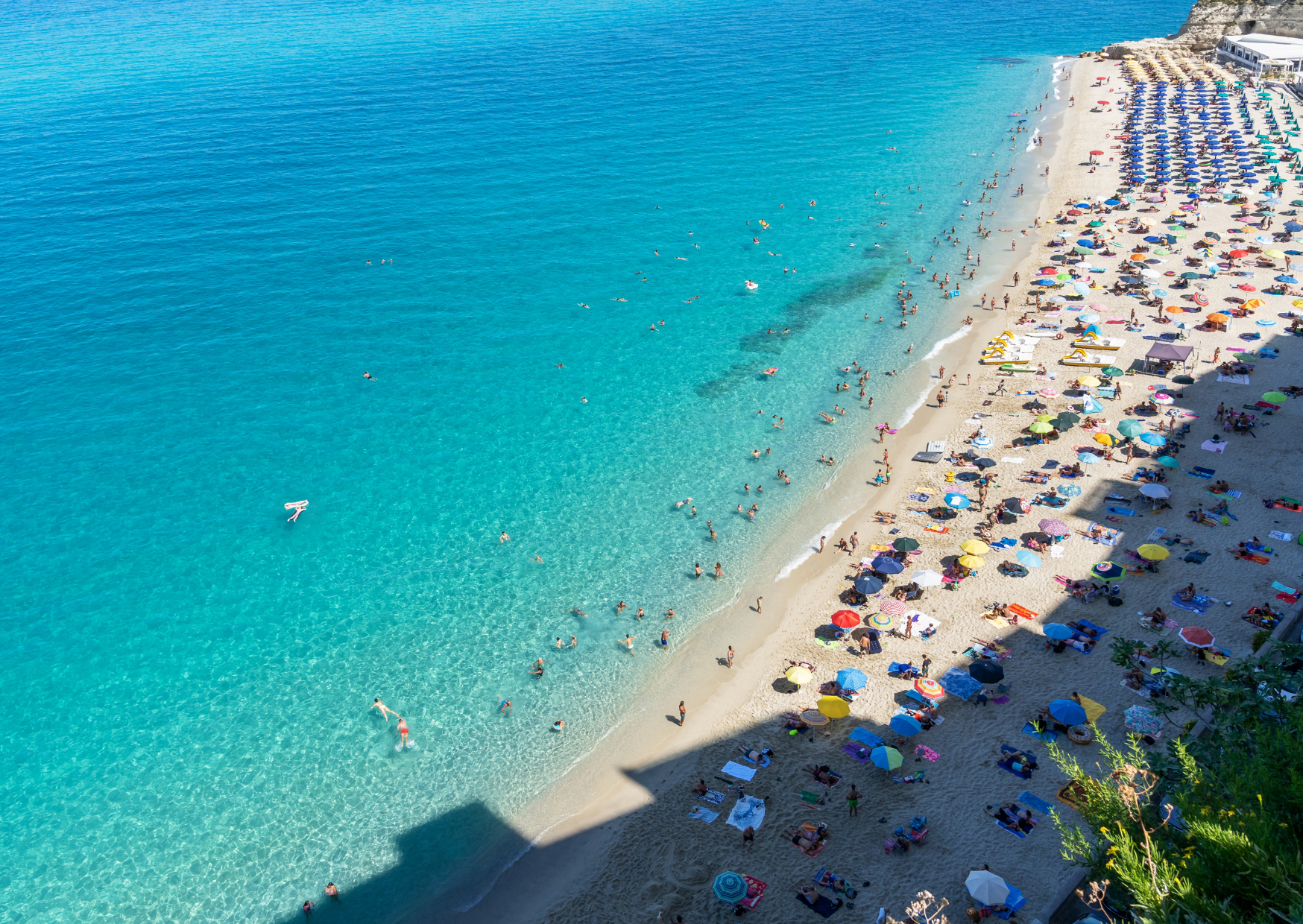
Between Pizzo and Scilla the Tyrrhenian turns electric blue. Tropea is the postcard with onions and cliff views, Capo Vaticano gives beaches that make you blink at the color, and Scilla finishes the run with swordfish and a small harbor that looks like theater.
Numbers: seafood plates 10 to 16 euros, caffe at the bar 1 euro, room with balcony 60 to 110 except in deep August, lido packages 12 to 22. Calabria stays reasonable because it is far from the usual circuit. Your reward is fewer accents from abroad and more from across Italy.
How to get there: fly to Lamezia Terme, rent a car, or lean on trains if you stay near stations. The geography looks wild on a map. On the ground, it is simple. Pick two bases and stitch days together.
What to eat: fileja pasta, swordfish in all forms, and the famous cipolla rossa di Tropea. If you see tartufo di Pizzo on a menu, order one for the table. It is a layered ice cream dessert and nobody regrets it. White wines from Cirò stay crisp and cheap. Perfect with the heat.
Key line: Calabria is the Italian sea that forgot to market itself.
Sardinia’s east coast between Orosei and Baunei, cliffs, coves, and silence
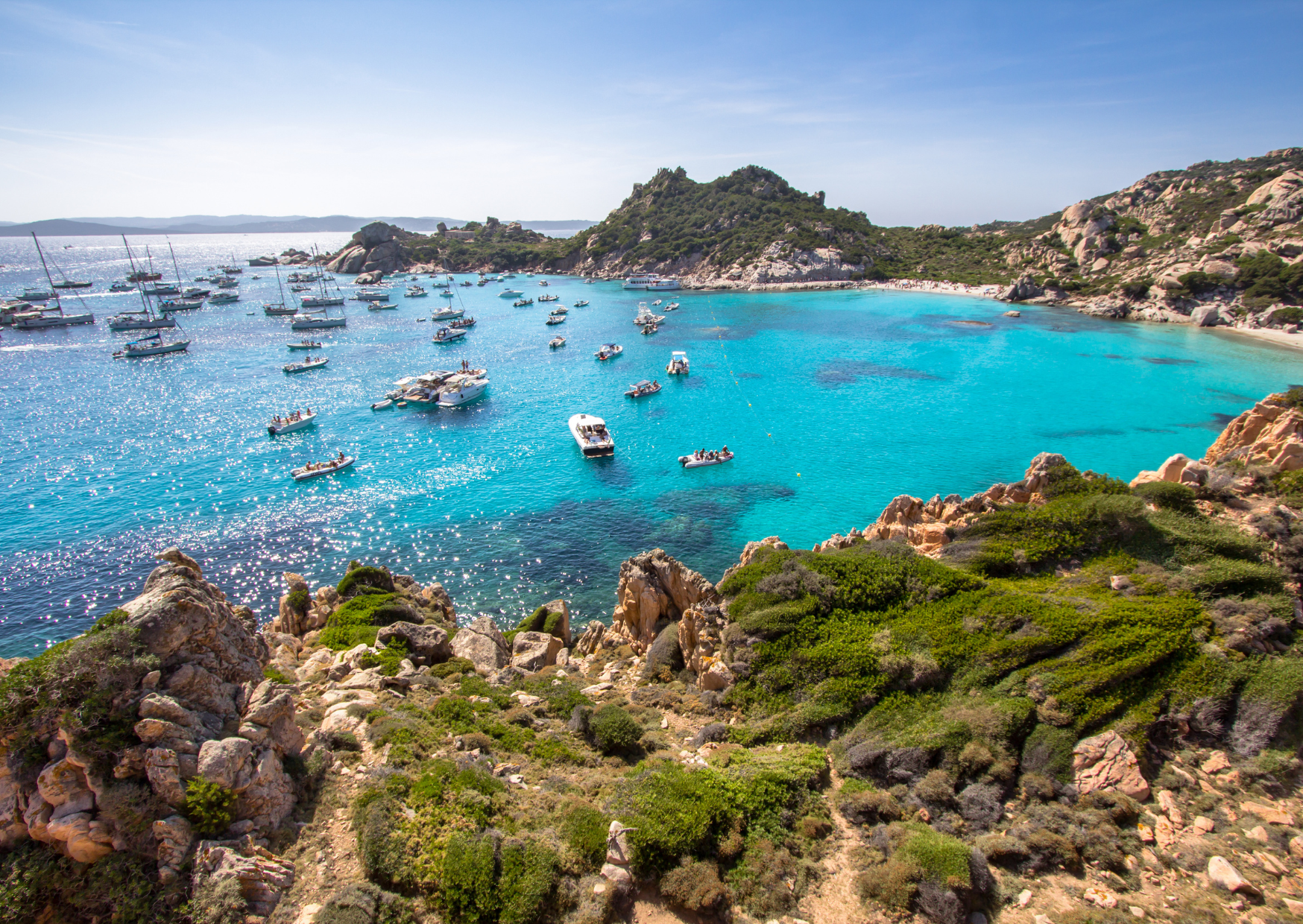
This one is for swimmers and people who like to earn their views. Cala Luna, Cala Goloritzé, Cala Mariolu. You reach these by boat from Cala Gonone or by hikes that make your legs talk. The water is that unfair blue that breaks your sense of time. Locals know this is the show without an audience if you move outside August and arrive early.
Prices: boat day tours 35 to 60 euros depending on stops, picnic fixings 10 to 15 per person, dinner plates 12 to 20, coffee 1.20. Rooms 80 to 140 in shoulder seasons. Sardinia has luxury zones, but this slice is democratic if you plan.
How to do it: wake up early. Take the first boat out to beat crowds. If you hike, bring proper shoes and more water than you think. Do not treat this like a stroll. It is hot. It is worth it. Afternoons are for shade, gelato, and a nap. Evenings are for grilled fish and a walk under absurd stars.
What to eat: seadas with honey for dessert, grilled prawns and squid, malloreddus pasta if you need comfort. Sardinia wants you to eat simply and then go back outside.
Remember: the farther you walk, the quieter the cove.
How the money actually compares when you stop guessing
Let’s build one honest day for two people at each of these coastlines in shoulder season, avoiding extremes.
- Liguria Ponente: two coffees 3, focaccia lunch 10, two sunbed spots 22, dinner with pasta and a carafe 34, gelato 6. Total around 75 euros plus a small guesthouse 90.
- Maremma: parking 5, two coffees 3, umbrella set 20, lunch menu 28, groceries for a light dinner 16. Total around 72 euros plus room 80.
- Cilento: two coffees 2.40, beach free, two panini 10, boat cave tour 25, dinner seafood 30, wine 8. Total around 76 euros plus room 85.
- Salento: beach club 18, coffees 3, lunch friselle and salad 18, gelato 5, dinner two plates 26, wine 8. Total around 78 euros plus room 90.
- Argentario: parking 6, coffees 3, umbrella set 28, lunch spaghetti vongole 28, bottled water and fruit 6, dinner light 20. Total around 91 euros plus room 110.
- Costa degli Dei: coffees 2, lido 14, lunch swordfish panini 12, granita 4, dinner fish plates 26, wine 7. Total around 65 euros plus room 80.
- Sardinia east: boat day 90 for two, coffees 3, picnic 14, gelato 6, dinner grill 30, wine 8. Total around 151 euros on the boat day, but other days drop under 70.
Takeaway inside the math: outside August and away from the celebrity strip, Italy still lets two people live a full beach day under 100 euros before lodging, often far less.
When to go so the sea says yes
- May to early June: water is cool, light is clean, prices are low, locals are kind because they still have energy.
- Late September to mid October: sea is warm from summer, weather is calm, restaurants relaxed.
- July: busy but doable if you book and accept crowd logic.
- August: locals are on holiday. Choose remoter corners or accept density.
Remember: move your trip by two weeks and you change everything.
How to pick a base and not move
The coast gets easier when you stop playing musical beds. Choose a town with a grocery, a bakery, and a bar you like on day one. Make lunch the main meal. Swim, nap, read, walk. Save one day for a boat and one for a hike if the region offers both. Italians repeat good days until they feel like life. Copy that.
Pick rooms one street back from the water to trade views for sleep. Airflow matters more than a balcony you will use for five minutes. If you need a silence guarantee, ask for a room that faces an inner courtyard. Your mornings will improve.
What to eat so you are eating the coast and not a brochure
- Liguria: trofie al pesto, farinata, acciughe al verde, Pigato and Vermentino wines.
- Maremma: grilled fish, cacciucco in ports, pici alle briciole, Morellino di Scansano.
- Cilento: mozzarella di bufala, alici fritte, scialatielli ai frutti di mare, local Fiano.
- Salento: friselle, orecchiette cime di rapa, crudo di mare where serious, primitivo or crisp Salento whites.
- Argentario: spaghetti alle vongole, bottarga, pesce azzurro, Ansonica.
- Costa degli Dei: swordfish, fileja, cipolla rossa dishes, Cirò bianco.
- Sardinia east: seadas, grilled prawns and squid, malloreddus, Vermentino di Gallura.
Short rule: order what looks like it was alive nearby a few hours ago.
Mistakes visitors make on Italian coasts and how to avoid them
- Planning five towns in five days. Fix by picking one coast and staying. Depth beats mileage.
- Treating dinner as a trophy. Fix by eating your big meal at lunch and sleeping better.
- Parking like you are special. Fix by using lots and paying the few euros. Tickets cost your mood.
- Ignoring sun hours. Fix by arriving early, leaving midday, returning after 16:30. You will feel local.
- Ordering international dishes near the sand. Fix by asking the server what locals eat that day. You will spend less and remember more.
A one week plan that actually rests you
Days 1–3: Base in Cilento at Santa Maria di Castellabate. One day for Paestum early, one boat day or nap day. Lunch as the event.
Days 4–5: Train to Salerno, fast train to Puglia, base in Otranto. Rocky coves, evening walk on the walls, rosato at sunset.
Days 6–7: Swing to Gallipoli side for a calm beach day, then a last night near Lecce for kitchen culture and a slow morning coffee.
If you prefer the north:
Days 1–4: Base in Varigotti or Noli. Hikes along the coast, swims, farinata, and pesto.
Days 5–7: Train to Tuscany’s Maremma. Book a guesthouse near Castiglione, nap under pines, move only when hungry.
Key thought: fewer transfers, better days. Your photos will tell the truth.
Little etiquette that makes you welcome
- Greet the beach attendant, ask for two spots, accept the row you get, and smile. People remember manners more than tips.
- If you use a public beach, keep space and keep your speaker in your bag.
- Pay for your coffee after you drink it at the counter. This is normal and fast.
- Book at lunch if you know you want a table at dinner. Small restaurants like certainty.
- Do not quarrel about service charges on a three euro cover. The bread cost someone work.
Remember: you are walking into a place people love already. Match the tone.
Open your map and slide your finger past Amalfi. Stop at one of these seven. Book a simple room, make lunch your ceremony, and swim where the water tells you to stay. Bring a paperback, not a performance. If you do it right, you will come home with fewer photos and more days that felt like life. That is the part locals protect. That is the part you wanted.

About the Author: Ruben, co-founder of Gamintraveler.com since 2014, is a seasoned traveler from Spain who has explored over 100 countries since 2009. Known for his extensive travel adventures across South America, Europe, the US, Australia, New Zealand, Asia, and Africa, Ruben combines his passion for adventurous yet sustainable living with his love for cycling, highlighted by his remarkable 5-month bicycle journey from Spain to Norway. He currently resides in Spain, where he continues sharing his travel experiences with his partner, Rachel, and their son, Han.