
How Spain’s pastry tradition survives in 2025—thanks to pasteurization, hot sugar, and rules most visitors never see
Stand at the counter of a Madrid pastelería at 5 p.m. and watch the trays move. Glossy lemon mousse. Cloud-light meringues towering over custard. Little golden domes called yemas—yolk sweets the size of a walnut, dusted with sugar and eaten in two bites.
To an American eye, much of it looks “raw.” Eggs whipped, folded, spooned—soft, shiny, seemingly uncooked. And yet no one flinches. Grandparents order seconds. Kids point. The server wraps a box, ties a ribbon, and the whole scene feels perfectly ordinary.
Here’s the quiet truth behind that confidence: Spain doesn’t treat eggs casually. It treats them competently. Professional kitchens use pasteurized egg products for anything that won’t be heated enough. Home bakers lean on hot-sugar techniques that effectively cook whites and yolks in the bowl. And the law draws a bright line about when a raw shell egg may be used—and when it must be replaced by pasteurized.
If you understand those guardrails, you can relax and enjoy what looks raw but isn’t—and even make a classic “raw-egg” Spanish dessert at home, safely.
Quick Easy Tips
Always buy the freshest eggs possible if making Spanish-style raw-egg desserts at home.
Keep eggs refrigerated and crack them only when ready to use.
Use clean utensils and bowls to minimize contamination.
If unsure, opt for pasteurized eggs to maintain both safety and texture.
Prepare raw-egg desserts in small batches and consume them the same day.
Many American travelers are surprised to learn that raw eggs appear in some of Spain’s most traditional desserts. From rich flans to airy mousses, the use of uncooked egg yolks and whites is considered essential to achieving the right texture and flavor. What Americans often label as unsafe is, in Spain, viewed as a respected culinary technique passed down through generations. This difference in attitude sparks one of the most persistent cultural misunderstandings in the dessert world.
At the center of this debate is the contrasting approach to food safety. Americans are taught to avoid raw eggs at all costs due to fears of salmonella, while Spanish culinary culture embraces them as long as they come from trustworthy sources. This isn’t recklessness but confidence in their food systems, traditional farming methods, and a deep culinary heritage that relies on fragile, natural ingredients. To many Spaniards, the idea of altering a classic dessert for safety fears feels unnecessary and even detrimental to authenticity.
The controversy isn’t just about ingredients; it highlights wider differences in how each culture perceives risk and tradition. Americans often prioritize standardized safety, while Spaniards value the integrity of recipes that have existed for centuries. Each side believes its approach is the reasonable one, which is why the conversation around raw eggs in desserts continues to be one of the most debated culinary topics between the two cultures.
What “raw egg” actually means in Spain in 2025
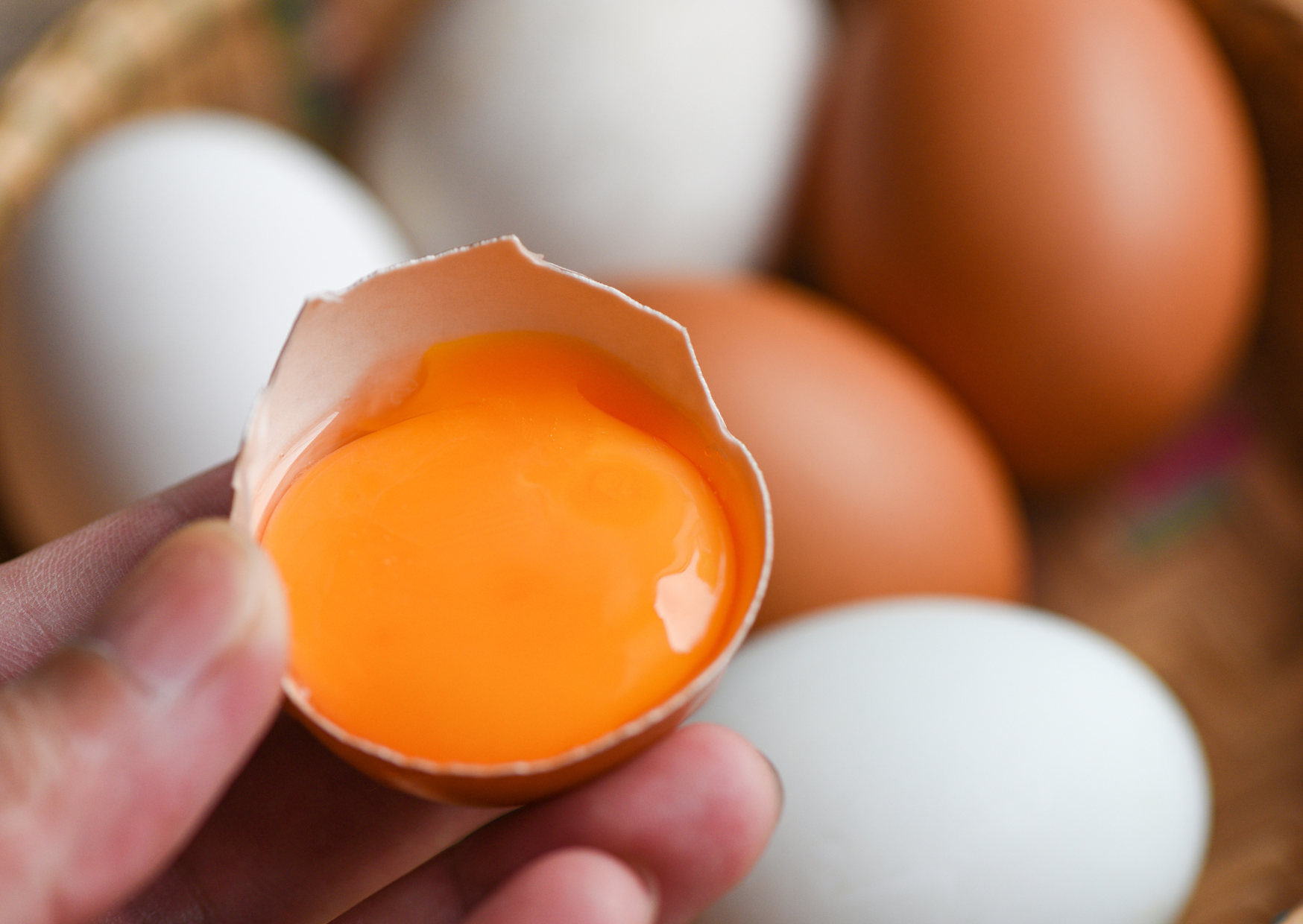
In everyday speech, Spaniards will call a dessert “crudo” when it’s soft and unset, but that doesn’t mean it’s unsafe. In practice, you’ll see three things at work: pasteurized eggs, hot-sugar meringues, and yolk sweets cooked by syrup.
Pasteurized eggs are standard in hospitality whenever a dish won’t receive a proper heat kill. A restaurant making mousse, tiramisu, or a silky crema for immediate service isn’t cracking raw shells into a bowl; it’s using ovoproductos—pasteurized liquid eggs from approved plants. Spanish rules make that substitution explicit for foods consumed without sufficient cooking.
Hot-sugar meringues (Italian or Swiss) are a pastry backbone. You either heat whites with sugar in a bowl before whipping (Swiss), or you beat whites while streaming a syrup cooked to roughly 118–121°C (Italian). That heat denatures and pasteurizes the egg white, giving you a stable foam that is safe in cold desserts.
Yolk sweets—like Yemas de Santa Teresa—look raw but are set by pouring hot syrup over yolks and cooking the mixture gently until thick. Convent recipes knew exactly how to make egg safe long before thermometers were cheap.
Why Americans fear Salmonella—and why the handling is different
American food safety advice repeats three beats: cook egg dishes to 160°F, avoid runny eggs for high-risk groups, use pasteurized eggs in raw preparations. That drumbeat comes from real history with Salmonella Enteritidis and from the U.S. practice of washing and sanitizing shells, which removes the egg’s protective cuticle and makes refrigeration non-negotiable.
In the European Union the approach diverges. Class A eggs for retail must not be washed, precisely to keep that cuticle intact; the shell remains a barrier, and producers lean on hen vaccination and hygiene to control contamination at the farm. That’s why you’ll see eggs at room temperature in a Spanish supermarket and no sink near the egg display. Different inputs create different habits. Shell-washing rules, refrigeration culture, risk messaging—they’re not culture wars; they’re logistics.
The European safety net that makes pastry work
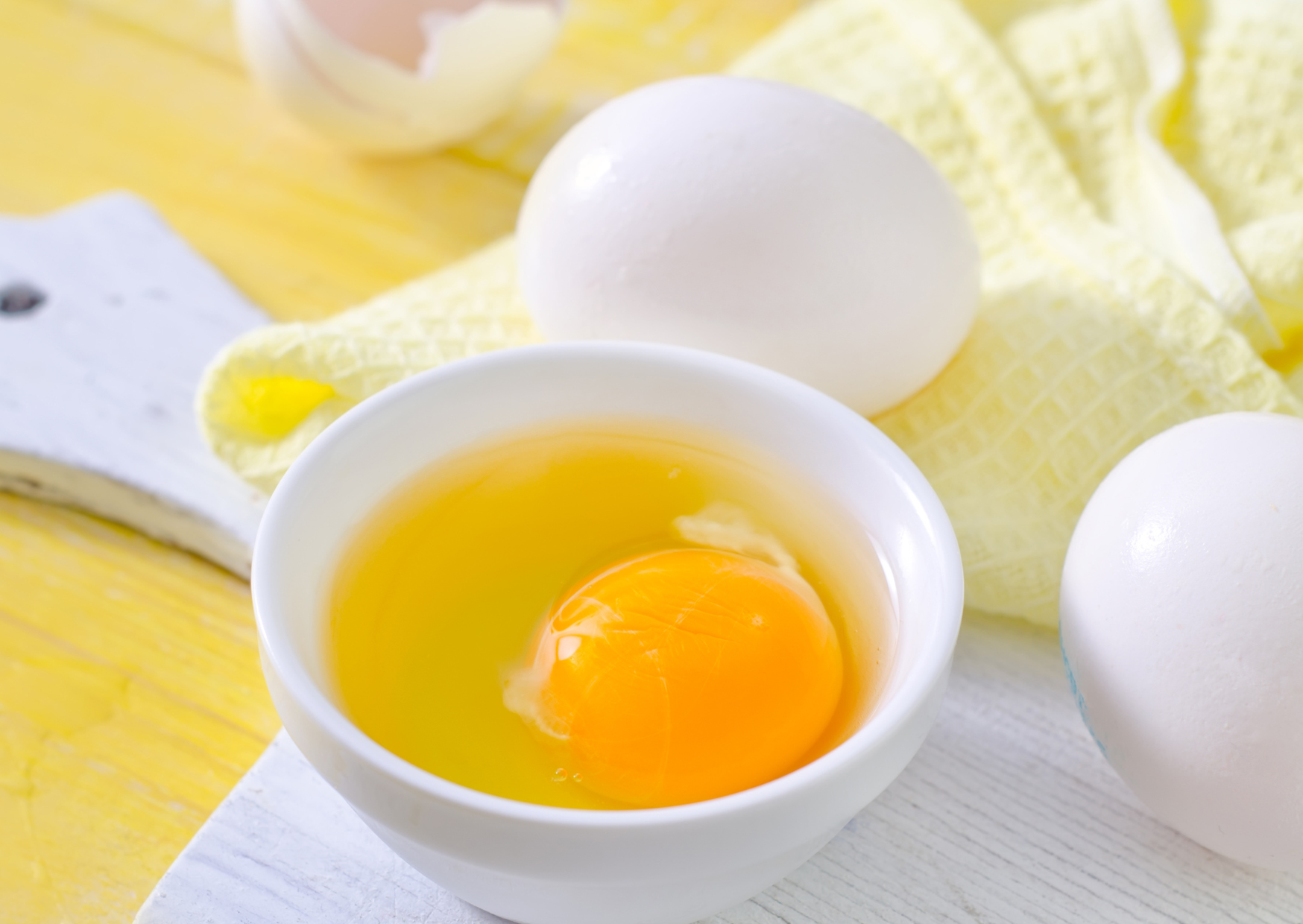
Three layers protect the sweets you see in Spanish cases: farm controls, marketing rules, and kitchen law.
Farm controls: EU-wide Salmonella control programmes—including vaccination of laying hens—have driven long-term declines in Salmonella in poultry and eggs, as tracked annually by EFSA. This doesn’t make eggs sterile; it does make baseline risk lower than it was a generation ago.
Marketing rules: EU egg standards preserve the shell’s cuticle by prohibiting washing of Class A eggs and set handling norms that keep quality high. The idea is simple: don’t remove the natural barrier unless you’re moving eggs into processing—and if you do, keep them cold. No washing for retail eggs, stable temperatures, clear grading.
Kitchen law: Spain’s current food code for retail food businesses is blunt. If an egg dish won’t be heated to ~70°C for 2 seconds (or 63°C for 20 seconds and eaten immediately), kitchens must replace shell eggs with pasteurized egg products from approved facilities. That’s why Spain has so few modern outbreaks tied to pastry cream and why mayo scandals of the 90s are mostly history. Pasteurize or heat, or don’t serve it.
Where Spaniards actually use “raw” eggs in sweets
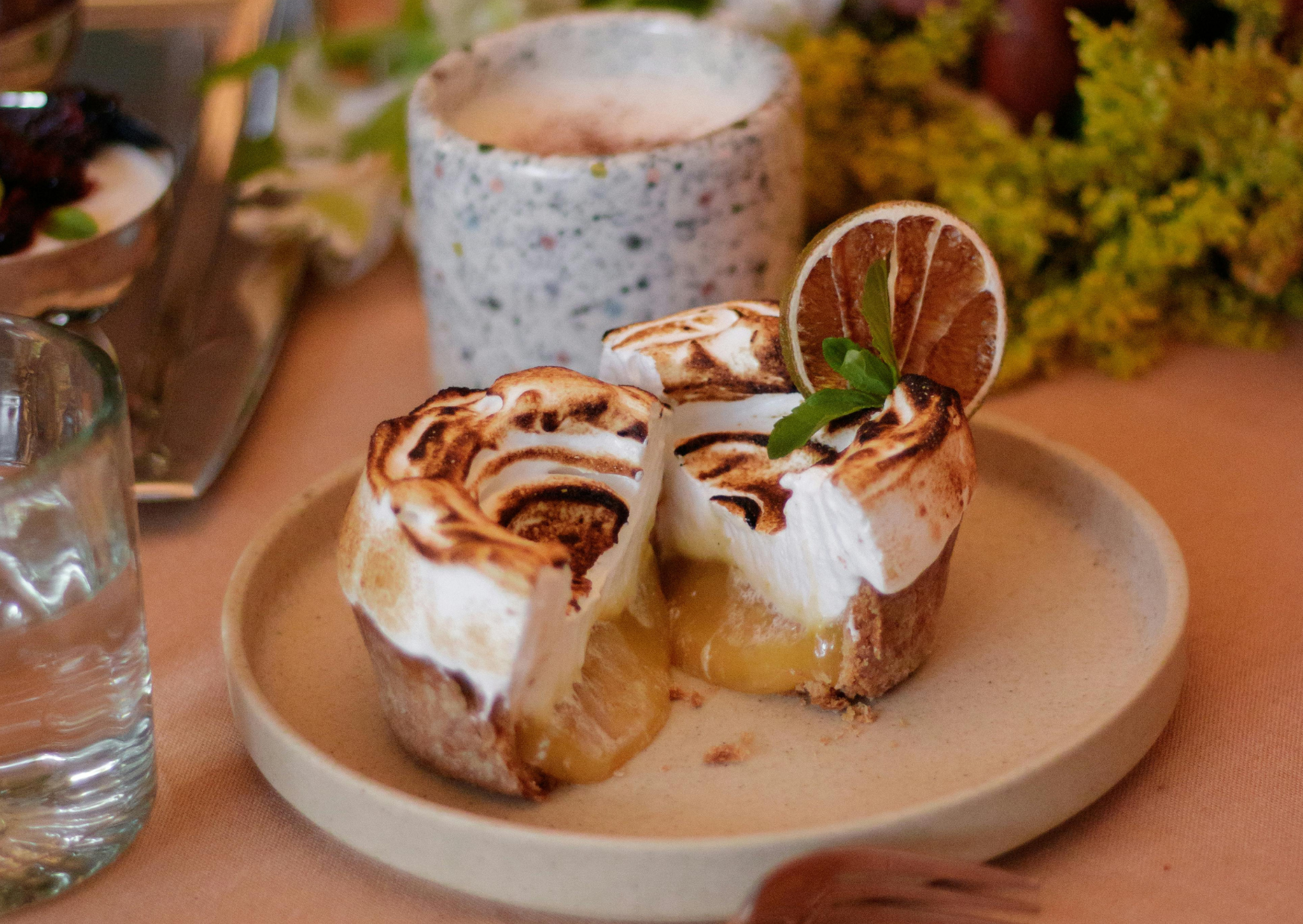
There are plenty of cooked custards—flan, natillas, crema catalana—but the “that looks raw” category includes mousse de limón, chocolate mousse, and merengue toppings on cakes. The safety trick is always one of three: pasteurized eggs, Italian/Swiss meringue, or hot syrup into yolks.
Mousse de limón often folds meringue into citrus and dairy for a no-bake finish. In a bakery, that meringue is almost always Italian (syrup-cooked) or made from pasteurized whites.
Chocolate mousse can be built on a sabayon—yolks whisked over gentle heat—or rely on pasteurized eggs to preserve that airy, uncooked texture Americans associate with risk.
Yemas—the tiny Ávila sweets—are literally yolk and syrup, cooked until it becomes a fondant-like paste. They look raw because they’re shiny. They aren’t. Mousse, meringue, yemas—three forms, one safety logic.
How to enjoy these desserts safely in Spain
Visitors rarely need to ask, but if you’re sensitive to risk, do three simple things: choose reputable pastelerías, eat fresh, and ask politely.
Choose reputable pastelerías—places that move product throughout the day and keep cold items in cases. Professional pastry kitchens have every incentive to follow the pasteurized-or-heat rule because audits and fines are real.
Eat fresh—buy what you’ll eat the same day, especially in heat waves. Cold cases should feel cold, not cool.
Ask politely—if you’re worried, say: “¿Usan huevo pasteurizado para la mousse?” You’ll usually get a simple “sí, claro” because it’s routine. Reputable shops, same-day eating, one polite question—you’re covered.
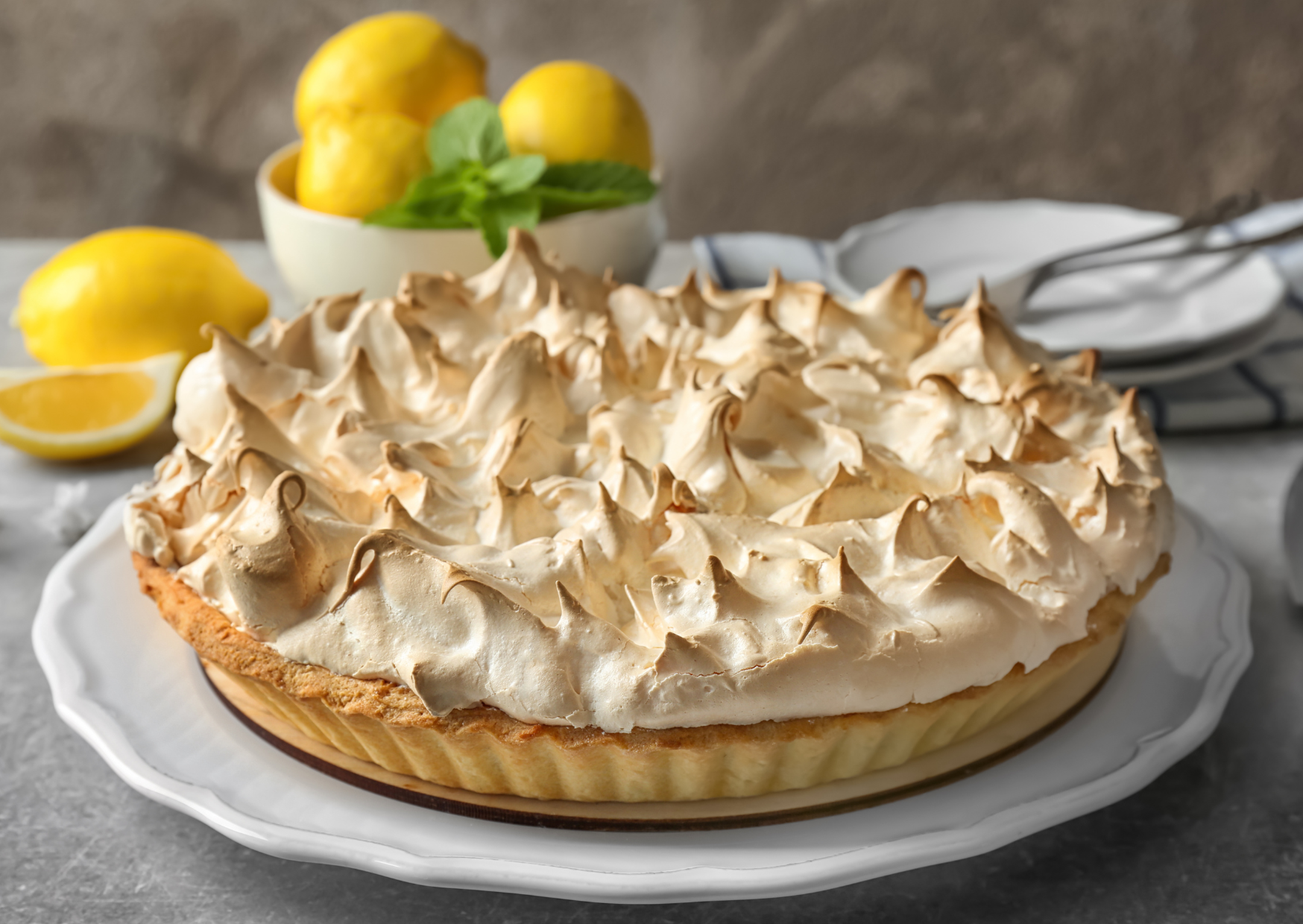
Recipe: Spanish Lemon Meringue Mousse—safe, glossy, and “raw-looking” without the risk
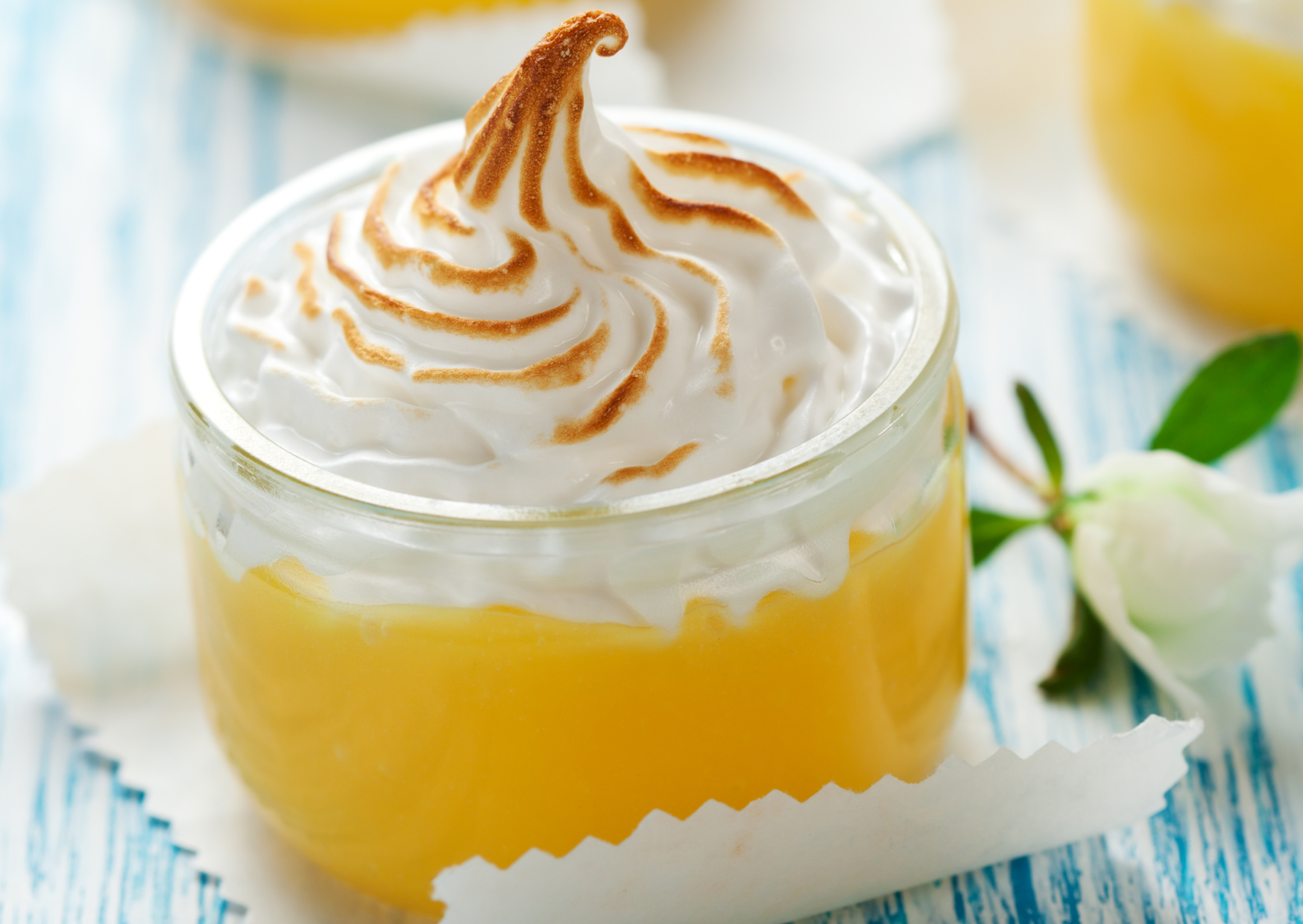
This is the lemon mousse you see behind glass in Spain: bright, airy, and set without baking. We’ll make it safe by using Italian meringue (hot syrup into whites) and a quick heated yolk base that reaches pasteurization. The result tastes like summer and looks elegantly “uncooked,” which is exactly the magic.
Yield: 6–8 small glasses
Time: 35 minutes active, plus chill
Equipment
Small saucepan with a spout; stand mixer or hand mixer; heatproof bowl; instant-read thermometer; fine zester.
Ingredients
- 3 large pasteurized egg whites (carton whites are fine)
- 2 large pasteurized egg yolks
- 200 g granulated sugar (about 1 cup), divided
- 60 ml water (1/4 cup)
- Zest of 2 unwaxed lemons
- 90 ml fresh lemon juice (about 1/3 cup)
- 240 ml cold heavy cream (1 cup)
- 120 g full-fat Greek yogurt or crème fraîche (optional for tang and body)
- Pinch of fine salt
- 1/2 tsp vanilla extract (optional)
- Crushed María biscuits or shortbread to serve (optional)
1) Make the Italian meringue (safe whites)
Combine 150 g sugar (3/4 cup) and 60 ml water in the saucepan. Bring to a steady boil without stirring. Start whipping egg whites with a pinch of salt on medium speed until foamy. When the syrup reaches 118–121°C (about 245–250°F), stream it slowly into the whites while beating. Continue whipping 3–4 minutes until glossy and bowl-warm. Italian meringue is safe to eat without baking because the hot syrup pasteurizes the whites. Hot syrup, 118–121°C, glossy peaks—that’s your safety and structure.
2) Heat the yolk base (safe yolks)
In a heatproof bowl, whisk yolks with the remaining 50 g sugar (1/4 cup), lemon zest, and vanilla. Set the bowl over a pot of barely simmering water (don’t let it touch). Whisk constantly until the mixture is pale and reaches 71°C / 160°F—the standard pasteurization target for egg mixtures. Remove from heat; whisk in lemon juice. Cool 5 minutes. 71°C, constant whisking, no scramble—you’re pasteurized.
3) Fold and finish
Whip cold cream to soft peaks. If using, whisk yogurt into the yolk base for body. Fold one-third of the Italian meringue into the yolk mixture to lighten, then fold in the rest gently. Finally fold in the whipped cream until no streaks remain.
4) Chill and serve
Spoon into 6–8 small glasses. Chill at least 2 hours. Serve plain or with a spoon of crushed María biscuits for a Spanish café vibe.
Notes & swaps
- For extra Spanish character, add a teaspoon of fino sherry to the yolk base.
- If you prefer fully dairy-free, skip the cream and yogurt and use all meringue; texture will be lighter and less creamy.
- Pasteurized shell eggs work, but carton whites whip beautifully and are already pasteurized.
A second classic, demystified: Yemas (the “raw” yolk sweet that isn’t)
If you’ve seen those sugar-dusted spheres in Ávila, they’re Yemas de Santa Teresa. The method is ancient and safe: you cook a sugar syrup, stream in beaten yolks, then keep stirring on low heat until a thick paste forms. Cool, roll, dust. The shine screams “raw,” but the technique is thermal. Hot syrup into yolk, gentle cooking, sugar as preservative—the trio that fooled you at first sight.
How to bring the Spanish approach home in the U.S.
You can make almost any “raw-egg” dessert safely by borrowing Spain’s habits: pasteurize, pour hot, or substitute.
Pasteurize: Use pasteurized shell eggs (labeled) or carton egg whites for anything that won’t be baked. If your dessert heats eggs, aim for 160°F and hold briefly; that’s the U.S. safety target for mixtures. Label-checked eggs, carton whites, 160°F—simple moves, big peace of mind.
Pour hot: Italian meringue (hot syrup) and Swiss meringue (warm whites with sugar to ~160°F, then whip) are your go-to foams for cold desserts. Both give you the classic glossy texture, minus the risk.
Substitute: Many Spanish recipes now default to ovoproducts—pasteurized liquids—in professional kitchens. At home, carton products are the equivalent. For yolk-heavy desserts, you can pasteurize yolks gently over steam before folding into chocolate or citrus.
When to absolutely avoid raw egg—anywhere
Spain’s rules exist for a reason. Certain people should avoid raw or undercooked eggs regardless of country: pregnant persons, infants, older adults, and immunocompromised people. If you’re serving a crowd, choose pasteurized by default or stick to desserts that are baked or boiled (custards, flans, cakes). Vulnerable groups, pasteurized only, baked is safest—this never goes out of date.
The short version to carry with you
Spanish pastry looks raw because it’s shiny, airy, and softly set. It’s safe because bakers use pasteurized eggs, hot-sugar foams, and rules that force a decision: either heat it correctly or swap the egg. Americans aren’t wrong to fear Salmonella; they’re responding to a different supply chain and decades of advice that still apply at home. But inside a good Spanish pastry kitchen, the “raw-egg” illusion is a technique, not a gamble.
Taste it with confidence—then make it at home the Spanish way.
Final Thoughts
Spanish dessert traditions reveal just how differently cultures can view the same ingredient. While Americans often avoid raw eggs out of caution, Spaniards cherish them for the luxurious textures they bring to their sweets. Understanding this difference not only removes the mystery but opens the door to appreciating the culinary logic behind Spain’s iconic treats.
This topic also reminds us that food reflects the values, histories, and comfort zones of entire cultures. What seems risky to one group may feel perfectly normal to another. Instead of judging these differences, embracing them can deepen your connection to global cuisine and broaden your own approach to cooking.
Whether you choose to embrace raw-egg desserts or prefer to stick with safer adaptations, the key is respecting the traditions behind the dish. Spain’s culinary heritage is full of nuance and history, and learning about it brings you closer to the heart of its food culture. Exploring these flavors thoughtfully allows you to experience another country’s traditions in the most delicious way possible.

About the Author: Ruben, co-founder of Gamintraveler.com since 2014, is a seasoned traveler from Spain who has explored over 100 countries since 2009. Known for his extensive travel adventures across South America, Europe, the US, Australia, New Zealand, Asia, and Africa, Ruben combines his passion for adventurous yet sustainable living with his love for cycling, highlighted by his remarkable 5-month bicycle journey from Spain to Norway. He currently resides in Spain, where he continues sharing his travel experiences with his partner, Rachel, and their son, Han.