
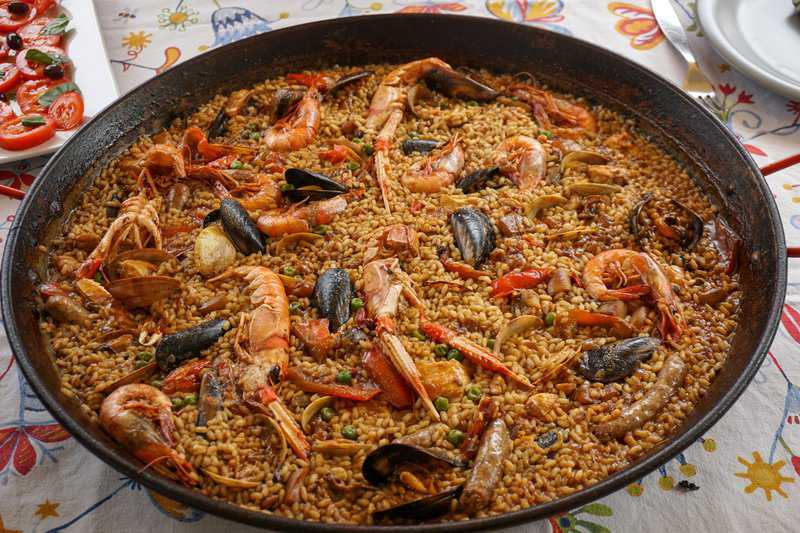
Few dishes are as celebrated in European cuisine as Spain’s paella and Italy’s risotto. Both are rich, comforting rice-based meals that have transcended borders and become global favorites. Yet despite their similarities, paella and risotto couldn’t be more different in technique, flavor, and cultural meaning. One is a festive dish meant to be shared at gatherings under the Spanish sun, while the other is a creamy Italian staple crafted with patience and finesse at the stove.
Travelers often find themselves comparing the two: paella, with its saffron-kissed rice and seafood or meat medleys, versus risotto, known for its velvety texture and delicate balance of broth and butter. Each represents not just a way of cooking rice, but a philosophy about how food should be enjoyed. The question is—who does it better?
Before declaring a winner, it’s worth exploring what makes each dish unique, how to enjoy them properly, and why debates over authenticity spark such passion in Spain and Italy alike. This isn’t just about food—it’s about tradition, pride, and the way culture is expressed on the plate.
BOOK YOUR TRAVEL INSURANCE
Two of our favorite travel insurance: Heymondo Vs Safetwing cheapest travel Insurance. You can get for $135 USD your Heymondo Travel Insurance with Heymondo discount code valid for 90 days. Read our full comparison of Genki vs Safetywing Travel Insurance Review and the comparison Heymondo vs Genki and if you look for accommodation with Booking
How to Eat
Paella is meant to be shared. Traditionally served in the same wide pan it’s cooked in, diners scoop portions together, savoring the crispy “socarrat” (caramelized rice layer at the bottom) as the true prize.
Risotto is usually plated individually. It’s eaten hot and creamy, with each bite capturing the richness of slowly stirred Arborio or Carnaroli rice absorbing stock, wine, and butter.
How to Partner
Pairing with wine: Paella goes beautifully with a crisp Spanish white like Albariño or even a refreshing sangria. Risotto pairs better with Italian whites such as Pinot Grigio or Soave, depending on whether it’s seafood, mushroom, or saffron-based.
Side dishes: With paella, a simple salad or grilled vegetables balance its richness. With risotto, lighter starters like carpaccio or bruschetta prepare the palate without overwhelming the creamy rice.
Occasions: Paella is a social dish best for family gatherings, festivals, or weekends. Risotto is more intimate—perfect for date nights, dinners at home, or elegant restaurant meals.
The rivalry between paella and risotto stirs debate in culinary circles. Many Spaniards argue that risotto is too monotonous compared to the layered flavors and textures of paella, while Italians counter that paella lacks the refinement and precision of a perfectly stirred risotto. The controversy deepens with how the dishes are treated abroad: “paella” often appears as a generic seafood rice, and risotto is sometimes rushed into a sticky mess, both of which locals consider offensive.
Another point of contention is authenticity. Paella purists in Valencia insist that true paella doesn’t include seafood at all—it’s made with rabbit, chicken, and green beans. Italians are equally strict: risotto should never be baked or pre-cooked, yet shortcuts abound outside of Italy. This rigidity in defining the “real thing” exposes how deeply tied food is to cultural pride.
Finally, there’s the larger debate about which dish reigns supreme globally. Risotto may dominate fine dining menus, but paella carries more symbolic weight as a social dish of abundance. Choosing a “winner” may miss the point: both represent their countries’ identities, yet food lovers often divide themselves passionately along national lines.
Paella vs Risotto
Paella
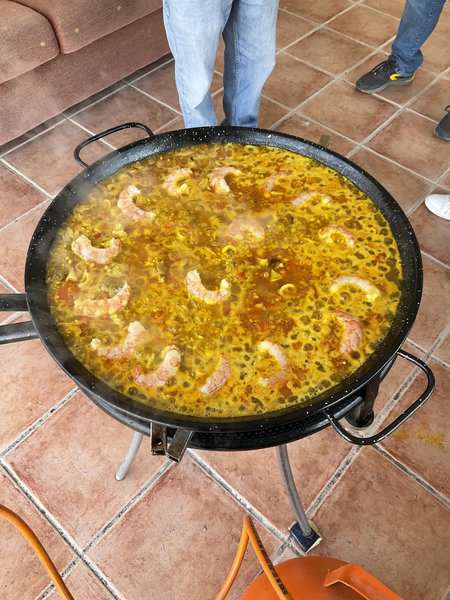
Origin: Valencia, Spain
Rice Type: Short-grain rice, typically Bomba or Calasparra, which absorbs liquid well but maintains some firmness.
Cooking Method
Cooked in a wide, shallow pan called a “paella.” The rice is usually not stirred once it has begun to cook, allowing the bottom to caramelize and form the coveted “socarrat.”
Ingredients and Flavors
Commonly includes a variety of meats like chicken, rabbit, and seafood such as shrimp and mussels.
Characterized by the use of saffron and sometimes paprika, giving it a vibrant yellow color and a rich flavor.
Often cooked with vegetables like bell peppers, peas, and tomatoes.
Recipe Guide
Heat olive oil in a paella pan, and sauté meat until browned. Remove and set aside. In the same pan, cook onions, garlic, and bell peppers. Add tomatoes and cook down. Return the meat to the pan, add rice and stir to coat with the pan mixture.
Add hot broth (usually chicken or seafood) seasoned with saffron, spreading the rice and ingredients in an even layer. Arrange seafood on top, and cook without stirring until the rice is al dente and the liquid has been absorbed. Let sit for a few minutes before serving to develop the socarrat.
Read here how to make Paella
Risotto
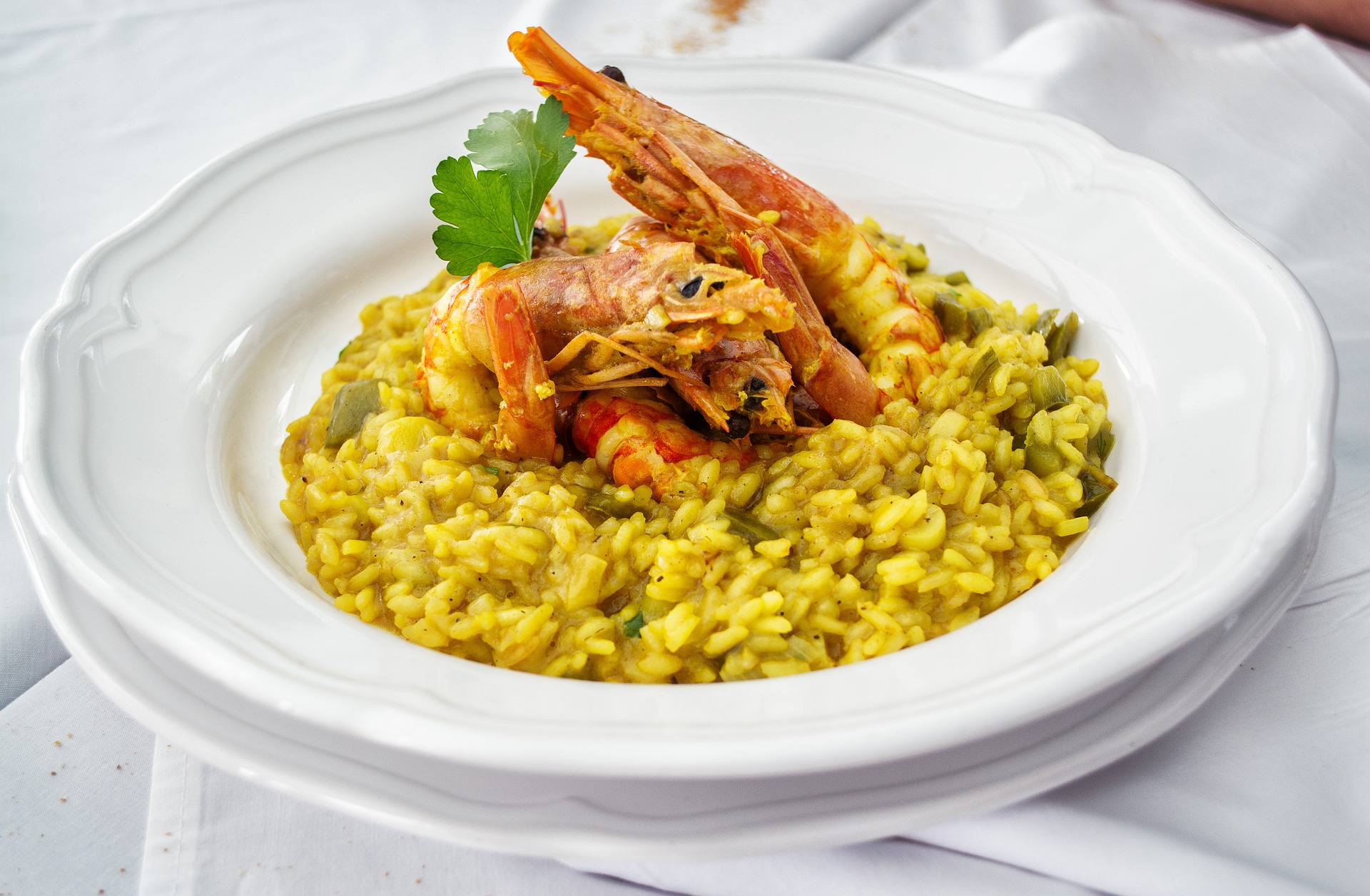
Origin: Northern Italy
Rice Type: Short-grain rice, typically Arborio, Carnaroli, or Vialone Nano, known for its high starch content which lends creaminess to the dish.
Cooking Method
Cooked in a deep pan or a pot. Involves adding warm broth gradually and constantly stirring to release the rice’s starch, resulting in a creamy consistency.
Ingredients and Flavors
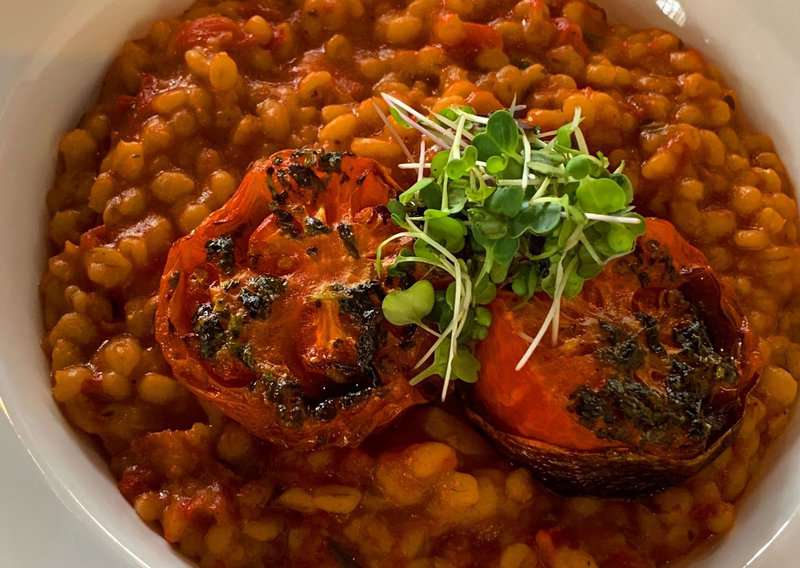
Often starts with a soffritto of onions cooked in butter or olive oil. Wine is typically added to the rice at the beginning of cooking. Primary flavors come from ingredients like mushrooms, seafood, or saffron. Finished with butter and Parmesan cheese for richness.
Recipe Guide
Sauté onions in butter until translucent in a heavy-bottomed pot. Add the rice, stirring to coat with butter. Pour in white wine and simmer until evaporated. Gradually add warm broth, stirring constantly, allowing the rice to absorb the liquid slowly.
Continue to add broth and stir until the rice is creamy and al dente. Stir in additional butter and Parmesan cheese before serving immediately.
Read here how to make Risotto
Differences Between Paella and Risotto
Technique
Paella rice is left to cook untouched to develop a crust at the bottom; Risotto requires constant stirring to achieve creaminess.
Consistency
Paella is drier and can be eaten with a fork; Risotto is creamier and often requires a spoon.
Spices
Paella uses saffron as a dominant spice, while Risotto is more about the natural flavors of the broth and added ingredients, enhanced with cheese and butter.
Calorie Comparison
Paella: Depending on the ingredients (especially if using a lot of seafood and lean meats), a serving could range from 300-500 calories.
Risotto: Typically higher in calories due to the use of butter and Parmesan cheese, averaging between 350-600 calories per serving.
Who Wins Paella Vs Risotto
Well for us Spanish Paella is one of our favorite dishes and it’s tough to beat it, we eat paella almost every month!
When comparing paella and risotto, it’s less about which is “better” and more about what experience you’re seeking. Paella is festive, bold, and communal—a dish that celebrates togetherness. Risotto is elegant, intimate, and luxurious—demanding patience and skill. Both deserve respect not just as recipes, but as cultural treasures that embody the spirit of Spain and Italy.
So who wins? The answer depends on your appetite for either community and abundance, or refinement and subtlety. In the end, the real victory is appreciating each dish on its own terms, and perhaps even learning to cook both at home to bring a taste of Europe to your own table.
Origin and History
Paella traces its roots to the coastal region of Valencia, where farmers and fishermen began mixing local rice with vegetables, rabbit, snails, beans, and whatever seafood was abundant. Over centuries it evolved from a rural laborer’s meal into a national symbol of Spain, representing community and celebration. Its iconic status was shaped by the Mediterranean climate, rice cultivation, and a deep tradition of outdoor cooking over wood fires.
Risotto, in contrast, emerged in northern Italy, particularly in Lombardy and Piedmont where short-grain rice varieties like Arborio and Carnaroli thrived. The technique of gently coaxing starch out of rice grains through slow stirring created the signature creamy texture. Early versions incorporated saffron, broth, and butter, producing a dish that blended simple ingredients with an elegant cooking method passed down for generations.
Both dishes became culinary ambassadors for their countries not because of complexity, but because of how deeply they reflect local ingredients and culture. Paella expresses Spain’s communal spirit, often made in large pans to be shared among friends, while risotto embodies Italy’s dedication to patience, precision, and technique. Their histories reveal how two rice dishes from the same continent developed strikingly different identities.
The rivalry between paella and risotto often sparks heated debates among purists. Spanish cooks argue that adding chorizo, peas, or too much seafood to paella ruins its authenticity, insisting that only Valencian or seafood variations are truly traditional. This rigid view clashes with modern interpretations that embrace regional creativity and evolving palates.
Italian chefs have their own strong opinions, claiming that risotto must follow strict technique: hot broth, constant stirring, high-quality rice, and the perfect all’onda texture. They reject shortcuts such as pre-cooked rice, shortcuts with cream, or using the wrong grains. To many Italians, risotto is not just a recipe but a culinary ritual rooted in discipline.
When comparing the two, opinions intensify. Some insist that paella’s layered flavors and crisp socarrat make it the superior dish, while others argue that risotto’s velvety consistency and versatility place it in another league entirely. Despite the passionate debates, both dishes represent different philosophies rather than direct competitors, and this contrast is where their true charm lies.
How Long They Take to Prepare
Paella typically takes between 45 minutes to 1 hour depending on the recipe and the heat source. The process includes sautéing aromatics, layering proteins, adding rice, and allowing everything to cook undisturbed until the broth is absorbed. Its signature socarrat forms in the final minutes, demanding careful timing but no stirring.
Risotto generally requires 25 to 35 minutes of hands-on work. The broth must be kept warm, and each ladle added slowly as the rice absorbs liquid. The constant stirring helps release starch, which creates its creamy texture without cream. Though shorter in duration, risotto demands more active effort than paella.
Overall, paella is more about setup and patient observation, while risotto is about technique and continuous involvement. Both can be made on weeknights with practice, but each rewards the cook with depth of flavor that far exceeds preparation time.
Serving Suggestions
Paella shines when served family-style, straight from the pan with wedges of lemon on the side. The dish pairs beautifully with crisp white wines, dry rosé, or a refreshing Spanish sangria. Because paella is hearty, it often requires nothing more than a light salad or grilled vegetables to complete the meal.
Risotto, on the other hand, is best served immediately while its creamy consistency is at its peak. It complements roasted meats, sautéed mushrooms, or delicate seafood depending on the flavor profile. A glass of Italian white wine such as Pinot Grigio or Soave enhances the richness of each bite.
For gatherings, offering both dishes creates a memorable experience, showcasing the contrast between Spain’s bold communal flavors and Italy’s refined, delicate textures. Each shines in different settings, yet both deliver comfort and sophistication to any table.
Final Thoughts
Paella and risotto may share rice as their foundation, but they embody entirely different culinary traditions. One celebrates the joy of shared meals outdoors, while the other elevates technique and precision at the stovetop. Understanding their differences helps home cooks appreciate and respect the unique spirit each dish represents.
The ongoing debate of which dish is superior misses the point. Paella and risotto are not competing for the same culinary title; instead, they highlight the diversity of Mediterranean cooking. Both offer rewarding results when made with patience, good ingredients, and a willingness to embrace tradition.
Whether you crave paella’s bold, sun-drenched flavors or risotto’s silky, comforting richness, mastering either dish brings a sense of accomplishment. The beauty of both lies in how they invite cooks to slow down, focus on the process, and enjoy the simple pleasure of good food prepared with care.

About the Author: Ruben, co-founder of Gamintraveler.com since 2014, is a seasoned traveler from Spain who has explored over 100 countries since 2009. Known for his extensive travel adventures across South America, Europe, the US, Australia, New Zealand, Asia, and Africa, Ruben combines his passion for adventurous yet sustainable living with his love for cycling, highlighted by his remarkable 5-month bicycle journey from Spain to Norway. He currently resides in Spain, where he continues sharing his travel experiences with his partner, Rachel, and their son, Han.