
Pizza is one of the world’s most beloved foods, but not all pizzas are created equal. While Italy is celebrated as the birthplace of this iconic dish, Argentina has developed its own unique style that has become just as legendary in South America. Both versions share a love for dough, cheese, and toppings—but their preparation, flavor, and cultural meaning couldn’t be more different.
Italian pizza is known for its simplicity: thin, airy dough, minimal toppings, and a focus on balance and tradition. Think of the classic Margherita with just tomato, mozzarella, and basil—it’s elegant, restrained, and all about the quality of ingredients. Argentinian pizza, on the other hand, is bold, indulgent, and unapologetically cheesy. With its thick crust and mountain of mozzarella, it’s a pizza that’s meant to satisfy in the heartiest way possible.
In this blog post, we’ll explore the key differences between Argentinian and Italian pizza, from how they’re eaten to what they’re paired with, and even the controversies that arise when these two pizza worlds collide.
Read here how to make Neapolitan Pizza and how to make Margherita Pizza
Read here best Italian food, vegetarian food in Italy, best drinks in Italy and best breakfast in Italy
BOOK YOUR TRAVEL INSURANCE
Two of our favorite travel insurance: Heymondo Vs Safetwing cheapest travel Insurance. You can get for $135 USD your Heymondo Travel Insurance with Heymondo discount code valid for 90 days. Read our full comparison of Genki vs Safetywing Travel Insurance Review and the comparison Heymondo vs Genki
How to Eat
Italian pizza is usually eaten with a fork and knife in restaurants or folded in half “a portafoglio” when enjoyed on the streets of Naples. The thin crust makes it light and perfect for savoring a few slices without feeling too heavy. Argentinian pizza, however, is best tackled with your hands and plenty of napkins. The thick base and gooey layers of cheese make each slice filling, often eaten with “fainá,” a chickpea flatbread layered on top of the pizza for extra heartiness.
How to Partner
Pairing is where culture shines. Italian pizza is almost always enjoyed with wine, especially a light red like Chianti or a refreshing white like Pinot Grigio. Beer is also popular, but always in moderation. In Argentina, pizza night nearly always means beer night. Locals love pairing their cheesy slices with an ice-cold lager, and in Buenos Aires, it’s common to finish the meal with Fernet and Coke, Argentina’s national drink. Side dishes differ too: Italians prefer a simple salad, while Argentinians pile on empanadas or papas fritas.
One of the biggest controversies is authenticity. Italians argue that pizza has been watered down abroad, and they often dismiss Argentinian pizza as “too heavy” or “over the top.” For them, less is more, and piling on cheese and toppings takes away from the purity of the dish.
Argentinians, however, see their version as an evolution rather than an imitation. Brought over by Italian immigrants in the late 19th century, pizza adapted to local tastes—bigger portions, more cheese, and a stronger emphasis on indulgence. To them, Italian pizza can feel “too small” or “not filling enough.”
This sparks the question: is one style more authentic than the other? Or is authenticity less about replication and more about adaptation to culture? The debate continues, but one thing’s certain—both versions inspire fierce loyalty among their fans.
Difference Between Argentinian Pizza and Italian Pizza
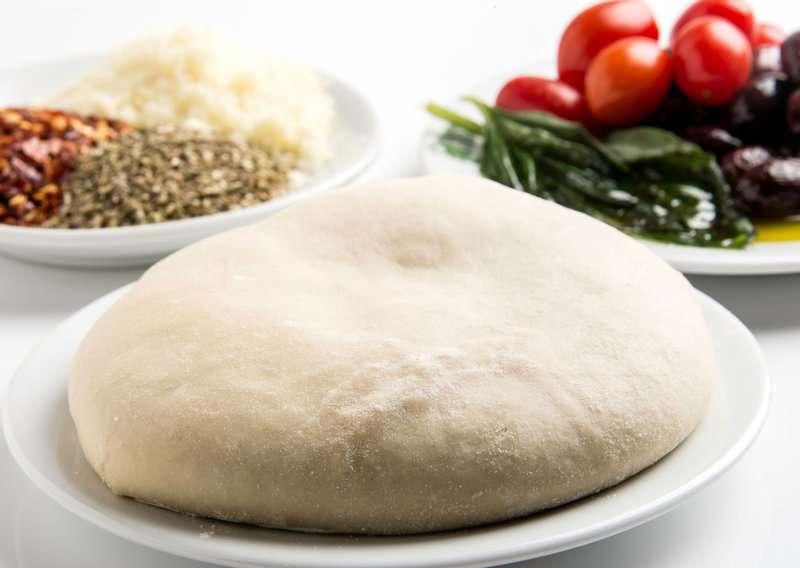
1. Crust and Dough
Argentinian Pizza:
Typically has a thicker, more bread-like crust. The dough is usually chewier and denser than Italian pizza.
Ingredients: Often enriched with milk, butter, or eggs, contributing to its richness.
Italian Pizza:
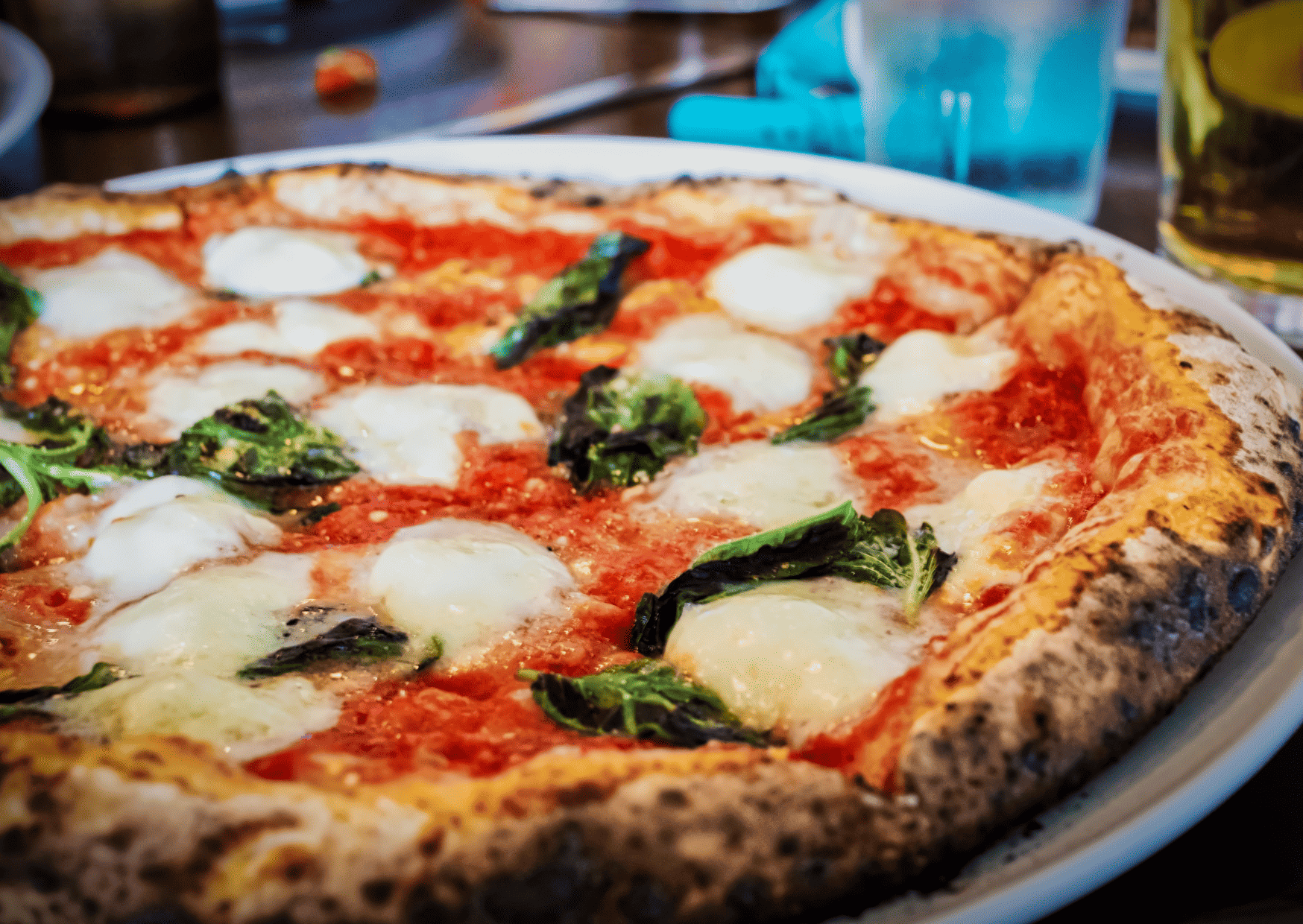
Features a thin, crispy crust, especially in Neapolitan and Roman styles. The dough is light and airy, with a focus on simplicity.
Ingredients: Made with basic ingredients – flour, water, yeast, salt, and sometimes olive oil.
2. Sauce and Toppings
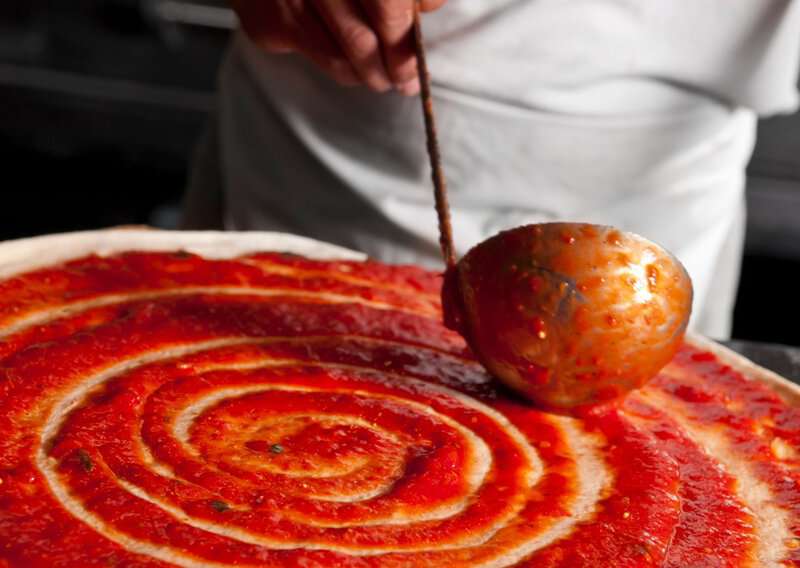
Argentinian Pizza:
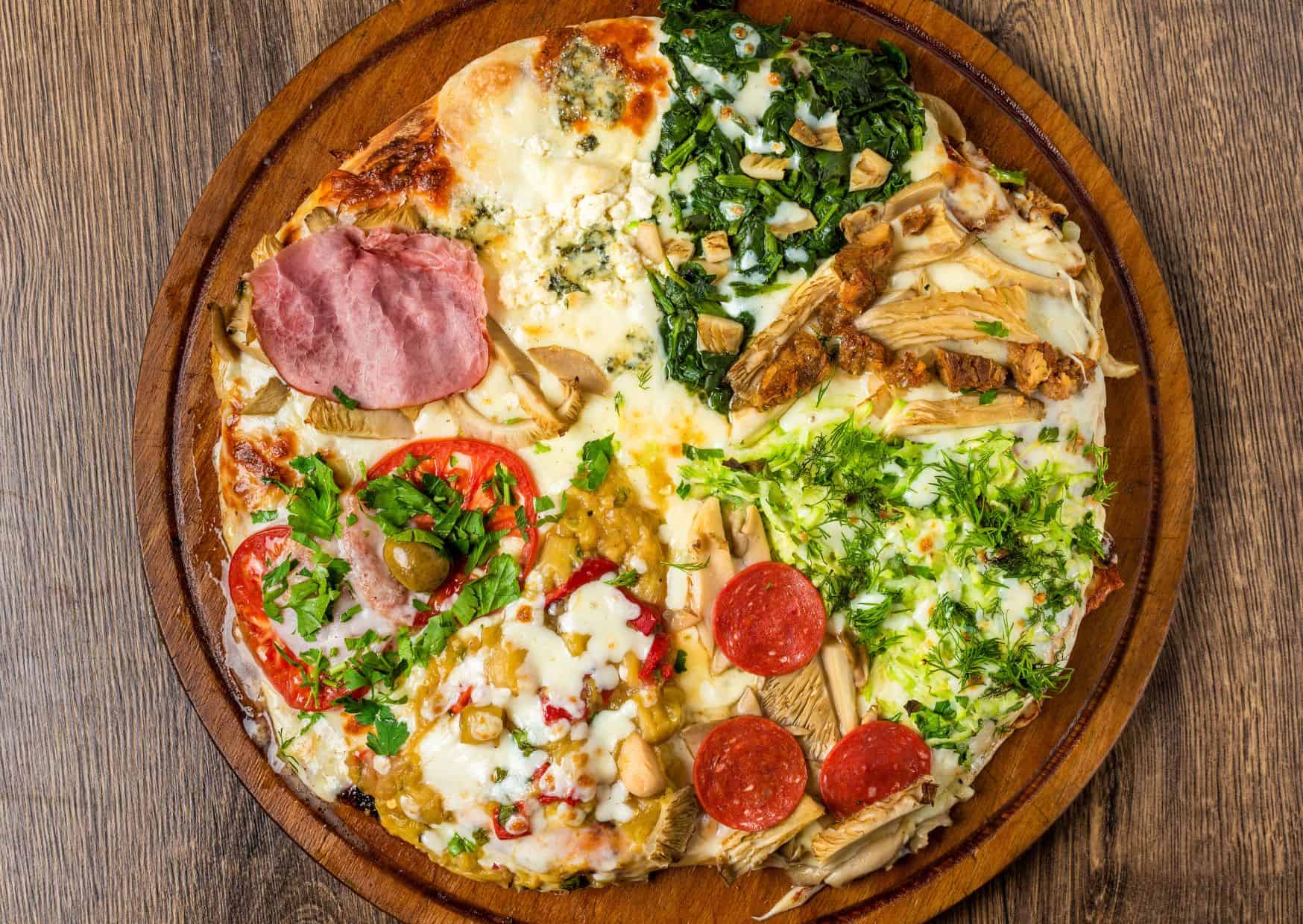
Often sweeter and more heavily seasoned with herbs. Known for generous use of cheese (often mozzarella) and a variety of toppings like ham, green olives, red peppers, and oregano.
Variants that feature lots of onions (fugazza) and onions with cheese (fugazzeta), sometimes without tomato sauce.
Italian Pizza:
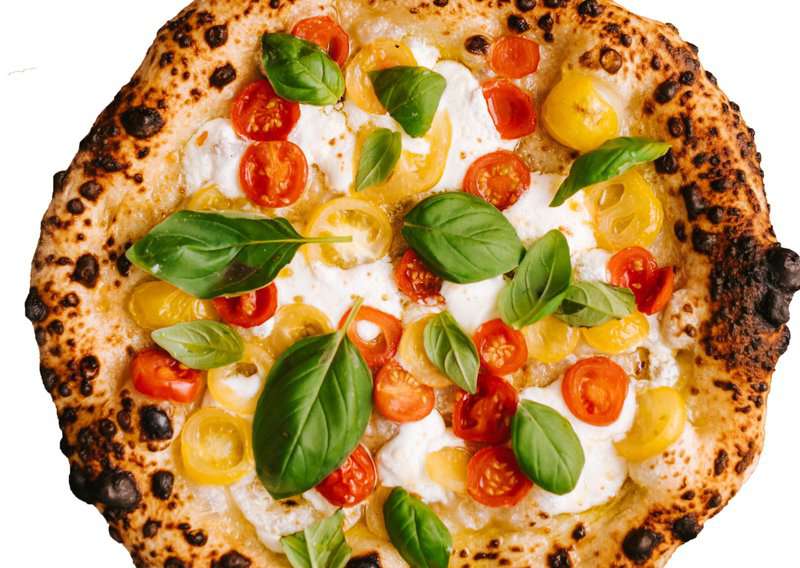
Uses a simple tomato sauce, often made from crushed tomatoes, olive oil, salt, and basil.
Toppings are typically minimalistic to let the high-quality ingredients shine – examples include Margherita (tomato, mozzarella, basil), Marinara (tomato, garlic, oregano), and Quattro Stagioni (artichokes, ham, mushrooms, olives).
Fresh Ingredients: Emphasizes fresh and high-quality ingredients.
3. Cooking Method
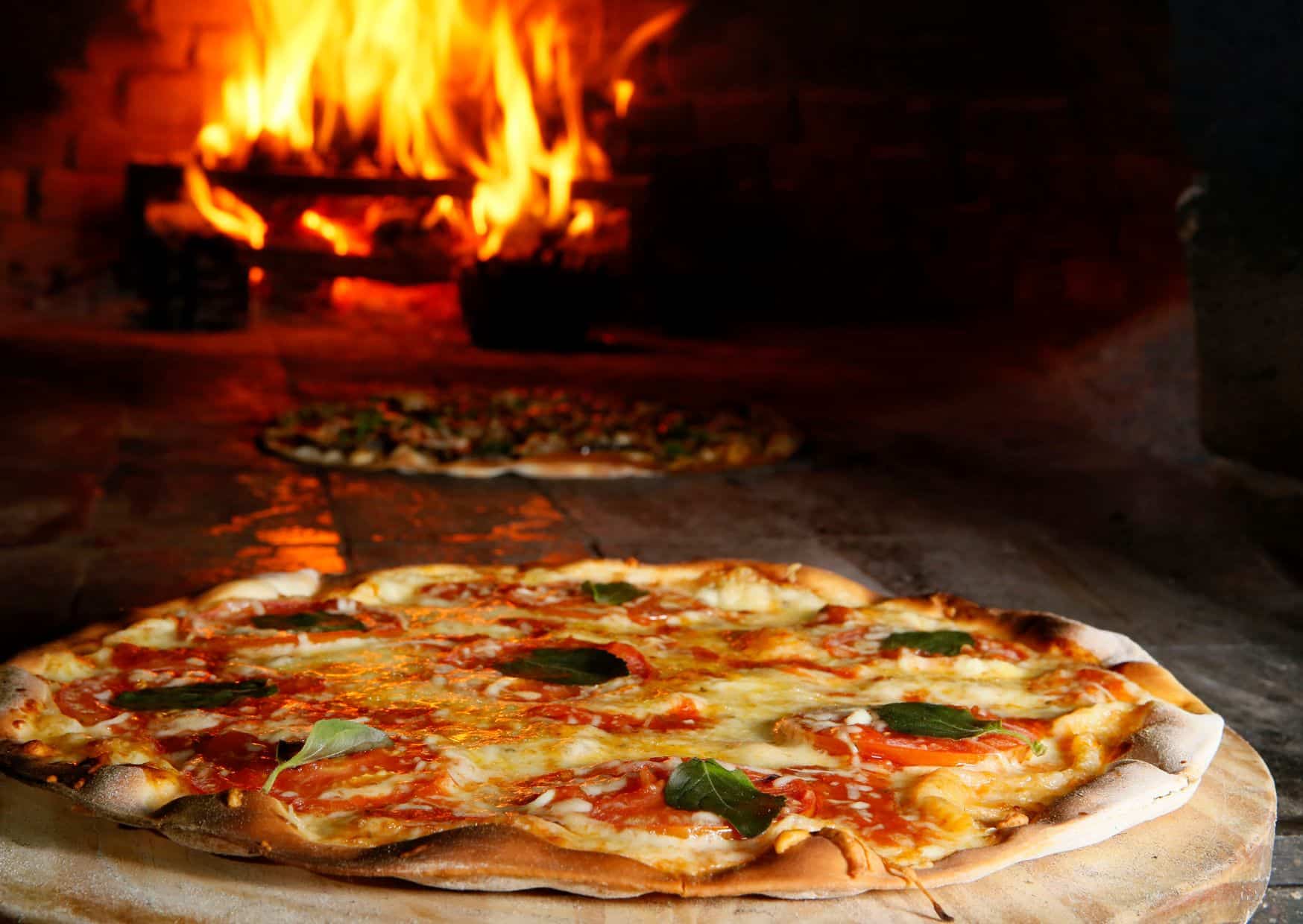
Argentinian Pizza:
Typically baked in a standard oven at moderate temperatures. Sometimes cooked in wood-fired ovens, but not as common as in Italy.
Italian Pizza:
Traditionally cooked in a wood-fired oven at very high temperatures (up to 900°F/482°C), resulting in a charred, crispy crust.
Due to the high heat, Italian pizzas cook very quickly, usually in 60-90 seconds.
Recipe Guides
Argentinian Pizza Recipe
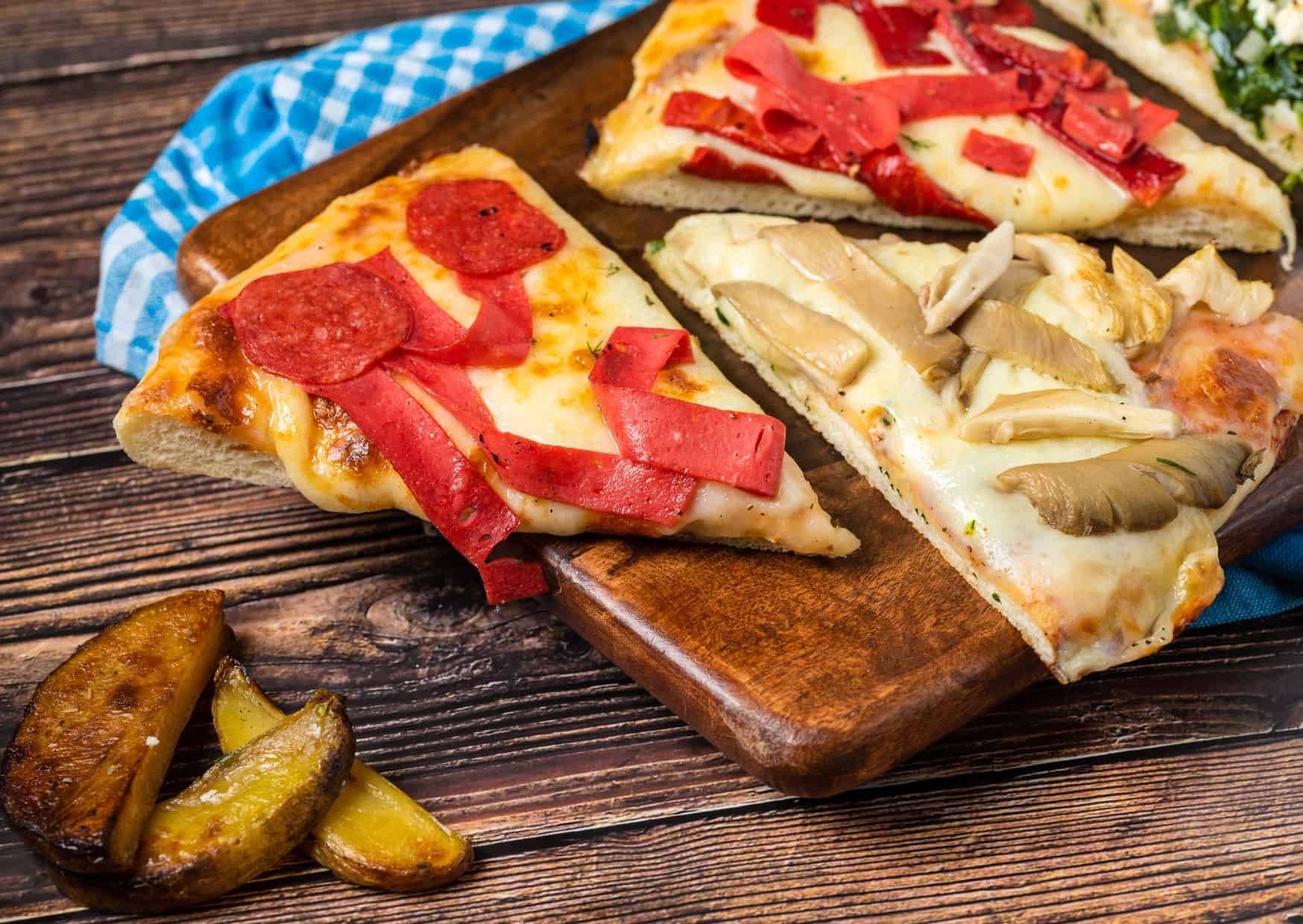
Ingredients:
4 cups all-purpose flour
1 1/2 cups warm water
2 tablespoons olive oil
1 tablespoon sugar
1 teaspoon salt
2 1/2 teaspoons active dry yeast
2 cups shredded mozzarella cheese
1 cup tomato sauce (seasoned with herbs)
Toppings: ham, green olives, red peppers, oregano
Instructions:
Make the Dough
Dissolve yeast and sugar in warm water. Let it sit for 5-10 minutes until frothy. In a large bowl, mix flour and salt. Add the yeast mixture and olive oil. Knead until smooth. Cover and let the dough rise for 1-2 hours, until doubled in size.
Prepare the Pizza
Preheat oven to 400°F (200°C). Roll out the dough to about 1/2-inch thickness and place on a greased baking sheet.
Spread the tomato sauce over the dough, add mozzarella cheese, and top with ham, green olives, and red peppers. Sprinkle with oregano.
Bake
Bake for 15-20 minutes, or until the crust is golden and the cheese is bubbly.
Calories: Approximately 300-350 calories per slice (assuming 8 slices per pizza).
Italian Pizza Recipe (Neapolitan Margherita)
Ingredients:
4 cups “00” flour or all-purpose flour
1 1/2 cups warm water
1 teaspoon salt
1/2 teaspoon active dry yeast
1 cup crushed tomatoes
1 tablespoon olive oil
Fresh basil leaves
2 cups fresh mozzarella cheese, sliced
Instructions:
Make the Dough
Dissolve yeast in warm water. Mix flour and salt in a bowl, add the yeast mixture. Knead until smooth. Cover and let the dough rise for 8-24 hours in the refrigerator.
Prepare the Pizza
Preheat a wood-fired pizza oven to 900°F (482°C) or as high as your oven will go. Roll out the dough to a very thin circle.
Spread a thin layer of crushed tomatoes over the dough. Drizzle with olive oil, add mozzarella slices, and top with basil leaves.
Bake
Bake in the preheated oven for 60-90 seconds in a wood-fired oven, or 10-15 minutes in a conventional oven until the crust is charred and the cheese is melted.
Calories: Approximately 200-250 calories per slice (assuming 8 slices per pizza).
Tips
For Argentinian pizza, aim for a thick, airy dough. For Italian pizza, focus on a light, thin crust with a chewy texture.
Adjust the sweetness and seasoning of the tomato sauce to match your preference. Use high-quality, fresh ingredients for the best flavor.
Higher temperatures yield better results for Italian pizza, achieving the characteristic crispy, charred crust.
Origin and History
The story of Argentinian and Italian pizza begins with one of the world’s largest migration waves. In the late 19th and early 20th centuries, millions of Italians many from Naples and Genoa arrived in Argentina seeking new opportunities. They brought their culinary traditions with them, including the foundational principles of pizza. Over time, local ingredients, cultural preferences, and the influence of Buenos Aires’ vibrant immigrant communities reshaped the dish into something distinctly Argentinian.
Where Italian pizza evolved along strict regional lines Neapolitan softness, Roman crispness, Sicilian thickness—Argentinian pizza was shaped more by abundance than rules. Italian immigrants found Argentina rich in wheat, dairy, and beef fat, which encouraged them to create a doughier, cheesier, heavier version of the pizza they once knew. The thick slices soon became a natural fit for the bustling port workers of Buenos Aires, who needed something hearty, filling, and inexpensive.
As Italian pizza became globally standardized and protected by official associations, Argentinian pizza embraced reinvention. Over the decades, it continued to morph through influences from Spanish, German, and local Argentine tastes. Today, the two styles share ancestry but stand apart as separate culinary identities each claiming authenticity while proudly reflecting its cultural roots.
One of the biggest debates centers on what qualifies as “real pizza.” Purists argue that Italian pizza especially Neapolitan is the only true form because it preserves centuries-old traditions, strict ingredient rules, and artisanal techniques. To Italian chefs, the soft, blistered crust and restrained toppings represent balance and craftsmanship that should never be altered. Anything too thick, too cheesy, or too heavy is often dismissed as inauthentic.
Argentinians, however, strongly disagree. To them, authenticity is about adapting tradition to local tastes and needs. Their pizza evolved not out of neglect for Italian principles but out of abundant ingredients and cultural preferences. The generous layer of cheese, the thicker dough, and beloved toppings like fugazzeta are expressions of national identity. Critics may call it excessive, but locals see it as comfort, character, and culinary pride.
Another point of controversy lies in the experience of eating each style. Italian pizza is built for moderation and simplicity, typically eaten with a fork and knife or folded for a quick bite. Argentinian pizza, especially the iconic “pizza al molde,” is an event—thick slices, overflowing cheese, served alongside fainá, a chickpea flatbread. For many Italians, that combination feels foreign; for Argentinians, it is indispensable. These differences fuel the rivalry, but also make the comparison endlessly fascinating.
How Long It Takes to Prepare
Italian pizza is known for its deceptively simple preparation. The dough often requires a long fermentation of 12 to 24 hours, but the actual baking time is quick usually under two minutes in a blazing-hot wood-fired oven. The process is focused on technique rather than complexity, with kneading, stretching, and oven temperature playing the most important roles. Once mastered, Italian pizza comes together surprisingly fast.
Argentinian pizza takes longer to prepare not because of technical difficulty, but because of its generous structure. The thicker dough typically needs more rising time, more shaping, and a longer bake. The layers of cheese and toppings also require time to melt and settle properly, especially in the classic deep, oiled pans used in Buenos Aires pizzerias. A traditional fugazzeta, for example, can easily take an hour or more from dough to plate.
For home cooks, the preparation times depend on your choice of style. Italian pizza rewards patience during fermentation and speed during baking. Argentinian pizza is more forgiving but demands longer oven time. Both are achievable in a standard kitchen you simply decide whether you want something airy and quick to bake or something thick, molten, and deeply comforting.
Serving Suggestions
Italian pizza is best served immediately, while the crust is still blistered and aromatic. Simplicity is essential, with toppings like San Marzano tomatoes, buffalo mozzarella, basil, anchovies, or fresh mushrooms complementing the dough rather than overpowering it. A drizzle of olive oil and a sprinkle of sea salt are often the final touches. Pair it with a light Italian beer or a crisp white wine for the most authentic experience.
Argentinian pizza, on the other hand, encourages abundance. Serve it hot, sliced thick, and accompanied by fainá a thin chickpea pancake placed directly on top of the slice. Popular toppings include thick mozzarella, caramelized onions, long slices of red bell pepper, olives, and Oregano. A glass of Malbec or a cold Quilmes beer completes the ritual, balancing the richness of the cheese-heavy pie.
If you want to blend both worlds, try serving an Italian-style Margherita alongside a cheesy fugazzeta to highlight the contrast. Guests quickly discover how the two traditions satisfy different cravings one refined and minimalist, the other indulgent and boldly flavorful. The combination showcases the full spectrum of what pizza can be.
Conclusion Argentinian Pizza Vs Italian Pizza
Italian and Argentinian pizzas might look similar at first glance, but they reflect two very different food philosophies. Italy champions simplicity, tradition, and balance, while Argentina embraces generosity, boldness, and comfort.
If you want elegance and lightness, go for Italian pizza. If you crave indulgence and a satisfying cheesy bite, Argentinian pizza won’t disappoint. Both are worth trying in their authentic settings Naples for the Italian Margherita and Buenos Aires for a mozzarella-laden fugazzeta.
In the end, there’s no need to choose sides. Pizza is about joy, community, and flavor. Whether thin and minimalist or thick and loaded, both Argentinian and Italian pizzas prove why this dish has conquered the world.
Both Argentinian and Italian pizzas offer delightful, albeit different, culinary experiences. Argentinian pizza is known for its thicker, richer crust and generous toppings, while Italian pizza emphasizes simplicity, freshness, and a thin, crispy crust. By understanding these differences and following the recipes and tips provided, you can enjoy authentic versions of both styles of pizza. Buon appetito and ¡Buen provecho!

About the Author: Ruben, co-founder of Gamintraveler.com since 2014, is a seasoned traveler from Spain who has explored over 100 countries since 2009. Known for his extensive travel adventures across South America, Europe, the US, Australia, New Zealand, Asia, and Africa, Ruben combines his passion for adventurous yet sustainable living with his love for cycling, highlighted by his remarkable 5-month bicycle journey from Spain to Norway. He currently resides in Spain, where he continues sharing his travel experiences with his partner, Rachel, and their son, Han.