
So here is the thing no one wants to hear after they booked a week in Chiado. Lisbon is lovely and expensive by Portuguese standards. The real magic is hiding in smaller cities where a coffee is one euro, lunch is twelve, and life still looks like life. If you want old stone, river light, quiet squares, and human prices, step out of the capital and let the country do what it does best.
I live in Spain with a Filipino Spanish family. We cross the border often enough to notice a pattern. Visitors chase the same tram routes while the locals go home to places with better bread, calmer rents, and sunsets that do not need filters. Portugal rewards people who leave the postcard and walk into a town that does not care about your story. You get cleaner food, steadier sleep, and bills that keep your shoulders down.
Where were we. Right. Six places that outshine Lisbon for beauty to cost ratio, what you will pay, how to move, where to eat, and the dumb mistakes Americans keep making when they finally get out of the capital.
Braga, the baroque city that actually works for normal life
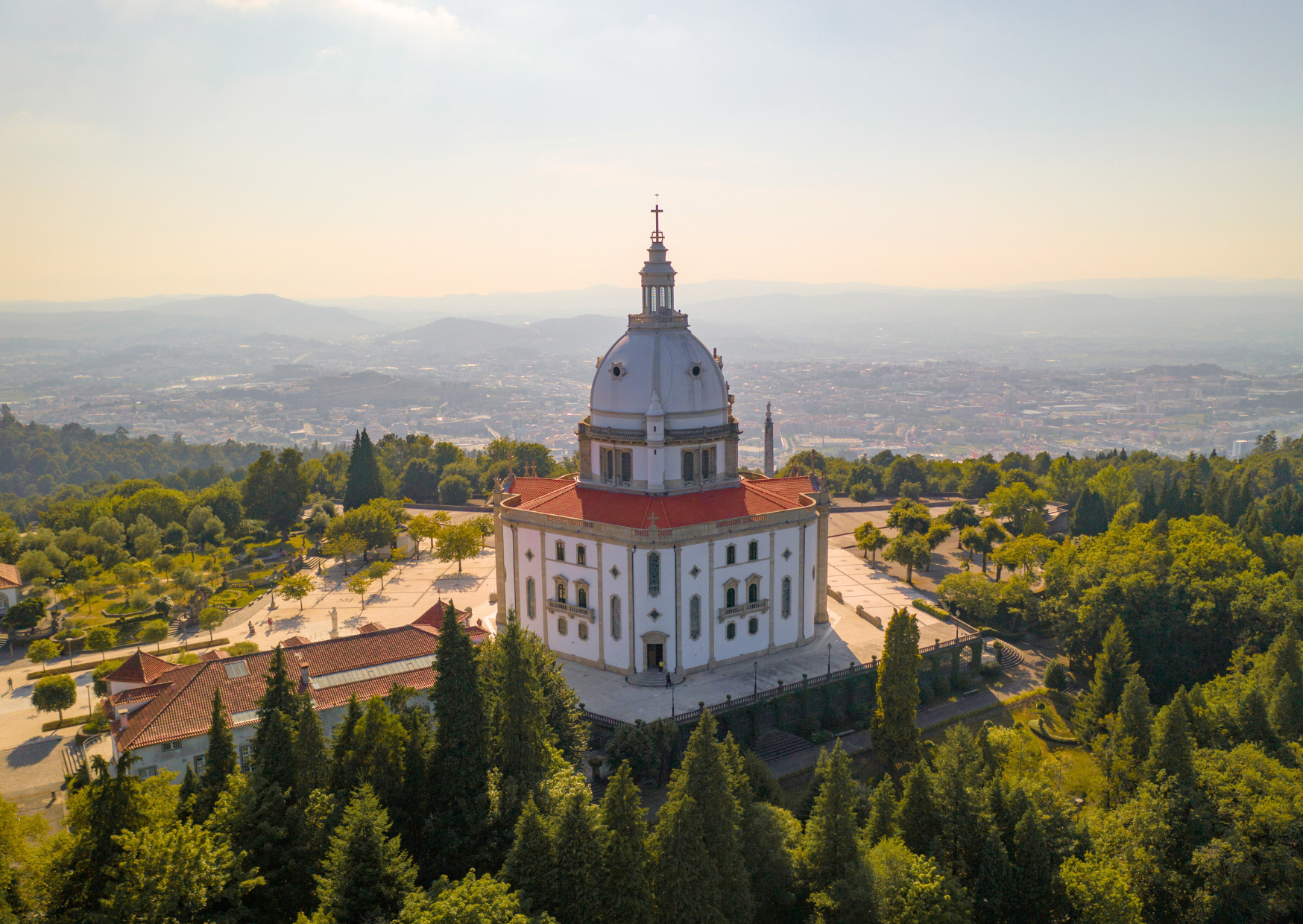
Braga is the calm older cousin who dresses well and never raises his voice. Granitic streets, bell towers, gardens, and a local rhythm that keeps students and grandparents in the same frame. You get that green Minho light, serious churches, and a town center built for walking.
Prices are the quiet miracle. A short espresso at the counter sits around one euro. A proper lunch menu with soup, a main, dessert, and coffee lands near twelve. Apartments for long stays run closer to 600 to 850 euros for a tidy one bedroom inside the ring roads if you are not asking for marble and views. That is not a sale, that is the market.
What to do that is not a list. Start in the Jardim de Santa Bárbara and listen for footsteps on stone. Climb to Bom Jesus by the baroque staircase if your knees agree, or take the funicular and walk down. Eat caldo verde and roasted bacalhau at lunch, not dinner. Move your big meal earlier and the town will feel even cheaper. Night is for a glass of vinho verde and a small plate, not a saga.
Trains from Porto make this an easy target. The trip is about an hour on regionals. Sit by the window and watch the Minho come into itself. Remember that rains here make colors louder, not worse.
Guimarães, where Portugal started and then kept being beautiful
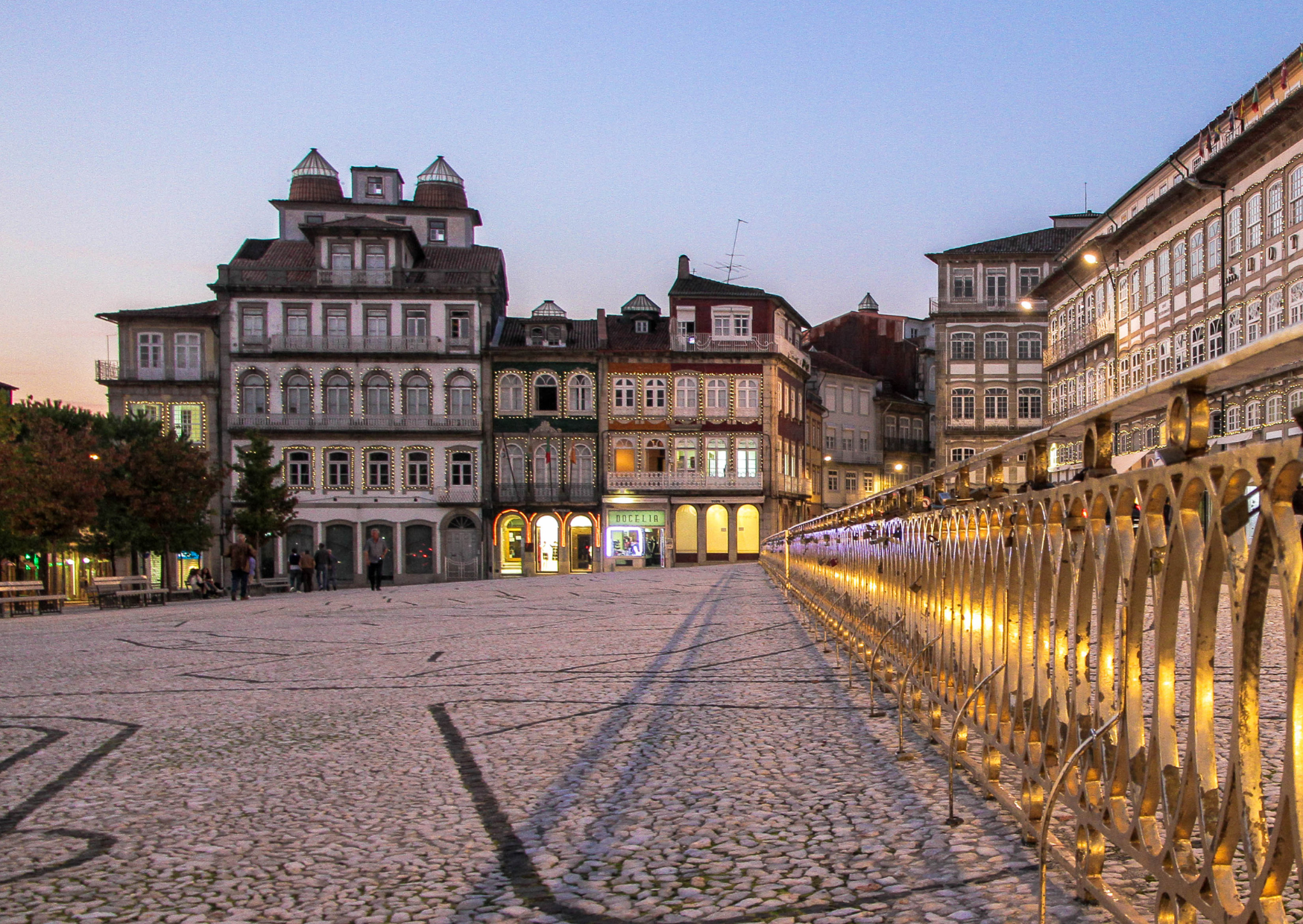
If you want stone that photographs itself, Guimarães is the one. A castle that looks correct, a palace with real heft, medieval lanes that somehow stayed human. The center is preserved without feeling like a museum, which is rare and kind.
Costs behave the way everyone wishes Lisbon still did. Coffee is pocket change. Craft beer for the afternoon can still be four euros. A tiled guesthouse two minutes from the square often sits between 45 and 70 euros in the off season, creeping higher on summer weekends. Dinner for two at a family place with vinho verde and shared plates reads at 25 to 35 euros unless you treat the wine list like a dare. Beautiful cities that keep their portion sizes honest do not punish you for staying another night.
Do the obvious: castle, palace, the Largo da Oliveira where late light touches timber. Then do the small: poke into leather workshops, buy a half loaf and soft cheese, and sit on a bench because benches matter. Guimarães rewards slowness the way cities used to.
Regional trains from Porto go here in about an hour, and buses knit it into the Minho curve. Add Braga for a twin-town loop and you will understand why people from the north have a quiet pride that does not need a slogan.
Viseu, the museum-quality town nobody bothers to crowd
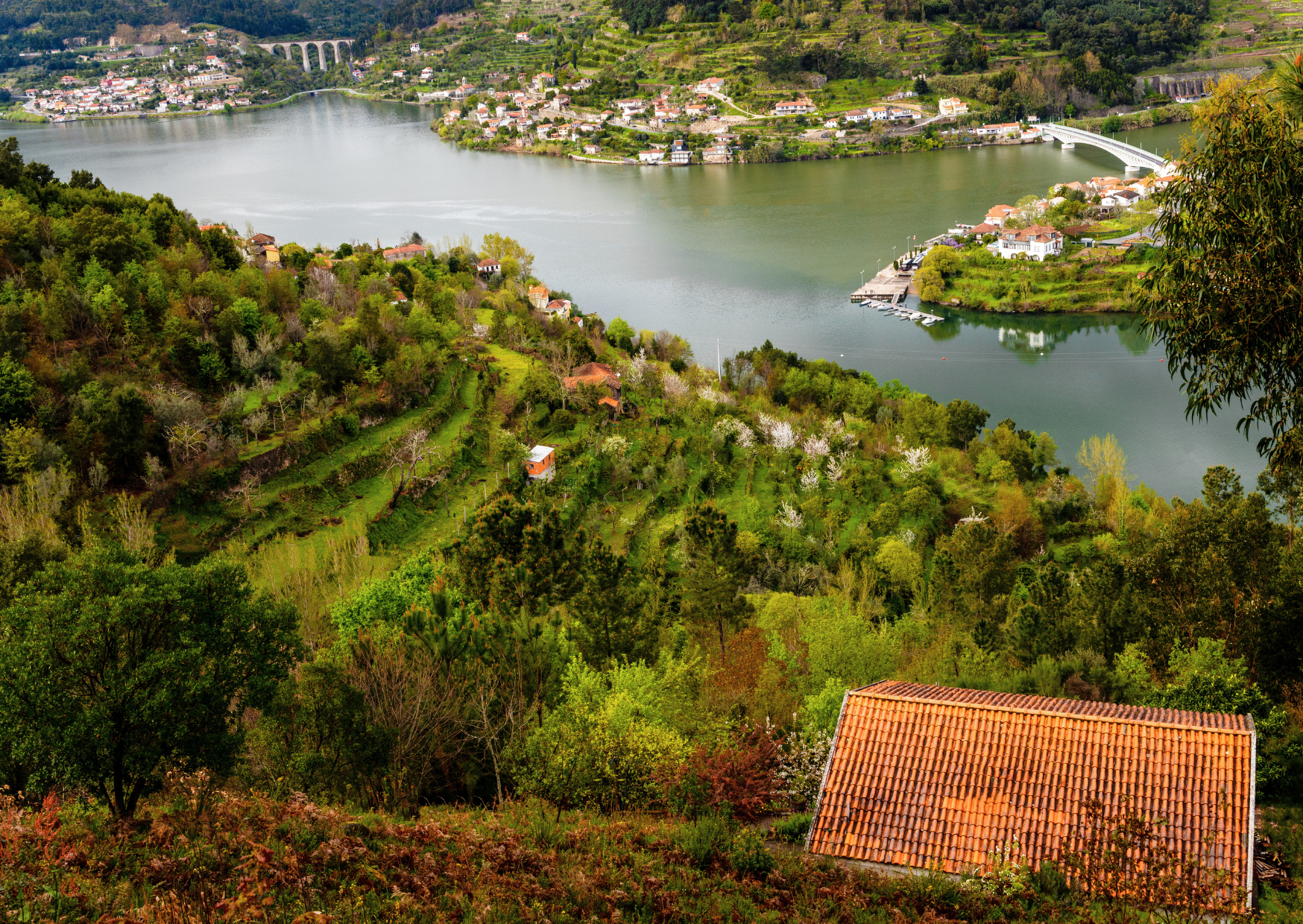
Viseu is a curveball. No beach, no big river on the surface, just an elevated old town with stone that has seen wars come and go, and a daily rhythm that feels almost private. You come for quiet streets, a cathedral that glows, and food that is suspiciously good for the bill.
Prices are softer than the coast. Long-stay rentals can still be found near 500 to 700 euros for a simple T1 if you look beyond the absolute center. A glass of Dão wine runs 2.50 to 3.50 euros at unfussy places and tastes like someone cleaned your palate. Lunch menus clock in around 9 to 12 euros with bread and soup. You start to do mental math about living here, which is how Viseu wins.
Eat what the region eats. Roasted goat if you want a feast, or grilled fish on weekday lunch if you need a walk after. Try local cheeses with quince paste and stop pretending you do not like fruit with dairy. The Dão wines make simple food taste photographed.
Getting here is easiest by bus from Porto or Coimbra. Once in town, you walk. Streets are steep in parts, your calves will inform you, and then you sleep like you earned it. Beauty plus silence is the old cure you forgot.
Évora, golden light and white walls without the Lisbon price tag
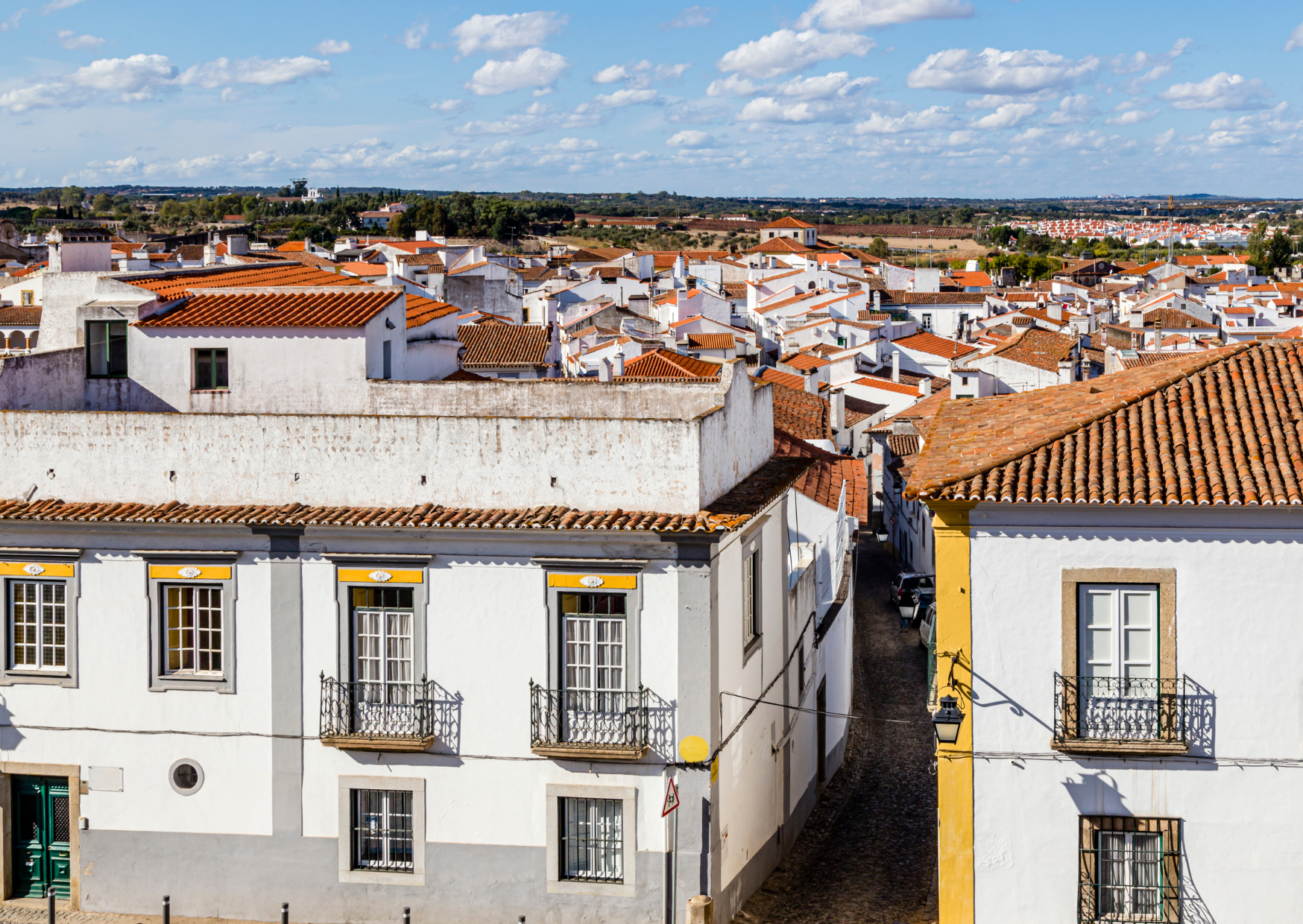
Alentejo is the wide table of Portugal and Évora is where you sit. Roman bones, whitewashed lanes, azulejos that look hand painted because they were, and evening light that turns everything into a scene. It is the kind of place that convinces people to cook at home and then sit outside anyway.
Prices are not a prank either. Coffee near one euro. Set lunch in little tavernas, 10 to 14 euros with everything included. A good double room in a restored house often runs 60 to 90 euros most months outside peak August. Wine is a pleasure, not a budget meeting.
Order migas with pork if you want comfort that stays with you. Choose a fresh soup at lunch and let dinner be olives, bread, and cheese. The Alentejo table is generous, which makes restraint part of the beauty. Take a morning to walk the aqueduct line and see how the city learned to integrate infrastructure into daily life without turning it into a ruin.
Évora is an easy bus or train from Lisbon. The ride is your friend. You watch suburbs turn to cork and wheat and understand why people here speak more slowly. If you chase sunsets, this is your classroom.
Tavira, the Algarve without the inflatable flamingo
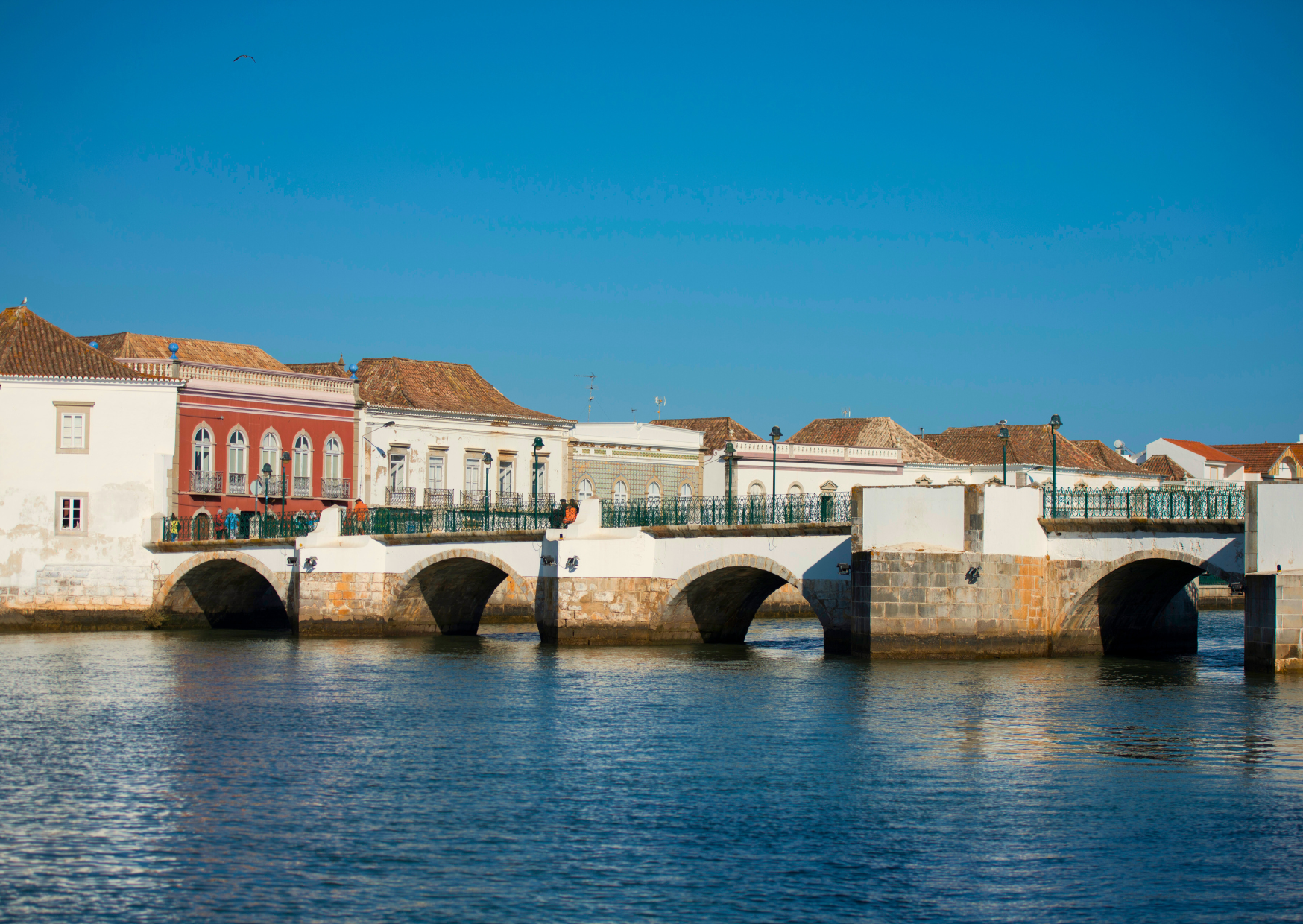
You want the sea but not the circus. Tavira is your exit. A low town on a lazy river that breaks into islands with real sand and wind that keeps the air honest. It is a white and terracotta puzzle where fishermen still win the morning.
Everyone tells you the Algarve is pricey. Parts are. Tavira is softer. Off season rooms that face the water can sit at 55 to 100 euros for something attractive. A grilled dourada with salad and potatoes can still be 12 to 15 euros at non-scenic addresses. Espresso is a euro, maybe 1.20 if you insist on the view. Half Lisbon without the noise is not a myth here.
Eat clams with garlic and cilantro, octopus in all forms, and rice dishes that treat the sea like a pantry, not a parade. Take the ferry to Ilha de Tavira for a winter walk that repairs your head. The coast is better when you leave it to the wind and return to town for dinner.
Trains connect through Faro or Vila Real de Santo António. Buses fill gaps. Tavira rewards people who let the day be simple. When the tourists leave, the birds and the old men reclaim the benches. That is your cue to sit down.
Setúbal, fish town with a national park for dessert
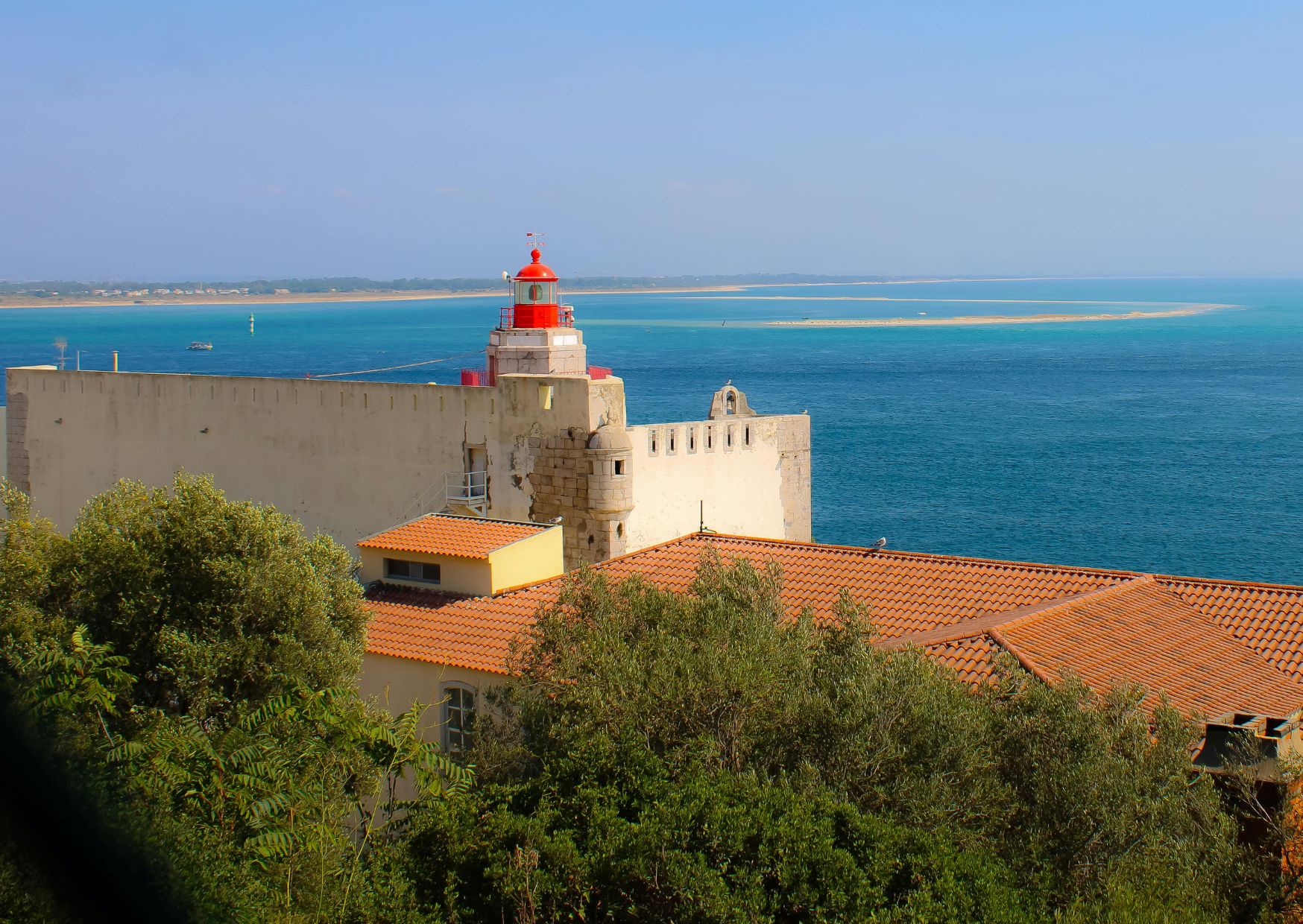
Thirty to forty minutes south of Lisbon and emotionally a different country. Working port, fish markets that smell like the right kind of morning, and the Arrábida hills rolling into blue water that will make you stare. Setúbal gives you what Lisbon used to give before it became a mood board.
Prices are unfair in the best way. A plate of choco frito or grilled sardines with a glass of local white keeps two people under 25 euros if you are not trying to lose control. Guesthouses sit between 40 and 80 euros on most dates. Long stays are still viable for 650 to 900 euros for a modest one bedroom if you can live a few blocks off the seafront. You trade tram photos for actual lunches. It is a good trade.
Walk the market early, buy fruit that tastes like itself, and then bus or drive along the Arrábida road for views that look illegal. Find a cove and listen to your own blood pressure drop. Setúbal is not about spectacle, it is about the day improving because you picked the right town.
You can commute from Lisbon on a day trip, but staying a night turns the dial from busy to human. When the day skimmers leave, the town exhales.
How the costs really compare when you stop guessing
Lisbon is still a bargain for a capital, but the premium is real. In a normal week in these towns, two people can live comfortably on:
- Morning coffees at the counter for two, 14 euros for the week
- Three set lunches, 60 to 80 euros total depending on wine and dessert
- Four simple dinners cooked at home with a market basket, 35 to 50 euros
- One restaurant dinner with a bottle, 30 to 45 euros
- Local transport and a regional train or bus, 15 to 25 euros
- A nice room most nights or a month rental prorated, 40 to 80 euros per night equivalent or 600 to 900 euros per month
In Lisbon the same behavior easily floats 30 to 50 percent higher, and the temptations are worse for your budget because they are everywhere. Beauty is cheaper when the town is not monetizing your attention span.
Getting around without losing the plot
Portugal’s CP trains and regional buses move the pieces you need moved. Alfa Pendular and Intercidades for the longer jumps, Regionais for the last bit. Buy the fast legs a few days out if you care about seats, buy the locals on the day and keep your hands free. Do not overbook a week. Two bases are better than four.
- Braga and Guimarães pair naturally with Porto
- Viseu and Coimbra make a tidy inland duo
- Évora links to Beja or Estremoz if you want deeper Alentejo
- Tavira sits with Faro and Olhão for an island and market loop
- Setúbal belongs to Arrábida and Sesimbra if you like hills and fish
Remember this simple rule inside the logistics: the best days in Portugal are two trains and a long lunch, not four cities and a panic.
What to eat when the season changes the menu
Portugal is seasonal if you listen to it.
- Winter north: caldo verde, rojões, layered rice with duck, Dão reds that behave at lunch
- Spring: favas with chouriço, baby sardines, greens that taste slightly bitter and perfect with oil
- Summer coast: clams, grilled dourada, tomatoes that make salt feel like a strategy
- Autumn Alentejo: pork and bread alchemy, migas, açorda, and wines that feel like a nap
Eat the thing the town is proud of and your bill gets smaller while your memory gets bigger.
The small town rules that save you money and embarrassment
- Order at the counter for coffee. Sitting prices are higher and slower.
- Lunch is king. Kitchens hum 12:30 to 14:30. After that you get leftovers and sighs.
- Menu do dia is your ally. Soup, main, dessert, coffee. Say yes and let the day calm down.
- Tip lightly. Round up, leave coins, smile. This is not a tip economy.
- Cash still appears. Cards work, but a few coins for coffee and markets speed your morning.
- Learn the tiny words. Bom dia, por favor, obrigado. Kindness costs zero and pays out all day.
Mistakes Americans make in these towns
They arrive late and expect dinner to be a show. They order wine like a personality test. They treat a square like a photo shoot and forget to sit down. They chase a sunrise from six different viewpoints and miss the bakery’s hot tray at 9:00. Beauty in Portugal is loud at 13:00 and quiet at 21:30. Match that rhythm and the country gives you everything.
They also overschedule. Do not turn six towns into six check-ins. Pick two, maybe three, and day trip to the others. Your budget gets better when your bag stops moving.
Where to sleep so mornings start right
You do not need anything grand. You need windows that open, a walkable center, and a breakfast you can replace with the café downstairs when you want. Family guesthouses and tidy apartments beat brand hotels in these towns. Ask for a room one floor up and away from the loudest cobbles. Bring earplugs anyway because churches are generous with bells.
If you are staying a month, speak to owners in person. Prices drop when you stand there and look like someone who will water plants and not host a circus. Portugal still values face to face. Use it.
A one week plan that costs less and feels richer
Days 1–3: Porto base. Day trips to Braga and Guimarães. Long lunches, early nights.
Days 4–5: Évora. Slow mornings, golden afternoons. Day five bus to Setúbal.
Days 6–7: Setúbal base. Arrábida views, fish lunches, a quiet Sunday walk.
Or if you need the sea right now:
Days 1–2: Faro or Olhão arrival, then slide to Tavira.
Days 3–5: Tavira base. Ferry, island walks, octopus.
Days 6–7: Viseu inland, wine and stone, or back to Lisbon through Setúbal for one last fish lunch.
The trick is not the list. The trick is the ratio of walking to sitting. Sit more, spend less, remember more.
How to know if a town is right for you in ten minutes
Stand in the main square at 13:00. Count how many tables have food and how many have phones. If food wins, stay. If the bakery runs out of bread by 14:00, you found a real place. If a man in an apron tells you that you should come back for the soup tomorrow, book another night. Human signals beat travel guides.
What these towns do to your life if you let them
They teach you to eat at noon and early evening. They teach you to buy fruit that dies in two days because it is alive. They teach you to measure a day by how well you talked to people, not how many museums you sprinted through. Your budget shrinks because your appetite shifts from novelty to rhythm. That is the secret. It is not about cheap. It is about a week that costs less because it contains fewer bad decisions.
Something you can use this month
Pick one of the six. Buy a regional ticket and a notebook. Order soup, drink a glass of local wine, and walk until the town shows you its second favorite street. If you can see yourself there for a week without a plan, you picked right. The bill will be smaller than Lisbon. The memories will not be.

About the Author: Ruben, co-founder of Gamintraveler.com since 2014, is a seasoned traveler from Spain who has explored over 100 countries since 2009. Known for his extensive travel adventures across South America, Europe, the US, Australia, New Zealand, Asia, and Africa, Ruben combines his passion for adventurous yet sustainable living with his love for cycling, highlighted by his remarkable 5-month bicycle journey from Spain to Norway. He currently resides in Spain, where he continues sharing his travel experiences with his partner, Rachel, and their son, Han.