
You can land in Madrid, Paris, or Berlin with a perfect packing list, then watch a customs officer lift your suitcase, shake a bottle the color of a sports car, and quietly slide it into a gray tub. Nobody yells. Nobody argues. The rules are already written on paper you have never read. In the United States, supplements can feel like a casual hobby. In Europe, many of those same pills are food products with strict limits, or they are regulated medicines, or they are outright banned. The label that felt “healthy” in Phoenix becomes “non compliant import” in Barcelona. The gap is not cultural. It is legal.
If you want your vitamins to survive the border, you need to know what Europe considers a food supplement, what counts as a medicine, which common American ingredients create instant problems, and how much is “personal use” before you look like a reseller. I am not handing you fear. I am handing you a list you can throw into your phone so you do not donate two hundred dollars of capsules to a customs bin with a friendly smile. Buy the local version when the law wants the local version. Everything gets easier when you accept that sentence.
The first misunderstanding: Europe does not treat “supplements” as a single thing

In Europe a supplement is a food product with rules, unless it contains an ingredient or a dose that turns it into a medicine by function. The same pill can cross that line with nothing more than a stronger milligram count or a stronger claim on the label. Your U.S. bottle can be legal in Lisbon at 200 milligrams and illegal at 400.
What this means for your suitcase is simple. Customs will ask three questions even if they never speak to you.
- What is in it.
- How much per daily portion.
- What does the label say it does.
Remember: ingredients, dose, and claims decide the category. Category decides the outcome.
The label trap: your bottle is speaking the wrong language, literally
A European food supplement must look like a European food supplement. That means a label in the local language, a nutrition panel per daily portion, a lot number and best before date, a responsible operator name and EU address, and claims limited to approved health claims. Your Amazon label that screams “clinically proven fat burner” triggers two problems. The claim is not allowed and the contact address is in Nevada. No EU address means no one for the authority to fine. The easy solution is seizure.
There is a quiet rule inside this. If the bottle cannot sit on a European shelf tomorrow without relabeling, it is a bad candidate for your luggage. You can get lucky. Luck is not a plan.
Key point: labels that look like ads will not survive like food.
Ingredients that get Americans into trouble on day one
Here are the repeat offenders. I am not listing exotic chemicals. I am listing what people actually pack.
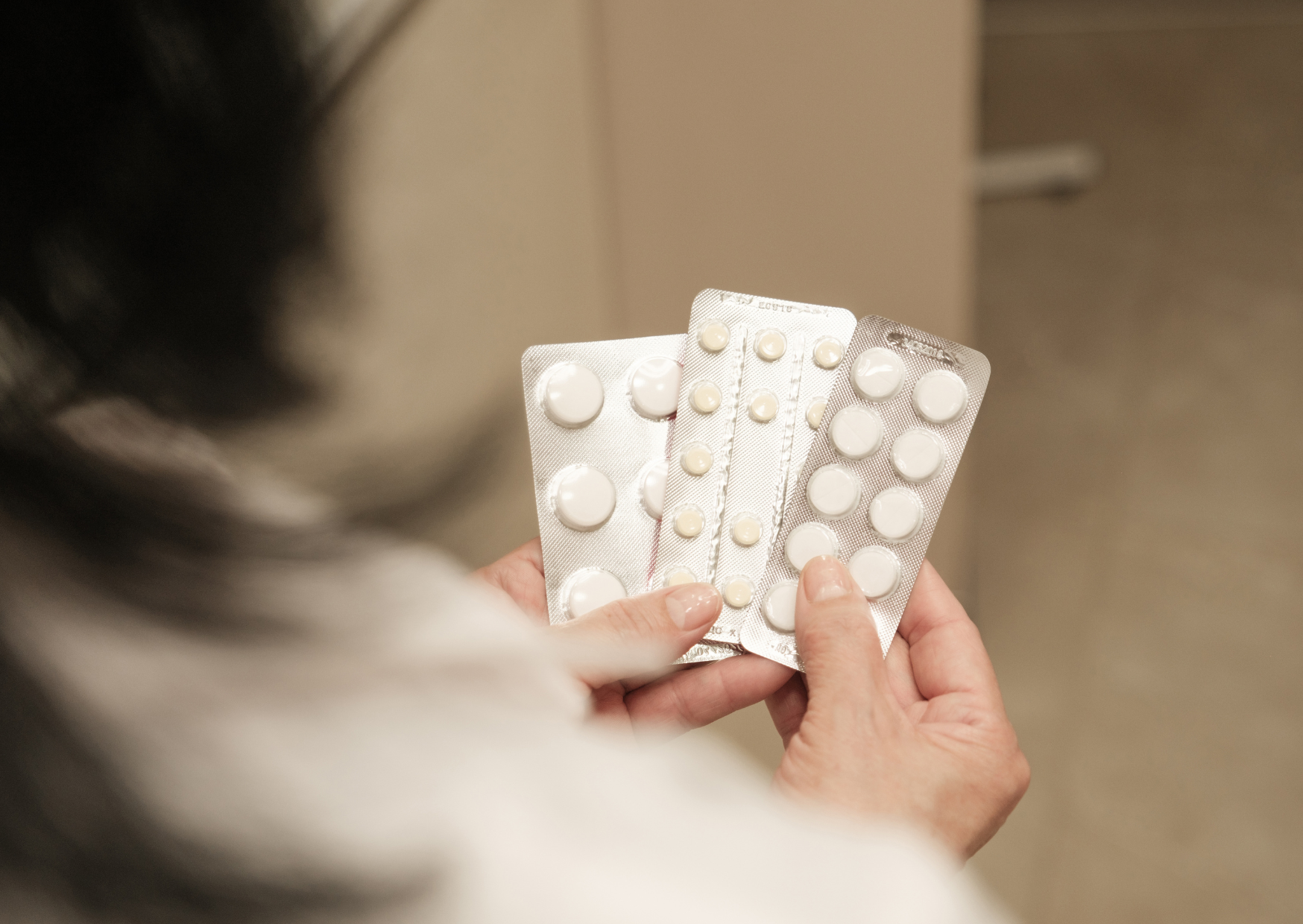
DHEA
A casual anti aging pill in the U.S., a prescription medicine across much of Europe. Your gray market bottle turns into “unauthorized medicine.” That phrase always ends the conversation.
Melatonin above low doses
In the U.S. melatonin is a supplement. In many European countries melatonin is a medicine, often available only in pharmacies and often at lower over the counter doses. A 10 milligram gummy bottle with a cartoon bear looks like contraband in half the bloc. A 1 milligram pharmacy box is fine. The teddy bear is not.
Yohimbine and whole yohimbe bark
Marketed for energy or libido. Frequently banned or treated as a medicine due to cardiovascular risk. Customs know the word even if you hide it in a “blend.”
DMAA and other stimulant cousins
Popped up in pre workouts. Banned. The three letters are a fast ride to disposal.
SARMs and peptides
Marketed to lifters online. Medicines or controlled substances, not supplements. Even if you personally believe they are research, the person at the EU airport does not care.
Kratom and kava
Common in U.S. wellness corners. Prohibited or tightly controlled in many European countries. The friendly earthy pouch is not charming here.
High dose vitamins
Vitamins A, D, B6, niacin, and others have upper levels for daily portions in many countries. A U.S. mega dose that sells as “high potency” can cross into medicinal dosage. The ingredient is not banned. The dose is.
Titanium dioxide in capsules
That shiny white capsule shell is often colored with an additive Europe removed from food use. A 2024 or 2025 U.S. bottle can still carry it. Customs see the code and stop the line.
Herbal combinations that claim to treat disease
In Europe, the second your label claims to treat or prevent disease, you are in medicine territory. “Supports sleep” can be okay when the claim is on the approved list. “Treats insomnia” is a no. The verb on your label can cost you the product.
It is not the vibe, it is the category the ingredient lives in here.
Dosage matters more than your opinion
Imagine two bottles of vitamin D3. Same brand, different strengths. The 1,000 IU is a food supplement in most places. The 10,000 IU per drop is very likely to be treated as medicinal in several countries, which means it cannot be imported without a pharmacy supply chain. Your brain will say “but I need this dose.” The border does not argue dosage with you. It classifies and acts. If the daily portion exceeds the national limit, the badge decides.
You will see the same logic with B6 where European limits often sit far below American megadoses, with biotin where hair gummy formulas overshoot local norms, and with niacin where no flush tablets can still bump into cap rules. The pattern is predictable. Strong dose, strong problem.
Key reminder: bring normal doses if you want normal outcomes.
The claims on your label play against you
In the United States a bottle can imply half of medical school with a tiny disclaimer near the barcode. In Europe only approved health claims are allowed on food supplements, phrased exactly and linked to nutrients on the official list. Your Amazon bottle that says “burns fat” or “clinically proven to lower cortisol” reads as a misbranded medicine. Customs do not need a lab test. They need the wording. The wording hangs you.
Do not bring mouthy labels. Bring quiet ones. If your chosen brand does not make a quiet label, buy a local box when you land.
Remember: labels can incriminate even when the ingredient is fine.
How much is “personal use” before customs thinks you are selling
Every country has a personal use threshold that is more vibe than statute, but the range is predictable. A couple of bottles per nutrient looks personal. A brick of identical jars looks commercial. Three months to six months supply per product is the typical ceiling before eyebrows go up. The minute your stash looks like a table at a craft fair, the officer stops treating this as your vitamins. You look like a one person supplement shop.
If you need more because of a real medical regime, travel with a short doctor’s letter and keep doses in the modest category. You are not tricking anyone. You are making it easy for a human to say yes.
If it looks like a storefront, it gets treated like a storefront.
The airport stories that repeat every week
Story one, the melatonin cartoon
A traveler lands with two bottles of 10 milligram melatonin gummies shaped like fruit. The officer looks at the label, sees the dose, sees the word insomnia on the back, removes both. Traveler buys 1 milligram tablets at a pharmacy in the city and is confused but rested. Lesson: match the local category and be boring.
Story two, the tidy gym bag
A lifter brings pre workout from a popular U.S. brand. Ingredient list includes yohimbine, DMHA cousin, and a proprietary blend. The officer scans one line, removes the tub, and moves the line forward. No drama. No appeal. Lesson: stimulants are a bad hobby at borders.
Story three, the grandfather with DHEA
Older retiree arrives with DHEA for a personal protocol. Customs classifies the bottle as a prescription medicine. The officer confiscates it and encourages a visit to a local doctor. Traveler is upset. The rule does not change. Lesson: medicines travel as medicines, not as souvenirs.
Remember: these are not rare cases. They are the Tuesday shift.
Country differences you should respect before you fly
Europe is not a single pharmacy. The bloc harmonizes a lot of food rules, then each country adds its own guardrails.
- Spain tends to be strict on claims and conservative on stimulant type botanicals. Pharmacy culture is strong. Ask for the nutrient you want, then accept the Spanish version.
- France loves file numbers and cautious upper levels. Labels must be French, and the pharmacist will offer a regulated alternative. Say yes to the box they hand you.
- Germany is fussy about dosage and very organized about what is a supplement and what is a medicine. You will get exactly what is allowed, with a pamphlet.
- Italy gives you supplements in pharmacy and para farmacia settings with clear dose caps. The herbal aisle looks familiar until you read the tiny numbers.
- Netherlands has a practical supplement market and a clear line for stimulants. Anything that smells like party pre workout dies at the door.
- Portugal is pharmacy forward. The over the counter shelf is smaller than you expect and that is the point.
You can fight the differences or you can enjoy the speed. A European pharmacist can solve your need in three minutes if you stop auditioning brands and start describing symptoms or goals.
Key idea: shop by molecule and dose, not by brand memory.
What to bring, what to leave, what to buy on arrival
Safe to bring most of the time
- Magnesium citrate or glycinate at modest doses
- Omega 3 with a quiet label and clear per portion numbers
- Vitamin D at low to normal doses, think 1,000 to 2,000 IU
- Basic multivitamin with conservative amounts, no wild claims
- Electrolyte powders without stimulants, simple minerals and salts
Better to buy on arrival
- Melatonin at locally accepted doses from a pharmacy
- Herbal sleep blends like valerian or passiflora because the allowed formulas vary
- Probiotics because strains and storage rules differ and local strains match local shelf life
Do not bring
- DHEA, SARMs, peptides
- Kratom, kava
- Yohimbine containing anything
- DMAA and stimulant pre workouts
- High dose B6 and niacin bombs
- Bottles that shout disease claims
Remember: when in doubt, pack one month and plan to source locally.
How to talk to a European pharmacist so you leave with what works
Walk in, be specific, and put the goal before the brand.
- “I want magnesium for sleep, gentle on the stomach, 200 to 300 milligrams nightly.”
- “I need vitamin D for winter, small dose, with K2 if that is common here.”
- “Something for jet lag, not a stimulant, what do people use here.”
- “I react to niacin flush, I want a safe multivitamin with low doses.”
Pharmacists are trained to sort goals into legal products. You will get a box with a leaflet and the label that customs wanted to see in the first place. You will also learn the local name, which helps next time.
Short line: describe the outcome, not the logo.
The online order that dies in the mailroom

People try clever things. They order a U.S. bottle to a European address, then blame the post when it never arrives. Customs and postal inspectors open parcels that look like bottles, scan barcodes, and hold goods that lack an EU responsible operator. When they write, they ask for CE notices and documents your U.S. brand cannot supply. You write three emails, then give up. This is not a mystery. It is the same rule applied quietly.
If you must order online, buy from EU based sellers who already did the paperwork. Prices will feel higher at first. The unconfiscated product is cheaper than the confiscated bargain.
Remember: importing trouble is expensive even when the cart says free shipping.
The money math you can run in five minutes
You will think you are saving money by packing a year of vitamins. Calculate it.
- Cost of a checked bag or overweight fee
- Cost of bottles that fail at the border
- Time spent replacing them locally
- Hassle cost, which is a real currency
Now compare to buying the local version of four products you actually use every month. For most ordinary nutrients, the price difference is a rounding error. Your time and cortisol are the expensive part.
Key takeaway: save your energy for the few things that are truly special, not for objects that grow on every corner.
The boring checklist that gets you through arrivals
Before you pack, run this list once.
- Ingredient list clean, no stimulants, no gray market hormones
- Dose comparable to EU norms, not heroic
- Label quiet, no disease claims, nutrition per daily portion visible
- Bottle count keeps you under three to six months personal use
- All liquids under the airline limit or in checked luggage
- Ready to explain the product in plain words if asked
Put the questionable ones back in your cupboard. Bring the normal ones. Act like a person who reads the aisle, not the forums.
Troubleshooting the awkward (yet possible) cases
You take a doctor supervised high dose
Bring a short physician letter, use the original pharmacy packaging when possible, and be ready to buy the local pharmacy form on arrival. You are not gaming the border. You are asking for human judgment. Make it easy.
You have rare allergies and a specific brand avoids them
Print the ingredient panel, highlight the unusual allergen you are avoiding, and keep quantities modest. Customs like specifics.
You are moving, not visiting
Do not move a supplement store. Pack a month, then start a new supply chain the way locals do. Your next year gets calm when you adopt the local rhythm.
What to do if something is confiscated
Take a breath. Ask for the receipt of seizure if the officer offers one. Do not argue the law with a person whose job is to apply it. Walk to the pharmacy near your hotel and solve the problem the local way. You lost twenty to a hundred dollars of plastic. Do not ruin a week over a vitamin bottle.
If the item was truly prescribed and essential, contact your local doctor with video or voice and ask them to write a note you can show at a pharmacy. You will often leave with the correct legal alternative in half an hour.
Something you can do this week

Open your Amazon order history and count how many of those bottles would look like food on a European shelf. Now cut the list to what you truly use. Pack the quiet ones. Leave the loud ones. Buy the rest when you land and let the pharmacist be your translator into the local rulebook. Europe is not trying to punish your health habit. Europe is trying to keep food as food and medicine as medicine. The minute you respect that split, the airport gets boring, your suitcase gets lighter, and your first day in town is spent at a café instead of learning three Latin names in a fluorescent inspection room.

About the Author: Ruben, co-founder of Gamintraveler.com since 2014, is a seasoned traveler from Spain who has explored over 100 countries since 2009. Known for his extensive travel adventures across South America, Europe, the US, Australia, New Zealand, Asia, and Africa, Ruben combines his passion for adventurous yet sustainable living with his love for cycling, highlighted by his remarkable 5-month bicycle journey from Spain to Norway. He currently resides in Spain, where he continues sharing his travel experiences with his partner, Rachel, and their son, Han.