
Starting October 12, 2025, Schengen countries begin phasing out ink stamps in favor of the Entry and Exit System, a biometric log that becomes the only record that counts. During the transition you may still see ink, but if your stamps do not match EES, the system wins, and you are the one who gets stopped.
Travelers love stamps. They feel like souvenirs and proof. In the Schengen area, that era is ending. The European Union’s Entry and Exit System, EES for short, will begin on October 12, 2025, and will roll out gradually until full use by April 10, 2026. That timing matters because for several months you will live in a hybrid world. Some booths will still stamp, some will not, and all of them will create a biometric entry in EES. If your booklet shows an appealing fresh stamp after mid October but the electronic record says otherwise, the officer will trust the database, not the ink. That is when “just look at my passport” turns into secondary screening.
Below is a plain language guide to what changes, why a post October 15 stamp can create trouble, where the worst bottlenecks will be, and how to keep your travel life boring in the best possible way.
Want More Deep Dives into Other Cultures?
– 9 Italian Style Rules That Instantly Outshine American Fashion
– Why Europeans Walk Everywhere (And Americans Should Too)
– How Europeans Actually Afford Living in Cities Without Six-Figure Salaries
– 9 ‘Luxury’ Items in America That Europeans Consider Basic Necessities
Quick and Easy Tips
Keep digital and physical records of all international entries, including boarding passes and e-gate confirmations.
Research the entry procedures of each country you plan to visit, especially those transitioning away from physical passport stamps.
Review your passport after each border crossing to ensure that any stamp placed aligns with local procedures and current travel guidelines.
The idea that a simple passport stamp issued after October 15, 2025 could trigger a travel review has sparked debate among travelers and policy analysts alike. Some argue that the increased scrutiny is a natural response to updated international security protocols, which aim to streamline border checks and prevent document misuse. Others insist that the policy is too vague and leaves too much room for interpretation, creating unnecessary concern for travelers who are simply following normal immigration procedures.
Another controversial point centers on the shift from physical stamps to digital entry records. Many governments have been phasing out traditional stamps in favor of biometric data and electronic logs. Critics claim that travelers could be unfairly flagged simply because a border officer used an outdated process or because a country has not fully transitioned to digital systems. This inconsistency fuels frustration and confusion, especially among frequent travelers who cross multiple borders each year.
There is also debate over whether travelers should be held responsible for inconsistencies between manual stamps and digital travel records. Some people believe that responsibility should rest entirely with border control agencies, while others argue that passengers must stay informed about policy changes to avoid complications. This disagreement reflects a broader tension between personal accountability and institutional responsibility in global travel.
1) The Shift: From Stamps To A Biometric Ledger

Schengen’s external borders will stop relying on ink and begin relying on a shared digital system that registers your entry and exit, with your biometrics attached. EES will record your name, travel document data, dates, border crossing points, and refusals of entry when they happen. It exists for a simple reason, to automate the ninety days in one hundred eighty calculation for visa exempt visitors and to eliminate the ambiguity of faded stamps and missing ink. The database becomes the truth.
Two dates anchor this shift. October 12, 2025, which is the official start of operations, and April 10, 2026, which is the target for full implementation after a progressive phase where some posts may still stamp while they finish onboarding. That progressive window is not an exception to the rule. It is the migration path into the rule. Stamps may appear during the transition, but the EES record prevails.
Why this matters to you is not philosophical. It is practical. If you enter at a newly equipped airport and the system enrolls you, your next crossing will be validated against that profile. If you then wave a fresh stamp from a different border post that had a hiccup, your visible proof and the ledger will disagree, and the officer will follow the ledger. The era of arguing the math with cancelled stamps is ending. EES does the math.
2) What Happens At The Booth On Your First Post Launch Trip

Plan extra time on your first Schengen trip after October 12. You will be enrolled with biometric data and a digital travel file, then future visits should be faster. The process varies by border point, but the pattern is clear, enroll once, verify thereafter. Some states will run kiosks, some will process enrollment with a person, and many airports will warn you ahead of time with signage. Expect enrollment, not a stamp.
Because rollout is progressive, not every booth flips on the same day. Germany, for example, has signaled first use at Düsseldorf on October 12, then Frankfurt and Munich, then the rest of the network. Other states will sequence similarly, focusing on large hubs first. Read that as good news, because the busiest airports will also have the best staffing and equipment. Major hubs will lead, smaller posts will follow.
The most important practical change, once your biometrics and document are enrolled, your identity and stay counter travel with you across Schengen. If you used to rely on an officer’s pen to make your ninety in one hundred eighty arithmetic look friendly, that flexibility disappears. The count you see on paper is not what the officer checks. The officer checks EES. The automated counter is the only counter that matters.
3) Why A Fresh Stamp After October 15 Becomes A Red Flag
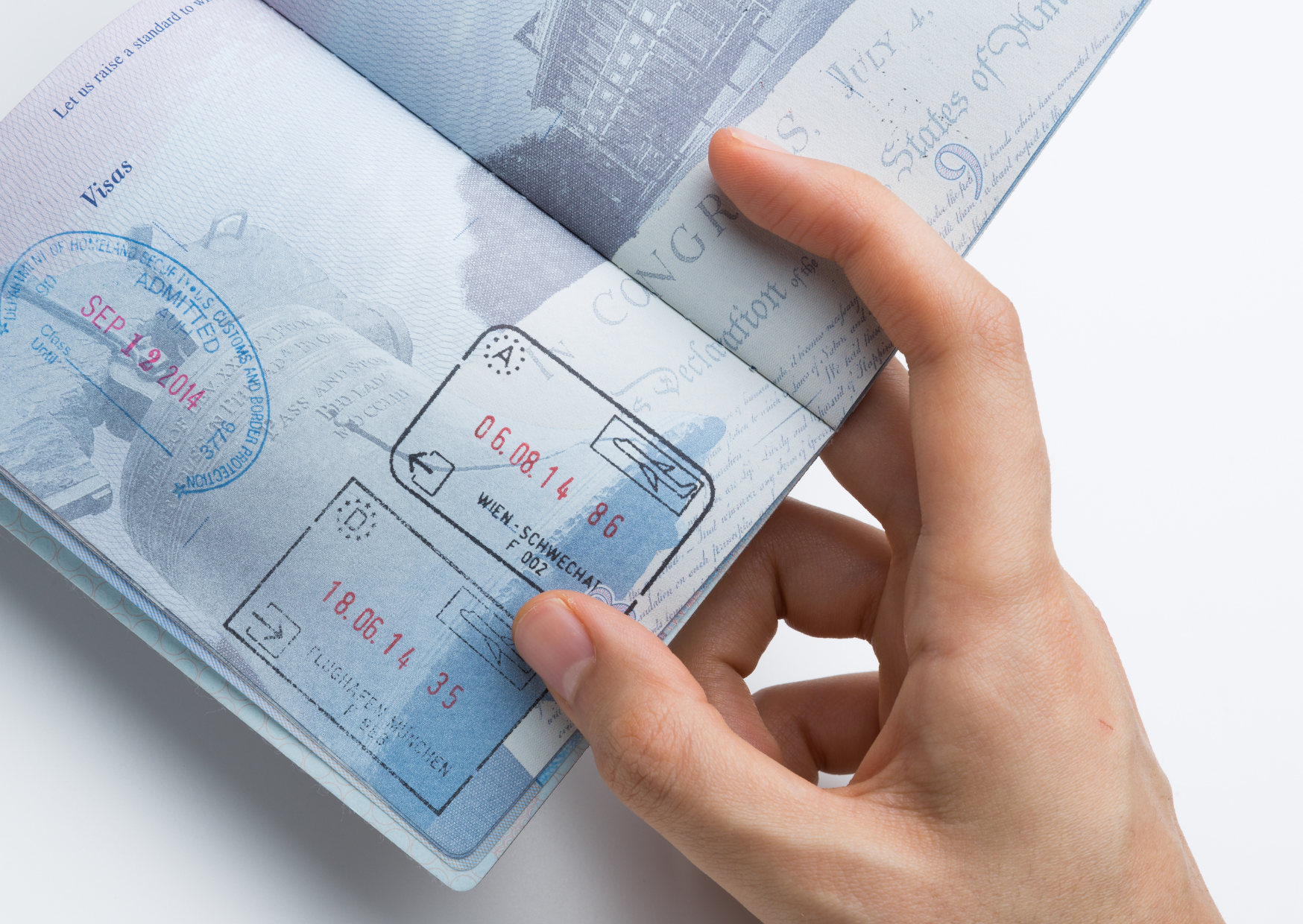
Stamps are not illegal during the transition. In some lines they will appear. The problem is not the stamp. The problem is a stamp that does not match the EES record. Three situations create mismatches most often, and they all lead to manual review.
First, no EES entry, but you have an ink stamp. If a border point stamps you out of habit but fails to complete an EES transaction, your passport looks fine and the system looks empty. On your next crossing, the officer sees a missing entry or a missing exit and will treat your case as an anomaly. Manual checks, questions, and potential denial of boarding can follow. Ink without an electronic twin is suspicious.
Second, internal stamps. If you are ever stamped on a Schengen to Schengen flight, which should not happen under normal circumstances, the database will have no external border crossing to pair that ink with. That creates a second anomaly. In a world where the ledger is authoritative, an internal stamp reads like noise. A stamp in the wrong place is worse than no stamp.
Third, passport renewal mid trip. If you enter with one booklet and exit with a newly issued passport, the officer needs to link your records. If they do not, your old passport may show a neat entry stamp, your new passport shows a neat exit stamp, and EES holds only one of those. Carry both booklets, ask the officer to link them, and keep boarding passes that prove your timeline during the transition. Unlinked documents create gaps in EES.
The common thread is simple. Stamps do not protect you anymore. They can cause their own brand of trouble if they tell a story the database does not recognize. Treat any stamp you receive after mid October as decorative, not decisive.
4) Where Problems Will Spike First
Bottlenecks will appear in two categories of places, very busy hubs and newly onboarded posts. Busy hubs will enroll huge numbers of travelers in the first weeks. That means lines and learning curves, but it also means plenty of staff and clear procedures. Newly onboarded posts will have fewer staff and mixed equipment during the progressive phase, which runs through early April 2026. In both settings, plan more time, especially on October and November weekends. Queues are not personal, they are mechanical.
There is a special wrinkle at juxtaposed controls where Schengen border checks happen on non Schengen soil, like Dover, the Eurotunnel terminal, and Eurostar stations. These posts will also enroll travelers into EES and will be sensitive to mismatches because they are processing high volumes with strict space limits. If you are a frequent user of these routes, build extra margin into your schedule for the first few trips after launch. Small spaces plus new systems equal delays.
Finally, land borders in countries with heavy road or rail traffic will feel the change differently than airports. Systems will be ready, but the human factor is real. If you tend to cross by car or train, keep your itinerary proof handy in case a manual check is requested during the first months. Land posts will catch up, they always do, but early days favor patience.
5) The 90 In 180 Rule Moves From Guesswork To Arithmetic
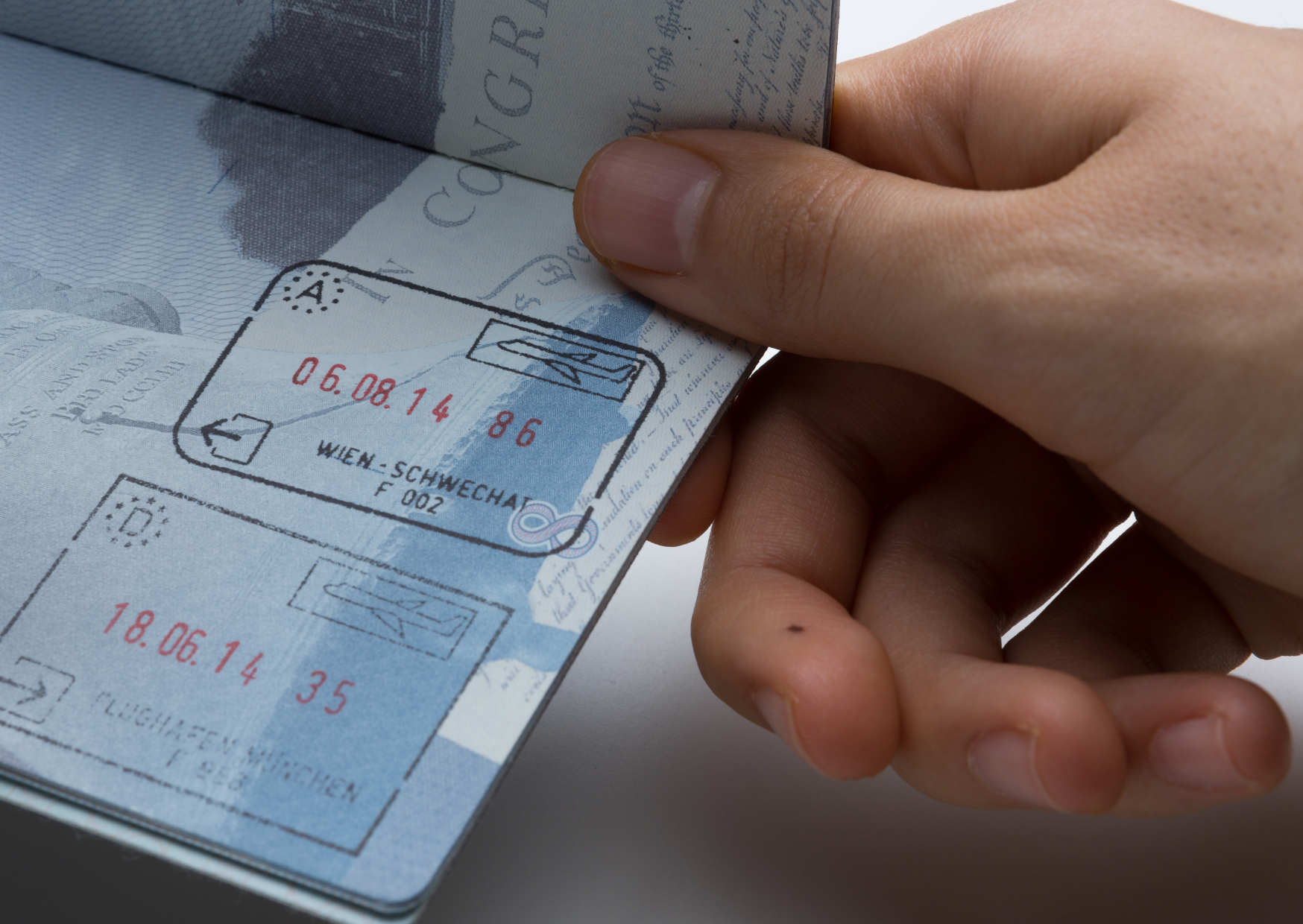
The most important outcome of EES for visa exempt travelers is that the ninety days in one hundred eighty rule moves from a manual calculation to an automated one. If you have relied on border stamps to reconstruct your days, that habit ends. EES tracks your entries and exits across Schengen and computes your allowance in the background. Border staff see the same count wherever you show up. Your allowance becomes a shared number, not a personal spreadsheet.
This is where the stamp nostalgia becomes dangerous. Some travelers have historically managed their stays with carefully timed hops, using stamp sequences as their defense. Once EES shows a clean sequence that exceeds ninety in one hundred eighty, a fresh stamp will not rescue you. The officer will act on the database. You can show old booklets and colored highlights. The ledger wins. Plan to the database, not to the ink.
If you want to keep your life simple, adopt a conservative rhythm, for example sixty to seventy days in one hundred eighty, or convert to a long stay visa in the country you love. The EES change does not remove ways to spend more time in Europe. It removes sloppy math and creative stamping. Clarity replaces improvisation.
6) Who Is In, Who Is Out, What Counts As Schengen
EES applies to Schengen’s external borders, which in practice means most EU states plus Iceland, Liechtenstein, Norway, and Switzerland. It does not apply to Ireland or Cyprus, which are not part of Schengen. If you route through Dublin on a transatlantic and connect to Madrid, your Schengen enrollment happens at Madrid, not Ireland. Expect the signposts to be obvious. Schengen external border equals EES check.
Member states will bring the system online progressively after October 12 and will stop stamping completely when the system is fully used by April 10, 2026. During that window, you may see stamps appear while EES enrollment still happens. This is the period that creates the false confidence. A traveler sees the stamp, assumes nothing has changed, and then gets flagged on exit or at the next entry because the ledger shows a different picture. Transition is not exemption.
If you ever struggle to identify whether you will cross an external Schengen border, look for these hints, passport control booths, not just gates, staffing by police or border guards, and signage that references EES and short stays. Airports and rail terminals will over communicate in the early months to keep lines moving. Follow the EES signs, not your stamp habits.
7) Five Scenarios Where A Post Launch Stamp Causes Pain

Let us make this concrete. These are the patterns that lead directly to problems, with the habit that prevents each one.
The stray internal stamp.
You flew Paris to Rome and someone stamped your passport by mistake. EES will have no external entry for that day. On your next exit, your file is flagged for manual review. Prevention, check your booklet on the spot and politely ask the officer if that stamp is necessary. If it is already there, make a note and keep the boarding pass that proves your last external entry date. Internal ink is noise, the ledger is signal.
The nostalgic kiosk stamp.
A small airport continues stamping as a courtesy, or as part of their old workflow, but fails to complete the EES step due to equipment or queue pressure. You leave with a fresh stamp and no EES record. Prevention, if an officer stamps but does not take biometrics or scan your document, ask them to confirm that your EES entry has been registered. Be polite and patient. Ask for the electronic confirmation, not the souvenir.
The renewed passport gap.
You entered with Passport A, renewed while abroad, and plan to exit with Passport B. The stamp in A and the exit in B will not reconcile unless the records are linked. Prevention, carry both booklets and ask explicitly for linking. Keep printed boarding passes in the same sleeve so you can show a clean chain if asked. Two booklets, one identity, one ledger.
The ninety day gambler.
You planned an extended stay that skims the ninety day limit, then you took a side trip to a non Schengen destination and reentered to “reset.” In the legacy world, stamps sometimes hid mistakes. In EES, the count will be airtight. Prevention, build a buffer or get a long stay visa from your favorite country. EES ends razor edge tourism math.
The exit that never recorded.
You drove out of Schengen at a small land post at night. A staff change or technical issue skipped your EES exit. On your next entry, the system shows an old entry with no exit and calculates an overstay. Prevention, save your toll receipts, fuel receipt, or ferry reservation from that border day, and keep them until your next successful entry stamps your electronic file cleanly. Keep exit proof during the transition.
8) Special Notes For Americans, Brits, And Other Frequent Visitors
Americans and other visa exempt travelers will feel the change as a one time enrollment followed by cleaner crossings. The most important shift is mental, assume the computer is right, and travel accordingly. If you are accustomed to saying, “but my passport shows,” retire that sentence now. Your best friend in a dispute is not the stamp, it is the EES confirmation and your own supporting documents, boarding passes, hotel invoices, and tickets that prove movement on certain dates. Paper supports the ledger, it no longer defines it.
Brits face the same EES rules as other non EU nationals. There is also a separate track of e gate access politics that do not remove EES obligations. You may use certain e gates once systems align and policy allows, but the EES enrollment and the ninety in one eighty logic still apply. The long story short, e gates are a convenience layer, not a substitute for EES. Convenience does not change compliance.
If you run ferries, Eurostar, or Eurotunnel often, plan for lines in October and November 2025 while equipment and staffing ramp. Operators are expanding space, but the physics of crowds will apply in the early months. Build an hour of margin into critical connections until queues stabilize. Time solves most first month problems.
9) The Clean Checklist For A Zero Drama Autumn And Winter
Use this as a quick reality check before you travel after launch.
- Use the same passport at exit that you used at entry. If you renewed, carry both and ask for linking. Keep your prior boarding pass. Link the identities.
- Plan extra time for your first post launch trip. Enrollment takes longer once. Work that time into your connection. First time is the slow time.
- Ask kindly for EES confirmation if you only see a stamp. Do not argue, simply confirm that your entry was captured electronically. Ledger, not ink.
- Track your stays to the conservative side. Until you have a few successful crossings, leave a buffer under ninety in one eighty. Give EES nothing to flag.
- Save proofs of movement during the transition. Keep boarding passes, ferry bookings, toll receipts, especially for land exits. Paper backs up the database if something misfires.
- Expect lines at high traffic and juxtaposed controls. Dover, Eurostar terminals, and major hubs will be busy at first. Padding your schedule is smart.
10) Answering The Three Most Common Misconceptions
“If an officer stamps me, I am fine.”
Not anymore. Stamps may appear during the progressive phase, but the official record is the EES entry. Officers will trust the ledger when stamp and system disagree. The system is sovereign.
“Only airports matter, land borders will ignore this.”
EES applies to all external border crossing points, air, sea, land. Some land posts will need more time to settle, but the obligation and the record are the same. Every external crossing is in scope.
“This is only for EU countries.”
EES covers Schengen, which includes non EU countries like Norway, Iceland, Liechtenstein, and Switzerland, and excludes EU countries not in Schengen, like Ireland and Cyprus. Schengen, not EU flag, defines coverage.
11) What To Do If The System And Your Reality Disagree
Glitches will happen. If your entry did not register correctly and you only realize it later, you cannot retroactively fix EES yourself. What you can do is bring strong contemporaneous proof to your next crossing, boarding passes, hotel invoices with check in and check out dates, ferry bookings, or toll receipts that place you outside Schengen on a certain day. Present them calmly and ask the officer to review your movement history against the evidence. In many cases, that is enough for a supervisor to clear the flag and correct your case. Evidence eases exceptions.
If you are denied boarding by a carrier because their system shows an overstay, escalate immediately to the airline’s immigration help desk at the airport. Carriers use internal tools that mirror government systems, and rare mismatches can be resolved the same day when you provide clear documents. Ask the agent to annotate your Passenger Name Record after resolution so the fix follows your booking. Escalate with documents, not volume.
In the very unlikely event you are refused entry at a Schengen border, you will receive a written notice. Keep it. It will specify the legal basis and the facts. If the refusal hinges on a missing entry or exit in EES that you can disprove with solid evidence, consult counsel and prepare a short, ordered dossier that includes your travel proofs. The goal is to get the record corrected so future crossings do not repeat the refusal. Paper trails repair digital trails.
The Bottom Line You Can Act On Today
After October 12, 2025, your life gets simpler if you treat EES as the only version of the truth. If you receive a stamp after October 15, enjoy it visually but never rely on it. If it conflicts with the ledger, the ledger wins. That is why a post launch stamp can guarantee problems, not because stamps are banned, but because a mismatched stamp invites scrutiny and slows you down.
The fix is not complicated. Travel with linked passports if you renewed, keep your proofs during the transition, and plan a buffer under ninety in one eighty until the new habit is second nature. Assume the computer is right, and give it nothing to question.
The shift toward streamlined digital border control systems has made travel faster in many ways, but it has also introduced new layers of complexity. The concerns surrounding passport stamps issued after October 15, 2025 show how even small administrative changes can create anxiety for travelers who want to avoid delays or misunderstandings. Staying informed is the most reliable way to navigate evolving travel rules with confidence.
Understanding why certain stamps may raise red flags can help travelers protect themselves from unintended complications. By paying attention to policy updates, keeping thorough documentation, and double-checking entries, travelers can reduce the risk of being flagged unnecessarily. In a world where procedures evolve quickly, proactive awareness is one of the best tools available.
Ultimately, these developments highlight an important reality of modern travel: the systems designed to keep borders secure are constantly changing. While this can lead to confusion, it also encourages travelers to be more mindful and engaged with the rules that govern international movement. With preparation and awareness, navigating these changes becomes far more manageable, allowing travelers to focus on enjoying the journey rather than worrying about administrative surprises.

About the Author: Ruben, co-founder of Gamintraveler.com since 2014, is a seasoned traveler from Spain who has explored over 100 countries since 2009. Known for his extensive travel adventures across South America, Europe, the US, Australia, New Zealand, Asia, and Africa, Ruben combines his passion for adventurous yet sustainable living with his love for cycling, highlighted by his remarkable 5-month bicycle journey from Spain to Norway. He currently resides in Spain, where he continues sharing his travel experiences with his partner, Rachel, and their son, Han.