
From pineapple toppings to ranch dipping, pizza has gone through all sorts of transformations around the world. But how much of what you’re eating is actually “Italian”? Spoiler alert: Many beloved pizza customs simply don’t exist in Italy. Here are the top myths, plus how to spot (and savor) the real Italian pies.
Pizza is one of the world’s most beloved foods—but how much of what we eat actually resembles real Italian pizza? For many, pizza means a thick crust, mountains of cheese, and a dozen toppings. But in Italy, it’s a much simpler, more refined affair. What we often accept as “pizza” abroad is frequently a far cry from the traditional pies served in Naples or Rome.
The confusion stems from decades of adaptations, fast food commercialization, and culinary fusion. While none of these evolutions are inherently bad, they’ve helped blur the line between authentic and imitation. In this guide, we’re cutting through the mozzarella to reveal what truly defines an Italian pizza, and how the fake versions came to dominate menus across the globe.
Whether you’re a food purist or someone who loves a deep-dish loaded with extras, understanding the roots of real Italian pizza and how to make both the traditional and the modern versions will change the way you think about this global staple.
Want More Food Myth-Busting?
– 10 ‘Italian’ Dishes Italians Never Actually Eat—And How to Spot the Fakes
– Why Europeans Never Order These 13 Menu Items (And What to Do Instead)
– 7 Surprising Ways Europeans Skip the Fridge and Still Eat Fresh
– Best Travel Insurance for Short and Long Term Stays
Quick Easy Tips
Use the right flour for the style you want: Italian pizza benefits from high-protein Tipo 00, while American styles often thrive with all-purpose or bread flour. Controlling hydration and kneading time will also determine whether your crust turns out airy, chewy, or crisp. A simple shift in flour type can completely transform your results without changing your recipe.
Mastering heat is the fastest way to improve any pizza. Italian-style pies rely on extremely high temperatures, often above what a home oven can reach, so a preheated pizza stone or steel is essential. For American-style pizza, baking a bit longer at slightly lower heat helps develop a thicker, more structured crust. Understanding how temperature affects texture will elevate your pizzas instantly.
Finally, focus on balance. Whether you prefer the minimalism of Italian pies or the bold flavors of American ones, make sure your sauce, cheese, and toppings complement each other. Too much sauce results in a soggy center, while too much cheese becomes greasy. Keeping proportions in check ensures every bite has the right harmony of flavor and texture.
Many travelers discover that Italian pizza and American-style pizza are almost unrelated dishes, yet both spark intense debate over which version is superior. The controversy often begins with the assumption that there is only one “real” Italian pizza, when in fact Italy alone has dozens of regional styles. Naples, Rome, Sicily, and northern regions all produce remarkably different pies, making the idea of one authentic standard far more complicated than most people assume.
Another heated point of disagreement revolves around ingredients. Italians insist that simplicity is the foundation of good pizza, while many Americans love piling on bold toppings, thick sauces, and creative combinations. This clash leads to endless arguments about what counts as authentic and what counts as culinary rebellion. The truth is that both traditions are rooted in local culture and available produce, which means the debate often overlooks the context that shaped each style.
Finally, the biggest misconception is the belief that American pizza is somehow a “wrong” interpretation. In reality, American pizza evolved from Italian immigrant traditions mixed with regional preferences, access to different flours, and innovations in baking techniques. What some consider inauthentic is actually a cultural adaptation with its own history. Understanding these differences removes the judgment and reveals that each style has its own legitimacy when prepared with care.
How to Eat It
Real Italian pizza is all about balance and simplicity. A Neapolitan pizza is best eaten with a fork and knife, straight out of a wood-fired oven, with a chewy, charred crust and minimal toppings like fresh tomato, mozzarella di bufala, olive oil, and basil. It’s not a greasy grab-and-go slice it’s a sit-down, savor-each-bite experience.
On the flip side, American-style pizzas are made to be handheld, indulgent, and often shared in groups. Chicago deep dish or New York slices can be devoured on the go, dipped in sauces, or topped with everything from pineapple to pepperoni. There’s no wrong way to eat it but the experience is totally different depending on which “pizza truth” you subscribe to.
How to Partner It
If you’re making authentic Italian pizza, pair it with a light Italian red wine like Chianti, or even a sparkling Lambrusco. For sides, think antipasti: olives, cured meats, and maybe a light salad. A pizza this refined doesn’t need a dozen distractions on the table.
For modern, non-Italian versions, beer is often the drink of choice something cold and hoppy to balance the richness. Garlic knots, wings, or cheesy breadsticks are common companions in the “fake” pizza universe. The sides and drinks you choose should match the style of pizza you’re serving refined or fun, light or loaded.
Here’s where things get heated. Many Italians consider heavily Americanized pizza an abomination too thick, too cheesy, too messy. Pineapple? Absolutely not. Stuffed crust? Borderline offensive. In Italy, less is more, and the dough, sauce, and mozzarella must shine without distraction.
On the flip side, some argue that food naturally evolves with culture. Italian immigrants in the U.S. created what we now call “New York pizza” out of necessity and local ingredients. Over time, creativity and demand pushed boundaries. It’s not “wrong,” just different. But for culinary purists, calling it “Italian” is misleading.
The cultural tug-of-war between authentic and adapted versions brings up a bigger question: who decides what food is “real”? Tradition has its place, but innovation does too. Perhaps the most important thing is transparency knowing what you’re eating, where it comes from, and why it tastes the way it does.
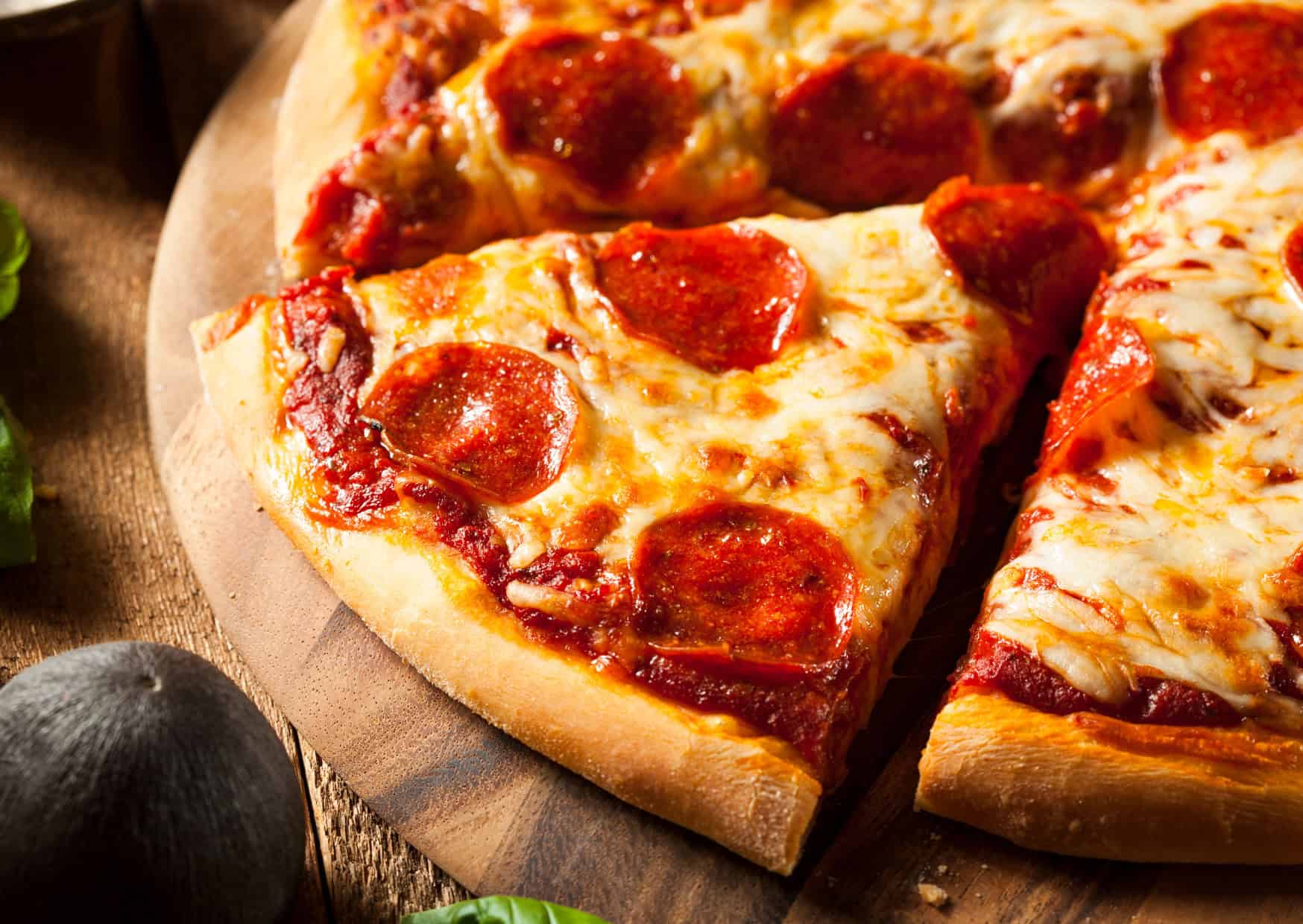
1. Myth: Pepperoni Pizza Is Universal
What Tourists Think
- “Pepperoni pizza” is a standard item on every Italian menu, featuring spicy, red-cupped meat slices.
What Italians Actually Do
- In Italy, peperoni means bell peppers. If you order “pizza peperoni,” you’ll get peppers—not spicy salami.
- The closest Italian equivalent is pizza diavola, topped with spicy salame piccante.
Why It’s “Fake Italian”
- “Pepperoni” as Americans know it is a sausage closer to spicy salame. Italians don’t call it “pepperoni,” so if you see that spelling on a menu in Italy, it’s likely catering to tourists.
Pro Tip
- Order pizza diavola if you want a spicy salami kick. Expect a more intense, less sweet flavor than classic American pepperoni.
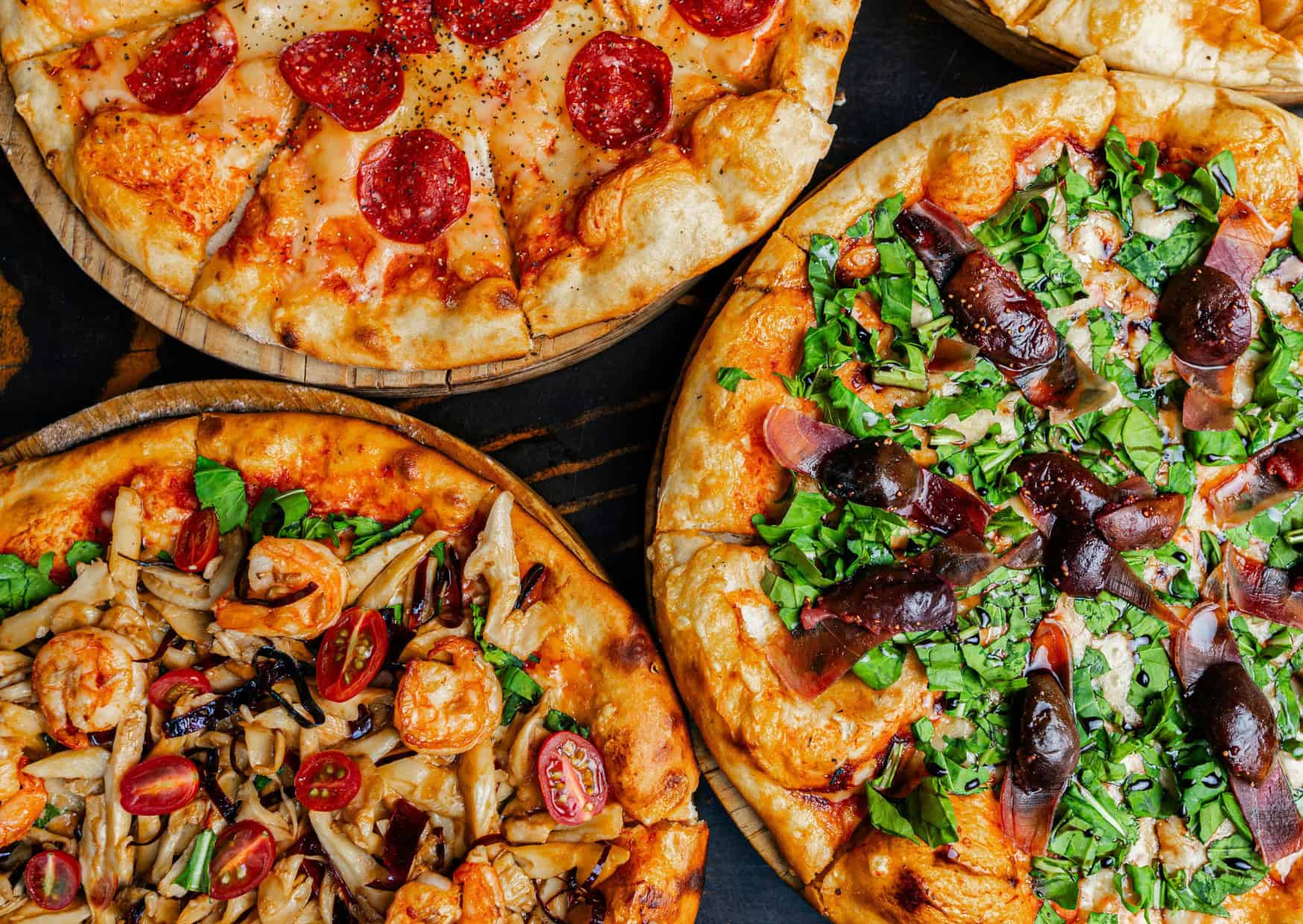
2. Myth: Pile on the Toppings for “Real” Italian Flavor
What Tourists Think
- The more toppings, the better—pizzas loaded with chicken, multiple cheeses, veggies, and sauces are “authentic.”
What Italians Actually Do
- Italians lean toward fewer, high-quality ingredients: a simple base of tomato, mozzarella, olive oil, and maybe a couple of extras (basil, fresh tomatoes, cured meats).
- Specialty pizzas might include margherita, marinara, or quattro formaggi—but rarely an “everything but the kitchen sink” approach.
Why It’s “Fake Italian”
- Overloading a pizza can swamp the crust, muddle flavors, and stray far from the crisp, balanced pies Italians crave.
Pro Tip
- Less is more! Try a margherita (tomato, mozzarella, basil). If you want variety, opt for a second simple pizza to share, not 15 toppings on one pie.
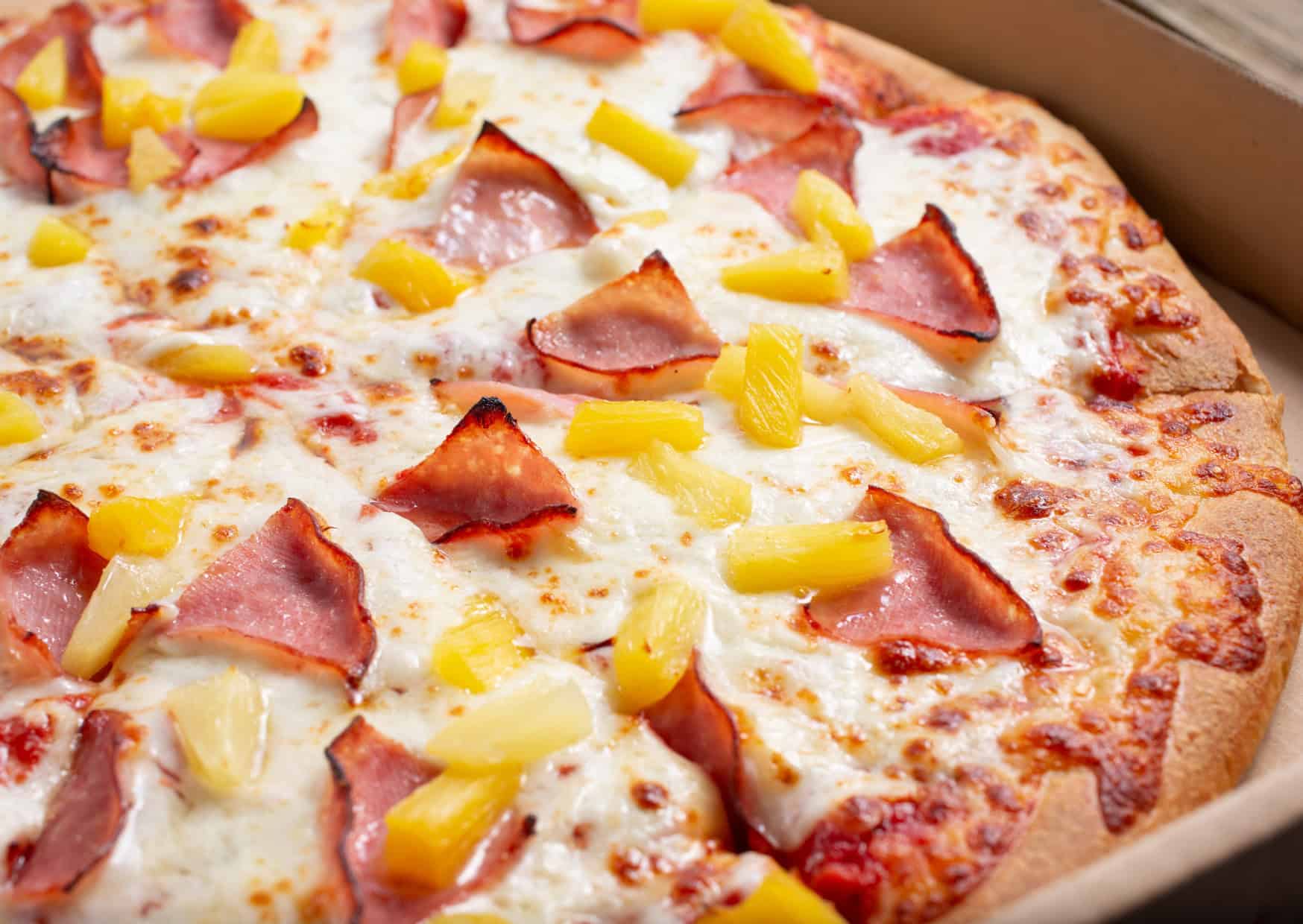
3. Myth: Pineapple on Pizza Is Normal in Italy
What Tourists Think
- Hawaiian pizza (pineapple + ham) is a fun tropical twist that Italians must enjoy too, right?
What Italians Actually Do
- Pineapple on pizza is generally a no-go in Italy. Most Italians recoil at the idea of sweet, juicy fruit mingling with tomato sauce and cheese.
- You might find “exotic” variants in tourist-heavy spots, but locals often consider it culinary blasphemy.
Why It’s “Fake Italian”
- This creation has North American roots. Italy’s traditional combos revolve around salty, savory, or earthy flavors—rarely sweet, especially not pineapple.
Pro Tip
- If you love pineapple, go for it! Just know that in Italy, ordering it might spark raised eyebrows—and possibly a debate about food “sacrilege.”
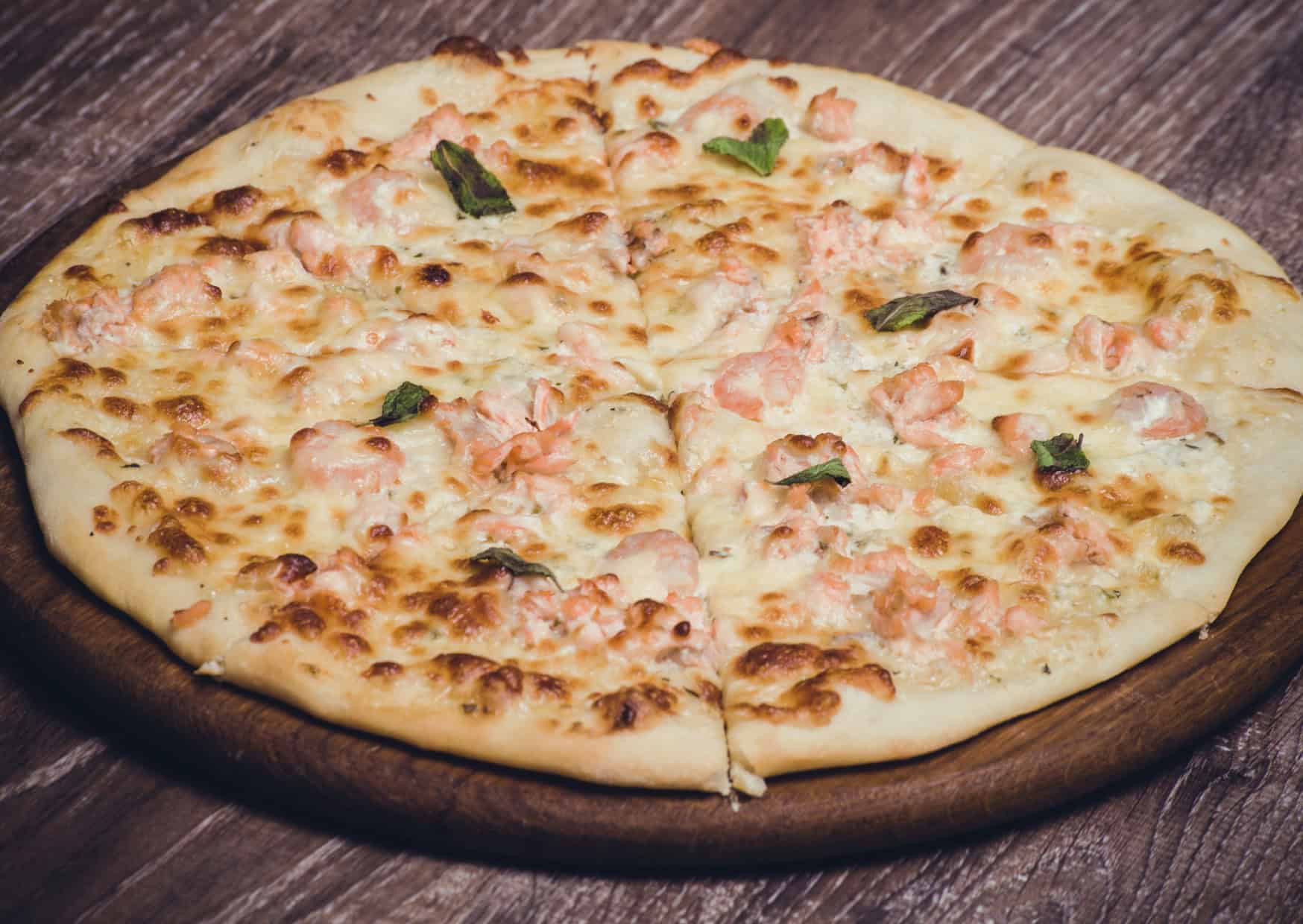
4. Myth: Creamy Sauces = True Italian White Pizza
What Tourists Think
- “Alfredo pizza,” or a pie drenched in creamy sauce, is a legitimate Italian staple.
What Italians Actually Do
- White pizzas (pizze bianche) in Italy skip tomato sauce but don’t rely on heavy creams. Instead, they might use olive oil, mozzarella, ricotta, or other soft cheeses—lightly, to keep the crust crisp.
- The result is a subtle, balanced flavor, not a flood of cream.
Why It’s “Fake Italian”
- Cream-based “white sauce” pizzas are generally an American or global chain invention. Italian pizza bianca is about minimalism—oil, herbs, fine cheeses—not thick, garlicky cream.
Pro Tip
- Order a pizza bianca with mozzarella, fresh mushrooms, or sausage if you crave a sauce-free pie. You’ll taste the difference in freshness and texture.
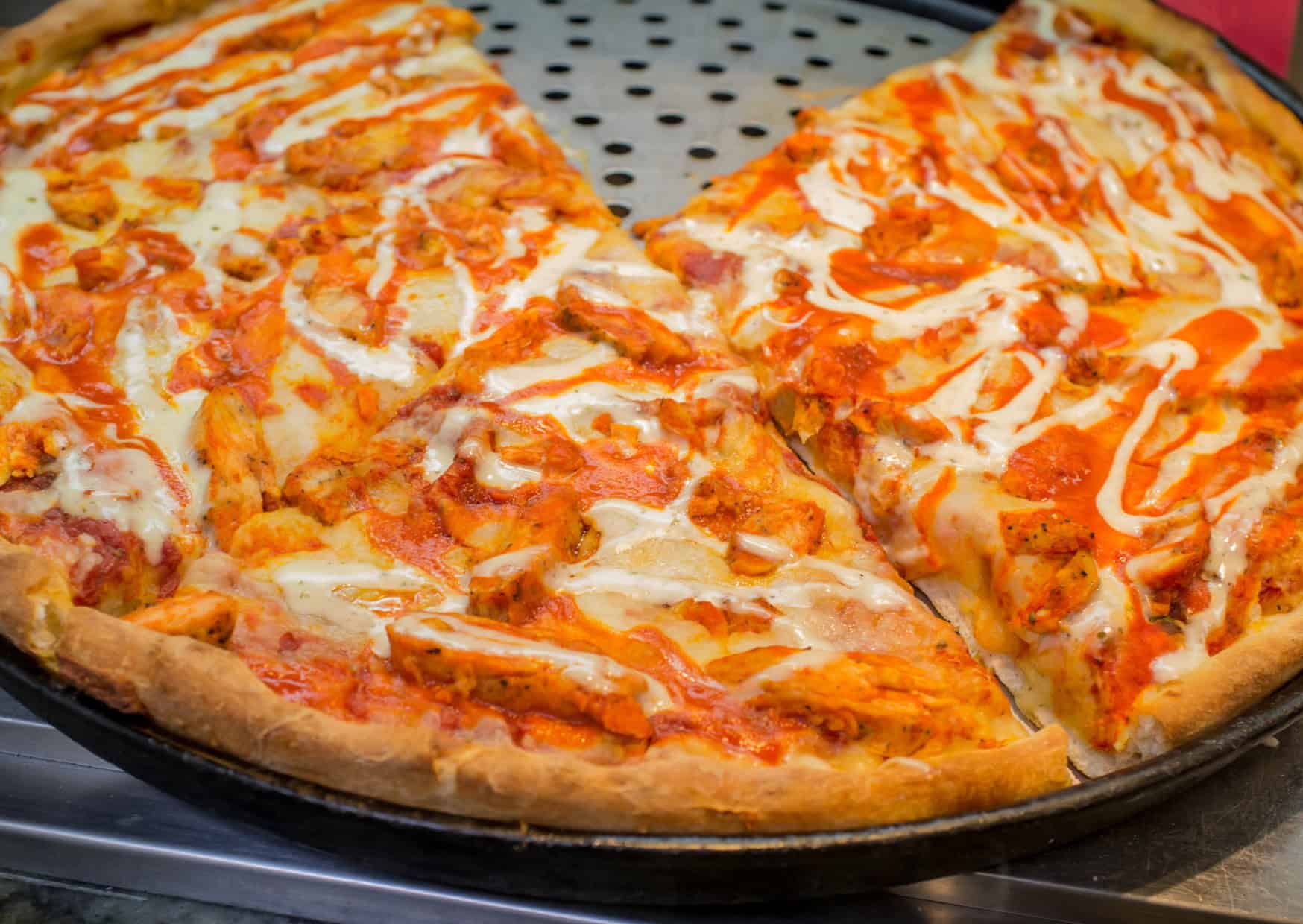
5. Myth: Ranch Dressing or Other Dips Go with Pizza
What Tourists Think
- You dip your pizza crust in ranch, marinara, or garlic butter for that extra flavor boost.
What Italians Actually Do
- Italians rarely dip pizza in anything. The sauce and toppings are meant to complement the crust as is—no external dips required.
- At most, they might drizzle a bit of olive oil or sprinkle chili flakes for a spicier kick.
Why It’s “Fake Italian”
- Americans popularized the dipping habit (thank you, pizza chains). Italians see it as superfluous—and possibly an insult to the pizzaiolo’s craft.
Pro Tip
- Save your dips for fries or veggies. If you need extra flavor, ask for chili oil (olio piccante) or top with a bit of fresh arugula.
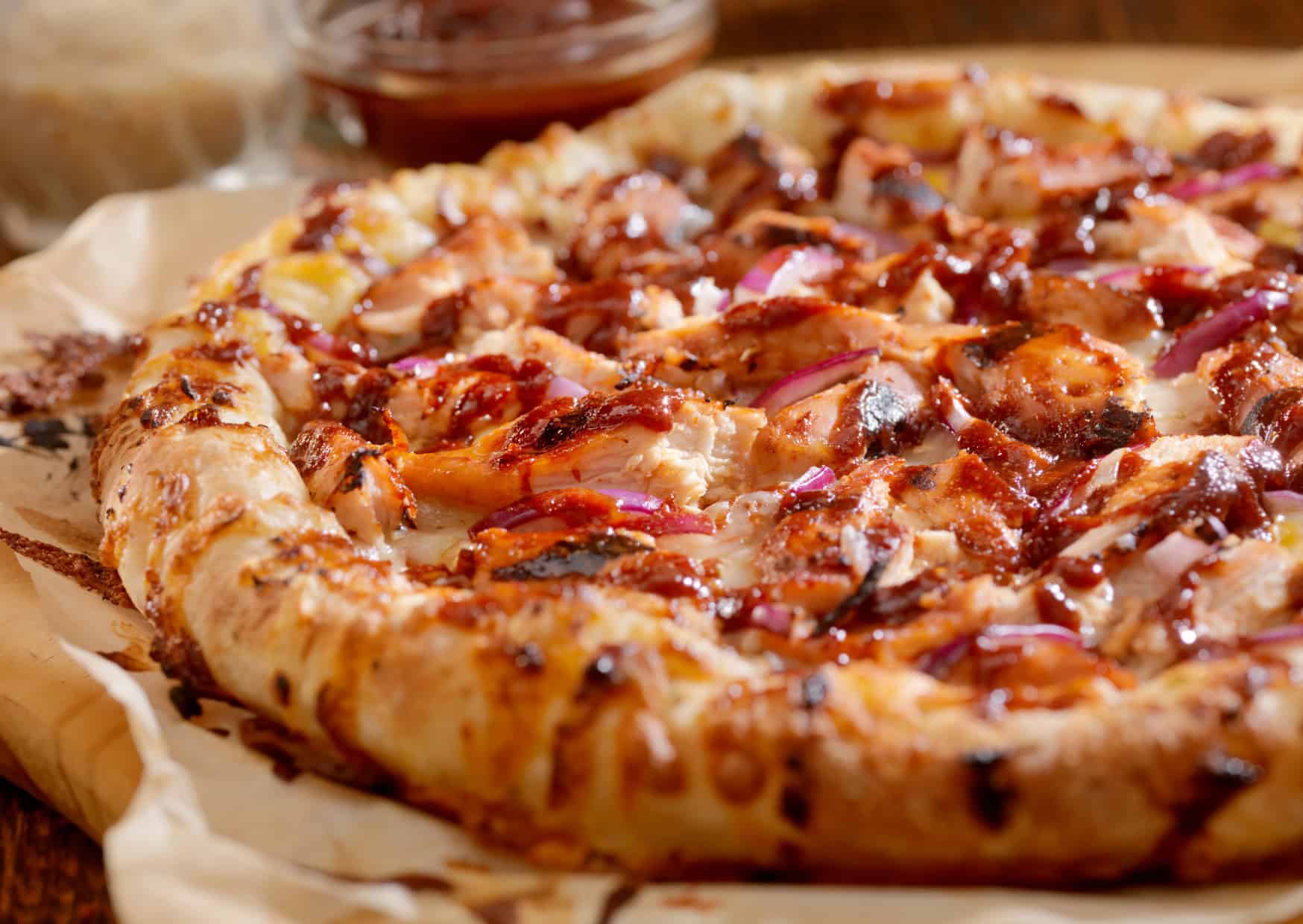
6. Myth: Italians Use Chicken as a Common Pizza Topping
What Tourists Think
- “Chicken alfredo pizza,” “BBQ chicken pizza,” or “buffalo chicken pizza” must be on every menu in Italy.
What Italians Actually Do
- Chicken rarely meets pizza in Italian cuisine. If poultry is used, it’s usually a separate dish.
- Traditional proteins are more likely to be prosciutto, pancetta, anchovies, or local sausage.
Why It’s “Fake Italian”
- Chicken on pizza is a distinctly North American preference. Italians typically reserve chicken for secondi (main courses)—not as a topping for their beloved pies.
Pro Tip
- If you’re in Italy, skip the chicken pizza. Opt for classics like prosciutto e funghi (ham and mushrooms) or salsiccia e friarielli (sausage and rapini) for an authentic meaty twist.
7. Myth: Pizza Has to Be Huge, Thick-Crusted, and Sold by the Slice

What Tourists Think
- Pizza = giant slices, thick, bready crust, and extra cheese dripping off the edges.
What Italians Actually Do
- Pizzas in Italian pizzerias are usually individual-sized, thin-crust, and made to order.
- Yes, you can find Roman street pizza (pizza al taglio) sold by weight or slice, but it’s still typically thinner than many American versions.
Why It’s “Fake Italian”
- The iconic huge slice is more in line with New York or Chicago-style pizza. Italians prefer the airy, crispy base that highlights sauce and toppings without overshadowing them.
Pro Tip
- If you want a single slice on the go, try pizza al taglio in Rome or Naples—freshly cut from a rectangular tray. Otherwise, a whole round, thin-crust pizza at a sit-down pizzeria is standard.
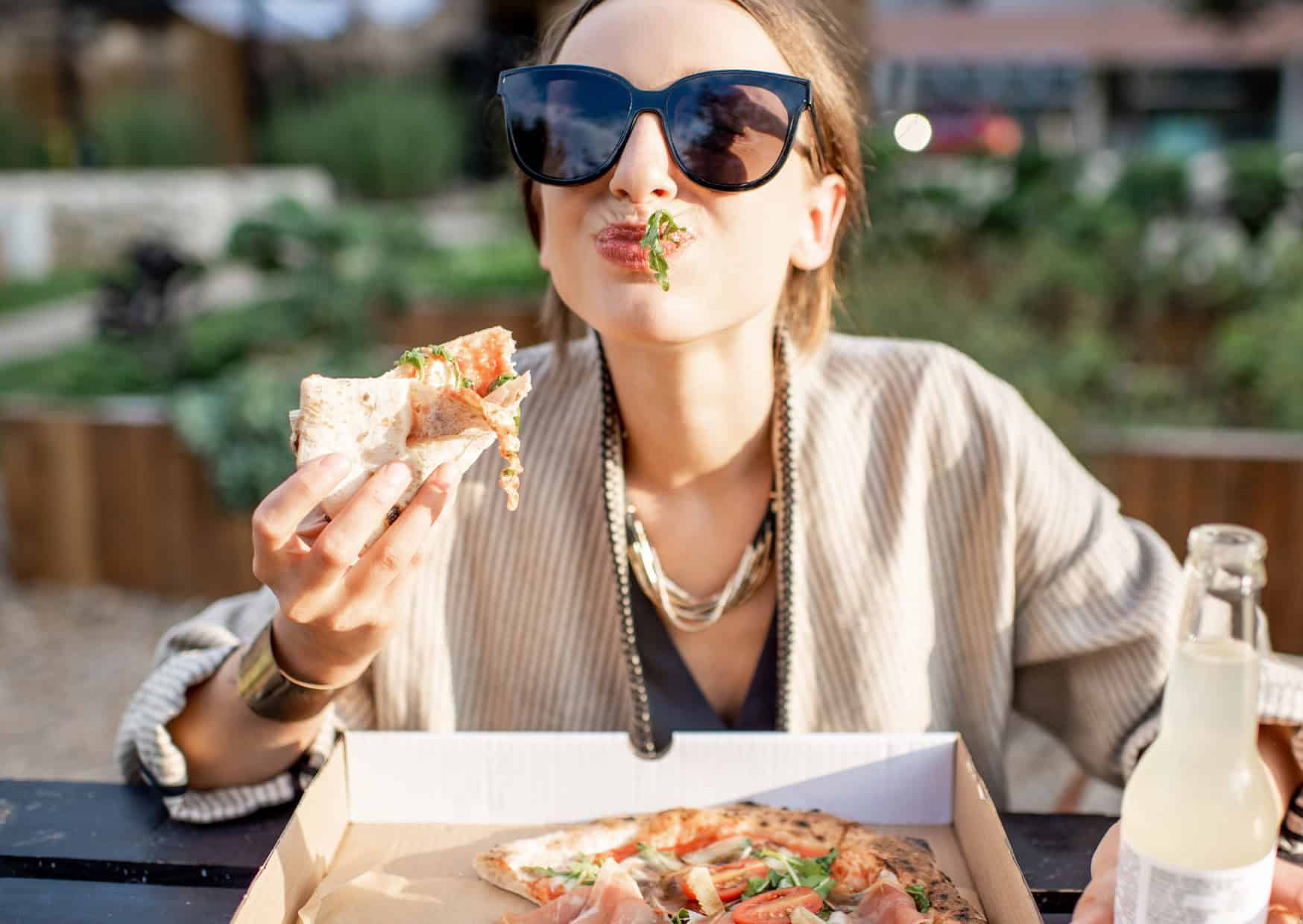
8. Myth: All Italians Fold Their Pizza “New York Style”
What Tourists Think
- You must fold a slice in half to eat pizza “the Italian way.”
What Italians Actually Do
- Italians often use a knife and fork initially—especially for piping hot pizza—then switch to holding slices when it’s cooler. Folding is optional, not a strict rule.
- In casual settings, you might see some folds, but plenty of Italians just cut small bites or gently hold a slice without folding it fully.
Why It’s “Fake Italian”
- The idea that everyone in Italy folds their pizza is more of a New York adaptation. Italians vary: some fold, some cut, some do a mix of both.
Pro Tip
- Eat it how you like, but if you’re in a traditional pizzeria, watch the locals. They might start with utensils, then pick up slices once it’s not lava-hot.
The Bottom Line
If you love overloaded pizza or pineapple toppings, there’s no shame taste is personal. Just don’t assume that’s what you’ll find in a real Italian pizzeria. In Italy, pizza culture is about simple, high-quality ingredients, thin crusts, and respect for centuries of tradition. It’s about letting the dough, sauce, and a few choice toppings shine without drowning in cheese or sauce.
Authentic pizza is not defined by strict rules but by intention. When you understand why certain techniques matter, you gain the freedom to create pizzas that honor tradition while still fitting your personal preferences. Both Italian and American styles have deep culinary roots, and both deserve appreciation for what they bring to the table.
Learning to make great pizza at home allows you to explore these differences firsthand. Instead of arguing over which version is correct, you gain insight into how unique each style truly is. This shift transforms pizza from a debate into an enjoyable culinary experience that reflects your creativity.
In the end, the best pizza is the one made with care, quality ingredients, and an understanding of what makes each style special. Once you embrace the variety of techniques and traditions, you may discover that the real joy of pizza lies not in choosing sides but in mastering them all.
Pro Tip
When traveling in Italy, ask locals for pizzeria recommendations and go with an open mind. Try a simple margherita or marinara first. You may discover that minimalism often yields the most incredible flavors. Buon appetito!

About the Author: Ruben, co-founder of Gamintraveler.com since 2014, is a seasoned traveler from Spain who has explored over 100 countries since 2009. Known for his extensive travel adventures across South America, Europe, the US, Australia, New Zealand, Asia, and Africa, Ruben combines his passion for adventurous yet sustainable living with his love for cycling, highlighted by his remarkable 5-month bicycle journey from Spain to Norway. He currently resides in Spain, where he continues sharing his travel experiences with his partner, Rachel, and their son, Han.