
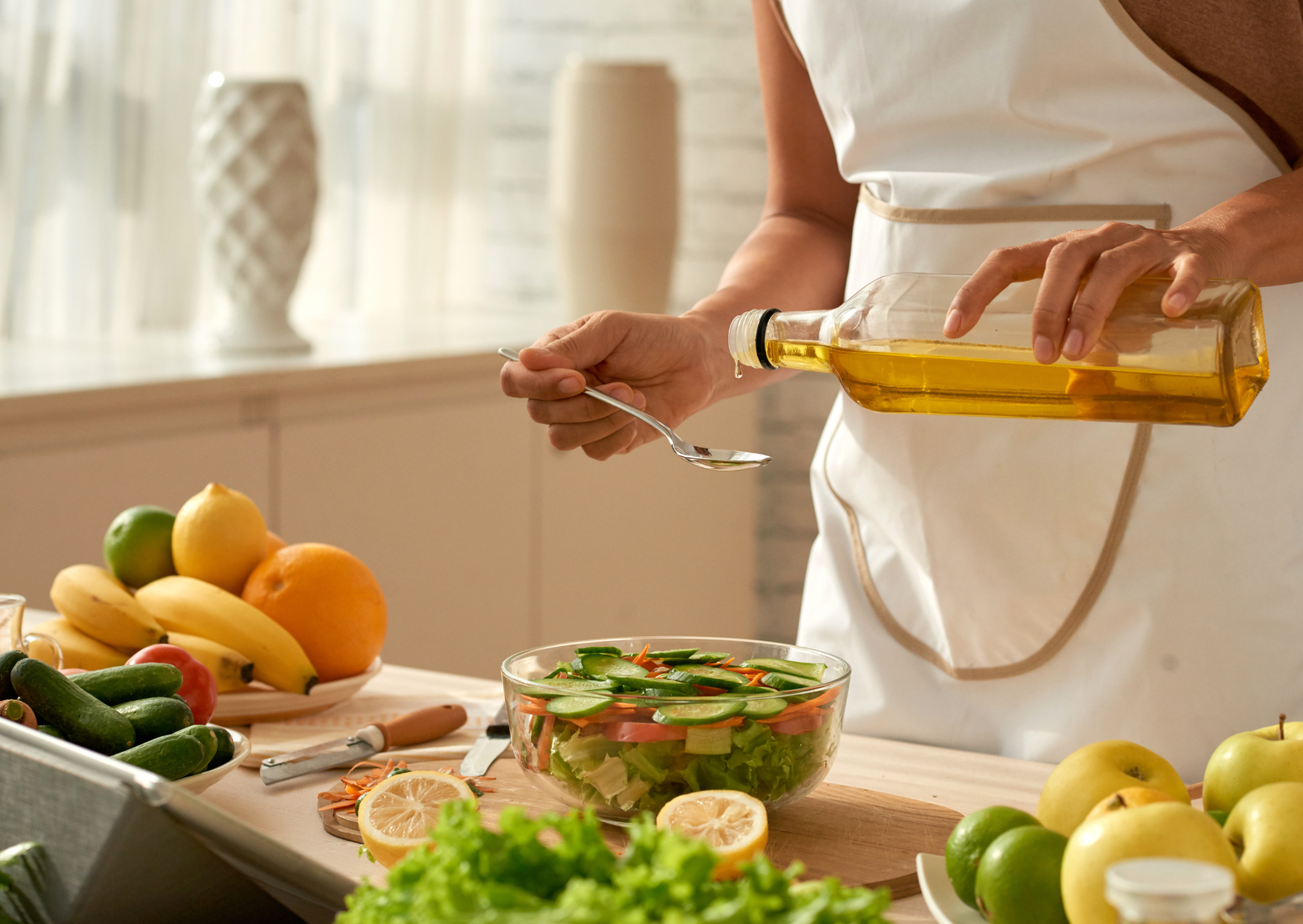
So here is the part I did not expect. I did not change my entire diet. I did not count anything. I only changed the fat in my pan and on my salad for two months. Every bottle lived up to EU standards you actually find on shelves in Spain and Italy, not health blog inventions. At the end, my labs shifted in a way my doctor in Valencia called “boringly excellent.” High-sensitivity CRP fell from 3.7 mg/L to 2.2 mg/L. Triglycerides slid from 168 mg/dL to 124 mg/dL. Morning blood pressure eased by 6 points systolic. Maybe those numbers look small on paper. In a human week, the change felt bigger. My joints stopped talking after long walks and my stomach stopped staging protests after dinner.
I live in Spain with a Filipino-Spanish family, so olive oil is not an Instagram prop. It sits out like salt. What I did here was stricter than our normal. I cooked only with oils that pass European rules without drama and that people actually use: extra virgin olive oil, cold-pressed rapeseed, high-oleic sunflower, and small amounts of walnut and flax for cold dishes. No “natural flavor” blends hiding soybean, no mystery “vegetable oil,” no deep-fry experiments, no aerosol sprays. The trick was not purity. The trick was consistency.
Where was I. Right. The rules, the bottles, the week, the math, and what changed by Day 60.
What “European-approved” actually meant in my kitchen
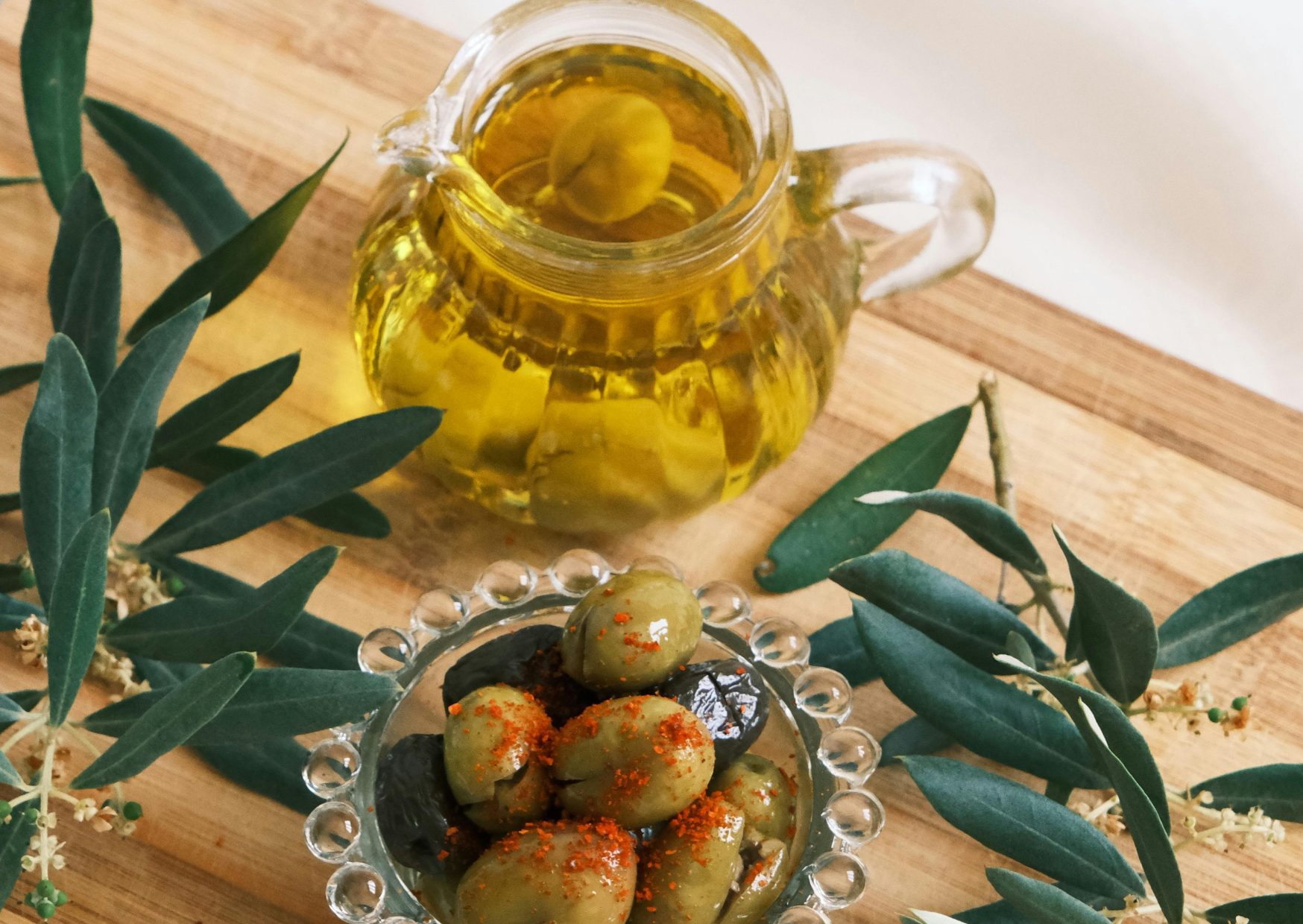
I am not pretending to be a regulator. I used oils that can sit on an ordinary EU shelf with their real names and that a Spanish grandmother would recognize without a pamphlet. That meant:
- Extra Virgin Olive Oil (EVOO) for almost everything hot or cold. Real fruit, first cold press, free acidity listed, harvest date if possible.
- Cold-pressed rapeseed oil for gentle sauté and mayo, clearly labeled virgen extra or first pressing.
- High-oleic sunflower oil for higher heat stir-fries and the rare oven roast above 210°C.
- Walnut and flaxseed oils only for cold use in salads and yogurt, stored in the fridge, finished within a month.
- Butter stayed in for flavor, but never as the only fat in a hot pan. I finished with butter, I cooked with oil.
- No generic “vegetable oil” bottles, no soybean, no corn, no cottonseed, and no mystery blends with flavorings.
Remember this bit inside the rule set: if the label could move to a Madrid shelf tomorrow without changing a word, it was in. If I would need to explain the logo to my neighbor, it was out.
The four rules that made the difference
Rule 1: Oil must taste like a plant, not like nothing.
EVOO tastes like grass, tomato vine, or almond skins depending on the bottle. Cold-pressed rapeseed tastes nutty. High-oleic sunflower tastes clean. The taste matter is not poetic. Flavor is a built-in brake on overeating and a sign that polyphenols and real molecules survived processing.
Rule 2: Heat discipline beats heroics.
I kept most cooking under a lively simmer or a calm sauté. When I needed higher heat for crisping potatoes or roasting cauliflower, I reached for high-oleic sunflower and still kept it sensible. Smoke is a failure, not a vibe.
Rule 3: Omega balance without spreadsheets.
I did two things only. EVOO all day, small daily walnuts or a drizzle of walnut oil, and tinned fish twice a week. That nudged the omega-6 to omega-3 pattern toward sanity without arguing on the internet. Tiny shifts compound.
Rule 4: Buy less and buy fresher.
One liter of good EVOO at a time. Dark glass, harvest within the last season, cap on, away from heat. Walnut and flax live in the fridge and die in a month because oxygen is rude. Fresh oil is calmer oil.
The shopping list that kept me honest
- EVOO from a cooperative in Jaén or Baena, 0.2–0.6 acidity, harvest on the label
- Cold-pressed rapeseed with a Spanish or French producer name I could pronounce
- High-oleic sunflower explicitly labeled alto oleico
- Walnut oil in a 250 ml dark bottle
- Flaxseed oil in a 250 ml dark bottle
- Sardines, mackerel, or anchovies in olive oil
- Plain yogurt, lemons, garlic, parsley for dressings
- Bread from a bakery because oil likes real bread
If the store tried to sell me an anonymous “Mediterranean blend,” I walked past it. Blends are where cheap oils hide.
The weekly rhythm that made compliance easy
Breakfast stayed small. Toast with EVOO and a pinch of salt, or yogurt with a teaspoon of walnut oil, chopped fruit, and a handful of walnuts. Coffee normal, not a milkshake.
Lunch was the anchor. Lentil soup finished with olive oil. Tomatoes and cucumbers with EVOO and lemon. Sardines on toast. Pasta tossed with chard, garlic, and EVOO that you can smell. Sometimes chicken thighs roasted with paprika and high-oleic sunflower for crisp skin.
Dinner stayed light and early. Vegetable soup with a ribbon of oil. Salad with rapeseed mayo I whisked once a week. Omelet with spinach, finished off the heat with a teaspoon of EVOO for perfume.
Remember: oil is not the event, it is the instrument. I kept portions honest by serving oil from a spoon, not the bottle.
The numbers, because I know you want them
I am not selling a miracle. I am selling boredom that works.
- hs-CRP: 3.7 mg/L before, 2.2 mg/L after 60 days. That is a 40 percent drop, still not athlete low, firmly out of the worry zone.
- Triglycerides: 168 to 124 mg/dL.
- HDL: 48 to 55 mg/dL.
- Morning blood pressure: 126/79 average to 120/76 on the same cuff, three mornings.
- Waist: down 2.5 cm, probably water and less snacking more than anything mystical.
Was it only the oils. No. But oils changed the way I cooked, which changed portions, which changed hunger, which changed late-night decisions. Calmer food equals calmer numbers.
Why this works without becoming a lecture
There is a lot of biochemistry you can cite. I am going to stay human. EVOO is cooked fruit juice that carries bitter molecules and antioxidants into food. Bitter molecules end meals earlier. Antioxidants tolerate gentle heat better than refined nothingness. High-oleic oils are built from more stable monounsaturated fat, so they do not break into drama as fast. Walnut and flax are cold use because their omega-3s are fragile. If you keep those three ideas in your hand, you can ignore a thousand angry threads.
Key idea inside the science: structure matters more than slogans. Monounsaturated fat handles heat better. Polyphenols survive and help. Heavy refining removes structure and turns oil into anonymous calories that crave a marketing story.
The swaps that made the biggest difference
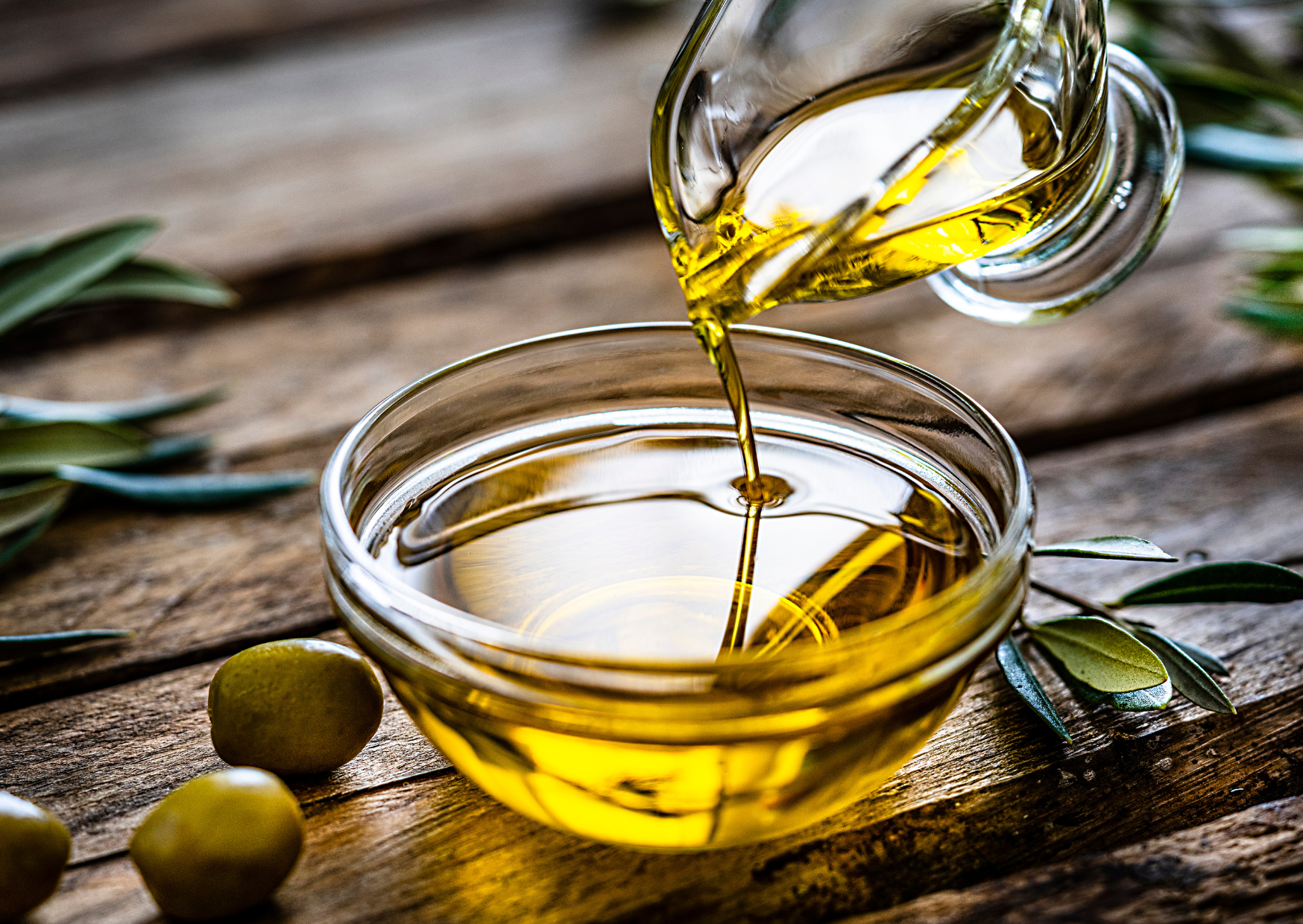
- Salad dressings: 3 parts EVOO, 1 part lemon juice or wine vinegar, salt, pepper, micro-grated garlic, chopped parsley. I stopped buying bottles with sugar and pitch meetings.
- Mayonnaise: 1 egg yolk, teaspoon mustard, pinch salt, cold-pressed rapeseed dripped in, lemon at the end. Takes four minutes. A jar lasts a week and tastes like food.
- Roasting: potatoes, carrots, cauliflower tossed with high-oleic sunflower, salt, and a whisper of paprika. Oven 210°C. Finish with parsley and a teaspoon of EVOO for perfume.
- Fish: sardines on toast with tomato and EVOO, or white fish baked with herbs and a drizzle.
- Pasta nights: more vegetables than pasta, oil in the pan, not drowning the bowl. Finish off heat with an extra spoon for shine.
Small rule: oil goes in the pan before cooking and on the plate after cooking, but rarely in the middle as panic.
The three places I nearly sabotaged the plan
Restaurant lunches
Olive oil in a Spanish restaurant is usually honest, but the kitchen still has a generic fryer. I stuck to grilled, braised, or stewed. Fryers are where good habits disappear.
Nut butters with mystery blends
One label looked perfect until the back listed “vegetable oils” as stabilizers. I put it back. Front labels are poetry. Back labels are minutes of your life.
Boredom shopping
I almost bought a “Mediterranean formula” that promised heart health and had a cute olive branch. Small print hid soybean and canola with “natural butter flavor.” Fine for some. Not for this experiment. Cute labels cost you clarity.
How it felt by week, not just on paper
Week 1 was new. Food tasted louder. Bread with oil felt like a real breakfast instead of a snack. I still reached for old sauces at night out of habit.
Week 2 was when the pans cooperated. EVOO behaved like a grown-up when I stopped overheating it. My appetite calmed at lunch and dinner felt optional on two nights.
Week 3 was the energy week. Morning walks felt cleaner. I was not thinking about snacks at 11:00. Heavy lunches made light dinners natural.
Week 4 was social. We hosted. I cooked chickpeas with tomato and chard, finished with peppery EVOO you could smell from the hall. Everyone ate quietly for a moment because it tasted like something, not like citrus perfume sprayed on emptiness.
Week 5 was the travel test. I ate in a roadside place with fried everything. It tasted like youth and regret. I noticed the difference the next day. One meal did not break the system.
Week 6 was the lab week. The numbers were calmer and my doctor looked bored, which is a compliment. I kept going because the food tasted better anyway.
Cost, because taste is not the only meter
This was not a luxury project.
- Good EVOO here runs 8 to 14 euros per liter if you buy cooperative bottles.
- Cold-pressed rapeseed hovers around 4 to 7 euros per liter.
- High-oleic sunflower sits near 3 to 5 euros per liter.
- Walnut and flax are 6 to 9 euros for small bottles that last a month.
Compared to takeout sauces and processed dressings, the monthly fat budget did not rise. It fell, because I cooked at home more and my food needed less help.
Remember: flavorful oil replaces products, not adds to them.
Objections I had and the answers that kept me moving
“I heard you should not cook with olive oil.”
You should not burn anything. EVOO at normal pan temperatures behaves better than many anonymous oils because it brings water and antioxidants to the party. If it smokes, the heat is wrong, not the bottle.
“Is rapeseed just canola with a nice accent.”
Cold-pressed rapeseed sold here tells you how it was made and who made it. Transparency is the useful difference. If you do not like the taste, skip it. EVOO can do almost everything.
“What if I need high heat.”
Use high-oleic sunflower for the few tasks that demand it. It is easy to find in Spain and Italy and it behaves. Most home cooking does not need a blast furnace.
“Flax and walnut taste intense.”
They are for cold use in small amounts. They are paint, not primer. If you hate them, eat a tin of sardines and call it a day on omega-3s.
The two-minute tests that prevent fake bottles
- Pour a spoon of EVOO. Smell it. If it smells like dust, it is dust. Good oil smells alive.
- Put a drop on your tongue. Bitterness and a peppery tickle are good signs. Flat sweetness is a red flag.
- Check the bottle. Dark glass, harvest date, producer name. If it reads like a novella of marketing and hides the year, skip it.
For walnut and flax, trust your nose and the date. If it smells like a crayon box, it is tired.
Where I changed my mind
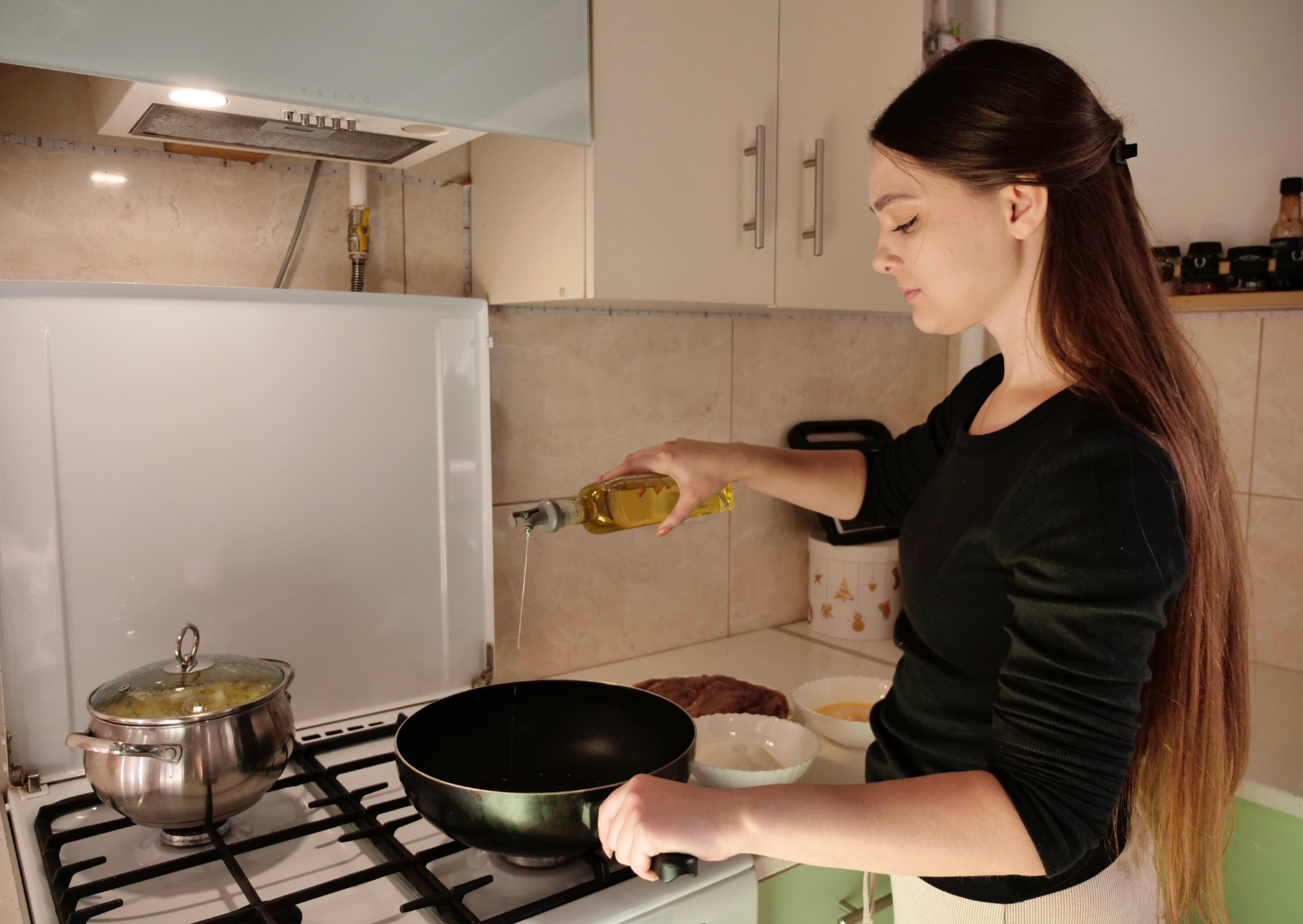
I used to think you needed exotic oils to be healthy. I ended up respecting ordinary European bottles that win by being honest and fresh. I also thought frying was where joy lived. It turns out texture comes from heat discipline and finishing oil, not deep vats. I still love croquetas. I just do not need them to feel alive.
If you want labs to move faster
- Eat the big meal at lunch and keep dinner light. Oil behaves better when you are not putting a mattress on top of it at 22:00.
- Add two tins of fish a week and replace one meat dinner. Triglycerides notice.
- Walk after lunch for ten minutes. Blood sugar and mood both pay you.
- Drink water before coffee. Oil loves hydration. Your stomach will tell you.
- Keep desserts to planned moments. Sweet every day is noise. Oil plus fruit after dinner gives you the quiet you forgot you liked.
Small line: it is the week, not the one heroic day, that fixes you.
Concluding Thoughts
Put one good bottle of EVOO on the table and move your anonymous oil to the back of the cupboard. Make a salad with tomatoes, cucumber, onion, lemon, and enough oil to taste it. Warm bread. Sardines if you are brave, cheese if you are not. Taste the difference between oil that was made by a tree and oil that was made by a marketing department. Keep doing that for 60 days. You will feel the change long before the lab sheet tells you why.

About the Author: Ruben, co-founder of Gamintraveler.com since 2014, is a seasoned traveler from Spain who has explored over 100 countries since 2009. Known for his extensive travel adventures across South America, Europe, the US, Australia, New Zealand, Asia, and Africa, Ruben combines his passion for adventurous yet sustainable living with his love for cycling, highlighted by his remarkable 5-month bicycle journey from Spain to Norway. He currently resides in Spain, where he continues sharing his travel experiences with his partner, Rachel, and their son, Han.