
While Americans obsess over the latest health trends, Europeans are quietly living longer with completely different habits. Here’s what makes us scratch our heads at American “healthy” behaviors.
Want More Culture Clashes?
– 10 ‘Italian’ Dishes Italians Never Actually Eat—And What to Do Instead
– 15 Unspoken Rules of Mediterranean Life Tourists Never Understand
– Why Europeans Never Order These 13 Menu Items (And What to Do Instead)
– Heymondo – Why it’s the World Travel Insurance We Trust
Quick and Easy Tips
When explaining American health habits to European friends or readers, provide context rather than assuming shared viewpoints.
If you travel frequently, observe local routines to understand how different cultures approach wellness.
Balance your habits with evidence-based research rather than relying solely on trends or regional norms.
Discussions about health habits often reveal deeper cultural divides, and this topic is no exception. Some Europeans argue that certain American practices stem from an overly commercialized health culture, where trends and products take precedence over long-term lifestyle habits. This creates debate about whether these routines genuinely improve health or simply reflect a market-driven approach to wellness.
Another point of controversy is the difference in how each region defines personal responsibility. Many Americans emphasize individual choice and self-improvement, while Europeans often lean toward community health systems and long-term preventive care. These opposing perspectives can lead each side to view the other’s habits as unusual or inefficient, even when both approaches have valid reasoning behind them.
There is also debate over whether the European perspective is influenced by stereotypes. Some argue that Europeans may overlook the diversity of American lifestyles and assume all U.S. health habits fit one mold. At the same time, Americans sometimes misunderstand European norms, thinking their approach is universally uniform across all countries. These misconceptions highlight how cultural generalizations can shape perceptions about health behaviors that are far more nuanced than they appear.
1. The Protein Obsession

Nothing confuses Europeans more than the American protein fixation. The protein shakes, bars, and “enhanced” everything would make any European grandmother question modern sanity.
Why This Myth Exists:
The American protein obsession stems from 1980s bodybuilding culture combined with modern marketing. The supplement industry created a fear that we’re not getting enough protein, while Europeans never disconnected protein from whole foods.
What Americans Do:
- Protein shakes for breakfast
- Protein bars as snacks
- Protein-enhanced foods
- Post-workout protein rush
The European Reality:
- Real food provides enough protein
- Normal meals do the job
- No protein anxiety
- Fresh ingredients focus
- Regular eating patterns
Why We Think It’s Strange: Mediterranean Europeans live some of the longest lives on earth without ever counting protein grams. That protein bar? We’ll take our mid-morning espresso and small pastry instead. Somehow, we’re still building muscle and living longer.
2. The Water Obsession
The American need to drink gallons of water daily – often from plastic bottles – baffles Europeans completely.
Why This Myth Exists:
The “8 glasses a day” rule started as a misinterpreted medical guideline in the 1940s. American marketing turned hydration into an industry, while Europeans maintained traditional drinking habits built around meals and thirst.
What Americans Do:
- Carry huge water bottles
- Track water intake
- Force water consumption
- Drink during meals
- Worry about hydration
The European Approach:
- Drink when thirsty
- Water with meals optional
- Wine with dinner normal
- Coffee and tea count
- Natural hydration through food
Pro Tip: Those massive water bottles Americans lug around? You’ll never see them in Europe. Somehow, we stay perfectly hydrated through normal eating and drinking habits.
3. The Gym Culture Confusion

The American obsession with expensive gym memberships and complicated workout routines makes Europeans wonder if Americans have forgotten how to simply live actively.
Why This Myth Exists:
Post-war suburban design made Americans car-dependent, creating a need for scheduled exercise. Europeans kept their walkable cities and never needed to “make up” for sedentary lifestyles.
What Americans Do:
- Pay huge gym memberships
- Schedule specific workout times
- Drive to exercise locations
- Wear special workout clothes
- Track every movement
The European Way:
- Walk or bike everywhere
- Take stairs naturally
- Garden for exercise
- Play actual sports
- Live actively daily
Real Life Examples: Italian nonnas stay fit into their 90s without ever seeing a gym. French women maintain their weight without counting steps. Spanish seniors have better mobility from daily walks and social dancing.
Why It Works Better:
- Natural movement all day
- No extra time needed
- Zero equipment costs
- Social activity included
- Sustainable long-term
Pro Tip: Want to exercise like a European? Stop driving everywhere, take the stairs, and make movement part of daily life rather than a scheduled event.
4. The Breakfast Protein Shake Madness
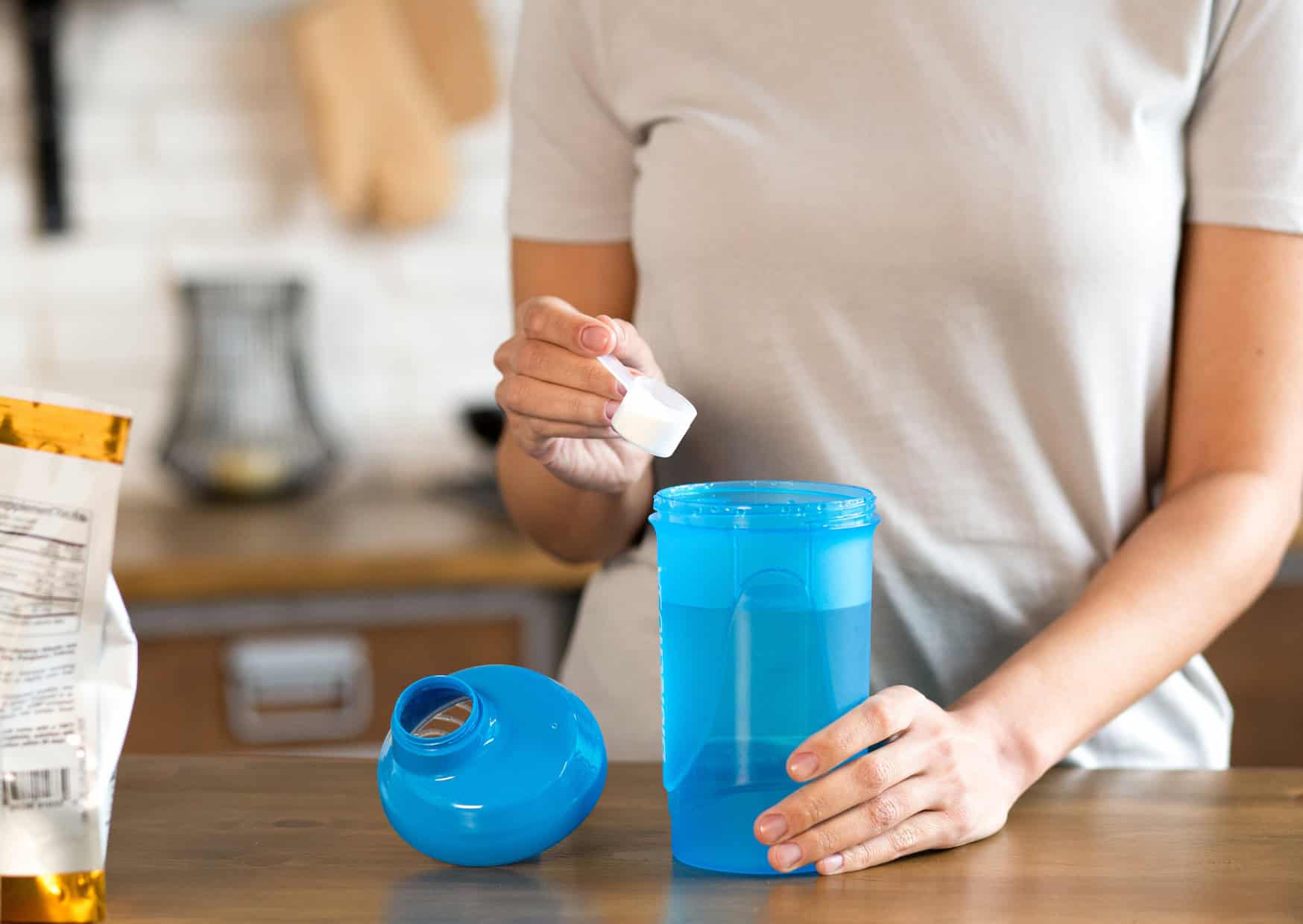
While Americans blend complicated protein smoothies for breakfast, Europeans are baffled by the idea of drinking your first meal of the day.
Why This Myth Exists:
American breakfast myths started with cereal marketing claiming breakfast as “the most important meal.” Modern wellness culture turned this into protein shakes, while Europeans kept their traditional light breakfasts.
What Americans Do:
- Green protein smoothies
- Complicated breakfast shakes
- Meal replacement drinks
- “Healthy” breakfast bars
- Liquid nutrition focus
The European Morning: France:
- Simple croissant or bread
- Coffee or tea
- Maybe fruit
- Light start to day
- No morning protein stress
Italy:
- Small cornetto
- Cappuccino
- Standing at bar
- Quick, light breakfast
- Energy for later lunch
Why Our Way Works:
- No morning stomach stress
- Better appetite for lunch
- Natural energy levels
- Less expensive
- More social connection
Pro Tip: Those €15 protein smoothies at trendy spots? They’re for tourists. Europeans know breakfast should be simple – save your appetite and money for a proper lunch instead.
5. The ‘Detox’ and ‘Cleanse’ Obsession

Europeans are completely baffled by the American obsession with detoxing, cleansing, and “resetting” their bodies with extreme measures.
Why This Myth Exists:
The American detox trend emerged from 1970s celebrity culture combined with modern wellness marketing. Quick-fix solutions appeal to busy American lifestyles, while Europeans maintained their traditional approach to moderation and regular eating patterns.
What Americans Do:
- Juice cleanses
- Detox teas
- Weekend resets
- Extreme cleanse programs
- Expensive detox products
The European Approach:
- Regular balanced meals
- Wine in moderation
- Fresh market food
- Natural daily rhythm
- No extreme swings
Why We Think It’s Strange: Your body has a liver and kidneys – they’re your natural detox system. Europeans maintain health through:
- Regular meal times
- Fresh ingredients
- Seasonal eating
- Moderate portions
- Natural movement
The Cultural Difference: While Americans spend fortunes on cleanse programs, Europeans:
- Take proper lunch breaks
- Eat seasonal produce
- Walk after meals
- Enjoy food without guilt
- Trust their bodies
Pro Tip: Skip the expensive detox programs. Do as Europeans do – eat fresh food, take proper breaks, and trust your body’s natural systems.
6. The Overnight Oats and Meal Prep Mania

The American obsession with preparing a week’s worth of food in advance leaves Europeans wondering if Americans have forgotten how to eat fresh food daily.
Why This Myth Exists:
American meal prep culture developed from longer work hours and commutes, creating a need for efficiency. Europeans fought to maintain their lunch breaks and fresh food culture, never needing to solve the “time problem.”
What Americans Do:
- Sunday meal prep marathons
- Week-old prepared meals
- Overnight oats obsession
- Massive food storage
- Complicated prep routines
The European Reality:
- Daily fresh bread
- Morning market visits
- Just-cooked meals
- Small daily shopping
- Fresh over convenient
Why It Works Better:
- Fresher ingredients
- Better taste
- Less food waste
- Natural variety
- Daily social interaction
The Cultural Truth: While Americans spend Sundays preparing meals for the week:
- French visit daily markets
- Italians cook fresh pasta
- Spanish buy fresh bread twice daily
- Germans prioritize fresh over frozen
- Portuguese cook daily meals
Pro Tip: Those Instagram-worthy meal prep containers? You won’t find them in European kitchens. Fresh, simple, daily food works better for both health and happiness.
7. The Low-Fat Everything Obsession
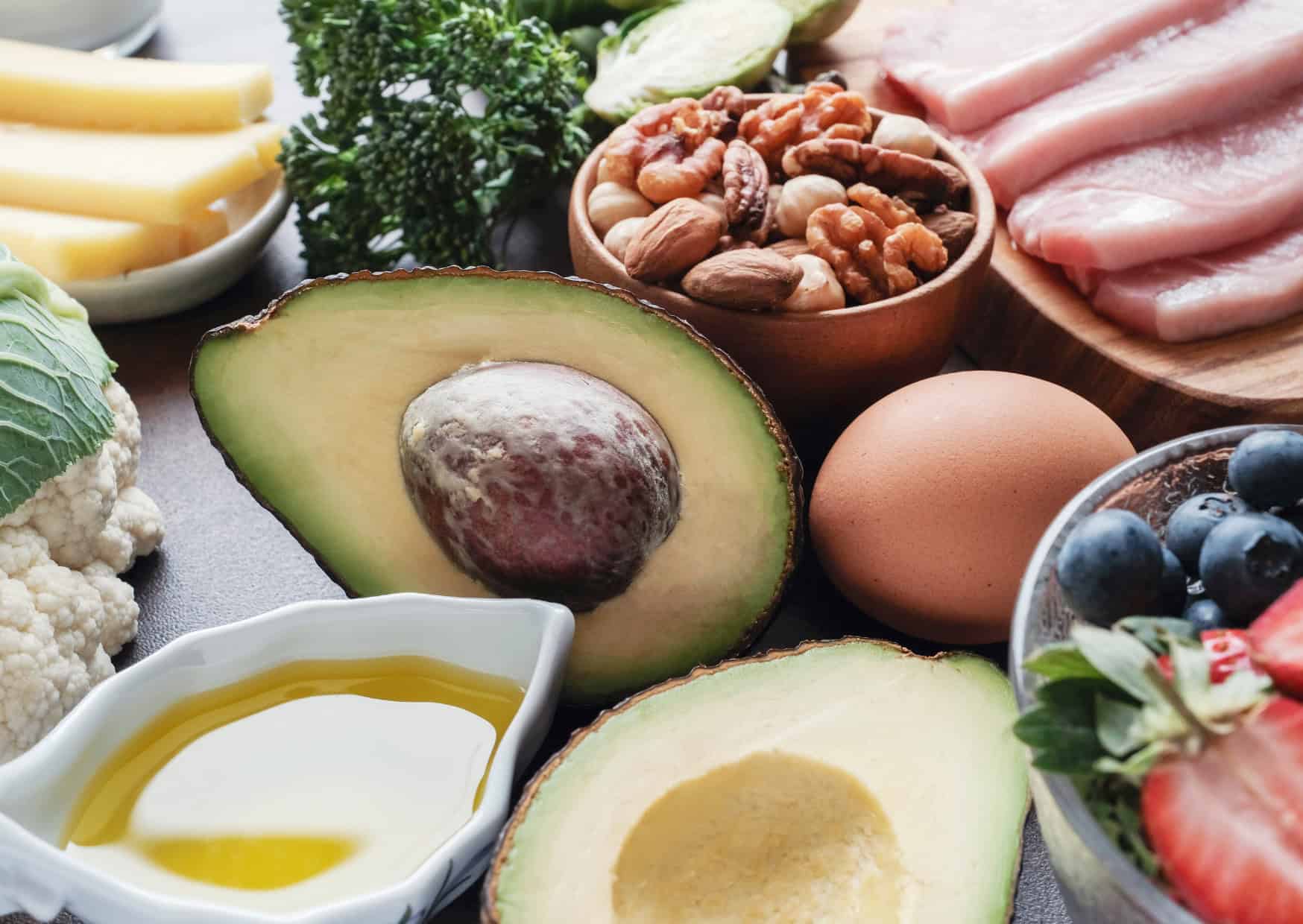
While Americans fill their carts with low-fat, fat-free, and reduced-fat products, Europeans are eating full-fat foods and staying healthier.
Why This Myth Exists:
The American fear of fat stems from misinterpreted 1950s heart disease studies that demonized all fats. While America created a low-fat industry, Europeans stuck to traditional full-fat foods in moderation.
What Americans Do:
- Fat-free yogurt
- Low-fat cheese
- Reduced-fat milk
- Diet everything
- Artificial substitutes
The European Way: France:
- Full-fat cheese daily
- Real butter always
- Whole milk products
- Natural fats
- Quality over quantity
Italy:
- Real olive oil liberally
- Full-fat mozzarella
- Proper cream in dishes
- Natural ingredients
- No artificial substitutes
Why It Actually Works:
- Better satisfaction
- Natural portions
- Real ingredients
- Better taste
- Less processed food
The Real Results: While Americans count fat grams:
- Europeans enjoy real food
- Feel more satisfied
- Eat smaller portions
- Have better relationship with food
- Maintain healthier weights
Pro Tip: Those fat-free products aren’t making anyone healthier. Choose real, full-fat foods and you’ll likely eat less and enjoy it more.
8. The Strict Schedule Obsession
The American need to schedule every health-related activity – from meals to movement – makes Europeans wonder if Americans have forgotten how to live naturally.
Why This Myth Exists:
American scheduling culture emerged from industrialization and productivity obsession. While Americans optimized health like business, Europeans protected their cultural rituals around food and movement.
What Americans Schedule:
- Eating times
- Exercise slots
- Sleep tracking
- Movement breaks
- Meditation minutes
The European Flow:
- Natural meal rhythms
- Movement throughout day
- Social active life
- Seasonal adjustments
- Life-integrated health
How It Really Works: In Europe, health isn’t scheduled, it’s lived:
- Walking to shops
- Standing for coffee
- Social evening strolls
- Active commuting
- Natural movement patterns
The Cultural Difference: While Americans track every minute:
- Italians naturally walk after dinner
- Spanish build movement into social life
- French take proper lunch breaks
- Greeks enjoy long evening walks
- Germans bike for transport
Pro Tip: Stop scheduling “wellness” and start living it. Your body knows what it needs – trust its natural rhythms instead of your scheduling app.
9. The Supplement Situation

Americans’ bathroom cabinets full of supplements and vitamins leave Europeans completely baffled. Our medicine cabinets look very different.
Why This Myth Exists:
The American supplement industry boomed after 1994 legislation made marketing easier. While Americans sought nutrients in pills, Europeans kept getting them from traditional food combinations and seasonal eating.
What Americans Take:
- Daily multivitamins
- Multiple supplements
- Protein powders
- Energy boosters
- Wellness tablets
The European Approach:
- Fresh food for nutrients
- Seasonal eating habits
- Sun for Vitamin D
- Herbal teas when needed
- Food as medicine
Why We Skip Supplements:
- Fresh markets provide nutrients
- Seasonal food gives variety
- Walking provides Vitamin D
- Traditional remedies work
- Real food does the job
The Reality Check: While Americans spend fortunes on supplements:
- Mediterranean diets provide natural nutrients
- Northern Europeans get omega-3 from real fish
- Central Europeans use traditional herbs
- Southern Europeans trust food combinations
- Everyone trusts seasonal eating
Pro Tip: Save your money on supplements. Eat like a European – fresh, seasonal, and varied – and you’ll get all the nutrients you need naturally.
10. The Sleep Tracking Technology
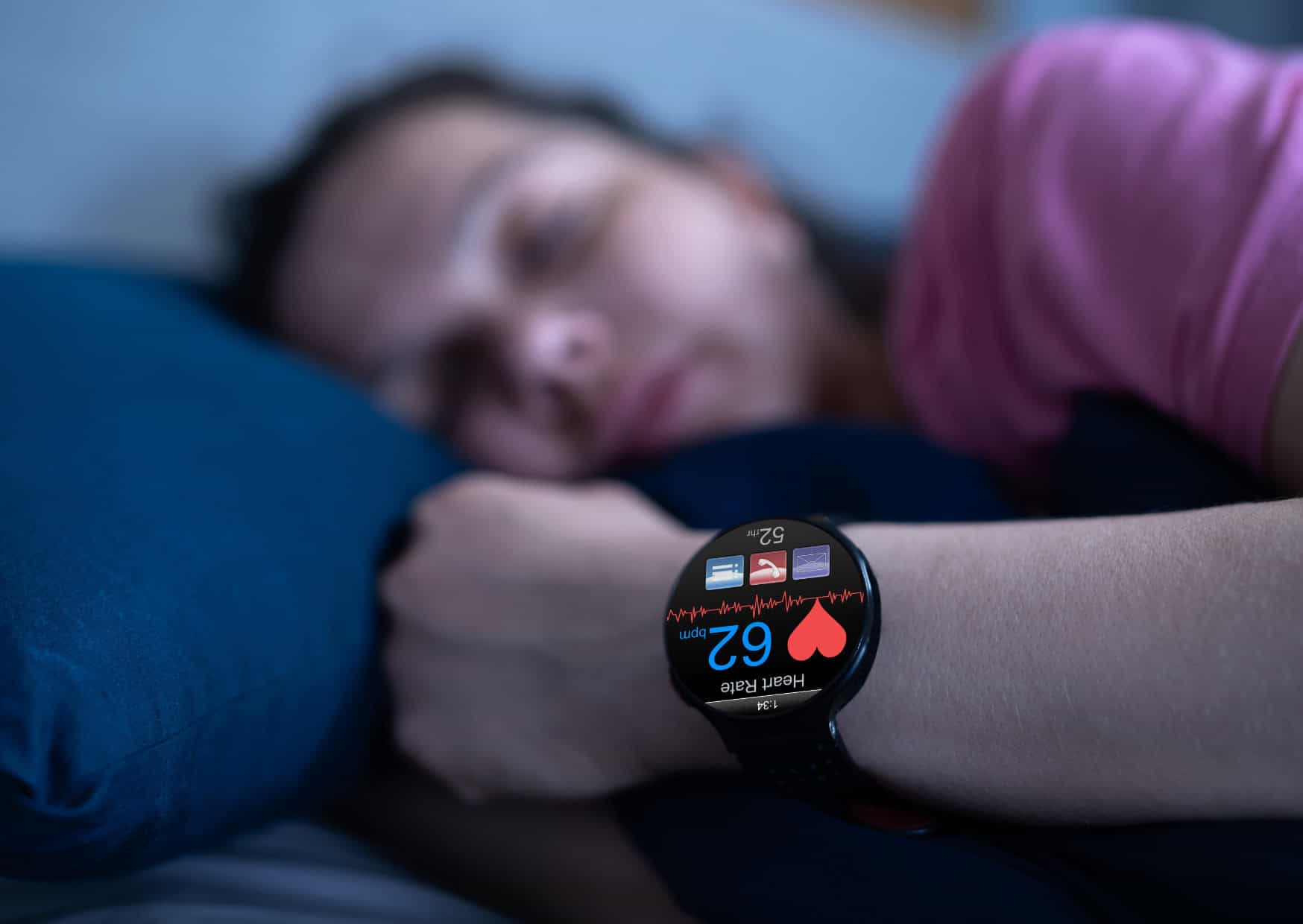
The American obsession with tracking, measuring, and optimizing sleep with gadgets and apps makes Europeans wonder if Americans have forgotten how to simply rest.
Why This Myth Exists:
The American obsession with sleep tracking emerged from Silicon Valley’s “optimize everything” culture combined with increasing sleep deprivation. While Americans tried to solve sleep with technology, Europeans protected their cultural habits that naturally promote good sleep.
What Americans Do:
- Track sleep cycles
- Wear sleep trackers
- Use sleep apps
- Monitor REM phases
- Optimize sleep scores
The European Night:
- Natural bedtime rhythms
- No sleep tracking
- Regular daily patterns
- Seasonal adjustments
- Social evening wind-down
How We Actually Sleep:
- Later dinners, better digestion
- Evening social walks
- Natural tiredness
- No screen obsession
- Regular patterns
The Cultural Difference: While Americans analyze sleep data:
- Spanish enjoy evening paseos
- Italians wind down with family
- French take evening strolls
- Greeks socialize into night
- All lead to natural sleep
Pro Tip: Stop tracking your sleep and start living in a way that naturally leads to good rest. Those sleep scores aren’t making anyone more rested.
11. The Salad Size Situation
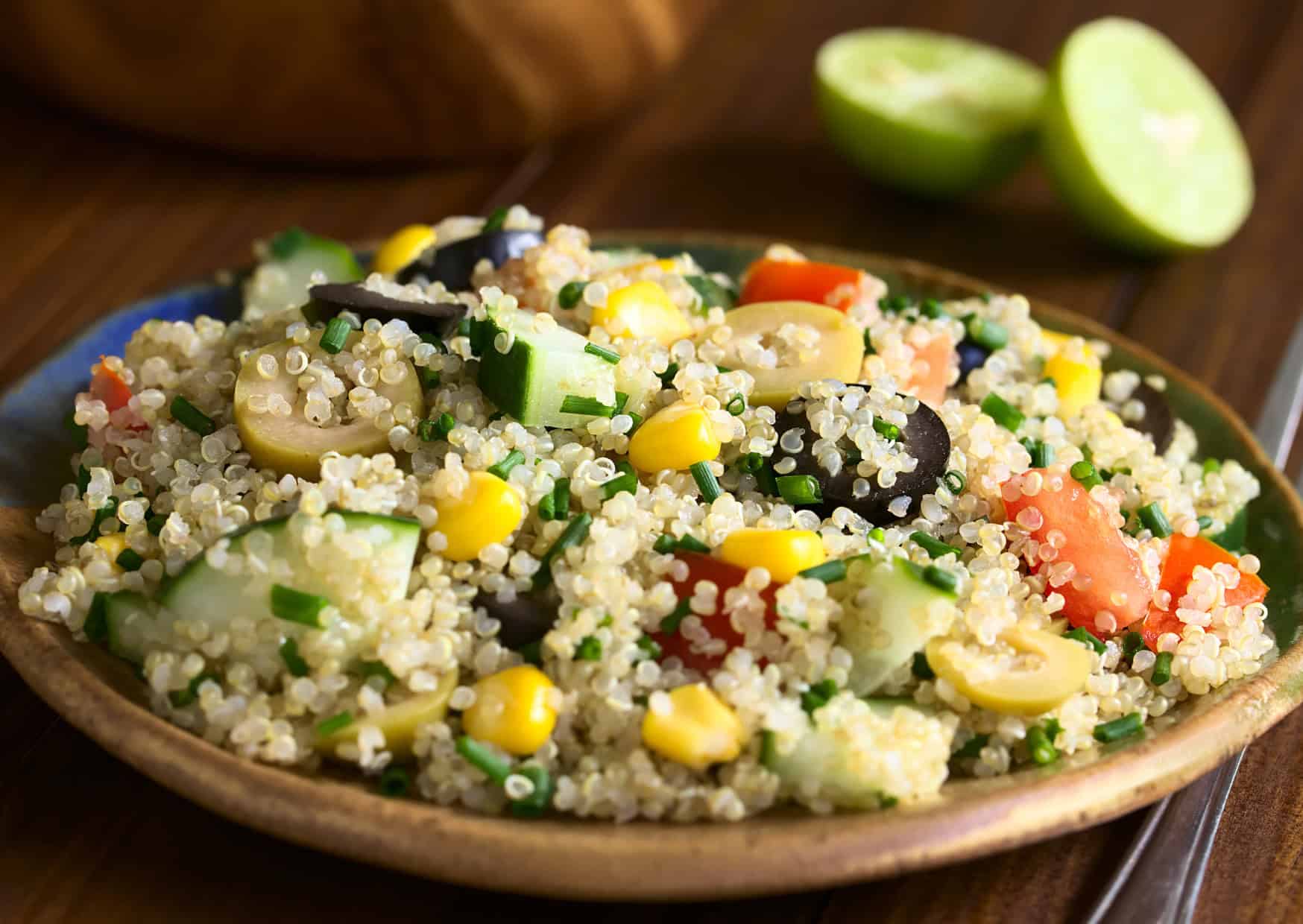
The American tendency to turn salads into massive meals, often loaded with protein and countless toppings, leaves Europeans completely confused.
Why This Myth Exists:
American mega-salads emerged from 1980s diet culture trying to make salads into meals. While Americans turned side dishes into main courses, Europeans kept salads in their traditional role as part of a balanced meal structure.
What Americans Make:
- Enormous meal-sized salads
- Multiple protein additions
- Dozens of toppings
- Heavy dressings
- Complicated combinations
The European Way: France:
- Simple green salad after main
- Light vinaigrette only
- 3-4 ingredients max
- Palate cleansing purpose
- Natural timing
Italy:
- Insalata as accompaniment
- Olive oil and vinegar
- Minimal ingredients
- Never a main course
- Quality over quantity
Why Our Way Works:
- Better digestion
- Natural meal flow
- Simple ingredients shine
- Lower costs
- Less food waste
Pro Tip: Stop turning salads into complicated meals. Simple greens with quality olive oil work better for both your health and your wallet.
12. The “Wellness” Obsession
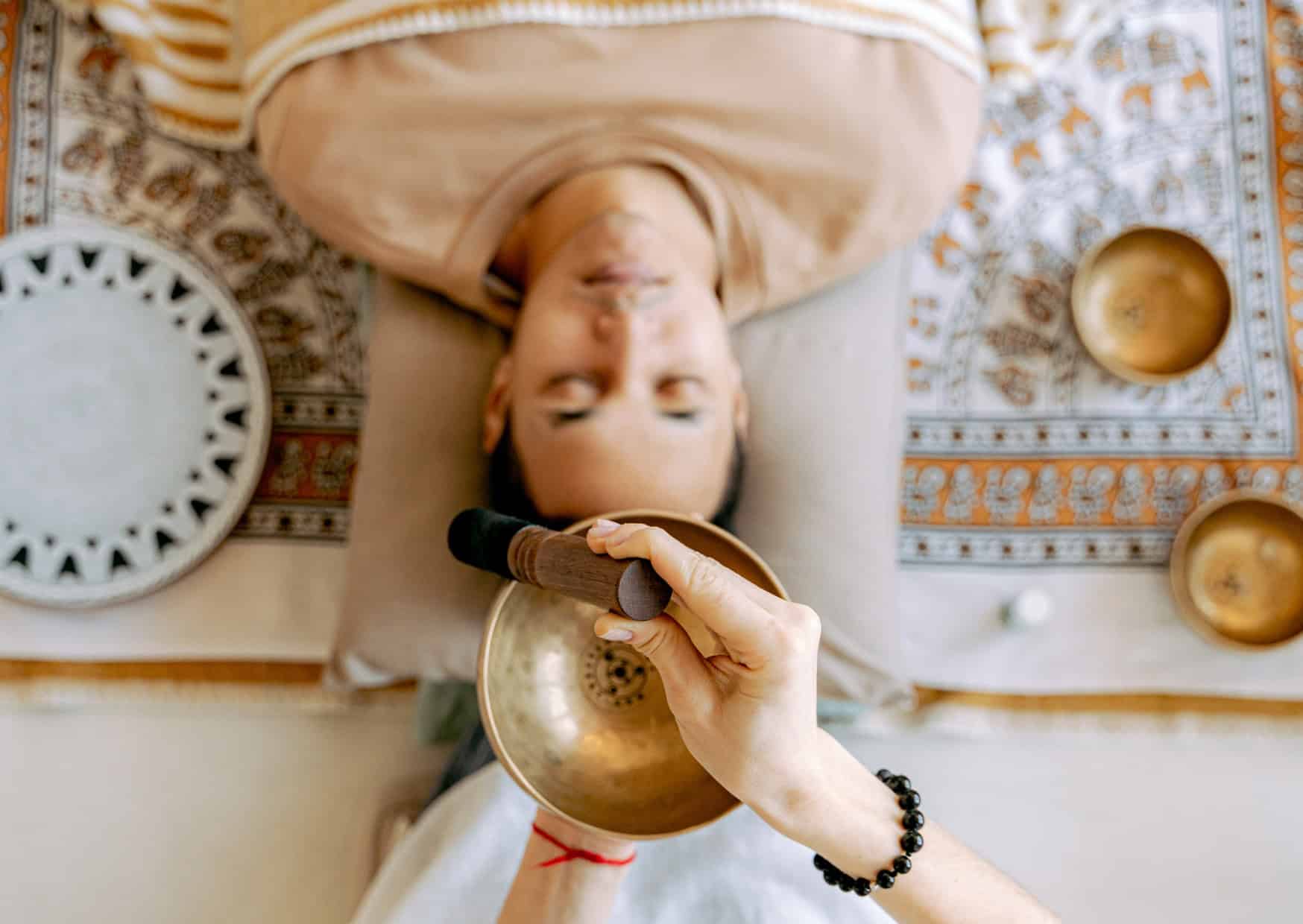
The American fixation with “wellness” as a luxury lifestyle – complete with expensive products, classes, and retreats – makes Europeans wonder what happened to simple healthy living.
Why This Myth Exists:
The American wellness industry grew from the commodification of self-care and status signaling. While Americans turned wellness into a luxury product, Europeans maintained their traditional, accessible approaches to wellbeing.
What Americans Do:
- Expensive wellness retreats
- Luxury spa treatments
- Crystal healing sessions
- Sound bath therapies
- Digital wellness tracking
The European Approach:
- Traditional thermal spas
- Natural hot springs
- Regular forest walks
- Simple daily routines
- Affordable local wellness
Real Examples:
- Germans take forest baths
- Hungarians use thermal baths
- Finns enjoy regular saunas
- French visit local thermal towns
- All without “wellness” price tags
Why Our Way Works:
- Accessible to everyone
- Part of daily life
- No luxury markup
- Traditional wisdom
- Proven benefits
Pro Tip: Skip the expensive wellness trends. Europeans have been staying healthy for centuries with simple, accessible practices that don’t require a luxury budget.
13. The Mental Health App Craze
While Americans increasingly rely on apps and digital solutions for mental wellness, Europeans maintain simpler, more social approaches to mental health.
Why This Myth Exists:
American mental health tech boomed during startup culture and increased isolation. While Americans sought digital solutions to loneliness, Europeans maintained their community structures and social habits that naturally support mental health.
What Americans Do:
- Meditation apps
- Mood tracking
- Digital therapy
- Wellness podcasts
- Mental health tech
The European Way:
- Regular social meals
- Daily walking routines
- Community connection
- Long friend lunches
- Natural stress relief
Why It Works Better:
- Real human connection
- Natural support systems
- Community integration
- Regular movement
- Social interaction
The Bottom Line
While Americans chase the latest health trends and technical solutions, Europeans maintain better health outcomes through simpler, more sustainable practices. Our “strange” habits might seem old-fashioned, but they’re backed by centuries of proof and some of the world’s longest lifespans.
Pro Tips That Actually Work:
- Eat real food, not trends
- Move naturally, not by schedule
- Connect socially, not digitally
- Sleep naturally, not by apps
- Live health, don’t track it
Remember: Sometimes the healthiest habits are the simplest ones – no tracking, scheduling, or expensive products required. Maybe it’s time to make health less complicated and more European.
Understanding why Europeans view certain American health habits as strange can offer valuable insight into how culture shapes everyday decisions. These differences are not about right or wrong but about how societies prioritize wellness, convenience, and lifestyle choices. Recognizing the roots of these habits creates room for more meaningful conversations and a deeper appreciation of how varied health practices can be.
As global travel and online communication continue to connect cultures, people are becoming more exposed to unfamiliar health routines. Some travelers adopt new habits they find beneficial, while others return home more confident in their own routines. This cross-cultural exchange enriches personal perspectives and encourages a more open-minded approach to well-being.
Ultimately, the most important lesson is that health habits evolve based on environment, upbringing, and cultural values. What seems unusual to one person may be perfectly normal to another. By viewing these differences not as oddities but as reflections of diverse lifestyles, we create a more respectful and informed understanding of how people around the world pursue healthier lives.

About the Author: Ruben, co-founder of Gamintraveler.com since 2014, is a seasoned traveler from Spain who has explored over 100 countries since 2009. Known for his extensive travel adventures across South America, Europe, the US, Australia, New Zealand, Asia, and Africa, Ruben combines his passion for adventurous yet sustainable living with his love for cycling, highlighted by his remarkable 5-month bicycle journey from Spain to Norway. He currently resides in Spain, where he continues sharing his travel experiences with his partner, Rachel, and their son, Han.