
Japan is one of the few countries where centuries-old traditions blend seamlessly with modern life, and this balance creates a set of unspoken cultural expectations that can surprise even the most seasoned traveler. While guidebooks often highlight sightseeing spots and popular foods, they rarely touch on the subtle behaviors that shape daily interactions. These quiet customs are not always spelled out, yet they play a big role in how visitors are perceived.
Understanding these unwritten rules is more than a matter of politeness; it is a way of showing respect for a culture that places high value on harmony and consideration. Japan’s social norms operate on the idea that everyone shares responsibility for maintaining a peaceful environment. When travelers unknowingly break these norms, it can cause discomfort even if no one directly says so.
Learning these unspoken expectations before you arrive can make your experience smoother, more meaningful, and more appreciated by locals. From how to line up properly to the right way to navigate public transport, these rules offer insight into the rhythms of daily life. Knowing them in advance will help you step confidently into a culture where gestures often speak louder than words.
Read here Things to know before visiting Japan and how to spend 36 Hours in Tokyo
BOOK YOUR TRAVEL INSURANCE
Two of our favorite travel insurance: Heymondo Vs Safetwing cheapest travel Insurance. You can get for $135 USD your Heymondo Travel Insurance with Heymondo discount code valid for 90 days. Read our full comparison of Genki vs Safetywing Travel Insurance Review and the comparison Heymondo vs Genki
Quick and Easy Tips
Always stand on the correct side of the escalator based on the region; people in Tokyo stand on the left, while in Osaka they stand on the right.
Keep your voice low on trains and buses, as public transportation is treated as a quiet space.
Carry a small bag for your trash because public bins are limited and littering is taken seriously.
While many of Japan’s customs are rooted in courtesy, some travelers argue that the unwritten rules can feel overwhelming. For visitors coming from cultures that value individuality over group harmony, these expectations may seem restrictive or overly formal. This difference in social approach can create friction when tourists feel unsure whether they are unintentionally offending someone.
Another controversial point is that not all Japanese people strictly follow these norms themselves. Urban centers like Tokyo and Osaka have grown increasingly diverse, and younger generations often adopt more relaxed behaviors. As a result, some travelers question whether they are being held to a higher standard simply because they are outsiders, especially when locals bend the rules without consequence.
There is also a debate about whether these unwritten rules should continue to be emphasized in the age of global tourism. Some believe that visitors should adapt fully to the host culture, while others argue that expecting absolute conformity is unrealistic. This conversation reflects a larger question about how traditions evolve and how countries balance cultural preservation with welcoming international travelers.
Here’s your go-to guide to the unwritten rules of visiting Japan.
1. Silence Is Golden (Especially on Public Transport)
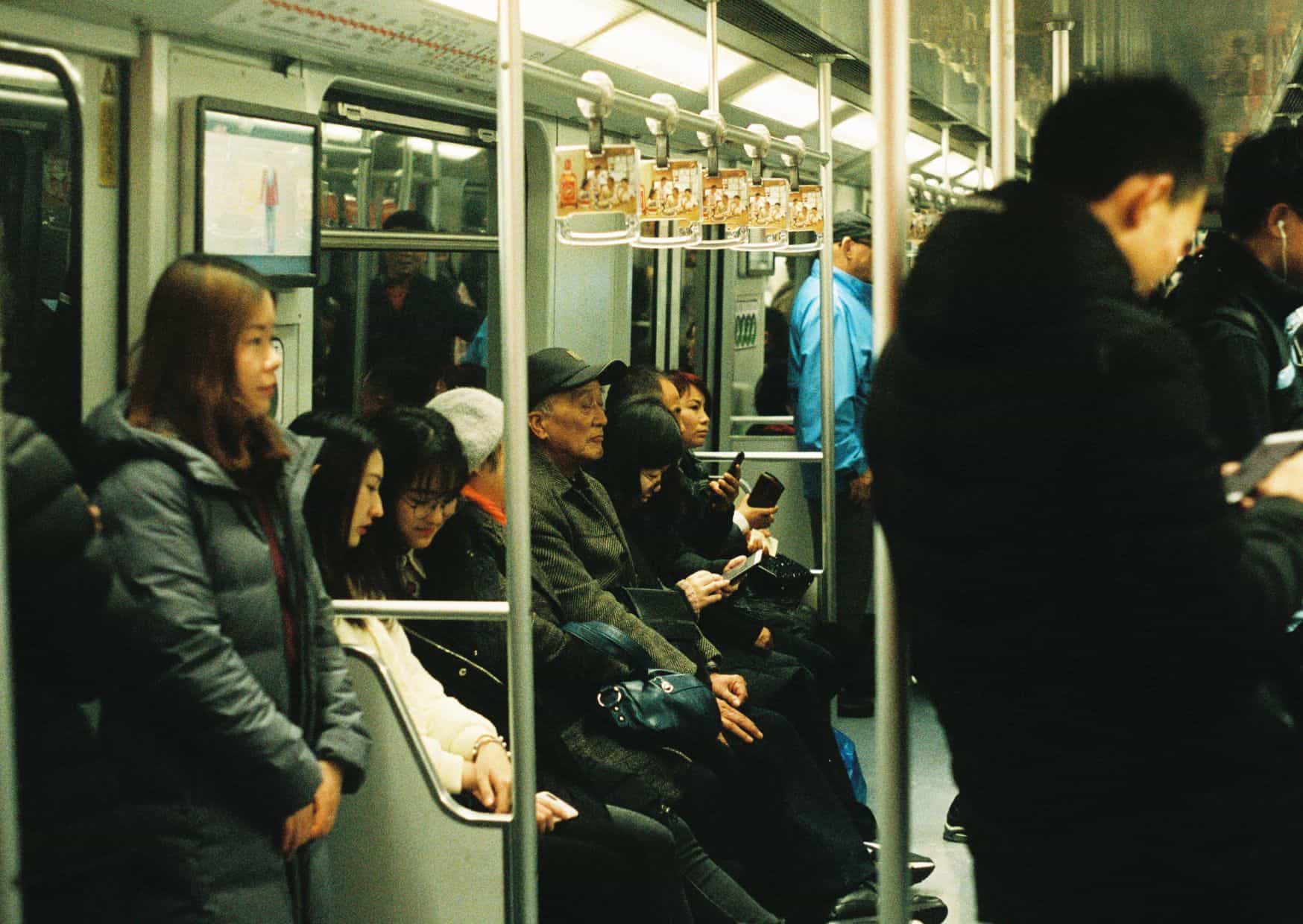
Trains, buses, and subways in Japan are remarkably quiet. People rarely talk on phones, and even conversations are kept low.
What to do:
Put your phone on silent mode
Avoid speakerphone or loud music
Speak softly—or not at all
2. Don’t Tip—It’s Not a Thing
Tipping is not customary in Japan and can actually cause confusion or offense. Excellent service is already built into the culture.
What to do:
Just say “Arigatou gozaimasu” (Thank you very much) and pay the bill exactly as presented.
3. Shoes Off Indoors (Always)
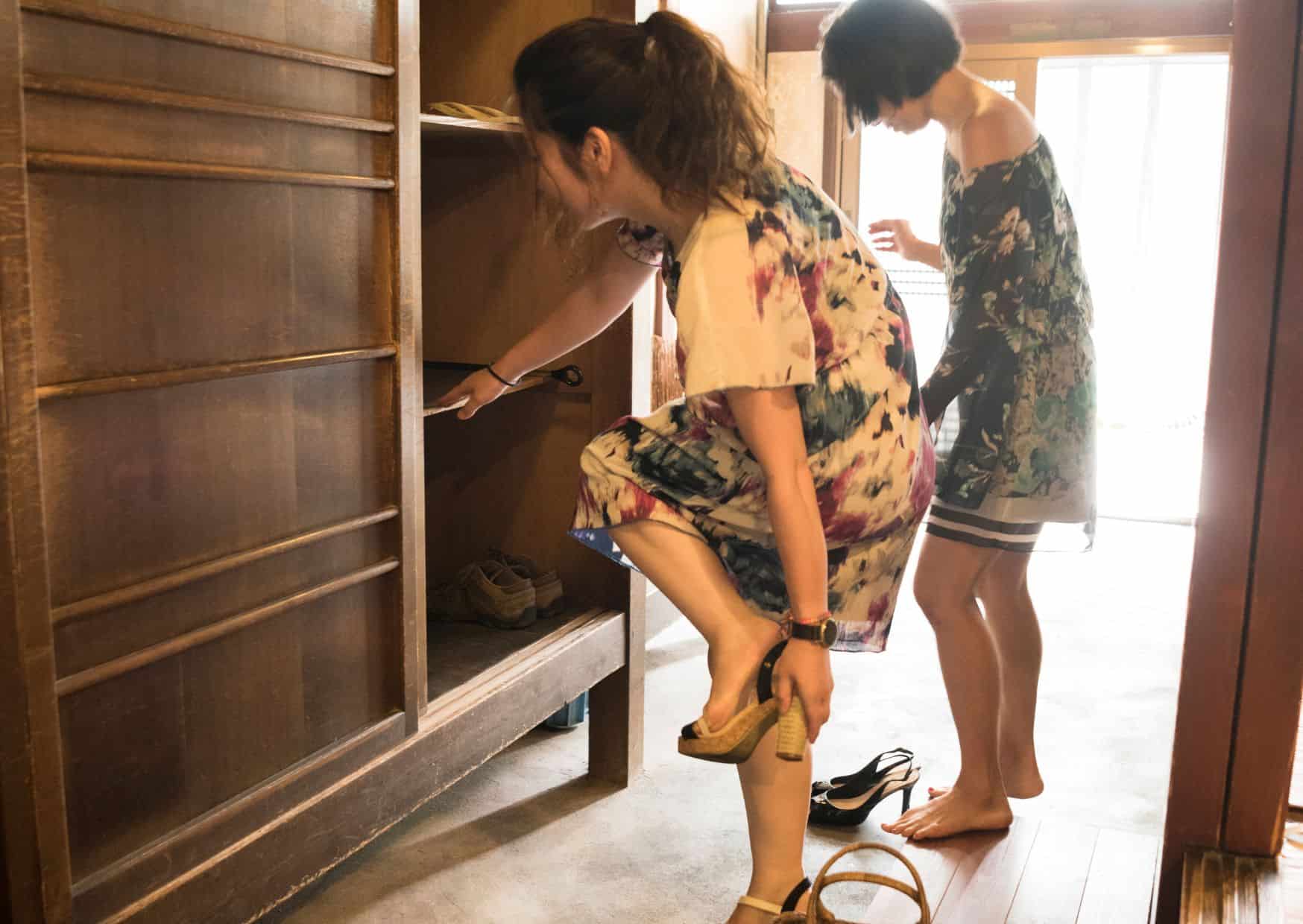
In homes, traditional inns (ryokan), temples, and even some restaurants, you must remove your shoes before entering. You may be given indoor slippers to wear.
What to do:
Wear clean, easy-to-remove shoes
Look for a genkan (entryway) where shoes are stored
Don’t wear slippers into tatami mat rooms or bathrooms (they often have special bathroom slippers)
4. Don’t Eat or Drink While Walking
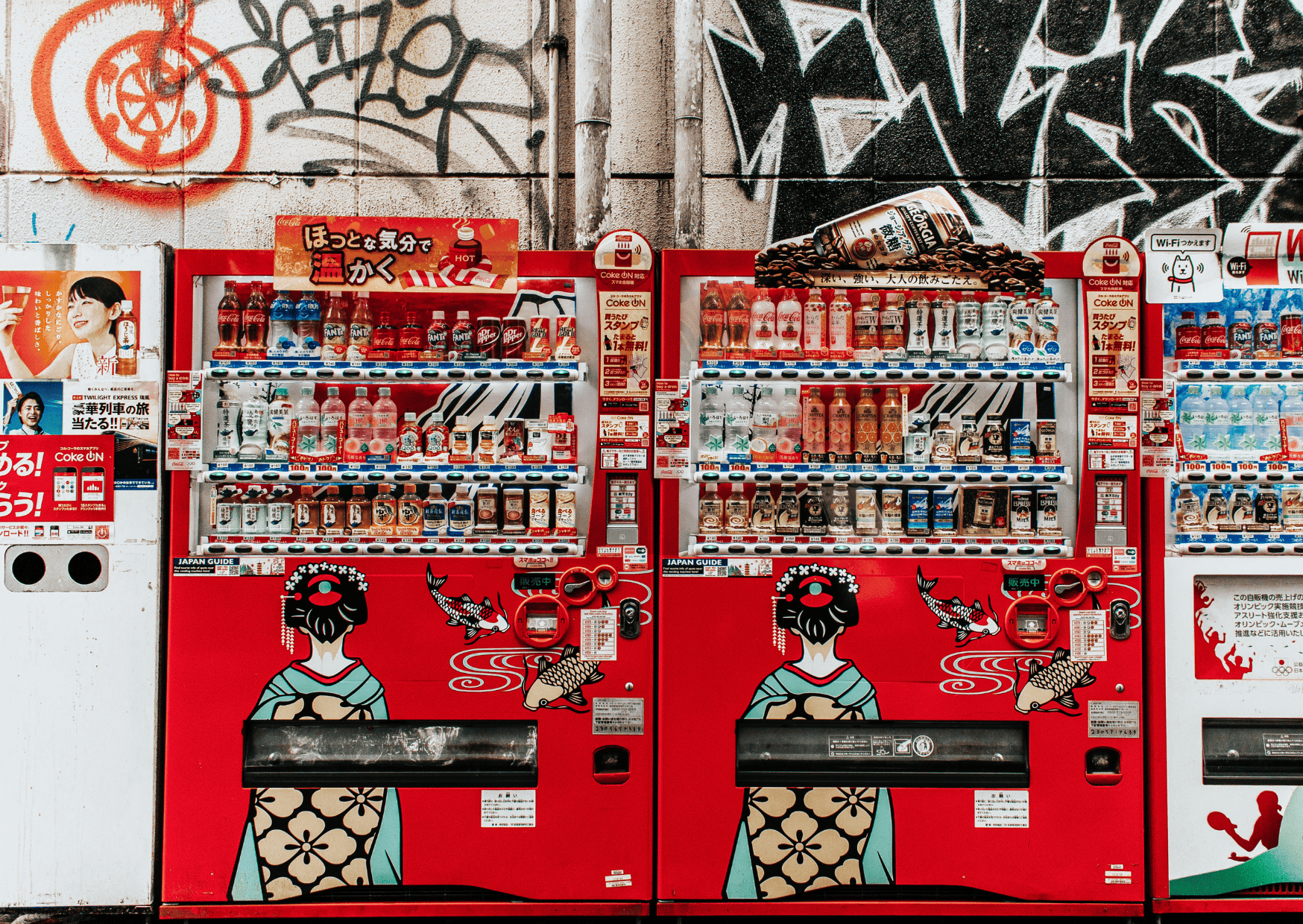
It’s considered impolite to eat on the go, even if it’s a quick snack from a vending machine. Food is meant to be enjoyed sitting down, calmly.
Exceptions:
Festival stalls or food fairs (where standing and eating is acceptable)
Train stations with designated eating areas
5. Keep to the Left (Usually)
In most cities like Tokyo, you’ll walk on the left side of escalators and sidewalks. In Osaka, it’s sometimes the right—but always follow local flow.
What to do:
Watch what the locals are doing and follow their lead. Blocking the walking side on escalators is a big no-no.
6. Bowing Is the Default Greeting
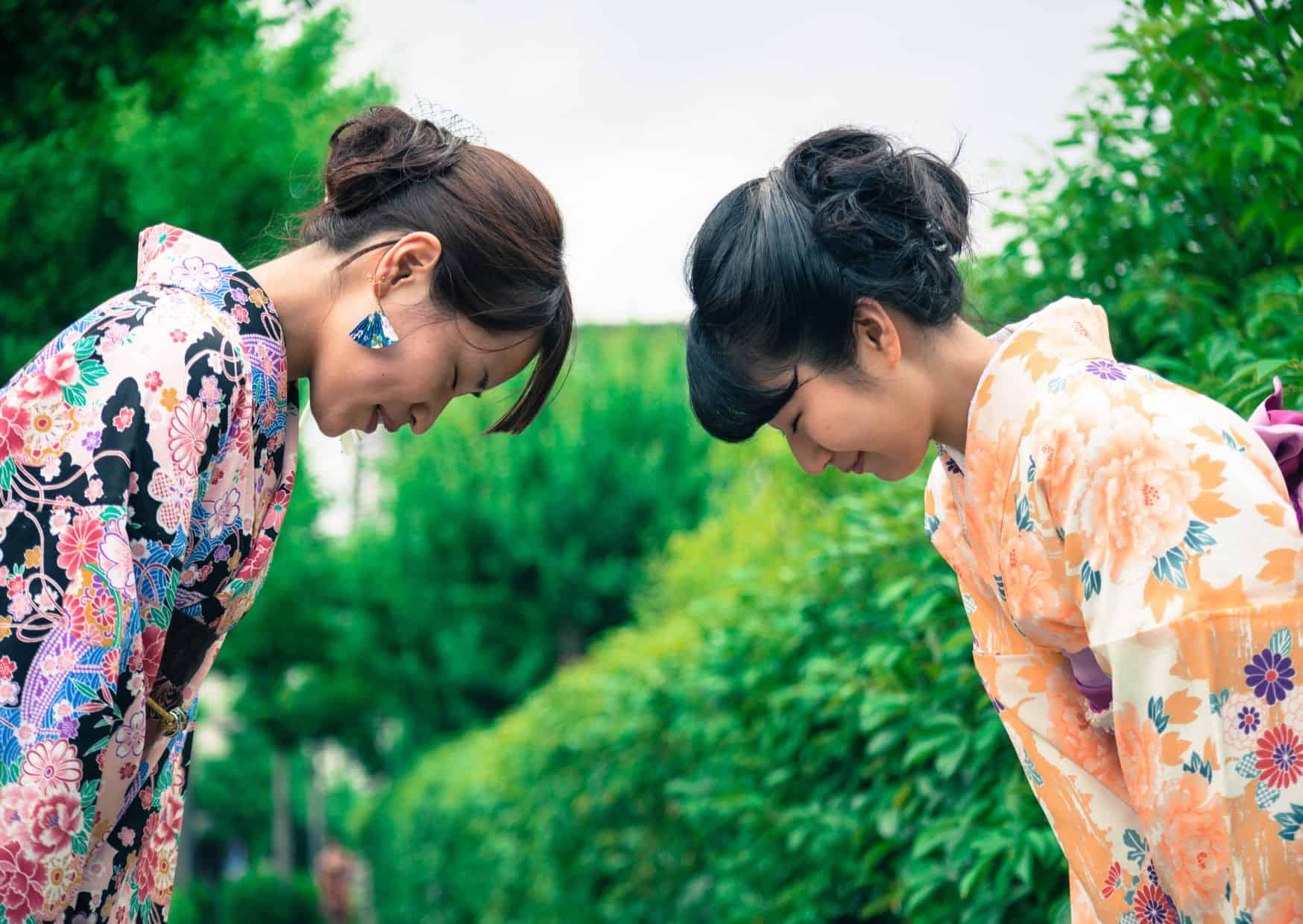
Bowing is the standard way to greet, thank, or apologize. You don’t need to master every variation, but a polite nod or slight bow goes a long way.
What not to do:
Don’t overdo it. Just follow their lead and be respectful.
7. Don’t Point or Gesture Dramatically
Pointing at people or objects is considered rude or aggressive. Instead, use an open hand to gently indicate something.
Tip:
If you’re unsure, nod or gesture subtly—the Japanese communication style is often quiet and reserved.
8. Learn to Separate Trash (Meticulously)
Japan takes waste separation very seriously—with separate bins for burnable, non-burnable, plastics, and bottles. And public trash cans are rare.
What to do:
Hold onto your trash until you find the right bin
Don’t leave food wrappers or drink bottles lying around
Check signage carefully when disposing of waste
9. Respect Quiet Zones and Sacred Spaces
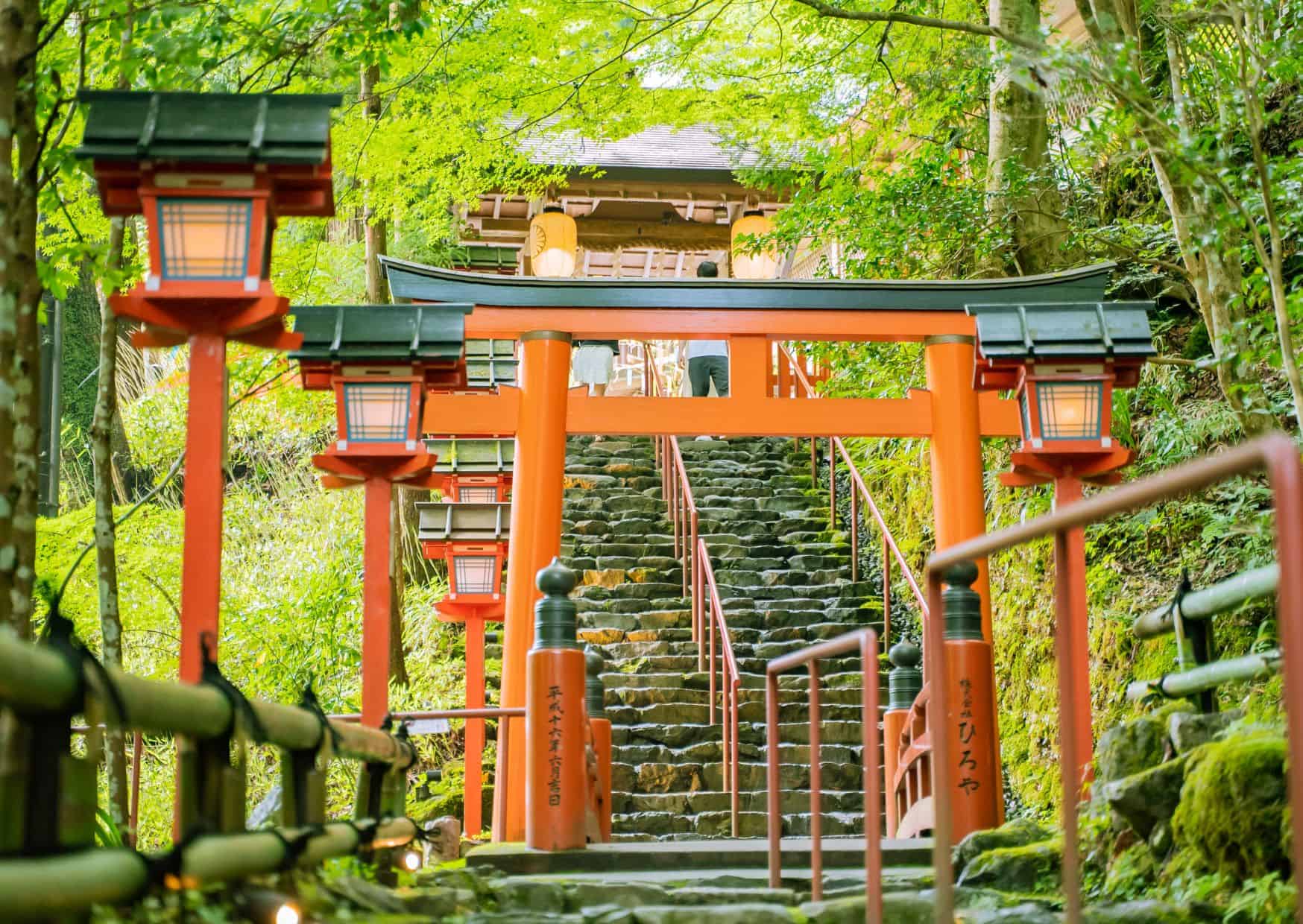
Temples, shrines, and even certain parts of towns are quiet zones, where people expect calm, respectful behavior.
What to do:
Speak softly
Don’t take flash photos
Bow slightly at torii gates when entering shrines
10. Handle Money with Care
In Japan, you don’t hand cash directly to the cashier. Use the small tray provided on the counter for giving and receiving payment.
What to do:
Place bills and coins neatly
Wait for the change to be returned in the same tray
Always be polite and patient
11. Don’t Blow Your Nose in Public
Sniffling is more accepted than blowing your nose in public, which is considered rude and unhygienic.
What to do:
If needed, step aside or into a restroom to blow your nose discreetly.
12. Be Mindful of Personal Space and Body Language
Japanese people value personal space and subtlety. Avoid being overly expressive, animated, or physically close in conversation.
What to avoid:
Hugging strangers
Touching during conversation
Speaking loudly in public
13. Use Both Hands for Important Exchanges
When handing someone a gift, business card, or important item, use both hands as a sign of respect.
Tip:
When receiving a business card, read it briefly before putting it away—never shove it directly into your pocket or wallet.
14. Follow Bathhouse Etiquette (If Visiting an Onsen)
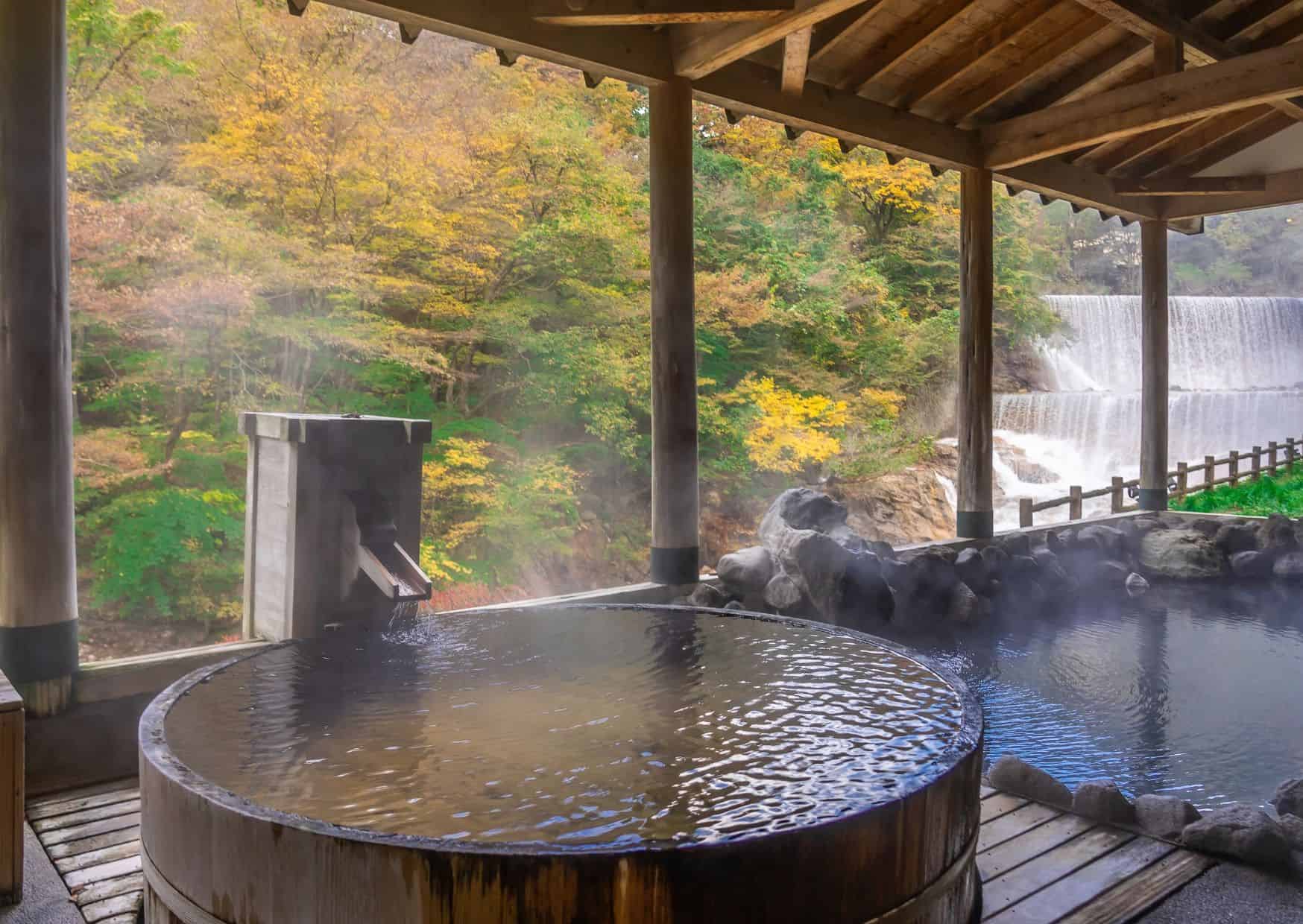
Onsens (hot springs) have strict rules:
Shower thoroughly before entering the water
No swimsuits—you must be naked (same-sex only)
Tattoos may be banned in some places
Don’t put your towel in the water
Why it matters:
Bathing is a sacred ritual in Japan, not just a soak.
Final Thoughts
Japan’s unwritten rules may seem subtle, but they reveal a great deal about a society built on respect, awareness, and shared responsibility. These norms are not meant to intimidate travelers; rather, they create a framework that allows millions of people to coexist in densely populated spaces with remarkable efficiency. Learning them enriches your experience and helps you appreciate the deeper values behind everyday actions.
As you explore the country, you may find that these customs become second nature. Many travelers even bring some of these habits back home, inspired by Japan’s emphasis on mindfulness and courtesy. What begins as an effort to avoid cultural missteps often turns into genuine admiration for the intentionality behind Japanese etiquette.
Ultimately, understanding these unwritten rules transforms a trip into something more meaningful than checking off tourist attractions. It allows you to step into the culture with curiosity and humility, building connections that go beyond language barriers. Respecting these quiet customs not only enhances your journey but also shows appreciation for the country that so generously shares its traditions with visitors.

About the Author: Ruben, co-founder of Gamintraveler.com since 2014, is a seasoned traveler from Spain who has explored over 100 countries since 2009. Known for his extensive travel adventures across South America, Europe, the US, Australia, New Zealand, Asia, and Africa, Ruben combines his passion for adventurous yet sustainable living with his love for cycling, highlighted by his remarkable 5-month bicycle journey from Spain to Norway. He currently resides in Spain, where he continues sharing his travel experiences with his partner, Rachel, and their son, Han.