
So here is the part you do not see on postcards. The old men on the bench in Setúbal and Braga are not health influencers. They are former fishermen, carpenters, bus drivers, and bricklayers who eat the same five meals on repeat, walk to buy bread, nap without apology, and keep their doctors but do not hand their lives to pill bottles. It is not magic. Portugal quietly stacks small advantages all day long. If you copy the day, not the country, you get most of the benefit without moving.
Below is a practical map. Food that actually lands on Portuguese tables, what happens between meals that American life edits out, and household rules that look old fashioned until you notice blood pressure numbers and knees that still work. I am not promising 95. I am promising calmer numbers and a body that cooperates, which is already more than most people get at 60.
What “95 and still here” actually looks like

It is not marathons or biohacks. It is grip strength that can open a sardine tin, knees that can stand from a café chair without both hands, memory for names because lunch still happens with names, and medication lists that are shorter than your browser history. The pattern is boring and stubborn.
- Breakfast small and salty-sweet sane
- Lunch cooked and eaten sitting down with people
- Afternoon quiet on purpose
- Dinner light and not a second lunch
- Alcohol with food or not at all
- Walking by necessity and small strength from chores
- Doctor used as a partner, not an emergency room substitute
Remember: a long life here is just a short life repeated well.
Breakfast: the unsexy start that lowers the day’s drama
No cereal mountain, no dessert coffee. A typical avô breakfast is bread, olive oil, cheese, fruit, and coffee. Sometimes a thin slice of presunto. Sometimes a little butter. The point is not virtue. The point is avoiding a sugar spike that turns the morning into a snack hunt.
How to copy it cheaply:
- One slice of pão de mistura or simple sourdough
- Extra virgin olive oil and a pinch of salt, or a thumb of cheese
- Fruit in season, not a smoothie
- Bica or Americano without candy in the cup
If you grew up on protein shakes and cinnamon roll flavors, this looks plain. Two weeks in, you stop looking for food at 10:30. Boring breakfast makes a quiet brain.
Keep this line: eat like you have a lunch coming.
Lunch: the anchor that makes dinner easy
Portugal still treats lunch like an appointment. The classic table is legumes, greens, fish, olive oil, and bread. Meat shows up but not as the headliner daily. The cooking is simple: stews, grills, and a lot of olive oil used like a tool, not a dare. The satiety from cooked food is the point.
Three real plates you can repeat:
- Caldo verde with a small slice of chouriço: potato and onions blended, ribbons of kale, olive oil on top, served with bread. Add sardines on toast if you worked this morning.
- Grilled sardines with tomato and onion salad and potatoes dressed in olive oil and parsley. A grandfather can eat this twice a week and never complain.
- Feijoada à transmontana on Sunday, then beans and rice with greens the next day. One heavier meal followed by light, not heavy followed by heavier.
Bold reminder: warm legumes plus greens carry you farther than any bar from a box.
Dinner: the rule Americans refuse that Portuguese men keep
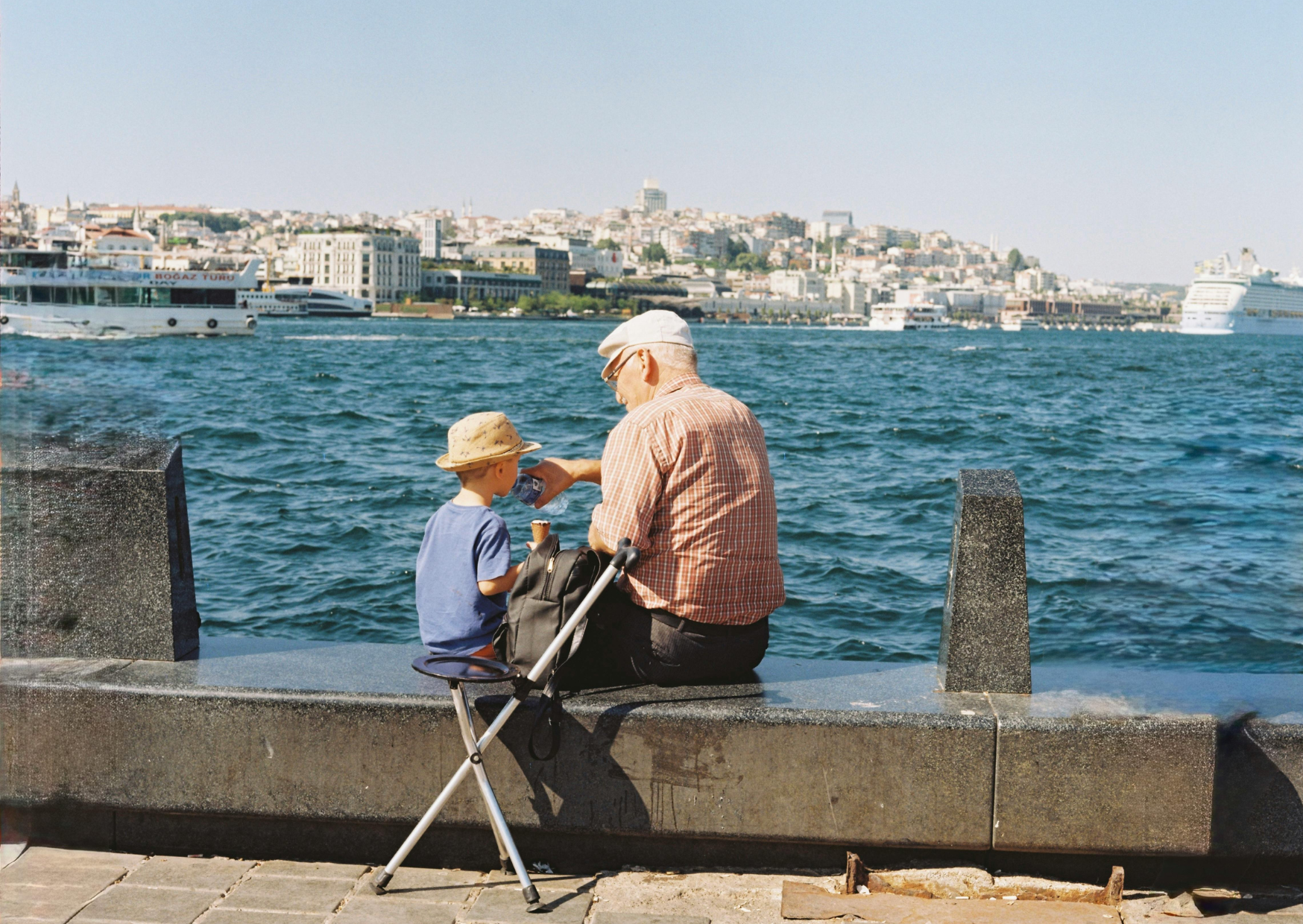
Dinner is not a second lunch. The old men who stay light on pills keep dinner small and early enough to sleep on a normal stomach. Bread, soup, salad, olives, a wedge of cheese, or leftover fish with tomatoes. If there is meat, it is thin and cooked simply. They are not keto or low fat. They are low noise.
Copy the habit:
- Soup plus bread, or salad plus a little protein
- Olive oil at the table for flavor and satiety
- Fruit for something sweet, not cake on a Tuesday
- Kitchen closed an hour after you finish
Your sleep says thank you. So does your fasting glucose.
Short line: light dinners make heavy men lighter.
The oil that does most of the work
Portugal runs on extra virgin olive oil. It goes in the pan, on the salad, and over soup. You taste it. That matters. It turns vegetables into lunch and safer fats into normal calories. The choice is not oil versus no oil. It is olive oil instead of unstable blends.
Practical rule: two to four tablespoons across the day for most adults. Buy fresh enough to taste alive. Keep it away from heat and sunlight. Use it without fear. Flavor prevents second dinners.
Remember: olive oil is the Portuguese multivitamin.
Fish, cheap and often
Grandfathers eat fish because it is local and sensible. Sardines, mackerel, cod, horse mackerel. Fresh when possible, tinned without embarrassment. It is not a superfood sermon. It is protein and fat that came from water, not a factory.
- Grilled sardines in summer, tinned sardines in winter
- Bacalhau cooked a hundred ways, not fried sticks
- Mackerel or tuna tins mashed with olive oil and lemon on bread
Twice a week gets you most of the advantage. Four times a week is normal for men who grew up on the coast. Fish crowds out worse choices.
Wine without drama
Yes, they drink. No, not like brunch. A small glass of vinho tinto or verde with lunch, sometimes dinner, almost always with food and people. That is it. No cocktails as snacks, no two IPAs just because the news was bad. The protective part is not polyphenol mythology. It is quantity and context.
Copy the rule: one small glass with a meal or none at all. If alcohol tangles your sleep or mood, skip it. There is nothing legendary about a habit that does not suit you.
Keep this line: the ritual is the benefit, not the buzz.
Coffee is not a milkshake
A Portuguese grandfather drinks coffee like an adult. A bica at the counter, a meia de leite with a friend. Not a dessert disguised as coffee. Caffeine respects sleep because dinner respects sleep. The cup is small because the day includes conversation and walks, not a sprint through traffic.
If you want the win: two small coffees before 14:00, then water. Your night pays you back.
Movement is baked into the map
You can call it steps. They call it going to get things. Bread, newspaper, market, neighbor. Elevators exist but stairs are not scandalous. The men who last to 95 have calves and hands from a lifetime of walking, carrying, and fixing. No gym membership, still plenty of muscle.
Copy it without moving:
- Walk a twenty minute radius for daily errands
- Carry groceries a block and switch hands
- Sweep your own porch, fix a loose hinge, hang from a bar for twenty seconds
- Sit on a lower chair once a day and stand without using hands
You get balance, grip, and legs without a spreadsheet. Everyday strength is the insurance policy.
Remember: small loads daily beat heroic loads never.
Sunlight and the nap
Afternoons slow. Many men nap or go quiet for twenty to thirty minutes. Morning or late afternoon sun on the face is routine, not a health trend. It sets the clock. A short rest lowers cortisol and turns the evening into something you can enjoy instead of medicate.
Copy what matters:
- Outdoor light within an hour of waking
- A short rest after lunch, not a two hour cave
- Screens parked an hour before bed
Your doctor will call it sleep hygiene. They call it being sensible.
The pharmacy culture that prevents pill lists from exploding
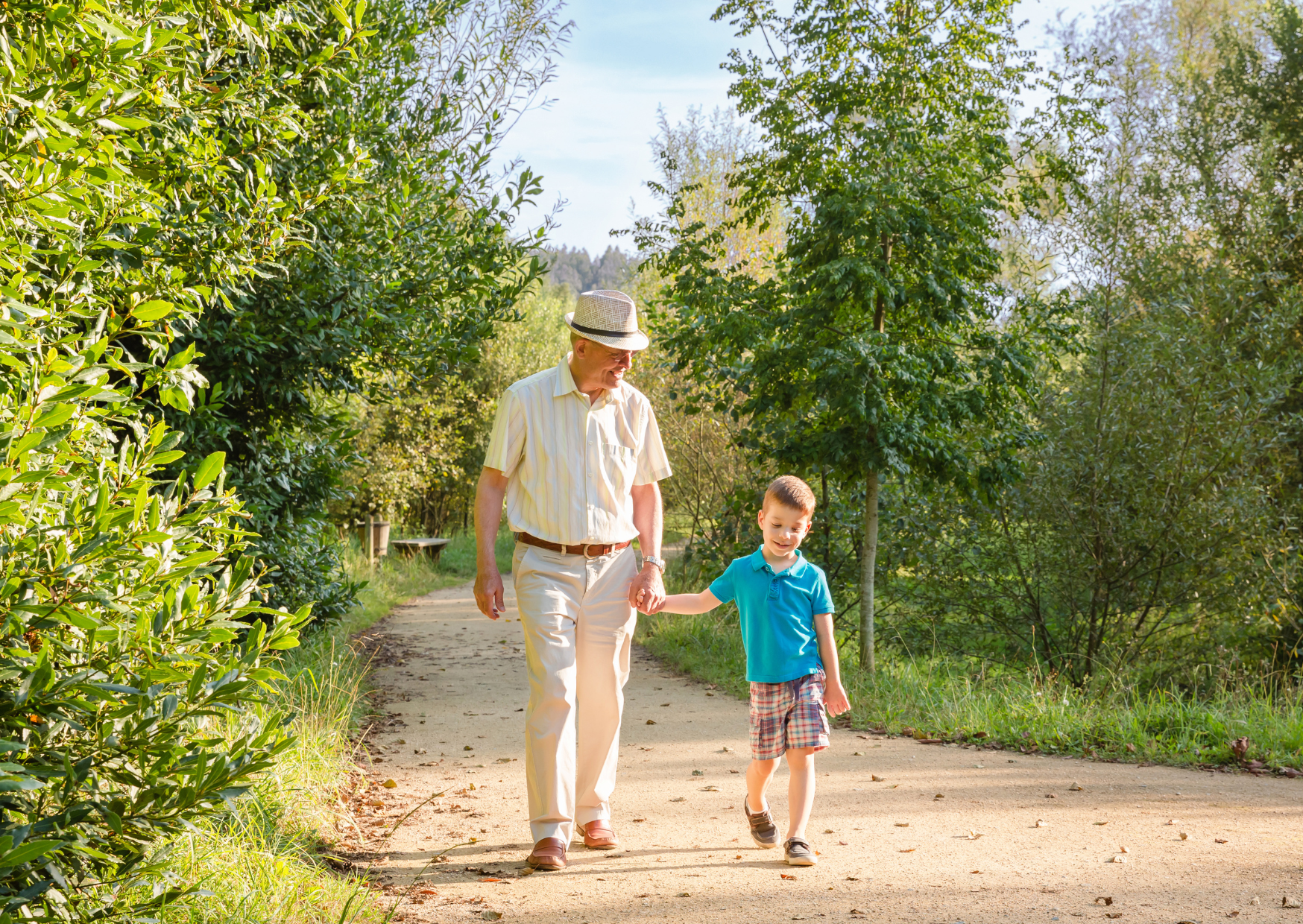
Portuguese grandfathers use doctors, take prescriptions when needed, and still lean on pharmacists for day to day problems. The pharmacist will hand you a box that works at a dose that does not make you silly. They do not buy eight supplements promising to fix the thing the doctor already treats. Overlap is how pill lists get long.
Copy the rhythm:
- Doctor for diagnoses and long term conditions
- Pharmacist for minor fixes, dosage help, and realistic alternatives
- Fewer things taken more seriously, not more things taken casually
You end up with fewer drug interactions and less money wasted on bottles with pride on the label.
The social rule that medicine cannot replace
Old men live in networks, not on schedules. There is always a bench, always a café, always someone to complain to about referees and olive harvests. This is not cute. Social ties lower stress hormones, make people walk farther, and keep meals from turning into snacks in front of a screen. It is protective.
Copy it even if you are shy:
- One recurring place where people expect to see you
- A standing lunch once a week with a neighbor or colleague
- Errands done with someone once in a while, not always alone
You can try to out-supplement loneliness. You will lose. People are the protocol.
The money habit that keeps food sane
Portugal’s older men buy simple food, not brands, and they hate waste. The market stall knows them. The butcher trims the cut he would feed to his own uncle. They spend carefully and skip junk because junk looks expensive when you treat euros like euros.
Copy the trick:
- Shop weekly lists, not moods
- Buy seasonal because the price whispers the season
- Keep a sardine and bean shelf for nights when cooking is a lie
- Eat leftovers with pride, not apology
You eat better when food costs what it actually costs.
A two week Portuguese install you can start Monday
Day 1
Buy a tin of decent extra virgin olive oil. Taste it on bread. If it tastes like dust, swap it.
Day 2
Make caldo verde. Potatoes and onions simmered, blended, kale ribbons, olive oil on top. Save half for tomorrow.
Day 3
Walk to get bread. Carry it home. That is training.
Day 4
Grill or pan sear sardines or mackerel. If fresh is hard, open tins. Tomato and onion salad with olive oil and vinegar.
Day 5
Eat lunch like a person. Sit. Phone face down. A glass of water on the table and nothing else.
Day 6
Dinner is soup and bread. Sleep early. Notice your morning.
Day 7
Nap for twenty minutes after lunch or at least get quiet. Do not apologize.
Day 8
Buy beans, greens, eggs, bread, tomatoes, fruit. Repeat last week’s meals. Repetition is the point.
Day 9
Stand from a chair without hands ten times. Grip a door frame and hang for a breath.
Day 10
One small coffee in the morning, one at midday, none after. Note your night.
Day 11
Ask a pharmacist for a plain solution to the small thing you have been tolerating. Use what they give you.
Day 12
Invite someone to lunch at your table. Bread, olive oil, salad, sardines. You did not need an event planner.
Day 13
Write your medications and supplements on a card. Cross off duplicates that do the same job. Show the list to your doctor next visit.
Day 14
Take a long, slow walk near sunset. Say good evening to three people. Eat light. Sleep.
Keep this line: the schedule does most of the healing.
Common American objections and local answers
“Olive oil is fat. Won’t I gain weight.”
Not if you are replacing worse fats and sugar. Flavor ends the meal. That is the trick.
“I need more protein.”
You need protein at lunch. Fish and beans do it. Meat can too, just not as a sport.
“I cannot nap.”
Then sit quietly with a book for twenty minutes. Lowering afternoon noise is the goal.
“I do not like sardines.”
Fine. Start with tuna, mackerel, or cod. You will age into sardines. Most people do.
“I am busy.”
Busy men here still eat at tables. Ten minutes sitting beats twenty minutes standing with a wrapper and regret.
What changes by Month 2 if you keep this up
- Waist is smaller because dinner is not a performance
- Blood pressure steps down when salt shows up with potassium and sleep
- Fasting glucose edges under 92 if it used to flirt with 100
- Knees complain less when daily walking is normal and weight drops a little
- Mood stops crashing at 16:00 because lunch carried you
If a number does not move, adjust portions, check sleep, and talk to your doctor like a partner. Portugal is not a spell. It is a set of levers.
A simple weekly shop you can reuse forever
- Olive oil in a dark bottle or tin
- Bread from a bakery, two small loaves
- Legumes dry and canned: beans, chickpeas, lentils
- Fish fresh or tinned: sardines, mackerel, bacalhau
- Greens: kale, cabbage, turnip greens
- Vegetables: onions, tomatoes, cucumber, peppers
- Fruit in season
- Eggs
- Cheese in small wedges
- Potatoes and rice for honest starch
Your pantry looks poor on Instagram and rich in reality. That is the point.
If you want the doctor conversation without eye rolls
Bring this to your next visit:
- A two week food log with lunch and dinner captured in one sentence each day
- Your home blood pressure readings at the same time three days in a row
- A list of meds and supplements with reasons for each
- One question: “Which one change would help my numbers most in three months.”
Doctors like questions that respect their time and honor your effort. You will get a better answer than any forum thread.
To Conclude
Soup, bread, olives, and a wedge of cheese. Olive oil you can taste. A fruit for sweet. Put your phone in another room by 21:30. Sleep like someone who worked a little and ate like an adult. Tomorrow, walk to get bread and bring it home the long way. Sit on the bench for five minutes because that is what benches are for. You are not chasing 95. You are building a day that does not need rescuing, and days like that add up.

About the Author: Ruben, co-founder of Gamintraveler.com since 2014, is a seasoned traveler from Spain who has explored over 100 countries since 2009. Known for his extensive travel adventures across South America, Europe, the US, Australia, New Zealand, Asia, and Africa, Ruben combines his passion for adventurous yet sustainable living with his love for cycling, highlighted by his remarkable 5-month bicycle journey from Spain to Norway. He currently resides in Spain, where he continues sharing his travel experiences with his partner, Rachel, and their son, Han.