
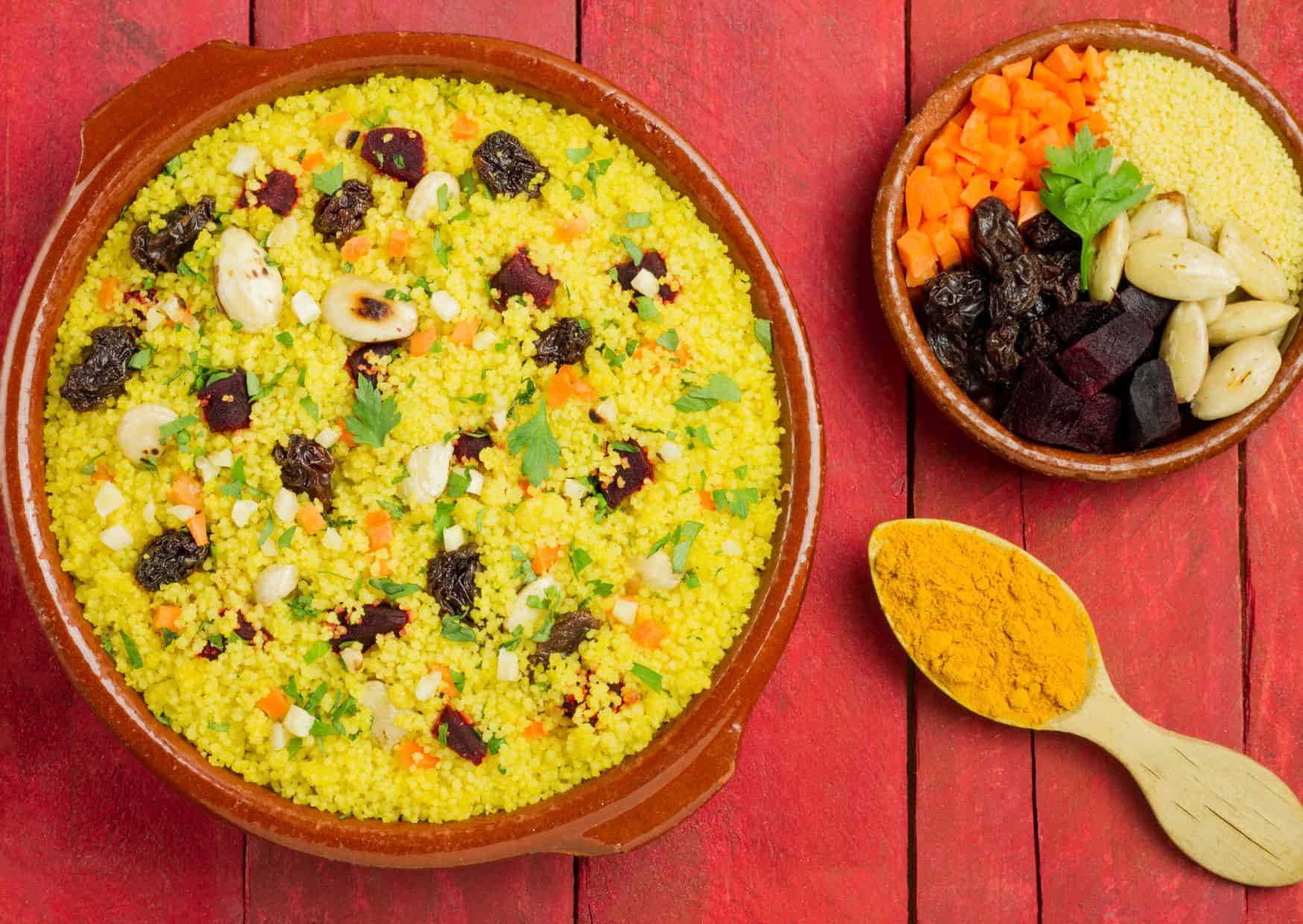
Couscous may appear simple tiny grains that cook in minutes but making traditional homemade couscous is a culinary art that’s been passed down through generations in North Africa. Unlike the quick-steam box version found in most grocery stores, real couscous is lovingly rolled by hand, steamed multiple times, and infused with deep, soulful flavor.
Originating in the Maghreb region (Morocco, Algeria, Tunisia), couscous has long been a staple of community, celebration, and hospitality. In many homes, it’s not just food it’s a ritual. The light, fluffy texture of properly steamed couscous serves as a perfect canvas for spiced broths, meats, and vegetables, creating a dish that’s humble yet endlessly comforting.
Learning to make couscous from scratch is both meditative and rewarding. It takes time, but the result is far richer than anything instant. Once you’ve experienced the real deal steamed over an aromatic stew or served with spiced chickpeas you’ll never look at store-bought couscous the same way again.
Read here how to make Tagine, Moroccan food, best vegetarian food in Morocco, best Moroccan drinks best breakfast in Morocco
Read here 6 Days Morocco Itinerary, what to wear in Morocco and how to get from Marrakech airport to city center
BOOK YOUR TRAVEL INSURANCE
Two of our favorite travel insurance: Heymondo Vs Safetwing cheapest travel Insurance. You can get for $135 USD your Heymondo Travel Insurance with Heymondo discount code valid for 90 days. Read our full comparison of Genki vs Safetywing Travel Insurance Review and the comparison Heymondo vs Genki
Best Time to Eat Couscous
Homemade couscous is traditionally eaten during Friday family gatherings, festive celebrations, or as part of a shared communal meal. It’s perfect for lunch or dinner, especially in cooler weather when served with hearty tagines or stews.
How to Partner Couscous
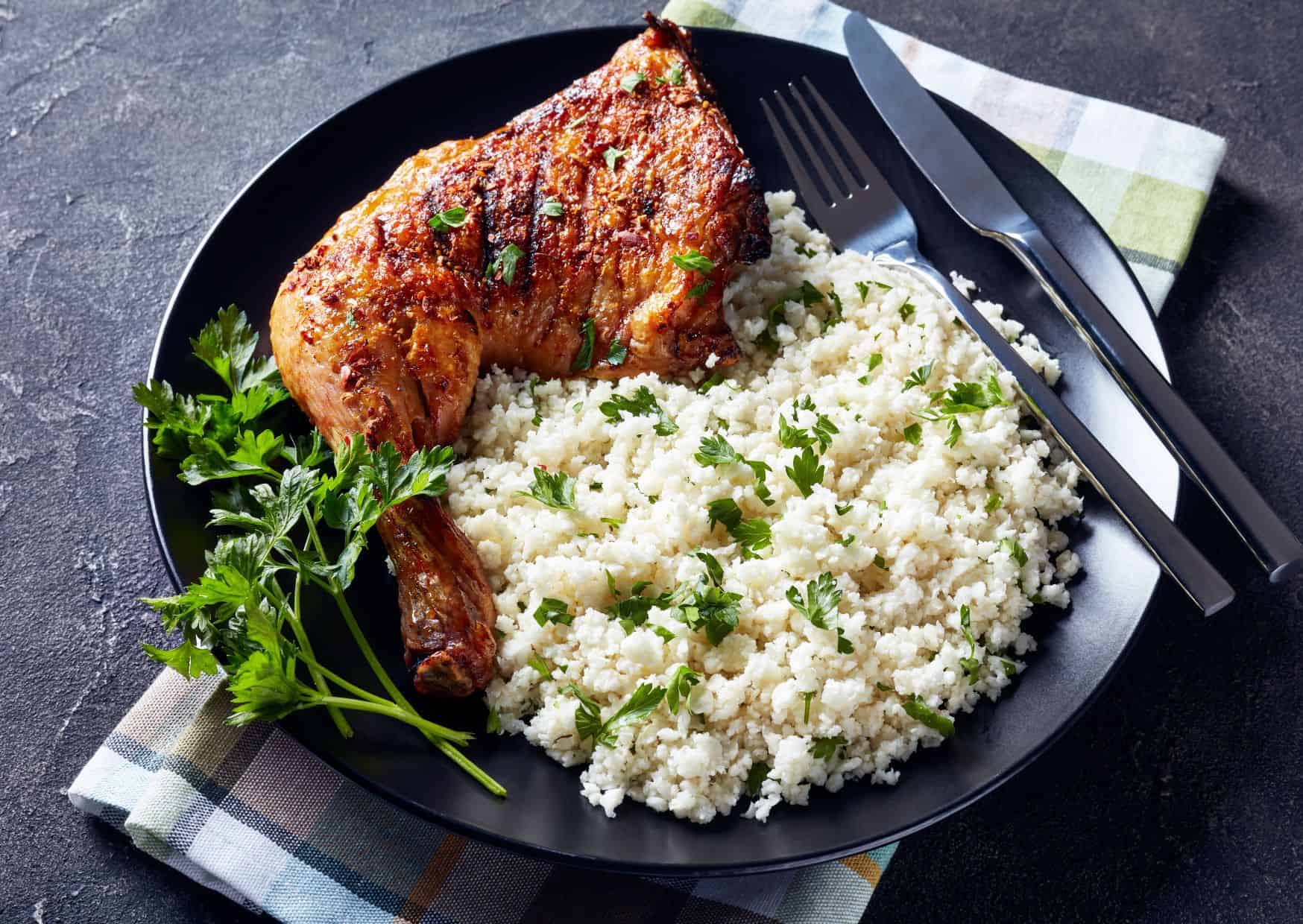
Serve couscous with Moroccan lamb or vegetable tagine, roasted root vegetables, or spiced chickpeas with harissa. For a refreshing contrast, pair it with a mint yogurt sauce or cucumber salad. Complete the experience with sweet mint tea or light red wine (if pairing fusion-style).
One of the most overlooked truths about couscous is that the instant version sold globally is far removed from its cultural roots. Pre-steamed, boxed couscous has its place for convenience, but calling it “authentic” erases the deep culinary craftsmanship involved in traditional preparation.
There’s also ongoing debate about cultural ownership. While many associate couscous broadly with “Middle Eastern” or “Mediterranean” cuisine, it is fundamentally a North African dish with strong cultural significance in Morocco, Algeria, and Tunisia. Oversimplifying or mislabeling it removes its identity and the pride communities have in it.
Finally, couscous is often reduced to a side dish in Western diets, but in traditional homes, it’s the centerpiece of a meal a dish made to gather around, honor guests, and connect generations. Reclaiming its rightful place in the spotlight is about more than food it’s about respect.
How to Make Couscous
Couscous Ingredients
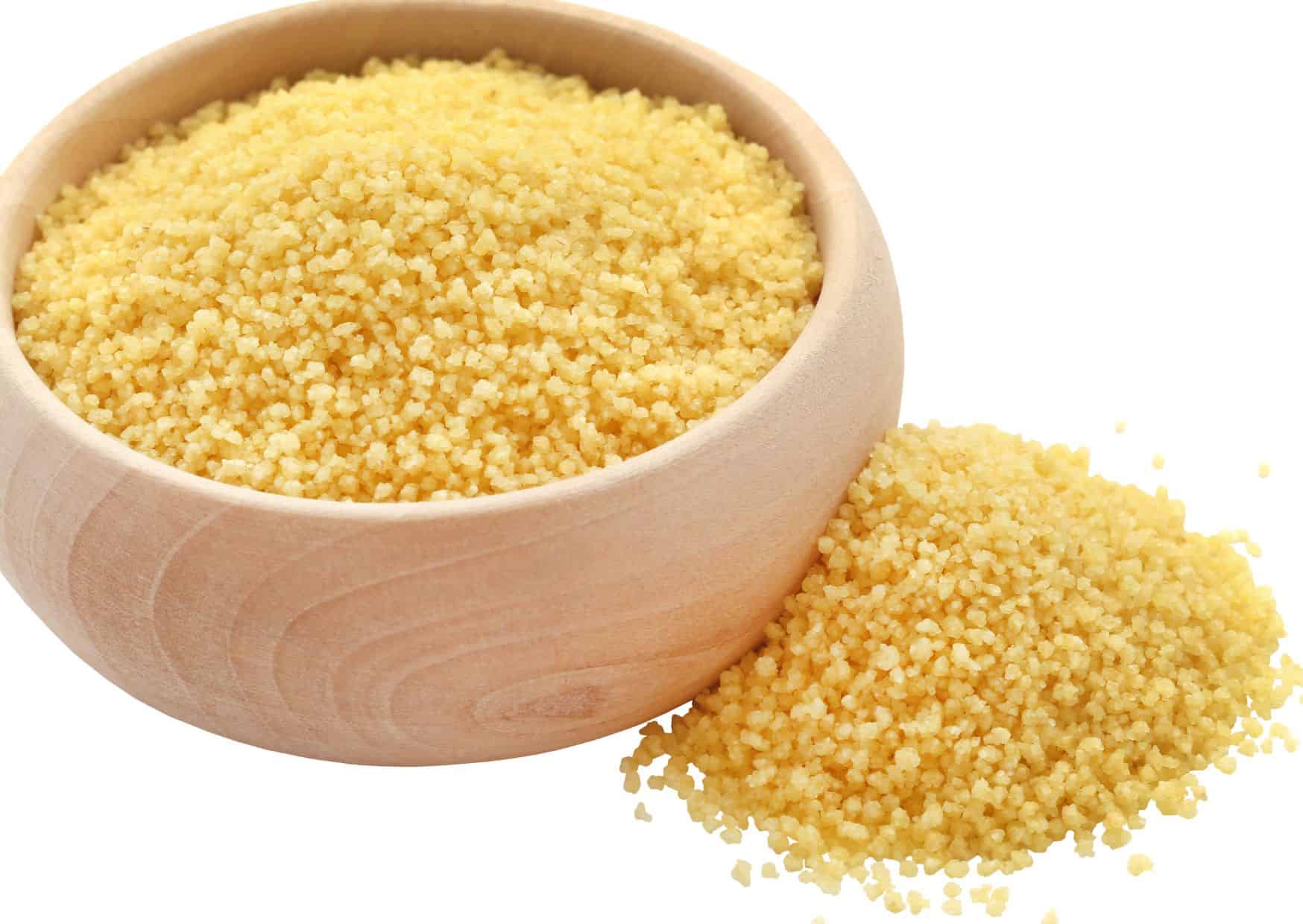
1 cup couscous
1 cup water or chicken/vegetable broth
1 tablespoon olive oil or butter
1/2 teaspoon salt
Step By Step How to Make Couscous
Boil the Liquid
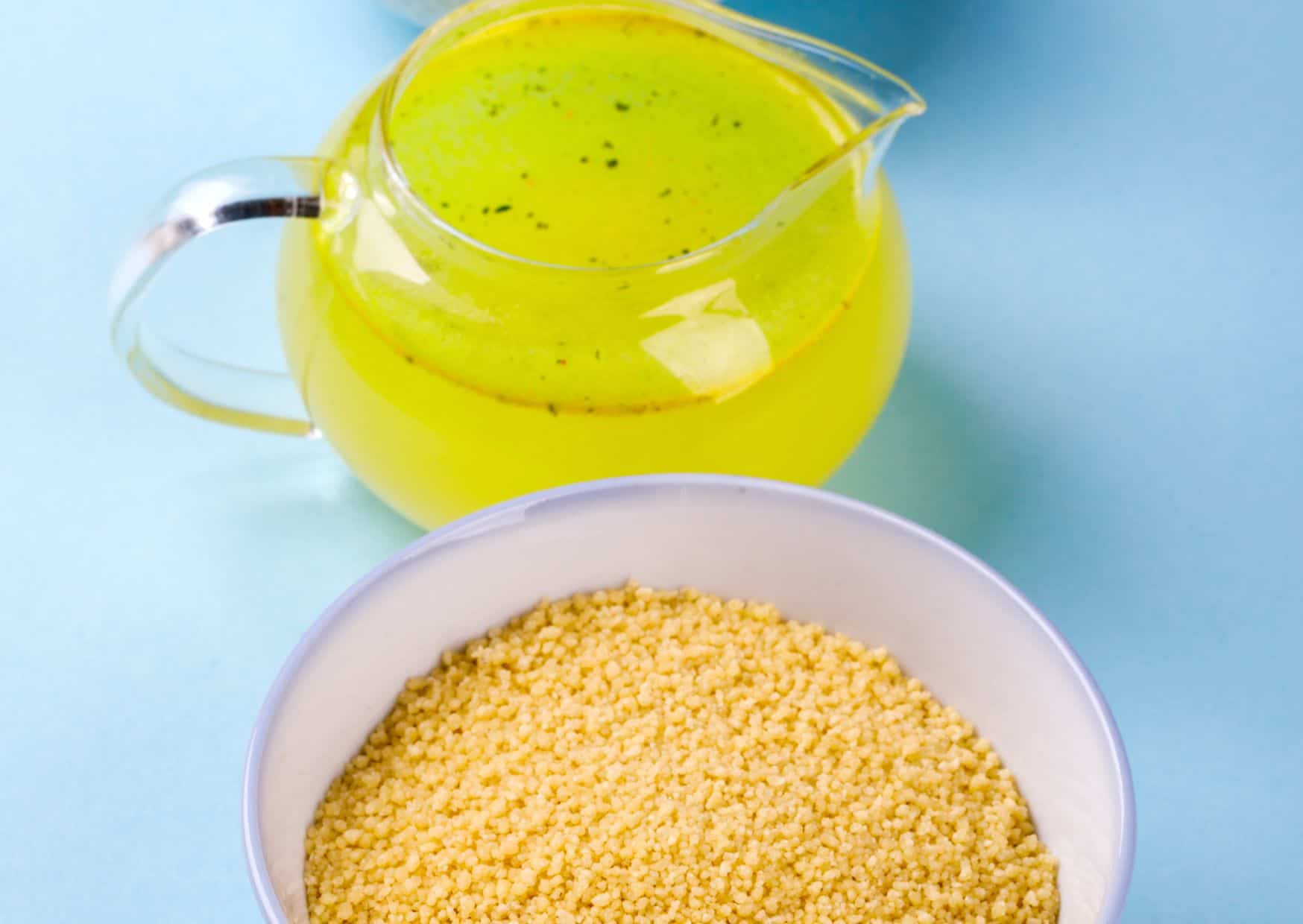
In a medium saucepan, bring the water or broth, olive oil or butter, and salt to a boil.
Add Couscous
Remove the saucepan from heat and stir in the couscous. Cover the pan with a lid and let it sit for 5 minutes.
Fluff with a Fork
After 5 minutes, fluff the couscous with a fork to separate the grains. Serve immediately, or use in your favorite recipe.
Tips To Make Couscous
Using chicken or vegetable broth instead of water adds more depth of flavor to the couscous. Enhance the flavor by adding aromatics like minced garlic, chopped onions, or herbs to the boiling liquid.
Mix in cooked vegetables, nuts, dried fruits, or fresh herbs after fluffing for a more robust dish. Ensure the liquid is boiling before adding the couscous to prevent clumping. Fluffing with a fork helps separate the grains.
Add spices like cumin, coriander, or turmeric to the boiling liquid for a spiced version. Sauté vegetables like bell peppers, zucchini, and carrots, and mix them into the cooked couscous. Stir in fresh herbs like parsley, cilantro, or mint after fluffing the couscous.
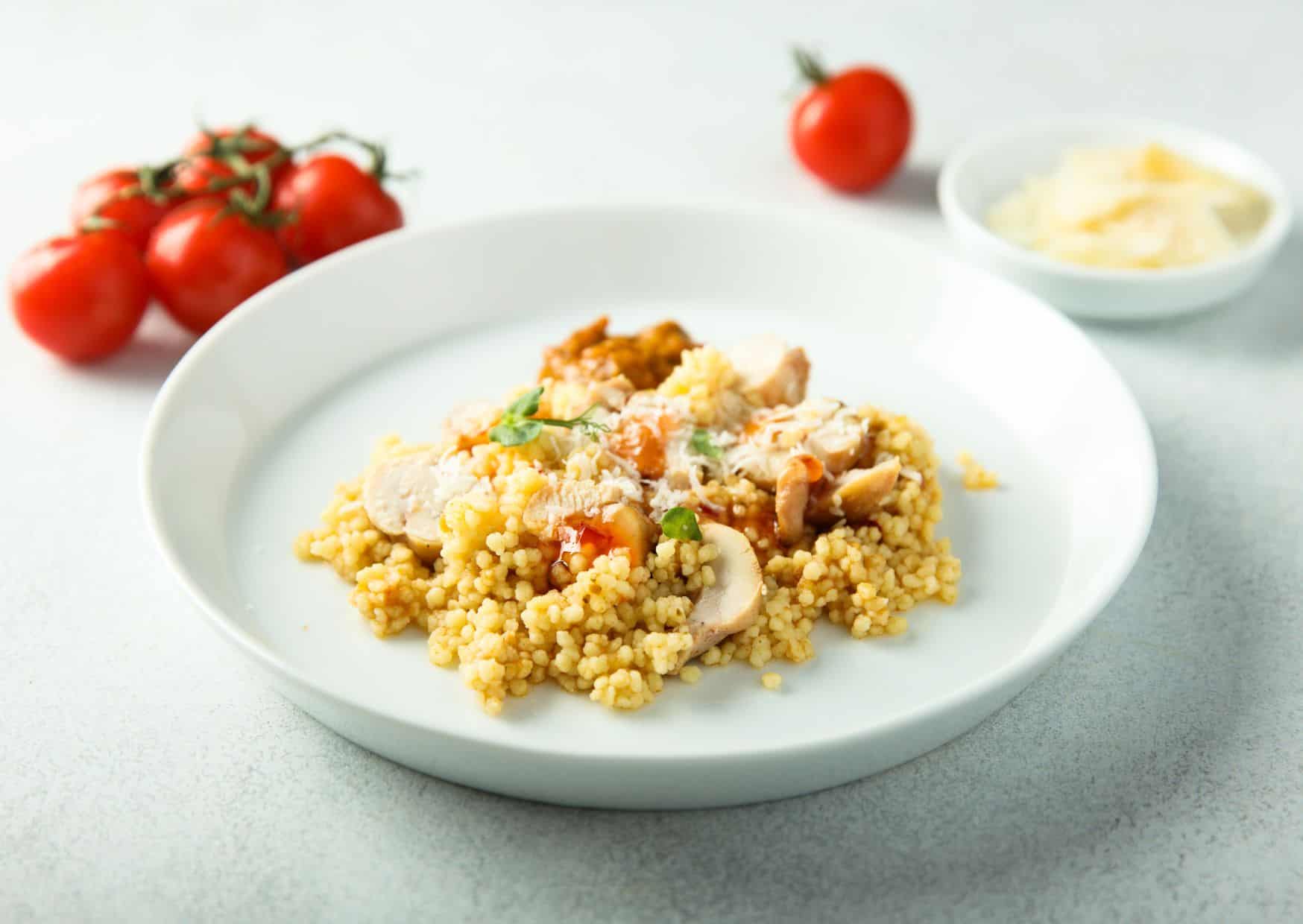
How Many Calories Have Couscous
Calories: 176
Protein: 6 grams
Carbohydrates: 36 grams
Fat: 0.3 grams
Fiber: 2 grams
Sugar: 0 grams
Origin and History
Couscous is one of North Africa’s oldest culinary traditions, with roots stretching back more than a thousand years across the Maghreb. Long before it appeared in modern recipe books, couscous was a staple in Berber communities, where women spent hours rolling tiny grains of semolina by hand. This process was considered both a daily ritual and a communal activity, connecting generations around the table as food was prepared for the entire household.
As trade expanded through the Mediterranean, couscous traveled with merchants, scholars, and explorers, eventually reaching Europe and the Middle East. Its adaptability made it a favorite among travelers: dried couscous stored easily, cooked quickly, and provided nourishment in harsh climates. Over time, each region developed its own style, adding local spices, vegetables, and methods of steaming.
By the twentieth century, couscous had spread so widely that many people assumed it was just another grain like rice or quinoa. However, its origins remain deeply tied to cultural identity in Morocco, Algeria, and Tunisia, where couscous is more than food. It represents hospitality, tradition, and the skill of handcrafting something simple yet essential.
One major point of debate is what qualifies as “real” couscous. Many cooks today rely on instant or pre-steamed couscous, which softens in minutes with hot water. While convenient, traditionalists argue that this shortcut misses the defining texture and aroma achieved through proper steaming in a couscousière. The difference can be significant: hand-rolled couscous remains light, fluffy, and flavorful in a way instant versions rarely replicate.
Another controversy centers on the seasoning. Some believe couscous should be lightly seasoned, allowing the broth and vegetables to shine. Others argue that couscous itself needs spices mixed directly into the grains before steaming. These disagreements reflect deeper regional differences, each with its own culinary philosophy and family traditions passed through generations.
Even the accompaniments can cause disagreement. In Morocco, couscous is often paired with vegetables and gently spiced broth. In Tunisia, it may be hot, bold, and fiery. Algeria brings yet another variation. Which one is right depends entirely on who you ask, and many home cooks insist that the version they grew up with is the authentic one. These debates showcase how identity and memory shape the definition of a dish.
How Long It Takes to Prepare
Making couscous the traditional way takes time, but each stage has its purpose. Rolling semolina by hand into tiny grains can take anywhere from thirty minutes to several hours depending on the quantity. Most home cooks today buy the grains already formed but still steam them in the traditional manner to achieve the right lightness. This alone requires two or three rounds of steaming, each followed by gentle fluffing.
If you commit to fully traditional preparation, expect the entire process to last around two hours. Much of that time is passive, with the couscous steaming while you prepare broth, vegetables, or meat. The key is patience. Rushing leads to clumping, while slow steaming yields a tender, cloud-like texture.
Those who prefer a quicker approach can complete a simplified version in twenty minutes by using pre-steamed couscous. It is not identical to the traditional method, but it works well for busy kitchens. The important thing is avoiding sogginess by measuring water carefully and letting the grains swell before fluffing with a fork.
Serving Suggestions
Traditional couscous is served with a richly flavored broth made from vegetables, chickpeas, and sometimes lamb or chicken. The broth is often poured over the couscous just before serving, allowing every grain to absorb its depth of flavor. A small bowl of extra broth is typically offered on the side in case guests want their servings more saucy.
Another delicious option is pairing couscous with roasted vegetables, nuts, and dried fruits. This version highlights sweetness and texture while maintaining the simplicity of the dish. Toasted almonds, raisins, caramelized onions, or apricots transform couscous into an aromatic side or a fully satisfying vegetarian main.
For a refreshing twist, couscous can also be served cold as a salad. Toss it with herbs, fresh tomatoes, cucumbers, lemon juice, and olive oil for a bright and vibrant dish. This approach is perfect for warmer weather and makes an excellent base for grilled fish or chicken.
Final Thoughts
Couscous is a dish defined by craftsmanship and cultural pride. When made by hand and steamed slowly, it reveals a depth and delicacy that many people have never experienced. Learning to make it properly is not just about following a recipe; it is about understanding the care and intention behind each step.
As global variations continue to spread, couscous serves as a reminder of how traditional foods adapt over time. Even if you do not make it the same way as cooks in Morocco or Algeria, knowing its roots brings greater appreciation to whatever version you prepare in your kitchen. Food traditions thrive when they evolve but still honor where they came from.
With practice, making couscous becomes intuitive rather than intimidating. Whether you choose the long handcrafted method or a quicker preparation, the reward is the same: a dish that connects you to centuries of culinary wisdom and invites experimentation. Couscous may be ancient, but its appeal is timeless.

About the Author: Ruben, co-founder of Gamintraveler.com since 2014, is a seasoned traveler from Spain who has explored over 100 countries since 2009. Known for his extensive travel adventures across South America, Europe, the US, Australia, New Zealand, Asia, and Africa, Ruben combines his passion for adventurous yet sustainable living with his love for cycling, highlighted by his remarkable 5-month bicycle journey from Spain to Norway. He currently resides in Spain, where he continues sharing his travel experiences with his partner, Rachel, and their son, Han.