
As remote work and digital nomad lifestyles continue to rise, several countries are offering financial incentives to attract new residents, revitalize their communities, and boost their economies.
If you’ve ever dreamed of relocating abroad, these 12 countries will pay you to move there whether you’re a remote worker, entrepreneur, or looking for a fresh start.
These countries are offering not just financial incentives but also the opportunity to experience a new way of life whether it’s working remotely from a scenic island, building a startup, or raising a family in a peaceful village. By taking advantage of these programs, you can embark on a unique adventure while contributing to vibrant local communities.
Getting paid to move abroad isn’t just a dream it’s happening now. From €30,000 grants in the Italian Alps to remote-work sponsorships in rural Spain, these opportunities reflect changing priorities in a post-pandemic, remote-work world. Yet they come with responsibilities community integration, visa compliance, and genuine commitment.
Explore these offers, match one to your lifestyle and values, and you could launch a fulfilling new chapter all while being financially supported. Whether you’re drawn by the mountains of Switzerland, the tech-hubs of Chile, or Japanese countryside heritage, these 12 countries offer a real, financially viable way to begin life overseas in 2025.
Read Here European Things that terrify Americans and American Habits that make Europeans Cringe
Read here how to pack for Europe and Best eSIM for Europe
BOOK YOUR TRAVEL INSURANCE
Two of our favorite travel insurance: Heymondo Vs Safetwing cheapest travel Insurance. You can get for $135 USD your Heymondo Travel Insurance with Heymondo discount code valid for 90 days. Read our full comparison of Genki vs Safetywing Travel Insurance Review and the comparison Heymondo vs Genki
Tips for Relocating to These Countries
Read the Fine Print: Residency incentives come with strings—time commitment, job requirements, home ownership, or rural resettlement.
Visa & Tax Planning: Don’t underestimate bureaucracy. Consult local immigration experts or embassy info.
Check Language & Integration Needs: Some towns expect you to pick up the local language—even basic skills like Japanese, Greek, or Finnish can help.
Healthcare & Insurance: Many programs don’t cover national health insurance; set aside funds or purchase expat plans.
Try Before You Commit: If possible, visit for 1–3 weeks on a tourist or working holiday visa before relocating.
Remote Work Compatibility: Most rural incentives look for remote workers or digital nomads—ensure your job can follow you.
Long-Term Viability: Ask about school quality, internet speeds, transport links, local amenities, neighborhoods.
The idea of countries paying people to move there sparks mixed reactions. Critics argue that these programs can oversimplify deeper social and economic issues. Offering financial rewards might attract short-term interest, but without jobs, infrastructure, or community support, many newcomers struggle to stay long-term. Some locals even worry that these incentives prioritize foreign arrivals over improving conditions for residents who never left.
On the other hand, supporters see these programs as innovative and necessary. With populations declining across parts of Europe and Asia, attracting new residents keeps schools open, economies moving, and traditions alive. For regions on the brink of disappearing, a financial incentive can mean the difference between revitalization and extinction.
The real debate centers on sustainability. Can money alone rebuild communities, or does it require a cultural and emotional investment from those who move? Relocation programs may fill empty homes, but only shared purpose and integration can truly bring a town back to life.
Countries That Will Pay You to Move There
1. Italy

Why They’ll Pay You:
Italy has launched programs to repopulate its charming rural villages, especially in regions like Calabria and Sicily, where the population has been declining.
What’s Offered:
Up to €28,000 ($30,000) for people willing to move to villages like Presicce or Santo Stefano di Sessanio.
Extremely affordable housing options, including €1 homes (with renovation requirements).
Requirements:
Must commit to starting a small business or working remotely.
Typically requires residency for at least a few years.
2. Spain
Why They’ll Pay You:
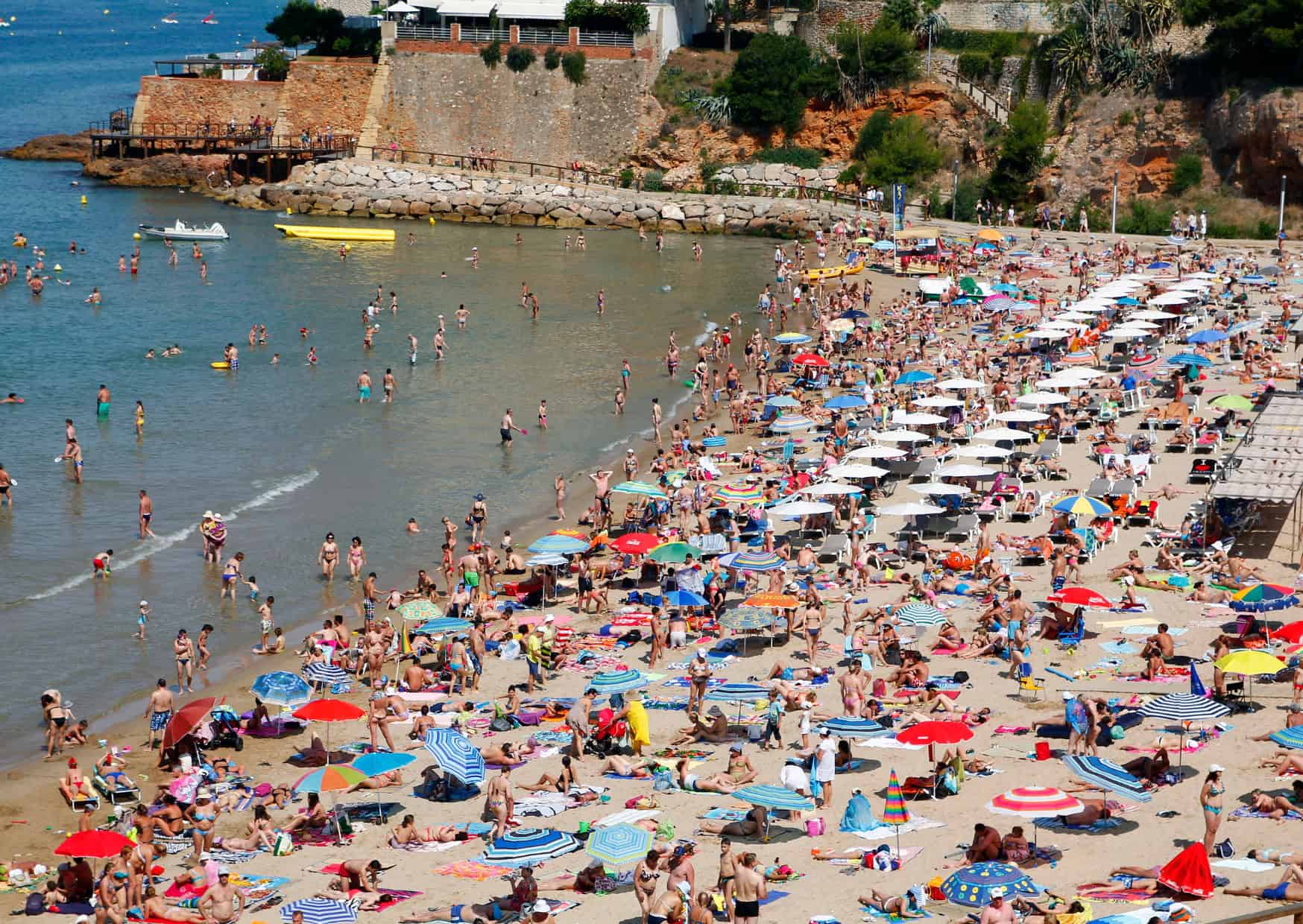
Spain is encouraging people to move to its emptying rural villages to combat depopulation.
What’s Offered:
Up to €3,000 ($3,200) to move to areas like Ponga (Asturias) or Rubia (Galicia).
Additional family incentives, such as payments for each child.
Requirements:
Commit to staying for a minimum of 2–5 years.
Often targeted at families or remote workers.
3. Greece

Why They’ll Pay You:
To revive its smaller islands, Greece is offering financial support to newcomers who settle there.
What’s Offered:
The island of Antikythera offers €500 ($540) per month for three years.
Opportunities for free housing and land in some cases.
Requirements:
Preference is given to families and skilled workers.
Must live on the island full-time.
4. Ireland

Why They’ll Pay You:
Ireland’s rural areas and islands are seeking new residents to maintain their culture and economy.
What’s Offered:
Government grants for buying and renovating homes on Irish islands, with amounts up to €84,000 ($90,000) for eligible properties.
Requirements:
Must live full-time on the island.
Renovation grants are contingent on property eligibility.
5. Portugal

Why They’ll Pay You:
Portugal’s government wants to repopulate its interior regions and attract remote workers.
What’s Offered:
Some rural areas offer up to €7,500 ($8,000) for moving there.
The country’s D7 visa makes it easy for remote workers to establish residency.
Requirements:
Must live in rural areas, not major cities.
Commit to long-term residency.
What’s changed
In Portugal, residents are taxed on their worldwide income, and in 2025 the personal income tax brackets for residents now range from about 12.5% up to 48% (depending on income) plus solidarity surcharges.
The previous flagship regime, the NHR (Non-Habitual Resident) status, allowed many new Portuguese tax residents to enjoy favourable tax treatment on foreign-source income (dividends, interest, capital gains, pensions) under certain conditions.
That regime has been phased out for most new applicants and replaced by the IFICI programme. Under IFICI (often described as “NHR 2.0”), only individuals who qualify (principally via “highly qualified professions”, innovation or research roles, or certain strategic activities) may benefit from special tax treatment.
Among the changes is the fact that foreign-sourced income such as pensions, dividends, and capital gains are now more tightly controlled and often taxed at the regular resident rates unless covered by a double tax treaty or other specific exemption.
6. Chile

Why They’ll Pay You:
Chile’s Startup Chile program aims to attract entrepreneurs to build businesses in the country.
What’s Offered:
Up to $50,000 in funding for startups.
Support from business incubators and access to a professional network.
Requirements:
Must establish a business in Chile.
Preference for tech and innovation-focused startups.
7. Mauritius

Why They’ll Pay You:
Mauritius, a tropical paradise in the Indian Ocean, is offering incentives to attract foreign professionals and retirees.
What’s Offered:
A Premium Visa that allows remote workers to live and work tax-free for one year.
Some relocation packages for retirees or investors.
Requirements:
Must prove steady income (remote work or savings).
No intention of entering the local job market.
8. Canada

Why They’ll Pay You:
Canada’s Rural and Northern Immigration Pilot Program (RNIP) encourages skilled workers to relocate to smaller communities.
What’s Offered:
Employment opportunities with permanent residency pathways.
Financial assistance, including relocation grants in some regions.
Requirements:
Must move to one of 11 participating communities, such as North Bay or Vernon.
Secure a job offer before moving.
9. Switzerland
Why They’ll Pay You:
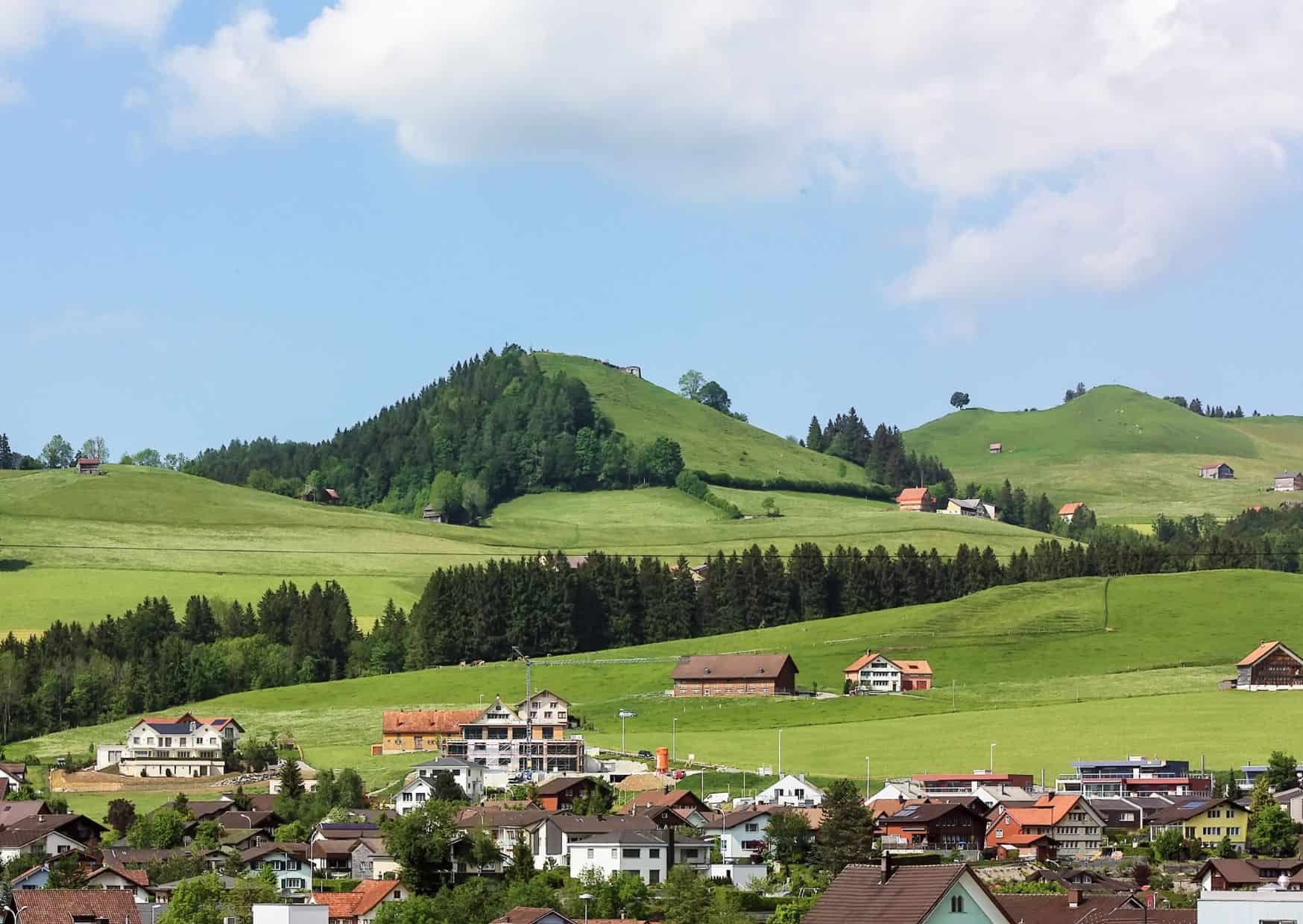
Some remote Swiss villages, like Albinen, are offering cash to attract families and young professionals.
What’s Offered:
Up to CHF 25,000 ($27,000) per adult and CHF 10,000 ($11,000) per child.
Subsidized housing options in picturesque Alpine towns.
Requirements:
Commit to living in the village for at least 10 years.
Buy or build a home valued at CHF 200,000 ($215,000) or more.
10. Barbados

Why They’ll Pay You:
Barbados launched its 12-month Welcome Stamp program to attract remote workers who can contribute to the local economy.
What’s Offered:
A visa that allows you to live and work in Barbados for one year.
No income tax for remote workers on foreign earnings.
Requirements:
Must prove an annual income of at least $50,000.
Work remotely for a company outside Barbados.
11. Japan

Where: Rural towns via “Regional Revitalisation Program”
Incentive: Up to ¥5 million (~$31k) to restore traditional homes in underserved regions
Why relocate: Rich culture, safety, natural beauty
Tip: Proficiency in Japanese and willingness to integrate into rural life essential.
12. Taiwan

Incentive: Digital nomad visa for six months, renewable, requires income/bank savings
Why relocate: High tech; vibrant food culture
Tip: Bank deposit and income proof are key—USD 20–40k annual income depending on age.
Final Thoughts
Getting paid to move abroad isn’t just a financial opportunity it’s a chance to redefine how we think about home and community. These relocation programs remind us that value doesn’t always flow from urban centers outward. Sometimes, the most rewarding lives are built in unexpected corners of the world, where simplicity, connection, and purpose outweigh hustle and competition.
For anyone considering such a move, the key is to look beyond the initial offer. The real reward isn’t the grant or the free land it’s the experience of joining a culture that wants you to be part of its story. Moving abroad with open eyes and realistic expectations can turn an incentive into a lifelong adventure.
Ultimately, these programs represent more than just creative policymaking. They are a glimpse into a future where communities collaborate across borders to survive and thrive together. For those ready to take the leap, it’s proof that opportunity can sometimes come from the most unexpected places waiting with open doors and, in some cases, a paycheck.

About the Author: Ruben, co-founder of Gamintraveler.com since 2014, is a seasoned traveler from Spain who has explored over 100 countries since 2009. Known for his extensive travel adventures across South America, Europe, the US, Australia, New Zealand, Asia, and Africa, Ruben combines his passion for adventurous yet sustainable living with his love for cycling, highlighted by his remarkable 5-month bicycle journey from Spain to Norway. He currently resides in Spain, where he continues sharing his travel experiences with his partner, Rachel, and their son, Han.