
You notice it in the first month. A lunch table where four adults who met in primary school still trade inside jokes without explaining them. A birthday where half the guest list are cousins and the other half are classmates from age eight. You think it is nostalgia. It is structure. In Spain, friendship grows inside place, and place doesn’t move much. School catchments, grandparents nearby, summer towns, football clubs, festivals, the same bar where someone’s uncle still runs the register. If you arrive at thirty-two with a suitcase and a smile, it feels like everyone already belongs somewhere and you are hovering near the door. You are not being excluded. You are late to a party that never ended.
This is not a complaint piece. It is a field manual. If you understand how Spanish friendships form and why they last, you stop taking it personally and start playing the game on the field that exists. Below is the map: what “friend” means here, how the rings actually work, why geography and calendars keep groups intact, and the precise moves that get you adopted without begging. By the end you will know where to stand, what to offer, and when to stop pushing.

What “friend” means here, and why it feels heavier than you expect
The Spanish word amigo is not the American “friend” you throw at a co-worker after two coffees. It is smaller and heavier. People sort relationships into circles: family and near-family, old friends who became family, the trusted weekly circle (team, choir, padel foursome, parent crew), then a wide halo of cordial acquaintances. You join from the outside and move inward through repetition, not charm.
Two details matter:
- History equals proof. If we survived high school together, traveled as broke students, shared hospital waiting rooms, and celebrated a hundred name days, we have receipts. New people do not threaten that; they simply have no time bank yet.
- Place hardens ties. Many Spaniards attend primary and secondary schools in walking distance, then university in-region, then work in commutable cities. Short distances make long friendships.
You are not competing with better personalities. You are competing with twenty years of Tuesdays.
Keep this in your head: you will be liked quickly and trusted slowly. That is not a judgment; it is the operating system.
The rings in practice: who does what in a Spanish week
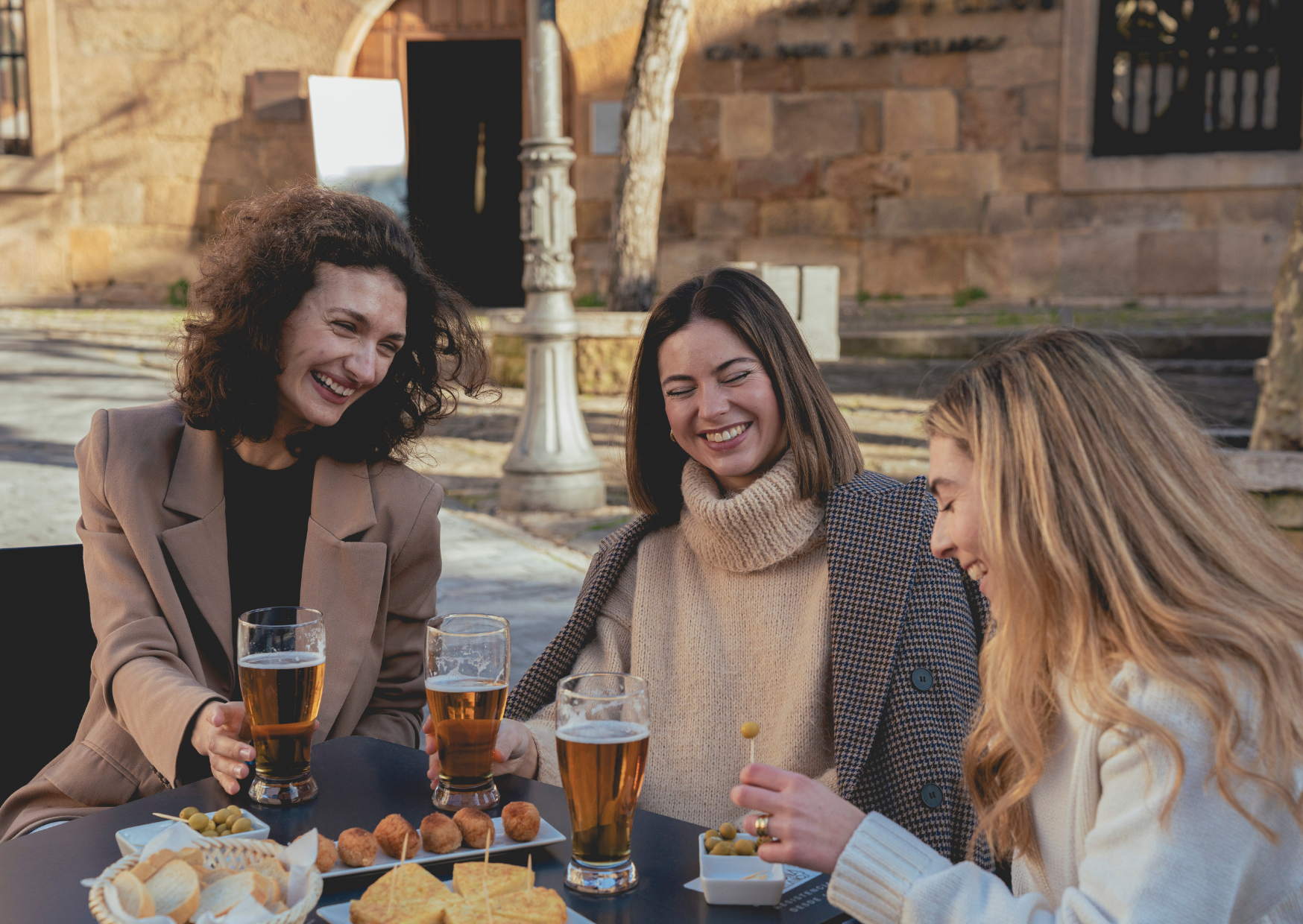
Think of three concentric circles, not one blob of “friends.”
Inner circle (2–6 people).
They have spare keys. They help move a sofa. They know which parent has a delicate heart and which cousin needs a lift on Wednesdays. This is the circle that makes soup unasked. It forms early and rarely expands.
Weekly circle (8–15 people).
Team, choir, hiking group, neighborhood bar table, school-gate cohort. Shared activity is the glue. Members shift over time as life changes schools or sports, but the cadence holds. If you are new, this is where you enter.
Wide circle (dozens).
Neighbors, colleagues, godparents of godchildren, summer-town friends. These are the faces at big parties and town festivals. You greet, you catch up, you respect the calendar. Warmth is real, intimacy is rationed.
Your goal is not to storm the inner circle. Your goal is to show up where the weekly circle meets and become the person people count on without talking about it.
Short line to keep: attendance beats introductions.
Why childhood friends stay: the logistics nobody mentions
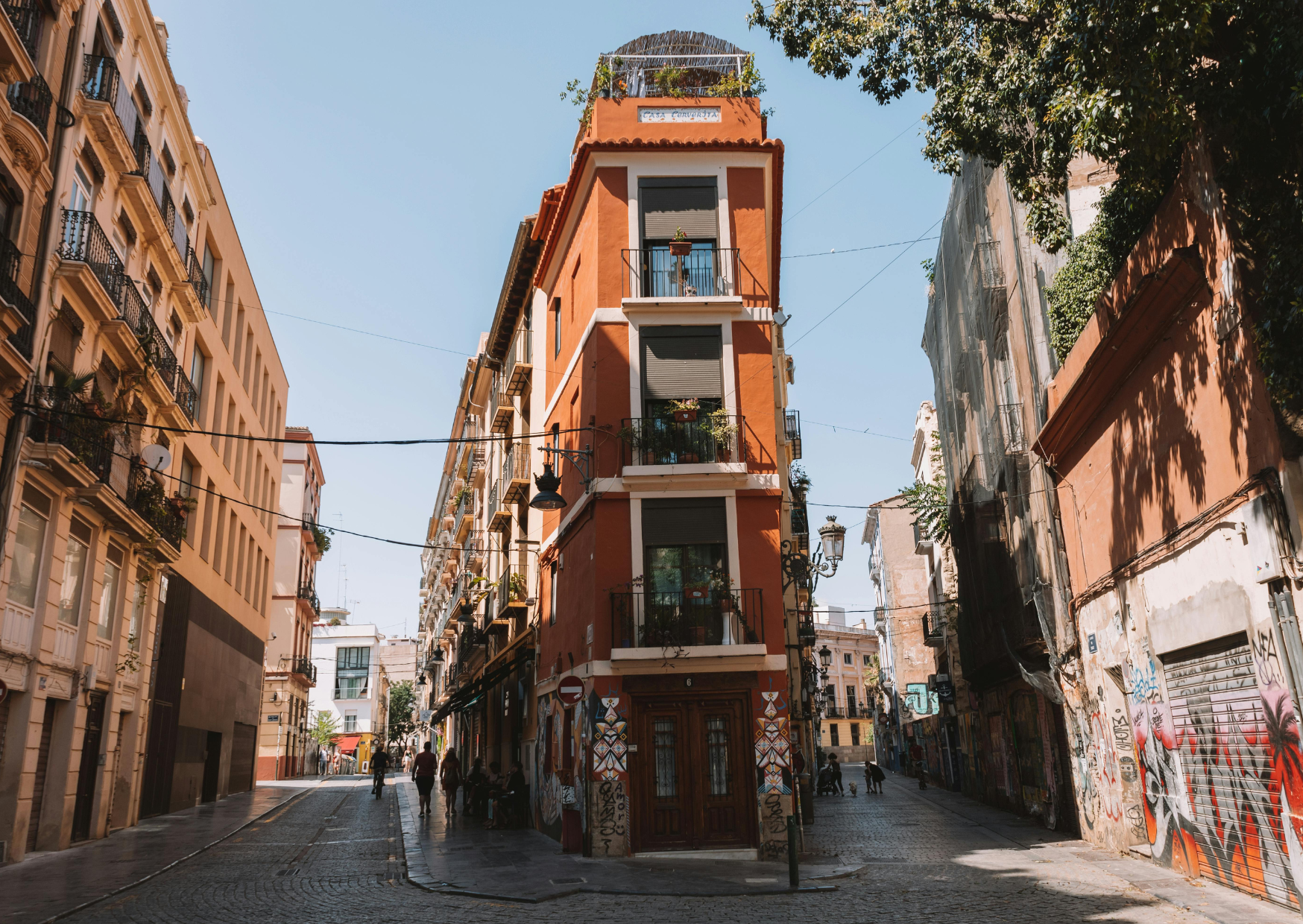
People say “Spanish are family-oriented.” True and vague. Here is the anatomy.
Catchment schools and walking lives.
Primary school is close. Parents meet at the gate for years. Kids swap houses. Adults trade favors. Proximity is a factory for loyalty.
Summer towns.
Grandparents keep apartments in coastal or village places. Every August is a reunion. The same kids grow up on the same plaza and then become the adults cooking paella on the same terrace. If you marry in, you inherit a seaside clan.
Clubs and teams.
Athletics are scheduled and social. Five-a-side football, padel, basketball, dance, castellers, sailing, rowing, cycling. Friendships grow shoulder to shoulder while doing things, not over coffee interviews.
Festivals and rituals.
Fallas, Feria, Semana Santa, San Juan, romerías, town saints. The calendar repeats. Repetition is memory. Memory is friendship. If your friendships in the U.S. were built by moving and reinvention, Spain builds them by staying and rehearsal.
This is why “I don’t know anyone yet” is not a problem to solve in six weeks. It is a two-year project with a street address.
How outsiders actually get adopted (and where they fail)
People adopt you when you lower the cost of being your friend. That sounds cold; it is kind. Make it easy to include you.
Pick one anchored activity and stay there.
Choir on Wednesdays. Padel on Mondays. Volunteering at the barrio association the first Saturday. If you change clubs every two months, nobody can find you.
Use the bar as a place, not a theme.
Choose one bar that runs on regulars. Learn the staff’s names. Learn one regular’s nickname. Stand at the counter, not always at a table. Counters are friendship machines because you rotate neighbors naturally.
Offer one small favor per month.
Water plants, receive a package, drive someone to a clinic, translate a document. Trust grows by errands, not speeches.
Invite correctly.
Post-activity coffee for twenty minutes. Lunch at 14:00 with two people, not a performative dinner at 21:30 with eight. Bring something specific when invited. Specificity communicates care.
Where newcomers fail:
- Oversharing to accelerate intimacy. It backfires. Mystery is not a game here; it is respect for slow trust.
- Whiplash calendars. Cancelling twice kills momentum for months.
- Recruiting one person to “explain the culture.” They are living, not curating. Ask smaller questions.
Remember consistency is kindness.
WhatsApp is the bloodstream; treat it like one

Friend groups run on WhatsApp. It is not optional. It is also not email.
- Reply in-thread. Do not start a new chat to answer an old topic.
- Be brief and concrete. “Llego a las 19:35. Llevo pan.” Two sentences, done.
- Stickers are affection. A small sticker after news is normal. A paragraph is heavy.
- Silence is not rejection. People read and keep living. In Spain, response speed tracks logistics, not feelings.
Mute noisy groups. Keep the parent chat concise. Put the important chats on top. This is not productivity advice; it is belonging advice.
Madrid, Barcelona, Valencia, Sevilla, Bilbao, Galicia: same rules, local rhythms
The skeleton is national. The muscles differ.
Madrid
Friendship grows around barrio identity despite big-city size. Pick a neighborhood and live there on foot. Sundays are still family. Your best shot is regular lunch invites and teams that meet near home.
Barcelona
Groups are tight and long-standing. Language matters more. Catalan earns you trust fast when you try honestly. Do not posture; greet shopkeepers, learn your market stall people, be a regular in one civic thing.
Valencia
Neighborhood fiestas and falla committees are the adoption engine. Bring work gloves in March. Fallas is a months-long project, not a week of photos. You will leave tired and with friends.
Sevilla
Calendars matter: Feria, Semana Santa, football, choir. Formality and warmth co-exist. Arrive on time, dress slightly better than you think, and let the rhythm teach you.
Bilbao
Quadrillas (friend crews) are established. You will not replace; you will attach. Pintxos rounds are a circuit. Learn it, pay your turn, avoid debates you cannot cash. Hiking clubs are big green doors.
Galicia
Families and villages hold strong. Food is the language. Bring cake, learn market fish names, and be ready to help in the rain. If invited to a family’s village feast, say yes and stay late.
Hold this quietly: place is your teacher. Copy the local calendar and the door opens.
If you have kids, the gate is the gate
School runs are not errands; they are social infrastructure. You meet the same adults twice daily, five days a week, for years.
- Arrive five minutes early for the first month. Faces become names.
- Volunteer once each term: ticket table, clean-up crew, field day. Work beats small talk.
- WhatsApp the class rep for logistics, not opinions.
- Birthday parties: invite broadly for younger years, keep food simple, buy from the good bakery instead of “crafting” a project.
- Reciprocate playdates within two weeks. Speed signals reliability.
If you are child-free, borrow the structure by joining a club that meets where parents meet: municipal pools, libraries, padel courts, community centers.
Hosting without making it a Broadway show
Big productions backfire. What works:
- Lunch, not dinner, unless it is a weekend. Start at 14:00. End by 17:00.
- Three dishes, not seven: a soup or salad, a simple main, fruit and coffee.
- Something from the good bakery if you don’t bake. Everyone knows which bakery is the good one.
- Chairs first, candles second. Comfort wins.
- Offer next steps: “Same time next month?” The calendar matters.
Short truth: hosting is logistics, not performance.
The mistakes Americans make, and the fixes that work
- Trying to replace the old ring. You will not. Aim to be the dependable add who makes the group stronger.
- Talking about work to build identity. Lead with place: markets, parks, clubs, food. Work follows.
- Overusing “we should.” Replace with dates: “Saturday 13:00?”
- Interpreting “otro día” as “never.” Sometimes it is “not this week.” Patience reads as maturity.
- Confusing loud warmth with intimacy. Laughter is free; keys are expensive. Accept the difference.
Fixes are boring: same bar, same bench, small favors, steady invites, no calendar whiplash.
A twelve week plan that actually moves you inward
Weeks 1–4
Pick one weekly activity within twenty minutes of home. Pay for the term. Go every time. Choose a market loop and learn one name. Offer one micro favor (plants, package, lift). No heavy dinners.
Weeks 5–8
Add a predictable coffee after your weekly thing. Twenty minutes, same place. Attend a neighborhood event. Help with set-up or clean-up. Be seen doing work.
Weeks 9–12
Host one lunch for two people at 14:00. Soup, main, fruit. Keep it short. Ask about their recurring thing and show up once to support it. Put one plan on next month’s calendar before they leave.
Measure progress by repeats and favors, not by confessions. If your phone lights up for small logistics without you prompting, you are inside the weekly circle.
Language, nicknames, and the quiet signals of belonging
You do not need poetry. You need ten true sentences for logistics and warmth. Add nicknames respectfully. Every group has apodos that are friendly, not cruel. Use names people use for themselves. Learn the standard sign-offs that match your city. In Sevilla, “Nos vemos.” In Madrid, “Venga, hasta luego.” In Barcelona, Catalan helps even when you flub it; the effort is the message.
Remember: pronouncing a name well is intimacy without risk.
Workplaces are social, but not where the ring is cut
Colleagues are warm. Afterwork drinks are real. The inner ring rarely forms at the office. You will be included faster outside: five-a-side with co-workers, a charity run, a cooking night, the school fair your colleague already supports. Do one thing that is not a meeting.
Set the boundary early around hours. Spaniards work hard and also understand the clock. Reliable departures at the same time each day make you seem serious, not selfish. Then you are free to show up where friendships actually live.
When to change neighborhoods and when to wait it out
If six months in you still commute across town for every human interaction, move. Friendship in Spain is built within a kilometer. A better street is worth more than a larger flat. If your neighborhood is full of weekend apartments, you will never meet anyone’s Tuesday self. Choose life over views.
If you already live near life but feel stuck, change the activity, not the address. Some clubs have invisible gates. Others are starving for a person who shows up. Try two more and stop auditioning.
Quiet rule: belonging is solved by place more than personality.
If you are in year two and tired
Three checks:
- Are you repeating places and times, or chasing novelty. If your bar, barber, and bench change monthly, you are hiding from the clock.
- Are you over-disclosing. If everyone knows your bureaucracy saga, dial it back. Do favors, not monologues.
- Are you saying yes to small asks. If not, start this week. One plant, one package, one ride. Trust is built in errands.
Give it ninety days with those changes. If you still feel invisible, your address or activity is wrong. Not your character.
What you get if you accept the childhood-friend reality
You get stability instead of performance. The people you meet will not audition for you, and you can stop auditioning for them. You get help without drama when washing machines flood and visas wobble, not because you gave a big speech, but because you became part of someone’s Tuesday. You get a calendar that carries you: market, practice, lunch, walk, early night.
And you get the moment you cannot schedule. A friend hands you their spare keys because the plumber is coming at 10:00 and their boss is a problem. That is the inner ring saying “we trust your rhythm.” It will not happen at month four. It happens after a year of small things done well. History begins now if you let it.
What You Can Do This Week
Pick one activity. Pick one bar. Learn two names at the market. Offer one small favor and do it without fanfare. Move one social thing to lunch at 14:00. Put your phone down two evenings and sit where your neighbors sit. If you do those five things for twelve weeks, you will stop complaining about childhood friends and start collecting your own.
You are not late. You are new. Spain rewards the new person who stays.

About the Author: Ruben, co-founder of Gamintraveler.com since 2014, is a seasoned traveler from Spain who has explored over 100 countries since 2009. Known for his extensive travel adventures across South America, Europe, the US, Australia, New Zealand, Asia, and Africa, Ruben combines his passion for adventurous yet sustainable living with his love for cycling, highlighted by his remarkable 5-month bicycle journey from Spain to Norway. He currently resides in Spain, where he continues sharing his travel experiences with his partner, Rachel, and their son, Han.