
Walk into an Italian kitchen on Sunday and you will hear it long before you see it. A pot murmurs at the gentlest simmer, the surface barely blinking. Someone lifts the lid, stirs once, tastes, smiles, and lowers the flame again. That sound has a name in Naples, pippiare, and it explains why real ragù tastes deep and sweet while quick “Bolognese” so often tastes flat and greasy.
Italy does not treat ragù as a generic meat sauce. It is a family of slow sauces with rules that protect flavor and texture. In Naples the pot runs for most of the day and the meat is whole, so the sauce carries gelatin and perfume. In Bologna the sauce is shorter and meat is minced, but the method still asks for quiet heat, milk to soften acidity, and a soffritto that melts into the background. When you rush any of this, you get pools of orange fat, sour tomato, rubbery meat, and a sauce that clings to nothing.
What follows gives you both pillars. First, the six hour Neapolitan Sunday ragù that perfumes a home and feeds a table in two courses. Second, the official Bologna style ragù that finishes in three patient hours and belongs on tagliatelle. Along the way you will see exactly why American shortcuts create sludge and how to fix every common mistake.
What Italians mean by ragù, and why time is the first ingredient
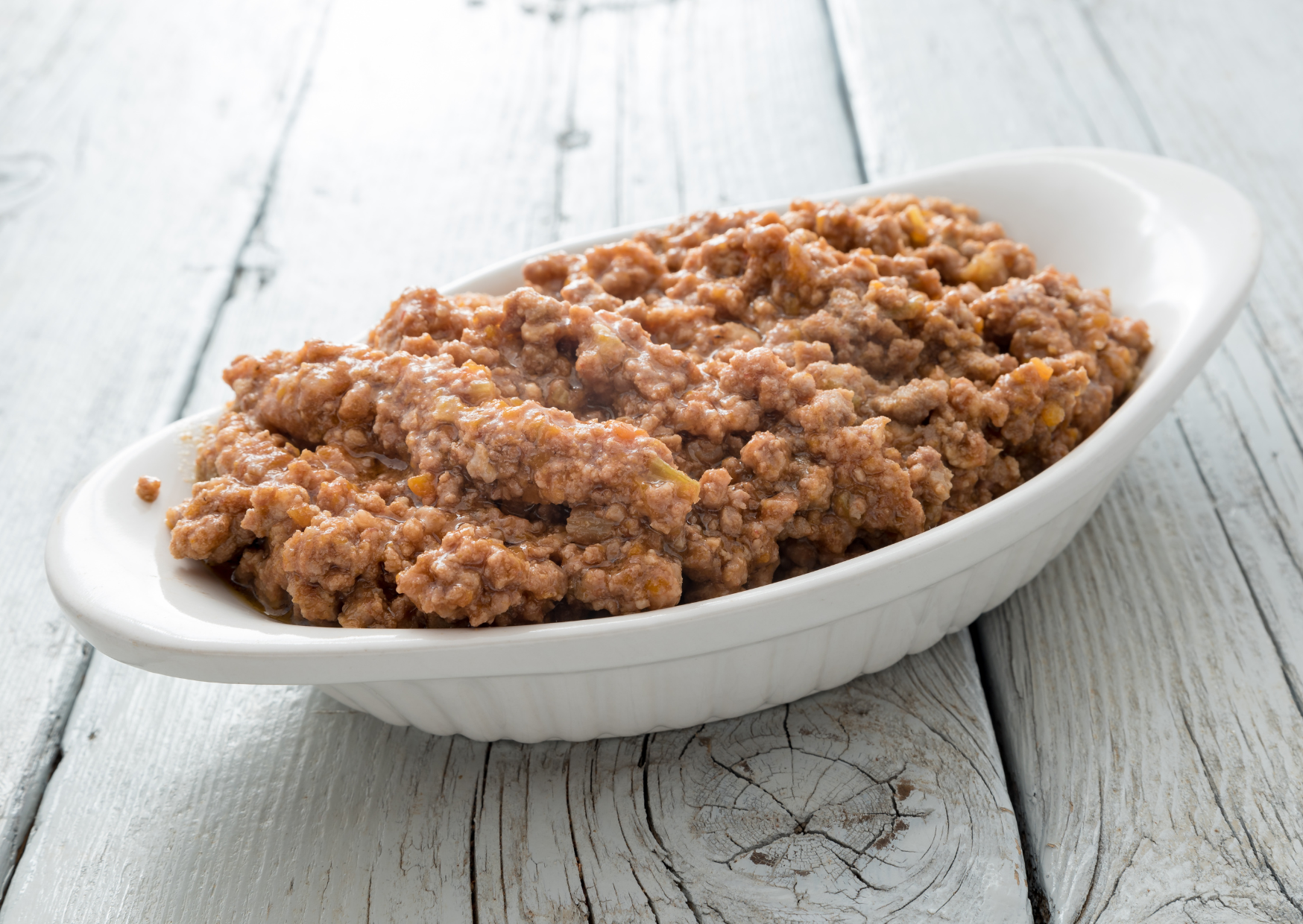
Ragù is a technique, not a synonym for tomato. In Italy ragù means a meat based sauce coaxed slowly until fat renders, connective tissue dissolves, and the liquid concentrates. Tomato is a supporting actor. In Naples it is the bath for whole cuts that give the sauce structure. In Bologna it is measured and cooked low so the meat stays tender and the pan never boils hard. The name describes the method more than the color.
Soffritto must disappear. Italians begin with a small dice of onion, carrot, and celery that cooks until it softens, sweetens, and almost melts. You do not want crunchy vegetables flecking a finished sauce. The point is perfume and sweetness, not visible chunks.
Milk and wine have jobs. In Bologna style ragù, wine lifts the browned fond, then milk tames acidity and adds body as it reduces. In Naples there is no milk. The silk comes from collagen and slow evaporation. Both paths end at the same place, a sauce that clings and tastes round because everything harsh has been cooked away.
The six hour pot Nonna watches, Ragù Napoletano for pasta and secondi
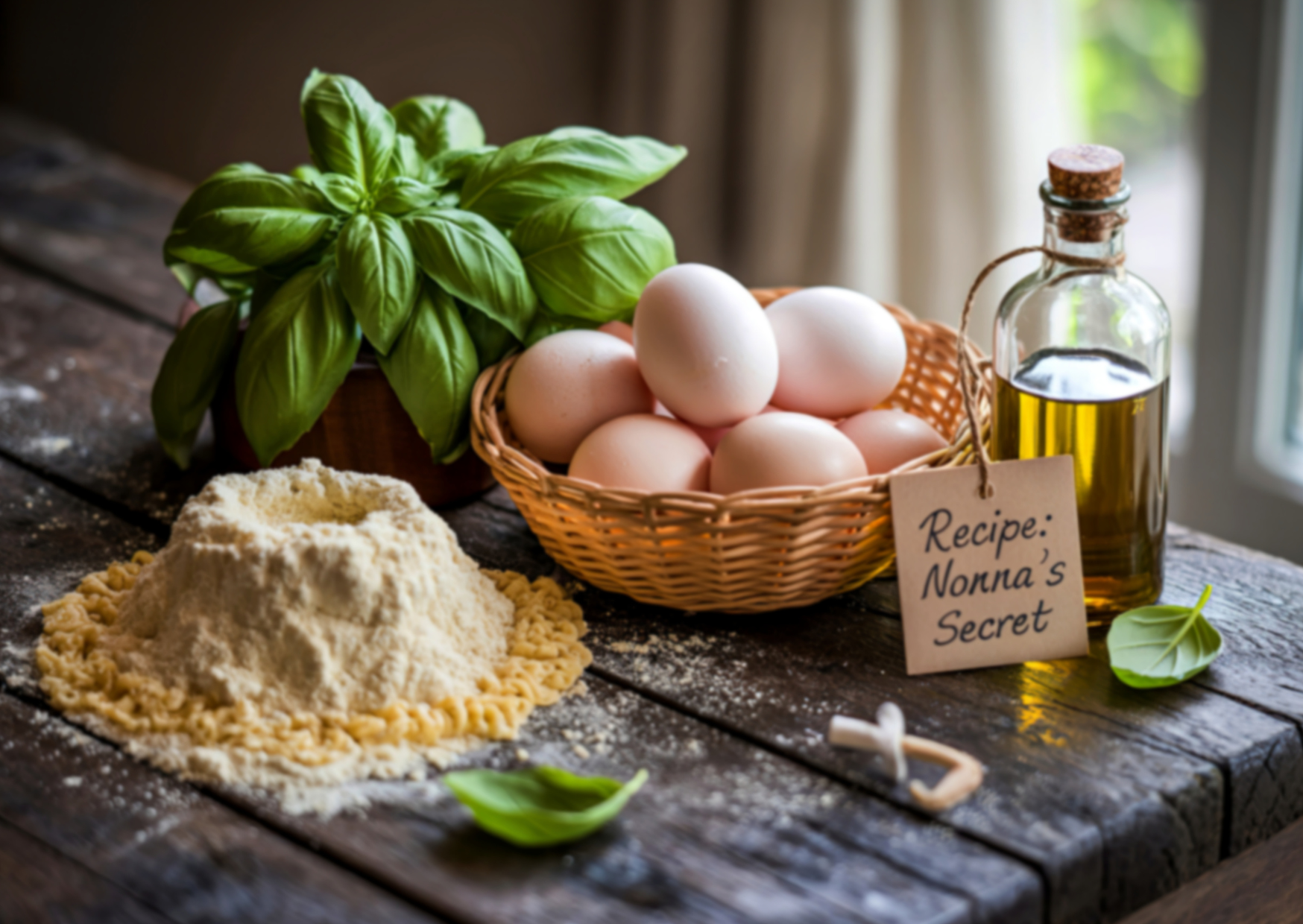
Whole cuts make the sauce carry. Neapolitan ragù is built on meat you would serve on a plate, not crumbles. Beef chuck, pork ribs, and beef braciole held with string give the pot flavor, gelatin, and a gentle meat perfume. The sauce dresses pasta first, then the braised meats become the second course.
Pippiare is the rule. The flame sits so low the sauce barely shivers. In Naples they say the pot should whisper, not talk. Fast bubbles drive off water too quickly and toughen meat. A soft whisper concentrates flavor without punishment.
Tomato gets fried before it gets gentle. Neapolitan cooks often let a little tomato concentrate or paste fry in the fat before the long simmer. That step deepens color and sweetness, then the passata goes in for the long bath.
Ingredients for a family pot
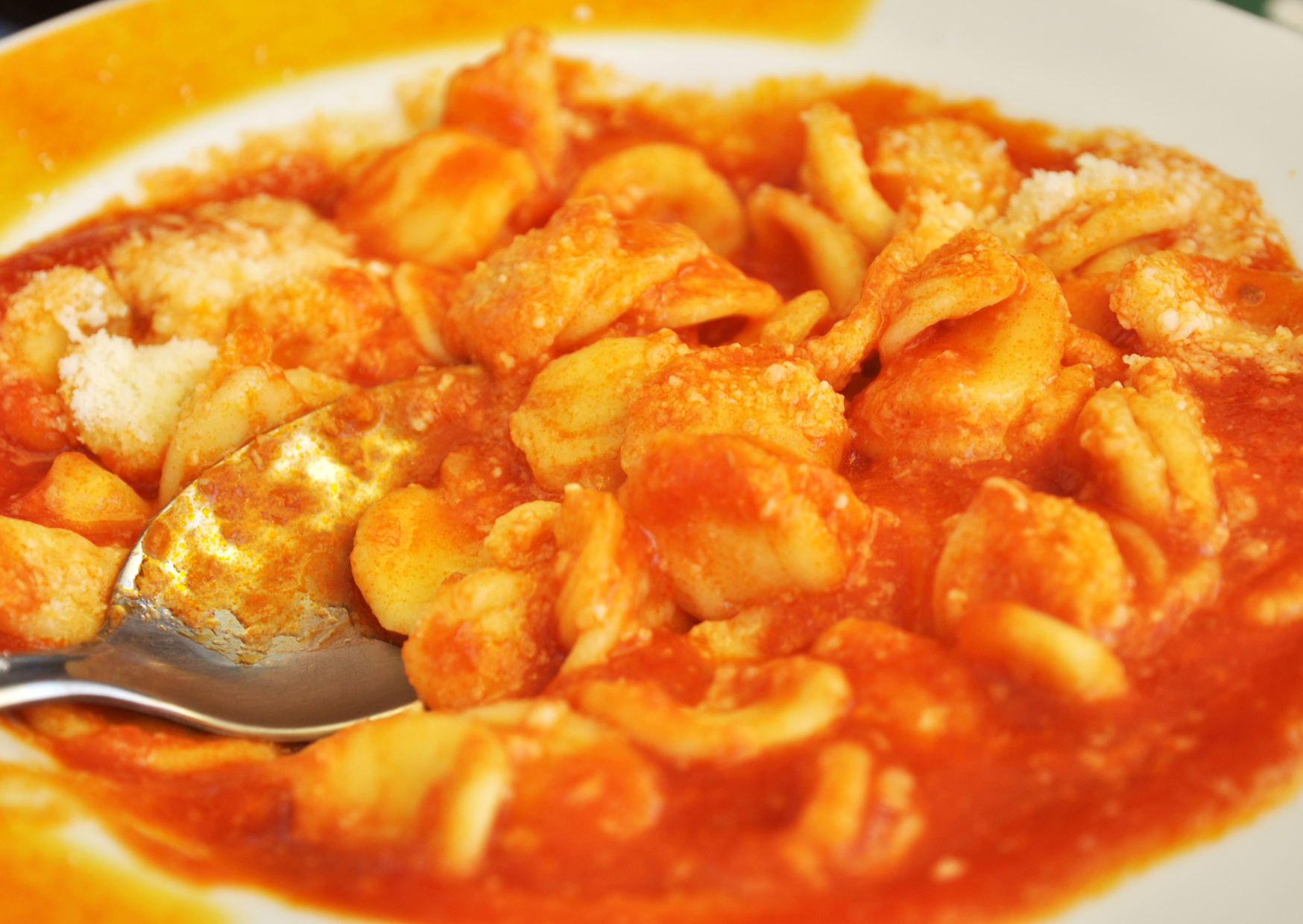
Serves 8 for pasta plus a platter of meat
- 1 kilogram beef chuck, cut into two large pieces
- 600 grams pork ribs, cut into individual ribs
- 3 beef braciole, thin slices of beef rolled with parsley, pecorino, pine nuts, and a little garlic, tied with string
- 1 large onion, finely chopped
- 2 tablespoons tomato paste
- 1.8 kilograms passata or crushed peeled tomatoes
- 150 milliliters dry red wine
- 80 milliliters olive oil or a blend of oil and a spoon of lard
- Salt and black pepper
Method, plan for about six hours
- Brown the meats slowly. Warm the oil in a heavy pot over medium low. Season and brown the ribs, chuck, and braciole in batches until well colored but not scorched. Lift to a tray.
- Cook the onion to sweetness. Lower the heat. Add the chopped onion and a pinch of salt. Cook until completely soft and pale gold. If you see browned bits on the bottom, that is good, just keep the heat gentle.
- Fry the tomato paste. Stir the paste into the onion and cook a minute or two until it darkens a shade and smells sweet.
- Deglaze with wine. Pour in the red wine and scrape up the fond. Let the alcohol steam off until the pot smells round.
- Build the sauce. Return all meat to the pot. Pour in the passata until the meat is just covered. Bring to the first bubble.
- Set the whisper. Lower to the smallest flame that keeps a bare movement across the surface. Cover partially. Now time does the work. Stir every twenty to thirty minutes. If the sauce tightens too much, add a splash of water. If fat pools on top, that is normal. Do not skim yet.
- Watch for the glossy point. After four hours the meat will be tender, and after five to six the sauce will look thick and shiny with a deep brick color. Salt to taste near the end. Turn off the heat and let the pot rest for at least thirty minutes.
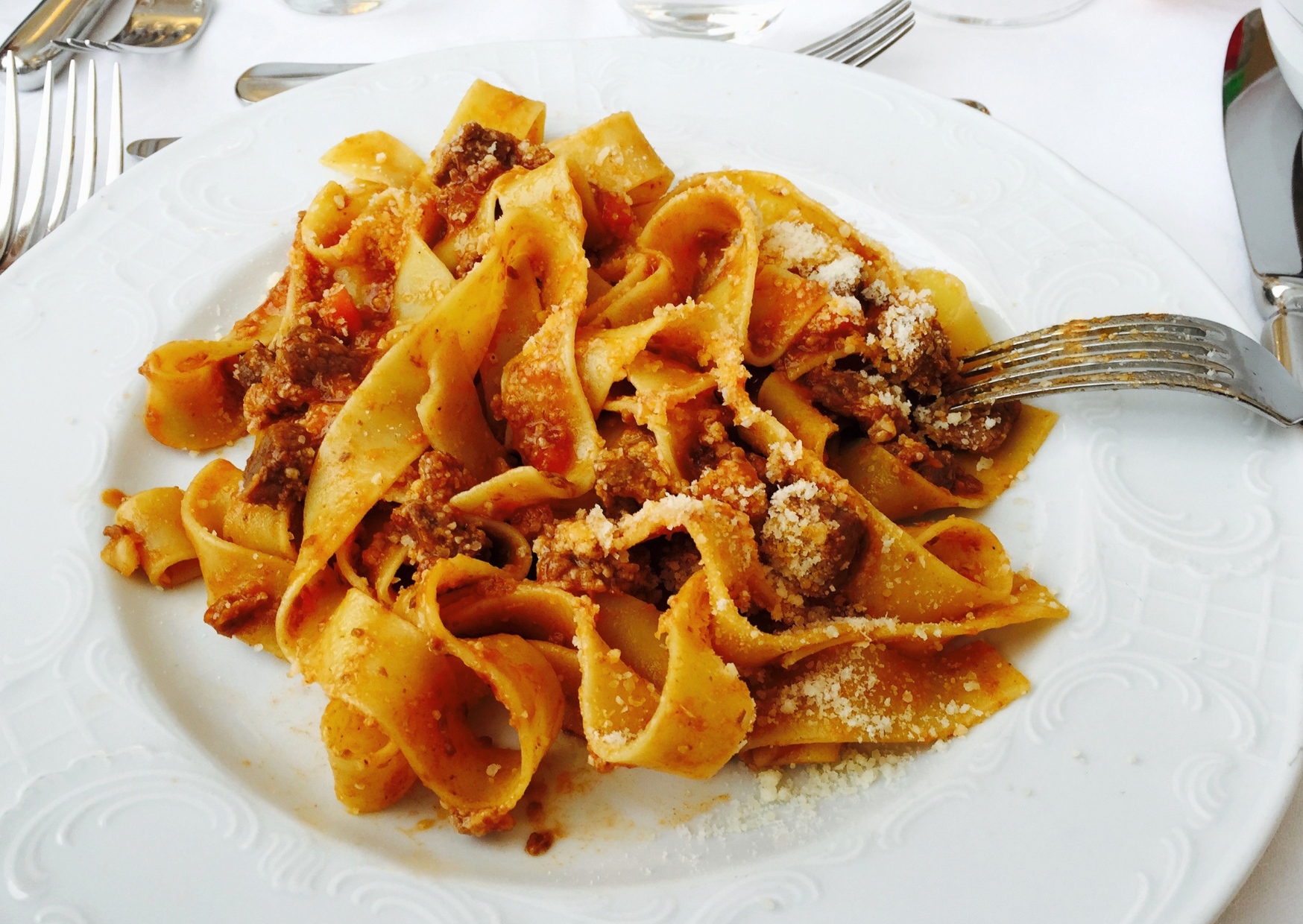
- Serve in two courses. Cook ziti or rigatoni, dress with the sauce and a dusting of pecorino, then set the meats on a platter with more sauce for the second course.
Why it works. The whole cuts release gelatin that thickens the liquid naturally. Fried concentrate gives sweetness, the whispering simmer preserves tenderness, and the rest period lets fat rise and flavors settle. The result is a sauce that clings to pasta without sludge and a platter of meat that cuts with a spoon.
Real Bologna style ragù, the three hour sauce that belongs on tagliatelle
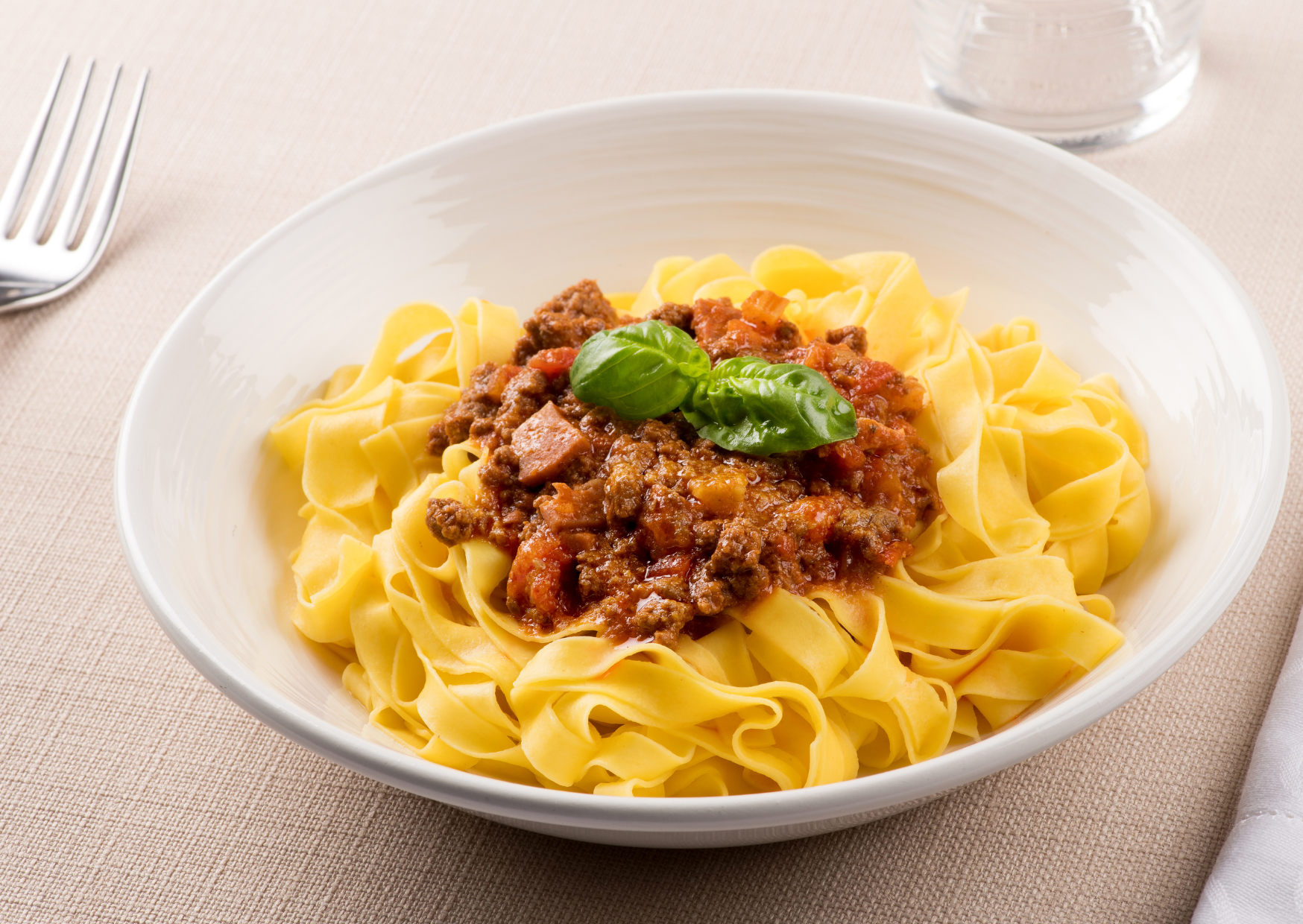
Pancetta and beef build the base. The official Bologna formula uses coarsely ground beef with minced pancetta. The pork gives gentle richness without turning the sauce greasy. Bacon smoke is out of place here.
Milk softens acidity. After wine evaporates, milk is added and reduced so the sauce tastes sweet and round even with tomatoes in the pot. This is not creaminess for its own sake. It is a structural step that protects balance.
Heat stays low. A proper ragù never boils hard. The surface trembles, the soffritto disappears, and the meat cooks in its own juices and a little broth until spoon tender.
Ingredients for 4 to 6 portions of pasta
- 400 grams coarsely ground beef from a flavorful cut
- 150 grams pancetta, very finely minced
- 60 grams onion, finely chopped
- 60 grams carrot, finely chopped
- 60 grams celery, finely chopped
- 120 milliliters dry white wine
- 200 grams strained tomatoes plus 1 tablespoon double concentrate
- 120 milliliters whole milk
- Light meat broth as needed
- 2 to 3 tablespoons olive oil or a knob of butter
- Salt and pepper
Method, plan for about three hours
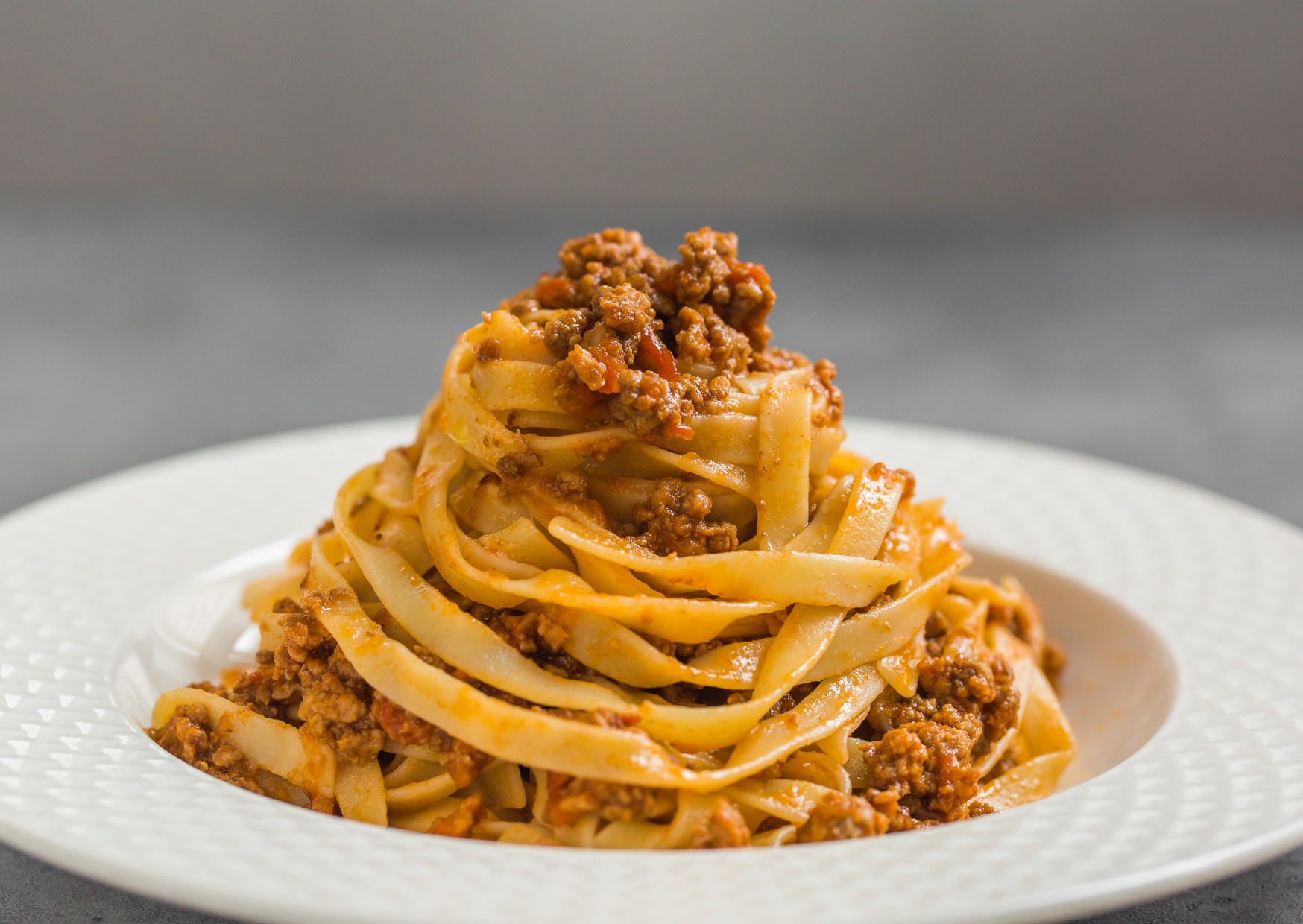
- Render and brown. Warm oil in a wide pot. Add the minced pancetta and render gently. Add the chopped vegetables and cook until very soft. Raise heat slightly and crumble in the beef. Brown without burning, breaking big lumps but keeping some texture.
- Add wine and reduce. Pour in white wine and cook until the pot smells mellow, not sharp.
- Add tomatoes and a little broth. Stir in strained tomatoes and the spoon of concentrate. Add a ladle of broth to loosen. Salt lightly.
- Simmer low. Bring to a soft burble, then lower heat to maintain a gentle tremble. Cook uncovered for about two hours, adding sips of broth if the pot dries.
- Finish with milk. Add milk and continue to simmer another thirty to forty minutes until the sauce looks cohesive and glossy. Taste for salt and pepper.
- Rest and serve. Turn off the heat and let the sauce settle ten minutes. Toss with fresh tagliatelle, finishing with a spoon of pasta water to help it coat, and serve with Parmigiano Reggiano.
Why it works. The soffritto dissolves into the meat, pancetta rounds the flavor, wine unlocks the fond, and milk fuses everything without heavy cream. Tomato is measured, so meat remains the star. The low flame stops the meat from tightening and keeps fat integrated.
Why quick American “Bolognese” collapses into sludge
Too much tomato and too much heat. A large can of tomatoes on a high flame gives acidity and watery texture. Meat seizes, liquid separates, and fat forms orange pools. Without time to concentrate gently, the sauce tumbles apart on the plate.
Herb and garlic overload. Real Bologna style ragù is shy with aromatics. It does not parade garlic, basil, oregano, and flakes. Strong herbs mask the sweetness of a long soffritto and fight with milk. The goal is quiet complexity, not noise.
Wrong pasta and wrong finish. Spaghetti gives a nostalgic plate, but tagliatelle or another fresh egg pasta catches the sauce better. Finishing the toss in the pan with a little pasta water turns a good sauce into silk. Skipping that step leaves dry meat clinging in clumps.
No patience for the whisper. Boiling breaks flavor chains. A low shimmer preserves them. If the pot shouts, you lose.
How to serve like a local and avoid every common mistake
Choose the right pasta. Bologna marries ragù to tagliatelle, a fresh egg pasta with enough surface to hold a meat sauce. Naples sends Sunday ragù to ziti or rigatoni. The shape is not trivia. It is engineering for carry and chew.
Dress pasta, do not drown it. In Italy the sauce kisses every strand without hiding it. Start with less than you think you need, toss with a spoon of pasta water, and add just enough more to coat. The plate should shine rather than swim.
Let the pot rest. Fat rises and flavors settle when heat stops. A ten minute pause turns a loud sauce into an integrated one. For the Neapolitan pot, a longer rest is even better. Warm again before serving and the texture will be perfect.
Salt at the end. Pancetta, cheese, and reduced tomatoes push salinity as the pot concentrates. Hold back early and adjust late. Seasoned pasta water in the pan gives you gentle salt that spreads, not hard pinches that spike.
Freeze like a pro. Ragù freezes beautifully. Cool quickly, pack in shallow containers, and label by portion. Rewarm slowly with a spoon of water. Sauces come back to life if you revive them gently.
Troubleshooting and smart shortcuts that keep integrity
If fat pools on top. You likely boiled too hard or packed in too much tomato too early. Lower the heat, stir more often, and let the pot rest. For Bologna style ragù, whisk in milk during the last stretch as written and simmer it back to gloss. Stabilize with time, not flour.
If meat is tough. You raced the simmer. Add broth, lower the flame, and give it another hour. Connective tissue turns to silk only when it sits at a gentle tremble.
If acidity bites. For Bologna style, respect the milk stage and the long reduction. For Naples style, give the pot more time so the fried concentrate and long simmer sweeten naturally. Sugar is a bandage, not a fix.
If you need to save time without cheating. Pressure cook the first hour of the Neapolitan braise with just the meat, onion, and a cup of passata, then finish uncovered on low for three to four hours with the rest of the tomato. You will still get a real simmered flavor because the open finish concentrates and integrates. Do not try to shortcut Bologna style ragù with high heat. The soffritto and milk need their gentle windows.
If you want deeper savor. Slip in a small piece of beef shin or a pork rind during the Naples pot. Gelatin increases body without starch. Remove before serving. For Bologna style, a few chopped chicken livers are traditional in some homes and add quiet depth. Use sparingly.
Two printable cards you will actually use
Ragù Napoletano for Sunday
Time on the stove: about six hours
Feeds: 8 for pasta plus a platter of meat
Ingredients
- 1 kg beef chuck, in two large pieces
- 600 g pork ribs
- 3 tied beef braciole with parsley and pecorino
- 1 large onion, finely chopped
- 2 tbsp tomato paste
- 1.8 kg passata
- 150 ml dry red wine
- 80 ml olive oil or oil with a spoon of lard
- Salt and pepper
Method
- Brown meats gently, set aside.
- Cook onion soft, stir in tomato paste until it darkens.
- Deglaze with wine, reduce.
- Return meats, cover with passata, bring to first bubble.
- Set the flame to a whisper, partially cover, and cook about six hours, stirring often.
- Rest thirty minutes.
- Dress pasta with sauce, serve meats as a second course.
Ragù alla Bolognese for Tagliatelle
Time on the stove: about three hours
Feeds: 4 to 6
Ingredients
- 400 g coarse ground beef
- 150 g pancetta, finely minced
- 60 g onion, 60 g carrot, 60 g celery, all finely chopped
- 120 ml dry white wine
- 200 g strained tomatoes plus 1 tbsp double concentrate
- 120 ml whole milk
- Light broth as needed
- 2–3 tbsp olive oil or a knob of butter
- Salt and pepper
Method
- Render pancetta in oil, soften vegetables, brown beef.
- Add wine and reduce.
- Add tomatoes and a little broth.
- Simmer low for two hours.
- Add milk and simmer thirty to forty minutes to gloss.
- Rest ten minutes, then toss with tagliatelle and a splash of pasta water.
Remember these three truths. Ragù is patience, not brute force. The best sauces are quiet. The right pasta shape doubles your payoff.

About the Author: Ruben, co-founder of Gamintraveler.com since 2014, is a seasoned traveler from Spain who has explored over 100 countries since 2009. Known for his extensive travel adventures across South America, Europe, the US, Australia, New Zealand, Asia, and Africa, Ruben combines his passion for adventurous yet sustainable living with his love for cycling, highlighted by his remarkable 5-month bicycle journey from Spain to Norway. He currently resides in Spain, where he continues sharing his travel experiences with his partner, Rachel, and their son, Han.