
Walk any European market street on a Saturday and you will see it. Cash handed over with the easy speed of someone paying for air. No awkward tap, no stall owner doing math inside a tiny card reader, no lecture about minimums. Meanwhile an American visitor stands there waving a premium card like a backstage pass. The stall owner smiles, points at a plastic tray, and says “better in cash.” It feels old fashioned. It is not. Cash here is a tool. It lowers prices, preserves privacy, keeps small businesses alive, and prevents a lifetime of “free” points that cost you real money. If you keep forcing the card into every moment, you will think Europe is hostile. It is simply running a different set of incentives.
Below is the map. Why cash is normal, where cards make sense, the math behind “no fee for you” that is actually a fee for everyone else, and the simple phrases to use so you never look confused at a counter again. You will leave with a weekly plan that makes your month cheaper without feeling like a coupon hobby.
The quiet math that Americans never see
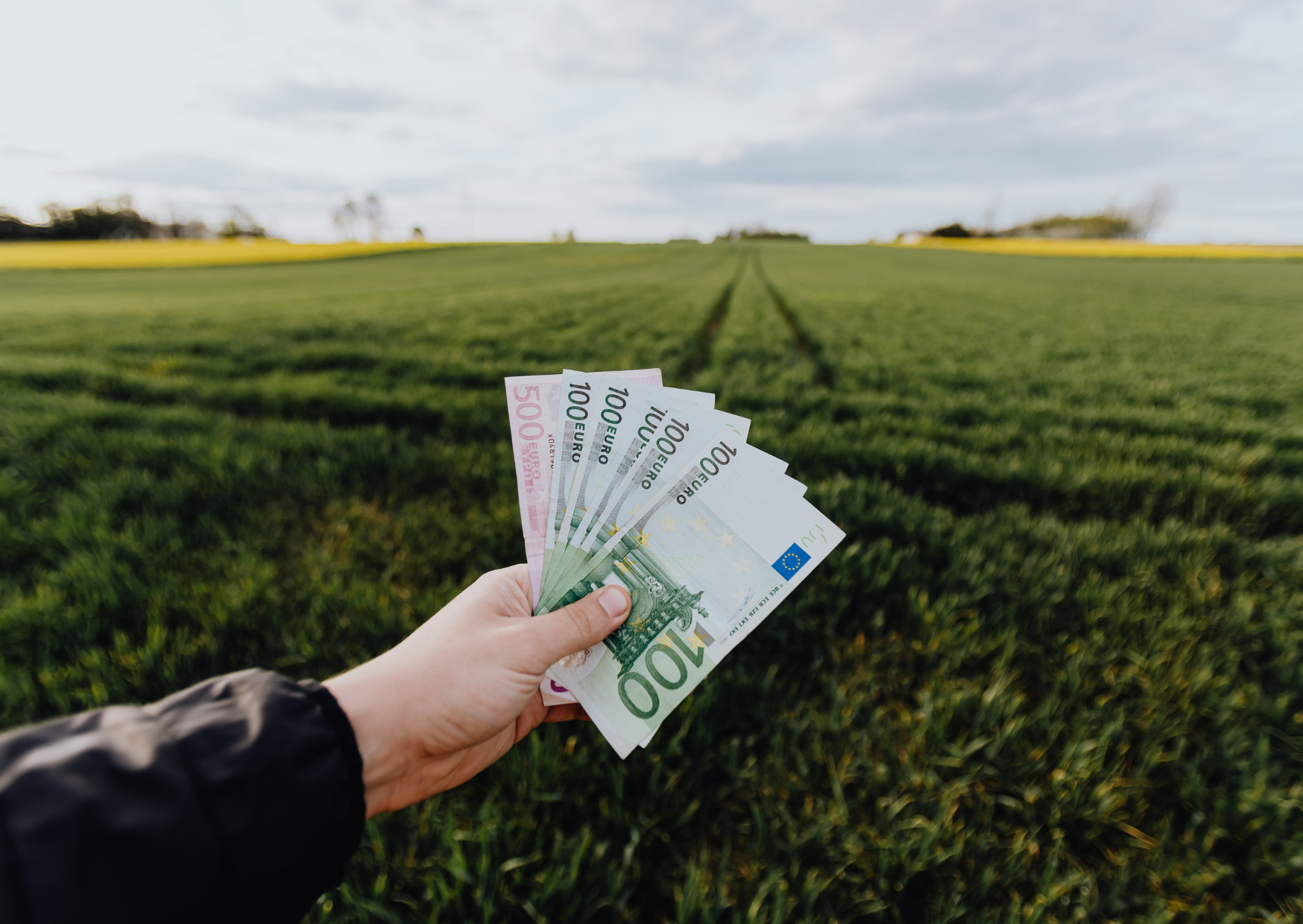
You were trained to believe the credit card is free to you and magical for merchants because “everyone accepts cards.” That sentence hides the important part. Someone pays the interchange. In the U.S., a small café can hand over 2.9 to 3.5 percent plus fixed cents on every swipe, and premium rewards cards charge more. Europe capped many of these fees on consumer cards years ago, but the cap did not remove friction. Terminals still rent for money, payouts still settle with delays, and a bakery’s thin margin still notices every fraction. Cash arrives whole and today. Cards arrive smaller and next week.
Add two more facts:
- Many micro merchants and market stalls operate on razor margins. Three percent on a €3 coffee or a €6 bag of oranges is not abstract. It is the difference between closing at 18:30 and closing forever.
- Some countries allow or encourage cash discounts or card minimums for tiny purchases. You may not see a sign. You will see a price difference over a month.
Remember inside this section: small percentages become rent when your basket is simple.
The cultural allergy to personal debt
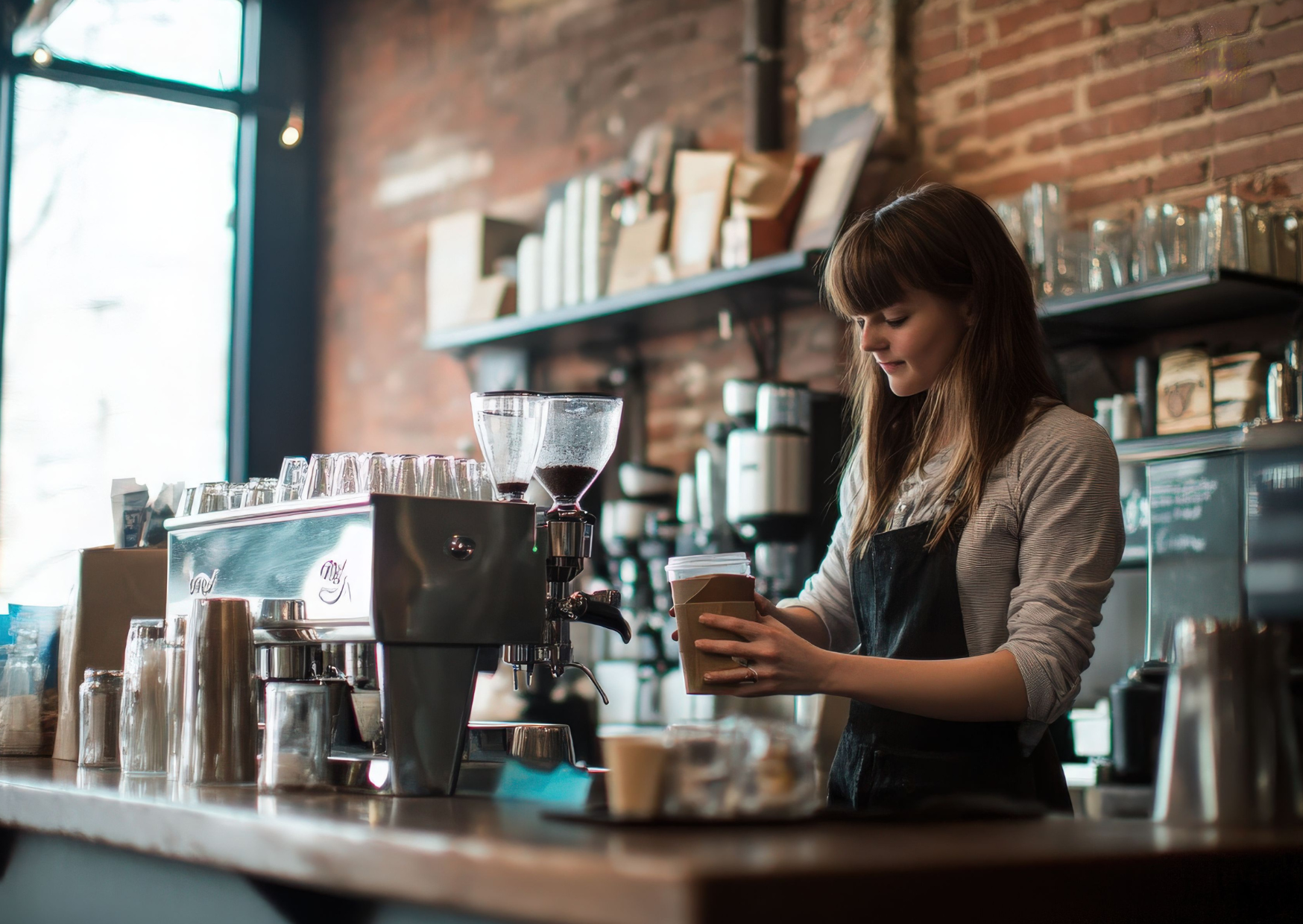
You do not need a lecture on thrift. You need to understand that in much of Europe, revolving consumer debt is a red flag. People do use credit cards, yes, but they tend to clear balances monthly and use debit as their main plastic. The idea that you should carry a balance because “points” will cover a trip reads like a prank. Debt here is something you take to buy a home or fix a roof. Everything else belongs in a budget with the things you can afford this month.
If you grew up on points blogs, this feels like sacrilege. It is not moralizing. It is math and sleep. Zero interest equals quiet nights. You do not optimize. You live normally. Europeans look at the U.S. routine of juggling multiple cards and bonus categories and they see work addiction in disguise.
Cash kills the temptation to overspend. That is why people like it.
The privacy habit you never learned
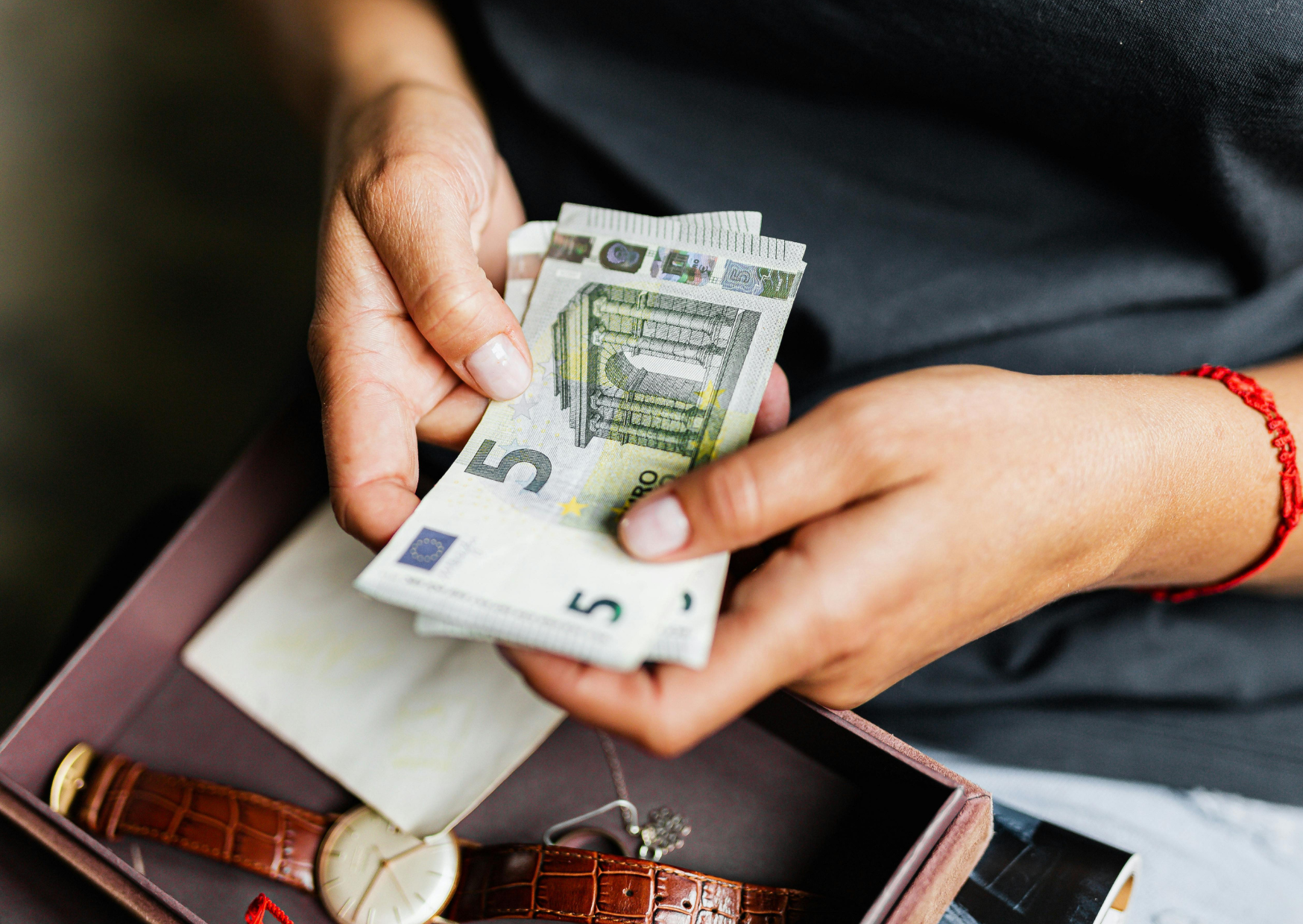
Pay cash for your pharmacy creams, your bus ticket, your bakery loop, and your local café, and no profile gets richer. That sentence matters here. People do not want every croissant broadcasting to a data broker or to an insurer later. It is not paranoia. It is basic hygiene. Combine this with PSD2 strong customer authentication rules on cards and your tap-to-win habit turns into three prompts and a declined transaction when your U.S. bank panics. Cash never freezes because a fraud algorithm woke up wrong.
Cash is quiet. Quiet saves time and protects your future self.
Where cash is expected and where your card is fine
You do not need to be a purist. You need to match the place to the tool.
Use cash by default at:
- Street markets and pop-up stalls. Farmers, food trucks, craft tables.
- Local bars and cafés where the bill is under €10.
- Corner bakeries and butchers with €3 to €12 purchases.
- Independent salons and repair shops that post a card minimum.
- Taxis in smaller cities unless you agree on card before you get in.
- Public events run by neighborhood associations with temporary booths.
Use a card or phone where it helps you:
- Supermarkets, especially big chains that price in card acceptance.
- Pharmacies for larger orders.
- Transport kiosks and rail stations with integrated terminals.
- Hotels and car rentals that require deposits.
- Government fees that force online payment.
What fails is a one-size-fits-all approach. If you wave a rewards card at a stall with a hand written price on recycled cardboard, you are missing the room. Context is part of the price.
Match the payment to the business size.
“But I want the points” and other expensive sentences
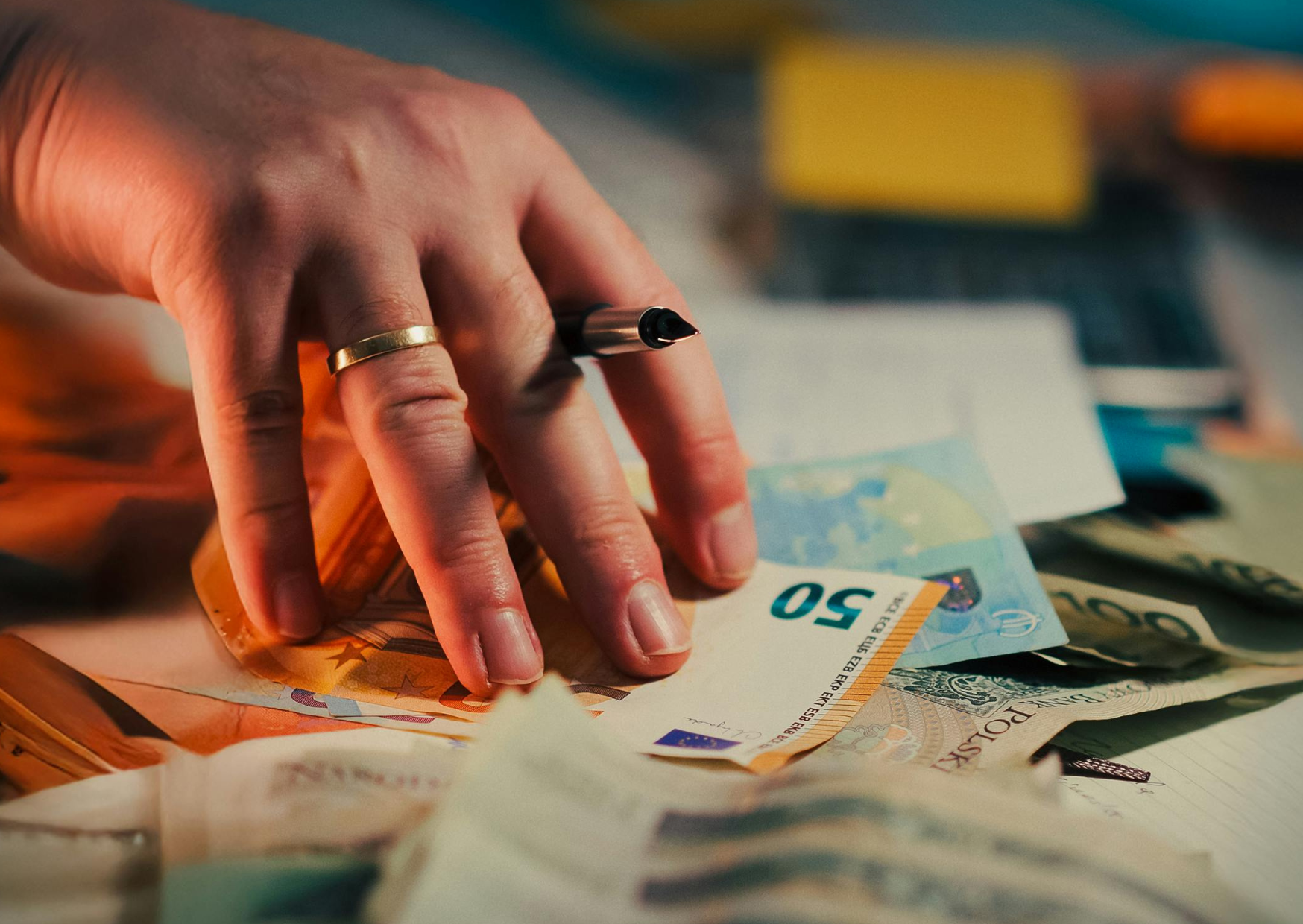
You are not wrong to want value. You are wrong about where value comes from. Points shave money at the end of a year if you ran a lot of volume. They also cost you in ways you do not see.
- You spend more to reach thresholds, then call it free.
- You accept higher menu prices that quietly subsidize card usage.
- You lose cash discounts offered with a wink.
- You waste minutes on a terminal that hates your bank’s 3D secure pop-up.
If you love points, fine. Put rent, flights, and big groceries on the card. For everything small, buy your time and your privacy back with bills and coins. You will not miss the extra 300 points you fought for by making a baker eat three percent.
The “illegal cashless store” myth and what actually exists
In some countries it is illegal to refuse cash for basic transactions. In others, cash refusal is legal but rare, and politicians push back when large chains go card only. The vibe is clear. Cash is a public good. It keeps disasters survivable, keeps the elderly included, and keeps small economies from being tax farmed by a handful of processors. You will meet a few hip counters that are card only, but you will meet more counters that sigh with relief when you produce a ten.
Cash keeps the local in local.
Why merchants love your cash even when they accept plastic
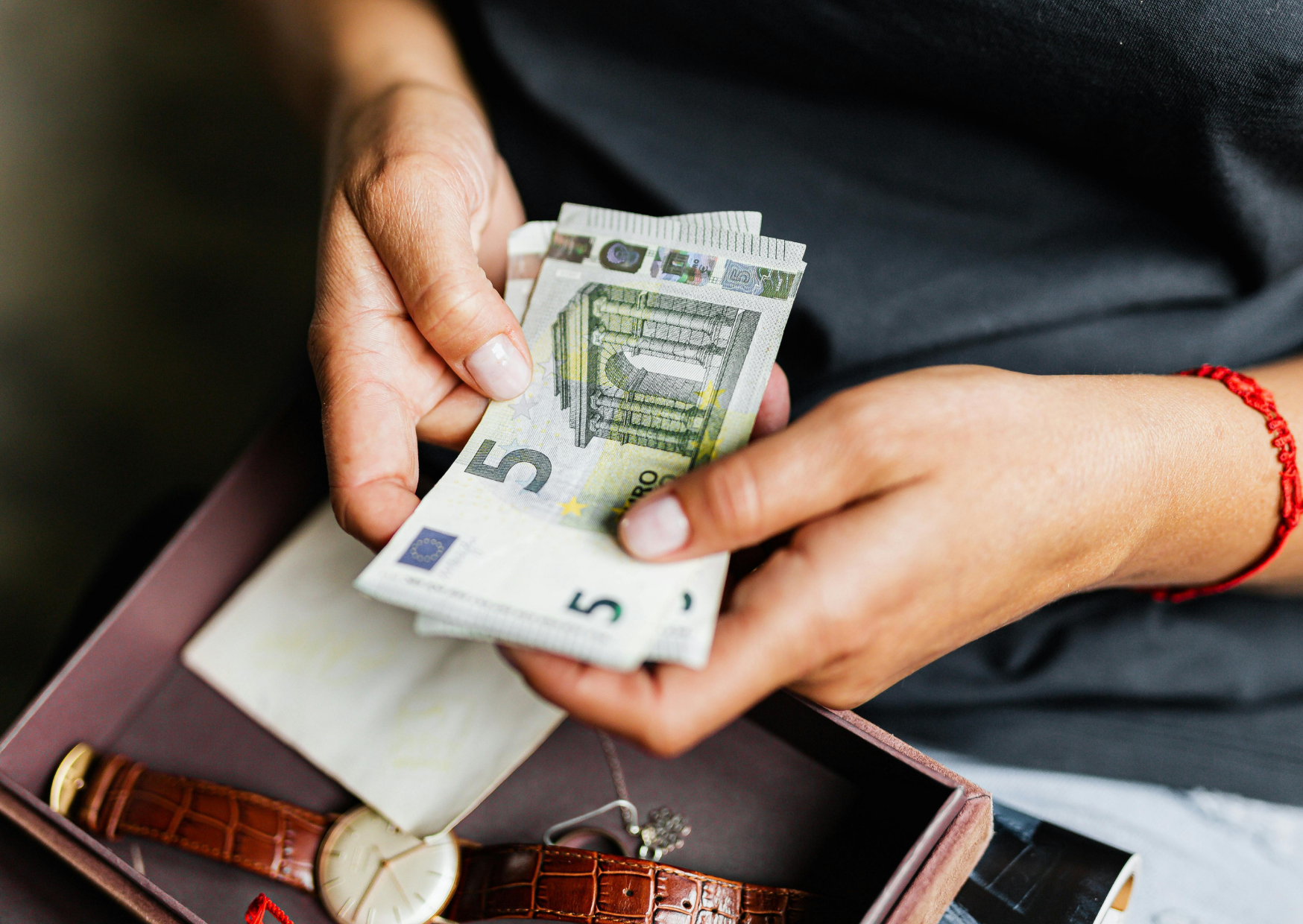
Talk to any owner in a medium city and you will hear the same three reasons.
- Fees. Even in capped-fee Europe, blended costs and terminal rental sting.
- Settlement. Card payouts can take days. Cash purchases pay staff tonight.
- Control. Cash buys a new gasket or pays a plumber now, not after a gateway clears.
If you care about “supporting small businesses” but insist on tapping a metal card for a €3 espresso, it is theater. Carry the coin and you actually help.
Cash today beats card next week for the people feeding you.
The budget you can feel on Tuesdays
Cash changes behavior without speeches. Try this for two weeks.
- Groceries on card, because points and receipts are useful.
- Everything else under €20 paid in cash from an envelope you fill on Sunday.
- When the envelope is empty, you are done. No guilt, no debt, no spreadsheet.
By the second Tuesday you will stop bleeding ten-euro decisions. You will stop buying bottled water when a free fountain is ten steps away and a reusable bottle costs less than two coffees. Cash makes the small things visible. Visibility lowers spend.
Friction can be a feature.
Regional notes so you do not get caught out
Spain
Cash and card live side by side. Markets and old-bars like cash. Supermarkets, pharmacies, and transit like cards. Many small places post €10 minimums. Tap works in big cities most days, then fails strangely when a bank hiccups. Carry €50 in tens and coins and you will never care.
France
Boulangeries and cafés often accept cards but may set small minimums. Open air markets love cash. Cheques still exist in some regions, ignore them. Apple Pay works broadly. Cash remains polite.
Italy
Cash comfort is high, and small-town cafes may still prefer it. Restaurants accept cards but might sigh if you split a €12 bill five ways. ATMs are reliable. Keep two €20s and coins.
Germany
Debit dominates. Credit is fine at hotels and chains. Some bakeries remain Bargeld only at small amounts. Do not argue the philosophy. Pay and eat. Cash signals normal here.
Netherlands
Cards are common, debit preferred. Open air markets vary by stall. Keep a few notes for old machines or day trips.
Portugal
MB Way and cards are everywhere, but market culture still leans cash. Small cafés and pastelarias appreciate coins. You will spend less by default.
Cities look modern. counters are personal.
ATM strategy that avoids silly fees
- Use bank-branded ATMs inside branches. Avoid tourist machines in lobbies that try to “convert” for you at fake rates.
- Decline conversion. Always choose to be charged in local currency. Your home bank will handle rates better.
- Withdraw €200 to €300 at a time to minimize per-withdrawal fees.
- Keep a backup debit card in a different wallet pocket. Cards break, ATMs eat. Cash on hand prevents drama.
One-liner: local currency, bank ATM, say no to conversion.
Tipping and cash, the mismatched American habit
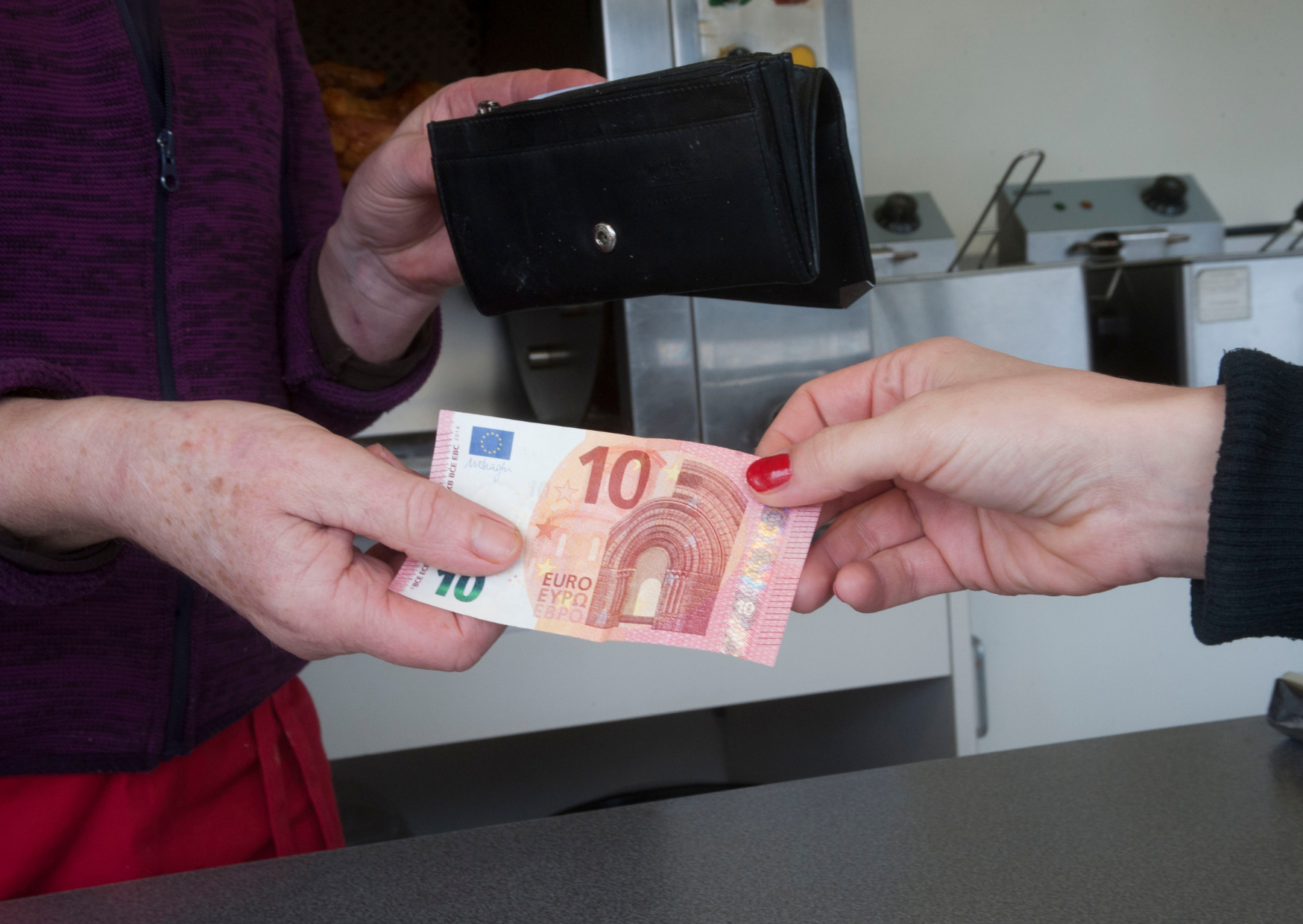
You will not tip like home. Restaurants pay wages and service is included on the bill. Round up small bills or leave 5 to 10 percent for exceptional service at nicer places. Bars often take coins on the tray. If you tip on a card, staff may not see it until payroll, or at all. Cash reaches people. It is the most respectful way to say thank you.
Coins are culture. Carry them.
“What to say” at the counter so you never freeze
You do not need scripts. You need short, normal phrases.
- “¿Puedo pagar en efectivo?” Spain
- “En cash mejor, verdad” Spain when you already see the box
- “Je paye en espèces, merci” France
- “Contanti va bene” Italy
- “Nur bar” if they already look like they prefer cash in Germany
- “Met contant is ook goed” Netherlands
- “Posso pagar em dinheiro” Portugal
If they say card only, you smile, tap, and move on. The goal is not to win. The goal is to be easy.
The places where card is smarter than cash
Do not make a religion out of coins. Card protects you when:
- You need dispute rights for larger purchases or rentals.
- You want automatic warranties some cards extend on appliances.
- You must prove proof of payment to a landlord or a shop for a return.
Use the tool that fits the job. Cash is not anti-modern. Card is not evil. People here just avoid letting plastic run their day.
American mistakes that make Europeans roll their eyes
- Waving a metal rewards card at a €2.40 cortado and acting offended at a minimum.
- Insisting on splitting a €12 bill into four card taps.
- Demanding a printed receipt for a €3 baguette, then throwing it away outside.
- Paying card for every small transaction, then complaining about “hidden fees” in Europe.
- Talking loudly about points strategy in a farmer’s market. The tomatoes do not care.
Carry two tens and some coins and none of this happens.
What changes in your month when you switch
Three things within two weeks.
- Your small talk improves. People at counters soften when they see you understand the rhythm. You get better service without asking.
- Your food gets better. You start buying from stalls that are too small to justify card fees, which often means better produce and better bread.
- Your bills shrink quietly. A few euros saved on minimums, a few discounts, fewer impulse taps, fewer conversion fees. Over 30 days it looks like an extra lunch, a museum ticket, and one train.
Cash is not nostalgia. It is optimization you can feel.
If you are still skeptical, this is the experiment
Pick a city you live in now. For one month:
- Card for rent, utilities, groceries, and any purchase over €50.
- Cash for everything under €20.
- Track nothing. At the end of the month, count what is left in your envelope jar and look at your card statement.
You will see fewer weird taps, fewer “how did I spend €300 on nothing” moments, and a calmer line of small purchases that you actually remember. Money that you remember is money you control.
What this looks like for families
Parents already know the trick. Cash turns kids into accountants. Hand a teen €20 at the fair instead of a card and they become value hunters. Allowance in coins becomes snacks and bus rides that kids plan without ringing your phone. School events and class funds often prefer quick bills. You will feel less nickel-and-dimed because the nickels and dimes are in a jar.
Pro move: keep a little zip pouch at home with €1 and €2 coins for neighborhood collections, tips for deliveries, and school extras. Refill weekly. It eliminates last minute ATM runs for a €3 situation.
The actual reason Europeans think American card culture is crazy
It is not the plastic. It is the mental load. Americans talk about points the way people once talked about stock picks. “If I put dining on Card A and flights on Card B and hit the quarterly bonus on Card C then I will get a free trip to Porto in 18 months.” Europeans look at that sentence and hear, “I am doing unpaid work to live.” The local alternative is boring. Earn, pay, sleep. Use cash where it helps your neighbors and your mood. Use a card where it protects you. End of story.
If you want to feel European without pretending to be, let your money be simple and quiet. Cash for the small. Card for the big. No sermons at the counter. No identity attached to a piece of plastic. You will spend less, smile more, and walk home with a baguette that cost what it said on the chalkboard. That is the whole point.

About the Author: Ruben, co-founder of Gamintraveler.com since 2014, is a seasoned traveler from Spain who has explored over 100 countries since 2009. Known for his extensive travel adventures across South America, Europe, the US, Australia, New Zealand, Asia, and Africa, Ruben combines his passion for adventurous yet sustainable living with his love for cycling, highlighted by his remarkable 5-month bicycle journey from Spain to Norway. He currently resides in Spain, where he continues sharing his travel experiences with his partner, Rachel, and their son, Han.