
You think the invitation is about food. It is not. A European dinner invitation is a small contract about time, reciprocity, and how easy you are to include. The plate matters less than the rhythm around it. The one expectation Americans miss, again and again, is simple. You must return the invitation within a season. Not someday. Not “we should host you.” Host them back, properly, within four to eight weeks. Until you learn that, you will feel welcomed and never woven in.
Here is how to read the invite, arrive like a local, be the guest who gets asked back, and host a return that earns you a place at the table next month, not next year. No theatrics. Just the real rules people obey without explaining them.
What the invitation actually means

A dinner invite in Spain, France, Germany, Italy, the Netherlands, and neighbors is not casual. It signals your host is ready to invest time, groceries, and social capital in you. The unspoken reply is not flowers. The unspoken reply is a future date at your table. If you accept, you accept the cycle.
That cycle is built from plain courtesies:
- Reply fast and clearly. Same day if possible, next day at the latest. Say yes or no with one clean sentence.
- Ask dietary info once. “Any allergies I should know about” is right. “I am keto and dairy free and I hate mushrooms” is not right unless it is medical.
- Offer one concrete help. “I can bring dessert from Pastelería Llopis” is helpful and specific.
- Arrive at the right time. In Spain 20:30 means 20:35. In Germany 19:00 means 19:00. Learn your city’s ten minute rule and live by it.
Remember: clarity and calm are the gift you bring before the gift you bring.
What to bring that actually helps
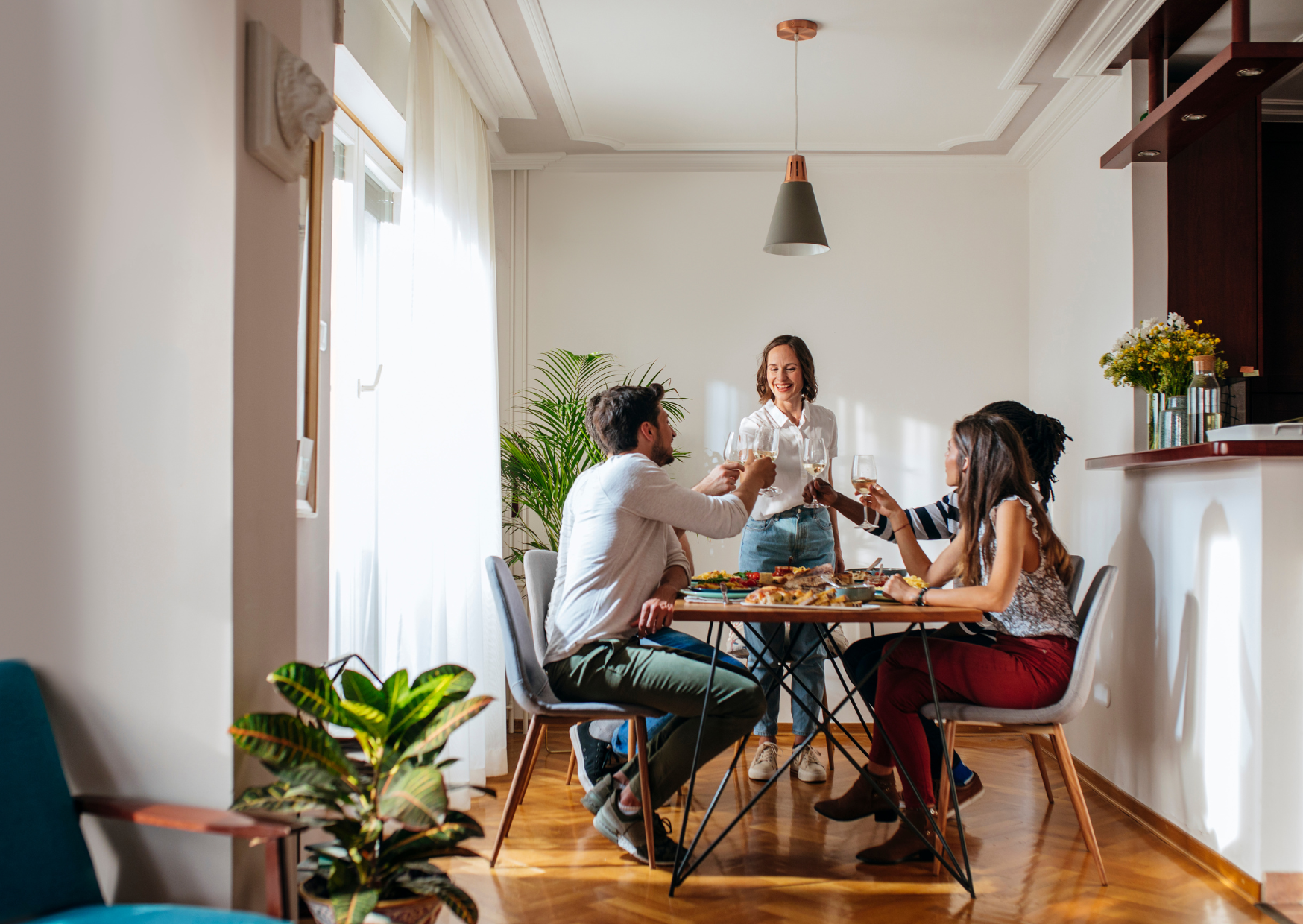
It is not about price. It is about making the evening easier or nicer.
- Dessert from the good bakery is always right. Name the bakery when you offer. It shows you cared enough to find the good one.
- A wine that can be saved is correct. In much of Europe the host decides whether to open your bottle. The gift is for their pantry, not your glass.
- Seasonal flowers if you know the host has space. Simple, not showy.
- Kids present. Kids treated. If your children are included, bring something small for all kids in the house. Stickers, a book, or fruit gummies from a decent brand.
Avoid novelty gadgets, scented candles with loud perfume, or anything that creates chores. The best gift removes work.
Specific beats expensive.
Arriving without making work
Entrance is where many polite people accidentally create friction.
- Shoes follow the house. If you see a shoe pile, remove yours. If you do not, keep them on. Do not start a debate about hygiene. Follow the host’s habit.
- Coats and bags go where they are asked. Do not launch your belongings into the living room.
- Phone away at the threshold. If you must coordinate a child or sitter, step outside briefly and finish it.
- Offer one setup task after you greet. “Where can I put these plates” or “Do you want the bottle opened now.” If they say no, stop offering. Hosts do not need management.
Make yourself light to handle.
The table is not a stage
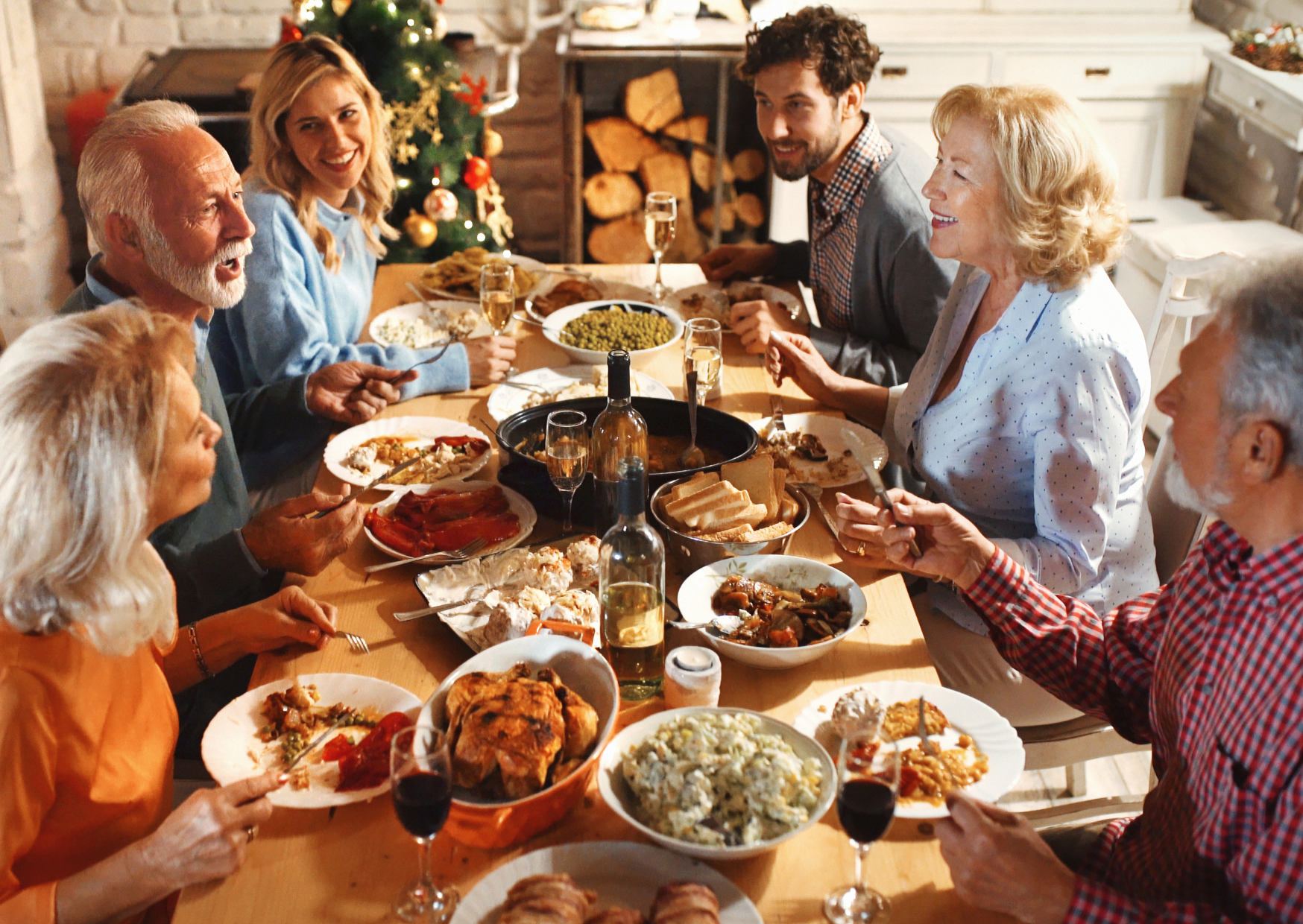
You are not auditioning. You are joining a room where conversation moves across plates and back again.
- Speak in loops, not lectures. Two or three sentences, yield the floor, come back later.
- Avoid money talk and hot politics unless the table opens the subject. Food, neighborhood, festivals, travel within Europe, school rhythms, local sports, and small logistical stories are safe and real.
- Ask about their week with specifics. “How did the padel league go” is better than “how are you.”
- Do not harvest contacts at the table. If you need a connection, ask the host the next day by message, politely.
The clever guest creates airtime for others.
Pacing, portions, and the kitchen door
American speed collides with European pacing at dinner. Slow down and observe.
- Courses arrive in order. Do not start a side conversation about dietary hacks while the host is plating. Eat what you like, leave what you do not, silently.
- Bread is not a meal. It is there for sauce and pause. You do not butter and dine on it.
- Help only when asked. Clearing two plates when the host stands is fine. Do not take over the sink at a first or second dinner. Cleanup is a trust that comes later.
- Do not open the oven to peek. Kitchen doors exist for a reason. The chef is managing time and heat.
Pacing is part of the hospitality, not a delay.
Alcohol without making it a circus
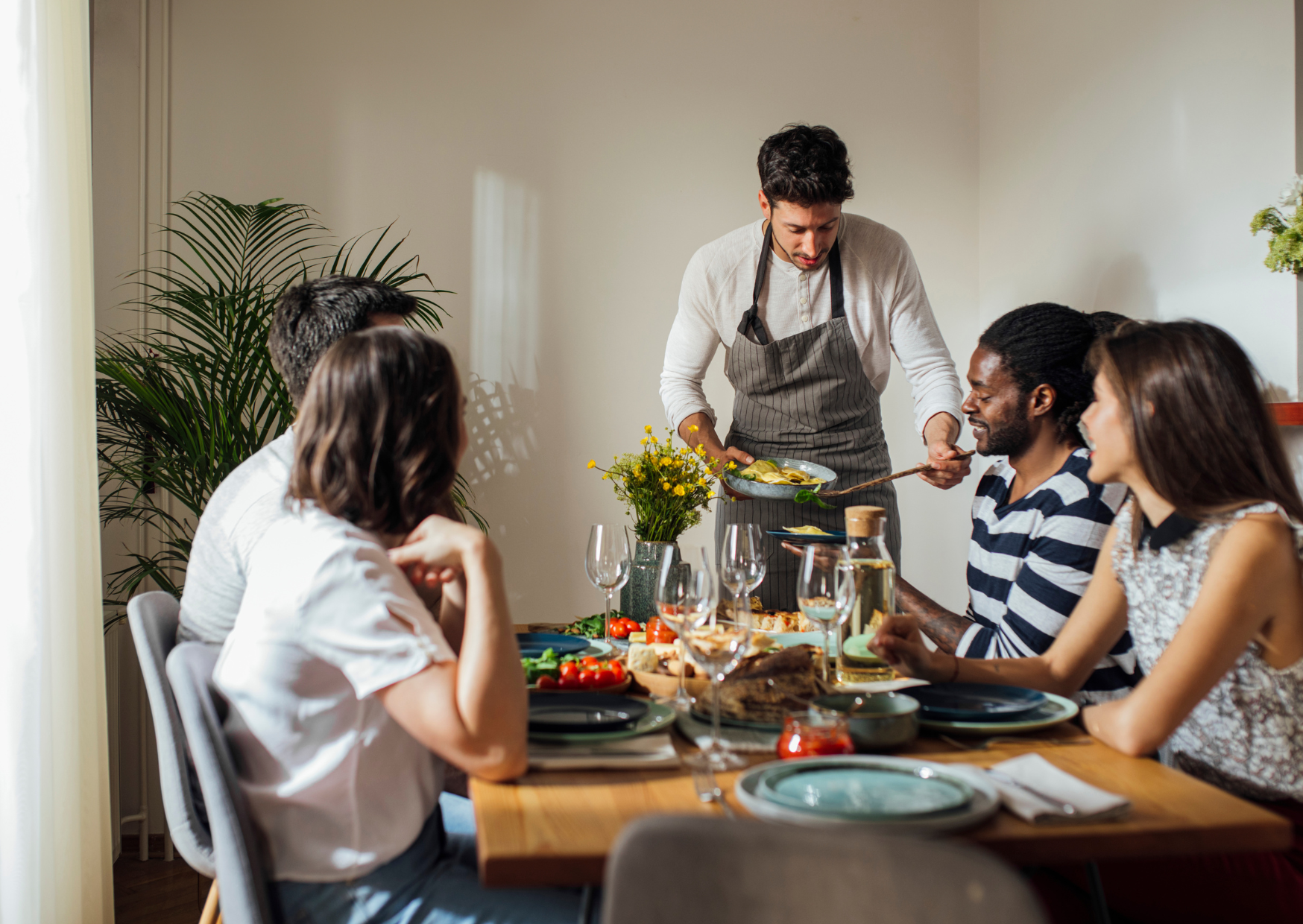
Europeans drink. They also stop.
- Match the host’s pour. If they go light, you go light. If they stop, you stop.
- Offer to refill water more than wine. Hydration is friendship.
- If you do not drink, say so once and move on. “I am fine with water, thank you” ends the topic. No defense needed.
Sobriety is normal. Drama is not.
The moment that makes or breaks the night
At some point your host will say a small line that signals closure. “Un poco de té y ya” or “última copa” or “we have an early morning.” People miss it and push on. Exits are a skill.
- Stand when the host stands. Compliment one specific dish, one moment, and the company.
- Offer to carry one bag to the door if you brought bulky items.
- Goodbyes are short. Thank, kiss or shake, out. Do not retell the night at the threshold.
Leaving well is half of being invited again.
The WhatsApp that seals the evening
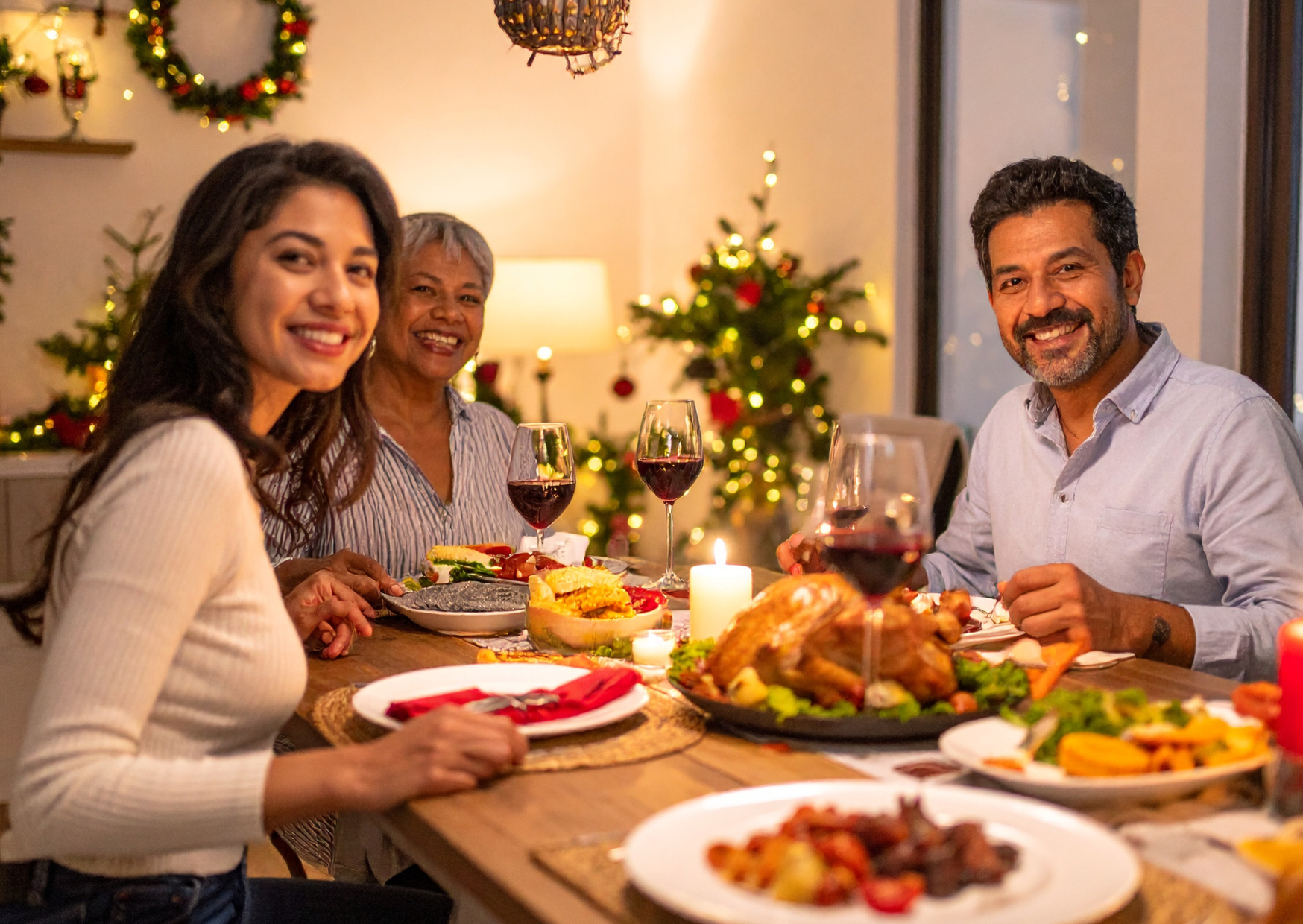
Send it the next morning.
- “Thank you for last night. The tortilla with roasted peppers was perfect. Your table felt like a holiday. We would love to have you on the 22nd for lunch if that works. 14:00 is easy for us.”
See what happened. You thanked, named one concrete thing, and returned the invitation with a date. No “we should.” A date. If they cannot, they will give an alternative. If they do not, try once more a week later with a different date. After that, relax. You did the right thing.
Dates create reality.
Returning the invitation without turning it into a performance
You do not need a chef’s diploma to host like a local. You need clarity, timing, and restraint.
Time
In Spain or Italy, lunch at 14:00 is often better than dinner for families. In France or Germany, 19:00 dinners work on weekends, 20:00 on Fridays. Check the local habit.
Menu
Cook what you can execute relaxed.
- Starter. Seasonal salad or a simple soup.
- Main. One roast chicken with potatoes, a baked rice, or a pasta with a real sauce.
- Side. Greens dressed with olive oil and lemon.
- Dessert. Fruit plate plus bakery cake. Coffee or tea.
Buy quality, cook simply, serve hot. People want comfort and conversation more than a theme.
Table
Chairs comfortable, plates same size, water on the table, bread in a basket, napkins that do not disintegrate. Candles if you like, never at the expense of seating.
Help
When guests offer, say yes to one small action. “Can you slice the bread” or “can you pour water.” Let people participate. It builds warmth without chaos.
End
Two hours for lunch, three for dinner, unless it becomes a long night naturally. Set a natural close with tea or fruit.
Host to be easy, not impressive.
The regional tweaks that save you embarrassment
Spain
Arrive with something edible. If invited on a weekday, expect dinner to start later. Lunch is a power move. If kids attend, they eat what adults eat or a simpler plate. No separate banquet.
France
Formality hides comfort. Compliment the cooking without exaggerated adjectives. Do not ask to pack leftovers. The cheese plate is a course, not a snack. Bread goes on the tablecloth by your plate edge, not on a side plate.
Italy
Compliment the ingredient source. “This tomato tastes like August” is better than “great job.” Do not put cheese on a seafood pasta unless the host offers. Neighborhood ties matter. Name the shop if you bring something special.
Germany
Punctuality is kindness. Bring flowers if you know they have vases, take the plastic off before you ring. Offer to help set and clear. Do not insist if they decline.
Netherlands
Direct and warm. Expect a clear start and an end. Gifts are opened later. Respect the plan. If they say 19:00 to 22:00, they mean it.
Portugal
You will be fed more than you planned. Pace yourself. Praise the cook’s hands, not just the dish. Family is the room.
The four American red flags hosts notice
- Saying “we should host you” and never naming a date. It reads as theater.
- Rearranging the kitchen to show helpfulness. It reads as control.
- Talking across the table for minutes at a time. It reads as self focus.
- Ignoring the closing signal and stretching the night. It reads as neediness.
They are all easy to fix. Offer a date. Follow the host. Share air. Leave well.
Conversation topics that work everywhere
You do not have to avoid depth. You avoid early intensity. Try these first.
- The neighborhood. Markets, parks, bars, bakeries, festivals.
- Food. Family recipes, seasonal products, childhood tastes.
- Repair culture. Where to fix shoes, bikes, watches.
- Small logistics that matter. Best time to run errands, which pharmacy is actually helpful.
- Hobbies with calendars. Teams, choirs, hiking clubs, volunteer groups.
Two good questions to keep handy:
- “What is a weekday dinner that feels like a treat for you”
- “Is there a small shop I should know about near you”
Both create openings without putting people on the spot.
If kids are included
Make it easy for the host and pleasant for your child.
- Feed young kids a light snack before you go so hunger does not ruin the first hour.
- Bring one quiet activity and share it with other kids if there are any.
- Keep bedtime signals sane. If your child melts at 21:00, choose lunch or go home before the crash. Hosts understand limits.
- Thank your child in front of the host for good manners. It keeps the adult room calm.
The return invitation that actually builds a circle
The people who become your inner ring show up again without drama. Be that person.
- Send the thank you plus date message the morning after.
- If the first date fails, offer a second.
- If two dates fail, invite them into something you already do. Saturday market loop then soup at yours.
- If December is chaos, book January as a proper lunch. People remember the calm after holidays more than any December squeeze.
Troubleshooting the awkward bits
You arrived too early
Walk the block once. Arrive at the time written. Hosts prep to the minute.
You broke something
Say it plainly, offer to pay or replace, then stop apologizing. Adults own accidents and move on.
You had to cancel
Do it as soon as you know and offer a new date in the same message. Twice in a row is a reputation. Protect yours.
You are nervous about hosting
Choose lunch. Cook one pot. Put chairs first. Buy dessert. People want time with you more than a show.
The one expectation to meet every time
You were not invited for a performance. You were invited to be counted on. The rule is plain across apartments in Madrid, Lyon, Munich, Turin, Rotterdam, and Porto. Receive, then reciprocate within a season. Everything else is detail. Arrive easy. Sit well. Speak in loops. Leave gracefully. Then put someone at your table soon, with soup that tastes like you and a bakery cake from the good place on the corner. Do that twice and the next invitation arrives without a speech, because the host already knows the most important thing. You are the kind of person who returns what you are given.

About the Author: Ruben, co-founder of Gamintraveler.com since 2014, is a seasoned traveler from Spain who has explored over 100 countries since 2009. Known for his extensive travel adventures across South America, Europe, the US, Australia, New Zealand, Asia, and Africa, Ruben combines his passion for adventurous yet sustainable living with his love for cycling, highlighted by his remarkable 5-month bicycle journey from Spain to Norway. He currently resides in Spain, where he continues sharing his travel experiences with his partner, Rachel, and their son, Han.