
You arrive, sign a lease, and start dreaming in Pinterest. Three months later your winter power bill bites, summer sun turns your living room into a toaster, towels never dry, and the neighbors sleep like babies while you are Googling “portable A.C. at 3 a.m.” The pattern is boring. Americans move in, remove the “old” Spanish bits, then spend the next year trying to recreate them. Here are the nine features that look quaint on day one and become non negotiable by month six, with exact reasons, mistakes to avoid, and simple retrofits if you already got excited with a drill.
1) Roller Shutters, The Free Climate System You Didn’t Know You Owned
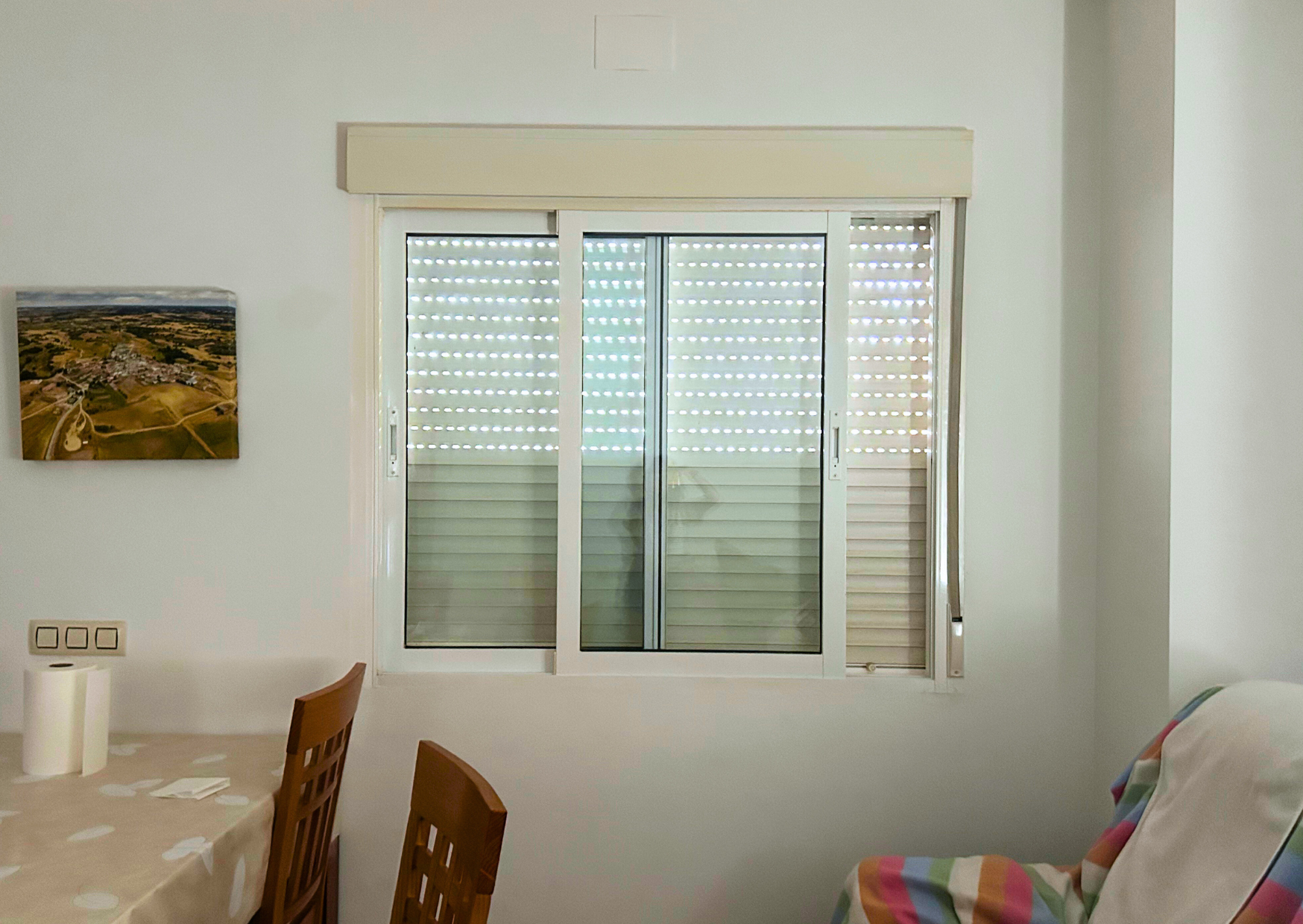
Those plastic or aluminum slats that drop from the top of the window are not weird European curtains. They are persianas, and they are the single best energy device in a Spanish flat. Shutters control heat, light, and noise better than any blind you will buy at a big box store. In August you lower them to chest height at noon and the room stays twenty percent cooler. In January you lift them to catch sun at midday, then seal the night air before dinner. They also erase street glare when you work.
What Americans do: rip them out because they look “rental” or leave them always open because pulling the strap feels unfamiliar. Then they spend on blackout drapes, noise machines, and higher A.C. settings.
What to do instead: learn the daily rhythm. Up at 10 when the light turns kind, halfway down through early afternoon, up again for cross breeze at 19, fully down at bed. Shutters are a daily habit, not a decoration.
If you already removed them: ask a local persianas installer for a strap replacement, a cord tidy, or a new motor kit. Ballpark €140 to €280 per window depending on size and whether the box needs work. Keep the box insulated with a thin foam panel so winter air does not slide in.
2) Awnings and Exterior Blinds, The Shade That Lowers Bills Before You Touch a Thermostat
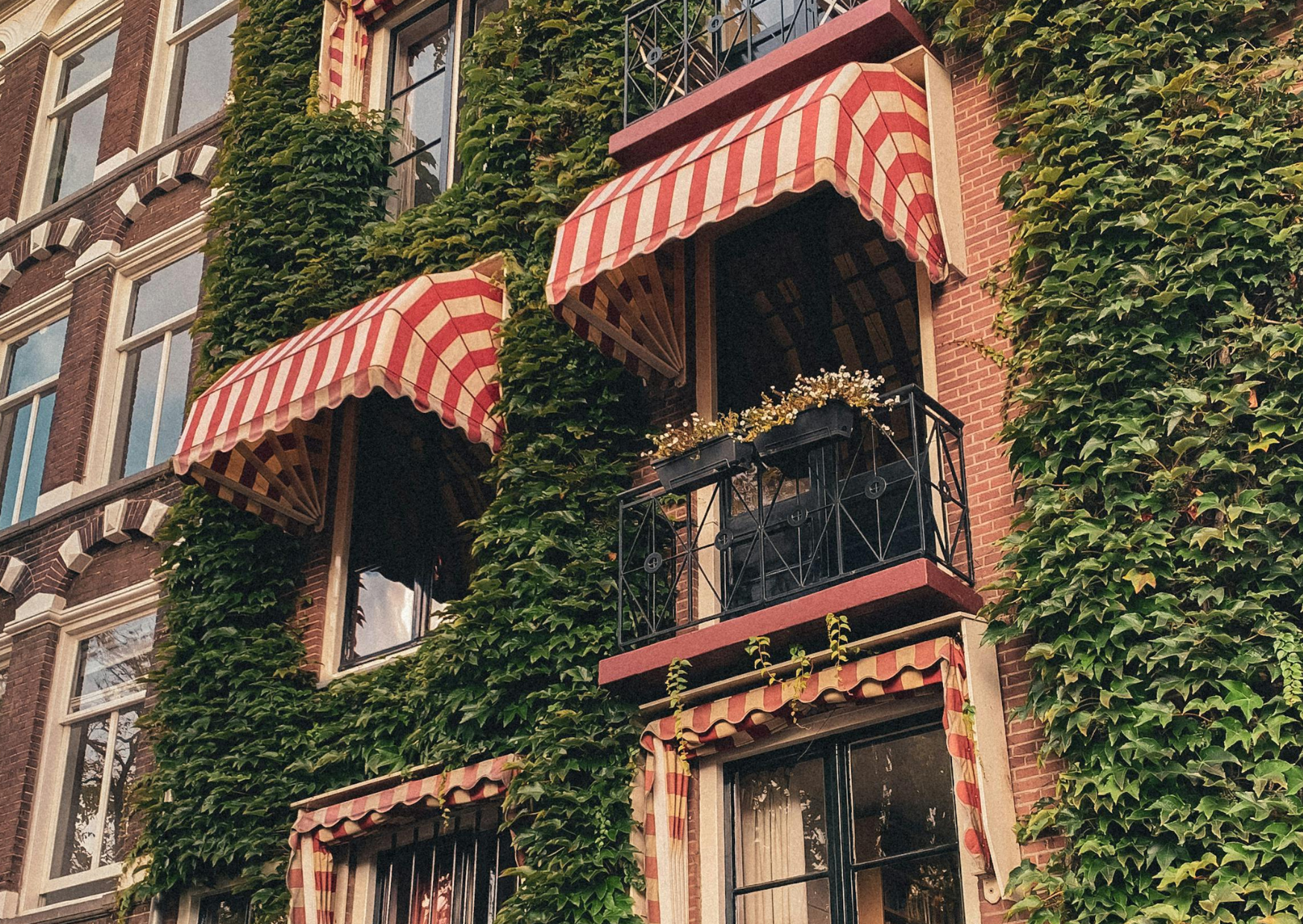
Spain devotes entire storefronts to toldos for a reason. South and west exposures roast living rooms. A good awning blocks sun before it hits glass, which is the only shade that really counts. Interior curtains are sympathy. Exterior shade is physics. Many flats also have mallorquinas or exterior hinged shutters that swing closed and create instant calm.
What Americans do: remove faded awnings because they ruin the “clean facade” in photos. Result, the flat turns into an oven and the A.C. fights a losing battle.
What to do instead: clean or re-cover the fabric. New canvas on an existing frame is often €120 to €220. If the hardware is gone, a basic manual awning starts near €400. In bright islands and on the coast this might be your single best purchase.
If your building bans exterior changes, install reflective film on the inside of west glass and pair with a light colored roller blind. It is not as good as a toldo, it is still worth it.
3) Hydronic Radiators, The Heat That Feels Like a Hug Instead of a Hair Dryer

Gas boiler plus hot water radiators look old to Americans raised on forced air. The surprise is comfort. Radiators give steady, quiet heat with low air movement, which means fewer nosebleeds, less dust, and rooms that feel warm at lower set points. You do not need to blast 24 if surfaces are gently warm at 19.
What Americans do: rip radiators for a “clean wall,” add heat pumps only, then complain that winter feels clammy. The bill climbs because heat pumps cycle and users crank them to compensate for damp.
What to do instead: bleed the radiators each October, set one constant temperature, and run longer at lower output. Combine with a dehumidifier on rainy weeks to remove that sticky chill. If the boiler is ancient, a modern condenser unit cuts gas use without changing the feeling of the heat.
If you already removed radiators: consider slim electric panels in the rooms you use most and run them at modest, steady levels. Pair with rugs and curtains. It will never feel as civilized as hot water, but you can get close.
Quiet rule: steady beats strong for winter comfort.
4) The Separate Kitchen Door, The Cheapest Air Filter You Will Ever Own
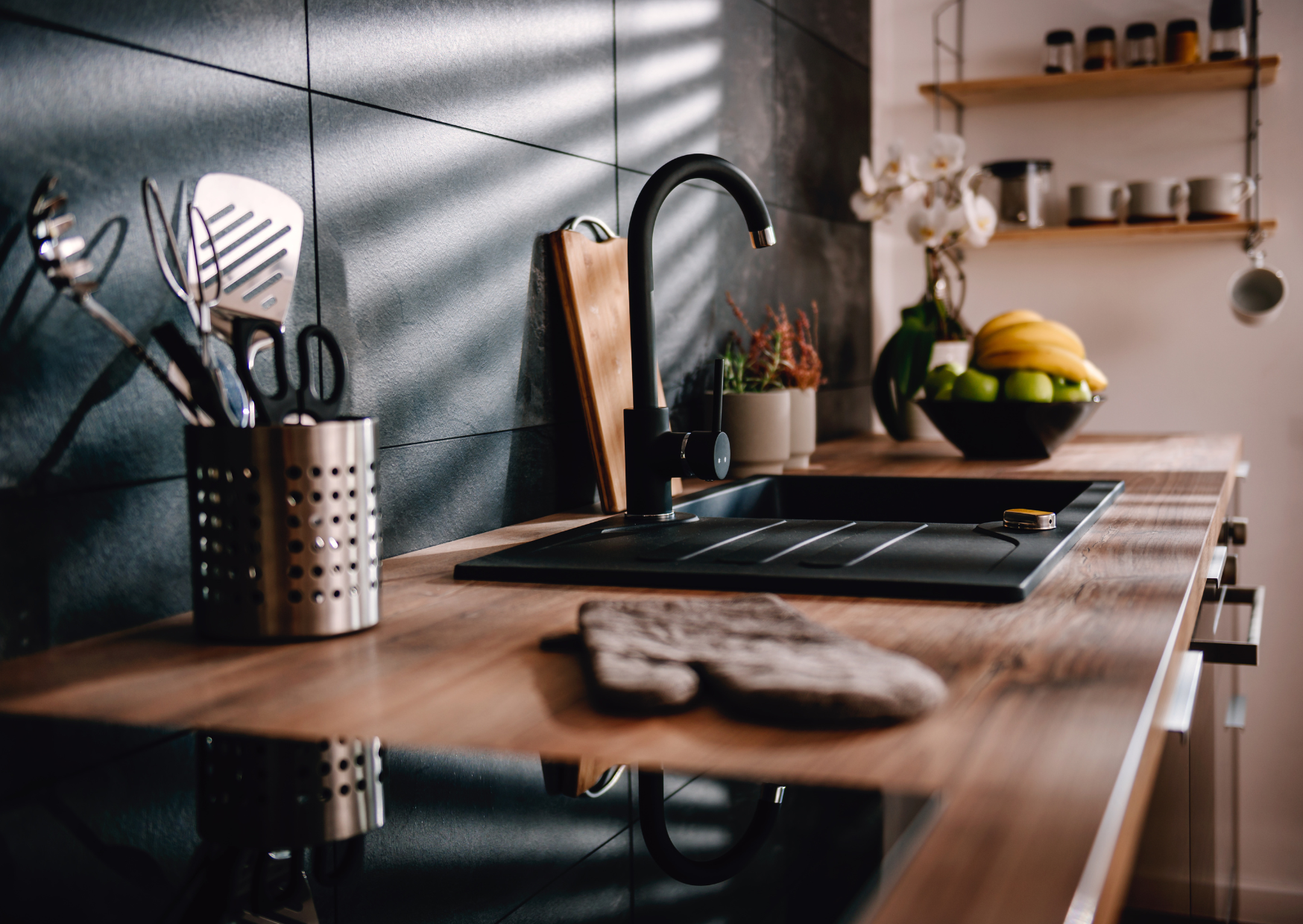
The Spanish kitchen door looks old fashioned until your flat smells like last night’s fried fish for three days. Open plan kills this quietly. A real door quarantines smells, steam, and noise, keeps toddlers out when the oven is open, and lets one person cook while someone else sleeps.
What Americans do: remove the door for “flow.” Then they buy bigger hoods, scented candles, and eventually a HEPA filter because the sofa smells like lunch.
What to do instead: keep the door, add a soft close hinge, and install a magnetic sweep on the bottom that blocks drafts and ants. If you insist on openness, put in a glazed sliding door. You keep light and sight lines while keeping your fabrics clean.
If the door is gone, a ceiling mounted track with two glass panels runs €450 to €800 and saves your sanity forever.
5) Clotheslines and Drying Racks, The Humidity Control Nobody Teaches You
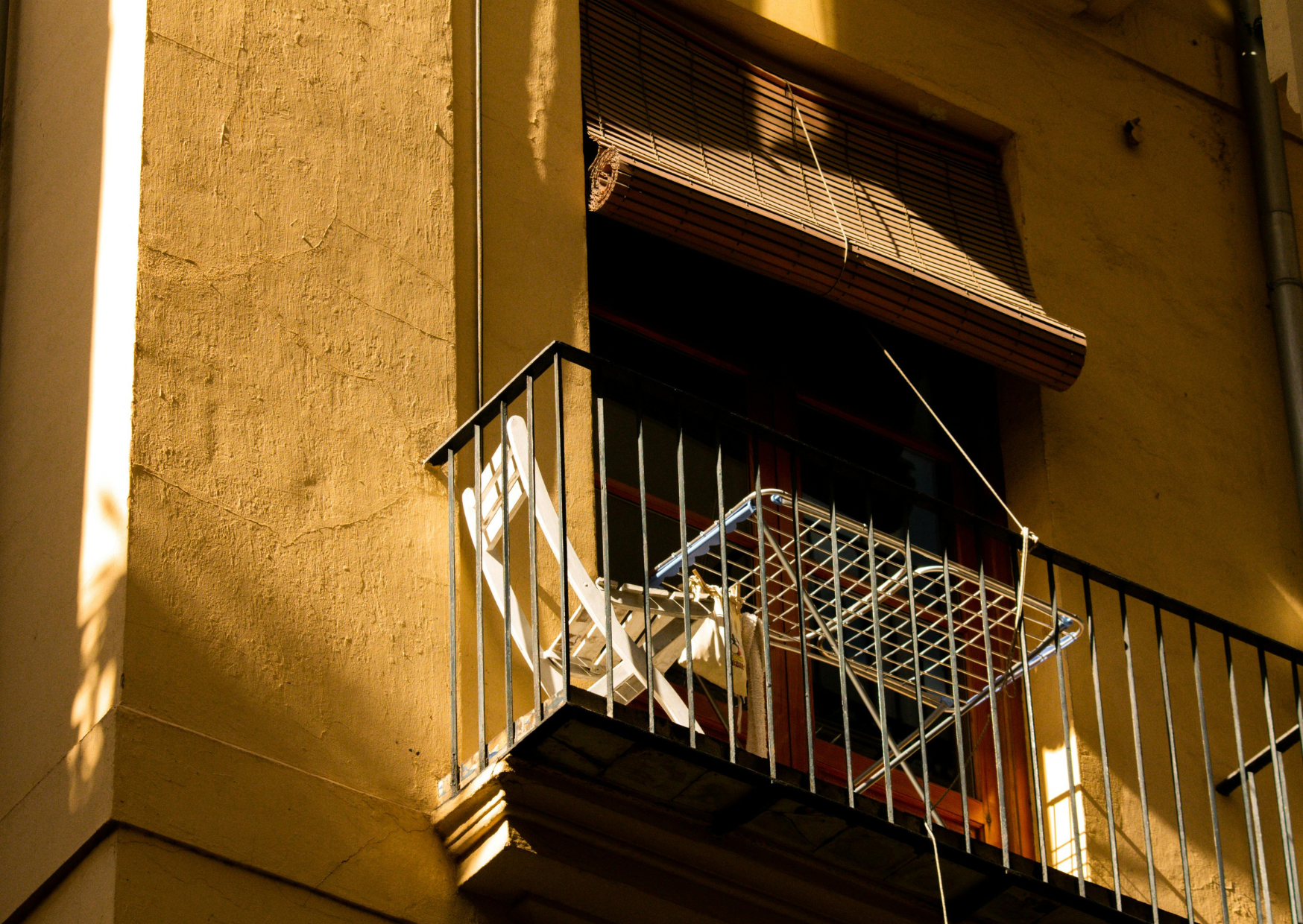
Spanish flats dry laundry on tendederos and patios de luces because the climate can. It looks quaint until your electricity bill drops and your towels stop smelling like a wet handshake. Drying machines in small apartments vent poorly and crank room humidity, exactly when winter already wants to creep into your bedding.
What Americans do: remove the folding rack and retractable line for more balcony “space,” then run a dryer that steams the house or hangs laundry inside without a plan. Result, damp rooms and persistent must.
What to do instead: put the rack in the brightest, driest room from 12 to 16, crack a window, and set a dehumidifier to 50 percent for two hours. Everything dries, nothing smells. On balconies, use a retractable line and a clip bar. Wind is not your enemy if you use it.
If your patio de luces makes you nervous about neighbors, buy a ceiling pulley rack that lifts laundry into warm air. It costs €60 to €120 and gives floor space back.
6) Tile and Terrazzo Floors, The Surfaces That Make Summer Bearable and Winter Fixable
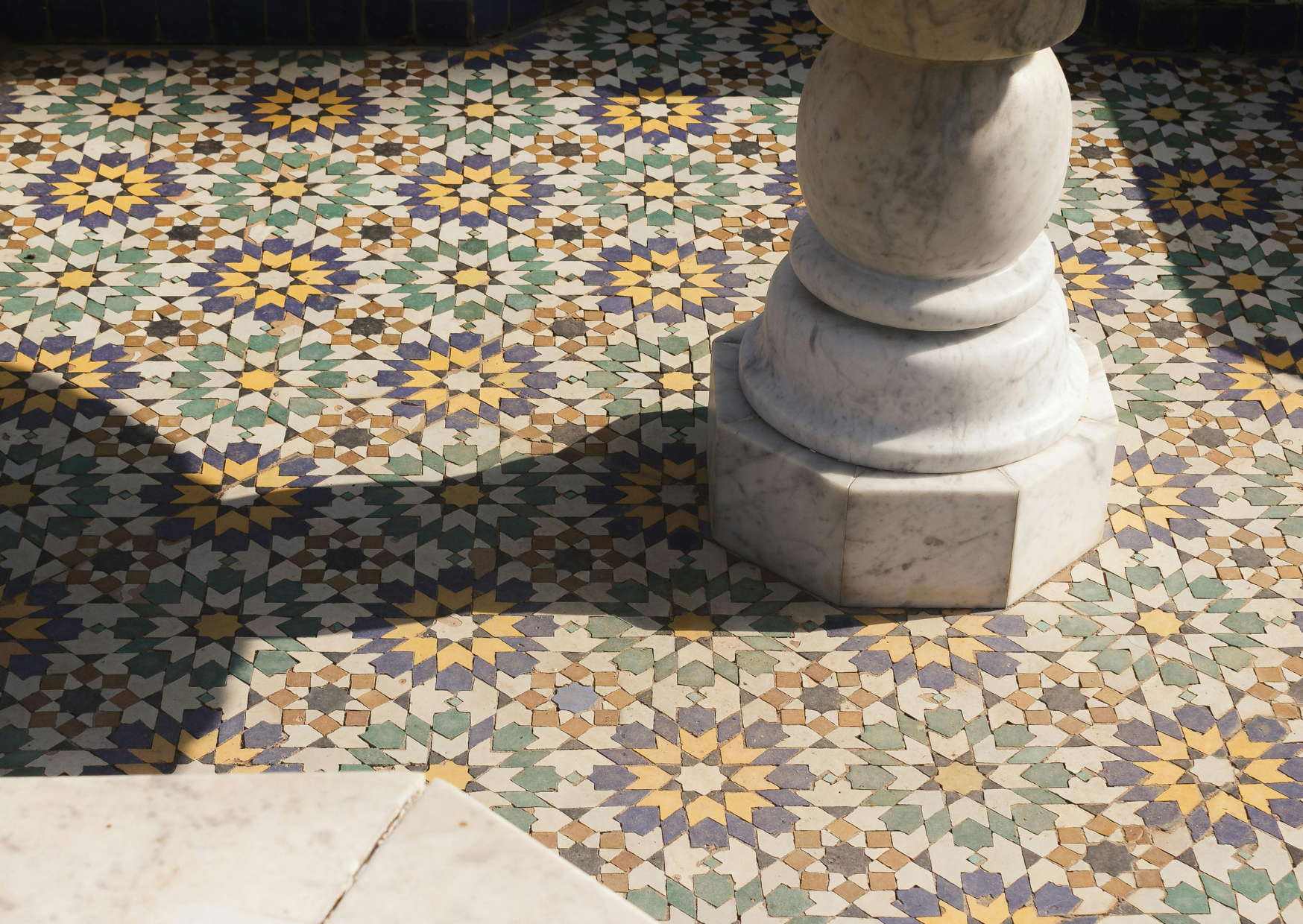
Cool underfoot in July, rock hard in January. Americans hate tile in winter, then realize it is the only floor that never smells like damp. Terrazzo and ceramic are built for Spain’s shoulder seasons, daily sweeping, and beach sand. They are hygiene and durability in one, and they respond instantly to simple fixes.
What Americans do: rip tile for engineered wood or thick carpet. Then come spills, sand, and a summer month where the house feels wrapped in a blanket.
What to do instead: layer rugs in winter, keep them small enough to shake on the balcony, and add cork underlayment if you are renovating a bedroom. In summer you roll the rugs away and gain a natural cooling effect. If tile looks tired, a professional polish on terrazzo or a matte sealer on ceramic cleans the visual without losing the function.
If you already went full carpet, buy a washable low pile runner for the kitchen and hallway, and remember why Spain avoids wall to wall in humid months.
7) Cross Ventilation, The Floor Plan That Feels Like Air Conditioning When You Learn the Trick
Many Spanish flats have two exposures, often street side and interior patio. If you open both, block the direct sun with shutters, and aim a fan to push air from the cool side to the warm side, you create a pressure path that cools rooms for free. Add a bowl of ice in front of the fan on the worst August afternoons and it becomes powerful.
What Americans do: seal one side of the flat for “noise control” and depend entirely on split units. They forget that air needs exits.
What to do instead: map your cooler facade. In the morning, open that side, lower the sunny side shutter, create a corridor, and let physics work. In the evening, flip the script and vent the day’s heat.
If street noise is brutal, use acoustic shutters or laminated glass on the loud facade and keep the interior patio side free. Cross ventilation still works with one quiet side.
8) The Bidet, The Little Sink That Saves Money, Skin, and Plumbing
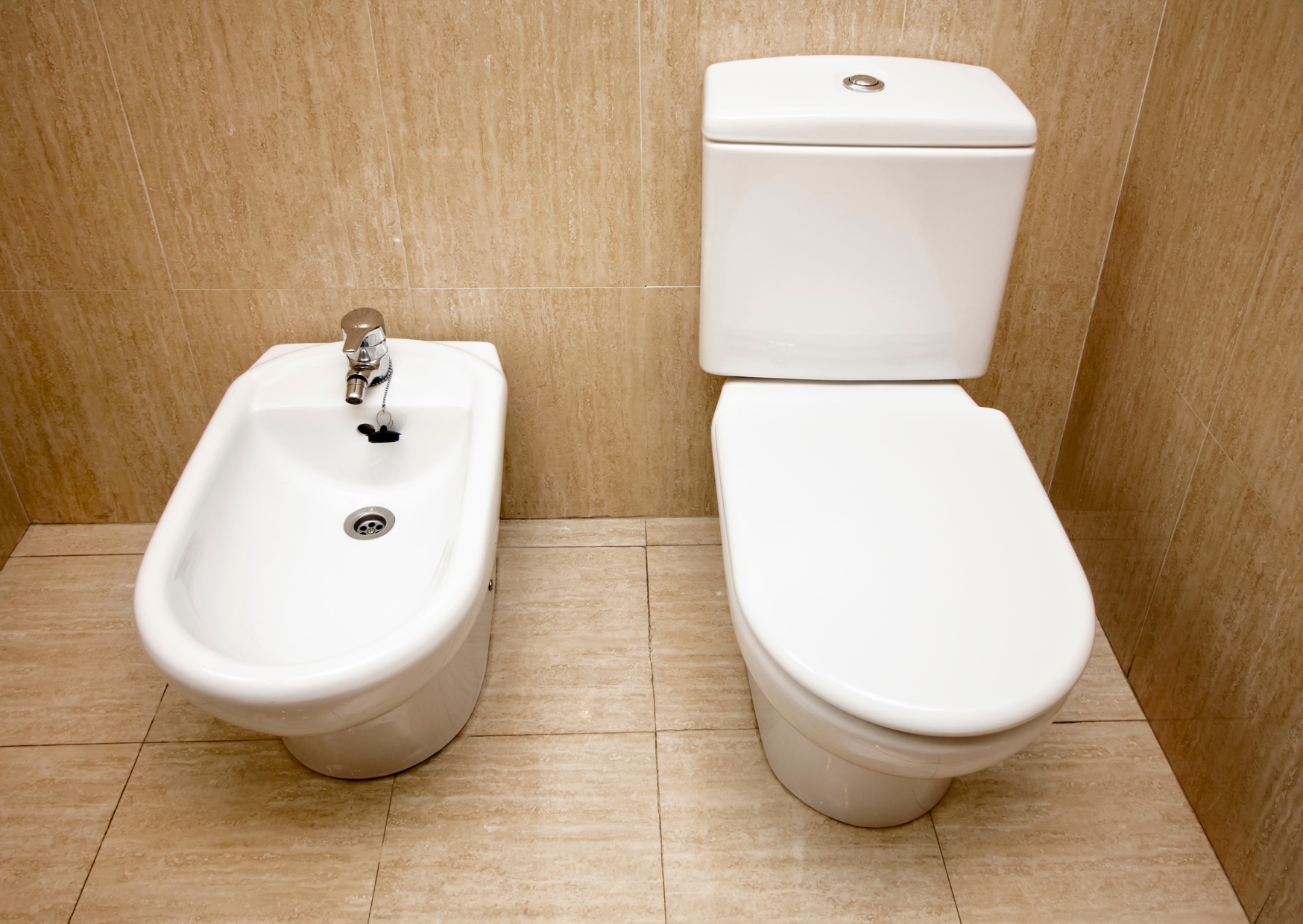
Americans laugh at bidets on day one. Week eight arrives and they realize Spanish toilet paper is not engineered to be a spa treatment. A bidet or a good bidet seat cuts paper use, helps after beach days, and keeps pipes happier in older buildings.
What Americans do: remove the porcelain to “gain space,” then buy wet wipes that clog drains and attract fines in many cities.
What to do instead: keep the bidet if you have it, add a mono mixer tap for temperature control, and spend €40 to €80 on a simple seat sprayer if the bathroom is small. Your skin will tell you you made the right decision.
If you already removed it, install a slim integrated bidet seat on the existing toilet. They are common in Spanish stores now, cost €90 to €250, and fit in tight rooms.
9) The Vestibule and Interior Doors, The Noise and Heat Locks That Make Apartments Feel Quiet
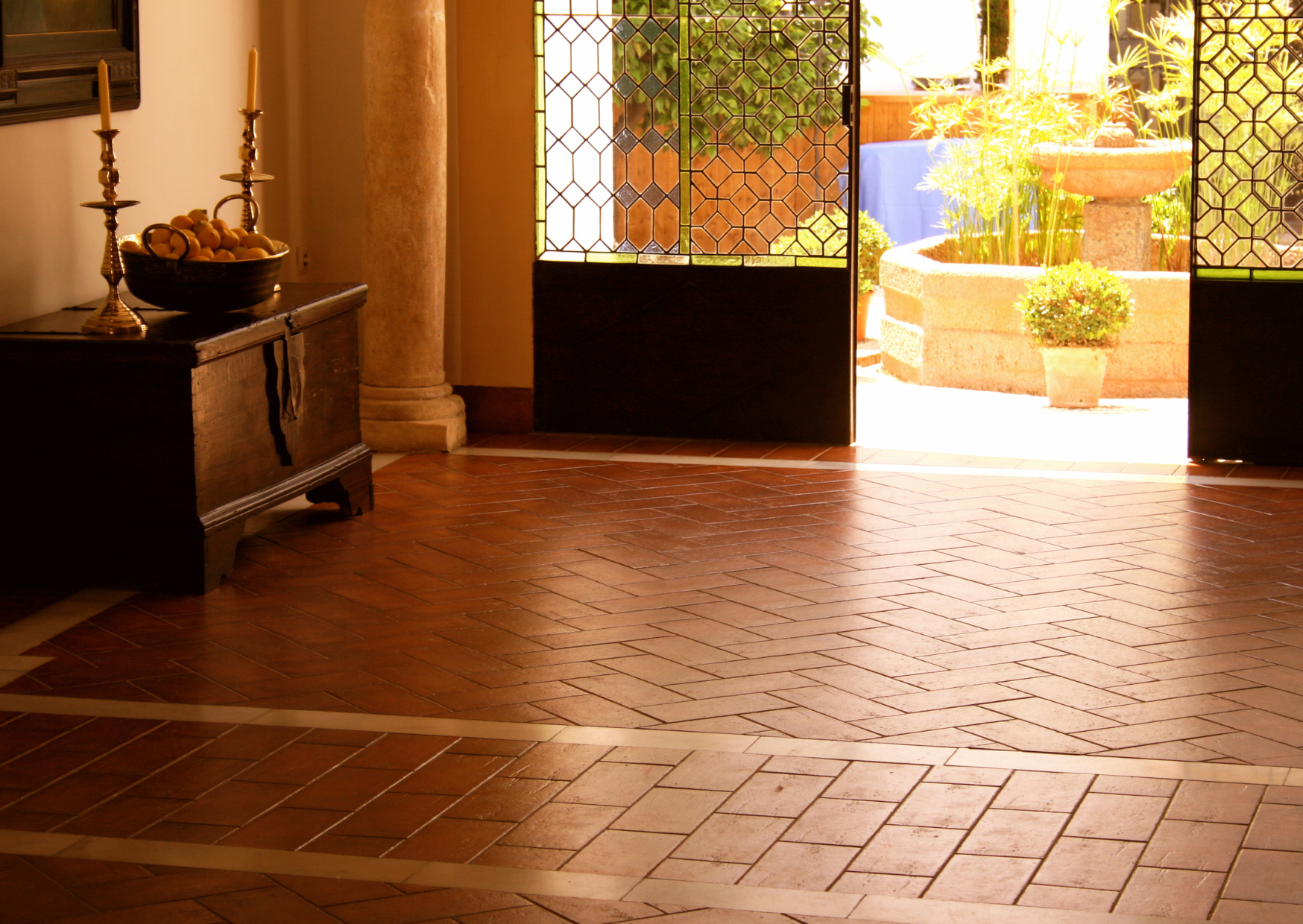
Spanish flats often have a recibidor or tiny corridor with doors to living spaces. It looks like wasted square meters until you notice how quiet your bedroom is when the street is awake. A door between rooms is a heat lock and a noise damper, exactly what you need in stone buildings with long hallways.
What Americans do: remove interior doors for “open concept,” then hear every scooter and every neighbor’s plates. Winter drafts travel farther, and you end up heating empty rooms.
What to do instead: keep the doors, add brush seals, and hang a heavy curtain behind the front door during winter nights. If you are renting, a spring rod and a lined curtain cost €30 to €70 and change the feeling of the whole flat.
If you already opened everything, install glazed pocket doors or double sliding panels. You keep light and regain control. Your heating and cooling will finally work.
What To Watch For When You Rent, So You Do Not Pay to Rebuild Function Later
- Shutter boxes that are insulated and working. Pull the strap three times. If they stick, ask for service in the contract.
- Awnings present and not shredded. Negotiate a fabric refresh before move in.
- A boiler with service history and radiators that bleed clean water. A gurgling radiator is a calendar appointment, not a curse.
- A kitchen door that closes. If it is missing, ask permission to add a sliding glass panel.
- A real tendedero or balcony line. If none exists, be sure your lease allows a rack.
- Two exposures you can actually open. Interior windows that are painted shut are a tax, not a feature.
- Bidet or enough clearance to install a bidet seat.
- A vestibule you can use for shoes, coats, and thermal curtains in winter.
If You Already “Modernized,” Here Is a Two Week Retrofit Plan
Week 1
- Call a persianas tech to service shutter boxes and replace broken straps.
- Order a manual awning for the worst exposure. If banned, install reflective film and an interior roller.
- Buy a dehumidifier and set it to 50 percent, plus a folding rack. Dry a single load as a test.
- Add brush seals to interior doors and a thermal curtain behind the front door.
- Install a handheld bidet sprayer or an integrated seat.
Week 2
- Lay two washable rugs in the sitting room and bedroom, add felt pads to furniture.
- Map cross ventilation. Practice the morning and evening routine for five days.
- Put soft close hinges on the kitchen door or hang a glazed slider.
- Bleed radiators and set one calm temperature.
- Have a coffee and notice how quiet the flat just became.
Real Money, Because Aesthetics Without Numbers Is Theater
- Shutter service and motor kit per window, €140 to €280
- Awning fabric refresh, €120 to €220, full manual awning starting near €400
- Dehumidifier, reliable mid range, €160 to €260
- Glass sliding kitchen panel, €450 to €800 installed
- Acoustic laminate for one loud window, €250 to €450 depending on size
- Bidet seat, €90 to €250
- Brush seals and a thermal curtain kit, €30 to €70
- Two washable rugs, €80 to €200 total depending on size
- Radiator service or bleed, often free if you do it, €60 to €120 if you want a tech
Add it up. You will spend less than one bad summer of A.C. panic and one damp winter of candles you never liked. Spanish features were designed for Spanish buildings, which is why they work with minimal energy and zero drama once you respect them.
Common Pushbacks, Answered Like a Neighbor
“I want light, not cave vibes.”
Use glazed doors, half lowered shutters, and white awning canvas. You keep light while controlling heat. Light plus shade, not light versus shade.
“I hate visible laundry.”
Buy a ceiling pulley rack and lift it out of your sight line. The flat dries laundry while you live your life.
“I cannot stand tile in winter.”
Rugs in November, bare floors in June. Seasonal living is the whole Spanish point.
“I love open plan.”
Keep a large opening, close it with glass when needed. Openness is a feeling, not an HVAC strategy.
“I miss the American dryer.”
Use a dehumidifier for two hours and the rack is empty by early evening. Your clothes last longer and your bills stop lecturing you.
What You Can Use Tonight
Close the kitchen door when you cook. Lower the persianas halfway at 13:00, then raise them at 19:00 for a cross breeze. Hang the next laundry load near a bright window and set the dehumidifier to fifty percent for two hours. Put a rug under the sofa and a brush seal on the bedroom door. If your west window bakes you tomorrow, measure for a toldo. The flat will feel different by the weekend.
You did not move here to fight your apartment. Keep the Spanish features that make Spanish apartments work. They are not old. They are wise.

About the Author: Ruben, co-founder of Gamintraveler.com since 2014, is a seasoned traveler from Spain who has explored over 100 countries since 2009. Known for his extensive travel adventures across South America, Europe, the US, Australia, New Zealand, Asia, and Africa, Ruben combines his passion for adventurous yet sustainable living with his love for cycling, highlighted by his remarkable 5-month bicycle journey from Spain to Norway. He currently resides in Spain, where he continues sharing his travel experiences with his partner, Rachel, and their son, Han.