
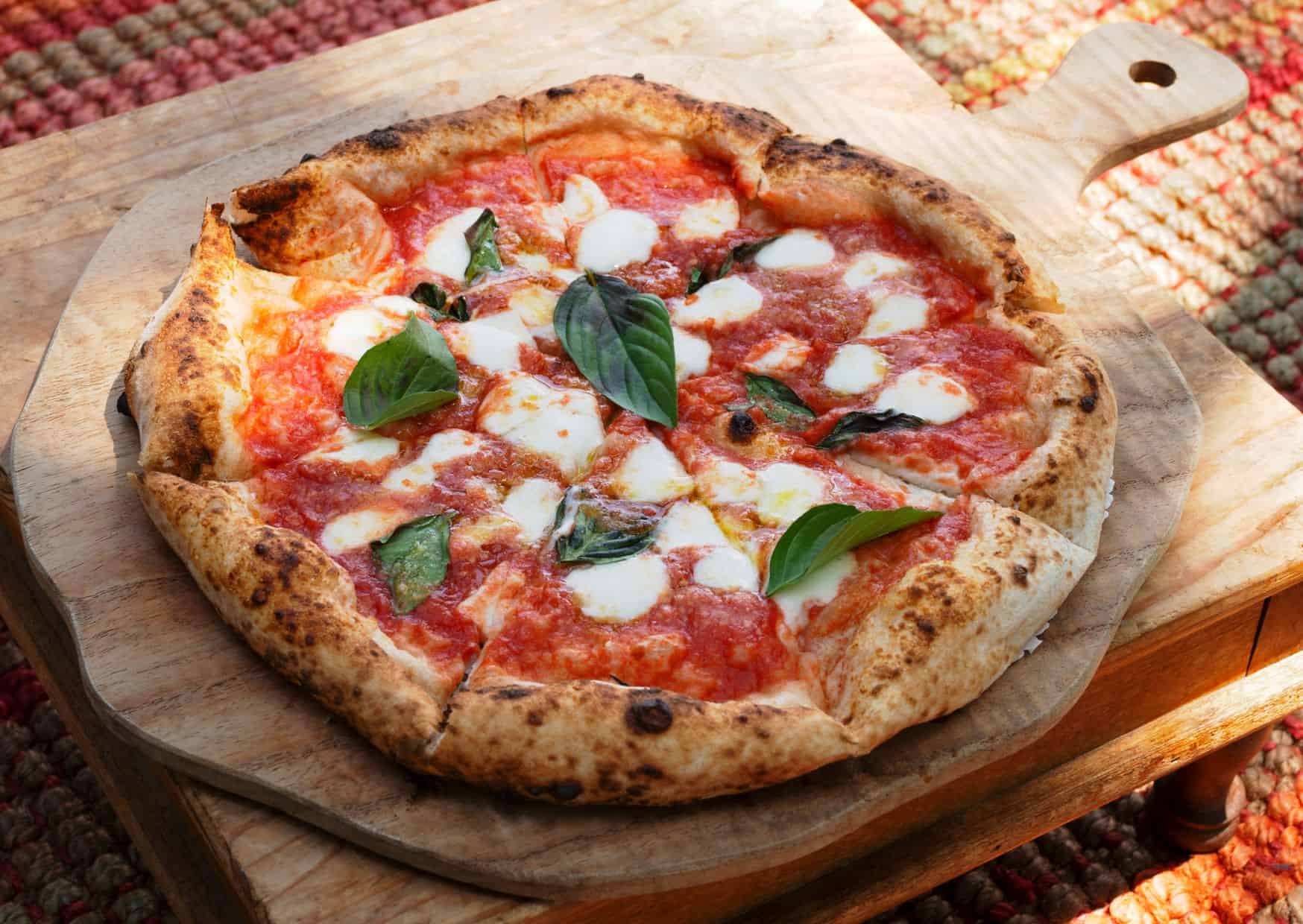
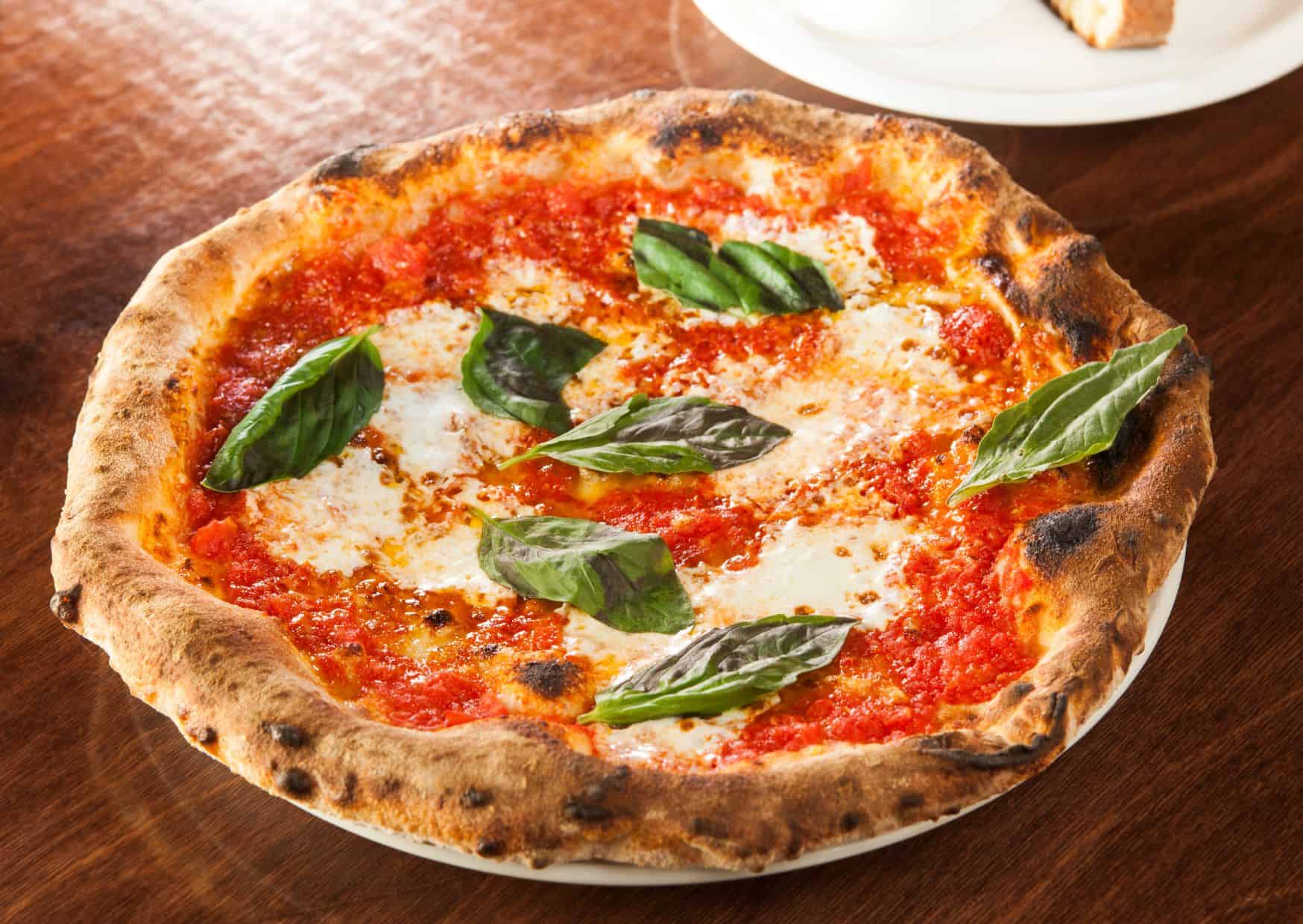
Margherita Pizza is the epitome of Italian simplicity and culinary elegance, showcasing how just a few high-quality ingredients can create something extraordinary. This iconic Neapolitan pizza, with its blistered thin crust topped with vibrant tomato sauce, fresh mozzarella, fragrant basil leaves, and a drizzle of olive oil, was created in honor of Queen Margherita of Savoy in the late 1800s. Its red, white, and green colors proudly represent the Italian flag and have cemented its status as one of the world’s most beloved pizzas.
Unlike heavily loaded American-style pizzas, Margherita is all about balance: the slight acidity of the tomatoes, the creamy saltiness of mozzarella, the sweetness of fresh basil, and the chew of a perfectly charred crust. Making it at home allows you to replicate that authentic pizzeria taste, especially if you use Italian tipo 00 flour, San Marzano tomatoes, and fresh buffalo mozzarella. While it seems simple, mastering Margherita pizza is a rite of passage for any home cook who wants to bring Italian flavors to their kitchen.
In this recipe guide, you’ll learn step-by-step how to create an authentic Margherita pizza with tips for achieving the perfect dough, sauce, and bake. Whether you’re using a traditional wood-fired oven, pizza stone, or regular home oven, this recipe will elevate your pizza nights to true Neapolitan standards.
Read here best Italian food, vegetarian food in Italy, best drinks in Italy and best breakfast in Italy
Read Here Things to know before visiting Italy and how to buy a sim card in Italy
BOOK YOUR TRAVEL INSURANCE
Two of our favorite travel insurance: Heymondo Vs Safetwing cheapest travel Insurance. You can get for $135 USD your Heymondo Travel Insurance with Heymondo discount code valid for 90 days. Read our full comparison of Genki vs Safetywing Travel Insurance Review and the comparison Heymondo vs Genki
Best Time to Eat and What to Serve It With
Best time to eat:
Margherita pizza is perfect for lunch or dinner, especially on weekends or relaxed evenings when you want to enjoy the process of homemade pizza-making. It also makes a wonderful dish for casual gatherings or Italian-themed dinner parties, as it is universally loved and easy to pair with other dishes.
Perfect pairings:
Side: Serve with a simple arugula salad drizzled with balsamic glaze and shaved parmesan, or with bruschetta topped with fresh tomatoes and basil to start the meal.
Drink: Pair with a light Italian red wine like Chianti or a crisp prosecco, or opt for a refreshing sparkling water with lemon for a lighter meal.
Dessert: End with a traditional Italian dessert like tiramisu or panna cotta to complete your authentic Italian dining experience.
Margherita pizza isn’t just a dish; it’s a celebration of Italian culinary philosophy: fresh ingredients, minimal fuss, and maximum flavor shared with those you love.
One of the most debated topics around Margherita pizza is how easily it gets overcomplicated—especially outside of Italy. In the U.S. and other countries, it’s not uncommon to find versions loaded with extra cheese, garlic, or seasoning blends. But to Neapolitans, this is sacrilege. The D.O.C. (Denominazione di Origine Controllata) guidelines for true Neapolitan pizza are strict for a reason: they protect the essence of the original.
There’s also an ongoing debate between authenticity vs. accessibility. Should home cooks feel pressured to buy imported San Marzano tomatoes or buffalo mozzarella to make a “true” Margherita? Some say yes—quality matters. Others argue that the heart of the dish is in the method and restraint, not the price tag of your ingredients.
And finally, pizza purists often critique the global pizza culture that has commercialized something deeply regional. While toppings like pineapple and barbecue chicken might be fun, they blur the line between fusion and confusion. Margherita pizza remains one of the few dishes where less isn’t just more—it’s sacred.
How to Make Margherita Pizza
Margherita Pizza Recipe Ingredients
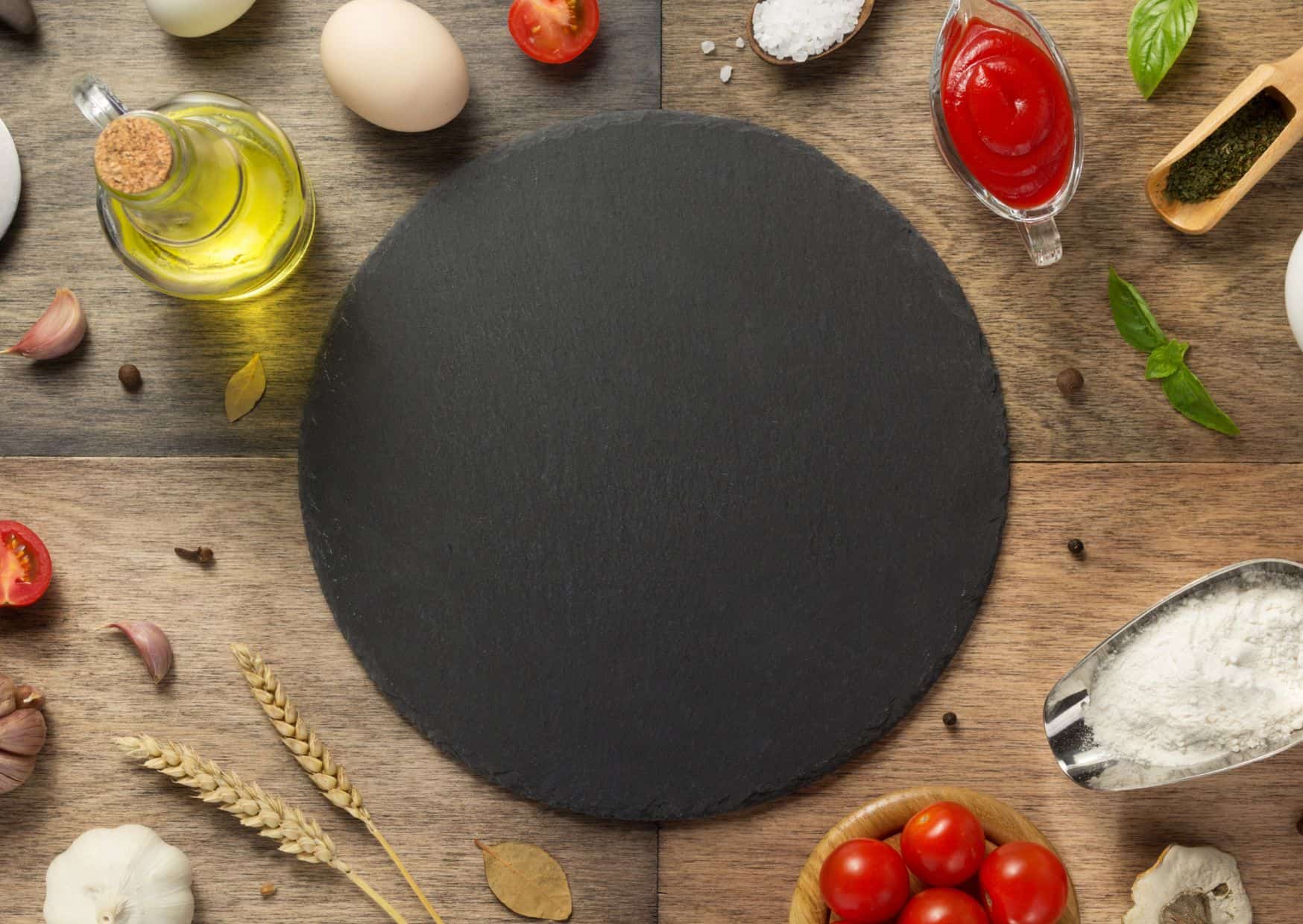
For the Pizza Dough:
2 1/4 teaspoons (1 packet) active dry yeast
1 1/2 cups warm water (110°F/45°C)
3 1/2 to 4 cups all-purpose flour
2 tablespoons olive oil
2 teaspoons sugar
2 teaspoons salt
For the Topping:
1 cup tomato sauce (preferably San Marzano tomatoes, crushed)
2 cups fresh mozzarella cheese, sliced
Fresh basil leaves
2 tablespoons extra virgin olive oil
Salt and pepper to taste
Get the best deals for your home and kitchen needs
Step By Step How to Make Margherita Pizza
Prepare the Dough
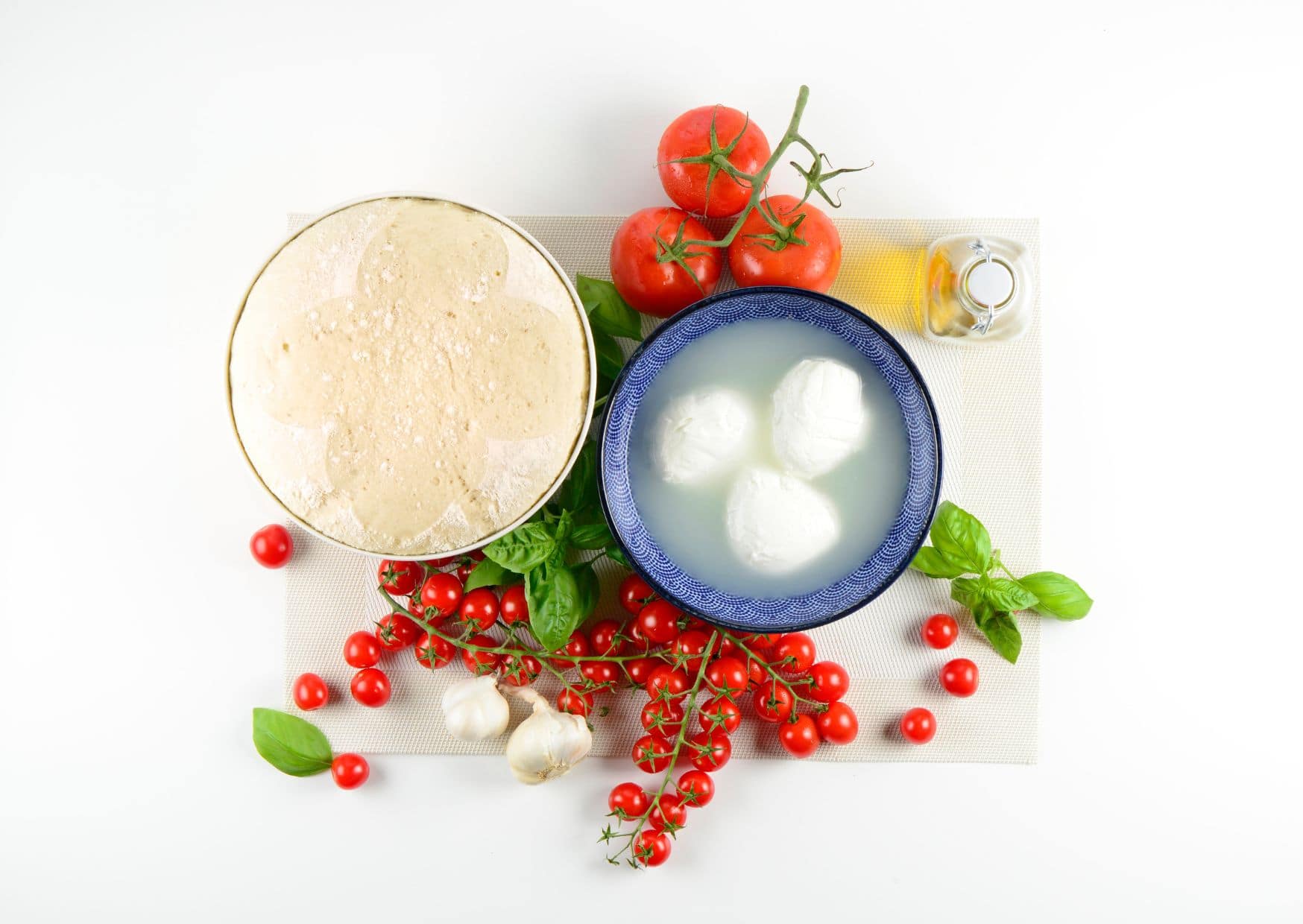
In a small bowl, dissolve the yeast and sugar in warm water. Let it sit for about 5-10 minutes, or until it becomes frothy.
In a large mixing bowl, combine the flour and salt. Make a well in the center and add the yeast mixture and olive oil.
Mix until a dough forms.
Knead on a floured surface for about 10 minutes, or until the dough is smooth and elastic.
Place the dough in a lightly oiled bowl, cover with a damp cloth, and let it rise in a warm place for about 1-2 hours, or until it has doubled in size.
Preheat the Oven
Preheat your oven to the highest temperature possible, ideally around 475°F to 500°F (245°C to 260°C). If you have a pizza stone, place it in the oven to preheat as well.
Shape the Dough
Punch down the risen dough and divide it into two equal portions for two pizzas. Roll out each portion on a floured surface to your desired thickness, forming a circle or rectangle.
Add the Toppings
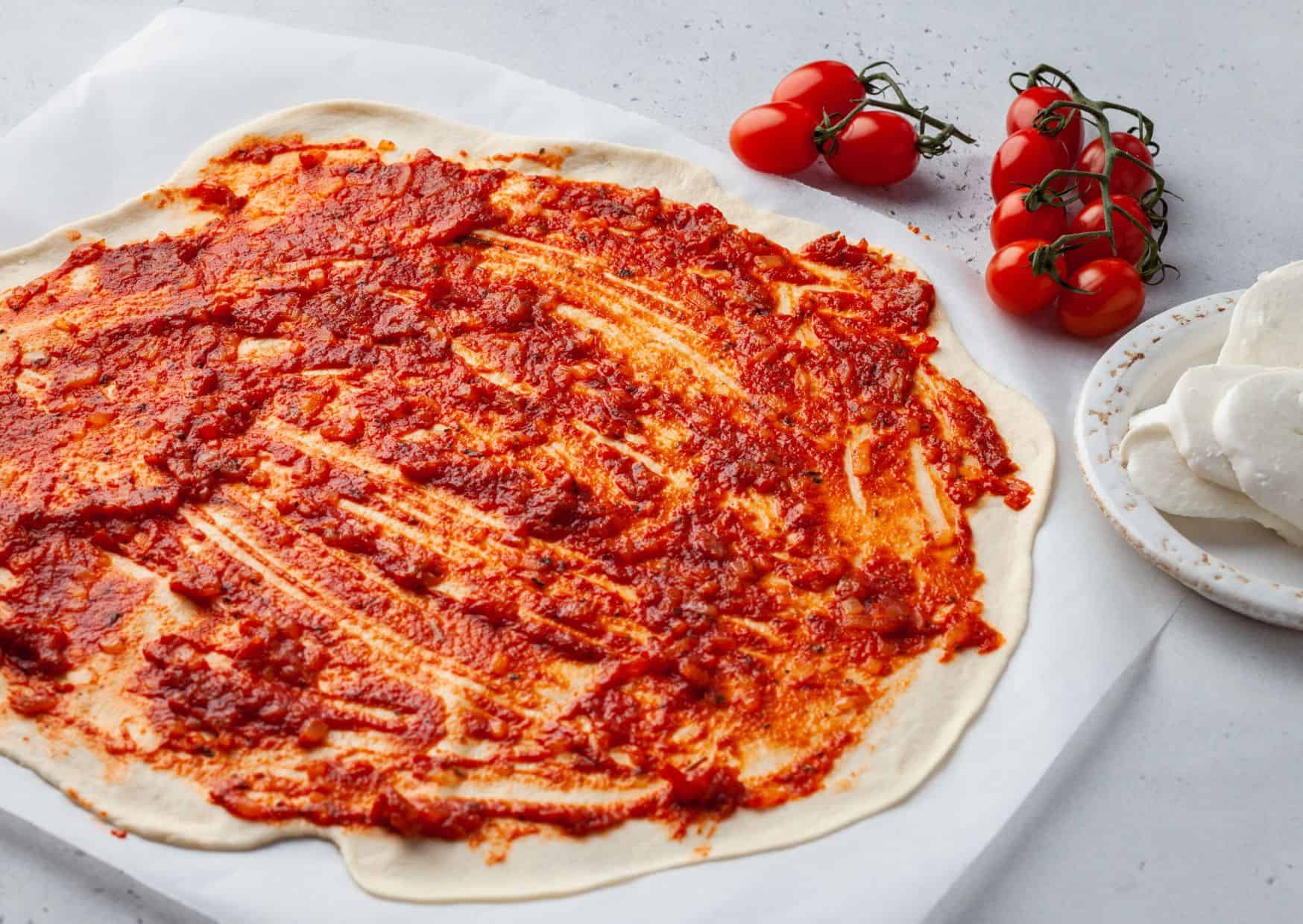
Place the rolled-out dough on a pizza peel or a baking sheet lined with parchment paper (if not using a pizza stone). Spread a thin layer of tomato sauce over the dough, leaving a small border around the edges for the crust.
Arrange the slices of fresh mozzarella evenly over the sauce. Sprinkle with salt and pepper to taste.
Bake the Pizza
Transfer the pizza to the preheated oven (onto the pizza stone if using) and bake for about 10-12 minutes, or until the crust is golden and the cheese is bubbling and slightly browned.
Add Fresh Basil
Remove the pizza from the oven and immediately top with fresh basil leaves. Drizzle with extra virgin olive oil.
Serve
Slice the pizza and serve hot.
Tips To Make Margherita Pizza
Use high-quality, fresh ingredients, especially San Marzano tomatoes for the sauce and fresh mozzarella cheese. Baking the pizza at a high temperature is key to achieving a crispy crust and properly melted cheese.
If possible, use a pizza stone to help evenly distribute heat and achieve a crispy crust. Add the basil after baking to preserve its flavor and color.
Allowing the dough to rise properly will make it easier to work with and result in a better texture.
How Many Calories Have Margherita Pizza
Pizza Dough: Approximately 600-700 calories (for the whole dough, depending on thickness)
Tomato Sauce: Approximately 70-90 calories
Fresh Mozzarella Cheese: Approximately 300-400 calories (for 2 cups)
Olive Oil: Approximately 240 calories (for 2 tablespoons)
Total Calories per Pizza: Approximately 1210-1430 calories
Calories per Slice (assuming 8 slices): Approximately 150-180 calories per slice
Origin and History
The Margherita pizza traces its roots to Naples, where simple, fresh ingredients defined everyday cooking for the working class. Early flatbreads topped with tomatoes, oil, and herbs were sold as street food long before the dish became a global icon. It was the Neapolitan insistence on minimalism that laid the foundation for the Margherita we know today.
Legend credits the pizza’s name to Queen Margherita of Savoy, who visited Naples in 1889. A local pizzaiolo prepared a pie featuring tomatoes, mozzarella, and basil, symbolizing the colors of the Italian flag. The queen’s reported fondness for this combination helped elevate the dish from humble street fare to a national culinary treasure.
Over time, the Margherita pizza cemented itself as a hallmark of Italian cuisine. Neapolitan pizza-makers guarded the original methods closely, ensuring their techniques survived modernization. Today, its history is celebrated through strict culinary standards designed to preserve authenticity.
Despite its simplicity, the Margherita pizza sparks surprisingly heated debates. Purists argue that any deviation from traditional ingredients such as swapping in shredded cheese, premade dough, or too many toppings dilutes the dish’s identity. For them, the beauty of a Margherita lies in restraint and balance.
Another point of controversy surrounds the type of tomatoes and mozzarella used. Some insist that only San Marzano tomatoes and fresh mozzarella di bufala qualify, while others believe high-quality substitutes are acceptable. This divide often appears in conversations among home cooks trying to replicate the classic without access to specialty ingredients.
There is also debate around cooking methods. Traditionalists maintain that a true Margherita must be baked in a wood-fired oven to achieve its signature char and soft interior. Conversely, modern home cooks argue that with the right technique, a standard kitchen oven can deliver excellent results. These differing views illustrate how tradition and practicality can clash in a beloved recipe.
How Long It Takes to Prepare
Preparing an authentic Margherita pizza takes longer than many expect, largely because of the dough. A proper Neapolitan-style dough needs several hours to rise, allowing gluten to relax and flavor to develop. While some recipes offer quicker versions, the long fermentation remains key to texture and taste.
Once the dough is ready, assembly is quick. Shaping the dough, adding tomato sauce, placing fresh mozzarella, and topping with basil take only minutes. The focus here is precision rather than complexity, as each ingredient must be treated with minimal handling to preserve its natural character.
Cooking time depends on your oven setup. A wood-fired oven completes the task in under two minutes, producing a blistered crust with a tender center. A home oven requires closer to ten minutes, especially when using a pizza stone or steel to mimic the intense heat of traditional baking.
Serving Suggestions
Margherita pizza shines brightest when served immediately, fresh from the oven. The cheese should still be molten, the basil aromatic, and the crust slightly crisp around the edges. Cutting it into wide slices preserves the soft center that defines Neapolitan style.
Pairing the pizza with a simple side can elevate the meal without overshadowing it. A crisp green salad, lightly dressed with lemon and olive oil, complements the richness of the mozzarella. Alternatively, a bowl of marinated olives or roasted vegetables offers a Mediterranean touch.
For beverages, a light Italian red or a chilled white wine enhances the dish’s delicate flavors. Sparkling water with a slice of lemon works equally well if you prefer a nonalcoholic pairing. The goal is to keep the focus on the pizza’s simplicity and the ingredients’ natural brightness.
Final Thoughts
Mastering a Margherita pizza at home is more about understanding technique than following a long list of ingredients. With just five essentials, you can create a dish that captures the essence of Italian cooking: fresh, honest, and deeply satisfying. The key lies in respecting each component and allowing them to shine.
While debates about authenticity will always continue, what matters most is creating a version that feels meaningful in your own kitchen. Whether you follow strict Neapolitan rules or adapt the recipe to suit your equipment, the spirit of the Margherita remains intact when simplicity guides your choices.
In the end, this pizza reminds us that great food does not need complexity. With patience in preparing the dough, quality ingredients, and mindful technique, you can bring a timeless classic to your table. The result is a dish that proves less can indeed be more.

About the Author: Ruben, co-founder of Gamintraveler.com since 2014, is a seasoned traveler from Spain who has explored over 100 countries since 2009. Known for his extensive travel adventures across South America, Europe, the US, Australia, New Zealand, Asia, and Africa, Ruben combines his passion for adventurous yet sustainable living with his love for cycling, highlighted by his remarkable 5-month bicycle journey from Spain to Norway. He currently resides in Spain, where he continues sharing his travel experiences with his partner, Rachel, and their son, Han.