
(The cooking method, portions, and recipe that keep pasta on the plate and off your waistline)
Spend a week eating like Italians and you notice something calm. Pasta shows up often, lunch still ends with energy, and the scale does not panic. There is no miracle noodle hiding in Rome. What changes the results are how pasta is made, how pasta is cooked, and how pasta is served. In Italy the defaults favor you, from durum semolina law to al dente timing and modest portions with real food on the side. Copy those defaults at home and pasta stops being a problem food.
Quick Easy Tips
Choose pasta made from high-quality durum wheat and avoid overly processed varieties.
Keep portion sizes moderate and let vegetables, herbs, and lean proteins take center stage.
Focus on lighter, olive-oil-based sauces instead of heavy cream or cheese additions.
Eat slowly and mindfully to allow your body to recognize fullness.
Balance pasta meals with overall daily movement, even simple walking.
Many visitors arrive in Italy convinced that a daily bowl of pasta is a guaranteed path to weight gain, only to discover that Italians eat it regularly without the consequences Americans fear. This contrast sparks a debate that challenges long-held assumptions about carbohydrates, portion sizes, and dietary habits. The controversy often lies in the belief that pasta itself is unhealthy, rather than examining how it is prepared and consumed across different cultures.
Another point of debate is the quality of ingredients. Italian pasta, especially when made from durum wheat and paired with fresh, simple sauces, is quite different from heavily processed options found elsewhere. Critics argue that the problem is not pasta, but the additives, preservatives, and heavy toppings common in American versions. This difference fuels ongoing conversations about food production standards and how they impact health.
The final controversy centers around lifestyle. Italians often combine pasta-centric meals with active daily routines, slower eating patterns, and balanced portions. Some argue this lifestyle, not the pasta itself, is the reason behind their ability to enjoy the dish without gaining weight. Others believe it goes deeper, tied to cultural attitudes toward food, satisfaction, and moderation that differ sharply from American habits.
The Italian difference is structure, not magic
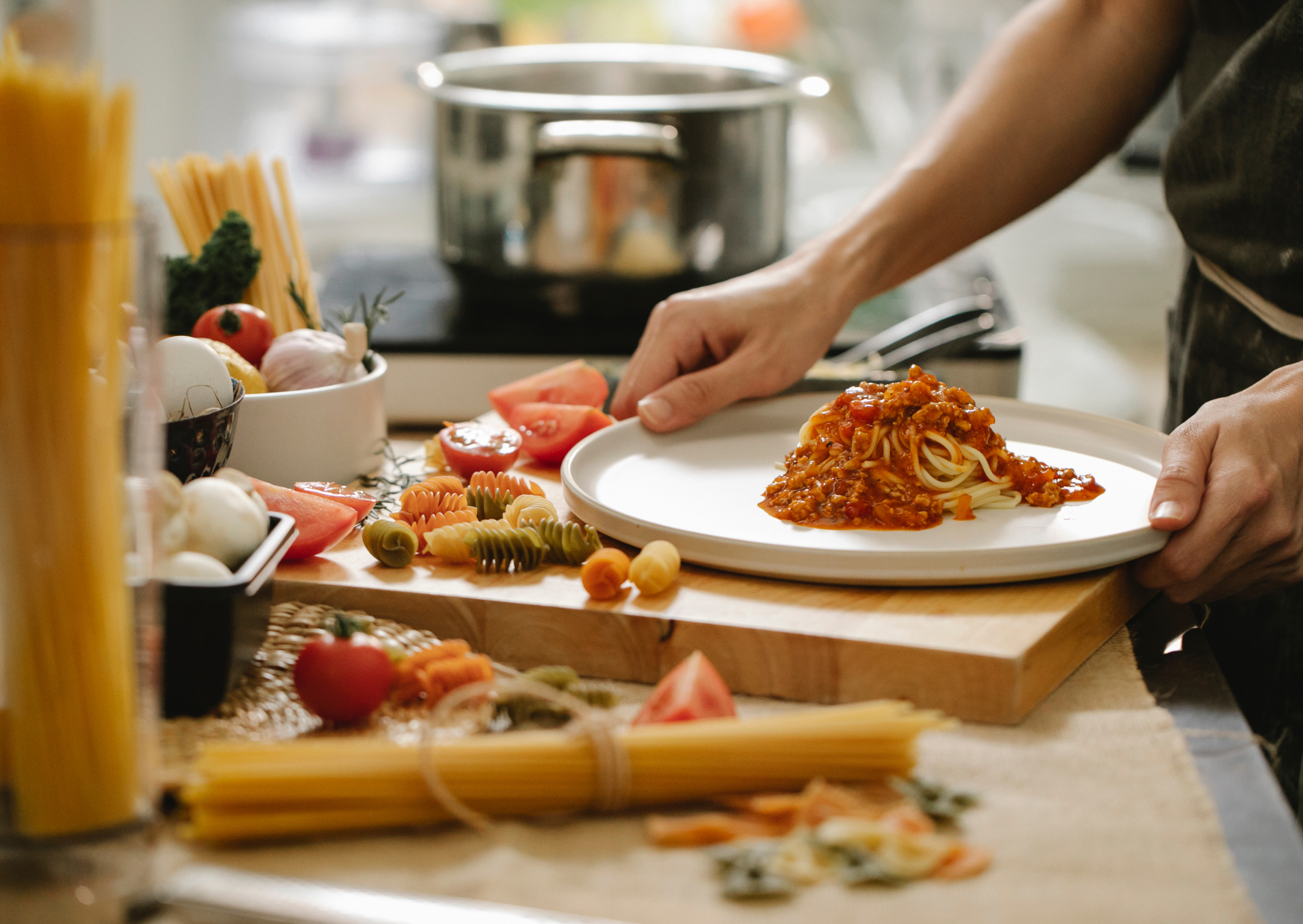
In the United States, pasta often arrives as a main course that could feed two people, smothered in cream or sugar-heavy sauces, and eaten with a sugary drink. In Italy, pasta is a primo that fits on a normal plate, cooked al dente so it digests slowly, and dressed with olive oil, tomatoes, vegetables, beans, seafood, or a little cheese. The same ingredient behaves differently when the portion is sane, the sauce is simple, and the meal is balanced. That structure, not willpower, is why many Italians manage weight while eating pasta regularly.
Two short rules do most of the work. Keep a dry portion near 80 grams per adult, then cook the pasta until it still has bite so the starch is not completely gelatinized. Those two habits alone change how full you feel and how stable your energy stays after lunch. Italian nutrition standards actually name 80 grams as the reference portion for dry pasta, which is exactly why your plate looks modest in a trattoria.
The science behind al dente and why it matters
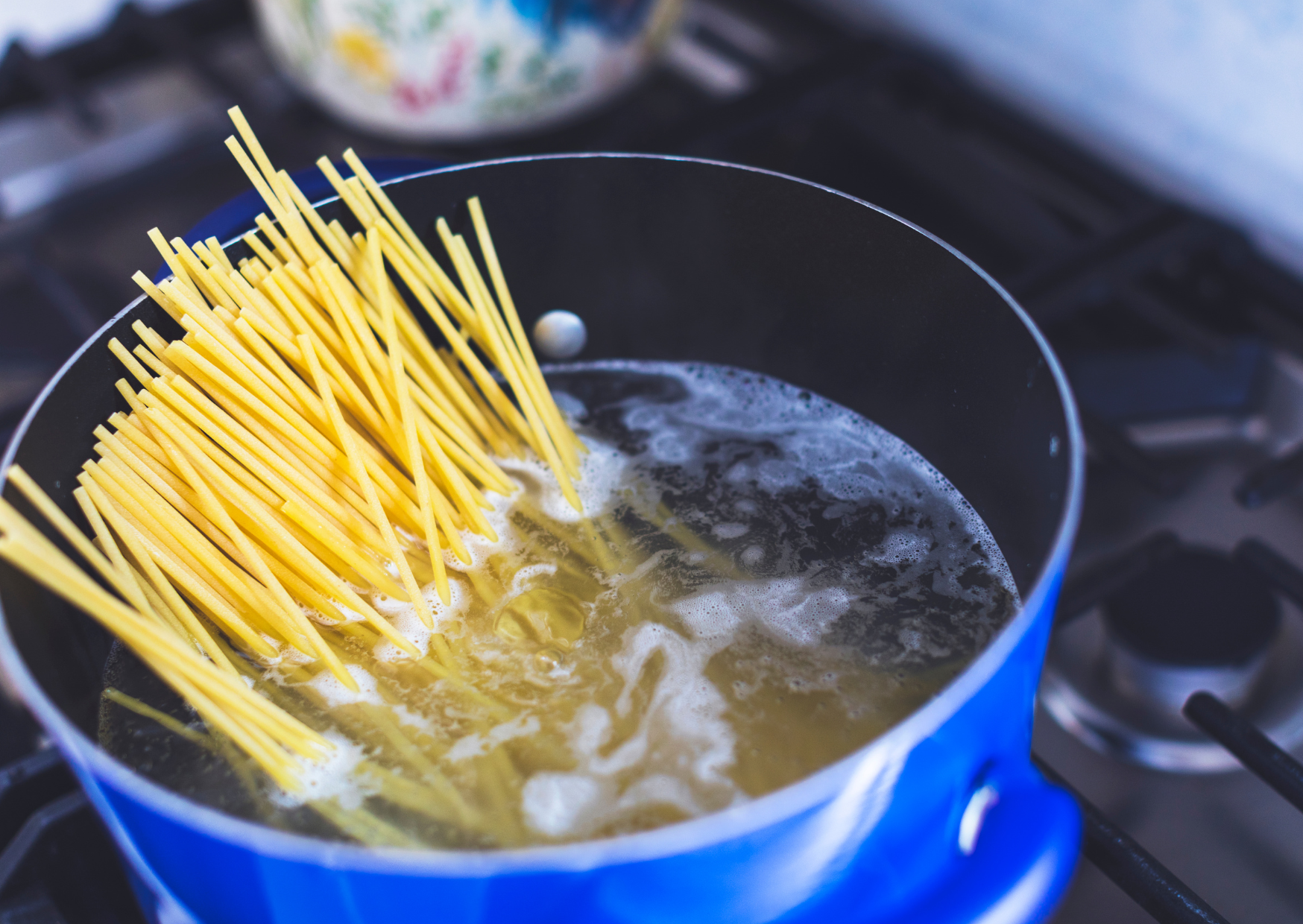
Properly cooked pasta has a lower glycemic index than the overcooked version, which means slower blood sugar rise and fewer crash cravings an hour later. When pasta is al dente, the starch granules are less broken down, so your body accesses the carbohydrates more gradually. Overcook it and you undo that advantage. Major diabetes and nutrition resources now say it plainly, al dente keeps the glycemic hit lower.
Leftovers help too. If you chill cooked pasta and eat it later, some of the starch retrogrades into resistant starch, which behaves more like fiber. Reheat gently and you still keep a good share of that benefit, with clinical measurements showing calmer glucose curves after cooled and reheated pasta compared with fresh hot. In practical terms that means tonight’s spaghetti al pomodoro becomes tomorrow’s quick pasta e ceci or pasta salad and your glucose response is likely friendlier. Al dente texture, cooling time, gentle reheat are small technique changes that add up.
Ingredients and rules that keep pasta simple food
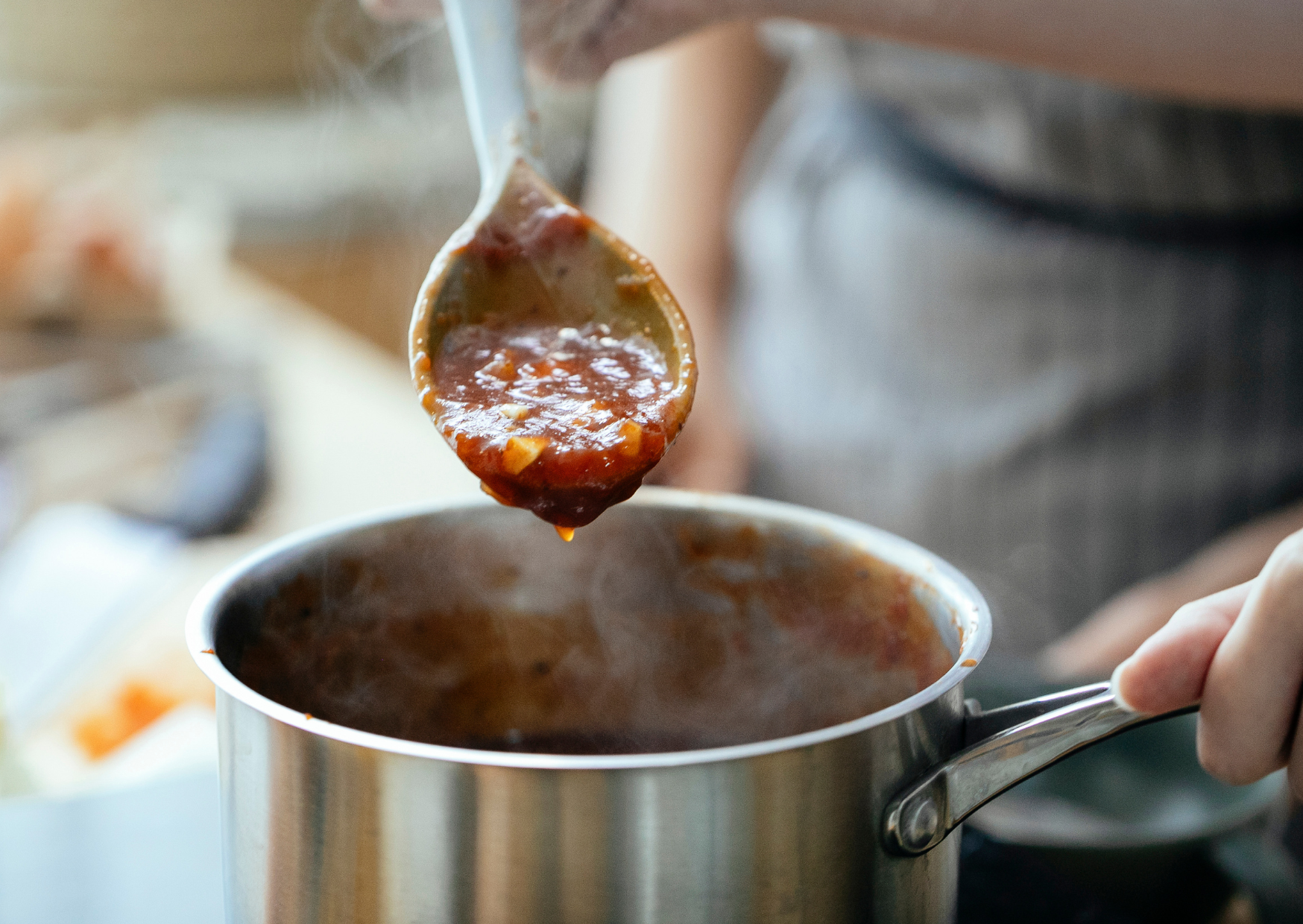
Italian dry pasta is, by law, made from durum wheat semolina and water. The result is firm texture, lower stickiness, and predictable cooking. That legal backbone keeps the market honest about what “pasta di semola” is. In the U.S., plenty of brands also use durum semolina, but the broader pasta aisle leans heavily on thick, sugar-leaning sauces and ultra-processed sides that change the meal’s profile. If your base is durum semolina, your sauce is olive oil and tomato, and your cooking is al dente, you are already playing the Italian game. Durum-only law, clean two-ingredient base, no mystery additives are the quiet advantages baked into the Italian system. pasta-unafpa.orgEUR-Lex
There is a second supermarket truth. Italians, on average, eat fewer ultra-processed foods than Americans, and a higher share of calories from minimally processed staples. Several European datasets place Italy near the lowest UPF share in Europe, while U.S. adults now get about half or more of their calories from ultra-processed products. Swap bottled sweet sauces and heavy “extras” for olive oil, tomatoes, garlic, herbs, and real cheese in small amounts and you remove the stealth calories that make pasta “fatting.” Fewer UPFs, more whole-food sauce, less hidden sugar is the upgrade. PMCCDC
Portions, pacing, and what an Italian plate really looks like
The Italian standard portion for dry pasta is 80 grams. That lands around 220 to 280 grams cooked depending on shape, a tidy mound that welcomes sauce rather than drowning in it. You then add vegetables, a salad, or a small protein before or after. When pasta is a course, not a heap, your total meal stays in check and you leave the table satisfied instead of sluggish. Eighty-gram baseline, sauce that coats not smothers, veg and protein around the plate is the template. sinu.it
It also matters what you pair with pasta. Beans, chickpeas, tuna, clams, or a handful of grated aged cheese add protein and a bit of fat, both of which slow gastric emptying and help satiety. Swap a cream bath for olive oil emulsified with starchy pasta water and you keep texture without a calorie avalanche. The sauce is not the main event. Pasta leads, sauce supports, extras finish.
How Italians actually cook pasta so it works for you
Good pasta is not complicated. Start with well-salted water so the pasta has flavor. Watch the clock and pull the pasta one minute before al dente, then finish in the pan with your sauce and a splash of starchy cooking water. The starch and olive oil create an emulsion that clings to noodles, so you need less sauce by volume to feel satisfied. Salted water, pan finish, starch-water emulsion are the three moves that make a modest portion feel luxurious.
One more quiet rule, sauce to pasta ratio. In a tomato-based primo, aim for about the same weight of tomatoes as dry pasta, not triple. In oil-based sauces, think two tablespoons of extra virgin olive oil per 80 grams dry as a ceiling for everyday cooking. These ratios preserve the flavor and mouthfeel you want without tipping the energy balance the wrong way. If you want extra richness, add it as a spoon of good ricotta or a small grating of Parmigiano Reggiano, not another cup of cream.
Recipe The weeknight Spaghetti al Pomodoro that stays light
This is the two-pan, twenty-minute pasta you meet in Italy, scaled for everyday eating and written with the same rules you have just read. It feeds two comfortably as a primo or one very hungry person, and the method scales easily.
Ingredients, serves 2 as a primo
- 160 g dry spaghetti or spaghettoni (80 g per person)
- 2 tbsp extra virgin olive oil
- 2 cloves garlic, lightly crushed
- 1 small shallot, minced (optional)
- 300 g canned whole tomatoes, hand-crushed, with juice
- 6 basil leaves, torn, plus more to finish
- 1 tbsp tomato paste (optional, for depth)
- Fine sea salt, freshly ground pepper
- 20 g grated Parmigiano Reggiano, to finish
- Chili flakes to taste
- Pasta cooking water as needed
Method
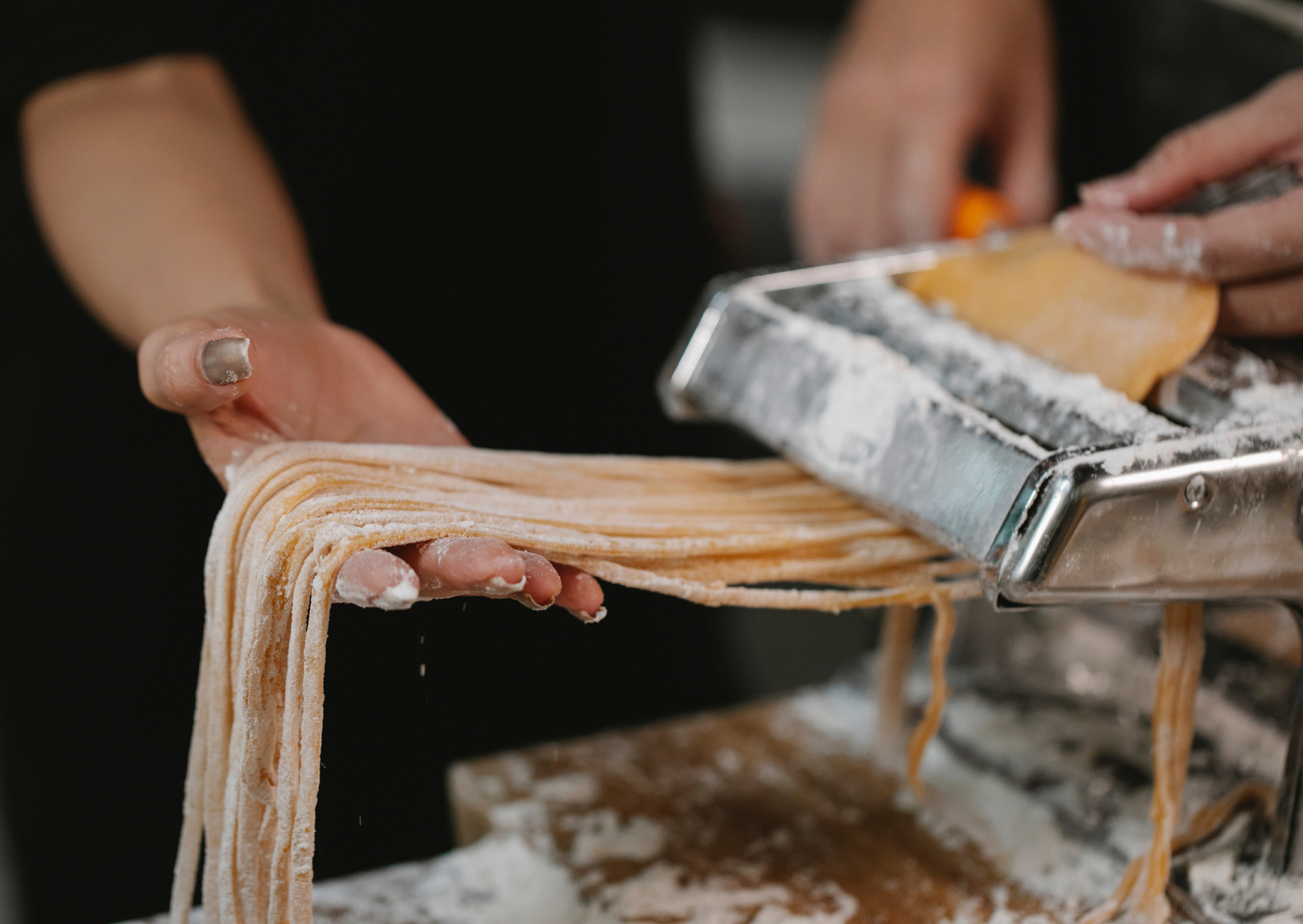
- Bring a large pot of water to a rolling boil and salt it generously. Add the spaghetti and start your timer. Your target is al dente.
- In a wide skillet, warm the olive oil over medium heat. Add garlic and shallot. Cook gently until fragrant, then add tomato paste if using.
- Add crushed tomatoes with a pinch of salt and pepper. Simmer five to seven minutes, then add basil. You want a bright, fresh sauce that still tastes of tomatoes.
- Two minutes before the pasta is al dente, transfer it to the skillet with a ladle of pasta water. Toss and reduce until the sauce clings. Add more water as needed.
- Off the heat, stir in half the Parmigiano. Taste and adjust salt. Plate and finish with the rest of the cheese, a thread of olive oil, basil, and chili flakes.
Why this stays light
The portion is 80 grams per person, the sauce is olive oil plus tomatoes, and the pasta is pulled al dente and finished in the pan. You get flavor and satiety without a heavy blood sugar spike or a cream bomb.
Variations that still fit the template
- Pasta e ceci. Add 200 g cooked chickpeas and a splash of pasta water to the sauce. Finish as above for more protein and fiber.
- Tuna and lemon. Swap tomatoes for good canned tuna, add lemon zest, parsley, and a spoon of capers. Keep the oil to two tablespoons total.
Leftovers that make tomorrow even easier on your blood sugar
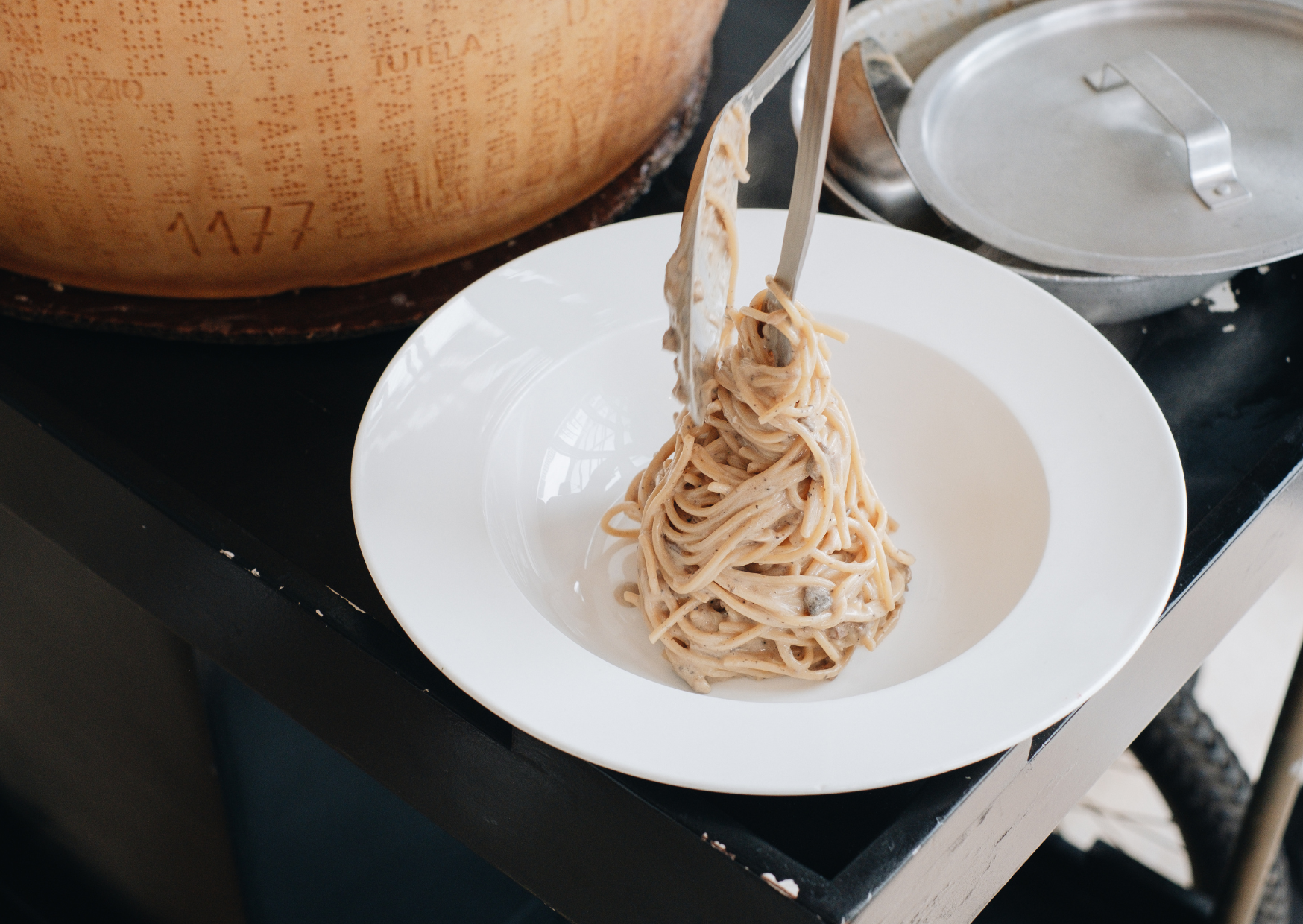
Cook once, eat twice is not just a time saver. It can be metabolically smarter. Cool leftover pasta in a shallow container, then store it in the fridge. Those hours of chilling increase resistant starch, which means a smaller glycemic punch the next day. When you are ready, reheat gently in a skillet with a splash of water, not a microwave blast, so texture stays firm. Or turn it into a pasta salad with white beans, arugula, cherry tomatoes, and a lemon and olive oil dressing. You keep the al dente bite, you add fiber and protein, and lunch lands softer.
Two safety notes keep leftovers friendly. Cool quickly, do not let pasta sit at room temperature for hours, and eat within a few days. Technique gives you the benefit, sloppiness takes it away.
Shopping and label habits that make pasta nights lean
What you buy matters as much as how you cook. Choose durum semolina pasta with just two ingredients, semolina and water. Skip sauces with added sugars listed high on the label and shelf-stable jars with extra salt and oils you do not need. A simple can of whole tomatoes, garlic, olive oil, and basil beats most bottles on taste and nutrition. If you do buy a jar, choose no added sugar and light sodium. The goal is simple. Two-ingredient pasta, five-ingredient sauce, no stealth sugar.
Portion gear helps. Keep a digital scale on the counter and weigh 80 grams per adult. Use smaller bowls so a normal portion looks full. Add a side salad you actually want to eat, then finish with an espresso or fruit, not a dessert bowl by default. These are tiny defaults that turn a heavy pasta habit into a satisfying Italian routine.
A 30-day pasta plan you can live with
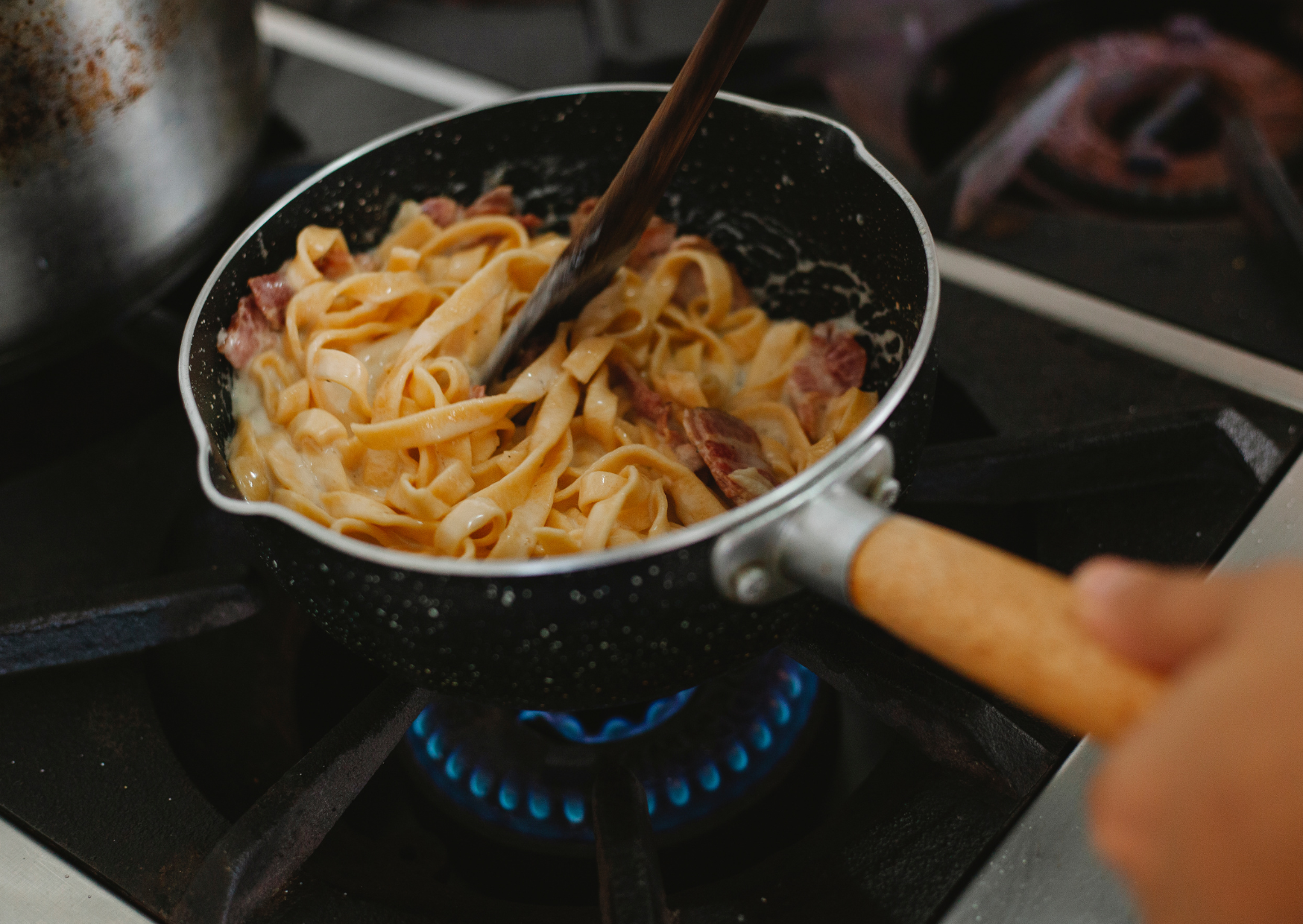
Pick two weeknights for pasta and one weekend lunch. Cook the al pomodoro recipe above the first week. In week two, repeat it and add pasta e ceci once. In week three, try tuna and lemon with parsley. In week four, make leftovers your friend by chilling and reheating once on purpose. Keep dry portions at 80 grams, cook al dente, and finish in the pan with a little pasta water. Add beans or seafood for protein, and serve with a big salad dressed in olive oil and vinegar.
Track one thing for the month, how you feel ninety minutes after eating. If energy and appetite are steady, the plan is working. If you are hungry early, tweak sauce protein upward or add a handful of nuts with your salad. If the scale creeps, check portion creep and measure dry pasta again. Firm texture, modest portions, real ingredients is not a diet, it is just how Italian pasta nights work.
What this means for you
Pasta is not the enemy. Oversized servings, overcooking, and sugar-laden sauces are. Italy’s system fixes those without drama. A legal baseline of durum semolina, a cultural habit of al dente, a standard 80 gram portion, and a plate built around olive oil, vegetables, legumes, seafood, and small amounts of cheese make pasta an everyday food that supports a stable weight. You do not need a plane ticket to use that system. You need a pot, a pan, a timer, and the recipe above.
Final Thoughts
Enjoying pasta daily without worrying about weight is less about magic and more about understanding food the way Italians do. When pasta is eaten in its traditional context fresh ingredients, balanced portions, and deliberate pacing it becomes part of a lifestyle that supports long-term health. This holistic approach is what makes the Mediterranean way of eating so successful and admired worldwide.
Rather than fearing carbs or eliminating favorite dishes, embracing a more thoughtful and intentional relationship with food can make a dramatic difference. Italians show that eating well is not about strict dieting but about choosing quality ingredients and savoring meals without rushing. This shift in mindset transforms pasta from a guilty pleasure into a nourishing staple.
Ultimately, the Italian approach teaches that health and enjoyment do not need to be opposites. By adopting a few cultural habits smaller portions, slower meals, and better ingredients you can enjoy pasta regularly while maintaining your health and even losing weight. It is a reminder that food, when respected and enjoyed properly, can be both delicious and supportive of well-being.

About the Author: Ruben, co-founder of Gamintraveler.com since 2014, is a seasoned traveler from Spain who has explored over 100 countries since 2009. Known for his extensive travel adventures across South America, Europe, the US, Australia, New Zealand, Asia, and Africa, Ruben combines his passion for adventurous yet sustainable living with his love for cycling, highlighted by his remarkable 5-month bicycle journey from Spain to Norway. He currently resides in Spain, where he continues sharing his travel experiences with his partner, Rachel, and their son, Han.